You’ve probably heard the saying “animals can smell fear,” but it’s not just a phrase.

When humans or other animals are frightened, their bodies release subtle chemical changes through sweat, breath, and even skin oils. These scent signals, called chemosignals, can be picked up by animals with far sharper noses than ours, and they often respond in fascinating (and sometimes unnerving) ways.
From dogs that tense up when they sense your nerves to horses that mirror your unease and predators that become more alert when prey panics, fear has a scent that doesn’t go unnoticed. Scientists have been studying how animals interpret these invisible cues, and the findings reveal just how finely tuned their senses really are. Here are some of the creatures that can literally smell your fear, and what they do about it when that happens.
1. Dogs sense stress through scent.

Dogs have up to three hundred million scent receptors, which means they can detect the smallest chemical changes in human sweat. When you’re scared, your body releases hormones that change your scent almost instantly. That’s why some dogs back away or bark when you’re anxious, while others grow protective. They don’t understand fear like we do, but they recognise it as something different and react to it instinctively.
2. Horses smell adrenaline.

Horses pick up on human body odour changes caused by stress hormones such as adrenaline and cortisol. They can smell these changes, and often react before you even realise you’re nervous. If you tense up around a horse, it might mirror that tension by becoming jumpy or restless. Experienced riders know to breathe deeply and stay relaxed, so the horse feels safe to follow their lead.
3. Cats notice subtle scent changes.

Cats may not seem as tuned in as dogs, but they’re excellent at detecting hormonal changes through scent. When you’re frightened or stressed, your skin and sweat produce different odours that they notice straight away. Some cats respond by keeping their distance, while others become unusually affectionate. It depends on their bond with you, but they’re definitely aware that something in your scent has changed.
4. Sharks detect distress chemicals in the water.
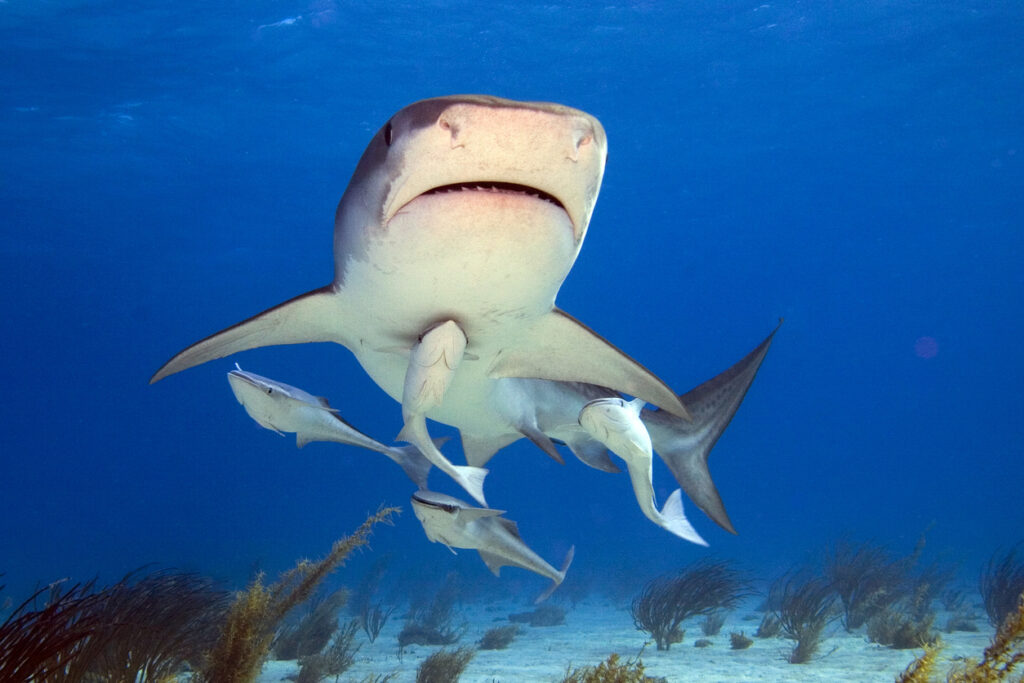
Sharks can detect a drop of blood in water from hundreds of metres away, but they also sense chemical stress signals released by injured or panicked prey. It’s one reason thrashing triggers their curiosity. They’re not drawn to fear itself, but to what it represents, which is weakness or distress. Staying calm in the water genuinely matters because smooth, steady movement signals you’re not in trouble.
5. Snakes taste fear on the air.

Snakes use their forked tongues to pick up scent particles and analyse them through a special organ in the roof of the mouth. That’s how they track prey and assess danger nearby. When a person’s scared, sweat contains more chemicals like lactic acid, which snakes can detect. If they sense that, they might freeze or slip away because they interpret sudden stress as potential threat.
6. Elephants pick up fear through breath.
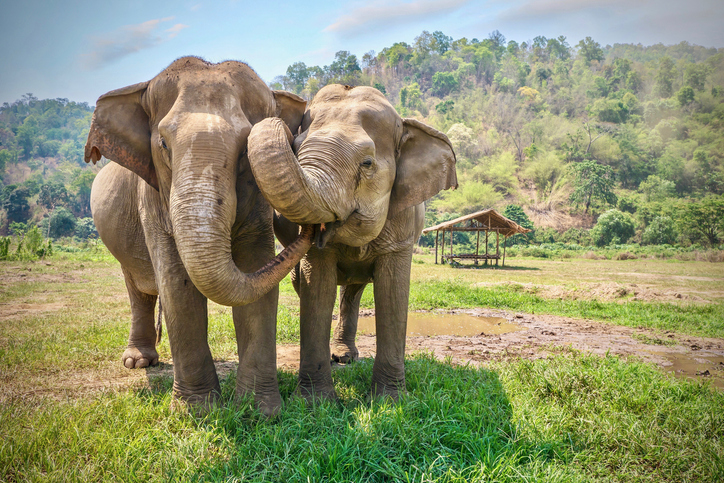
Elephants can recognise human emotions through both sight and smell. Researchers found that they react differently to sweat samples taken from people who were calm versus those who were scared. When they smell fear, elephants become more cautious and huddle closer together. They use this information to decide whether a situation feels safe or threatening, showing how socially intelligent they truly are.
7. Bees sense stress hormones.

Bees are sensitive to the smell of human sweat, particularly when it contains alarm pheromones linked to fear. Fast movement and that scent combination can trigger defensive behaviour in a swarm. If you stay calm and still, they’re less likely to see you as a threat. The moment you panic, your body sends signals that translate as danger in their chemical language.
8. Rats smell anxiety in humans and other animals.
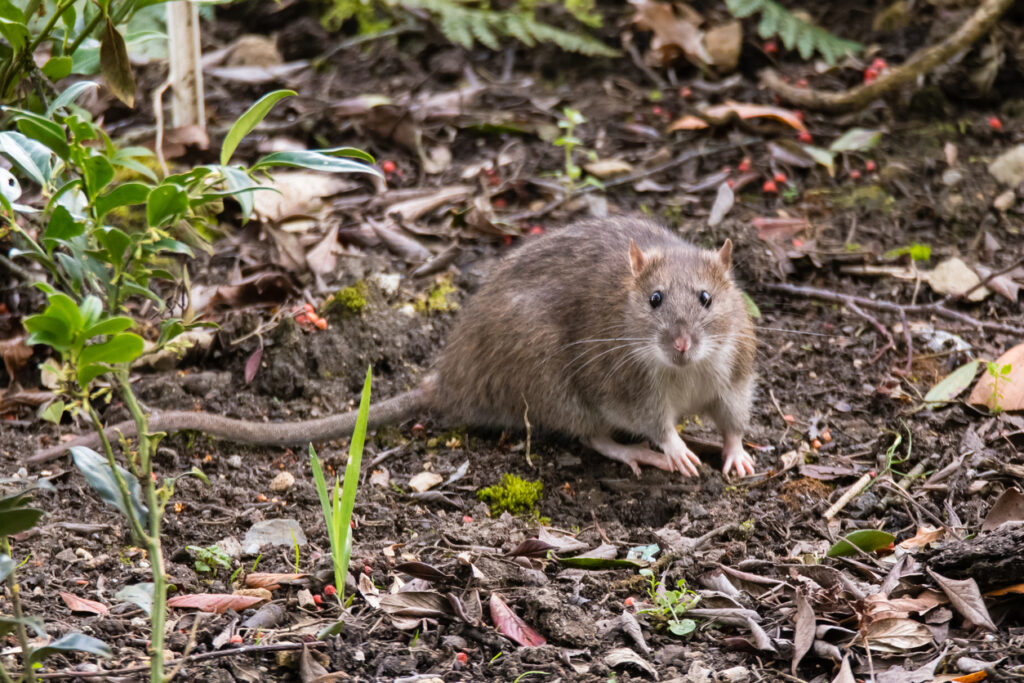
Rats are incredible scent detectors. In studies, they could tell the difference between sweat samples from relaxed and anxious people. They even change behaviour when smelling fear from other rats. When they detect anxiety, they often freeze or hide, interpreting it as a sign that danger’s nearby. That sensitivity has helped them survive in unpredictable environments for thousands of years.
9. Deer detect fear through scent and sound.
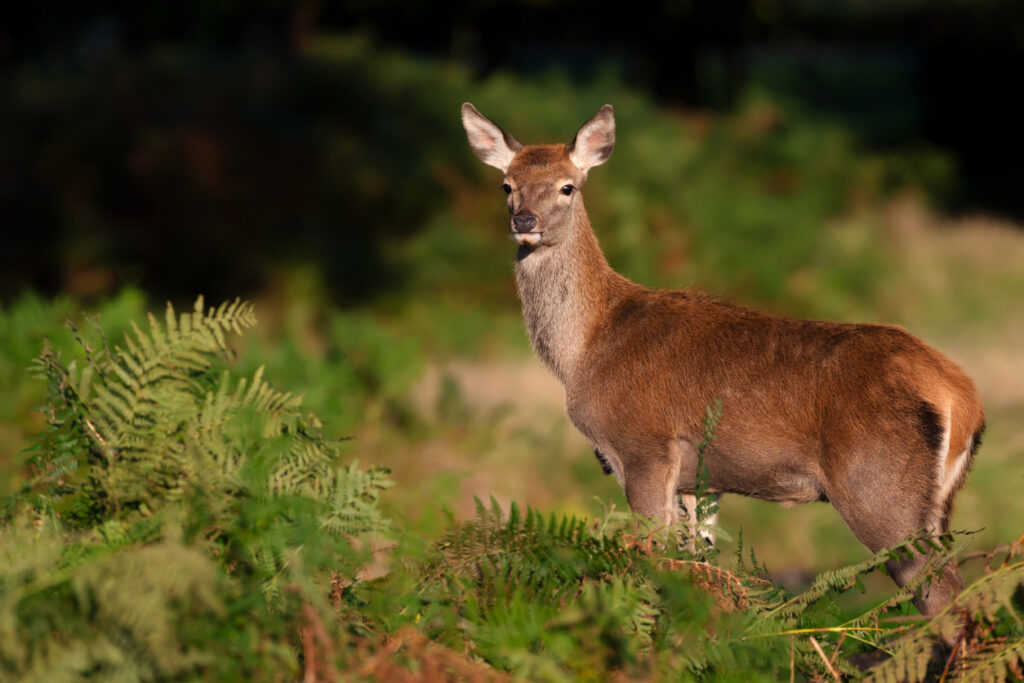
Deer have sharp senses that alert them to predators. When humans or other animals are scared, they release stronger scents through sweat and breath, and deer recognise this as a possible warning. They respond by lifting their heads, freezing or bolting into cover. It’s a survival instinct that helps the herd react before they can even see the source of danger.
10. Wolves use scent to sense emotion.

Wolves rely heavily on smell to communicate. Within their pack, scent signals mood, dominance, and stress. They can detect chemical changes in prey and in people who approach too closely. A nervous person smells different, and wolves respond cautiously, watching for sudden movement. Calm confidence, however, can make them curious rather than threatened. It’s a fine balance that nature has hardwired.
11. Bats detect stress hormones through breath.
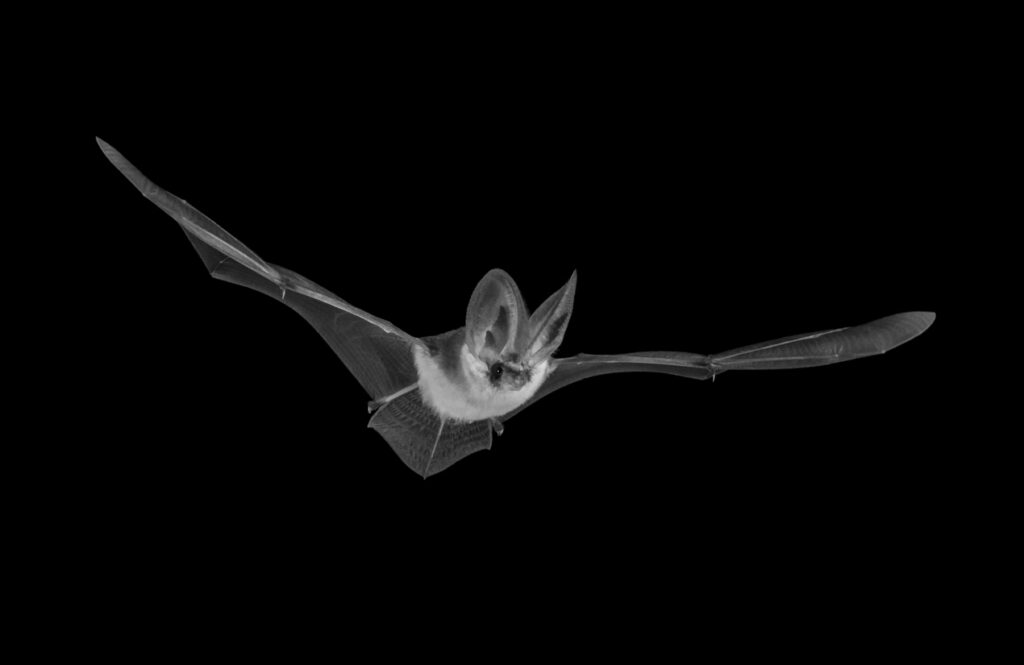
Some species of bats can sense changes in carbon dioxide levels and hormones from exhaled breath. When animals around them panic, they pick up those signals and adjust their movements. For fruit bats living in colonies, this helps avoid danger. They sense stress spreading through the group and quickly take flight, which keeps them one step ahead of predators.
12. Pigs respond to fear chemicals.
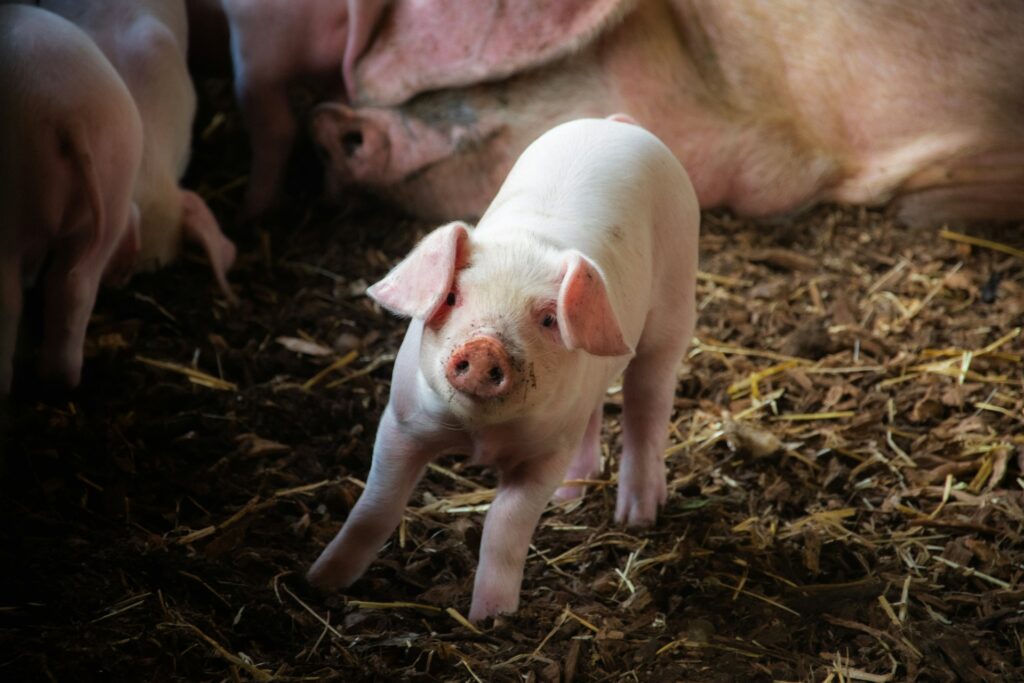
Pigs have an outstanding sense of smell, often compared to dogs. When humans or other animals release fear hormones, pigs pick it up and sometimes squeal or fidget restlessly as a result. Farmers know that calm handling matters because pigs smell distress immediately. Keeping their environment relaxed helps prevent panic from spreading through the group in seconds.
13. Mice sense fear through sweat and tears.

Mice have a special ability to detect fear pheromones released through sweat and even tears. These cues warn them that something nearby might be dangerous, helping them escape before it’s too late. When they sense fear in others, mice often freeze or hide. It’s their first line of defence, showing how emotional signals in scent can shape animal behaviour instantly.
14. Coyotes smell fear in prey.
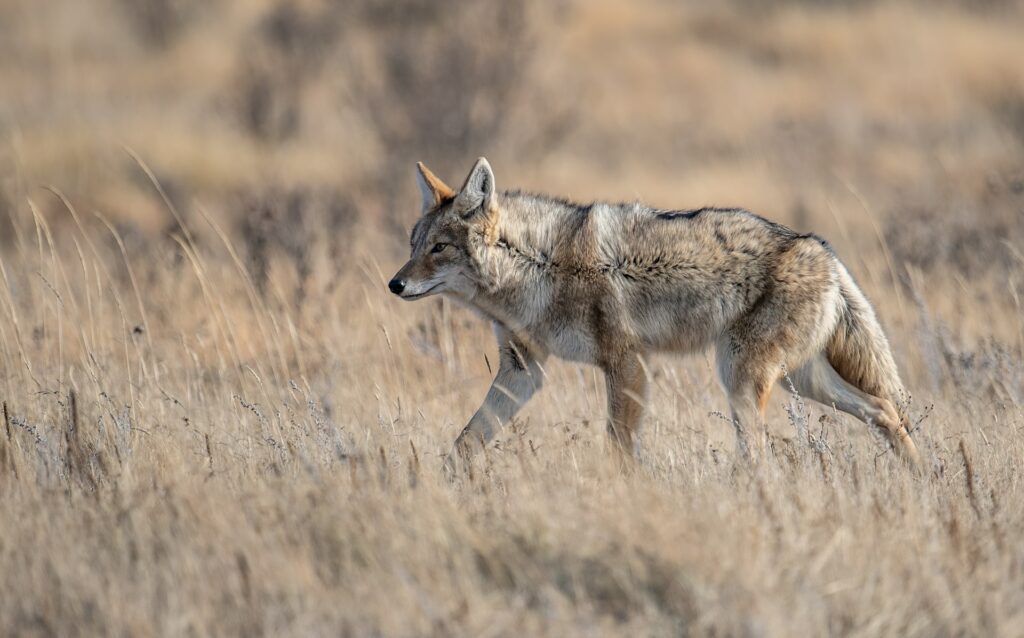
Coyotes rely on scent to track injured or frightened animals. Fear produces strong metabolic odours, especially when adrenaline spikes. To a coyote, that’s an easy sign of vulnerability. Their keen noses guide them toward those trails, which is why prey that stays still often survives longer. Calmness, even for animals, can mean the difference between life and death.
15. Goats detect human stress.
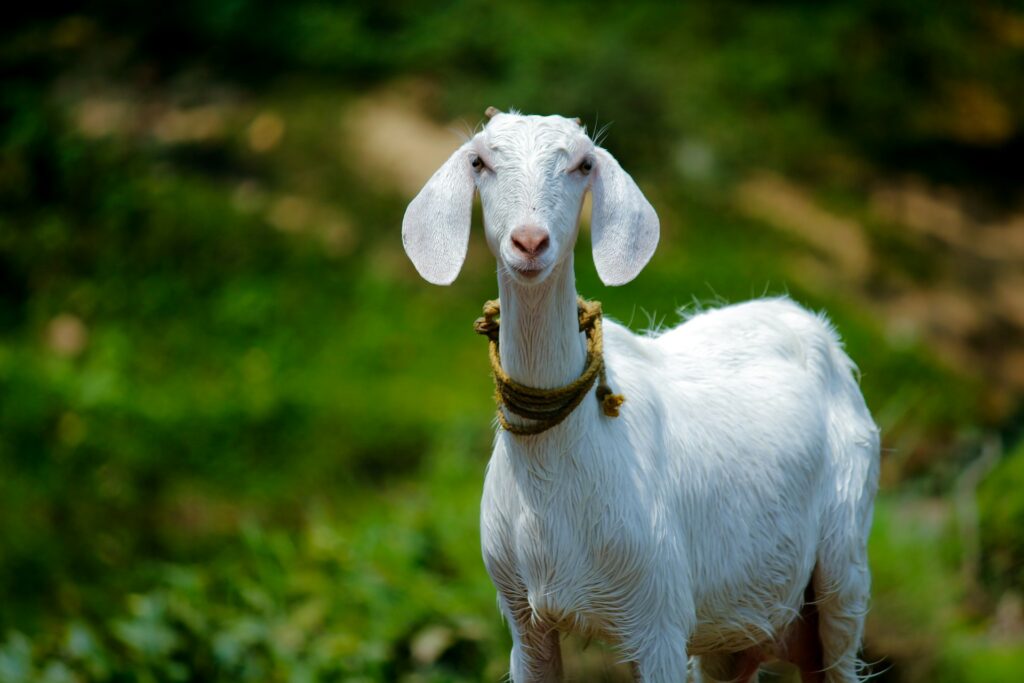
Recent research found that goats can tell when a human’s voice and scent signal stress. They react by becoming more alert, watching body language closely to decide whether they should move away. They might not understand fear directly, but they recognise tension. Calm handling keeps them cooperative, while anxious movement makes them wary. It’s proof that even farm animals read us better than we think.
Keeping calm is important.

The idea that animals can smell fear isn’t myth, it’s biology. Our bodies release hundreds of chemical signals when we’re frightened, and those messages travel further than we realise. For animals, those scents aren’t emotional, they’re information. They tell a dog whether you’re safe, a shark whether you’re injured, and a horse whether you can be trusted. It’s all about survival.
Learning to stay calm around animals isn’t just kindness, it’s communication. The quieter your body language and breathing, the more their instincts relax. Fear has its own scent, but so does confidence, and they can tell the difference.