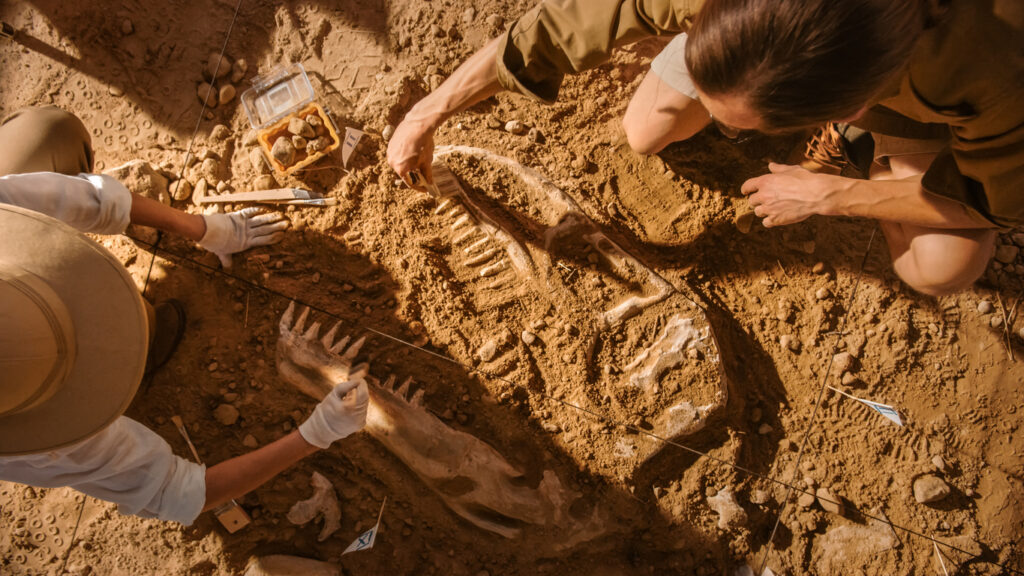
When we picture dinosaurs, we usually imagine them as unstoppable giants that are fierce, flawless, and perfectly adapted to survive. However, the fossil record tells a much more human story. Beneath those ancient bones are traces of pain, illness, and survival that show dinosaurs weren’t invincible at all. They broke bones, caught infections, fought with rivals, and lived with the scars.
Modern technology has allowed scientists to study those remains in incredible detail, revealing everything from healed fractures to evidence of cancer, arthritis, and even dental abscesses. Each injury offers a glimpse into what life was really like millions of years ago. Needless to say, it was brutal, unpredictable, and often surprisingly resilient.
Here’s what dinosaur bones reveal about the injuries and diseases these ancient creatures faced, and what those findings tell us about how they lived (and survived) in a world far harsher than ours.
Broken bones were surprisingly common.
Ribs and tail vertebrae show the most frequent injuries in fossilised dinosaurs, with fractures happening regularly from fights, accidents, and general prehistoric mayhem. These weren’t minor bumps either, some dinosaurs survived absolutely devastating breaks that healed while they were still alive.
What’s wild is that the weight-bearing bones like femurs and tibias rarely show damage, probably because an injury there meant you couldn’t run or walk, and you’d get picked off by predators quickly. The dinosaurs whose fossils we find are the survivors who managed to heal from injuries that didn’t completely immobilise them.
One Dilophosaurus survived eight separate injuries.
A single Dilophosaurus specimen shows evidence of eight bone injuries in its front limbs and shoulders, meaning this predator somehow survived with a useless front limb for weeks while it healed. Scientists reckon it must’ve eaten carrion or very small prey because hunting with those injuries would’ve been impossible.
The fact that it survived long enough for the bones to heal smooth tells us these animals were tougher than we imagined. Modern wild animals rarely survive major injuries, but this dinosaur muscled through multiple catastrophic breaks and kept going.
Bite marks show who was fighting whom.
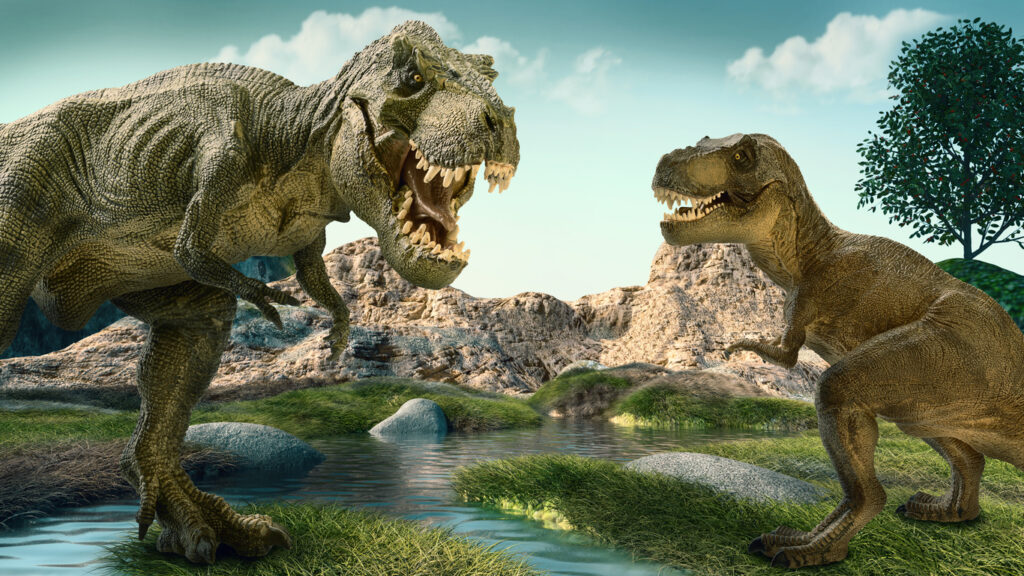
Punctures and pits in bones often line up perfectly with the teeth of other dinosaurs, telling us exactly which species were attacking each other. Tyrannosaurs have bite marks from other tyrannosaurs, suggesting they fought amongst themselves, possibly over territory or mates.
These aren’t scavenging marks from after death either because healed bone tissue around the bites proves the dinosaur survived the attack and lived long enough for the wound to start mending. The fossil record is basically documenting prehistoric violence in real time.
Stress fractures reveal hunting behaviour.
Small repetitive cracks in foot bones suggest theropod dinosaurs weren’t getting injured from running, they were getting hurt from struggling with prey. The stress fractures appear in places that would take repeated impact from holding down thrashing animals with their feet.
This proves these dinosaurs were active hunters rather than just scavengers because you don’t get those specific injuries from eating something that’s already dead. The damage pattern matches what you’d see in a predator that’s regularly tangling with dangerous prey.
Cancer existed in dinosaurs too.
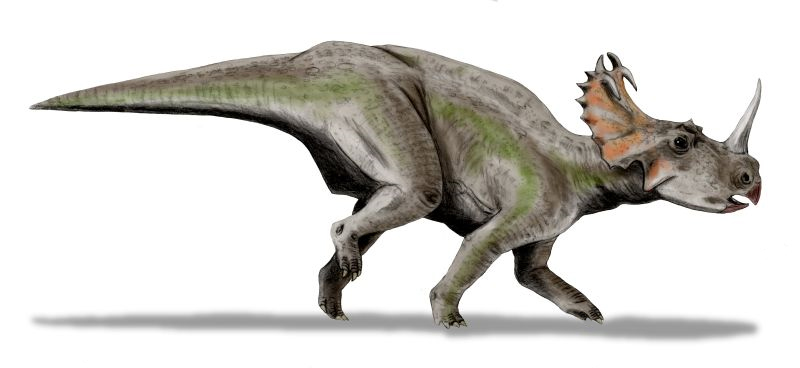
A Centrosaurus fossil from 77 million years ago shows clear evidence of osteosarcoma, an aggressive bone cancer that affects the leg. Scientists used CT scans and compared it to human cancer patients to confirm the diagnosis at a cellular level, proving cancer is way older than we thought.
The tumour was advanced enough that it would’ve crippled the dinosaur and probably killed it if something else hadn’t got there first. The fact that this specimen died in a flood with its herd suggests it was being protected by the group despite being severely hobbled by disease.
Infections left distinctive damage patterns.
Osteomyelitis, a bone infection, shows up as concentrated areas of damaged tissue that look completely different from injury related problems. Brazilian sauropod fossils from 80 million years ago show unhealed lesions consistent with deadly infections that were spreading through the bone when the animal died.
These infections could’ve been caused by pathogens spreading from wounds or from systemic illness, and the fact that some are unhealed means the dinosaur died before it could recover. Modern animals die from bone infections too, so this shows dinosaurs faced the same deadly diseases we see today.
Arthritis was surprisingly rare.
Despite what people assumed for years, osteoarthritis was actually uncommon in dinosaurs. Out of thousands of specimens examined, only two Iguanodon individuals from a Belgian herd showed clear signs of arthritis in their ankles.
Scientists used to think arthritis was everywhere in dinosaurs, but they were confusing it with other types of bone growth near joints. The rarity suggests dinosaurs either didn’t live long enough to develop degenerative joint disease, or their biology protected them from it better than ours does.
Horned dinosaurs broke ribs during mating displays.
Ceratopsians like Triceratops show patterns of mid-rib and posterior rib fractures that researchers link to territorial defence and courtship behaviour. These dinosaurs were literally breaking their own ribs during aggressive displays to establish dominance and attract mates.
The injuries cluster in specific places that make sense if the animals were ramming into each other or stamping their feet violently during confrontations. Modern animals do similar displays, but usually without quite as much self-inflicted damage.
Tumours appeared in multiple dinosaur species.
Hadrosaurs show evidence of various tumours including hemangiomas and osteoblastomas, with about 3% of examined bones showing some kind of growth. Tyrannosaurus rex fossils have revealed benign tumours, proving cancer and tumour formation has been around for at least 70 million years.
The pattern seems to run in family groups, suggesting either genetic susceptibility or environmental factors like eating plants rich in carcinogenic compounds. Either way, dinosaurs weren’t immune to the same cellular mutations that cause tumours in modern animals.
Parasaurolophus had multiple health problems at once.
One Parasaurolophus specimen at the Royal Ontario Museum shows a dental infection in its jaw, fractures in three ribs with callus formation from healing, and abnormal bone overgrowth on its spine. This individual was dealing with several serious conditions simultaneously and somehow kept living.
The combination of problems suggests this dinosaur’s life was pretty rough towards the end, but it survived long enough for at least some of the injuries to start healing. These fossils remind us that prehistoric life wasn’t just about dramatic predator prey encounters, it was also about enduring chronic pain and illness.