Nature’s full of surprises, but few are as mind-bending as animals that can actually change their gender.
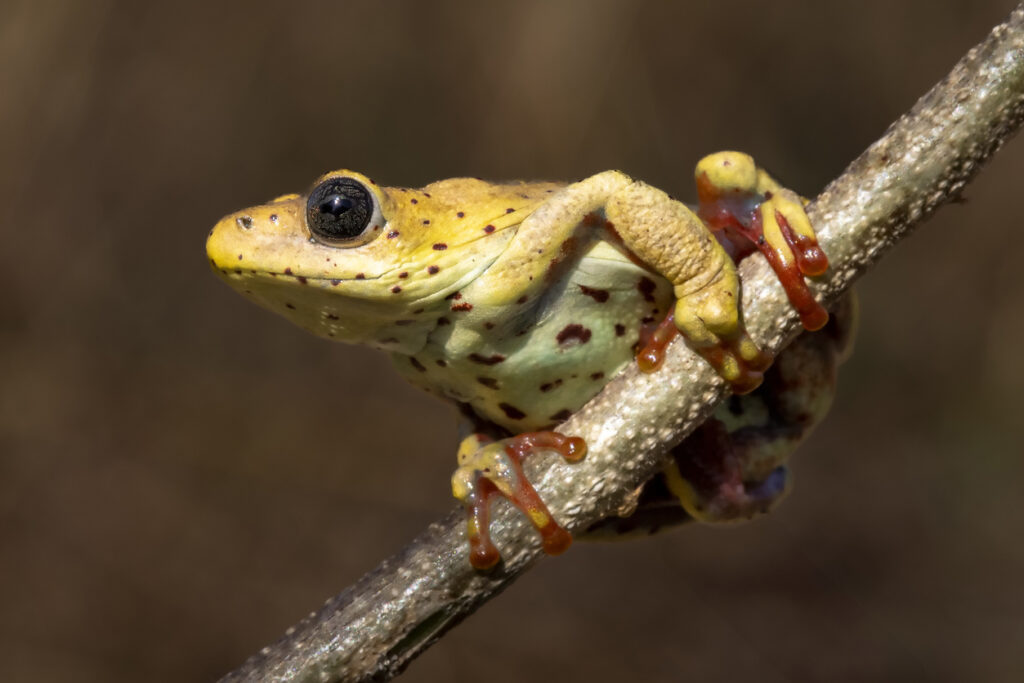
While it sounds like something out of science fiction, it’s a real and surprisingly common survival strategy in the natural world. From fish that switch sexes when mates are scarce to reptiles whose gender is decided by temperature, evolution’s come up with some astonishing ways to keep species going. These changes aren’t random; they’re precise, purposeful, and often the reason certain creatures have thrived for millions of years.
Once you see how and why it happens, it’s hard not to be impressed by just how flexible life can be when it needs to adapt.
1. Clownfish turn male to female when needed.
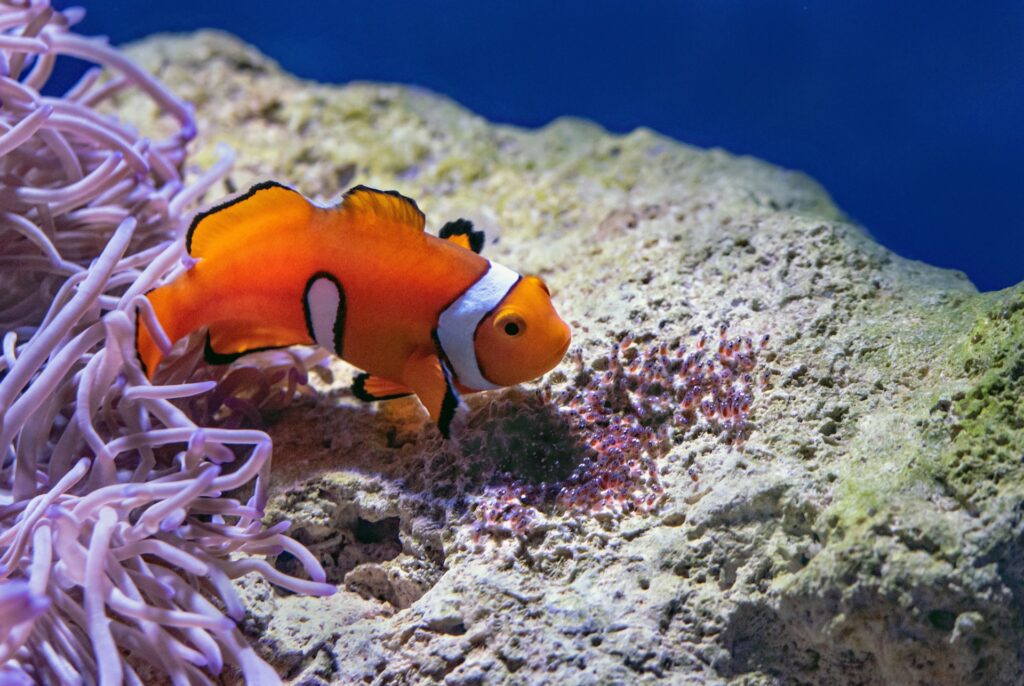
All clownfish are born male, but when the dominant breeding female dies, the largest male in the group transforms into a female to take her place. It’s not gradual either, the change happens within weeks and it’s permanent.
This system means their social group always has a breeding pair without needing to find new mates from outside. The hierarchy just shifts up, with the next largest male becoming the new breeding male whilst the transformed female takes charge.
2. Some frogs switch gender based on population.
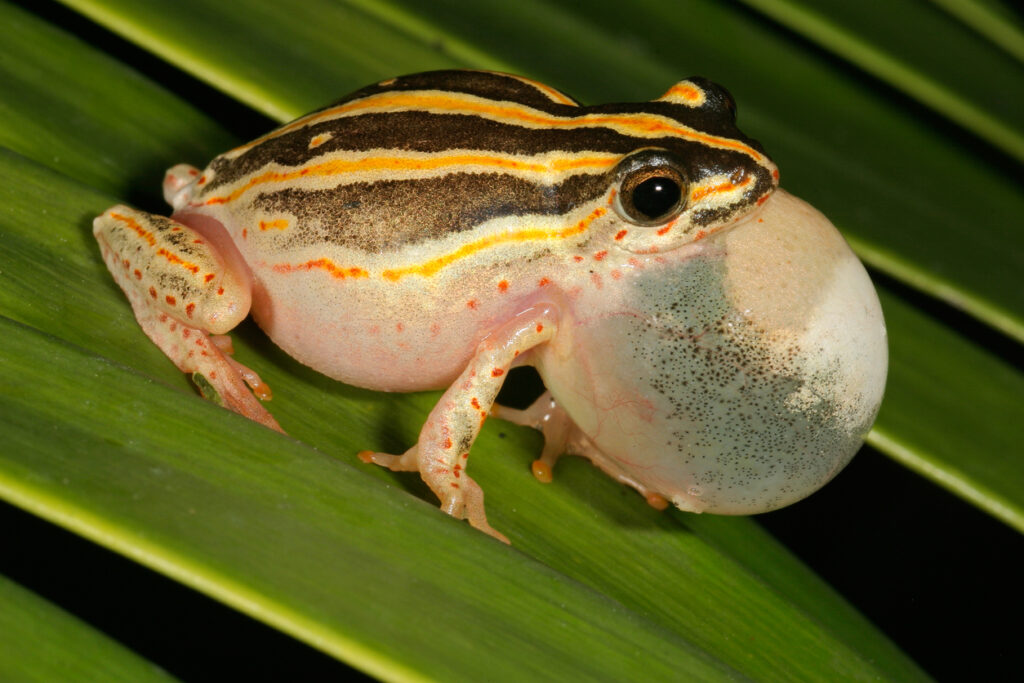
Certain frog species can change from female to male if there’s a shortage of males in their pond. The transformation involves their ovaries developing into functional testes that produce viable sperm.
It’s a population level survival strategy that ensures breeding can continue even when the gender ratio gets skewed. One pond might have mostly females one season, then balance itself out as some individuals make the switch.
3. Parrotfish change multiple times throughout life.

Many parrotfish start life as females, then transition to males as they grow larger and more dominant. Some species can actually reverse back to female if the social situation demands it, making them serial gender changers.
The males often look completely different from females, with brighter colours and different body shapes. What appears to be several species in the reef might just be the same fish at different life stages and genders.
4. Wrasses have flexible gender hierarchies.

In bluehead wrasse groups, all the fish start as females until the dominant male dies or disappears. Within hours, the largest female begins transforming into a male, with full gender change completing in about two weeks.
The speed of this change is remarkable considering it involves complete reproductive system restructuring. They can’t afford to wait around without a breeding male, so evolution gave them this rapid response system.
5. Bearded dragons override genetics with temperature.
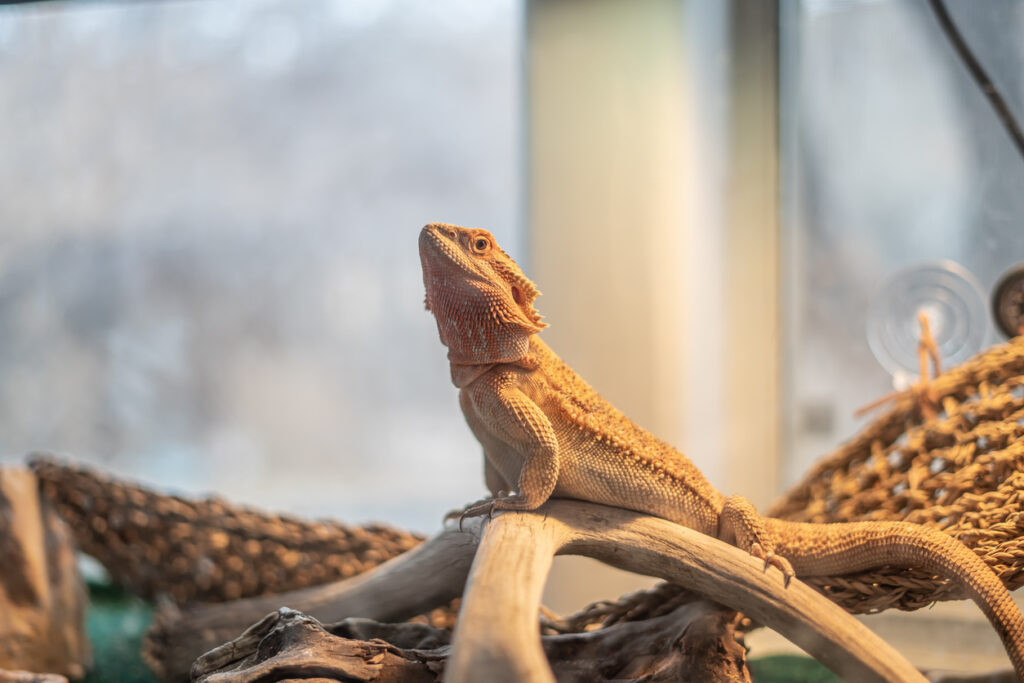
Female bearded dragons with male chromosomes can develop as males if eggs are incubated at high temperatures, essentially overriding their genetic gender. These temperature shifted individuals are fully functional in their new gender.
It’s not quite the same as changing gender during life, but it shows how flexible gender can be even in reptiles. The environment literally rewrites their sexual development before they’ve even hatched.
6. Slipper limpets stack up and change accordingly.
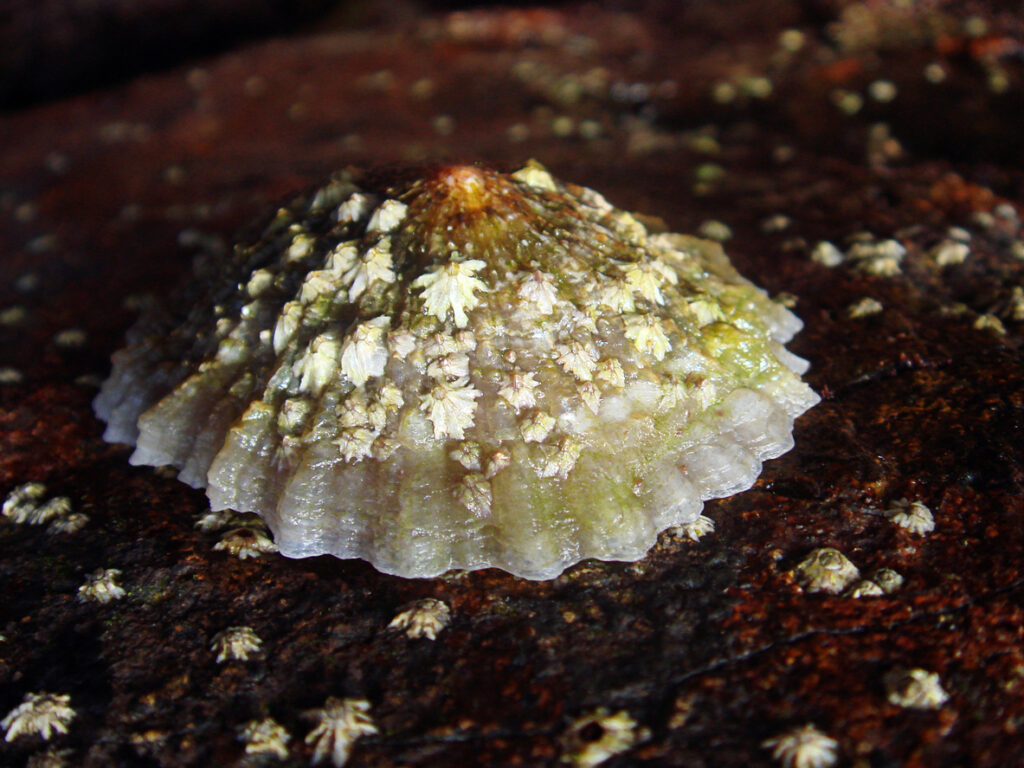
These sea snails live in towers, and they’re all born male, but change to female as they age and get bigger. The largest ones at the bottom of the stack are female, whilst the small young ones on top are male.
It’s weirdly efficient because small males can move around to find stacks, whilst large females stay put and produce massive amounts of eggs. Their entire mating system is built around this size-based gender progression.
7. Ribbon eels transform from male to female.

Ribbon eels start life as males with black colouring, then transition to blue males as they mature, and eventually become yellow females later in life. It’s a one-way trip that every individual makes if they live long enough.
The colour changes make it obvious which stage they’re at, turning their life cycle into a visible spectrum. You can literally tell an eel’s gender and age just by looking at what colour it is.
8. Hawkfish switch based on social opportunity.
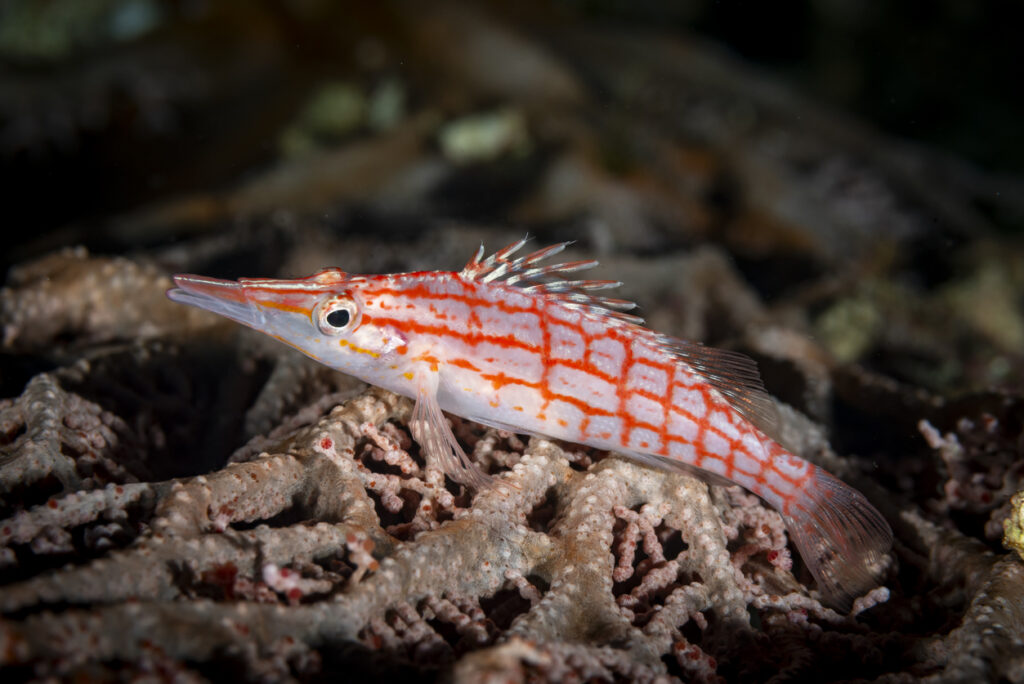
These coral reef fish can change gender in either direction depending on what’s most advantageous. If there’s no dominant male around, a female will transition, but if she encounters a larger male, she might revert back.
This bidirectional flexibility is rarer than one way changes, making hawkfish particularly adaptable. They’re constantly assessing their social situation and adjusting accordingly to maximise breeding opportunities.
9. Oysters alternate seasonally.
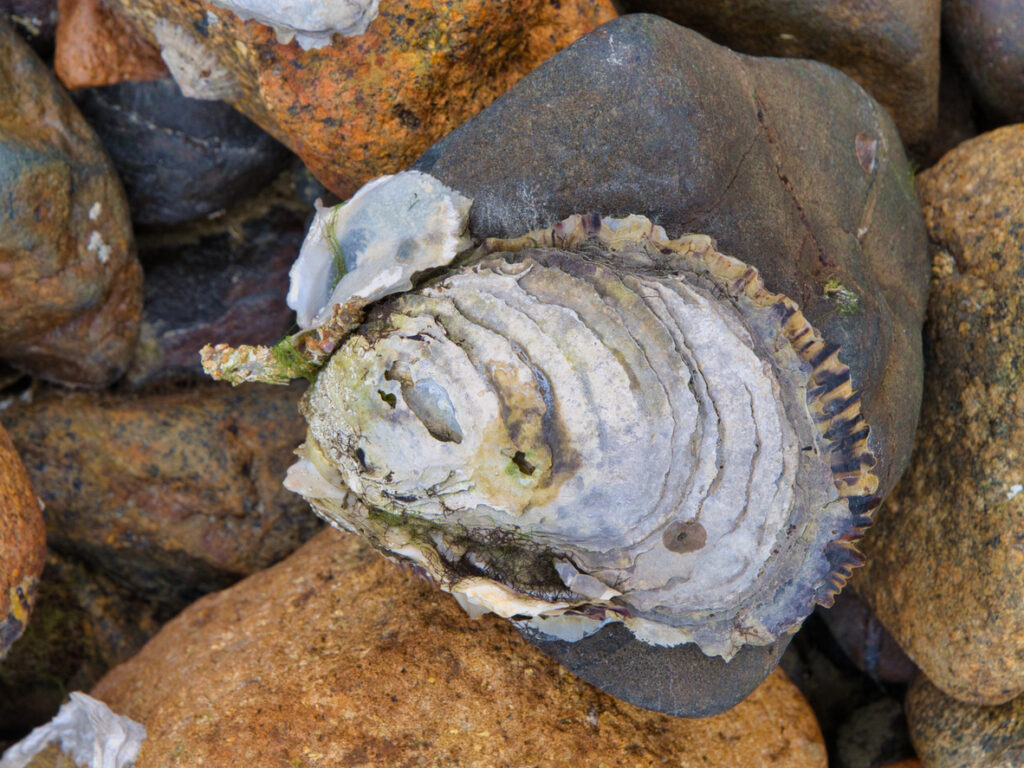
Some oyster species switch between male and female multiple times throughout their lives, often changing gender between breeding seasons. They might be male one summer, female the next, then back to male again.
This serial hermaphroditism means they’re doubling their breeding opportunities over a lifetime. Instead of being limited to one reproductive role, they get to participate in spawning events from both sides.
10. Moray eels can be both simultaneously.
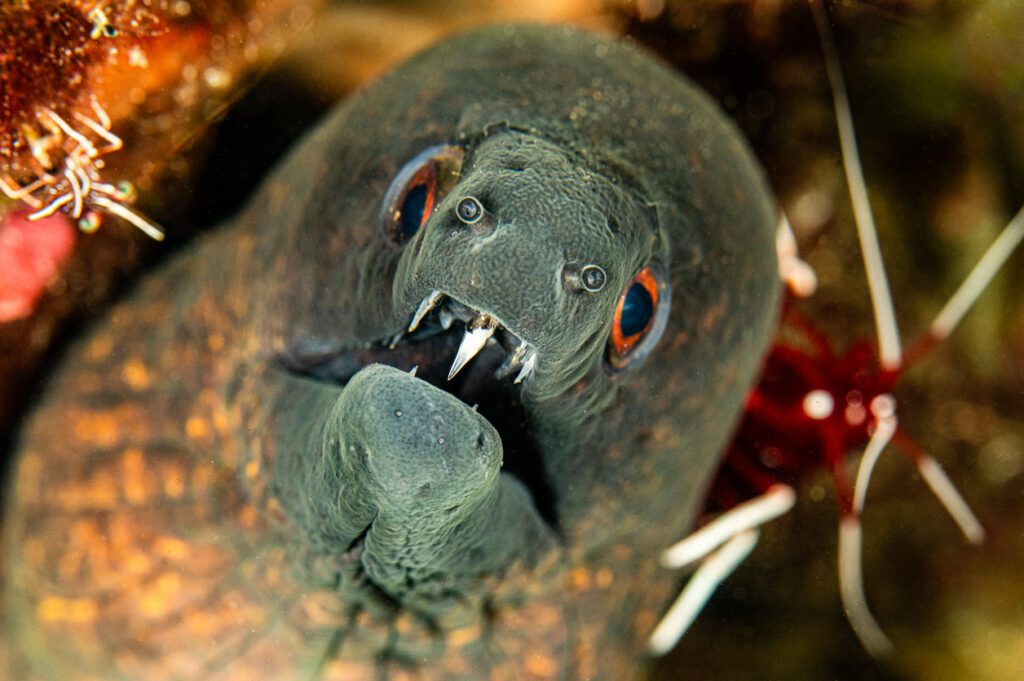
Certain moray eel species are simultaneous hermaphrodites, possessing both functional male and female reproductive organs at the same time. They can literally play either role during spawning depending on which partner they’re with.
This removes the need for gender change entirely, since they’re already equipped for both. When two of them meet to spawn, they’ll sort out who does what, and might even swap roles during the same breeding session.
11. Gobies switch rapidly under social pressure.
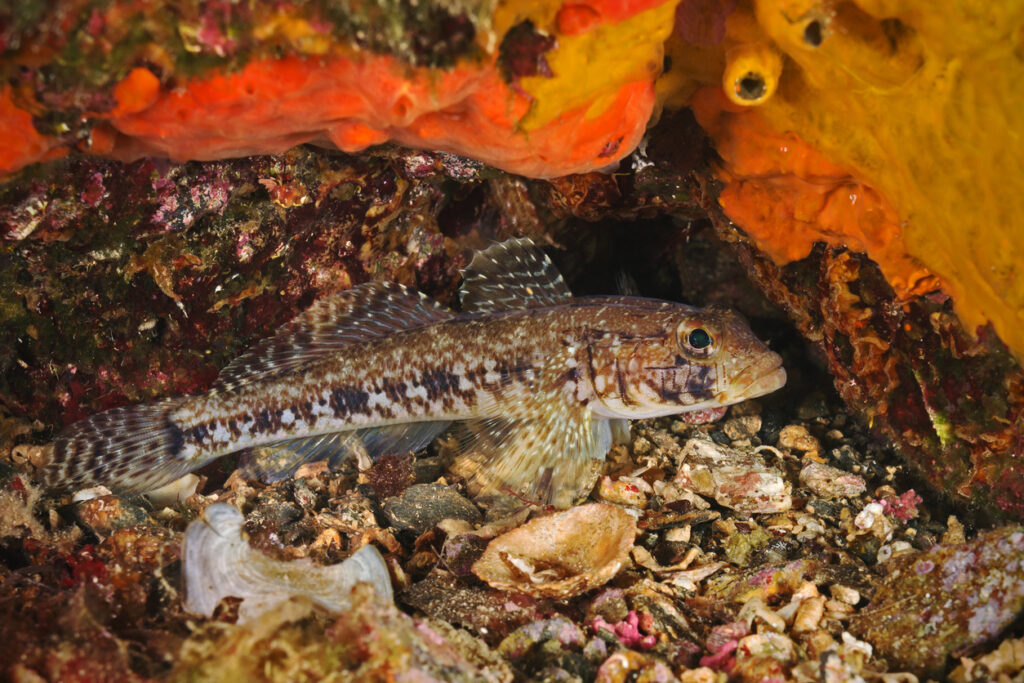
Goby fish can change gender in as little as a few days if the social hierarchy demands it. Remove the dominant male from a group, and the top ranking female will transform almost immediately.
The speed suggests they’re always somewhat primed for the change, ready to flip the switch if the opportunity arises. It’s less about gradual development and more like activating dormant biological programming that was there all along.
12. Some worms are strategic hermaphrodites.

Marine polychaete worms can switch from male to female based on factors like age, size, and local population density. Younger, smaller individuals tend to be male because sperm production is less energy intensive than egg production.
As they grow larger and have more resources, switching to female makes reproductive sense, since bigger bodies can support more eggs. It’s pure evolutionary economics, allocating resources to whichever strategy maximises their genetic legacy.
13. Groupers change to fill ecological roles.
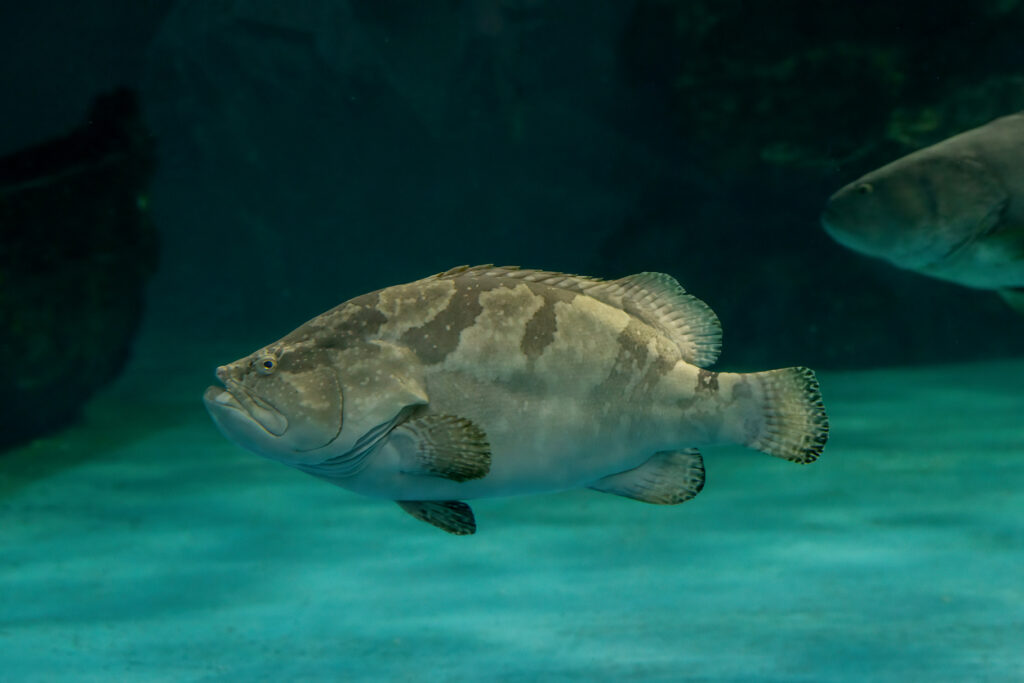
Many grouper species start as females and transition to males as they grow, but the change is triggered by social cues rather than just age. If there’s already a dominant male, females will delay their transition indefinitely.
This prevents wasteful competition between males and ensures the social structure remains stable. The largest, most dominant individual gets to be male, whilst everyone else waits their turn or never changes at all.
14. Cardinalfish reverse the usual pattern.
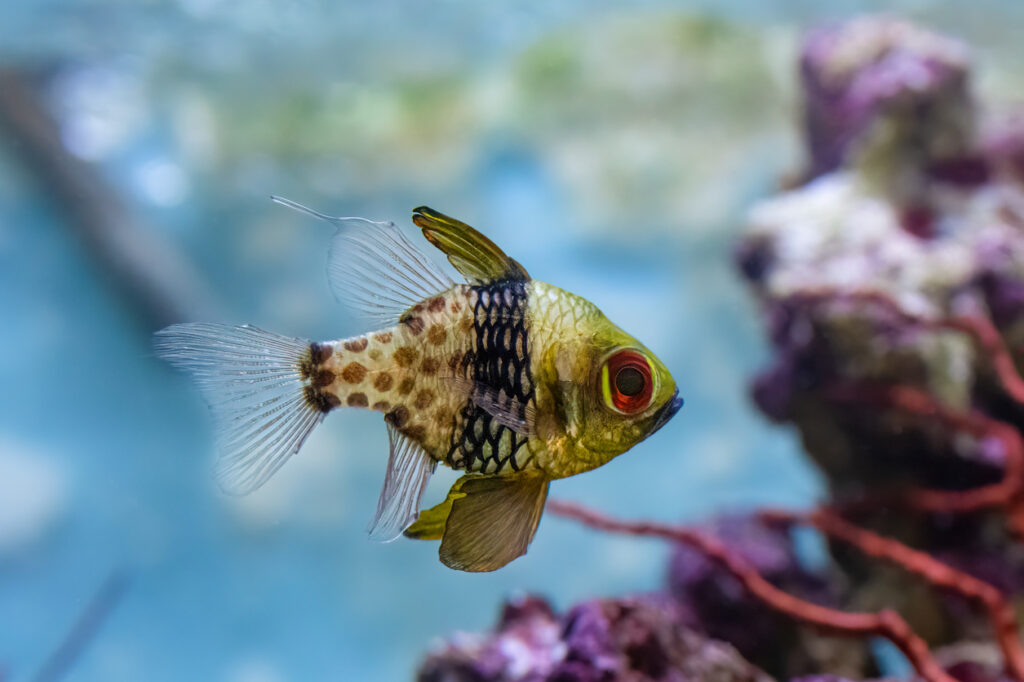
Unlike most gender changing fish, some cardinalfish species go from male to female, which is less common in the fish world. Males mouth brood the eggs, and once they’re large enough, they transition to females who can produce more eggs.
Starting as males when small makes sense, since carrying eggs in their mouth doesn’t require much body mass. Later, switching to female lets them take advantage of their larger size for maximum egg production.