We tend to think of trees as silent, solitary things just standing there, doing their own slow kind of living.

The truth is, however, is that forests are far from quiet. Beneath the surface, trees are busy sending messages, sharing resources, and even warning each other about danger. Scientists have discovered that trees form vast underground networks, almost like a social system made of roots and fungi.
Through these hidden connections, they trade nutrients, support weaker neighbours, and help the entire forest survive. It turns out that trees don’t just grow side by side; they live in constant communication. Once you know what’s really happening beneath your feet, you’ll never look at a forest the same way again.
1. They share nutrients underground.

Trees aren’t always competing. Through their roots and fungal partners, they pass sugars and minerals to one another, especially to weaker trees. This flow keeps struggling neighbours alive when conditions are harsh.
It’s like a quiet support system beneath our feet. By sharing resources instead of hoarding them, trees maintain healthier forests, where even the weaker ones have a chance to recover and grow.
2. They warn about insect attacks.

When a tree is chewed by pests, it releases airborne chemicals that nearby trees detect. Those neighbours then strengthen their defences, producing bitter chemicals in their leaves to make themselves less appealing.
Having this early-warning system buys them time. By responding before insects reach them, they reduce damage and give themselves a better chance to survive the attack.
3. They send distress signals through fungi.

Fungal networks connect tree roots, creating what some scientists call the “wood wide web.” Through this system, trees can send signals that indicate stress, drought, or nutrient shortages to their neighbours.
Other trees pick up on those signals and adapt, sometimes by conserving water or adjusting growth. The fungal links act like an underground messaging service that benefits the entire forest.
4. They release scents to attract help.

Trees under attack by pests sometimes release chemicals that attract predators of those pests. For example, when caterpillars feed on leaves, certain trees emit scents that lure in parasitic wasps to defend them.
That communication doesn’t just protect one tree. Neighbours often pick up on the scent and prepare themselves too, creating a joint defence against hungry invaders.
5. They recognise family.
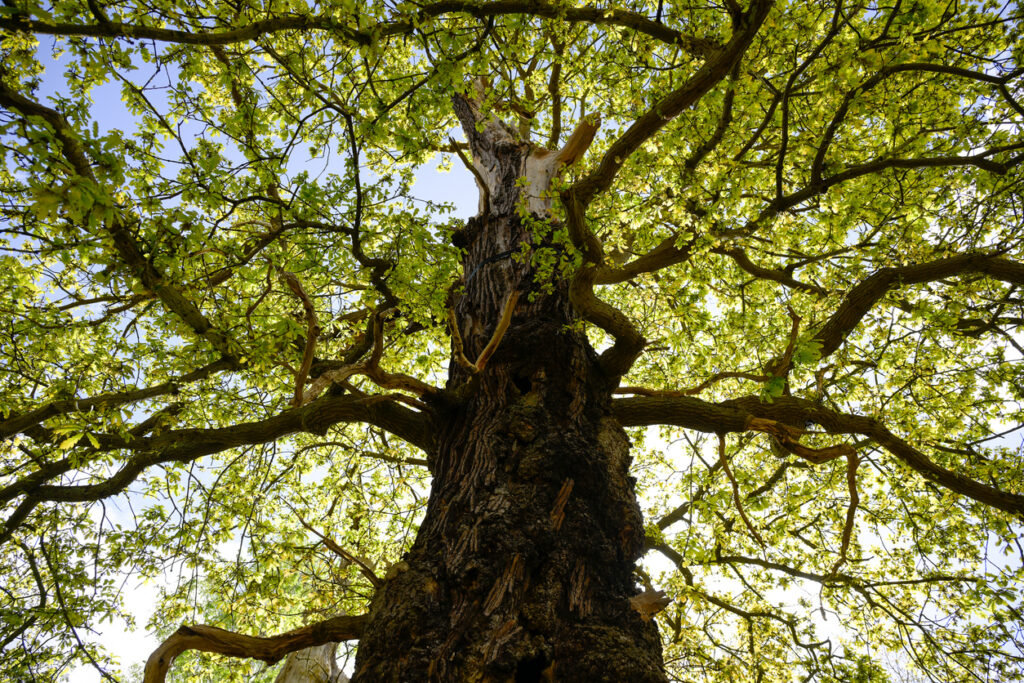
Some research shows that trees can tell the difference between their own seedlings and those of strangers. They often give more nutrients and space to their “kin,” helping their genetic line continue.
This family recognition means forests aren’t random collections of trees. They’re interconnected communities where family ties play a role in how support is shared beneath the soil.
6. They adjust growth to avoid crowding.

Trees in forests sometimes lean or grow at angles to avoid shading their closest neighbours. Instead of competing aggressively, they adjust to share light more evenly, which benefits the whole stand.
This kind of communication might be subtle, but it shows cooperation. By balancing their growth, trees prevent weaker ones from being blocked out entirely and keep the forest thriving.
7. They send drought warnings.

During dry spells, trees can release stress signals through their roots that travel via fungal networks. Neighbouring trees then respond by closing their leaf pores sooner to conserve water.
This coordinated response means the forest as a whole withstands drought better. Without shared signals, individual trees would deplete water faster, leaving more of them vulnerable.
8. They store and pass carbon.
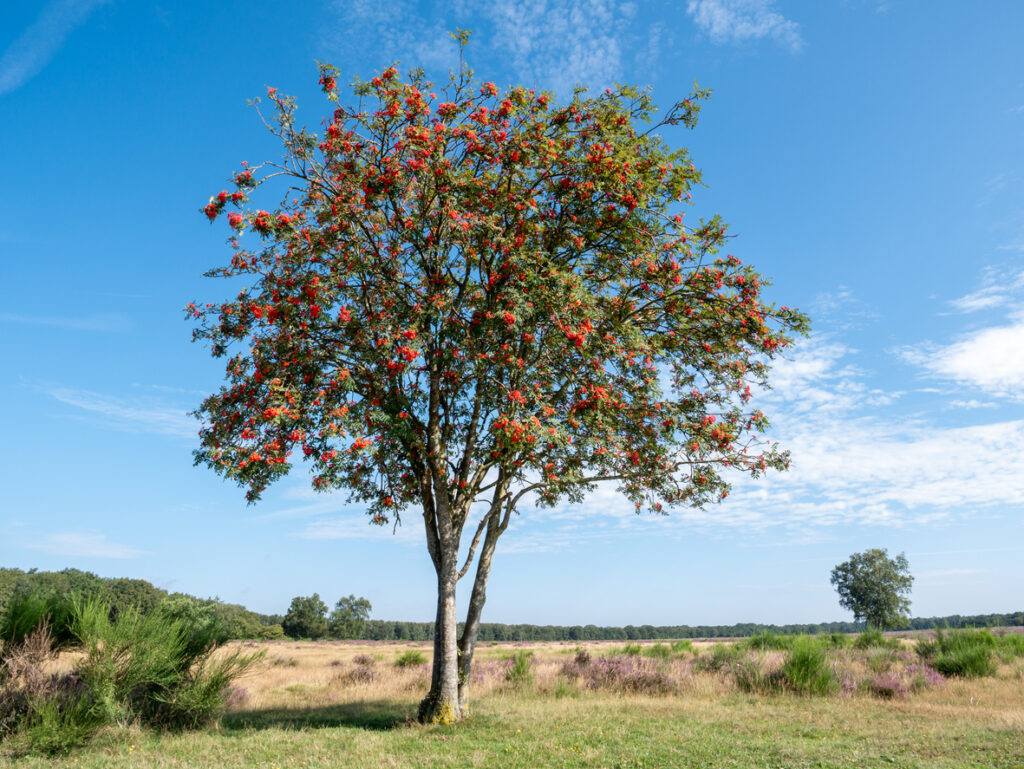
Trees absorb carbon from the air, but through root and fungal links, they sometimes share stored carbon with neighbours. This helps balance the energy flow, particularly when one tree can’t photosynthesise as well.
By sharing carbon, forests act more like single living systems than separate individuals. That sharing strengthens resilience, keeping the whole ecosystem healthier over time.
9. They release chemical alarms in storms.

High winds or broken branches cause trees to release stress chemicals. Neighbouring trees detect these signals and prepare by strengthening their own tissues, making them less likely to suffer damage themselves.
This quick warning system helps forests recover from storms. Instead of each tree being caught off guard, many prepare in advance, reducing the overall loss after extreme weather.
10. They support dying trees.

When a tree nears the end of its life, it often releases stored nutrients into the network, feeding nearby younger trees. Rather than letting everything go to waste, it gives back to the community.
This process means older trees leave a legacy. By passing on energy and minerals, they strengthen the next generation and keep the forest ecosystem running smoothly.
11. They alter root chemicals to mark territory.
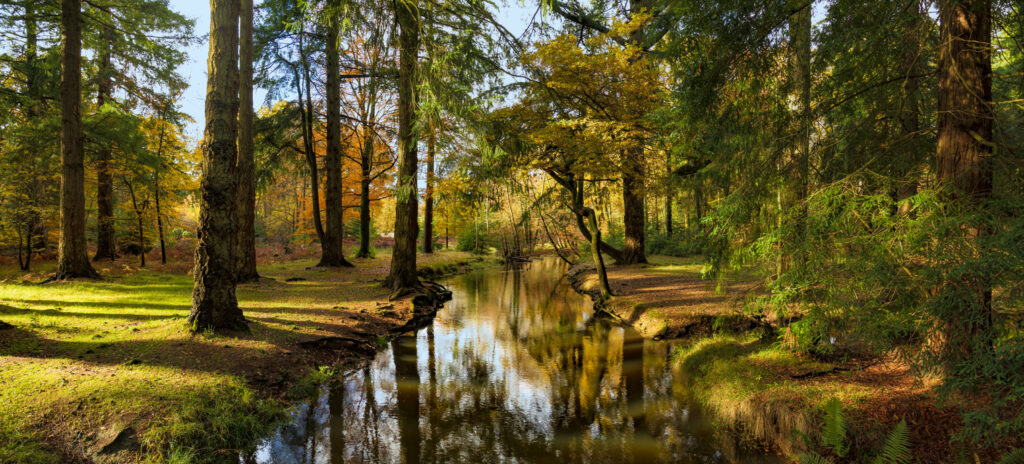
Trees sometimes release chemicals through their roots that affect how nearby plants grow. These signals help establish territory or reduce competition from other species in crowded areas.
It’s less hostile than it sounds. By shaping what grows nearby, trees create space for themselves and their kin, ensuring the forest structure remains balanced and sustainable.
12. They change leaf colour as signals.
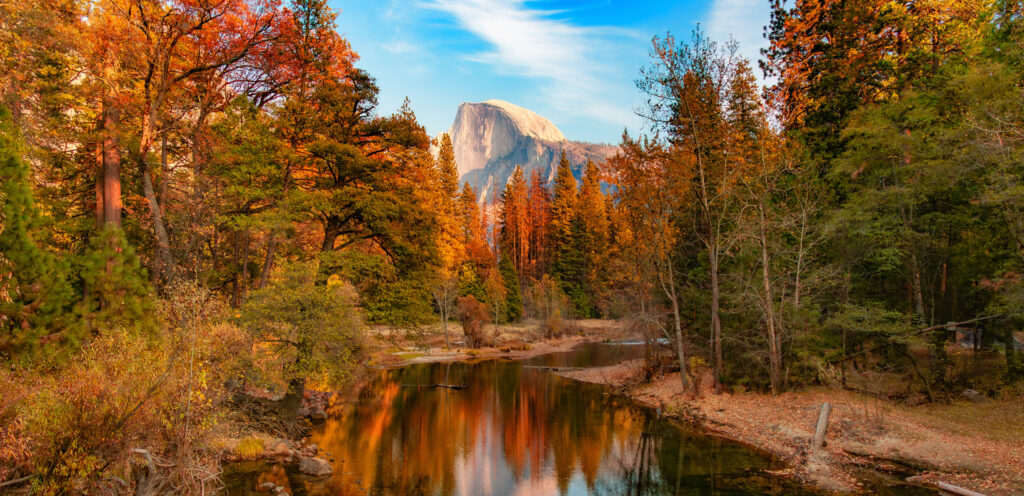
Before autumn, some trees alter leaf pigments not just for seasonal change, but as signals to insects. Bright colours can act as a warning that leaves contain defensive chemicals, reducing the chance of being eaten.
That colour change doubles as both survival tactic and communication. It shows how even something as beautiful as autumn leaves can carry a hidden message in the natural world.
13. They nurture seedlings through shade.
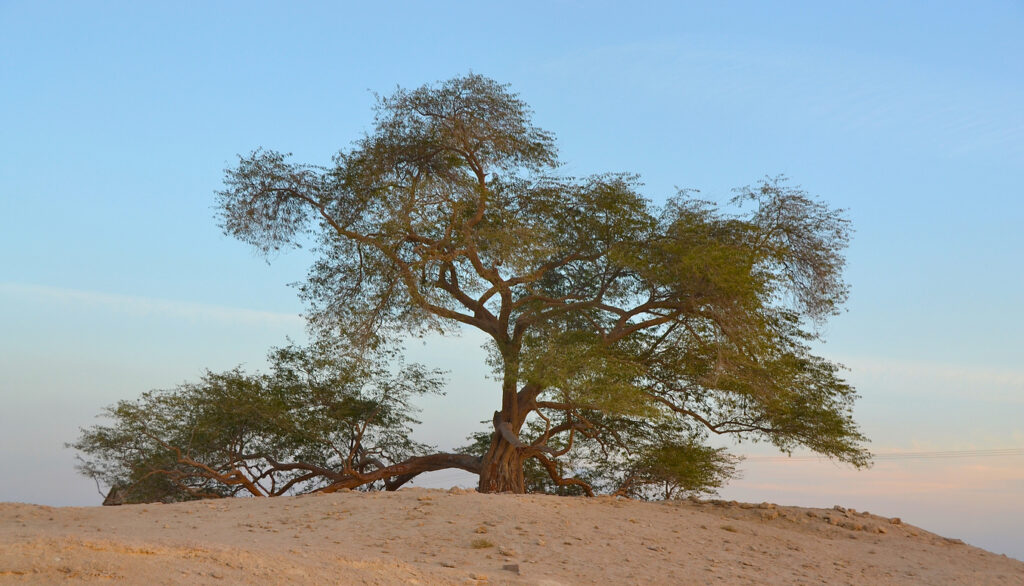
Instead of always competing for light, larger trees sometimes allow filtered sunlight through to younger plants. That shading prevents seedlings from drying out or overheating before they’re strong enough to cope.
It’s a form of quiet care. By adjusting how much light gets through, older trees give new ones the best chance to grow, ensuring the forest regenerates naturally.
14. They influence each other’s flowering.
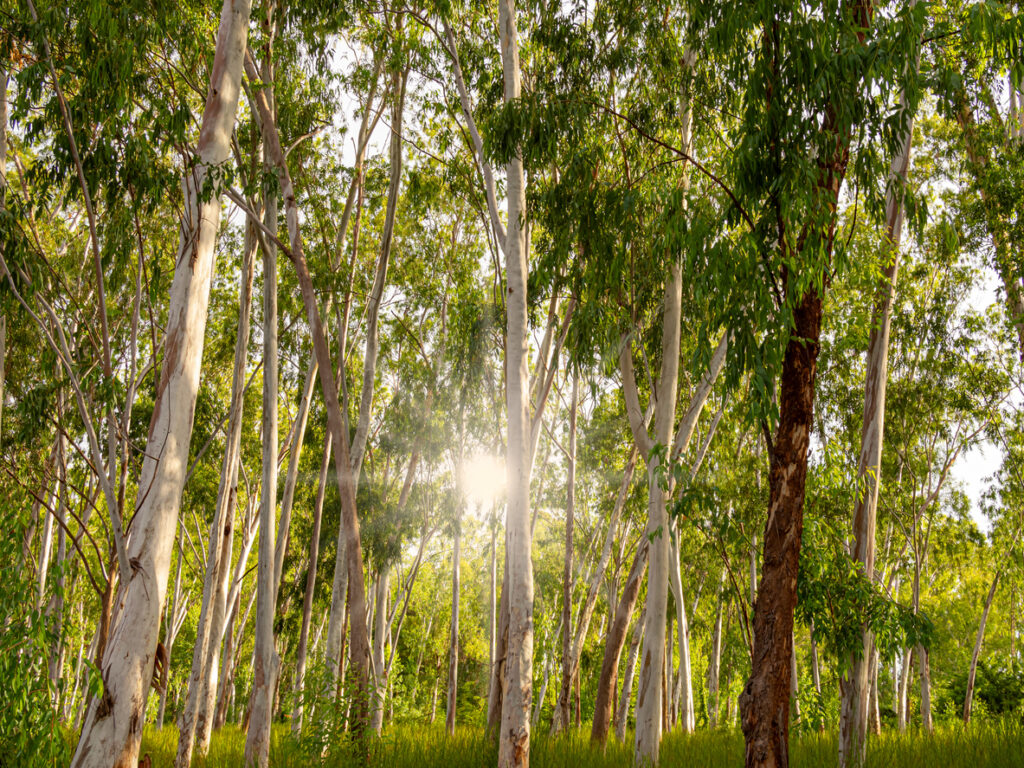
Some species release signals that trigger nearby trees to flower at the same time. The synchronised blooming increases pollination success, making the community stronger as a whole.
It’s another reminder that trees don’t just act alone. Their survival strategies often involve coordination, which shows forests are more like connected communities than collections of individuals.