Tomatoes are one of the most rewarding crops to grow, but they can also be fragile once the summer heat sets in. Many gardeners find their plants thriving one week and drooping or collapsing the next. This usually happens because of stress, lack of support, or poor watering habits. With the right approach, you can keep your tomato plants strong all season long. Here are some easy ways to stop your tomatoes from collapsing before the season is through. That would be a shame, don’t you think?
Strengthen the stems early on.
Tomato plants with weak stems struggle to support their own weight once fruit starts to grow. Strengthen them by brushing your hand over the seedlings a few times a day or placing them where they face a gentle breeze. This small movement helps toughen the stems naturally. Once they’re planted outside, make sure they have good air circulation and sunlight. Strong stems are the best defence against collapse later in the season.
Give them solid support.
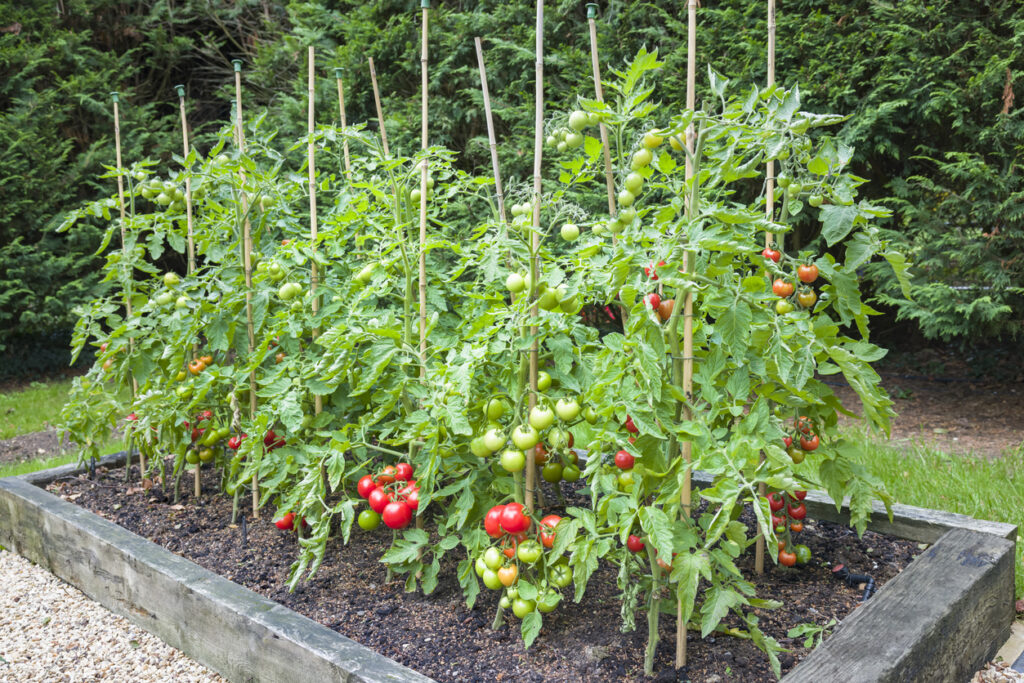
Tomatoes need firm support as soon as they’re planted. Cages, stakes, or trellises help keep the plants upright as they grow heavier with fruit. Choose sturdy materials and make sure they’re secured deep in the ground to handle the weight of mature plants. Start training your plants early by tying stems gently to their supports. This prevents breakage later when fruit clusters begin to weigh them down.
Water consistently.
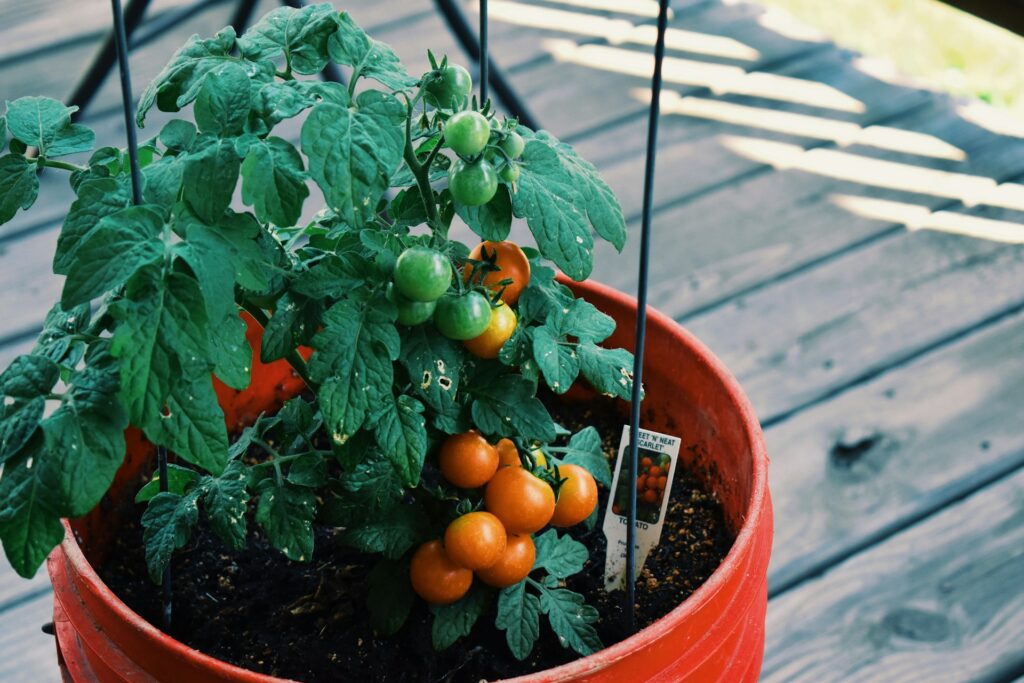
Inconsistent watering is one of the main causes of collapsing plants. When the soil swings between dry and soaked, tomato roots weaken, making the stems unstable. Water deeply two to three times a week, rather than sprinkling little and often. Try to keep the soil evenly moist but not soggy. Using mulch helps lock in moisture and reduces stress caused by hot weather or irregular rain.
Feed the soil, not just the plant.
Healthy soil builds strong roots, which in turn hold the plant upright. Add compost or slow-release organic fertiliser to enrich the soil before and during the growing season. A balanced fertiliser with equal amounts of nitrogen, phosphorus, and potassium works well. Overfeeding with nitrogen can cause lush leaves but weak stems, so follow directions carefully. Steady nutrition keeps growth even and supports the plant’s structure.
Watch for stem rot at the base.
Stem rot, or collar rot, often makes tomato plants collapse suddenly. It happens when the soil stays too wet or mulch sits against the stem, causing fungal infection. The first sign is a dark, soft patch near the soil line. To prevent it, water at the base of the plant rather than from above, and keep mulch slightly away from the stem. Good airflow and clean soil reduce the risk of infection spreading.
Keep the roots cool.
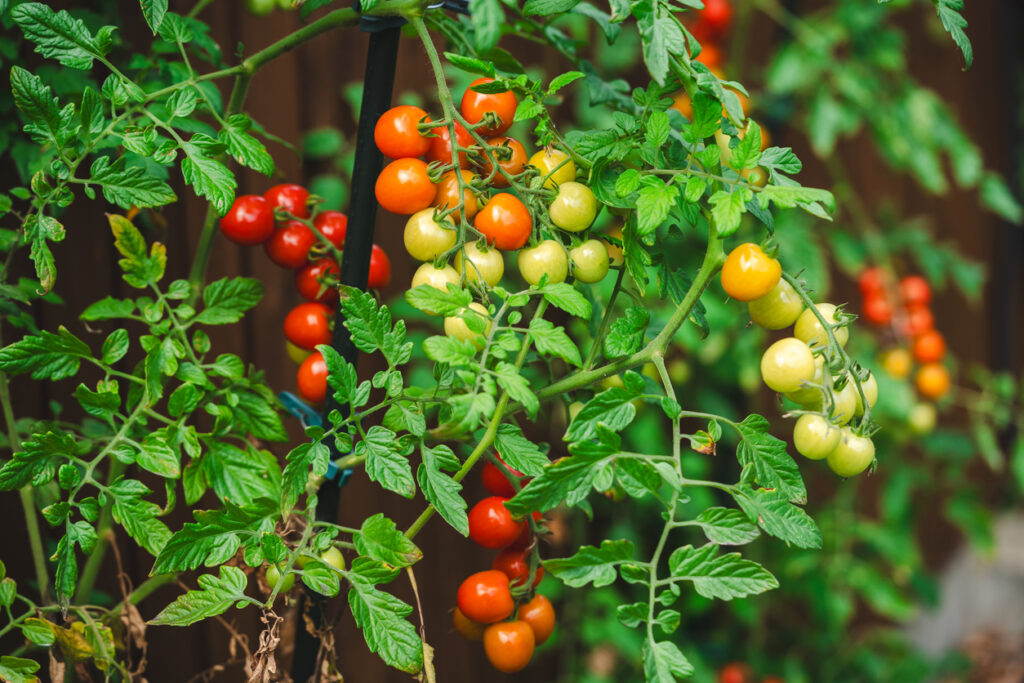
Hot soil can stress roots and cause the entire plant to wilt or collapse. A thick layer of organic mulch such as straw or composted bark keeps the ground cool and moist. It also protects against rapid evaporation during heatwaves. If your garden gets intense sun, consider adding shade cloth during the hottest part of the day. Tomatoes grow best in warmth, not extreme heat.
Prune for balance.
Too much top growth can make tomato plants top-heavy and unstable. Regular pruning helps balance the plant’s weight and improves airflow. Remove lower leaves that touch the soil and any unnecessary side shoots that crowd the main stem. This focuses the plant’s energy on fruit and structure rather than excess leaves. Less crowding also means fewer diseases and stronger stems overall.
Stake taller varieties separately.
Indeterminate tomato varieties can grow over two metres tall and quickly outgrow weak supports. Each plant should have its own stake or cage, rather than sharing with another. Shared supports often bend or snap under the weight of multiple plants. Tie stems with soft garden twine or fabric strips so they can expand as they grow. Check ties regularly to avoid cutting into the stems.
Protect against strong winds.
High winds can easily topple tall tomato plants, especially when heavy with fruit. Shelter them by planting near fences or using windbreak fabric around your growing area. Avoid placing them in open, exposed spots if your garden is breezy. After a storm, check for loosened stakes or damaged branches and repair them quickly. Quick attention prevents stress that could lead to collapse later.
Prevent disease and pest damage.

Diseases such as blight and pests like aphids weaken tomato stems and roots. Regularly inspect plants for spots, holes, or sticky residue. Remove affected leaves and treat with natural sprays or neem oil if necessary. Healthy, pest-free plants recover faster from stress. Keeping the area tidy and rotating crops each year also helps reduce future problems.
Avoid overcrowding.
Tomato plants need space to grow strong. Crowded plants compete for nutrients, light, and air, which leads to weak stems and faster disease spread. Leave at least 45 to 60 centimetres between each plant. Good spacing also makes watering and pruning easier, ensuring every plant stays upright and evenly supported throughout the season.
Harvest fruit regularly.
When tomatoes ripen, they become heavy, putting extra strain on the stems. Picking ripe fruit as soon as it’s ready helps the plant stay balanced and healthy. Don’t leave clusters hanging for too long, or they might pull branches down. Regular harvesting also encourages the plant to keep producing fresh fruit for longer, keeping it vigorous and upright well into late summer.