
Flowers don’t face the same direction accidentally. The way they tilt, rise or hang is usually linked to what helps them grow best, whether that’s getting more light, protecting their pollen or keeping rain from ruining the parts they rely on to reproduce. Different species have their own way of doing things, and once you notice the patterns, it becomes surprisingly easy to see why each flower holds itself the way it does.
Some point upward to soak in every bit of sunshine they can. Others lean or droop because it keeps their pollen dry or makes it easier for insects to land. It’s all part of how the plant keeps itself going. When you start paying attention to these small details, the whole garden looks a bit more alive and intentional.
Upward facing flowers attract different pollinators.
Flowers that point upwards are usually targeting bees and butterflies. These insects fly above the flower and need to land on it from above. An upward facing flower provides a perfect landing platform. The open face catches the sun and makes the flower more visible from the air. Pollinators flying overhead can spot these flowers easily. The upward position also collects warmth, which attracts insects looking for heat.
Downward flowers protect their pollen.
Flowers that hang down are protecting their pollen from rain. If pollen gets wet, it becomes useless and can’t fertilise other flowers. Pointing downwards keeps rain from washing the pollen away. This design works particularly well in wet climates or for flowers that bloom during rainy seasons. The downward position acts like an umbrella. Only pollinators that can reach upwards into the flower can access the pollen inside.
Direction controls which pollinators can access nectar.
The angle of a flower determines which creatures can actually reach the nectar inside. Upward facing flowers let in lots of different insects. Downward facing flowers are more selective about who gets in. That selectivity is important because flowers want specific pollinators that will actually carry pollen to other flowers of the same species. Making access difficult filters out useless visitors and ensures only effective pollinators get the reward.
Hanging flowers suit hovering pollinators.
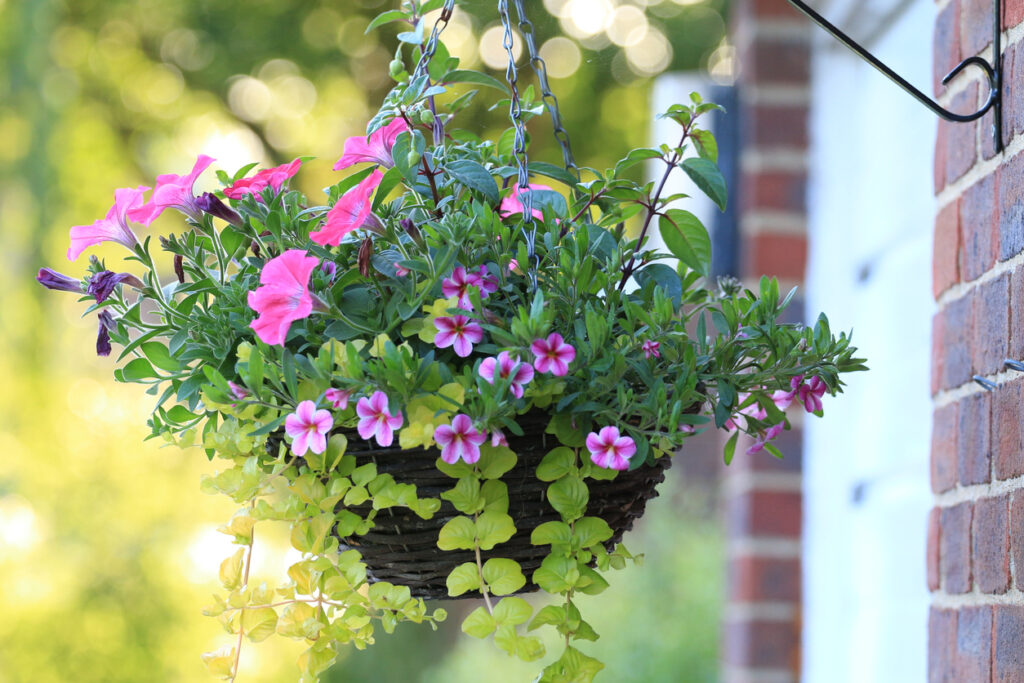
Flowers that point downwards are often pollinated by creatures that hover rather than land. Hummingbirds and some moths can fly underneath hanging flowers and feed whilst hovering. These pollinators don’t need a landing platform, so the downward angle doesn’t prevent them from feeding. The hanging position actually makes feeding easier for hovering animals because they can see the flower opening clearly from below.
Upward flowers maximise sun exposure.
Facing upwards means catching maximum sunlight. This warms the flower, which helps with seed development. Many insects are also attracted to warmer flowers because they provide heat as well as food. The warmth isn’t just a side effect. Some flowers deliberately heat up to attract pollinators on cold days. An upward facing position captures sun efficiently and turns the flower into a thermal reward for visiting insects.
Downward flowers prevent self-pollination.
When flowers hang down, their pollen doesn’t just fall onto their own stigma. Gravity pulls the pollen away from the flower’s female parts. This forces cross-pollination with other plants. Self-pollination creates weaker offspring with less genetic diversity. By pointing downwards, flowers make it physically difficult to pollinate themselves. They rely on pollinators to carry pollen between different plants instead.
Direction depends on stem strength.

Heavy flowers often hang down simply because their stems can’t support them upright. The weight of large petals and seed structures pulls the flower downwards, regardless of what might be ideal. That mechanical limitation becomes an evolutionary feature. Once flowers started hanging down for structural reasons, they evolved to take advantage of it. The downward position that started as weakness became a deliberate strategy.
Upward flowers are visible from a distance.
Flowers pointing up create a flat, colourful surface that’s easy to spot. Pollinators flying over fields can see upward facing flowers from far away. This visibility attracts more visitors. The more pollinators a flower attracts, the more likely it gets pollinated successfully. Being visible is an advertising strategy. Upward facing flowers are basically billboards announcing their presence to anything flying overhead.
Hanging flowers hide from some animals.
Downward facing flowers are less obvious to ground dwelling animals that might eat them. Deer and rabbits see the underside of hanging flowers rather than the colourful petals. This protects the flower from being eaten before it gets pollinated. The flowers are still visible to flying pollinators coming from above or below but hidden from destructive ground level herbivores.
Direction affects how long flowers stay fresh.
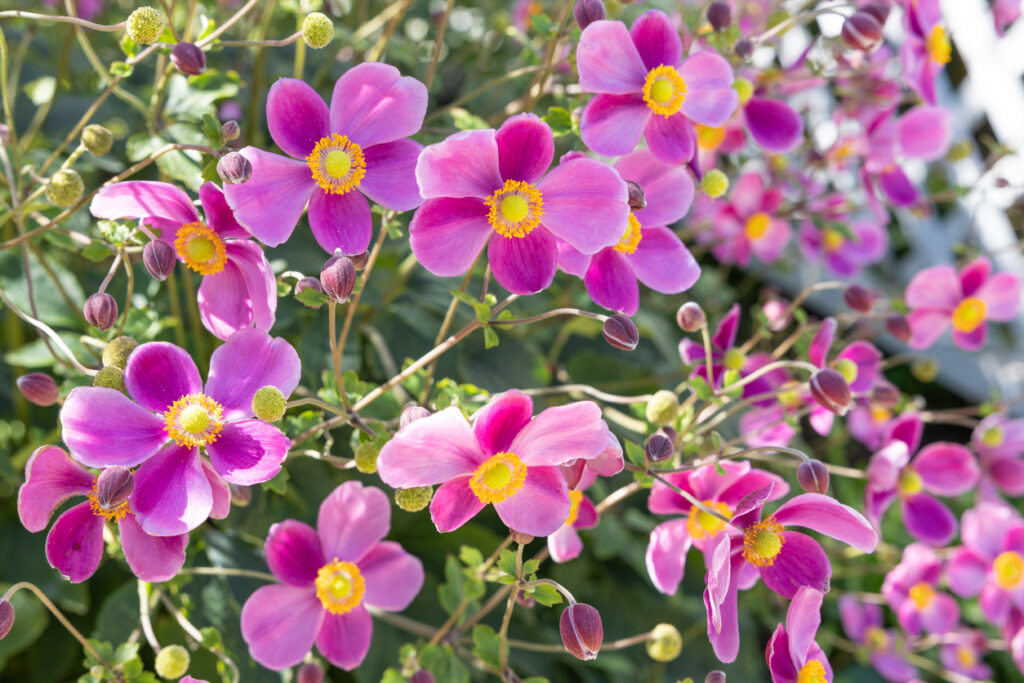
Downward facing flowers often last longer because they’re protected from direct sun and rain. This extended lifespan gives them more time to be pollinated. Upward facing flowers might not last as long, but they don’t need to. They attract pollinators quickly because they’re so visible. Different strategies work for different environments and different types of plants.
Some flowers change direction deliberately.
Certain flowers point upwards when they’re ready to be pollinated and then flip downwards after fertilisation. This signals to pollinators which flowers are worth visiting. As it turns out, changing directions saves everyone time. Pollinators don’t waste energy visiting flowers that have already been pollinated. The flower conserves resources by not producing nectar once pollination is complete.
Evolution shaped flower direction over millions of years.
Flower direction isn’t designed or planned. It evolved through trial and error over countless generations. Flowers that pointed the right direction for their pollinators produced more seeds and passed on their genes. The flowers we see today are the survivors of this evolutionary process. Their direction worked well enough to keep them alive through thousands of generations. Whether pointing up or down, each flower’s angle is the result of what worked for its ancestors in attracting pollinators and protecting pollen.