For decades, scientists assumed the Moon was a completely dry world.
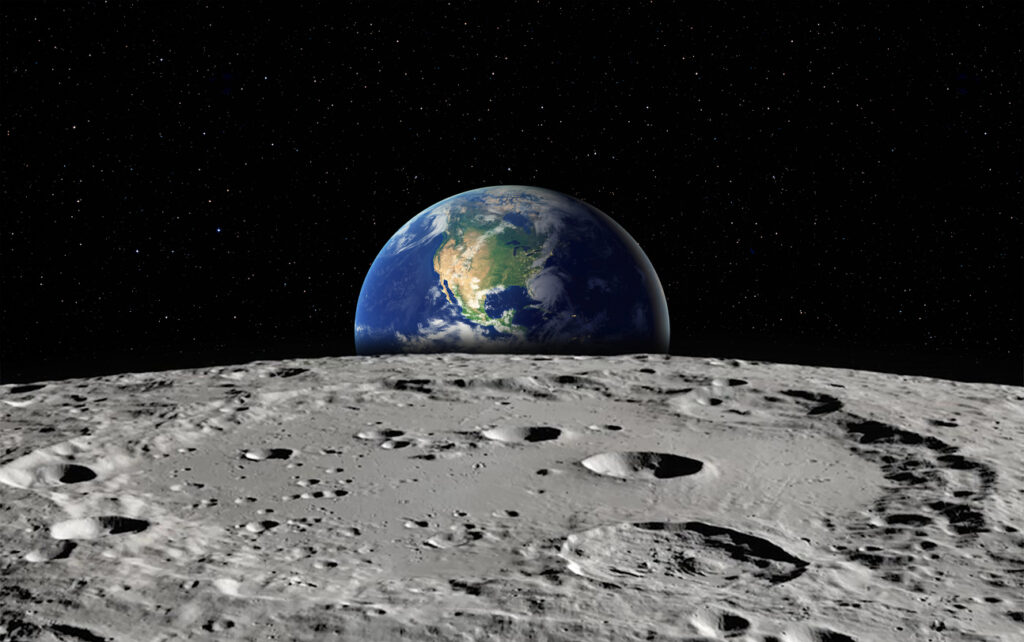
It looked dusty, lifeless, and far too exposed to space to hold something as delicate as water. However, as technology advanced, evidence began to build that water might exist up there after all. It’s just hidden in the rocks, trapped in craters, and even sprinkled across the sunlit surface. Here’s how this remarkable discovery was made.
The Apollo missions offered the first clues.
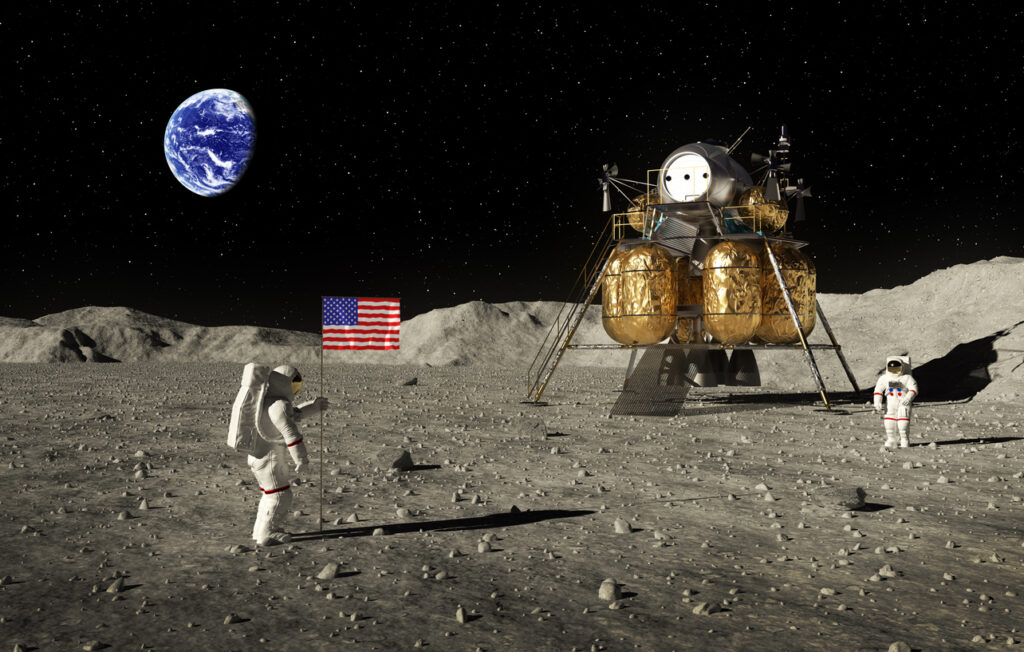
When astronauts brought back Moon rocks in the 1960s and 70s, researchers found tiny traces of hydrogen and water molecules trapped in volcanic glass beads. At the time, they thought the water had come from Earth contamination, so the idea was dismissed.
It wasn’t until decades later that scientists re-examined the samples using newer tools and realised the water was genuinely lunar. Those microscopic traces were the first real sign that the Moon wasn’t as bone-dry as everyone thought.
Early radar readings spotted something unusual.
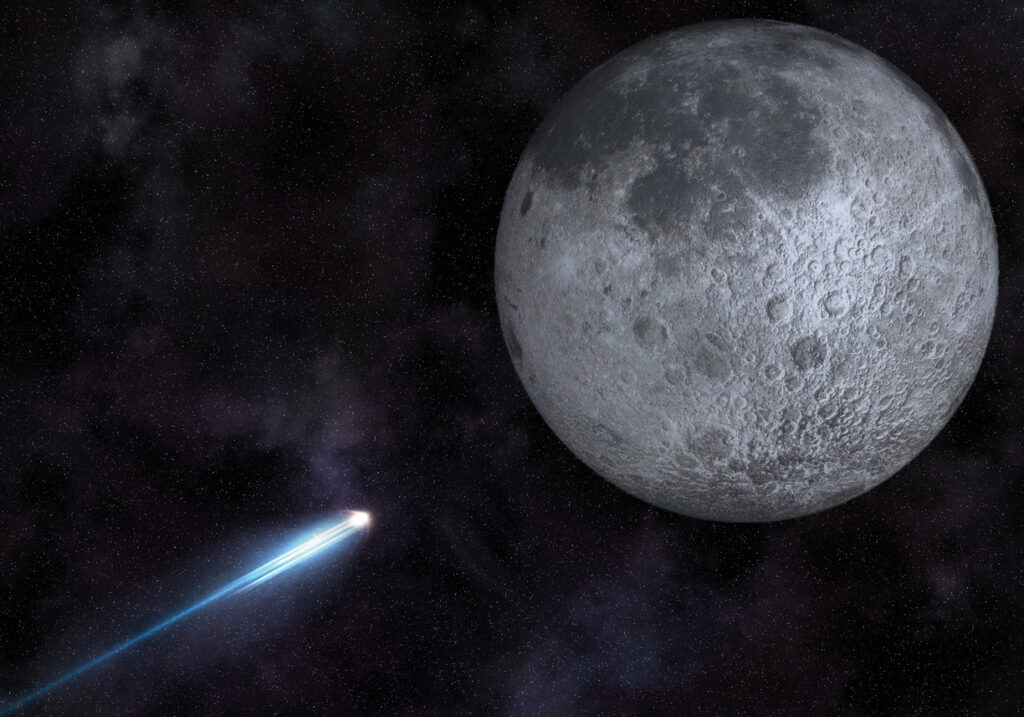
In the late 1990s, the Lunar Prospector spacecraft mapped the Moon’s surface and found strange hydrogen-rich regions near the poles. The data hinted at something frozen in those dark craters that never see sunlight. Because hydrogen is a key part of water, it gave scientists their first solid hint that ice could be lurking just beneath the lunar surface. Still, they needed direct proof to confirm it wasn’t something else.
A crash experiment finally proved ice existed.
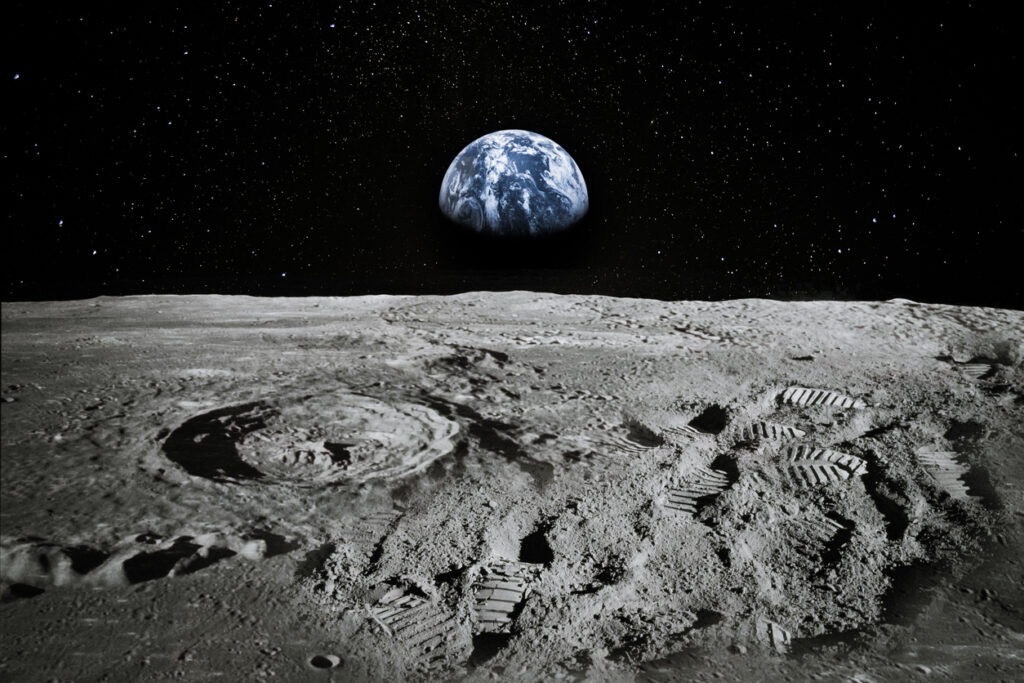
In 2009, NASA’s LCROSS mission deliberately crashed a probe into a crater near the south pole to see what was buried beneath the dust. The explosion sent a plume of material into space for another spacecraft to study. That plume contained clear signs of water ice, along with organic molecules. It was the moment scientists could finally say with certainty that the Moon held frozen water in its shadowed craters.
Infrared sensors detected water molecules everywhere.

After LCROSS, spacecraft like India’s Chandrayaan-1 and NASA’s Cassini used infrared light to scan the lunar surface. They detected hydroxyl and water molecules even in areas that receive sunlight. This discovery showed that water wasn’t just limited to the dark polar regions. It was spread thinly across the Moon’s surface, clinging to dust grains and rocks in trace amounts.
SOFIA made a breakthrough on the sunlit surface.
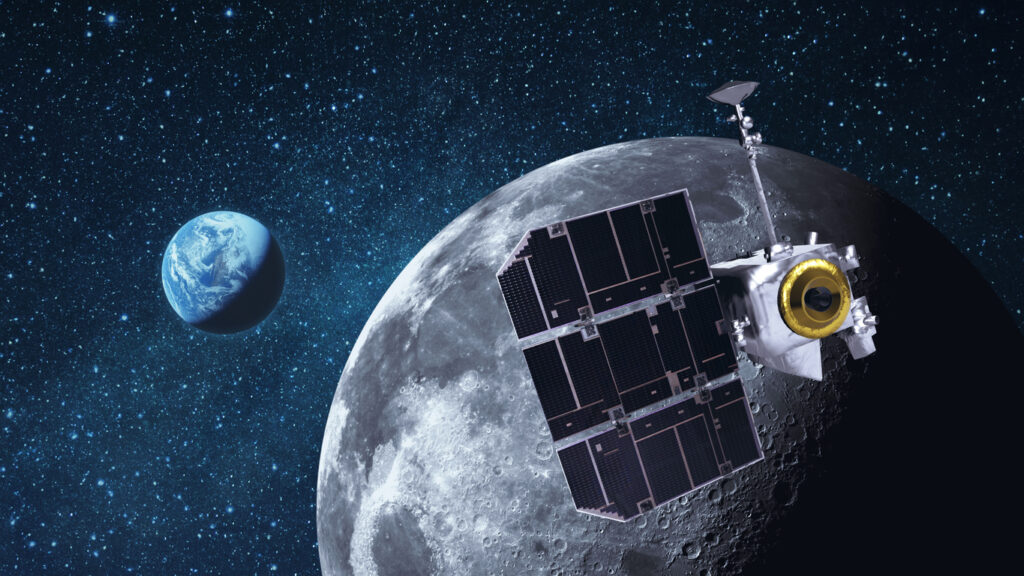
In 2020, NASA’s airborne telescope SOFIA detected unmistakable signs of H₂O in sunlit parts of the Moon. This was a surprise because scientists thought sunlight would make it impossible for water to survive. SOFIA’s data revealed that small pockets of water can exist inside tiny glass beads formed by micrometeorite impacts, offering protection from evaporation. It was proof that even bright lunar regions weren’t completely dry.
Scientists estimated how much water there actually is.

The SOFIA findings suggested that one cubic metre of lunar soil might contain around 100 to 400 millilitres of water. That’s less than a small bottle, but across an entire planet-sized surface, it adds up. It’s nowhere near enough to form lakes or rivers, but for astronauts, it’s still valuable. Every drop could help sustain future Moon missions and reduce the need to carry water from Earth.
Theories emerged about where the water came from.
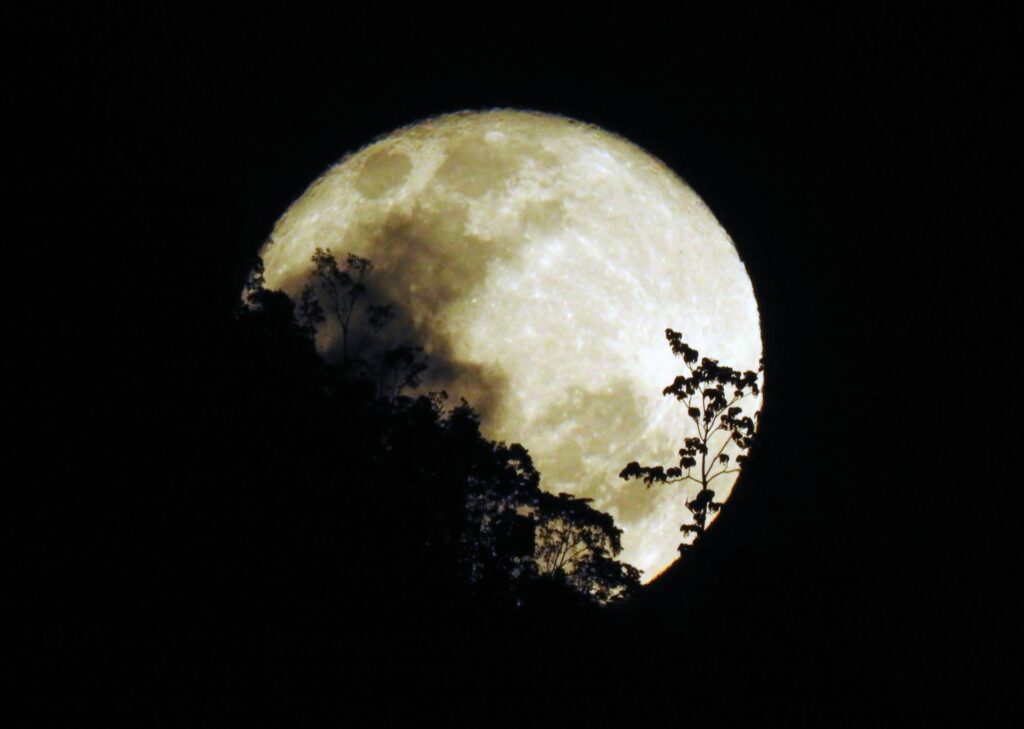
Some of it likely arrived with comets and asteroids billions of years ago, crashing into the surface and leaving ice behind. Another source might be solar wind — charged particles from the Sun that react with oxygen in lunar rocks to form water molecules. These natural processes could still be creating small amounts of new water today, meaning the Moon’s water supply might be constantly refreshing itself in tiny quantities.
Polar “cold traps” preserve the ice.

The Moon’s poles contain craters that never see sunlight. These areas, called cold traps, stay below freezing all year round, allowing ice to survive for millions or even billions of years. Because the ice never melts, it could hold ancient information about the history of our solar system. Scientists are particularly interested in exploring these areas to study how water has behaved over time.
Lunar water could change the future of space travel.
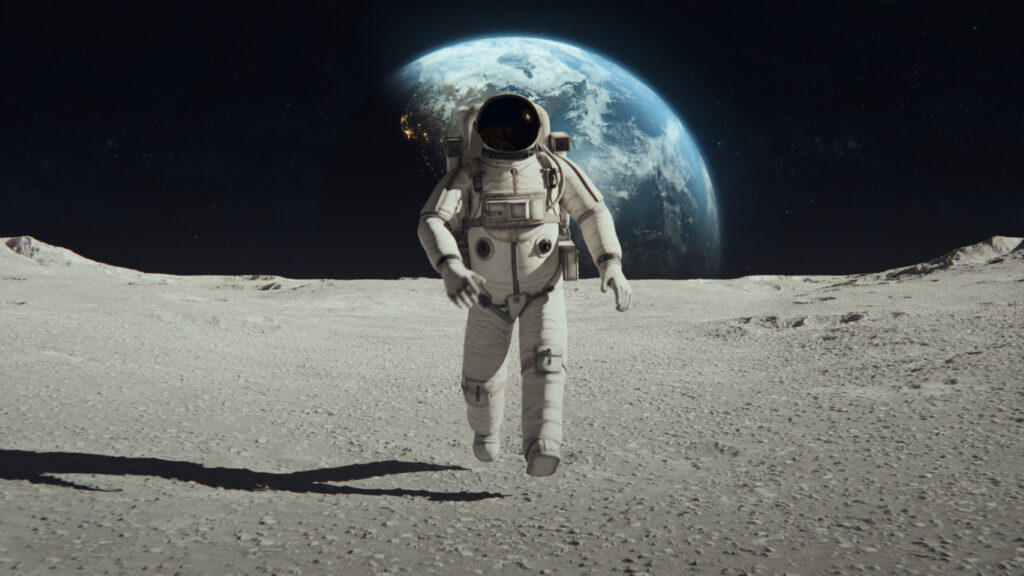
Finding water on the Moon isn’t just exciting for science, it’s practical. Water can be split into hydrogen and oxygen, which can be used as rocket fuel. It also means astronauts could drink it, grow food, and produce oxygen for breathing. If future missions can extract and store it, the Moon could become a supply station for deeper space exploration, reducing costs and opening the door to human bases on the lunar surface.
There’s still plenty left to discover.
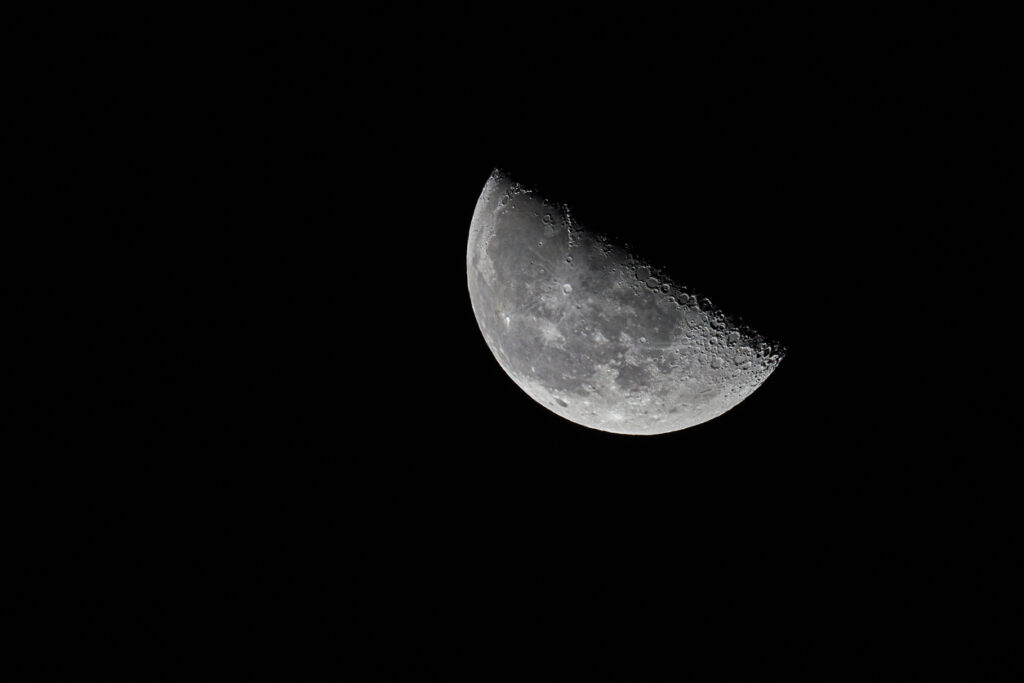
Even with all these discoveries, scientists still don’t know how much water exists in total or how easy it is to collect. Future missions like NASA’s Artemis and India’s Chandrayaan-3 are designed to explore those questions in more detail. The more we learn, the clearer it becomes that the Moon isn’t just a barren rock floating in space. It’s a complex world with secrets that could help humans go farther than ever before.