It’s easy to get swept up by the glossy garden centre displays promising lush colour and effortless beauty.

However, not every plant that comes with a hefty price tag delivers on that promise. Some look spectacular when you first bring them home, then struggle, wilt, and silently disappear before the next summer even begins.
Plenty of gardeners learn the hard way that certain plants just don’t last, no matter how much care or money you throw at them. Whether they can’t handle the British weather, need constant attention, or simply aren’t made for long-term life outdoors, these pricey plants often turn out to be one-year wonders: beautiful, but fleeting.
Tree ferns
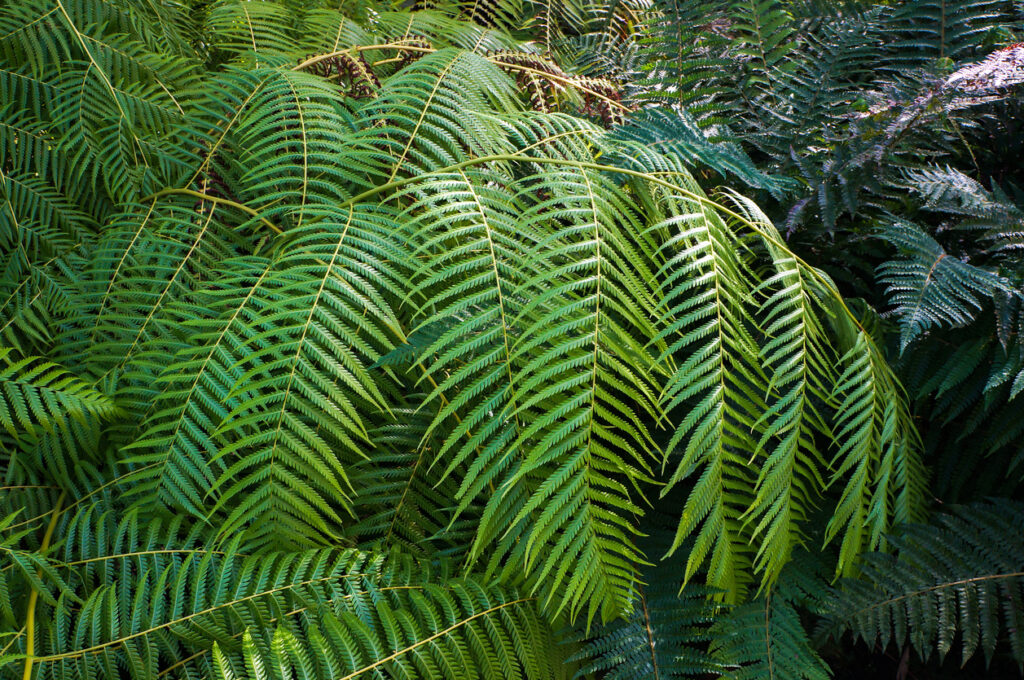
These cost upwards of £100 for decent specimens and look incredible in gardens. But UK winters kill them unless you live in Cornwall or the mildest coastal areas. One proper cold snap and your expensive tree fern is dead. Garden centres sell them enthusiastically without mentioning they need serious winter protection. Unless you’re wrapping them up extensively every winter or have an exceptionally mild garden, they’re a waste of money in most of Britain.
Banana plants

Large banana plants can cost £50-£150 depending on size. They grow brilliantly through summer, then die back completely in winter. Even “hardy” varieties struggle in most UK gardens and rarely survive multiple winters without elaborate protection. The foliage looks tropical and impressive, but it’s not worth the money when it dies down to nothing every year. You’re essentially paying a lot for a seasonal display that disappears for half the year.
Olive trees

Established olive trees in pots cost £80-£300. They’re marketed as Mediterranean plants that can handle UK conditions, which is only partially true. Wet UK winters kill them more often than cold does, particularly in heavy clay soils.
They need perfect drainage and protection from winter wet. Most people stick them in the ground and watch them slowly decline over 12–18 months. They’re fine in pots if you can move them somewhere sheltered, but expensive failures if planted out.
Japanese maples in exposed sites

Good specimens cost £60-£200. They’re genuinely hardy, but UK spring winds and late frosts shred the delicate foliage. If your garden is exposed, that expensive Japanese maple will look terrible by May and struggle to recover.
They need sheltered positions with dappled shade. Planting them in open, windy gardens means watching the leaves get burnt and tattered. The plant might survive but looks rubbish, which defeats the point of spending serious money on it.
Hardy orchids

These cost £15-£40 each and are sold as suitable for UK gardens. Most die within a year because they need very specific conditions that normal gardens don’t provide. Wet winters, wrong soil pH or too much competition from other plants kills them.
Garden centres stock them because they look impressive, but unless you’ve got naturally suitable conditions, they’re money down the drain. They’re genuinely hardy in the right spot, but that spot is rare in typical British gardens.
Cordylines in cold areas

Large cordylines cost £30-£100, depending on size. They’re fine in mild areas, but anything inland or with proper winters kills them. One hard winter and your expensive cordyline is brown mush. They’re massively over-sold to gardeners in areas where they can’t possibly survive. If you’re not in a mild coastal location, they’re a gamble that usually fails. Even “hardy” varieties aren’t reliably hardy across most of the UK.
Agapanthus in clay soil

Decent sized pots cost £20-£50. They’re technically hardy, but wet winter soil kills them. If you’ve got heavy clay that holds water, your agapanthus will rot over winter, no matter how expensive or supposedly hardy the variety is. They need sharp drainage. Planting them in typical British clay without serious soil improvement means they’ll bloom once, then slowly decline and die. Spending money on these without fixing drainage first is pointless.
Cannas

Large rhizomes or growing plants cost £15-£40. They’re sold as suitable for UK borders, but they’re not reliably hardy. Wet winters rot them in the ground. Even if they survive winter, they often emerge too late and get frosted in spring. You’re supposed to dig them up and store them over winter, which makes them high maintenance for the price. Most people don’t bother and lose them. They’re expensive annual plants pretending to be perennials.
Citrus trees for outdoor planting

Lemon or orange trees cost £40-£150. They’re marketed as patio plants, but UK winters kill them unless you move them inside. Leaving them outside, even in “mild” areas, usually results in dead trees by spring. They need to go in a conservatory or heated greenhouse over winter. If you can’t provide that, you’re wasting money. They’re not outdoor plants in Britain, despite how garden centres present them.
Hedychiums

These ginger lilies cost £15-£35. They’re stunning when they flower but questionably hardy in most UK gardens. Wet winters kill them, particularly in heavy soil. They need excellent drainage and often need lifting and storing. Garden centres stock them because they look impressive in summer, but unless you’ve got perfect conditions or treat them as annuals, they’re expensive plants that won’t return. The “hardy” label is optimistic for most British gardens.
Phormiums in exposed gardens

Large specimens cost £30-£80. They’re actually quite hardy but a combination of wind and winter wet damages them badly. Split leaves, brown tips and rotting centres make expensive phormiums look awful within a year in exposed, wet locations.
They need good drainage and preferably some shelter. Planting them in typical exposed British gardens with clay soil means they decline rapidly. The plant might survive technically but looks so bad you’ll want to remove it anyway.
Salvias (tender varieties)

Ornamental salvias like ‘Hot Lips’ cost £8-£20 each, and you need several for impact. They’re sold as perennials, but most aren’t hardy in UK gardens. First proper frost kills them unless you’re in an exceptionally mild area. They’re effectively expensive annuals in most of Britain. Garden centres sell them all year, suggesting they’re permanent plants, but they’re not. Calculate the cost of replacing them annually, and they become expensive bedding plants.
Aeoniums
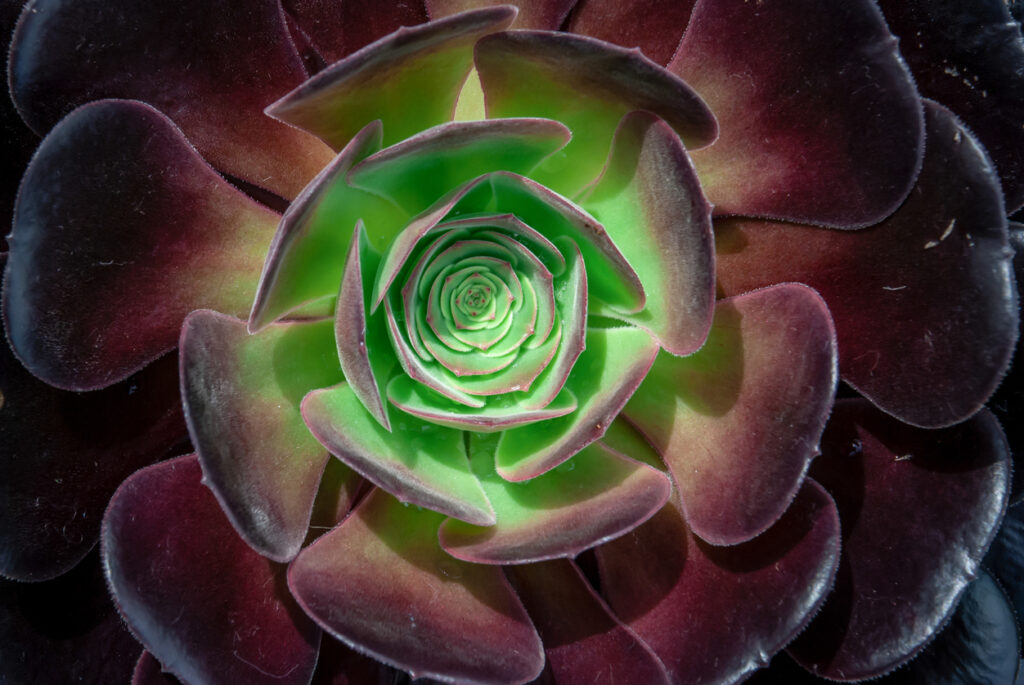
Large specimens cost £20-£60. These architectural succulents look incredible, but UK winters kill them. They’re sold for gardens, but they’re houseplants pretending otherwise. One frost and your expensive aeonium is dead. They only survive in the absolute mildest coastal gardens. Anywhere else, they need bringing inside for winter. If you can’t do that, don’t buy them for outdoor planting, no matter what the label suggests.
Dahlias left in the ground
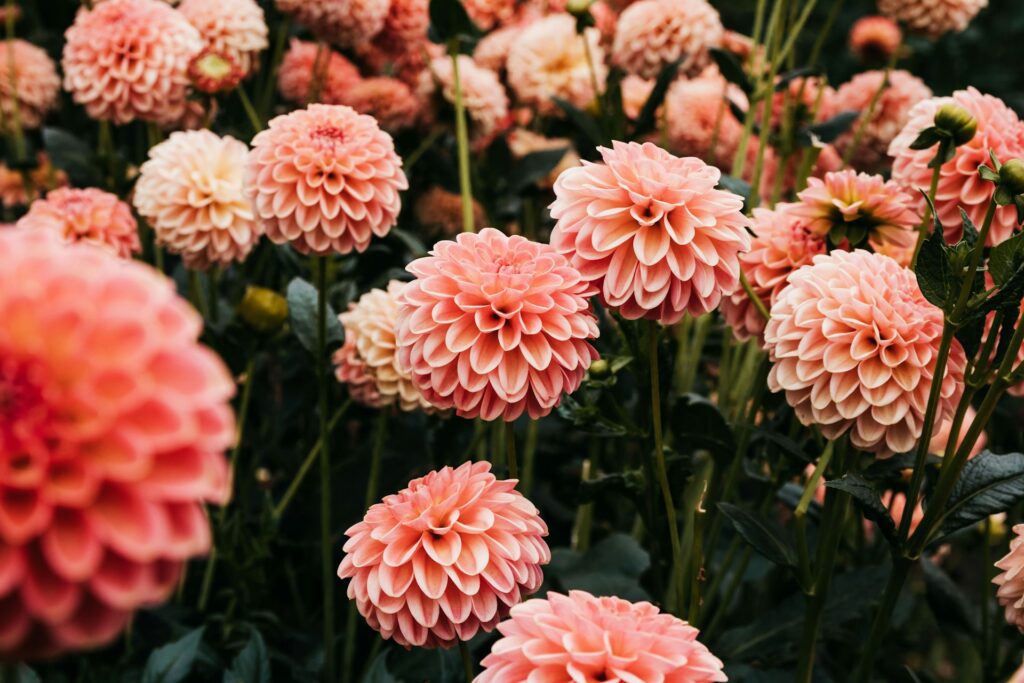
Good dahlia tubers cost £5-£15 each, and you need multiple plants for display. They’re hardy in mild areas, but wet UK winters rot them if left in the ground in most gardens. You’re supposed to lift and store them, which most people don’t do.
Treating them as annuals means spending £50+ each year replacing your dahlia display. They’re perennials if you lift them, expensive annuals if you don’t. Most people buy them assuming they’ll return and are disappointed when they don’t.