Some of the most dangerous creatures on the planet don’t look the part.
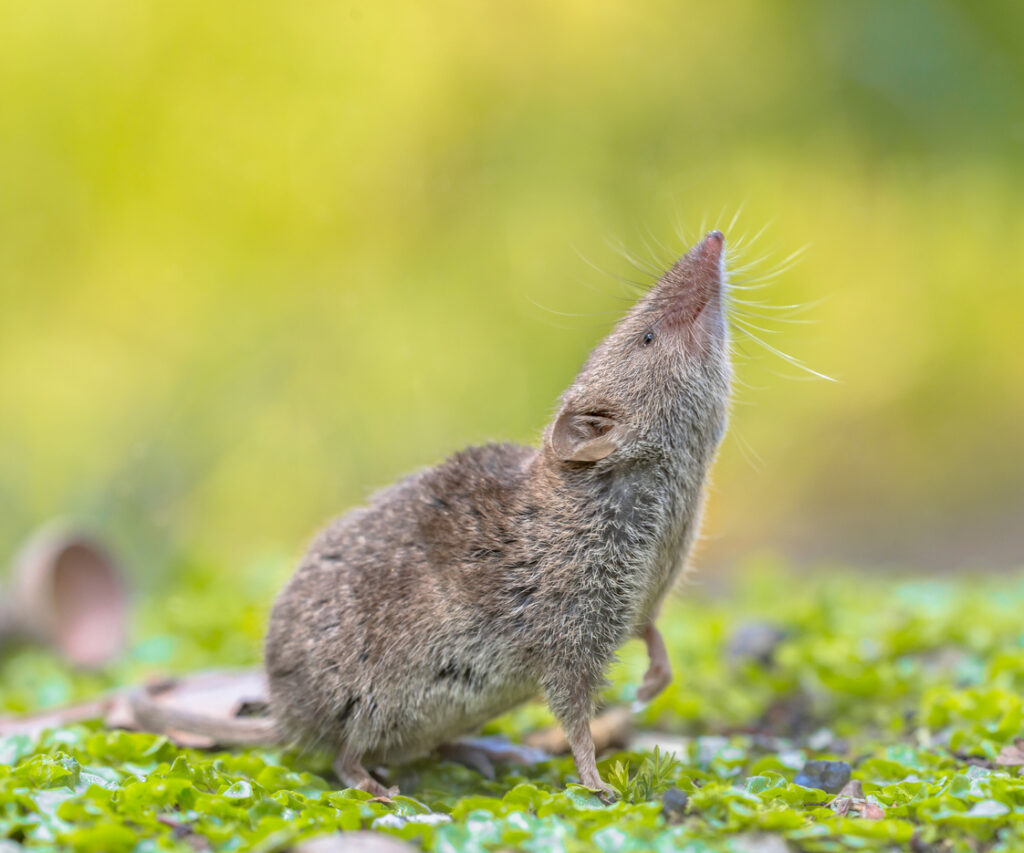
They’re small, unassuming, and often thought of as completely harmless. However, hidden behind cute faces or delicate wings are venom glands powerful enough to cause serious damage. It’s the kind of surprise that makes you look twice at the animals you thought you knew.
Venom isn’t just for snakes and spiders. It shows up in some of the least expected corners of the animal kingdom, from mammals to fish to insects you’ve probably brushed off without a second thought. Once you know which creatures carry this hidden weapon, you’ll never see them in quite the same way again.
1. Slow lorises
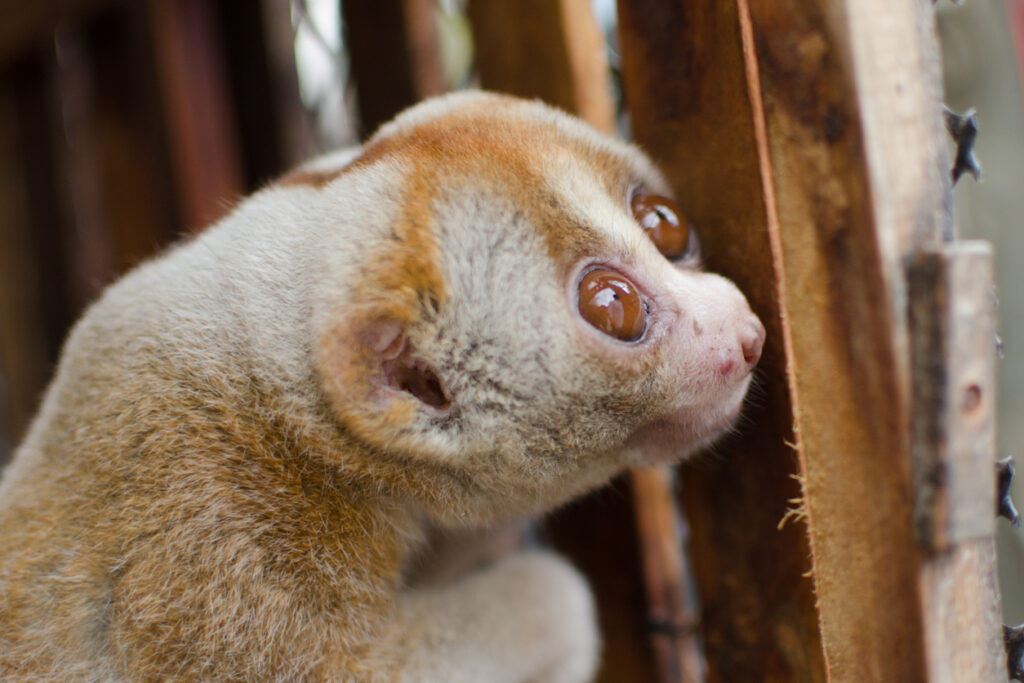
These big-eyed primates look adorable, and videos of them being tickled go viral regularly. However, slow lorises are the only venomous primate. They have venom glands in their elbows that they lick before biting, mixing saliva with venom.
Their bite causes intense pain, swelling and can trigger anaphylactic shock in humans. People keep them as pets without realising they’re handling venomous animals. The cute videos are usually showing distressed animals, not happy ones.
2. Platypuses
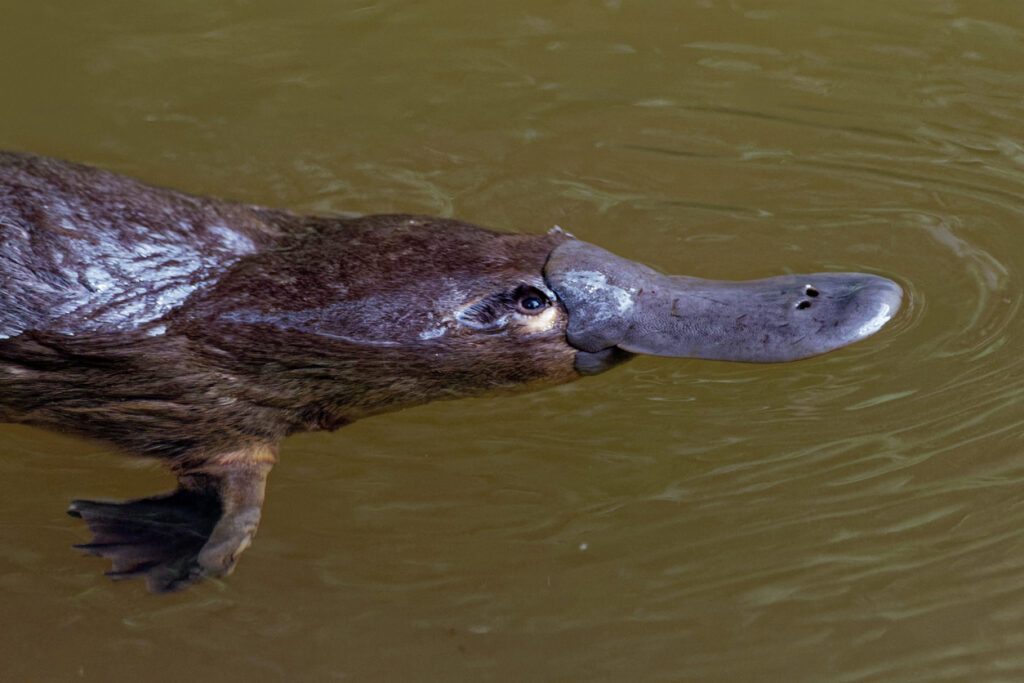
Everyone knows platypuses are weird, but most don’t know males have venomous spurs on their hind legs. The venom won’t kill you but causes excruciating pain that can last for weeks and doesn’t respond well to painkillers.
There are documented cases of people being envenomated while handling platypuses. The pain is described as severe and debilitating. It’s one of the few venoms that causes pain so intense it can’t be adequately controlled with medication.
3. Solenodons
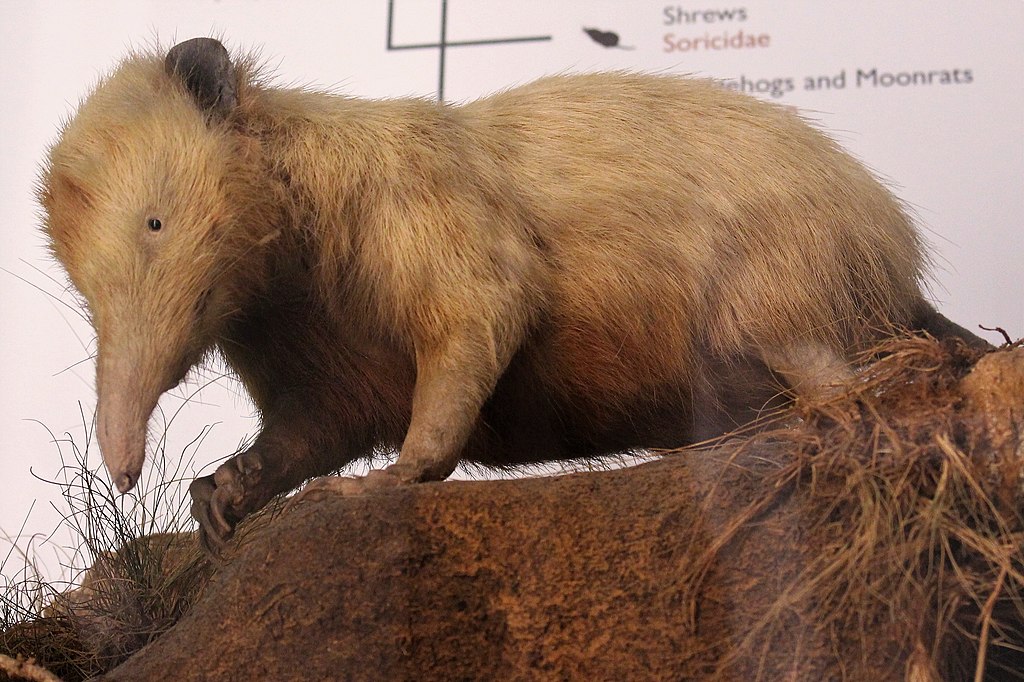
These rare insectivores from the Caribbean look like large shrews. They’re one of very few venomous mammals, and have grooved teeth that deliver venom when they bite. The venom is primarily for subduing prey but can affect humans.
They’re endangered and rarely encountered, but when handled by researchers they’ve caused painful bites. Most people have never heard of them, let alone know they’re venomous mammals.
4. Vampire bats
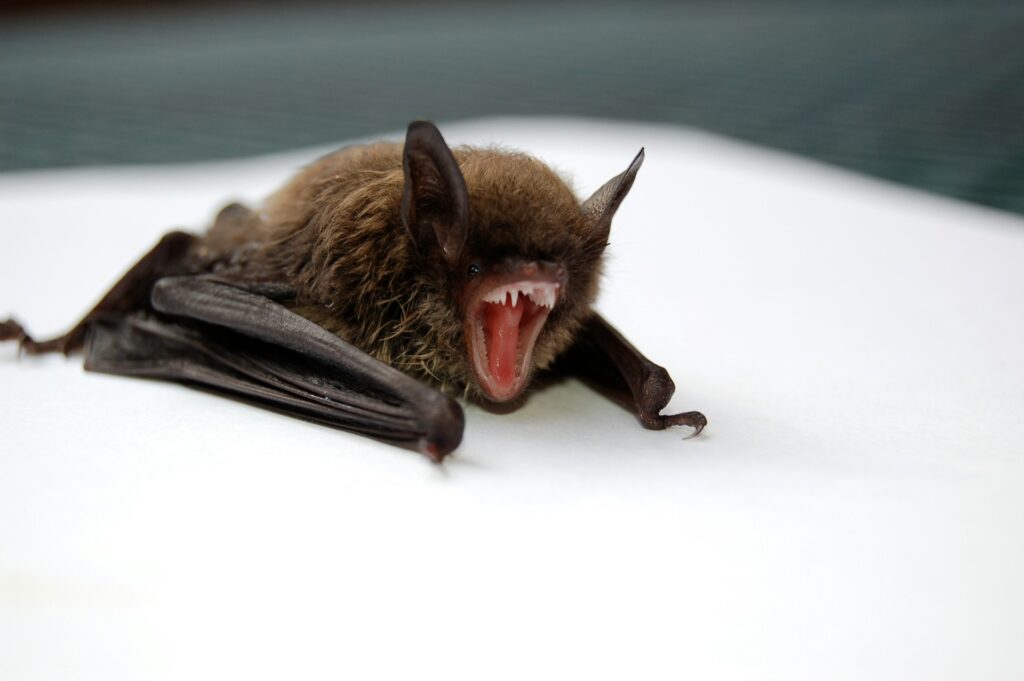
People know vampire bats drink blood but don’t realise that their saliva contains anticoagulant venom. This isn’t just saliva, it’s actual venom that prevents blood clotting. The bat makes a small cut and the venom keeps blood flowing while they feed.
The anticoagulant is so effective it’s been studied for medical applications. Bites continue bleeding for extended periods because of the venom preventing clotting. They’re genuinely venomous animals, not just bloodsuckers.
5. Shrews
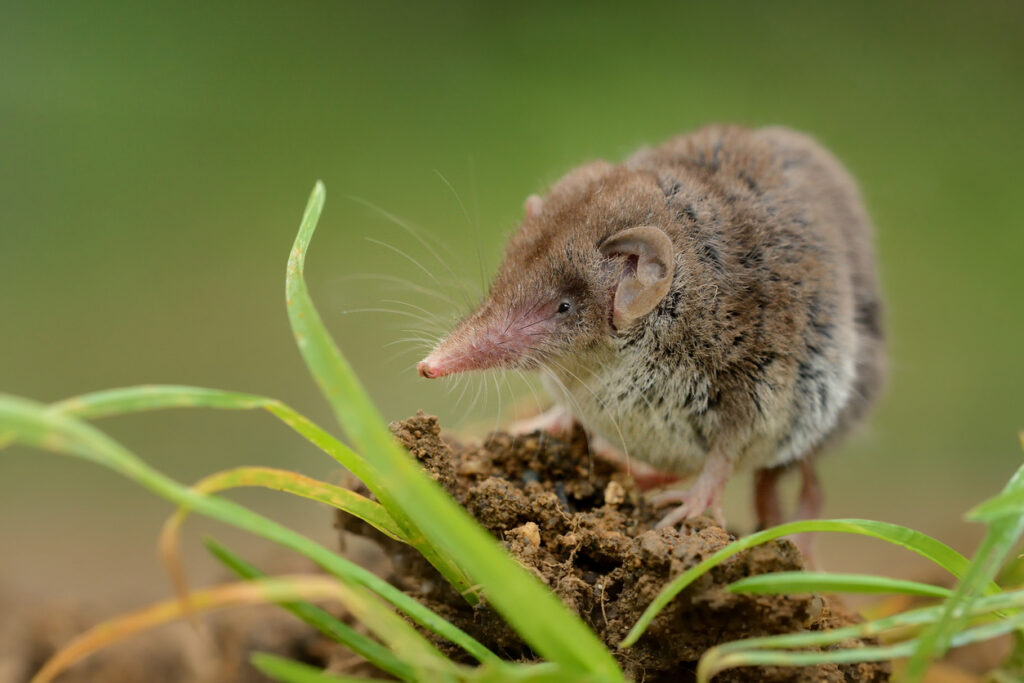
Common shrews that live in gardens across Britain and Europe are venomous. They have venomous saliva used to immobilise prey. It’s not dangerous to humans in normal circumstances, but their bite delivers measurable venom.
Most people handle shrews, thinking they’re just small mammals. The venom is mild and causes localised pain and swelling. You’re unlikely to be seriously harmed, but you’re still being envenomated by a creature most people consider harmless.
6. Assassin bugs
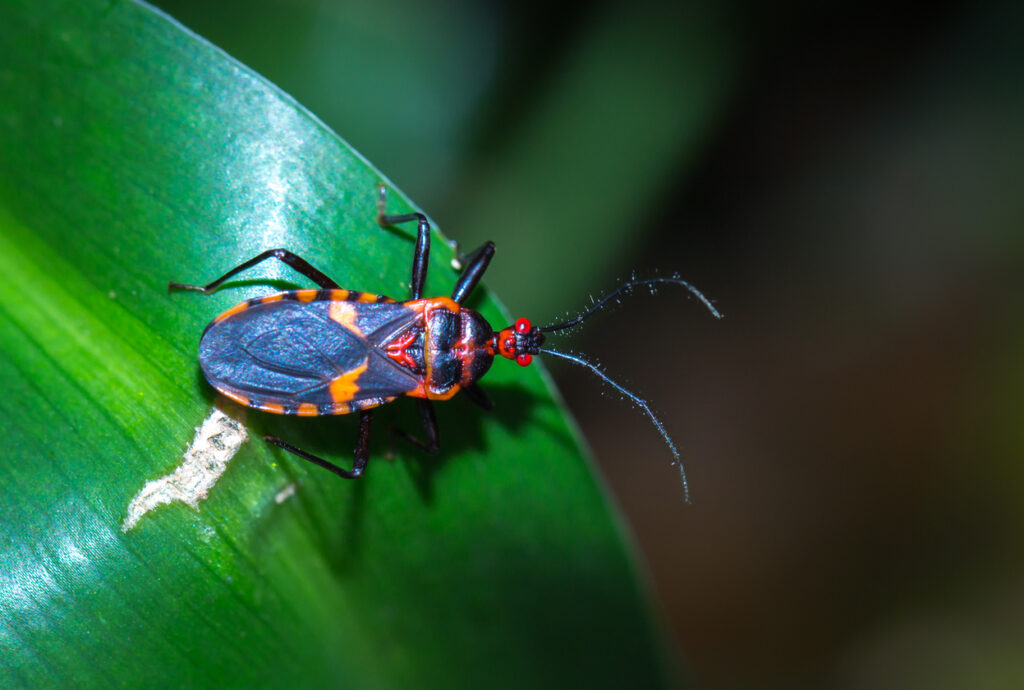
These insects look fairly ordinary, but they inject powerful venom through their proboscis. Some species have bites described as more painful than bee stings. The venom liquefies prey tissues so they can suck up the resulting fluid.
People see them in gardens and houses without realising that they’re venomous hunters. Handling them can result in painful defensive bites. Some species also spread Chagas disease, making them dangerous for multiple reasons.
7. Leopard seals
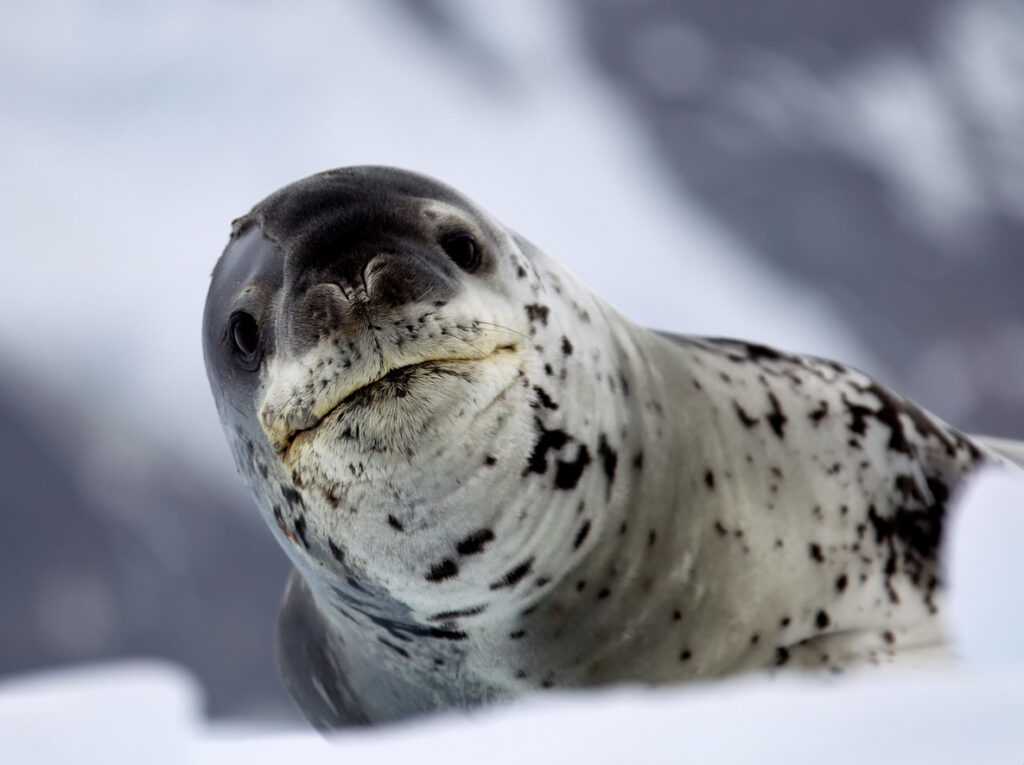
Nobody thinks seals are venomous because they’re not. But recent research suggests leopard seals may have mildly venomous bites. Their saliva contains compounds similar to venom that cause extreme pain and slow-healing wounds in bite victims.
Whether this qualifies as true venom is debated, but their bites cause reactions beyond mechanical damage. Several researchers and photographers have been bitten and reported unusual pain and healing problems consistent with envenomation.
8. Komodo dragons
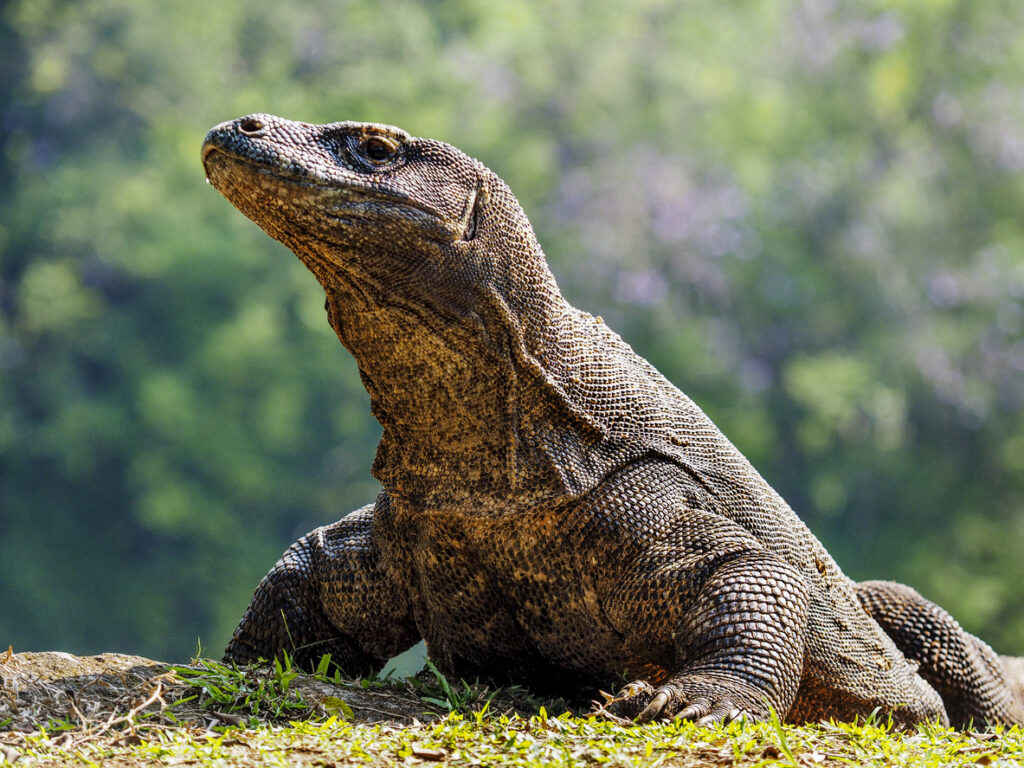
For years everyone thought Komodo dragons killed through bacteria in their mouths. Recent research proved they’re actually venomous. They have venom glands that produce anticoagulants, causing prey to bleed out and go into shock.
This completely changed understanding of how they hunt. They’re not just big lizards with septic bites, they’re genuinely venomous predators. The venom prevents blood clotting and lowers blood pressure in prey.
9. Spiny mice

These look like normal mice with spiky fur. Some species have venomous saliva used during aggressive encounters with other mice. The venom causes pain and has been documented to affect other animals, including humans who handle them.
Most people have never heard of venomous rodents. Spiny mice aren’t widely kept as pets, but when they are, owners rarely know about the venom. It’s not life-threatening, but it’s genuine venom in an unexpected animal.
10. Water shrews
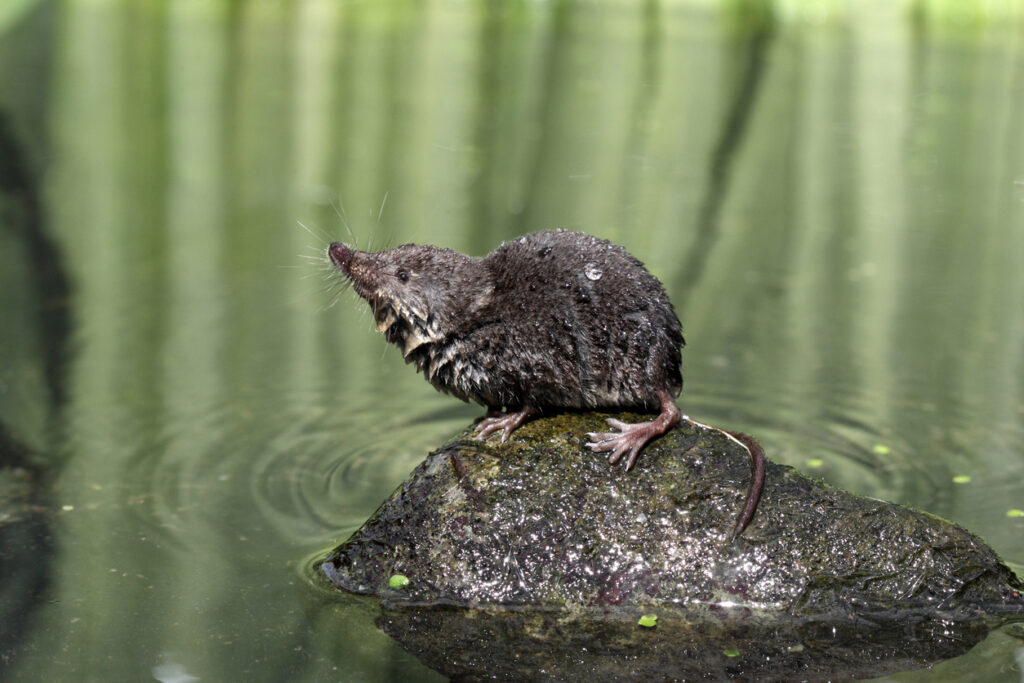
These aquatic hunters are more venomous than common shrews. They hunt underwater and use venom to immobilise prey, including small fish and frogs. The venom is potent enough to affect animals much larger than their normal prey.
They’re found across Europe and Asia near water. People occasionally encounter them without realising they’re handling a venomous mammal. Their bites cause localised pain and swelling that can last for days.
11. European mole

Common garden moles have venomous saliva. They use it to paralyse earthworms, which they then store alive in underground larders. The venom keeps prey immobilised but alive and fresh for later consumption.
Gardeners curse moles for destroying lawns but don’t have any idea that they’re venomous. The venom isn’t dangerous to humans, but it’s chemically similar to venom found in other venomous mammals. Handling wild moles can result in mildly venomous bites.
12. Ringed seal
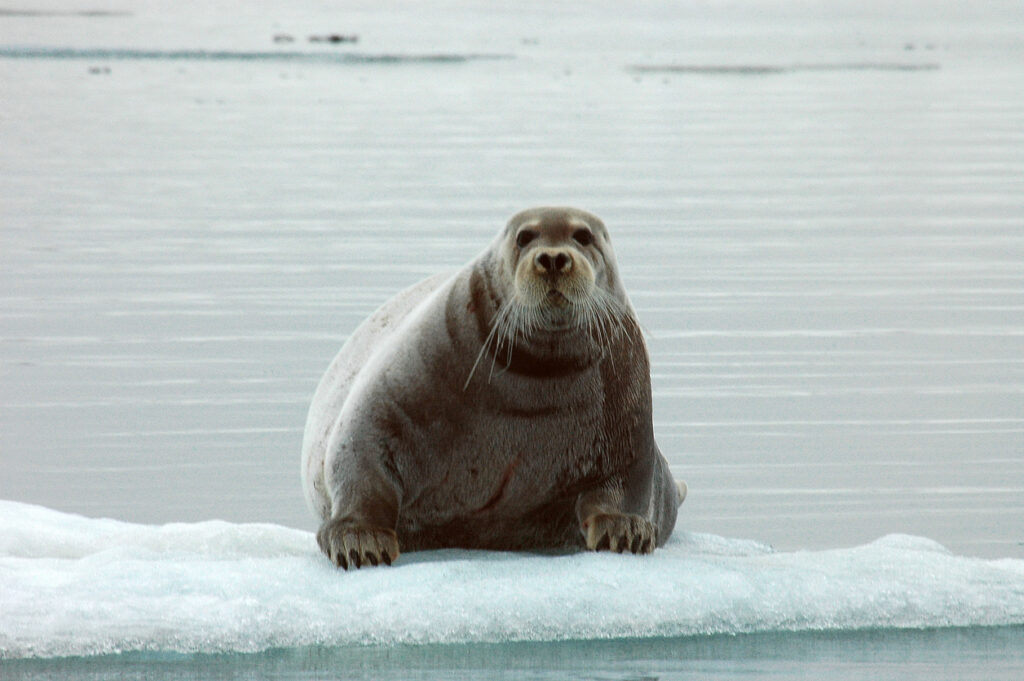
Like leopard seals, ringed seals may have mildly venomous bites. Research on seal saliva has found compounds that cause unusual reactions in bite wounds. Whether this is true venom or just particularly nasty bacteria remains under investigation.
Arctic researchers who’ve been bitten report pain and swelling beyond what mechanical injury would explain. The evidence is circumstantial but mounting that several seal species have at least mildly venomous bites.
13. Blarina shrews
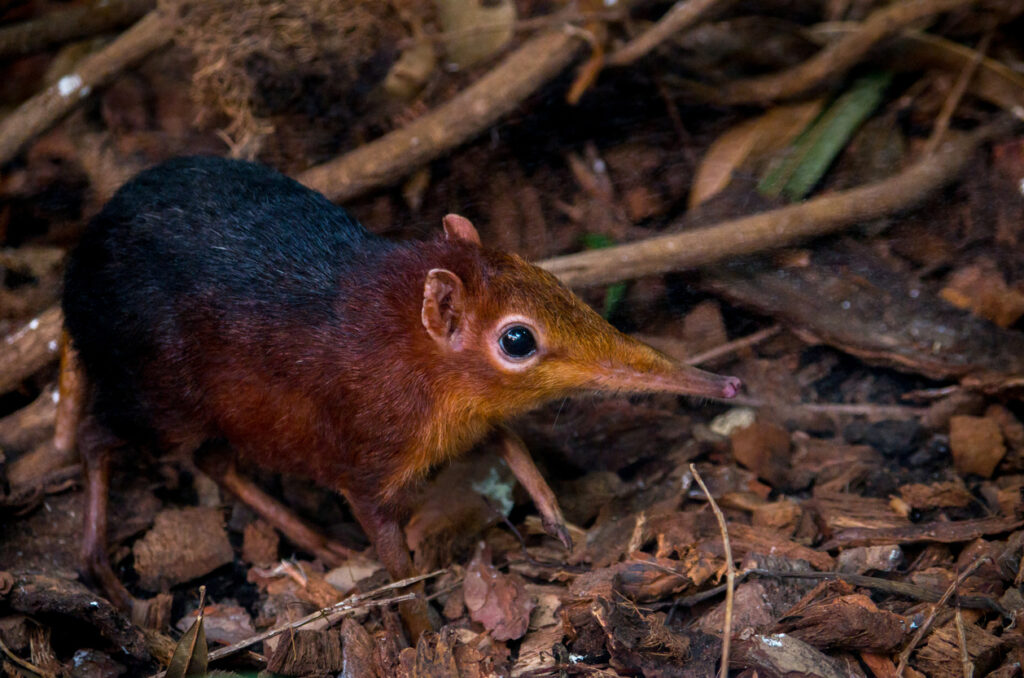
The American short-tailed shrew has particularly potent venom for a small mammal. It can kill prey two to three times its own size with venom alone. The venom contains compounds that lower heart rate and blood pressure.
Bites on humans cause intense pain, swelling and burning sensation that can last over a week. These are common animals across eastern North America that most people would pick up, thinking they’re harmless. They’re genuinely dangerous for their size.