Black cats are all over Halloween decorations, costumes, and cards, always looking sinister and spooky.
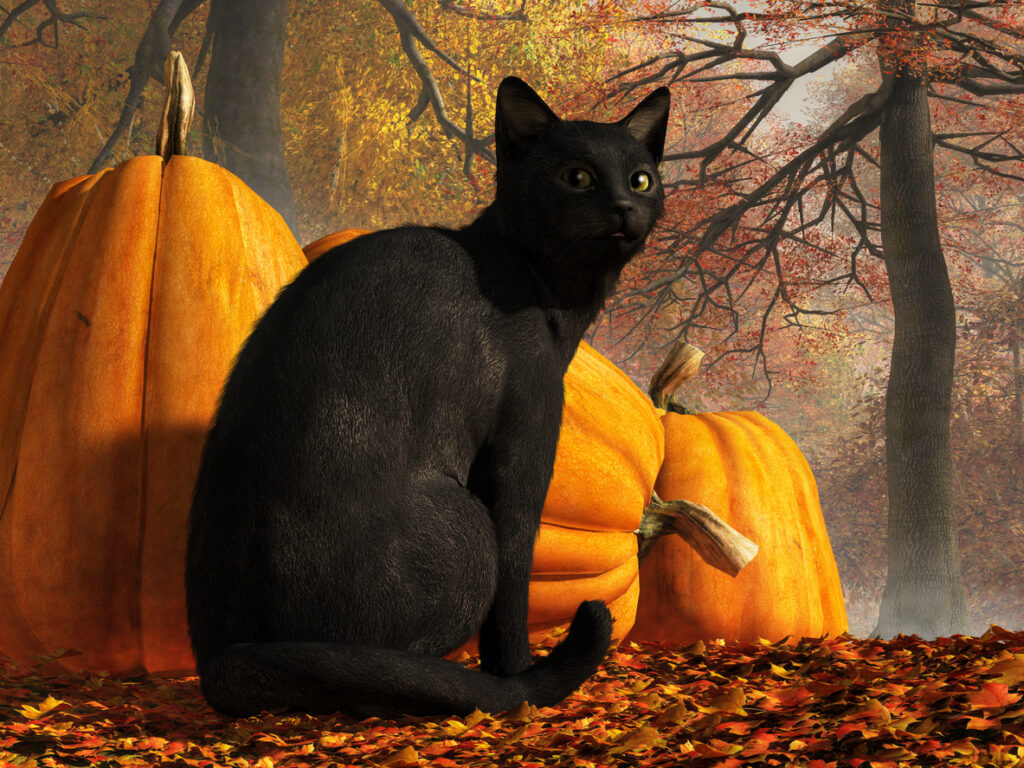
They’re linked with witches, bad luck, and superstition, but the reality is they’re just normal cats who happen to have black fur. The creepy reputation they’ve got has nothing to do with anything they’ve actually done and everything to do with centuries of human fear and stupidity. Here’s why black cats got unfairly demonised, and why they really don’t deserve their bad reputation at all.
They used to be worshipped as gods.
In ancient Egypt, all cats were considered sacred, but black cats were especially revered. They were associated with the goddess Bastet, who represented protection, fertility, and good fortune. Killing a cat in that society was punishable by death, and families would mourn their pet cats like they’d lost a human family member. Black cats were seen as divine creatures that brought blessings, not curses.
The medieval church ruined everything.
The shift from sacred to scary happened when the Christian church started gaining power in medieval Europe. Cats in general, and black cats specifically, began to be associated with paganism and devil worship.
In 1232, Pope Gregory IX issued a document declaring black cats to be an incarnation of Satan. A couple of centuries later, Pope Innocent VIII wrote that cats were the devil’s favourite animal. Once the Pope says you’re demonic, that reputation tends to stick.
Witch hunts made it deadly to own one.
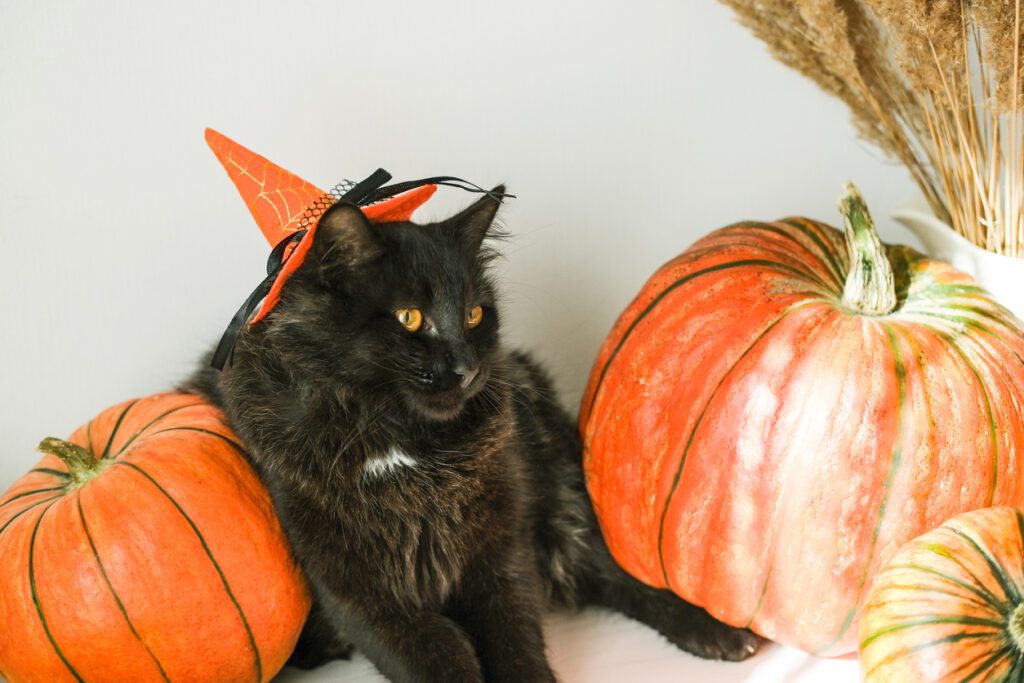
During the witch hunts that spread across Europe from the 1400s to the 1600s, black cats were believed to be witches’ “familiars,” which were supernatural creatures that assisted witches with magic. Some people thought witches could transform into black cats.
Owning a black cat could literally get you accused of witchcraft, and that accusation could lead to torture and execution. Elderly women living alone with cats were particularly vulnerable to being targeted.
The bad luck superstition came from witch hysteria.

The belief that a black cat crossing your path brings bad luck comes directly from the witch hunt period. People genuinely believed the cat might be a witch in disguise or a demon sent by a witch to curse you.
If a black cat crossed your path, fearful people would rush to the nearest church and pay a priest to bless them and remove any curse. The superstition has stuck around for centuries, even though the witch trials ended ages ago.
Not everywhere thought they were bad luck.
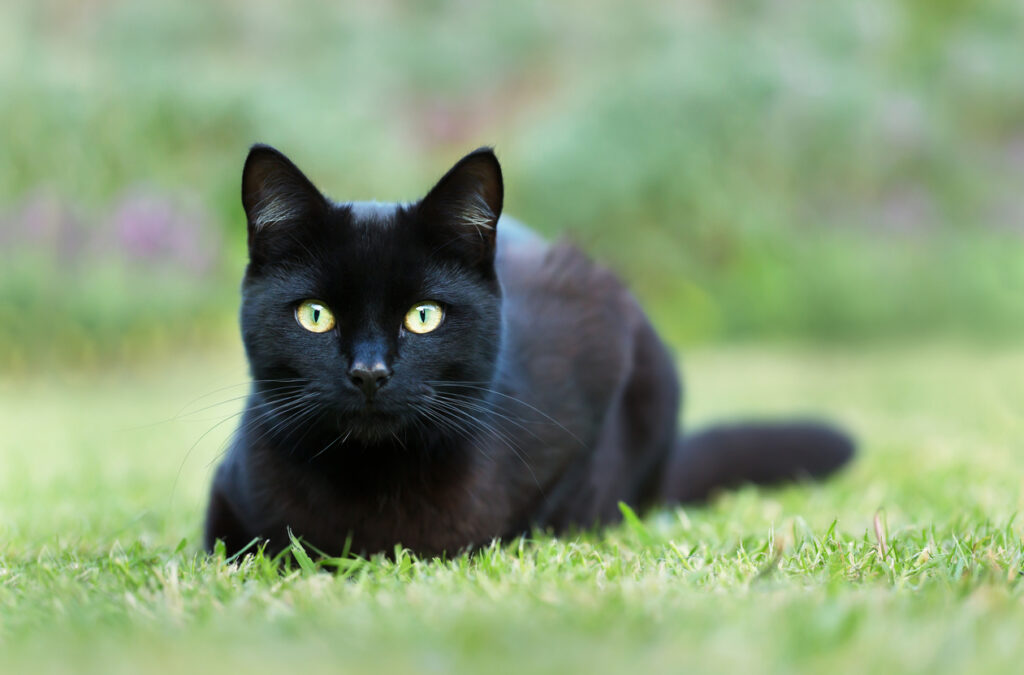
Interestingly, black cats had completely different reputations in different places. In Ireland, Scotland, and England, black cats were often seen as symbols of good luck and prosperity. In Japan, black cats are still considered good luck today, and shop owners keep them to attract customers. Sailors considered it lucky to have a black cat on board their ship. So the negative reputation really depended on where you lived.
The Puritans spread the fear to America.
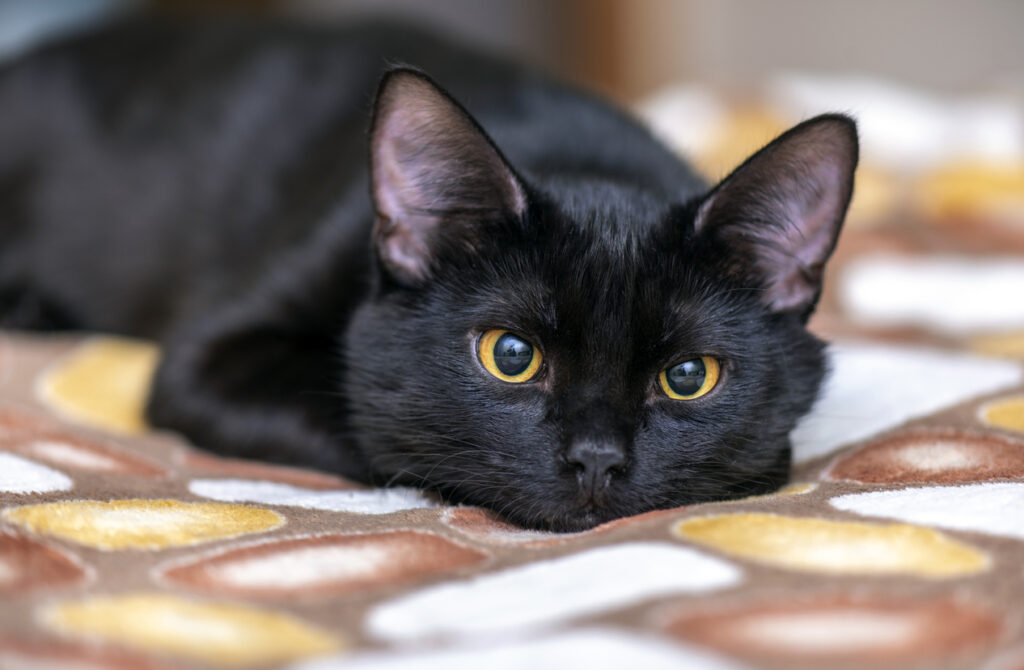
The association between black cats and bad luck made its way to America with the Puritan Pilgrims. The Puritans were deeply suspicious of anything connected to witchcraft, and that included black cats. During the Salem witch trials in the 1690s, accusations of witchcraft often involved women who owned cats. This established black cats in American culture as symbols of bad luck and Halloween, and that reputation has stuck ever since.
They’re just cats with different coloured fur.
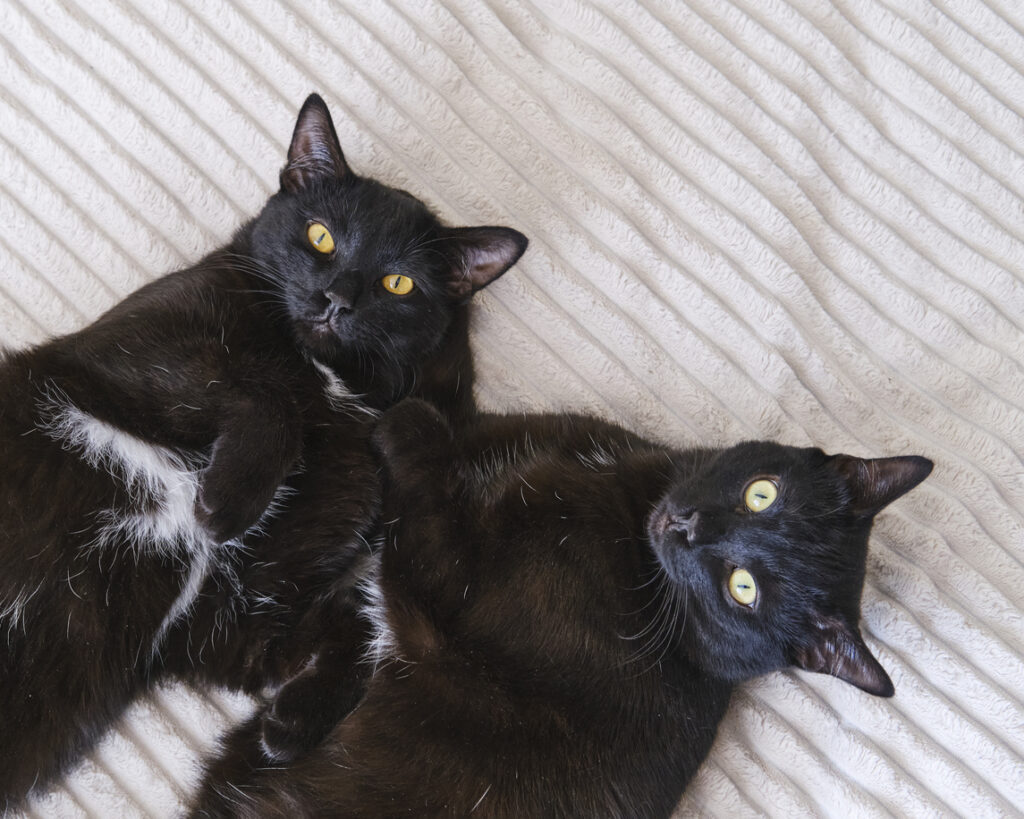
Black cats aren’t a separate species or breed, they’re just regular domestic cats with black fur. The black colouring comes from genetics, specifically high levels of melanin, the same pigment that affects human hair and skin colour. They have the same temperament, behaviour, and personality range as any other cat. There’s nothing mysterious, magical, or unlucky about them beyond what superstitious humans decided to project onto them.
They still suffer because of Halloween superstition.
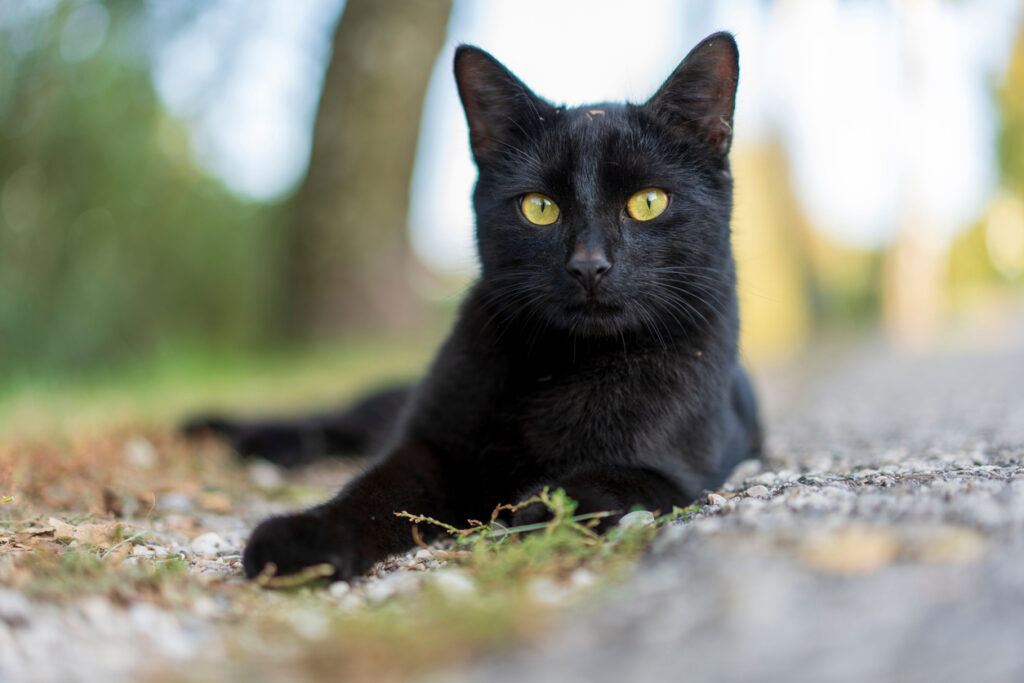
Studies show that black cats in animal shelters are significantly less likely to be adopted compared to cats of other colours, purely because of lingering superstition. This is called “black cat syndrome” and it’s a genuine problem in animal rescue.
Some shelters won’t even adopt out black cats in October because people have been known to use them as “living Halloween decorations” before abandoning them after the holiday. That’s how much damage these old superstitions have done.
Popular culture keeps reinforcing the stereotype.
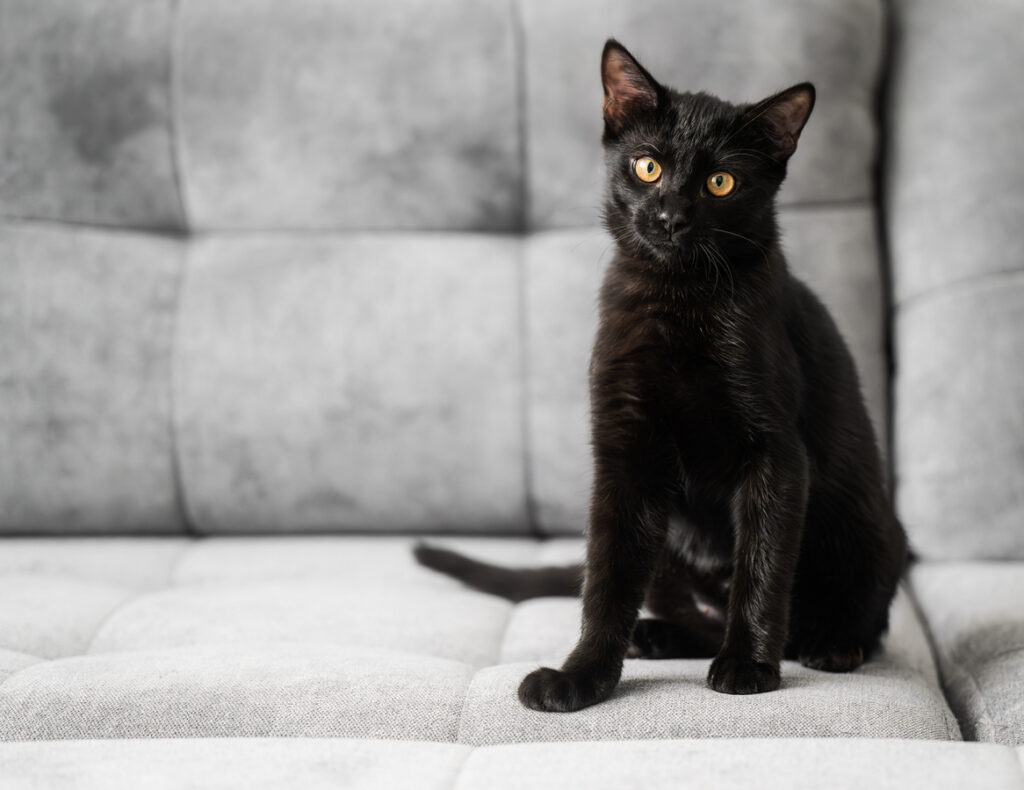
Films, TV shows, and books have been featuring black cats as symbols of witchcraft and bad luck since the early 1900s. From Salem in Sabrina the Teenage Witch to various horror films, black cats are constantly portrayed as supernatural or sinister.
Every time Halloween comes around, shops fill up with decorations showing black cats with arched backs and evil expressions, which just keeps reinforcing the idea that there’s something spooky about them when there really isn’t.
They’re actually more vulnerable than other cats.

Because of their dark fur, black cats are harder to see at night, which puts them at higher risk of being hit by cars if they’re outdoor cats. They’re also harder to photograph well, which means their adoption photos often don’t show them at their best.
Combined with the superstition problem, black cats face genuine disadvantages that have nothing to do with them being unlucky and everything to do with humans treating them unfairly based on medieval nonsense.
Some places are trying to change the reputation.
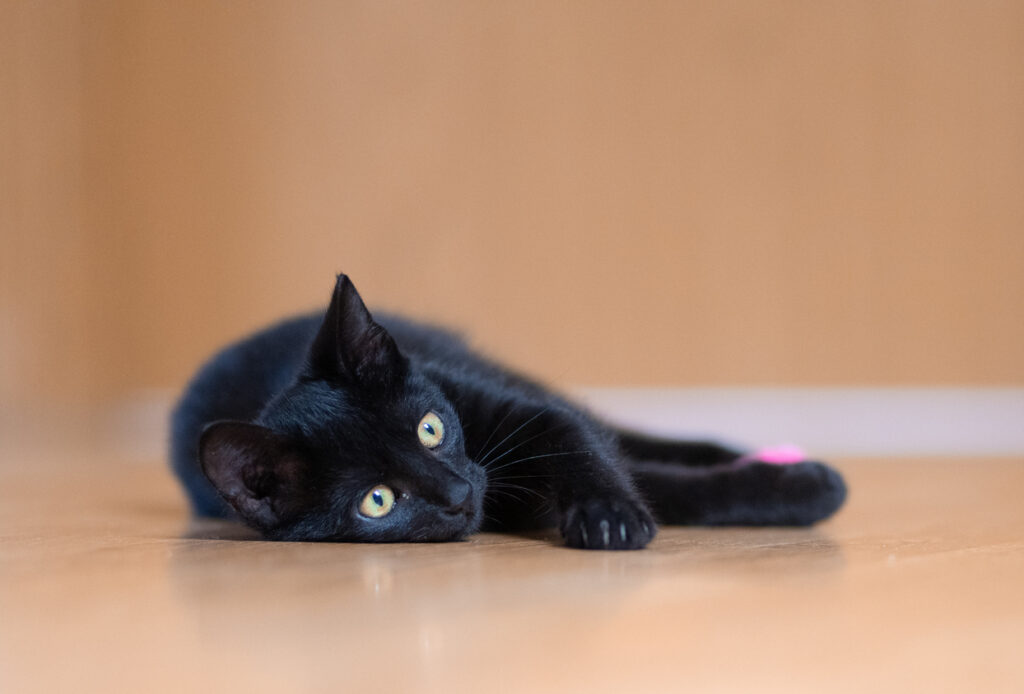
National Black Cat Day was created to celebrate black cats and encourage people to adopt them from shelters. Some countries and regions are actively working to change the negative perception and highlight that black cats make just as good pets as any other colour.
Animal welfare organisations regularly run campaigns explaining that black cat superstitions are baseless and harmful, and that these cats deserve homes just like any other. The message is slowly getting through, but centuries of bad reputation take time to undo.
They deserve better than being Halloween decorations.
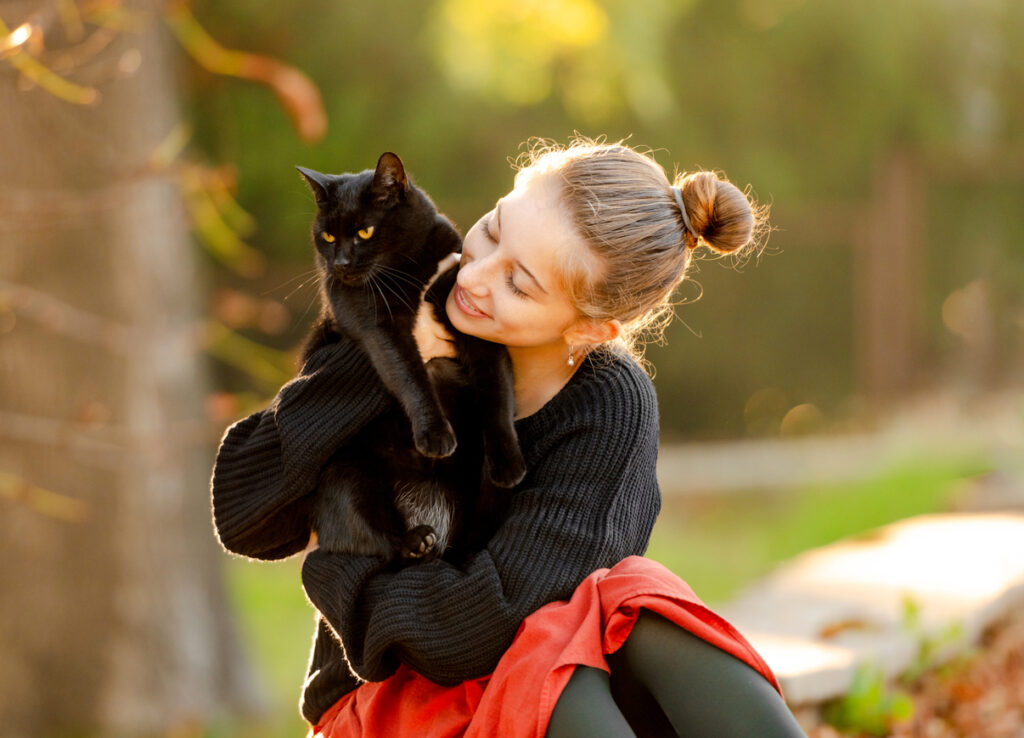
Black cats ended up as Halloween symbols because of fear, superstition, and witch hunts, not because there’s anything genuinely spooky about them. They’re victims of human ignorance who’ve been unfairly demonised for centuries.
The fact that they’re still associated with bad luck and used as creepy Halloween imagery shows how persistent old superstitions can be, even when we know they’re complete rubbish. Black cats are just cats, and they deserve to be treated like any other pet, rather than symbols of something they never were in the first place.