Composting feels like the ultimate eco-friendly move, but not everything in your kitchen or garden is fair game for the bin.
In the UK, there are a few clear rules about what you can legally compost and what could actually land you in trouble for causing pollution, attracting pests, or spreading disease. Here’s what’s fine to throw in, what’s not, and the legal grey areas every home composter should know.
1. You can compost raw fruit and vegetable waste.
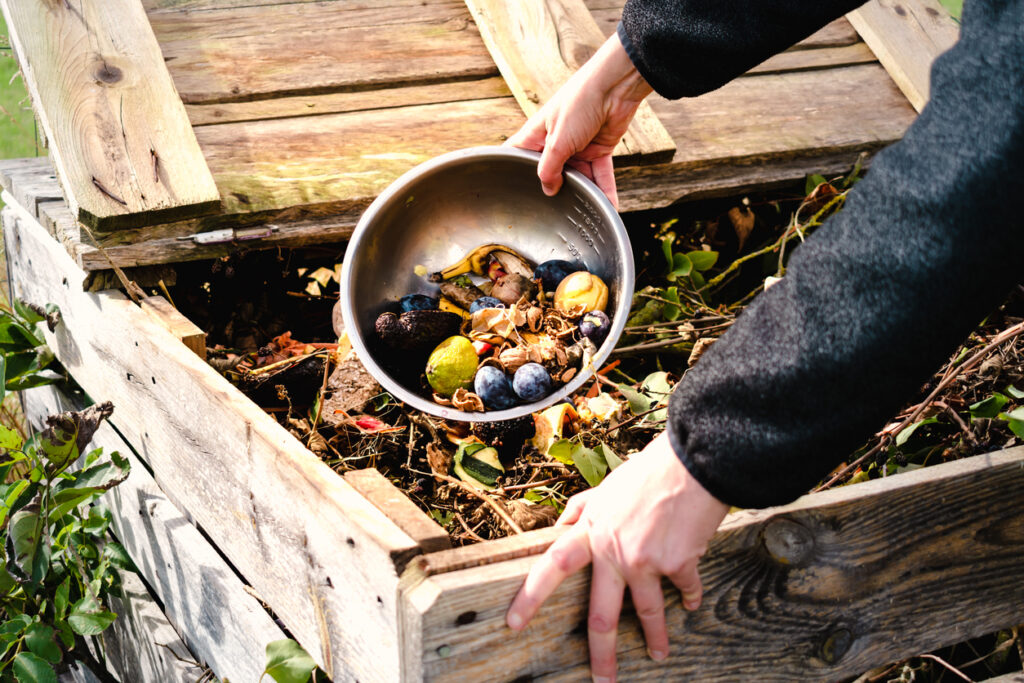
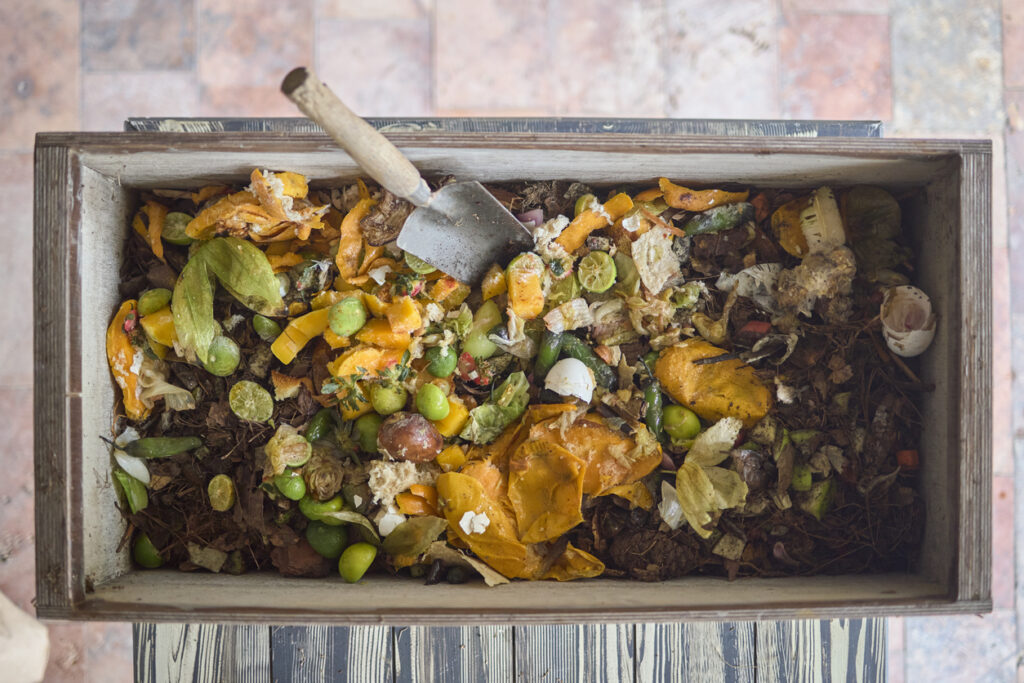
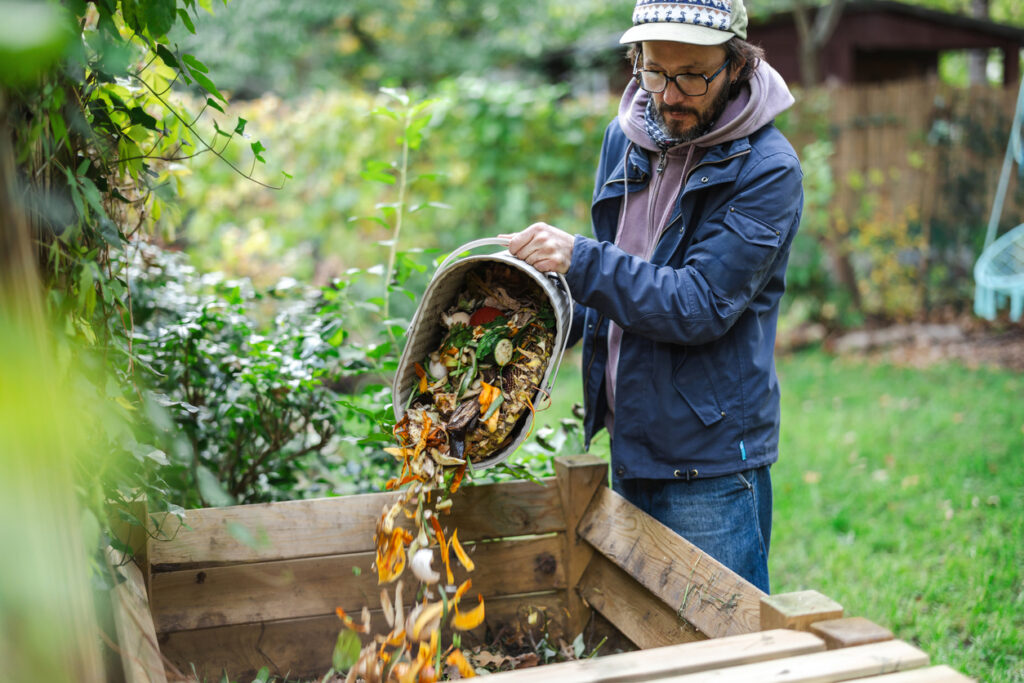
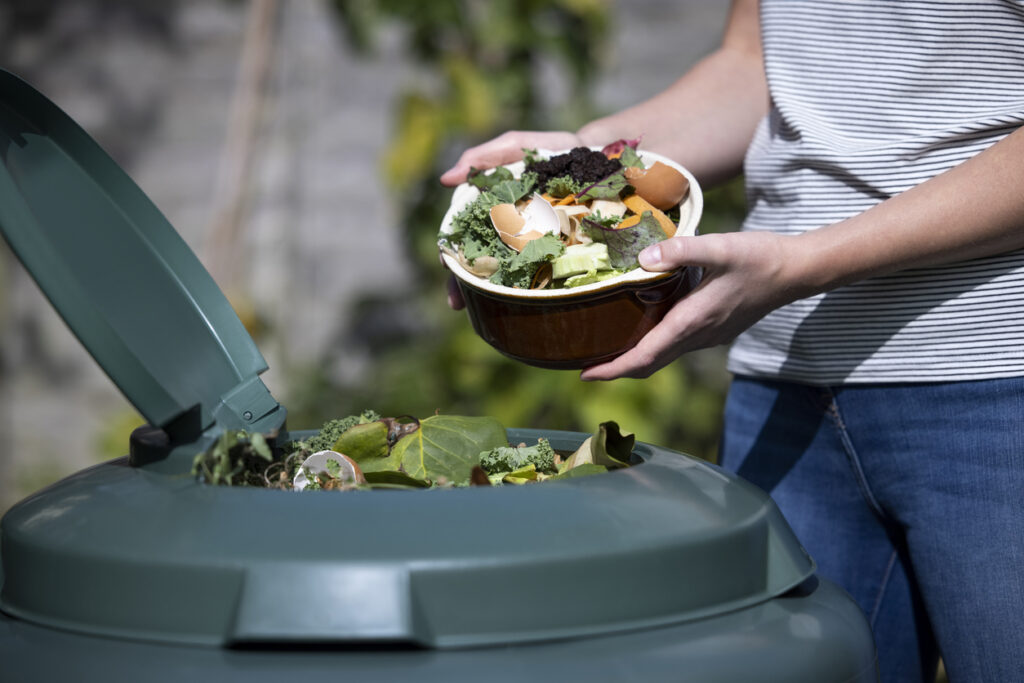
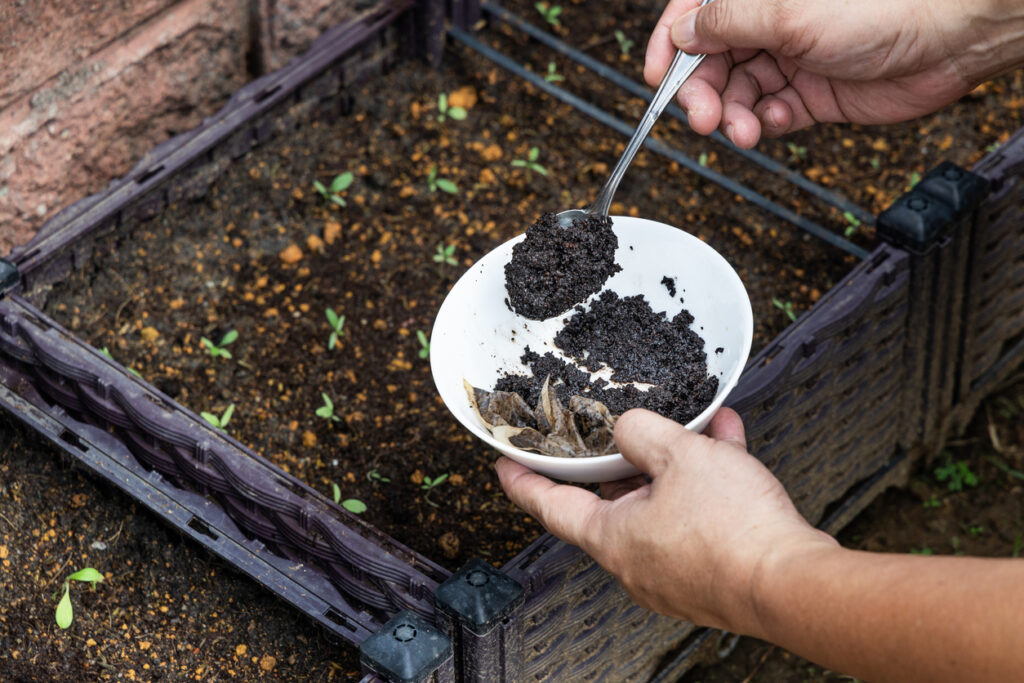
All your peelings, cores, coffee grounds, and tea leaves are perfect for composting. These materials break down quickly and add nutrients to your soil, helping your compost stay balanced and active. They’re safe, legal, and ideal for home compost bins in any part of the UK.
Just avoid large clumps of the same thing, like a heap of citrus peels or onions, as these can slow down the process. Mixing in brown materials like cardboard or dead leaves helps everything decompose evenly without turning slimy or smelly.
2. Grass cuttings and garden trimmings are safe.
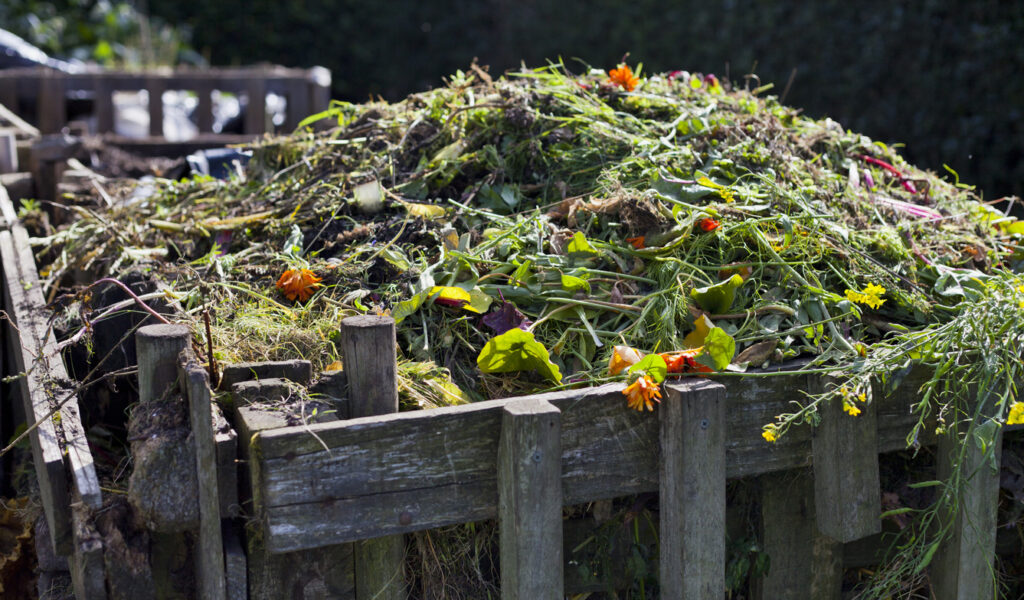
Cuttings from mowing or pruning are great compost ingredients, as long as they’re free from pesticides and chemicals. Soft young weeds can go in too, as long as they haven’t gone to seed. These greens are full of nitrogen and keep your compost pile lively.
It’s best to mix grass cuttings with tougher materials like twigs or shredded paper to avoid a soggy layer. If your compost smells bad or turns slimy, you’ve probably added too much grass and not enough brown matter.
3. You can include paper, cardboard, and natural fibres.
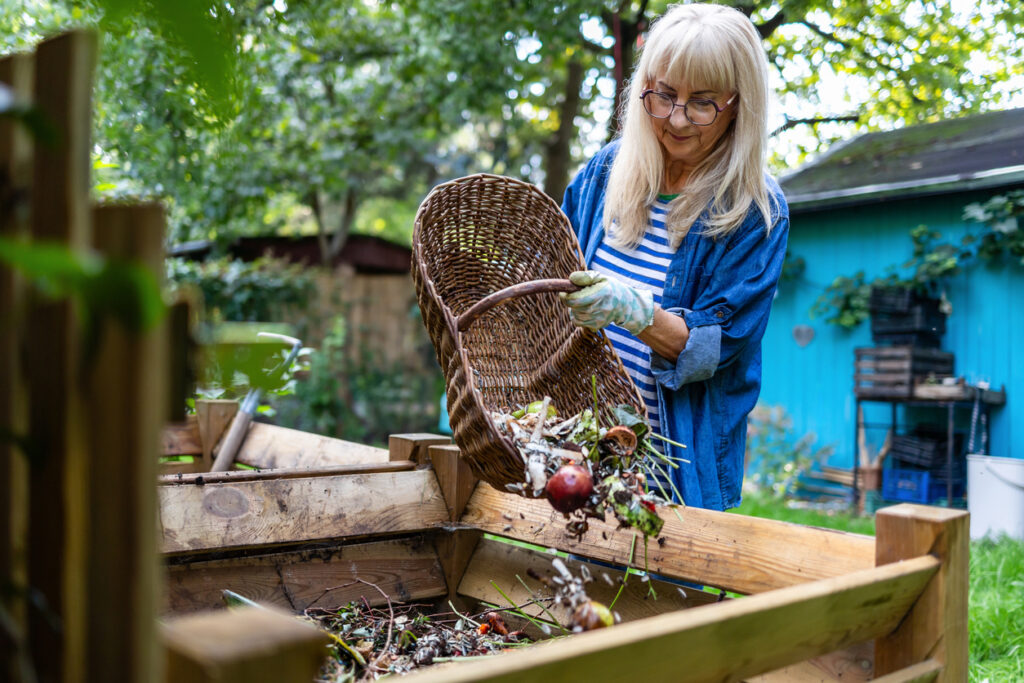
Cardboard egg boxes, toilet roll tubes, shredded paper, and even bits of untreated cotton or wool can all be composted. They add carbon to the mix, balancing out the wetter green waste. The key is to tear them up small so they break down faster.
Try to avoid glossy paper or plastic-coated packaging. Anything treated, dyed, or shiny likely contains chemicals that don’t belong in your compost pile. Stick to plain, natural materials for best results.
4. Animal waste from herbivores is fine in moderation.
If you keep rabbits, guinea pigs, or hamsters, their bedding and droppings can go straight into the compost bin. Because they’re plant eaters, their manure is safe and nutrient-rich when properly broken down. It’s a great way to recycle pet waste without creating hygiene risks.
Always mix it well with dry brown materials like straw or shredded cardboard. Let it decompose fully before using it on food crops, just to be safe and avoid contamination.
5. You can compost untreated wood and prunings.
Small branches, twigs, and wood chips help create air pockets and structure inside your compost bin. They’re slower to break down, but useful for keeping your pile from becoming too compacted. Shredding or chopping them first will speed up the process.
Avoid any wood that’s been treated, painted, or varnished. These coatings can release toxins as they decompose, contaminating your compost and garden soil.
6. Meat, fish, and dairy are off-limits.
Adding animal products like meat scraps, cheese, or cooked food can cause serious problems. They attract rodents and flies, smell terrible, and aren’t suitable for traditional composting methods. These materials can also break UK waste rules if they cause pest issues or environmental harm.
If you’re determined to compost them, you’ll need a sealed hot composting system that heats above 60 °C to kill bacteria and control odour. For most people, it’s safer to stick to council food waste collections for anything cooked or animal-based.
7. Pet faeces are illegal to compost in normal bins.
Dog and cat waste should never go into garden compost. It can contain harmful bacteria and parasites that survive decomposition. Composting it at home risks contaminating your soil and breaking local environmental rules. Some councils offer special biodegradable pet waste schemes, but in most cases, it belongs in the general waste. Herbivore droppings are fine, but carnivore waste is not.
8. Never compost invasive plants.
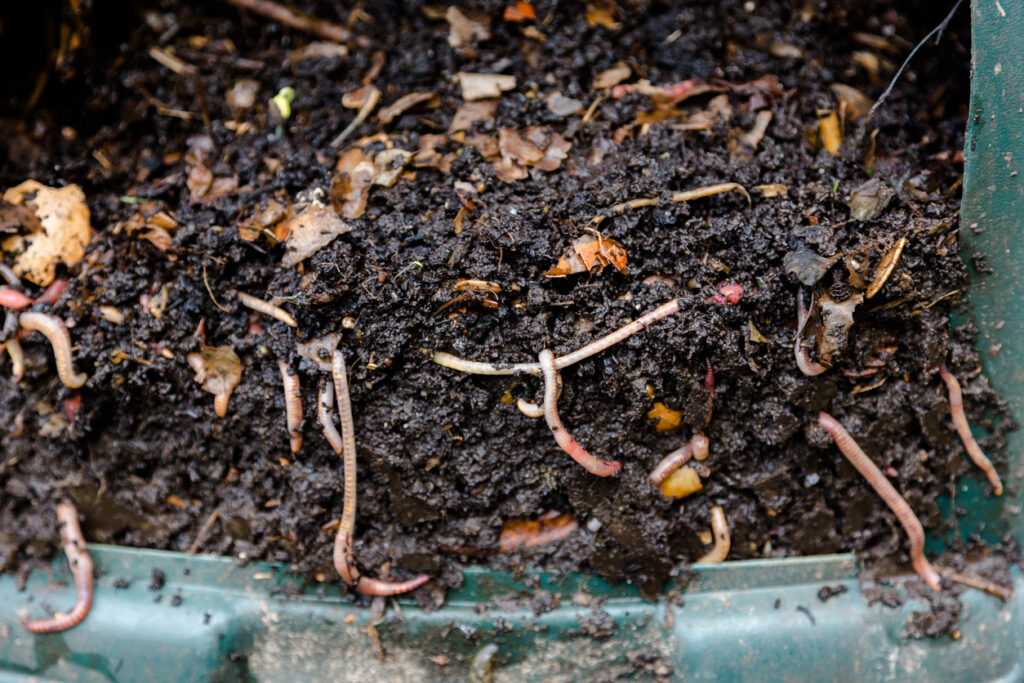
Plants like Japanese knotweed, giant hogweed, and Himalayan balsam must be handled under strict control. It’s illegal to compost them because they can regrow and spread, damaging ecosystems and properties. These species require professional disposal or council collection under UK law. Even if you think you’ve killed them off, their roots can survive. Always check the government’s invasive species list before composting any unfamiliar plant material.
9. Avoid coal ash and treated wood.
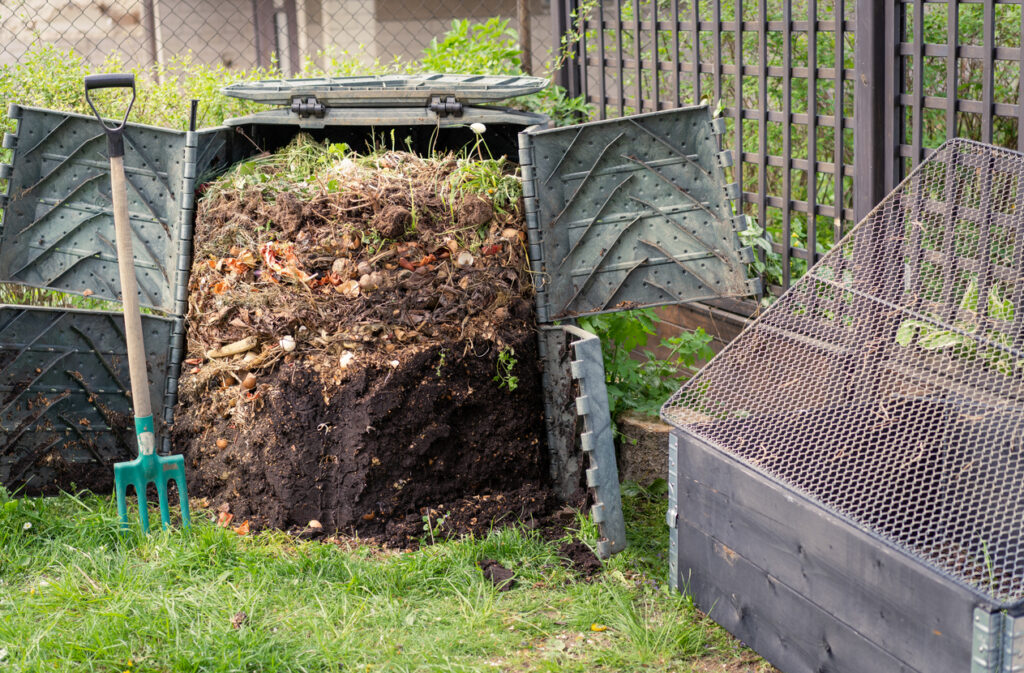
Coal or coke ash contains toxic heavy metals that can harm your soil and plants. Only ash from untreated wood or paper should go in your compost. Treated or painted timber is equally unsafe because of the chemicals it releases as it breaks down. These materials don’t just damage your compost; they can contaminate groundwater and soil, breaching pollution rules under the Environmental Protection Act.
10. Cooked or oily food belongs elsewhere.
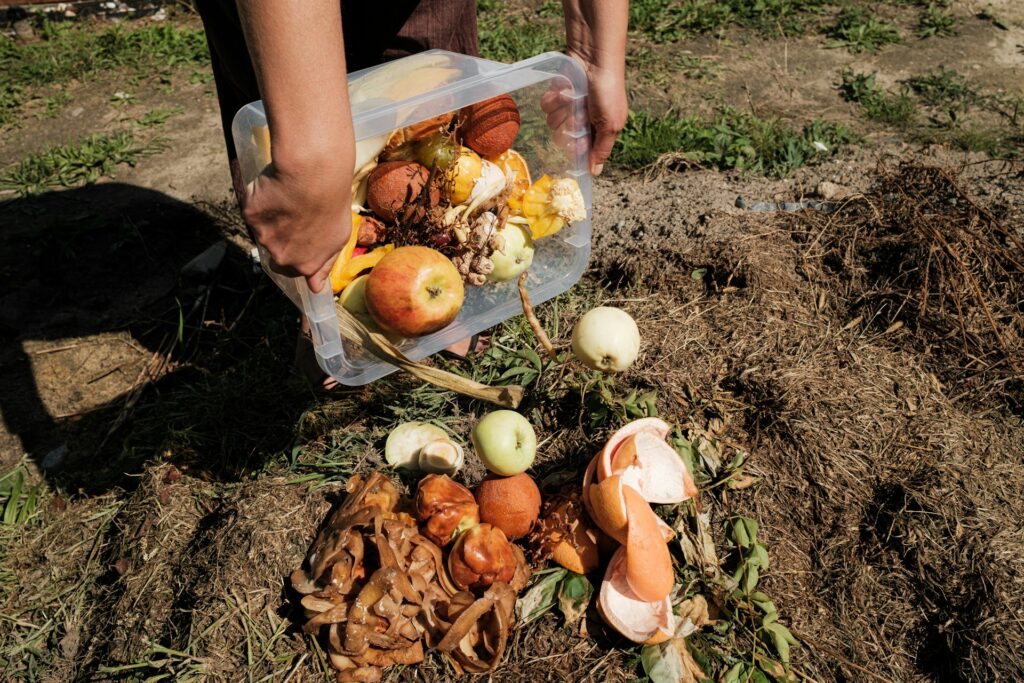
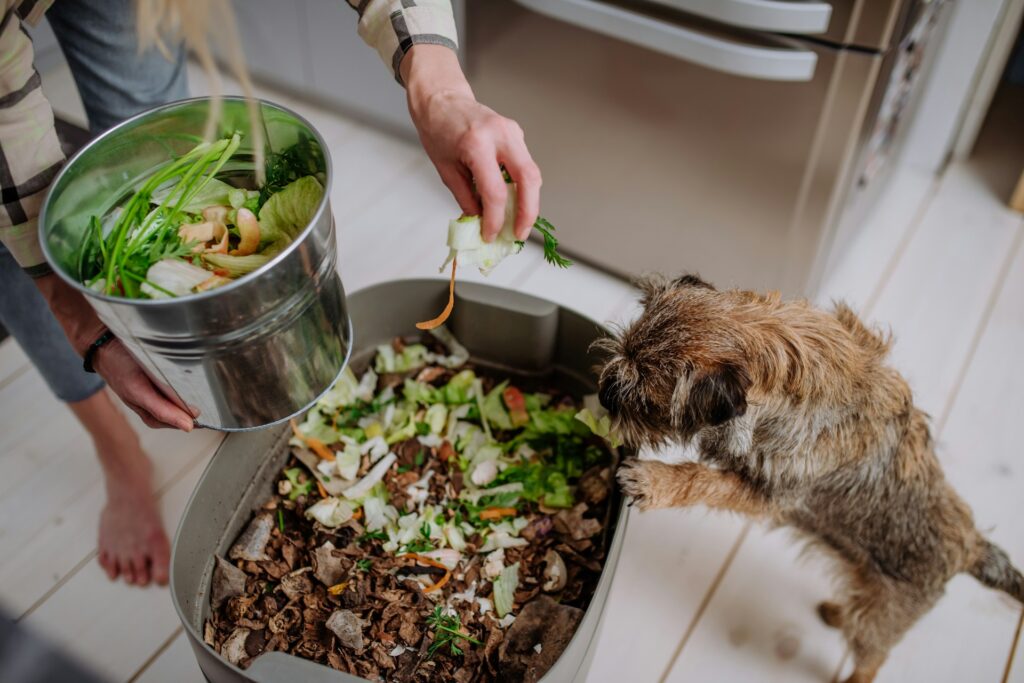
Even small bits of cooked food can throw your compost out of balance. The fats and oils in cooked leftovers attract vermin and create unpleasant smells. Local councils often specify that cooked food waste should go in food recycling bins, not home compost. Stick to raw fruit and veg scraps only. If you do want to compost cooked food, consider investing in a sealed Bokashi system that’s designed for it.
11. Don’t include plastics or synthetic materials.
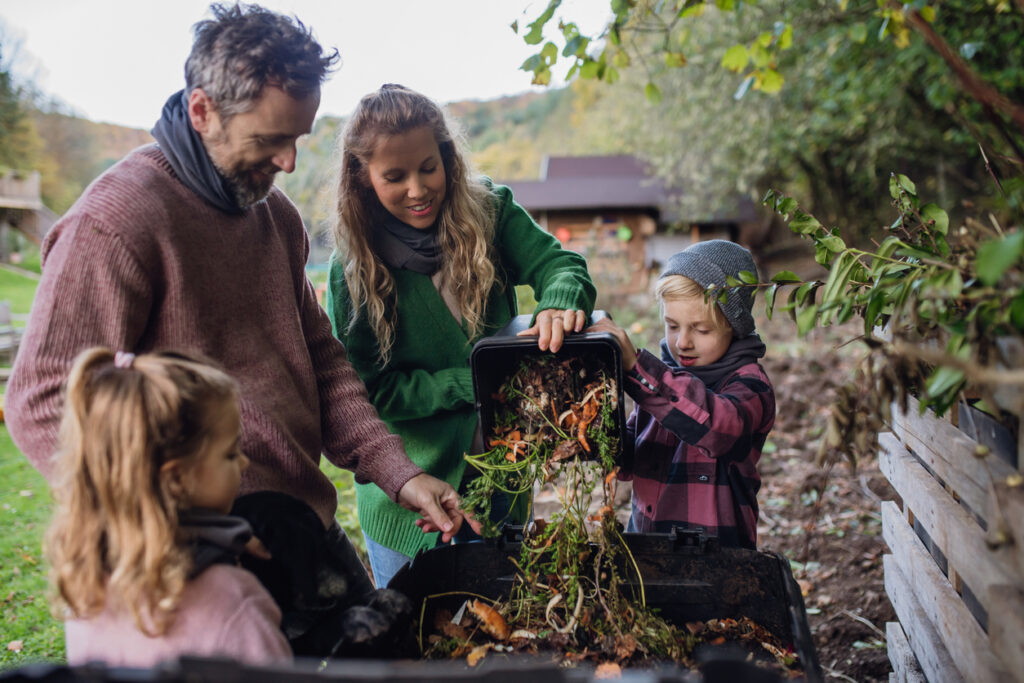
It might sound obvious, but many “biodegradable” plastics and tea bags contain materials that don’t actually break down. These can linger in your compost for years and end up contaminating your garden soil. Always check packaging for certified compostable symbols before adding anything. When in doubt, leave it out. Contamination can ruin an entire bin of compost.
12. Hot composting needs extra care and regulation.
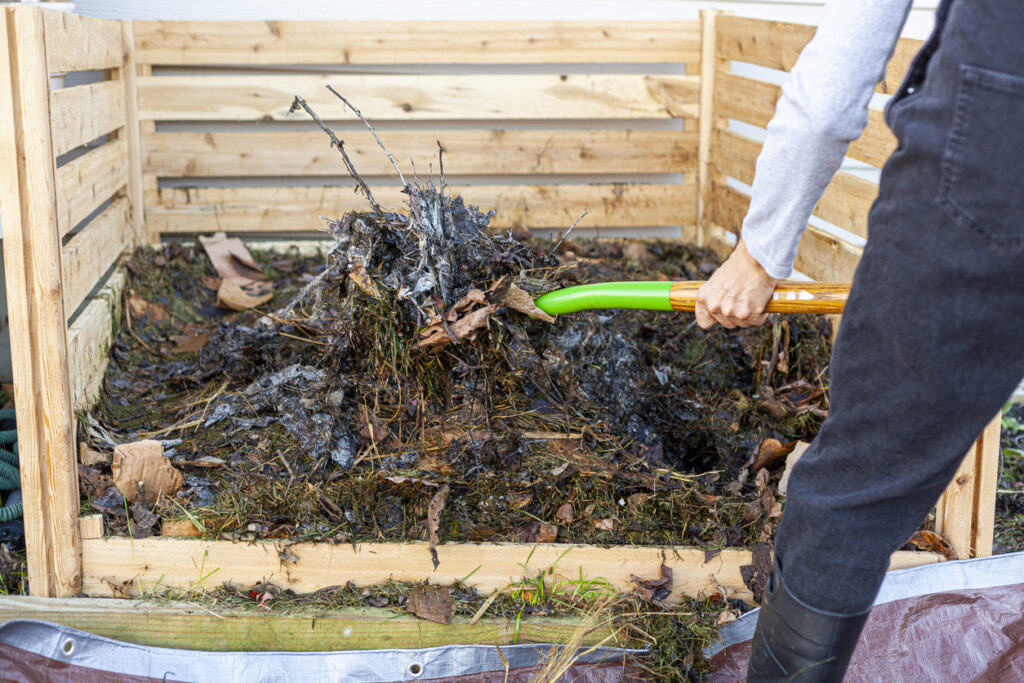
If you’re running a large composting setup or taking waste from neighbours, UK law treats that differently. You may need an exemption or permit from the Environment Agency, such as the T23 aerobic composting exemption for small-scale use. As long as you’re only composting your own household and garden waste, you don’t need to register anything. However, if you start handling waste from other people, even as a favour, you move into regulated territory.
13. Compost heaps can still break the law.
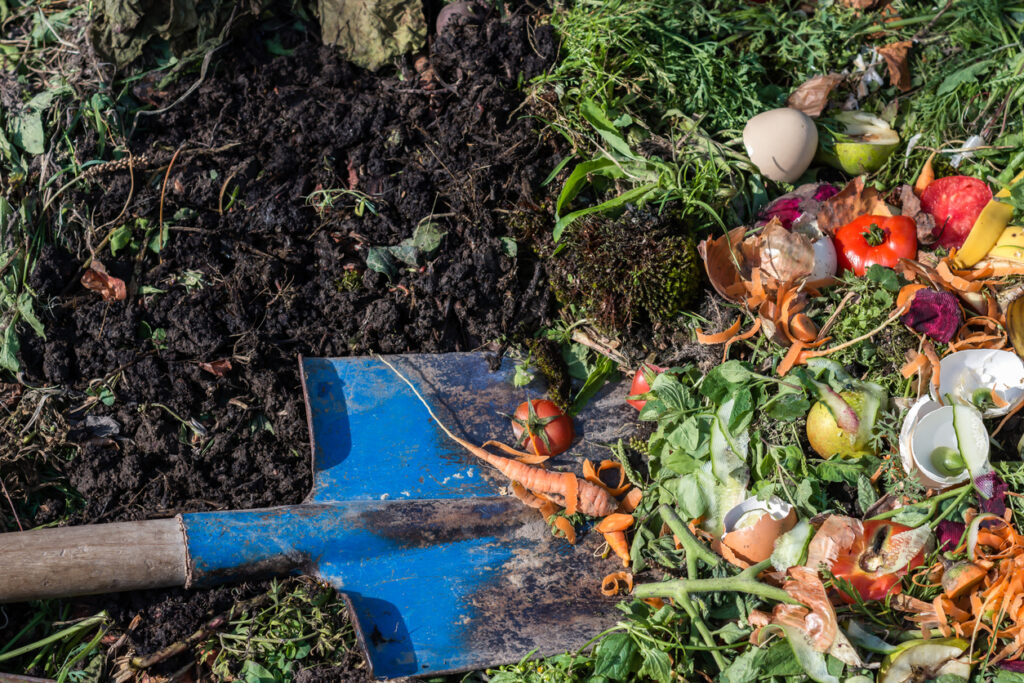
It’s rare, but home composters can be fined if their bin causes pollution, pest infestations, or strong odours that affect neighbours. Under the Environmental Protection Act, anything that creates a nuisance or contaminates land or water is classed as an offence. To stay compliant, keep your compost bin well-contained, avoid raw meat, and position it sensibly away from watercourses and fences. Responsible composting protects your garden and keeps you within the law.
14. Councils have their own compost and garden waste rules.
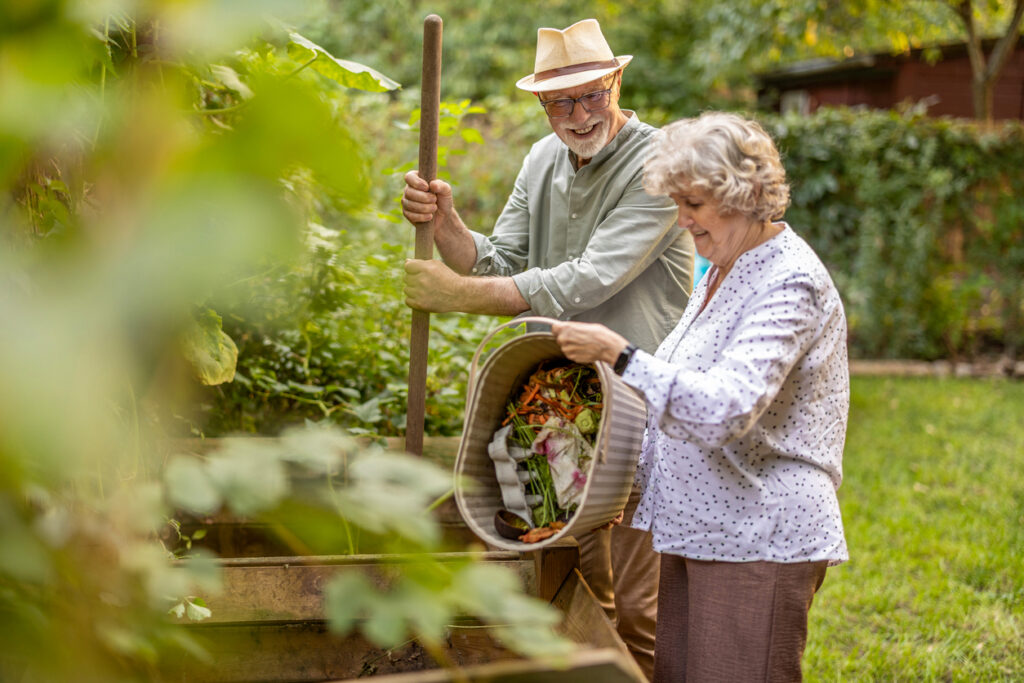
Local authorities across the UK set their own guidelines for what can go in garden waste or food recycling bins. Some accept cooked food and meat in council compost schemes, while others don’t. Always check your local council website to avoid fines or contamination notices. Most councils now encourage residents to compost at home where possible but still expect that anything risky, especially meat, cooked food, or invasive plants, goes in regulated waste collections.
15. Peat-based compost is now being phased out.
From 2024, selling peat-based compost to amateur gardeners is banned in England. It’s part of wider efforts to protect peatlands, which store massive amounts of carbon and support rare wildlife. This means most commercial compost will now be peat-free. If you’re buying bagged compost to top up your bin, look for peat-free labels. Not only is it better for the planet, but it also helps keep your soil structure and pH in balance.
16. Balance your compost for best results.
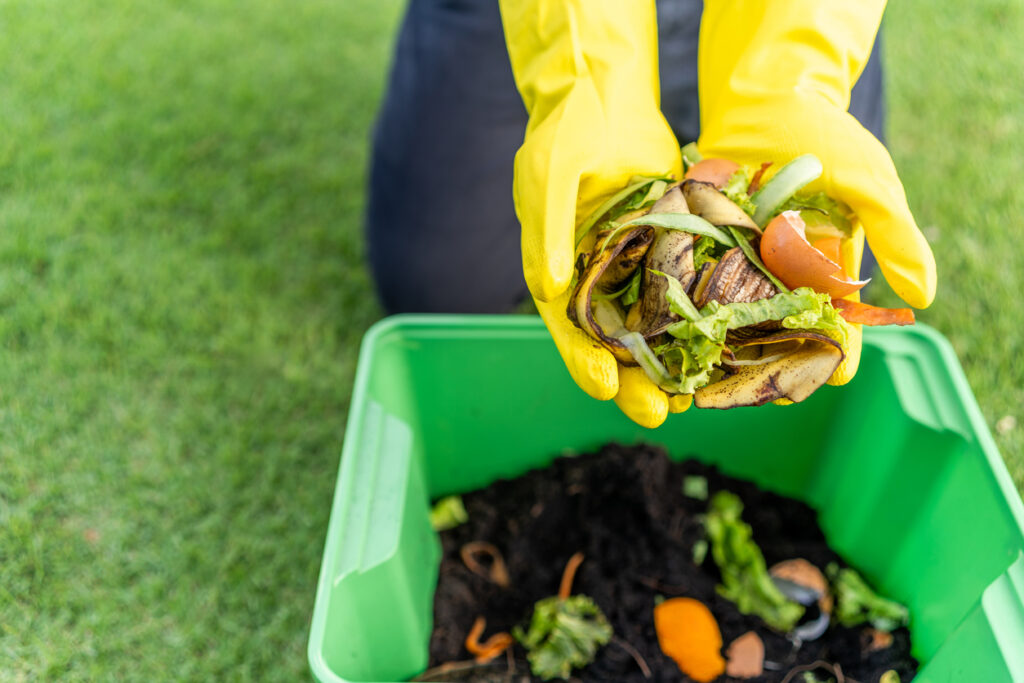
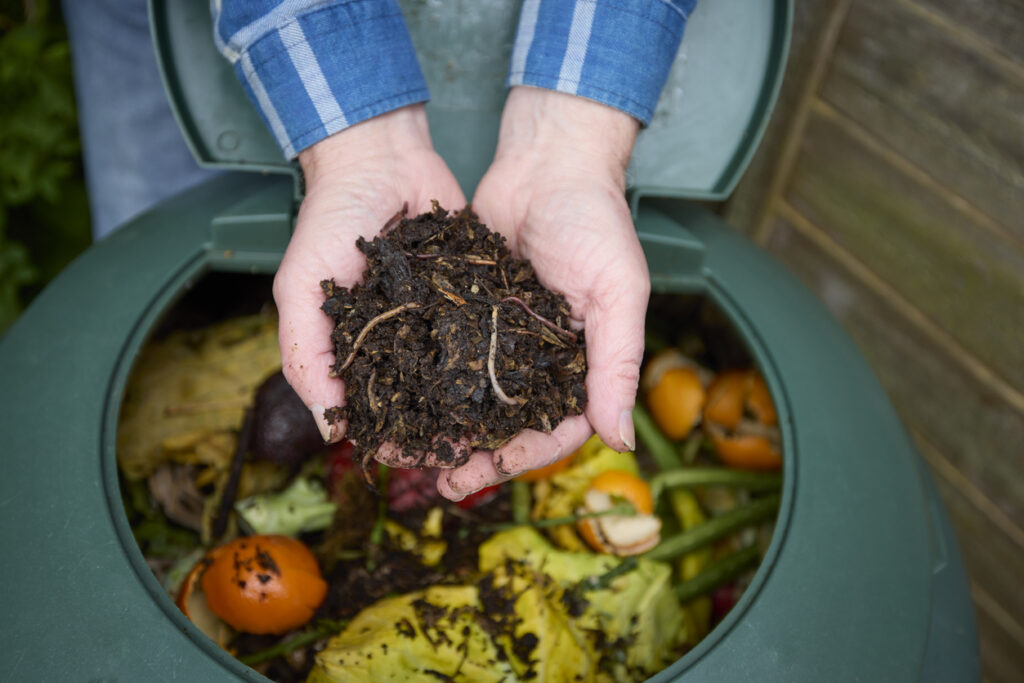
The key to healthy compost is a balance between green (nitrogen-rich) and brown (carbon-rich) materials. Too much green waste like grass or food scraps makes it soggy, while too much brown material slows everything down. Aim for roughly a 50/50 mix.
Turn your compost regularly to keep it aerated, and cover it to protect from heavy rain. With patience, balance, and the right ingredients, you’ll end up with nutrient-rich compost that’s both legal and safe to use anywhere in your garden.