Mushroom picking can feel like one of life’s simplest pleasures: a quiet walk in the woods, a basket in hand, and the thrill of finding something wild and fresh for your dinner.
Unfortunately, that same sense of adventure can turn dangerous fast. The natural world is full of lookalikes, and when it comes to mushrooms, getting it wrong isn’t just disappointing. Sadly, it can be fatal. Some of the most poisonous species on Earth look almost identical to their harmless cousins, making it dangerously easy to mistake one for the other.
Every year, even experienced foragers end up in hospital after eating what they thought was a safe find. The difference between a delicious chanterelle and a deadly false one, or a harmless puffball and a toxic Amanita, often comes down to tiny details in colour, smell, or gill structure. That’s why knowing what you’re picking is more than good practice; it’s a matter of survival. The forest might look peaceful, but among the moss and fallen leaves lie fungi so deceptive they’ve earned the nickname “the death caps.”
Death cap vs field mushroom
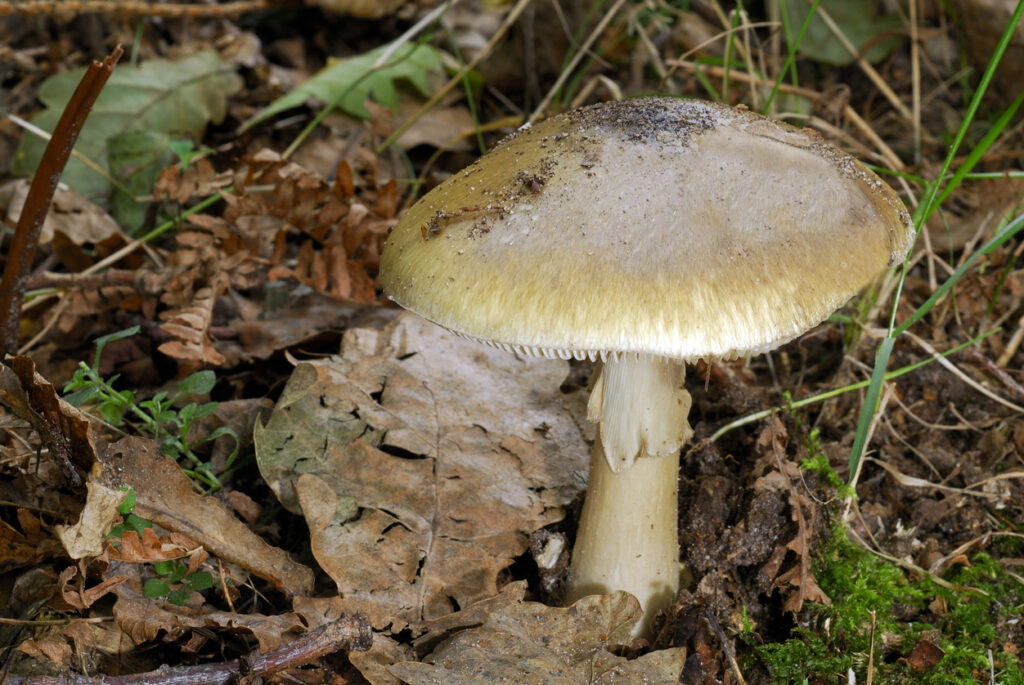
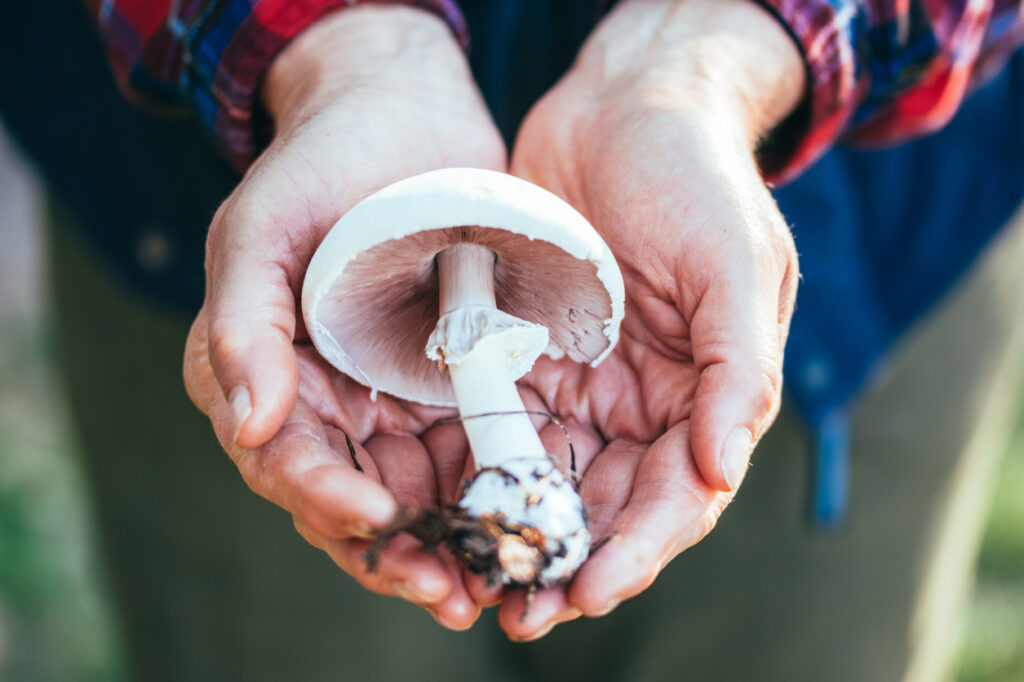
The death cap is responsible for most fatal mushroom poisonings in the UK, and it looks disturbingly similar to common field mushrooms, especially when young. Both have white caps when immature, similar stems, and grow in similar habitats. The death cap has a distinctive cup at the base of its stem called a volva, but it’s often hidden underground or broken off during picking. If you’re not checking carefully, you’ll miss it entirely.
Field mushrooms have pink to brown gills that darken with age, while death caps have white gills that stay white. That’s the main difference, but if you’re glancing quickly or the lighting’s poor, it’s easy to mistake one for the other. A single death cap contains enough toxins to kill an adult, and symptoms don’t appear until 6–24 hours after eating, by which point your liver and kidneys are already failing. There’s no antidote, just supportive care and hoping you survive.
Destroying angel vs button mushroom
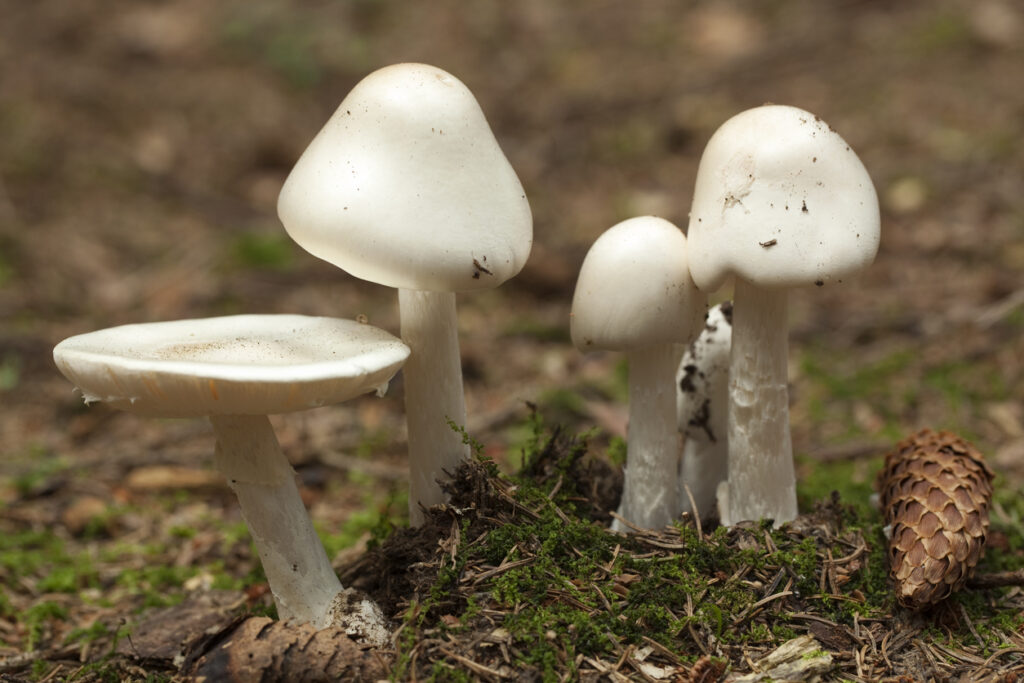
The destroying angel is another deadly amanita that looks like an innocent white button mushroom when it’s young. Both are completely white, roughly the same size and shape, and have a pleasant mushroomy smell. The destroying angel also has that volva cup at the base, but again, it’s easily missed if you’re not digging around the stem base or if it’s broken during collection.
The gills are the giveaway here too. Button mushrooms have pink-brown gills, while destroying angels have pure white gills. But in poor light or if you’re rushing, that difference isn’t as obvious as it should be. The destroying angel is just as lethal as the death cap, causing the same liver and kidney failure with the same delayed symptoms. By the time you feel ill, the damage is already done and irreversible in many cases.
Funeral bell vs honey fungus
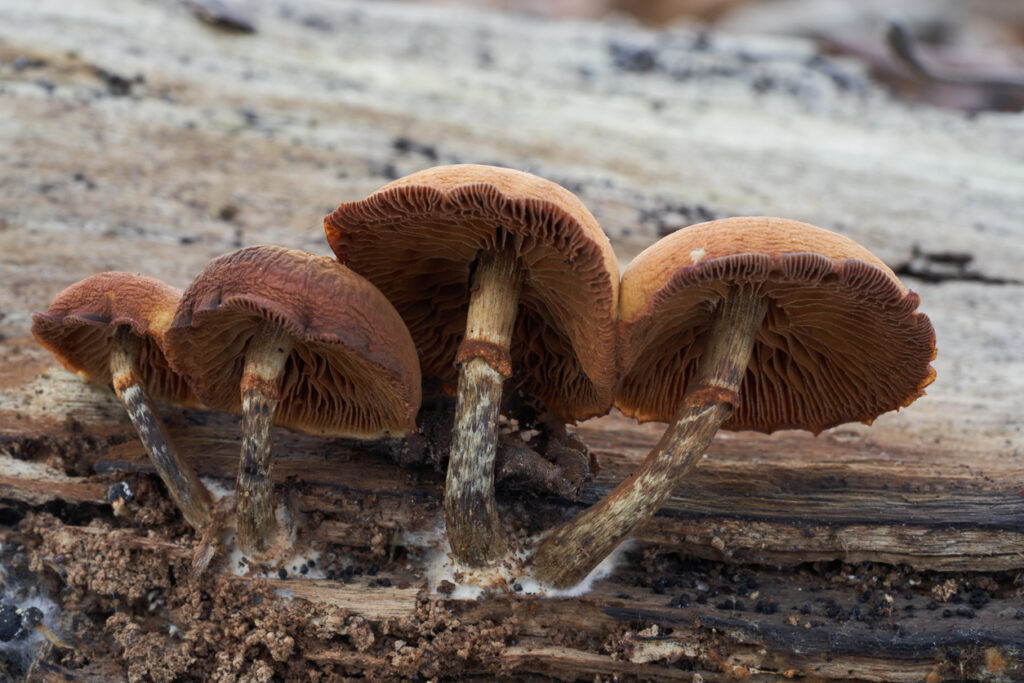
Funeral bells grow in clusters on dead wood, just like the edible honey fungus, and from a distance, they look remarkably similar. Both are small, brownish mushrooms that fruit in groups, often on the same types of wood. Honey fungus is a popular edible species in the UK, which makes the funeral bell particularly dangerous because foragers actively seek out mushrooms that look like this.
The funeral bell has a more orange-brown cap and lacks the distinctive ring on the stem that honey fungus usually has, but these features aren’t always reliable. Honey fungus appearance varies depending on age and growing conditions, and the ring can be faint or absent. Funeral bells contain amatoxins similar to death caps, causing the same delayed liver failure. They’re called funeral bells for a reason, and mixing them into a batch of honey fungus is an easy mistake to make.
False morel vs true morel
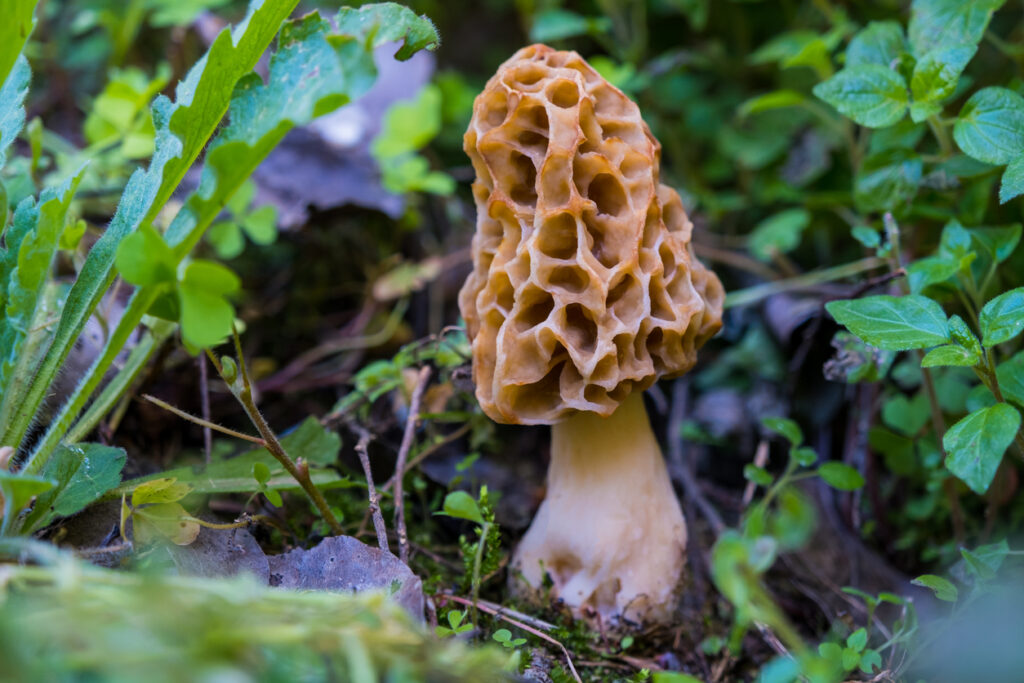
True morels are prized edible mushrooms with a distinctive honeycomb appearance, and false morels look similar enough that people regularly confuse them. Both have wrinkled, brain-like caps and appear in spring in similar habitats. False morels tend to have a more irregular, folded cap rather than the neat pits and ridges of true morels, but it’s not always obvious, especially with younger specimens.
False morels contain gyromitrin, which converts to rocket fuel in your body and causes symptoms ranging from vomiting to seizures, liver damage, and death in severe cases. Some people eat false morels after extensive cooking, claiming it breaks down the toxins, but it’s incredibly risky because toxin levels vary wildly between individual mushrooms. Even if you’ve eaten them before without issue, the next batch might contain enough gyromitrin to hospitalise you.
Panther cap vs blusher
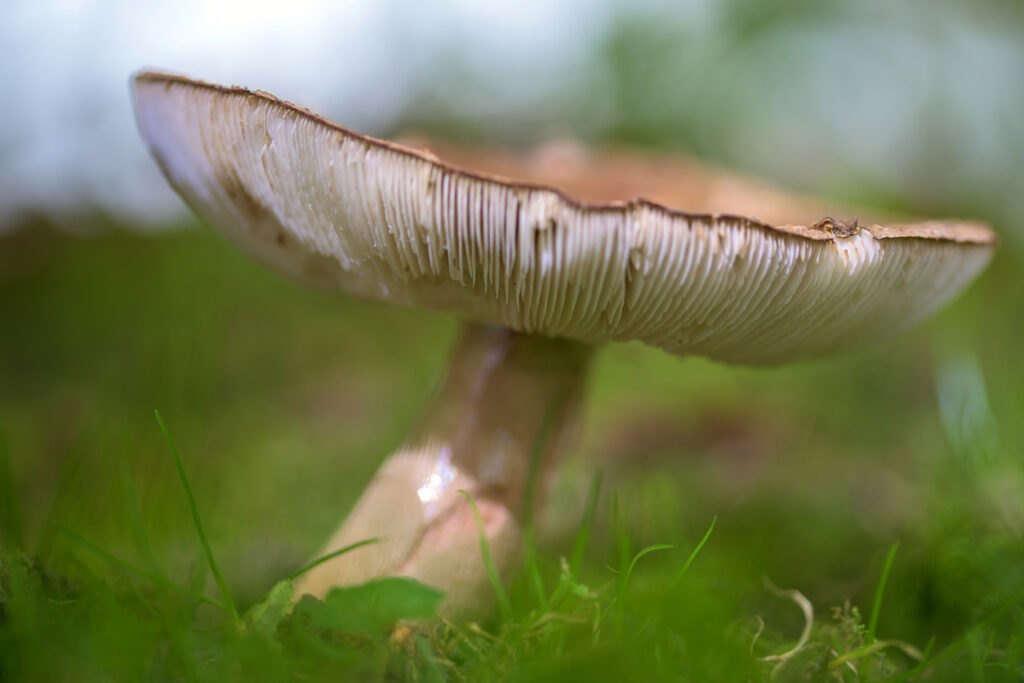
The blusher is an edible amanita that’s popular with foragers who know what they’re doing, but it looks very similar to the highly toxic panther cap. Both have brown caps covered in whitish spots, similar size and shape, and grow in woodlands. The blusher gets its name because its flesh turns pinkish-red when cut or damaged, while the panther cap stays white. That’s the key difference, but you need to actually damage the mushroom to see it.
If you’re identifying them in the field without breaking the cap, they’re nearly identical. The panther cap contains muscimol and ibotenic acid, the same toxins found in fly agaric, causing confusion, hallucinations, and potentially seizures or coma. It’s not usually fatal in adults, but it’s absolutely not an experience you want, and children are at higher risk of severe reactions. The fact that an edible species looks so similar means people actively seeking blushers occasionally pick panther caps by mistake.
Yellow stainer vs horse mushroom
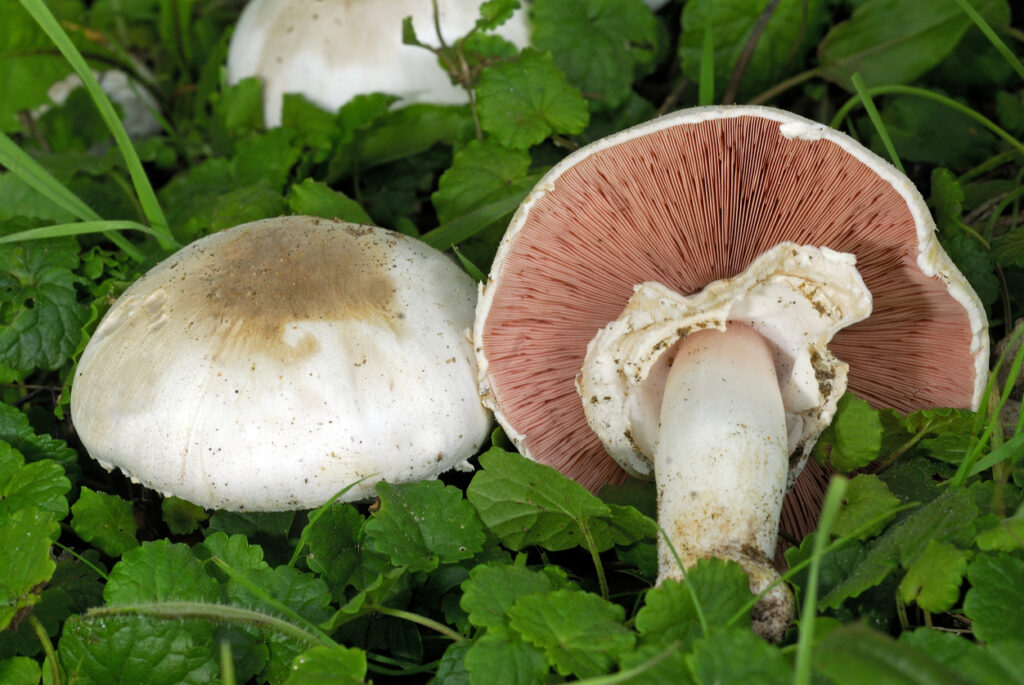
Horse mushrooms are large, edible field mushrooms with a pleasant aniseed smell, and they’re sought after by foragers. Yellow stainers look almost identical in size, shape, and habitat. The critical difference is that yellow stainers bruise bright chrome yellow when touched or cut, especially at the stem base, while horse mushrooms bruise slightly yellow-brown, but nothing like the vivid yellow of the stainer.
If you’re not checking for bruising, or if the bruising is faint, they’re extremely easy to confuse. Yellow stainers aren’t deadly, but they cause severe gastric distress with vomiting, diarrhoea, and cramping that can last for days. Some people seem more sensitive than others, and there’s speculation that the toxicity varies between individual mushrooms. It’s one of the most commonly misidentified mushrooms in the UK because it looks so similar to several edible species.
Deadly webcap vs various brown mushrooms
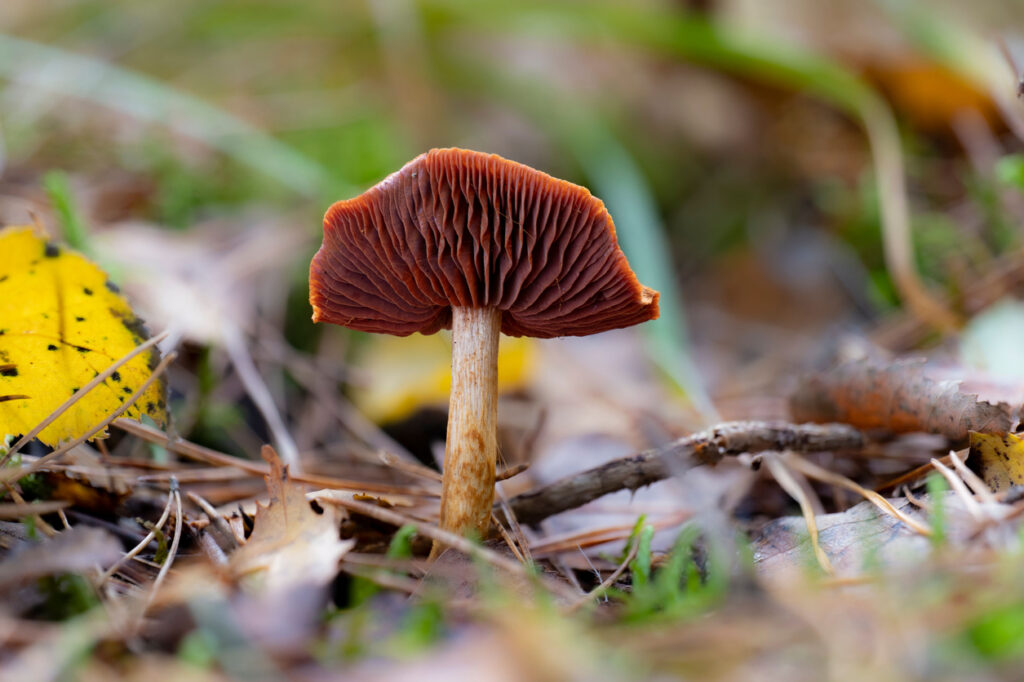
Deadly webcaps are small brown mushrooms that don’t look particularly distinctive, which is part of the problem. They resemble various edible brown mushrooms that grow in similar woodland habitats, and there’s no single edible species they’re commonly confused with. They just look generically mushroom-shaped and brown, which makes them dangerous to anyone casually picking “brown mushrooms” without proper identification.
The deadly webcap contains orellanine, a toxin that specifically targets your kidneys with a delayed onset of 3–20 days. You’ll feel fine after eating them, then weeks later you develop kidney failure seemingly out of nowhere. By the time symptoms appear, the damage is irreversible, and you’re looking at dialysis or transplant. It’s one of the most insidious mushroom poisonings because the delay makes it hard to connect the illness to the mushrooms you ate weeks ago.
Fool’s funnel vs various edible funnels
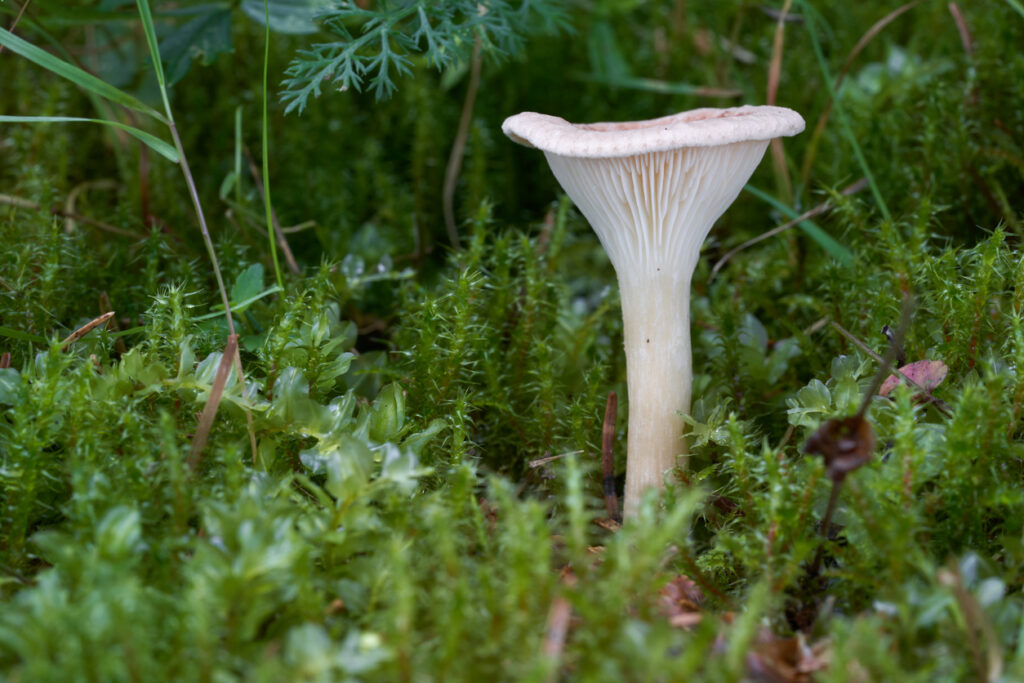
The UK has several edible funnel-shaped mushrooms like the clouded funnel and the trooping funnel, and fool’s funnel looks similar enough to get mixed in with them. All have the characteristic funnel or depressed cap shape, pale colouring, and grow in similar grassy or woodland edge habitats. Fool’s funnel tends to be smaller and paler, but size and colour vary with growing conditions.
Fool’s funnel contains muscarine, which causes severe symptoms within 30 minutes to 2 hours: excessive salivation, sweating, tears, abdominal pain, and potentially dangerous drops in heart rate and blood pressure. It’s rarely fatal in healthy adults with medical treatment, but it’s extremely unpleasant and dangerous for anyone with heart conditions. The similarity to edible species means it’s one of the more common causes of mushroom poisoning in the UK, particularly among inexperienced foragers.