It’s hard to imagine a world without humans, but if we were to vanish tomorrow, nature wouldn’t skip a beat.

In fact, it would probably thrive. Cities would crumble, roads would fade beneath weeds and trees, and the balance of power would change completely. Some animals would struggle without us, but others would rise fast, adapting, evolving, and dominating the spaces we’ve left behind.
The truth is, plenty of species already show signs they’d do just fine, if not better, without human interference. From clever scavengers to stealthy hunters and highly social survivors, there are animals perfectly equipped to take charge in our absence. They’d build new hierarchies, claim our cities, and rule the wild in ways we can barely imagine.
Rats
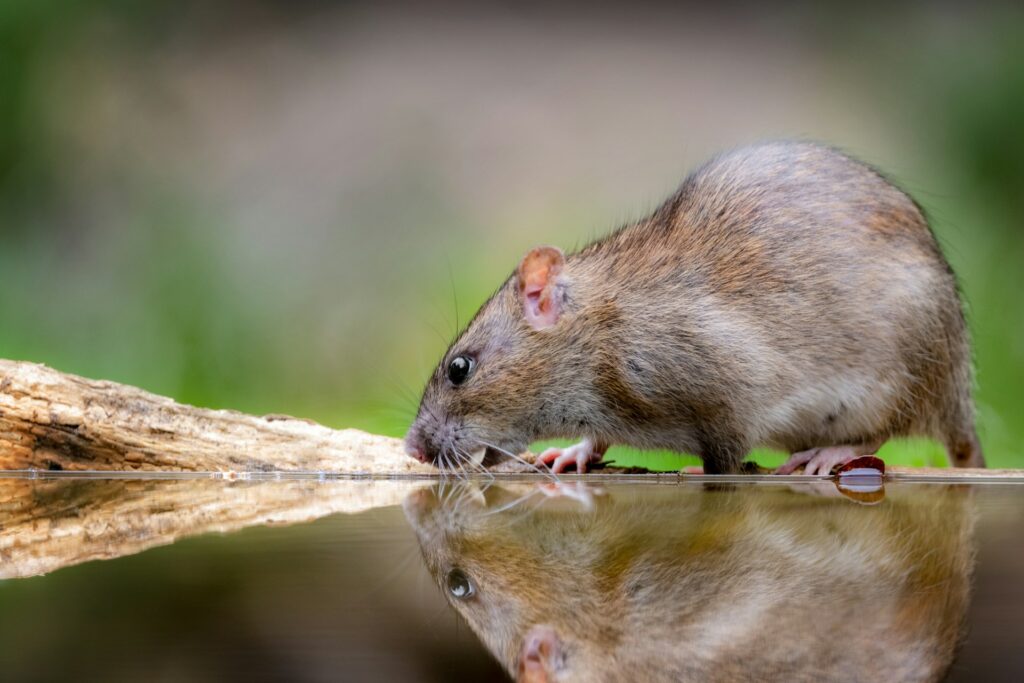
Rats already live everywhere humans do, thriving in our cities, sewers, and food systems. They’re incredibly intelligent, can squeeze through gaps the size of a coin, and breed fast enough to explode in population within months. Without humans controlling them through poison and traps, rat populations would surge immediately, and they’d have unlimited access to all the food we’ve stored in warehouses, shops, and homes before it spoils.
They’re social, adaptable, and can eat almost anything. They’ve survived ice ages, plagues, and every attempt we’ve made to exterminate them. In a post-human world, rats would dominate urban environments completely, spreading into suburbs and eventually rural areas as their numbers grew. They’d be the cockroaches of the mammal world, except far more intelligent and capable of working together in colonies of thousands. Within a generation, they’d control every human settlement.
Crows and ravens

Corvids are among the most intelligent birds on the planet, capable of using tools, solving complex puzzles, and even recognising individual human faces. They’re already urban scavengers that thrive alongside humans, and without us, they’d have free access to everything we’ve left behind. They can open containers, remember where food is stored, and teach their offspring skills that get passed down through generations.
What makes corvids particularly dangerous is their social intelligence. They communicate complex information to each other, work cooperatively, and hold grudges. They’d form larger flocks without human interference, dominating food sources and driving out competitors through sheer numbers and strategy. They’re already apex scavengers in many ecosystems. Without humans, they’d become something more like aerial wolves, hunting in coordinated packs and controlling territories through intelligence rather than strength.
Feral pigs

Feral pigs are already a massive problem in many parts of the world, and they’d explode without human hunters controlling their numbers. They’re incredibly adaptable, eating everything from crops to carrion to live prey. They’re smart, strong, and aggressive when threatened. A large boar can weigh 200 kilograms and has tusks capable of killing dogs, wolves, and even humans when cornered.
They breed quickly, with females producing two litters a year of up to ten piglets each. Without humans hunting them, their populations would grow exponentially, and they’d spread into every available habitat, from forests to grasslands to abandoned cities. They destroy ecosystems wherever they go, rooting up ground and outcompeting native species for food. In a post-human world, feral pigs would become one of the dominant large mammals across multiple continents within decades.
Ants
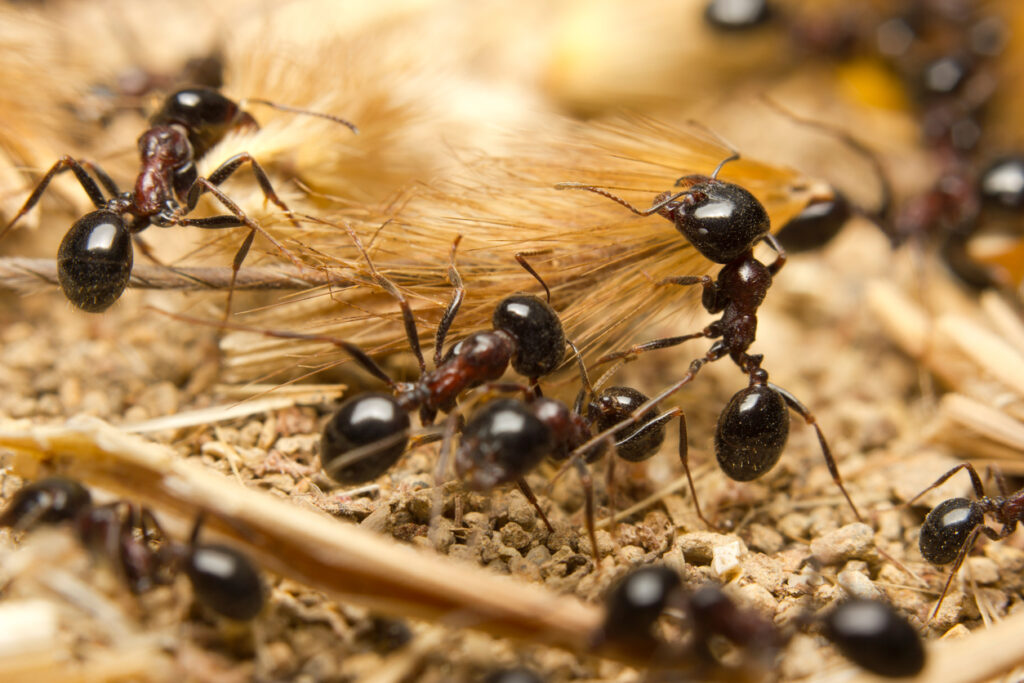
Ants already outnumber humans by about 1.5 million to one, and some species have colonies containing millions of individuals working as a single superorganism. Argentine ants have already formed megacolonies spanning thousands of kilometres where separate nests cooperate rather than compete. Without humans disrupting their spread, these megacolonies would grow unchecked, dominating entire regions.
Ants can overwhelm and kill animals thousands of times their size through sheer numbers. They farm other insects, wage war on rival colonies, and adapt to virtually any environment. They’ve survived every mass extinction event for 140 million years. Without human pesticides and habitat destruction, ant supercolonies would expand across continents, consuming available resources and eliminating competition. They wouldn’t dominate in the way humans did, but by biomass and territory controlled, they’d be the true rulers of the post-human world.
Octopuses
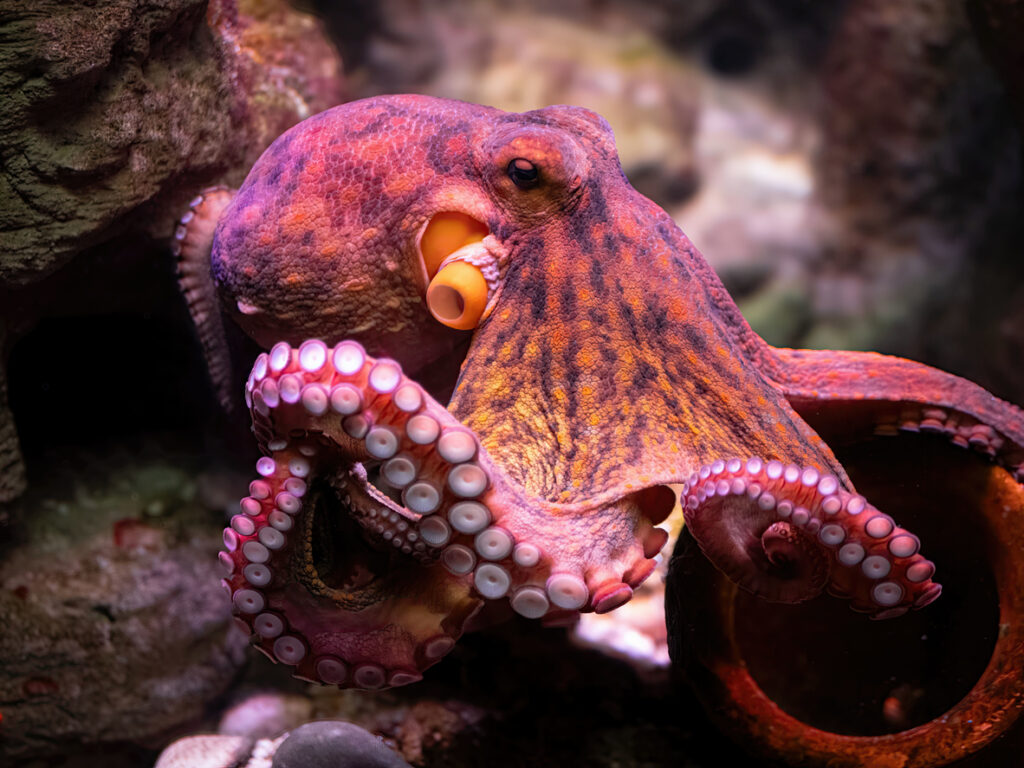
Octopuses are the most intelligent invertebrates on Earth, capable of solving puzzles, escaping enclosures, and using tools. Each of their eight arms has its own neural network, essentially giving them nine brains working simultaneously. They’re masters of camouflage, able to change colour and texture in milliseconds. Without commercial fishing decimating their populations, octopus numbers would surge rapidly.
The problem is their lifespan. Most octopuses only live 1–2 years, dying immediately after reproducing. But without predation pressure from humans, some deep-sea species that live longer could thrive and potentially evolve further. Given a few million years without human interference, octopuses could develop longer lifespans and potentially even primitive culture, passing knowledge between generations. They’re already showing signs of personality and problem-solving that rival some mammals. They’d dominate the oceans given the chance.
Raccoons
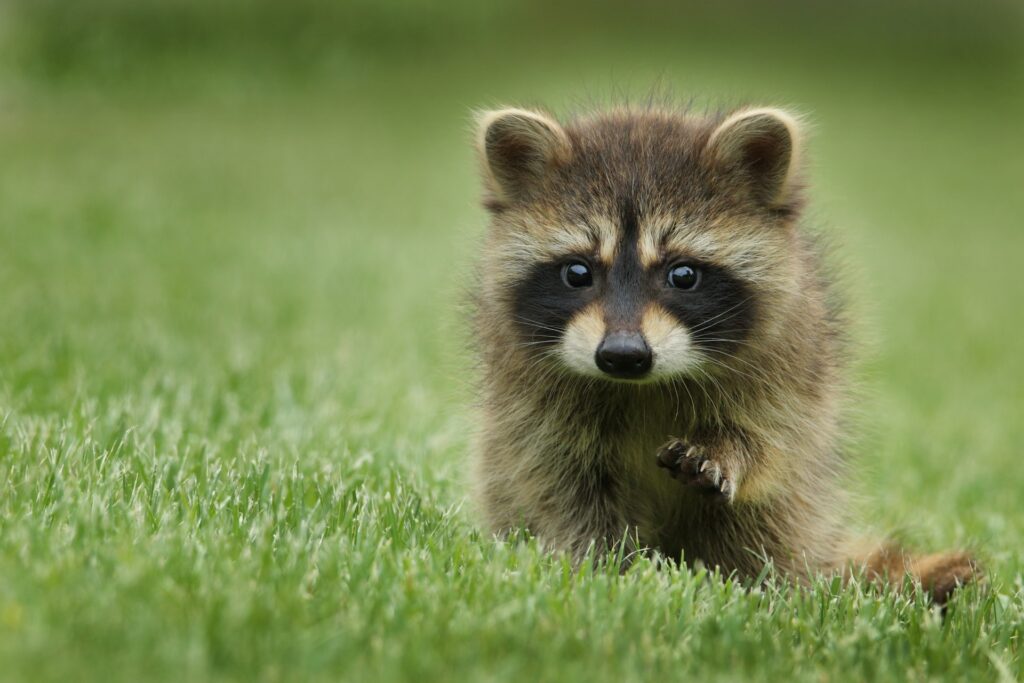
Raccoons are urban survivalists that have learned to thrive alongside humans by raiding bins, breaking into homes, and adapting to city life. They have remarkably dexterous hands, good problem-solving skills, and they’re opportunistic omnivores that eat almost anything. Without humans, they’d have unrestricted access to every building, warehouse, and food storage facility we’ve left behind.
They’re also spreading their range rapidly, adapting to new environments faster than most mammals. In a post-human world, raccoons would inherit the cities, living in our buildings and using our infrastructure as ready-made shelter. They’d compete with rats for urban dominance, but their larger size, climbing ability, and intelligence would give them advantages. Within a few generations, you’d see raccoons evolving to fill ecological niches humans left empty, potentially becoming one of the dominant medium-sized predators.
Coyotes
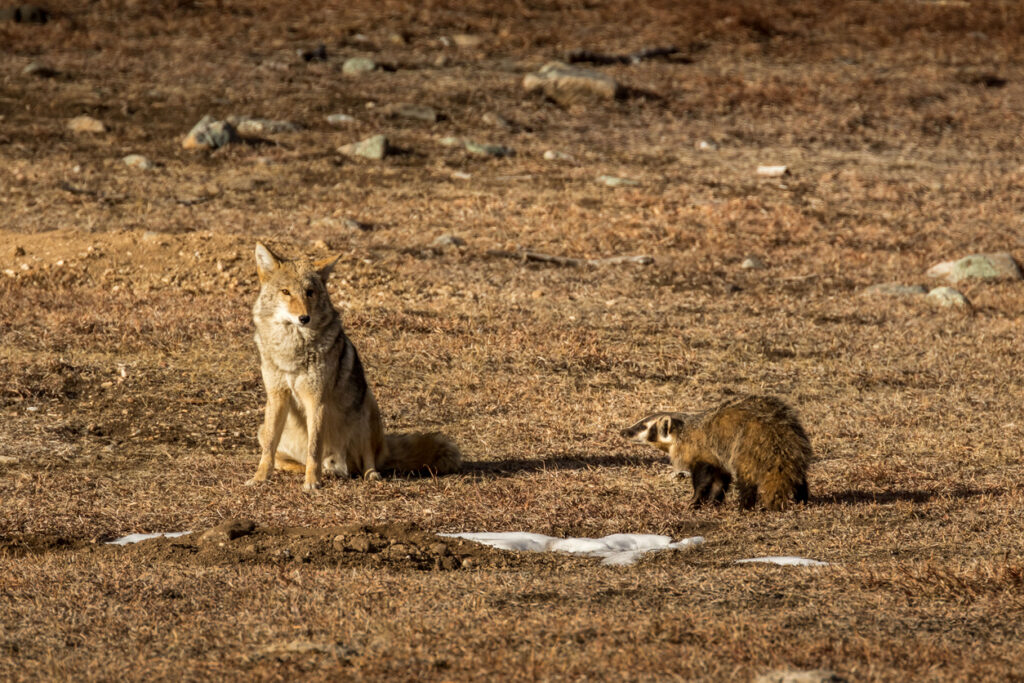
Coyotes are one of the few large predators whose range has expanded during human civilisation rather than shrunk. They’ve learned to thrive in suburbs and cities, hunting pets and raiding rubbish while avoiding human detection. They’re adaptable, intelligent, and can survive on anything from fruit to rodents to deer. Without humans hunting them, their populations would explode immediately.
They’d spread into every available habitat, from city centres to wilderness, filling the predator niche that wolves once occupied before we drove them out. Coyotes are smaller than wolves but more adaptable and less dependent on large prey. They’d dominate mid-sized predator roles across North America and potentially beyond, as they’re already beginning to appear in Central and South America. In a human-free world, coyotes would become the apex predators of suburbia and beyond within a generation.
Feral cats
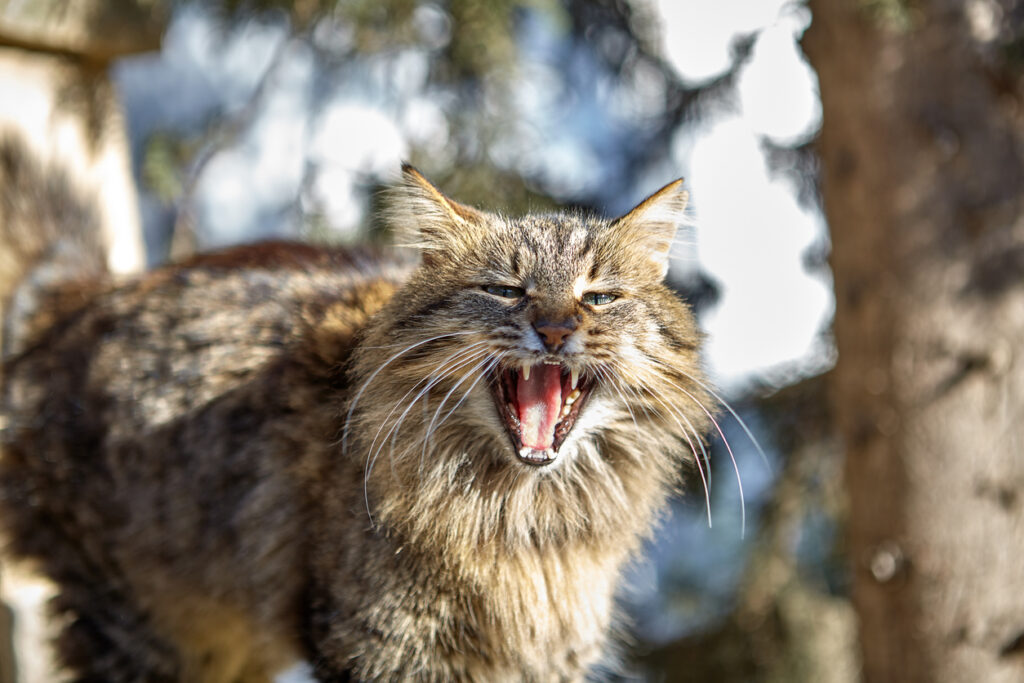
Feral and stray cats already number in the hundreds of millions globally, and they’re devastating to local wildlife wherever they establish populations. They’re efficient hunters, killing billions of birds and small mammals annually. Without humans feeding them but also without humans controlling their numbers, cat populations would initially crash but then stabilise at levels the ecosystem could support through hunting alone.
The survivors would become fully wild within a few generations, larger and more robust than domestic cats. In environments without large predators, feral cats would become apex predators, controlling rodent and bird populations. In areas with larger predators, they’d occupy a mid-level niche but remain successful due to their stealth and adaptability. Australia’s feral cats have already grown larger than domestic cats and hunt prey up to the size of wallabies. Without human intervention, this process would repeat globally.
Parrots

Parrots are highly intelligent, social birds that live for decades and can learn complex behaviours. Escaped pet parrots have already established breeding populations in cities worldwide, from London to San Francisco. Without the pet trade removing them from the wild and without habitat destruction, parrot populations would surge, particularly in tropical and subtropical regions.
They’re tool users, problem-solvers, and they cooperate in flocks to find food and defend territory. Some species can live 60–80 years, giving them time to learn and pass on knowledge. In a post-human world, large parrot flocks would dominate urban and suburban areas in warm climates, accessing food and nesting sites in abandoned buildings. Their intelligence and longevity mean they’d develop increasingly complex social behaviours. Given enough time, parrots could become one of the most successful bird groups on the planet.
Wild boar

Wild boar are already staging a comeback across Europe and Asia as human populations decline in rural areas and hunting pressure decreases. They’re intelligent, adaptable omnivores that can survive in forests, grasslands, and even suburbs. They’re also dangerous, with males weighing up to 200 kilograms and possessing tusks that can kill wolves and bears. Without human hunters, their populations would explode across their natural range and beyond.
They’d quickly recolonise areas where they’ve been extinct for centuries, spreading into agricultural lands now abandoned and consuming whatever they find. They destroy ground-nesting bird populations, outcompete native herbivores, and alter entire ecosystems through their rooting behaviour. In a human-free Europe and Asia, wild boar would become one of the dominant large mammals within decades, reshaping forests and grasslands across two continents. They breed fast enough and eat broadly enough to fill multiple ecological niches humans currently prevent them from occupying.