Cats often get called lazy because they spend most of their day sleeping, but that reputation isn’t really fair.
Behind all the lounging and napping, cats are clever and capable creatures with skills that help them survive, communicate, and even control their surroundings. Here are fifteen hidden talents that prove your cat isn’t lazy at all. It’s just smart enough to take life at its own pace.
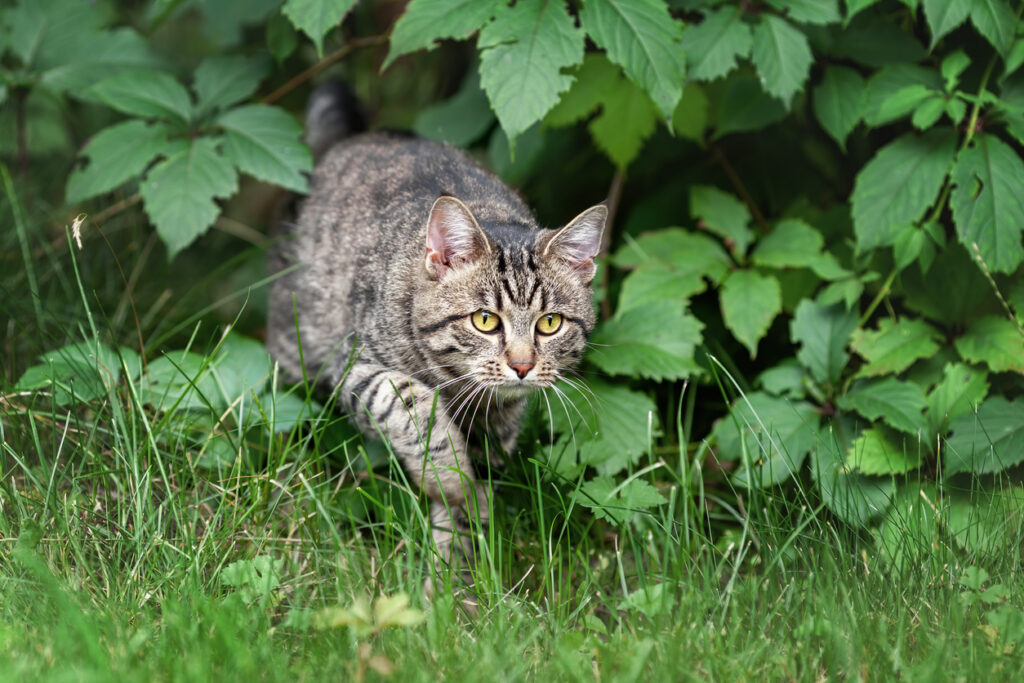
They’re expert hunters, even when they seem still.
Every nap your cat takes is really just a rest between hunts. Even well-fed house cats keep their instincts sharp by stalking toys, insects, or shadows for fun. They’re not wasting energy; they’re practising precision. Cats know when to strike and when to stay still, using patience instead of constant movement. It’s this careful timing that makes them such efficient hunters, even if it doesn’t look like they’re doing much.
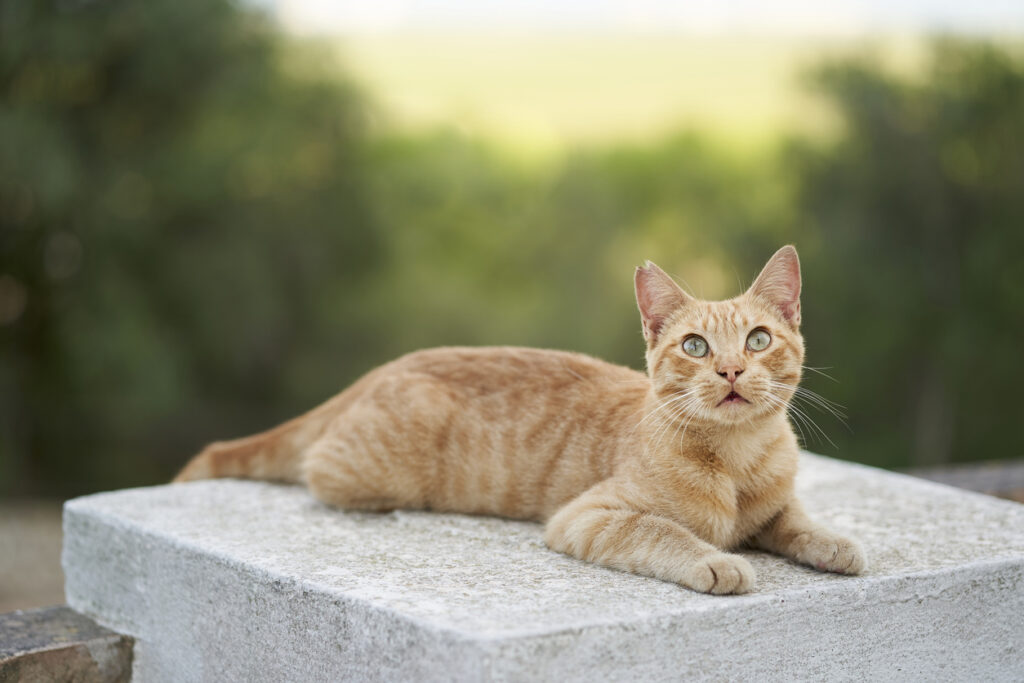
They sense movement most people can’t.

Cats can detect the tiniest movements, like vibrations through the floor or the flutter of a moth’s wings. That’s why they sometimes stare at walls or empty corners: they’re sensing things too small or quiet for you to notice. Having that ability makes them natural watchers. Long before you realise someone’s walking down the hall, your cat has already heard and felt it.
Their sleep is light but powerful.
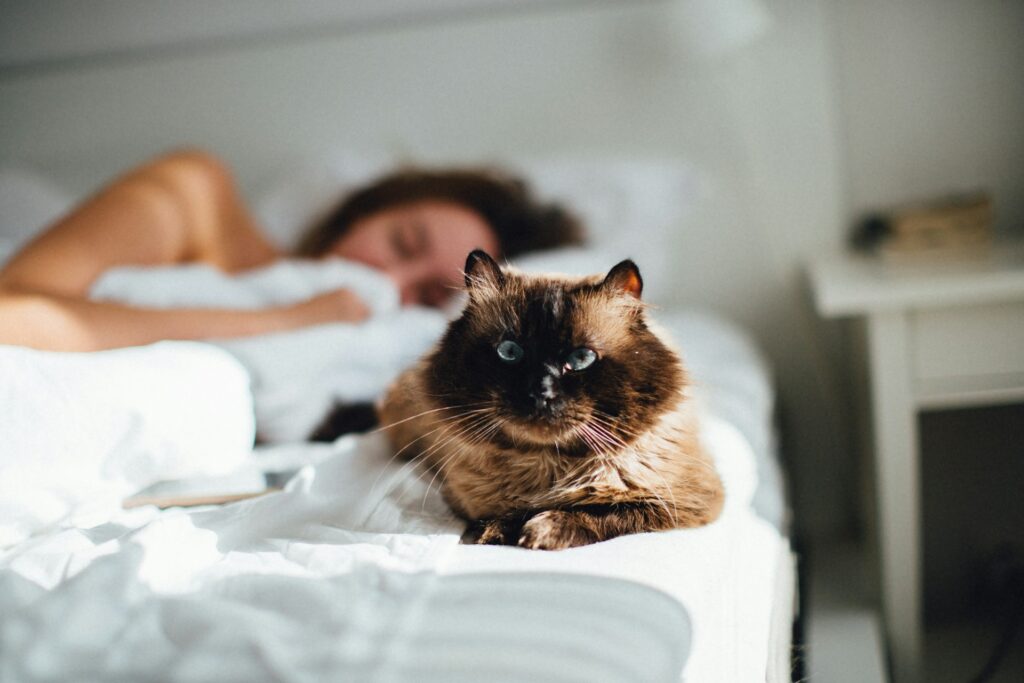
Although cats sleep up to sixteen hours a day, most of that time is light rest rather than deep sleep. They’re half-awake, ready to jump up in seconds if something catches their attention. This habit comes from their wild ancestors, who had to stay alert to predators. Sleeping lightly lets them recover energy while keeping one ear open for anything unusual.
They communicate without sound.
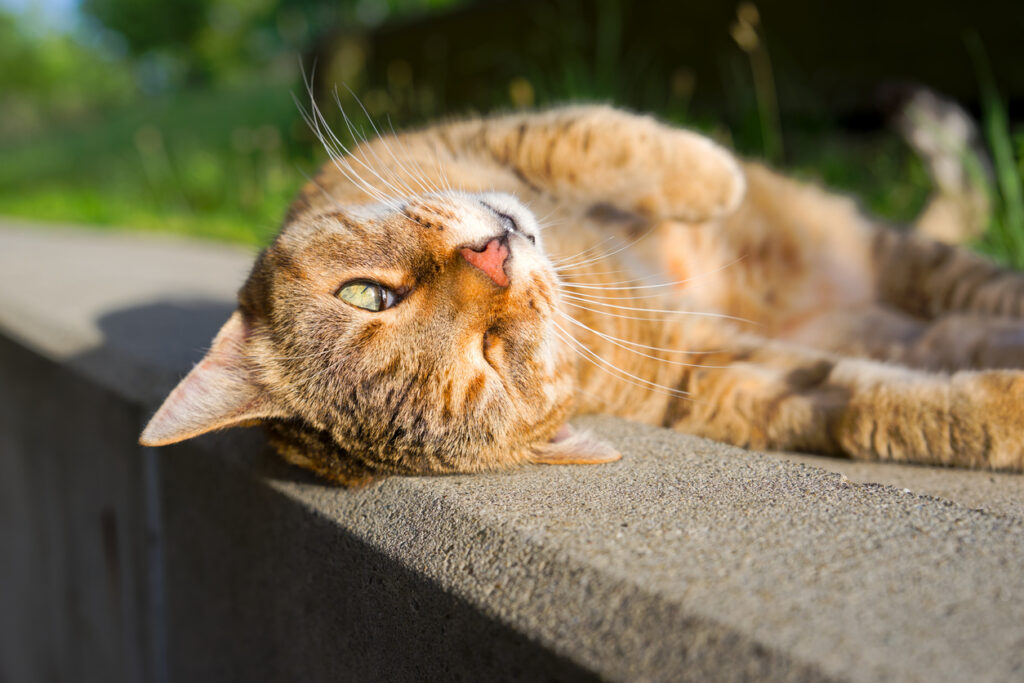
Cats rely on quiet body language instead of noise. A tail flick, slow blink, or gentle ear movement can say a lot, from affection to annoyance, without a single meow. They’re masters of subtlety, using their expressions and posture to control situations calmly. Where dogs bark for attention, cats prefer quiet confidence to get their point across.
They keep themselves spotless for good reason.
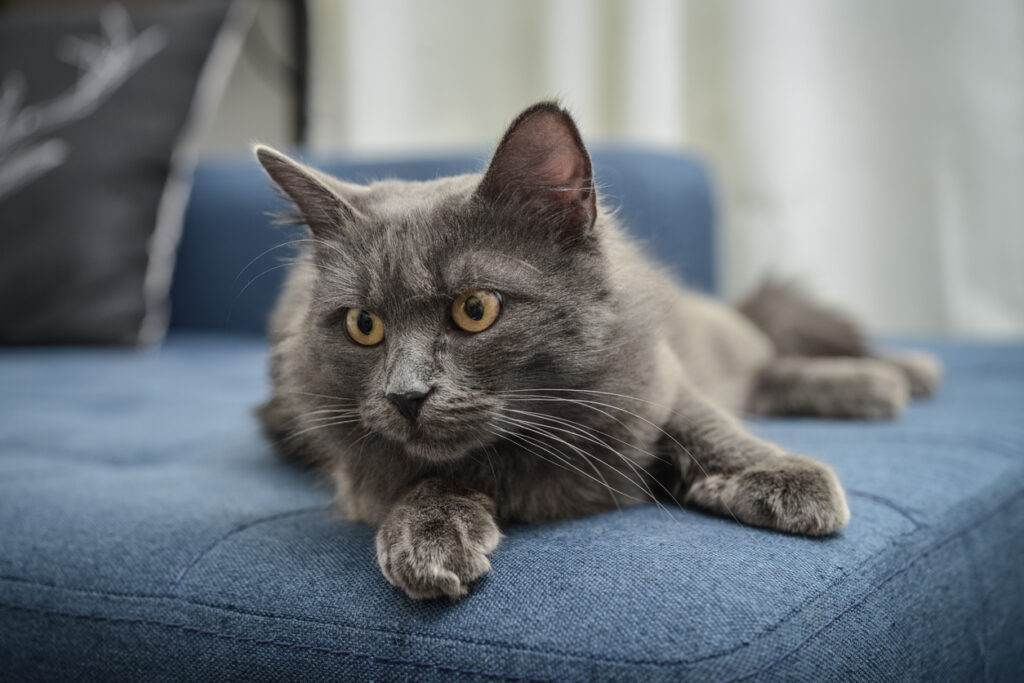
All that grooming isn’t laziness or vanity. Cats lick their fur to remove scents, spread natural oils, and stay cool. In the wild, staying clean also keeps them hidden from predators. It’s also how they calm themselves. Grooming is both self-care and stress relief, showing just how thoughtful and instinctive their habits are.
They notice how you feel.
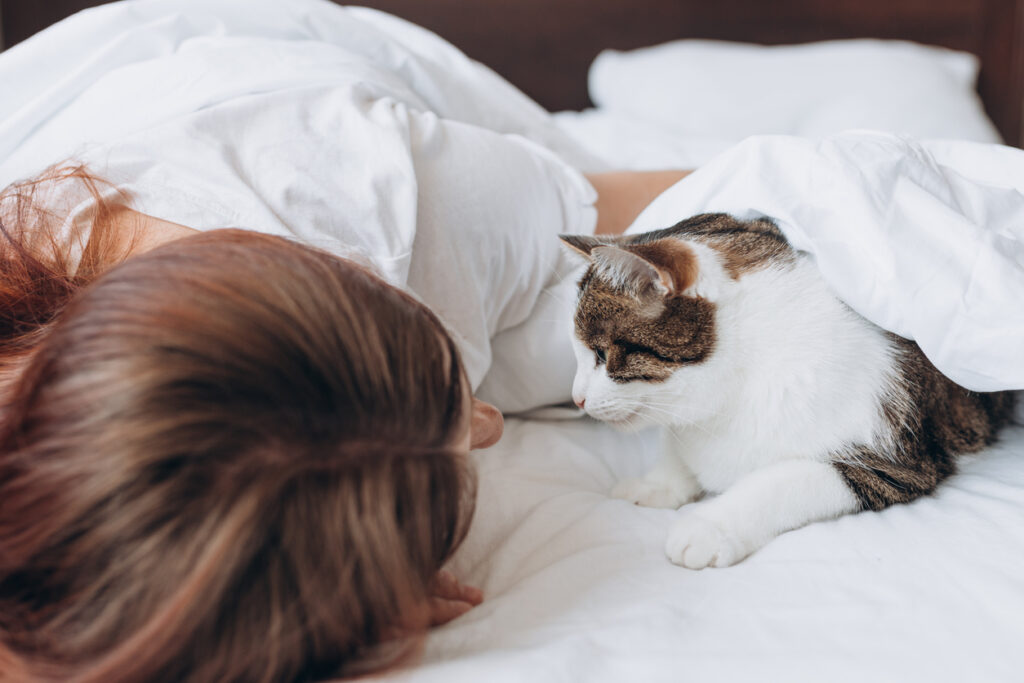
Cats pick up on human moods faster than most people realise. They pay attention to your tone, movements, and even how you breathe. If you’re upset, they might sit quietly nearby or watch you more closely. It’s their quiet way of responding to your emotions without needing to make a sound.
They move like trained athletes.
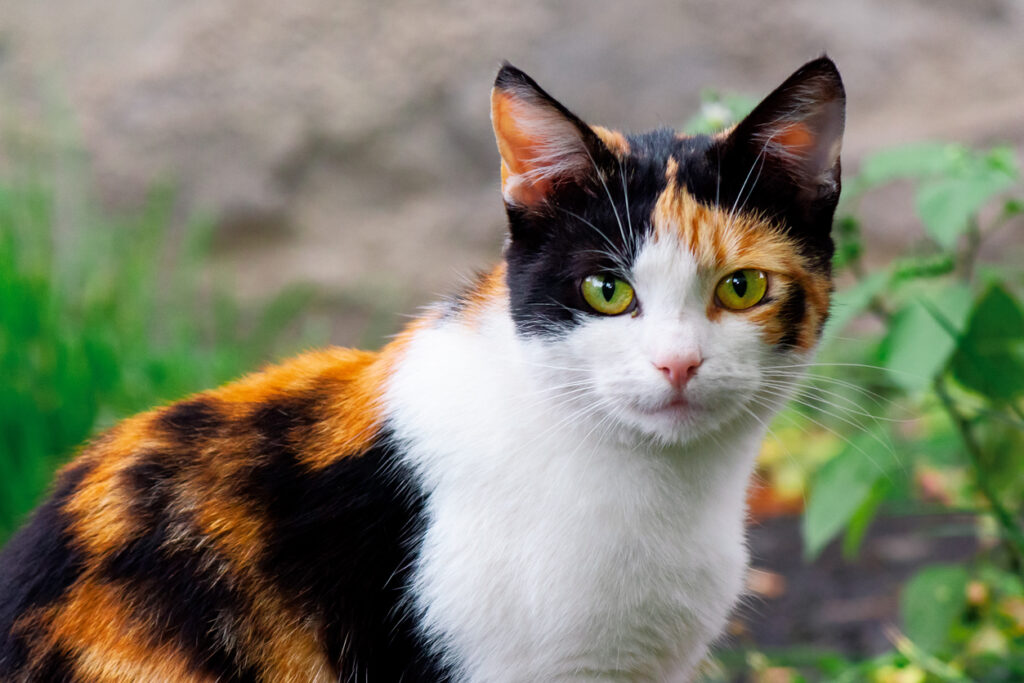
Despite all the resting, cats are built for sudden bursts of power. They can leap several times their height and land perfectly balanced, all without stretching or warming up first. Every stretch, climb, and pounce is carefully calculated. Their graceful movements come from muscle memory, not random bursts of energy.
They plan before acting.
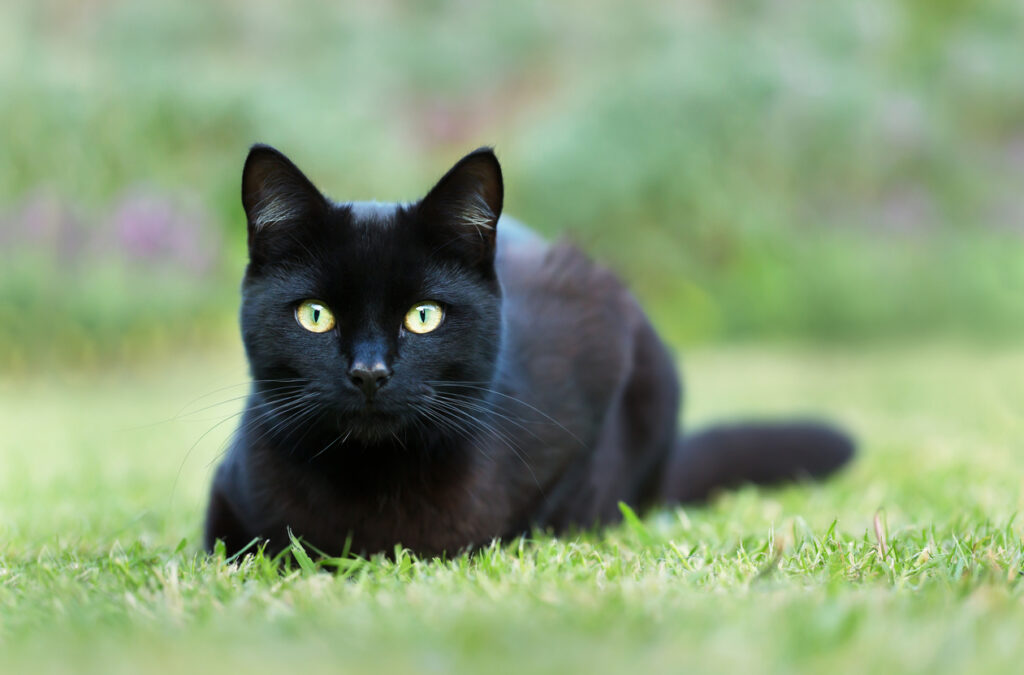
When your cat opens a cupboard or knocks something off a shelf, it’s not an accident. Cats study their surroundings and remember patterns before making a move. They like solving puzzles quietly. What looks like idleness is often problem-solving in disguise, as they think through their next step.
They can sense weather changes.

Before a storm or sudden cold snap, many cats become restless or hide. Their whiskers and paws detect air pressure changes and vibrations long before we can. Having that natural awareness once helped their ancestors find shelter before bad weather. Even today, your cat might act differently just before rain arrives.
They conserve energy wisely.
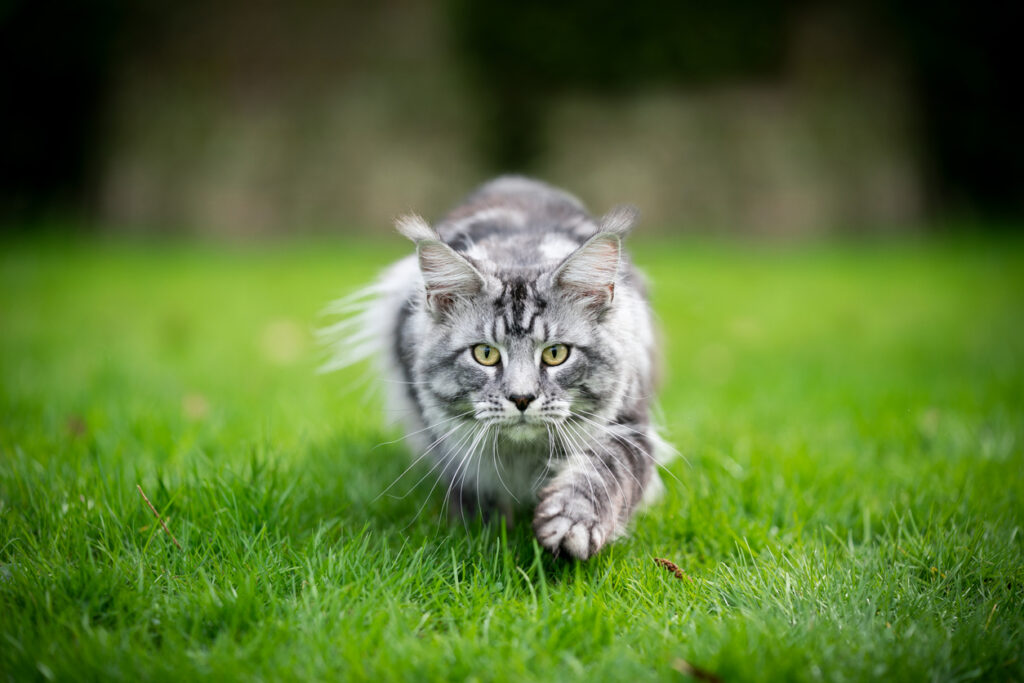
In the wild, cats hunt in short bursts, then rest for hours to recover. That same instinct shows up in pet cats, who spend long periods resting between moments of intense play or movement. Their casual rhythm is smart energy use. By saving their strength, they stay ready for action at any moment.
They can move in total silence.
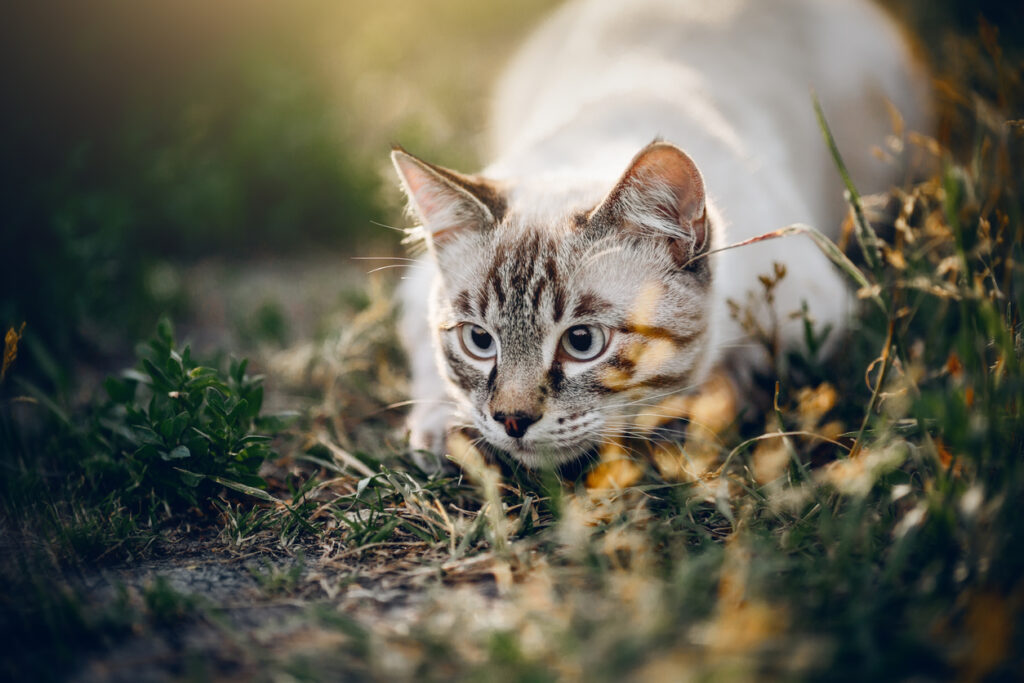
Soft paw pads and flexible bodies allow cats to walk almost noiselessly. They can sneak up on prey or move around the house without making a sound. Even when they run or jump, they land quietly and precisely. That stealth is the result of balance, control, and years of instinctive training.
They’re naturally flexible.
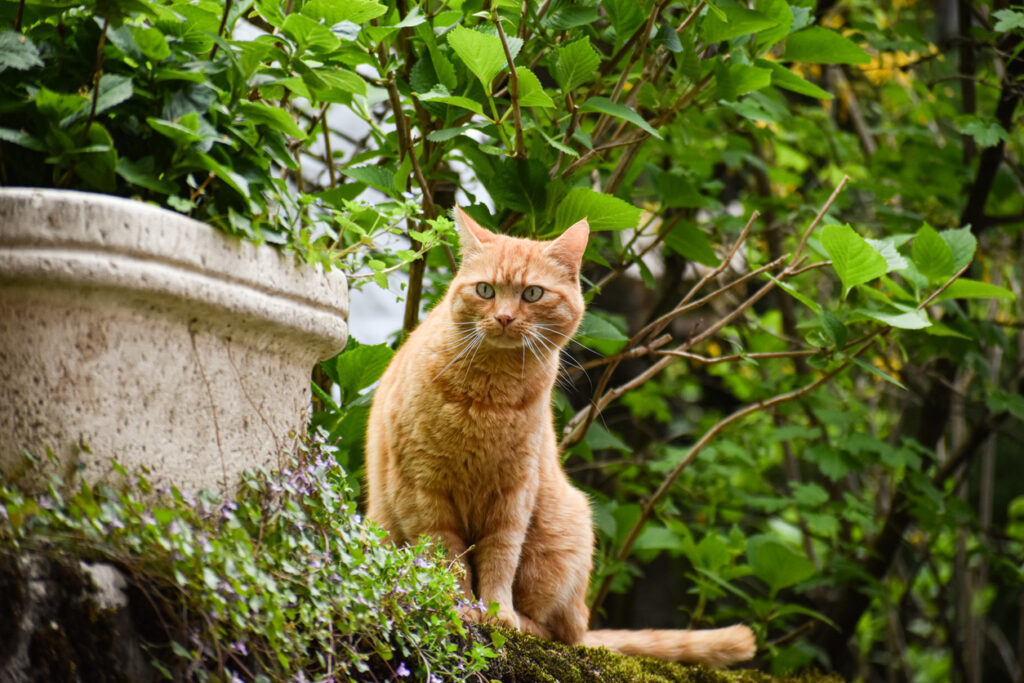
A cat’s spine bends and twists far more than most animals’. This flexibility helps them twist midair if they fall, landing on their feet almost every time. It’s also why they can fit into small spaces, curl into perfect balls, and stretch so elegantly. Their bodies are designed for movement, not laziness.
They know how to get what they want.
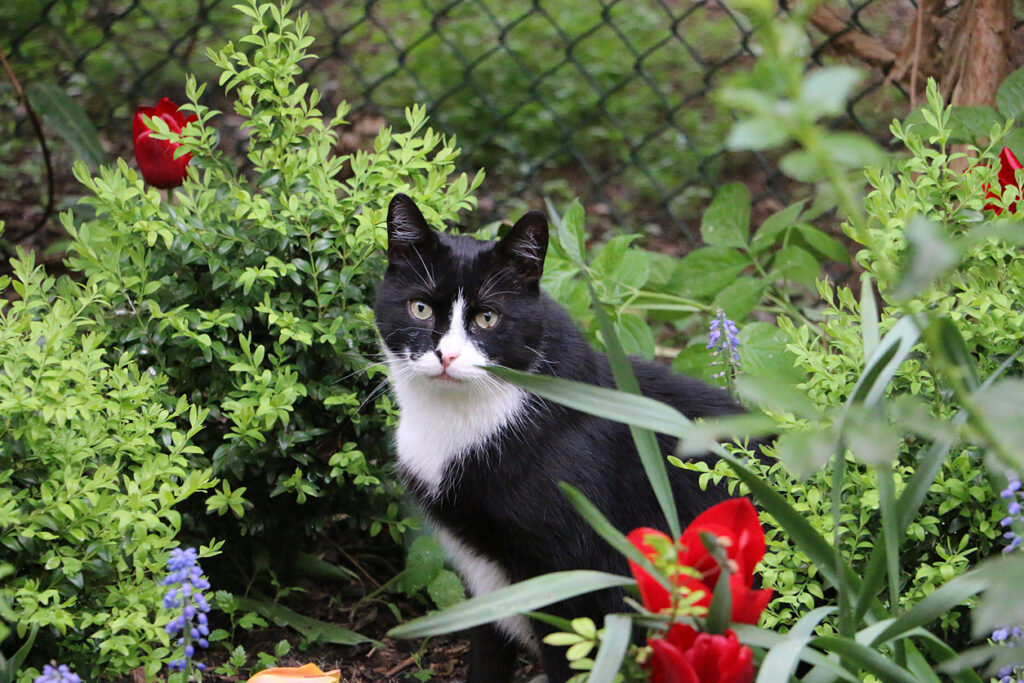
Cats quickly learn which actions make humans respond. Whether it’s a certain meow, a stare, or a paw tap, they use small gestures to get attention or food. It’s not manipulation, it’s understanding. They’ve learned how humans work and use that knowledge to their advantage every day.
They use scent to control their space.
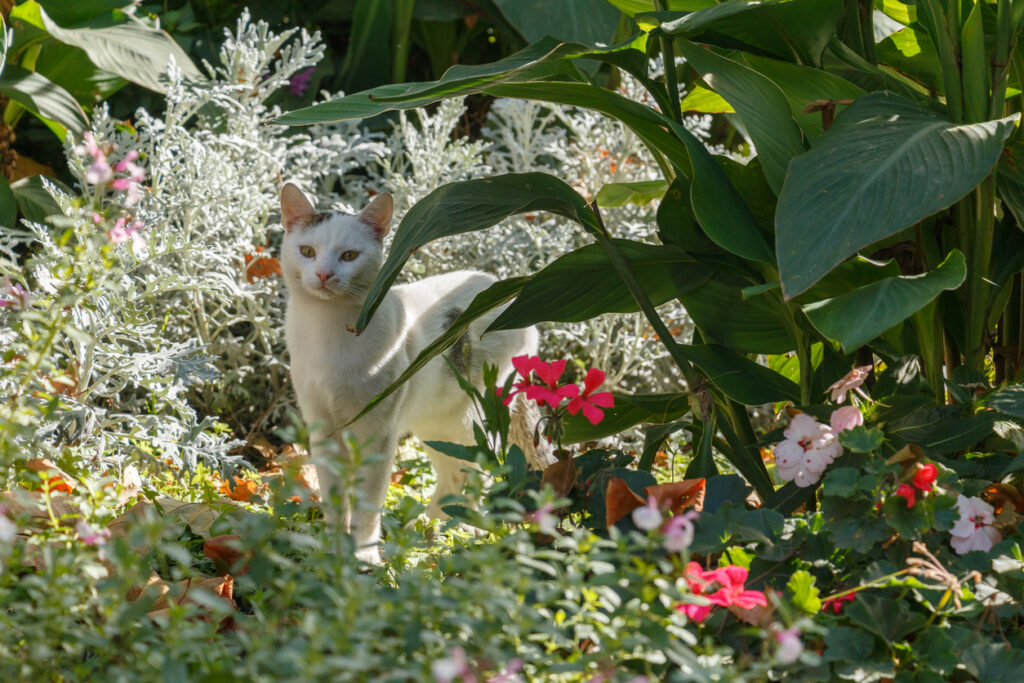
When your cat rubs its face against you or furniture, it’s not just being affectionate. It’s marking its surroundings with scent glands that signal comfort and ownership. This helps them feel safe and in control of their environment. It’s quiet but effective communication that keeps them calm and confident.
They rest because they feel safe.
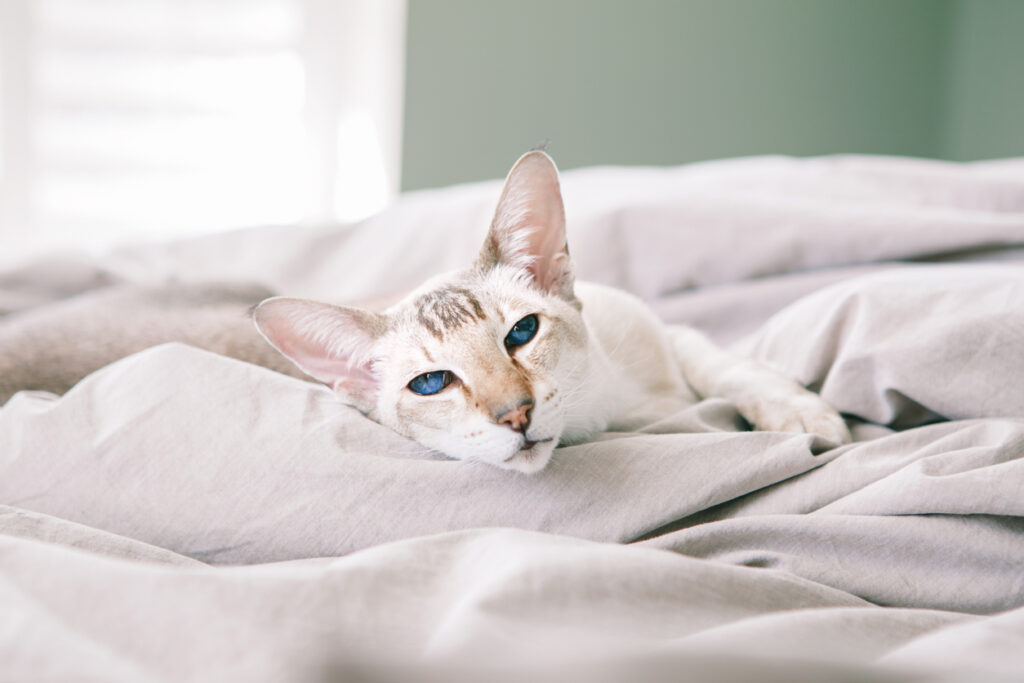
When a cat stretches out and sleeps soundly, it’s showing total trust in its surroundings. They only relax fully when they feel secure and cared for. So while they might look lazy, they’re really showing confidence and contentment. Their calmness is proof that they’ve mastered comfort better than anyone else.