It’s strange to imagine a version of Earth that doesn’t include us, or even life at all.

However, if you fast-forward a few billion years, our planet will look nothing like the place we know today. The continents will have shifted, the oceans will have changed, and the Sun itself will be an entirely different kind of star.
Scientists have a pretty good idea of what’s coming, and it’s both fascinating and bleak. From a world scorched by an ageing Sun to a planet that might eventually be swallowed whole, Earth’s far future is a story of transformation on a scale that’s hard to picture, but impossible to ignore (and fascinating to consider).
The sun will be much bigger and hotter.
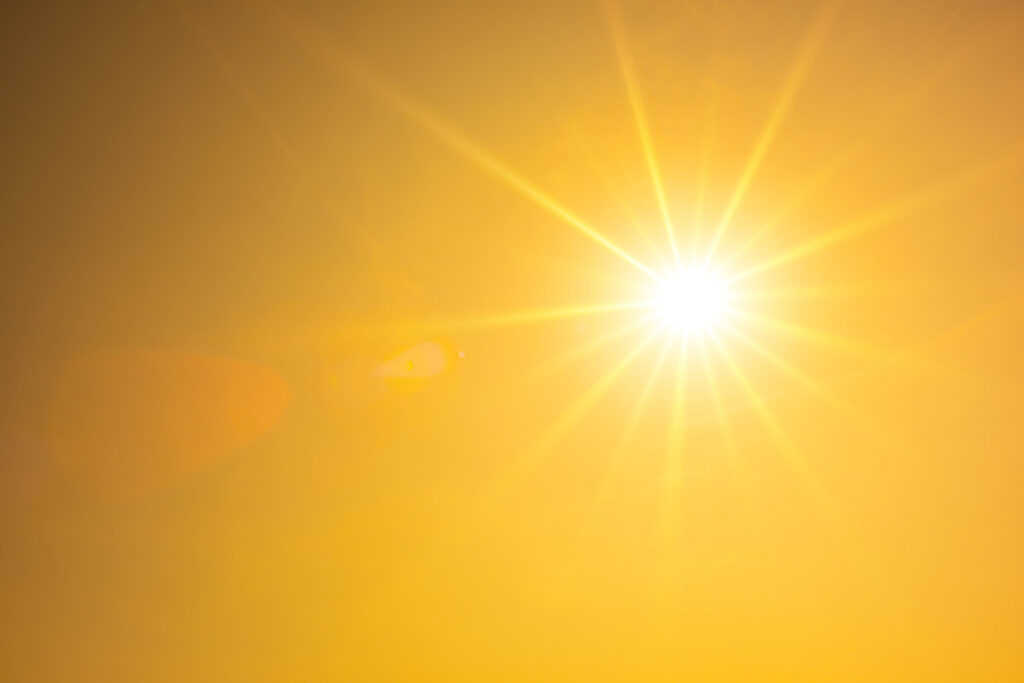
In about 5 billion years, the sun will have used up most of its hydrogen fuel. When this happens, it’ll start burning helium instead. This makes the sun expand massively and get much hotter, turning into what’s called a red giant.
The sun will grow so large it might swallow Mercury and Venus completely. Even if Earth isn’t swallowed, it’ll be way too close to this giant burning ball. The heat will be absolutely unbearable, nothing like the warmth we feel now.
Earth’s oceans will have boiled away long before.

We won’t have to wait 5 billion years for things to get bad. In about 1 to 2 billion years, the sun will already be hot enough to boil away all of Earth’s water. The oceans will evaporate into space as steam.
Without water, there’s no life as we know it. The Earth will become a dry, dead rock long before the sun turns into a red giant. Everything that makes Earth special will be gone billions of years before the final end.
The atmosphere will be stripped away.
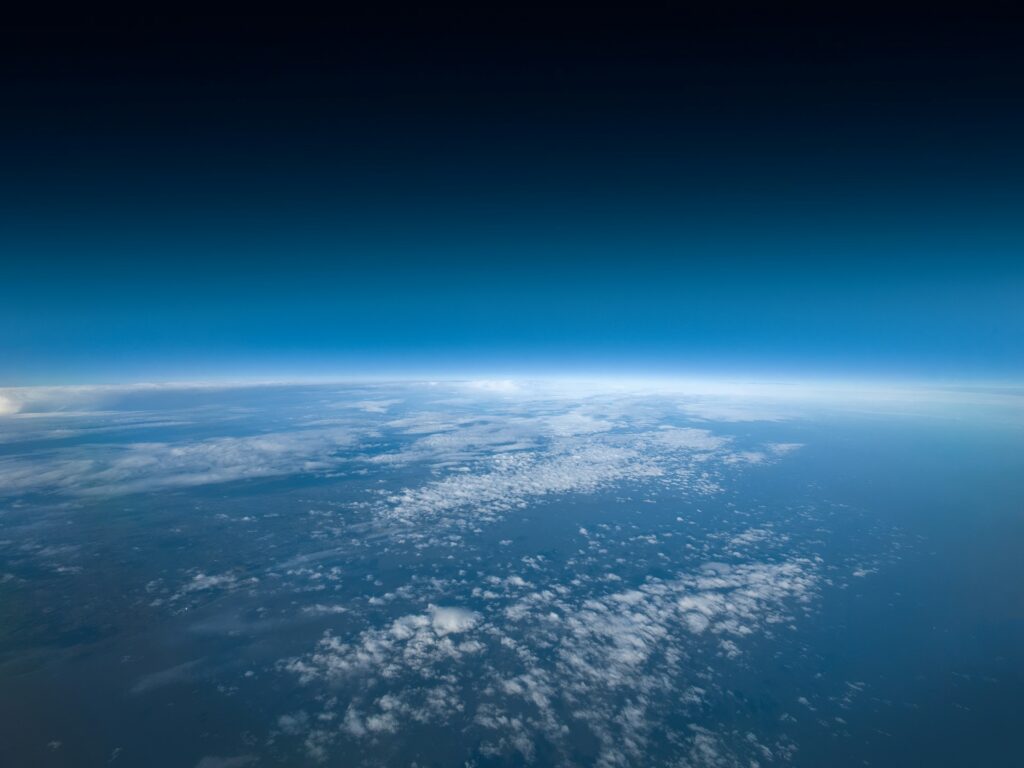
As the sun gets hotter and bigger, the increased solar wind will blast away Earth’s atmosphere. The protective blanket of gases that lets us breathe and shields us from radiation will be ripped off into space bit by bit.
Without an atmosphere, there’s no air pressure, no weather, no protection from space rocks or radiation. Earth will look more like the moon, just a bare rocky surface exposed directly to space with no protection at all.
The surface will be scorched and melted.
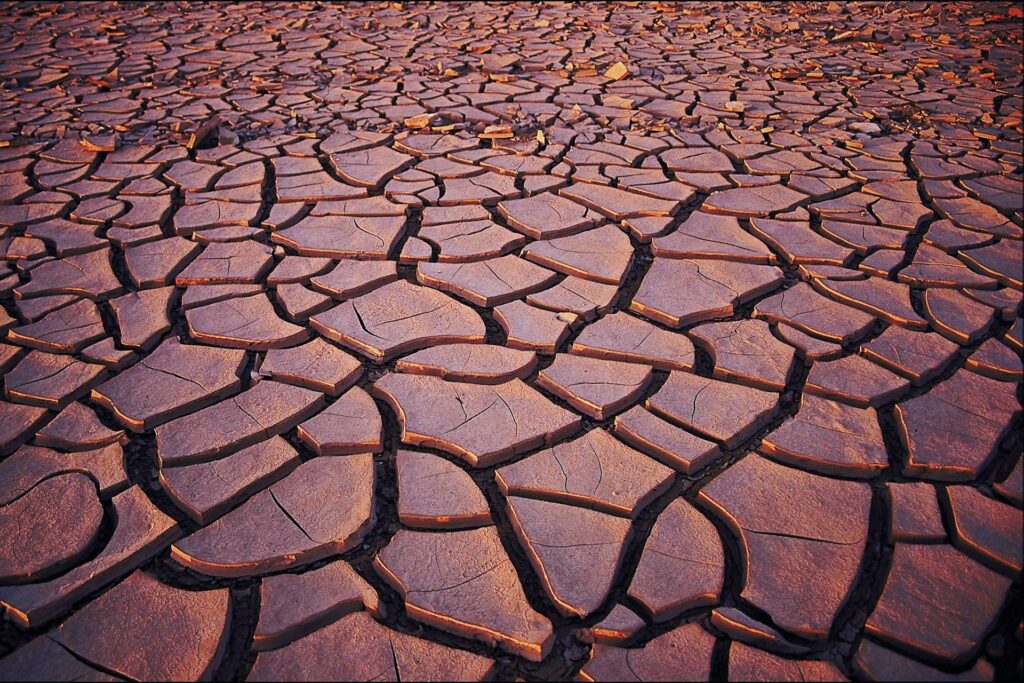
The intense heat from the red giant sun will turn Earth’s surface into a hellscape. Temperatures will rise to thousands of degrees. Rocks will melt, creating rivers of lava across the entire planet. Nothing solid will remain as we know it.
Any buildings, mountains, or landmarks will be completely destroyed and melted down. The entire crust of the planet will be molten. It’ll look similar to what Earth was like when it first formed, just a ball of hot liquid rock.
Earth might get swallowed by the sun.
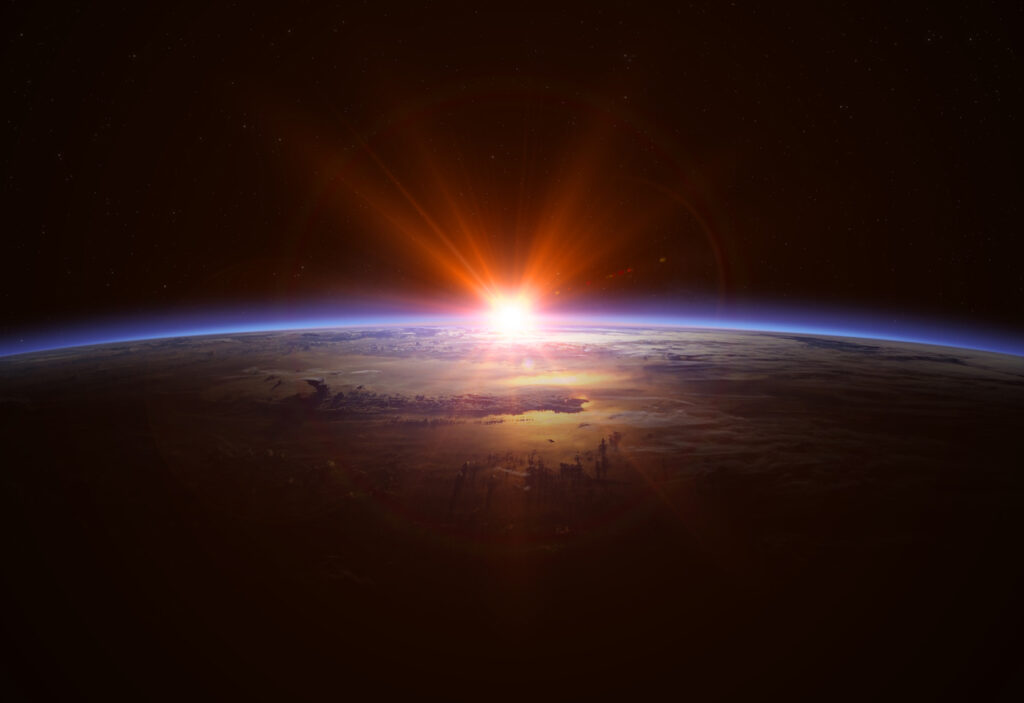
There’s debate among scientists about whether Earth will actually survive or get swallowed up. As the sun expands into a red giant, its outer edge might reach Earth’s orbit. If this happens, Earth will be pulled into the sun and completely destroyed.
Even if Earth somehow survives being swallowed, it’ll be so close to the sun’s surface that the heat and radiation will destroy it anyway. Either way, there won’t be much left of our planet.
Earth’s orbit will change dramatically.

As the sun loses mass by throwing off its outer layers, its gravitational pull on Earth will weaken. This means Earth’s orbit will drift outward, moving further away from where it is now. The whole solar system will spread out.
This changing orbit might actually save Earth from being swallowed. If Earth drifts far enough away fast enough, it might escape the sun’s expanding outer layers. But even then, the planet will be completely dead and uninhabitable.
The planet will be a charred cinder.
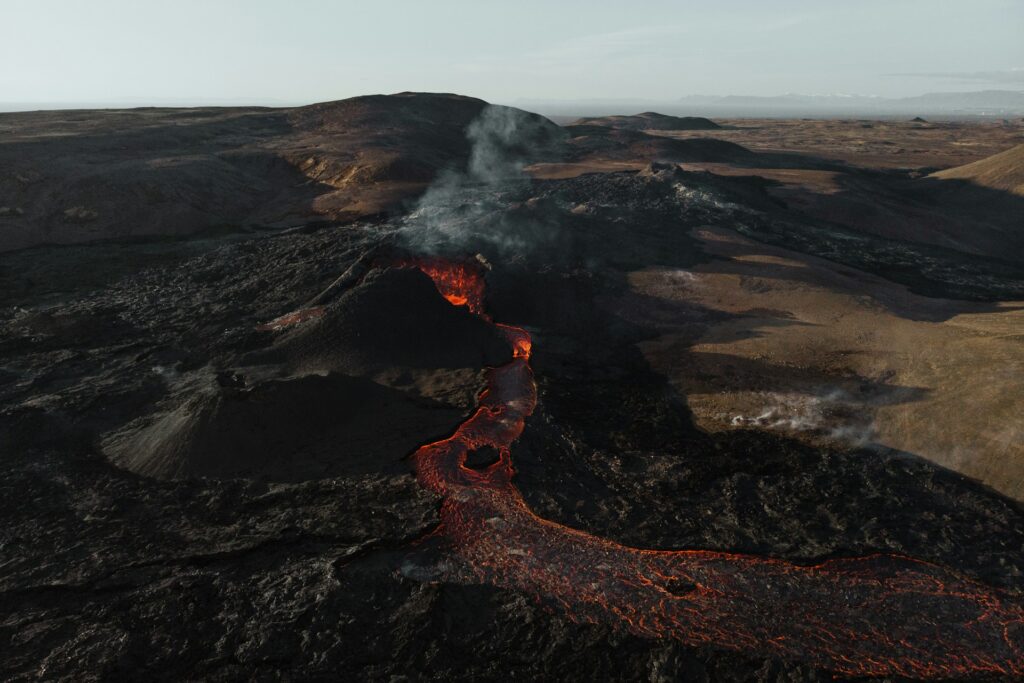
If Earth survives without being swallowed, it’ll end up as what scientists call a charred cinder. This means a burned, blackened ball of rock with no life, no water, no atmosphere, just a dead lump of matter orbiting a dying star.
Think of what happens to a piece of wood completely burned in a fire. That black, crumbly coal-like remains is similar to what Earth will become. Everything recognisable about our planet will be burned away completely.
The moon will likely be gone too.

The moon won’t fare any better than Earth. It’ll also be scorched by the sun’s heat and possibly destroyed. Even if it survives physically, the tidal forces and changing gravity might fling it away from Earth or pull it closer until it breaks apart.
Without the moon, Earth wouldn’t have tides anymore anyway, not that it’d matter since there won’t be any oceans left. The moon has been Earth’s companion for billions of years, but it won’t make it to the end either.
All life will have been extinct for billions of years.
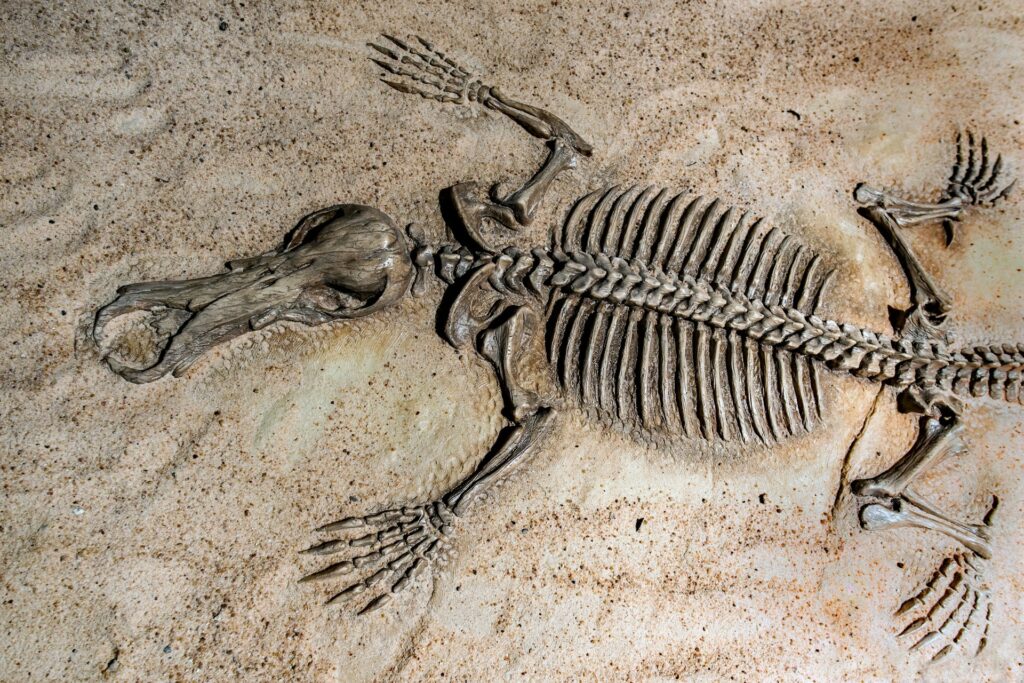
Life on Earth won’t wait around for the sun to destroy the planet. Complex life will probably die out in about 1 billion years when the oceans start evaporating. Simple bacteria might last a bit longer, but eventually even they’ll die.
By the time we reach 5 billion years, life will have been extinct for so long that there won’t be any trace of it left. No fossils, no remains, nothing. The heat and geological changes will have erased all evidence that life ever existed here.
The sun will become a white dwarf.
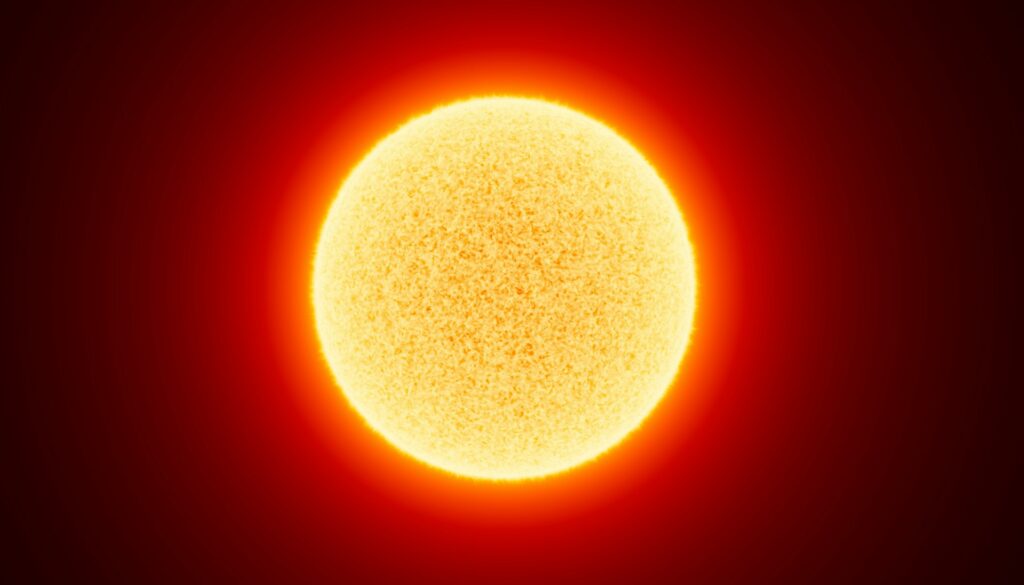
After the red giant phase, the sun will shed its outer layers into space. What’s left behind will be the super-hot core, which becomes a white dwarf. This is a small, incredibly dense star that slowly cools down over trillions of years.
The white dwarf sun will be about the size of Earth but incredibly heavy. It won’t produce much heat or light, just slowly fade away. Any planets still orbiting will be frozen, dark worlds circling a dying ember.
Earth might end up orbiting a white dwarf.
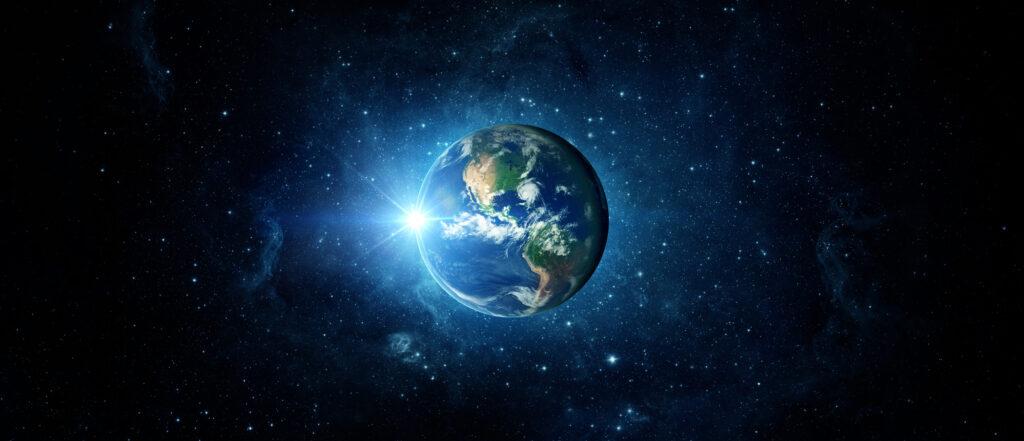
If Earth survives the red giant phase, it’ll spend the rest of its existence orbiting this white dwarf sun. It’ll be a cold, dark, dead rock circling a fading star. No warmth, no light, just darkness and cold forever.
The planet will freeze completely. Any remaining rock will be covered in ice from gases that froze when the sun died. It’ll be nothing like the warm, living planet we know. Just a frozen tomb in space.
Other planets will face similar fates.
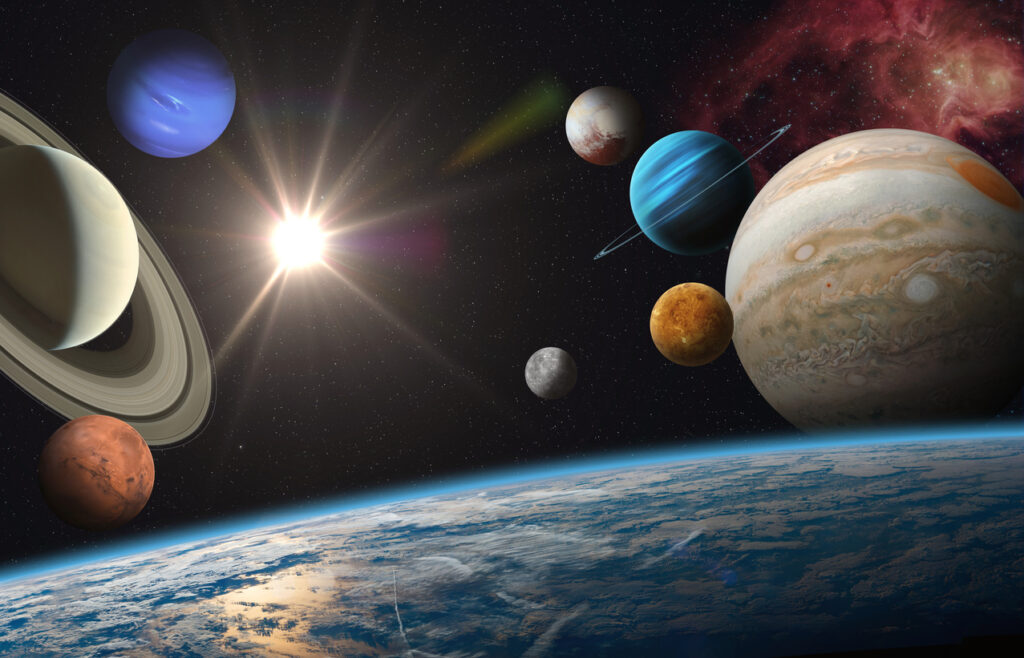
Earth won’t be alone in its destruction. Mercury and Venus will almost certainly be swallowed by the expanding sun. Mars will be scorched. The outer planets like Jupiter and Saturn will lose their atmospheres and their moons will be affected too.
The entire solar system will be transformed beyond recognition. What was once a system with diverse planets, some with potential for life, will become a graveyard of dead worlds orbiting a slowly dying star.
There’s a tiny chance Earth could support life again.

Some scientists suggest that after the sun becomes a white dwarf, planets that were in the outer solar system might move closer and could theoretically be warm enough for life. But Earth itself will be too damaged and dead for this to happen.
This is extremely unlikely anyway. The chances of life starting again on any planet in our solar system after the sun dies are basically zero. Once Earth is destroyed, it stays destroyed. There’s no coming back from this.
Eventually, everything will drift apart in the dark.
Trillions of years after the sun becomes a white dwarf and then fades completely, whatever’s left of Earth will just drift through space in total darkness. The white dwarf will cool until it becomes a black dwarf, giving off no light at all.
This is the final fate of Earth and our solar system. Not a dramatic explosion but a slow fade into cold, dark nothing. The planet that was once full of life, colour, and activity will end as a frozen rock in eternal darkness.