Sloths get a bad reputation for being lazy, but they’re far more interesting and clever than most people realise, not to mention absolutely adorable.
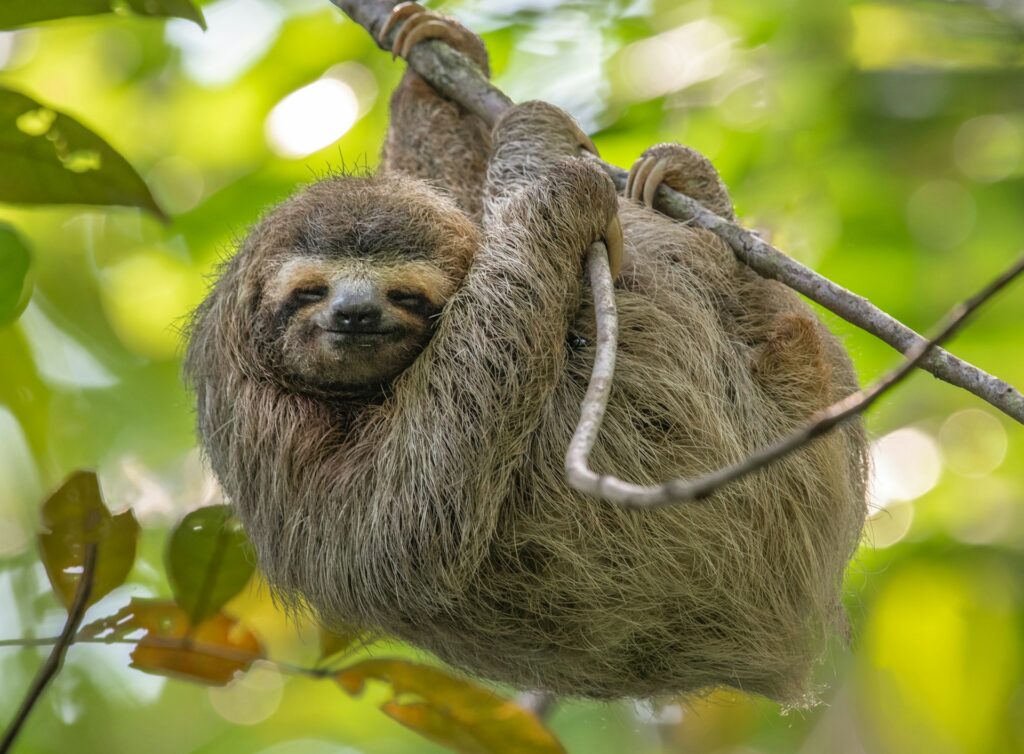
These slow-moving mammals have adapted to survive in ways that make perfect sense once you understand them. They live life in slow motion for a reason, using patience and stillness to stay safe in some of the most dangerous environments on Earth.
Here are a few things you probably didn’t know about sloths that might just change how you see them, just in time for International Sloth Day on October 20!
Their “laziness” is actually a survival tactic.
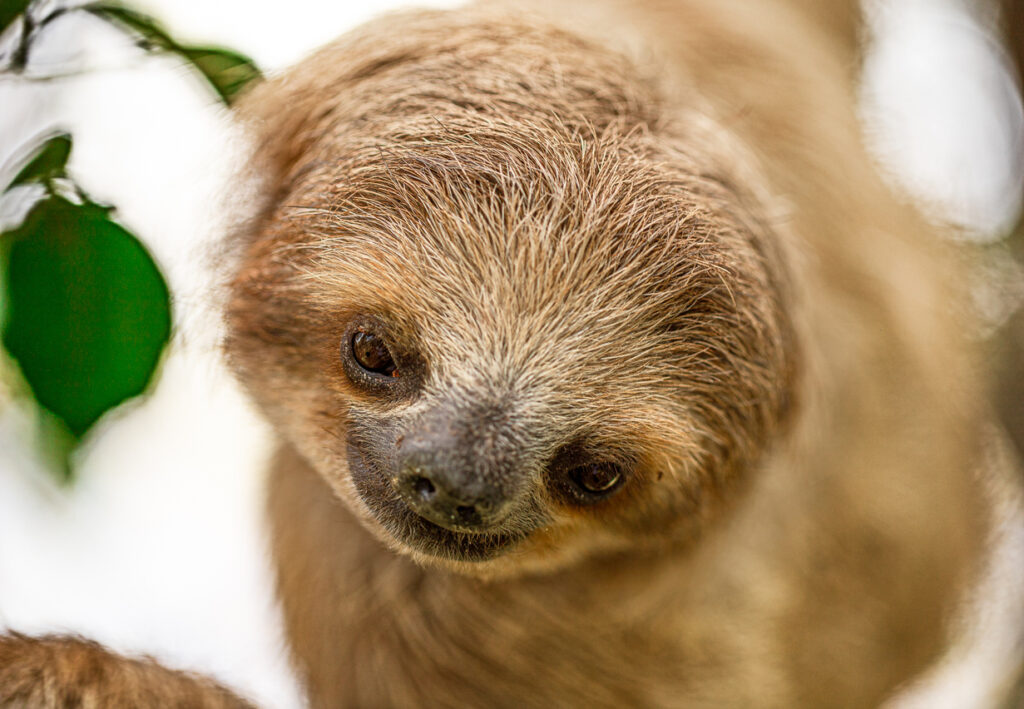
Sloths move slowly not because they can’t go faster, but because doing so helps them stay alive. Their slow movement keeps them almost invisible to predators like jaguars and eagles. In the rainforest canopy, motion attracts attention, and attention gets you eaten. By keeping still and blending in with the leaves, sloths avoid notice entirely. It’s not laziness; it’s strategy. They’ve evolved to use slowness as camouflage, making them one of the most underrated survivors in the animal kingdom.
They spend most of their lives hanging upside down.

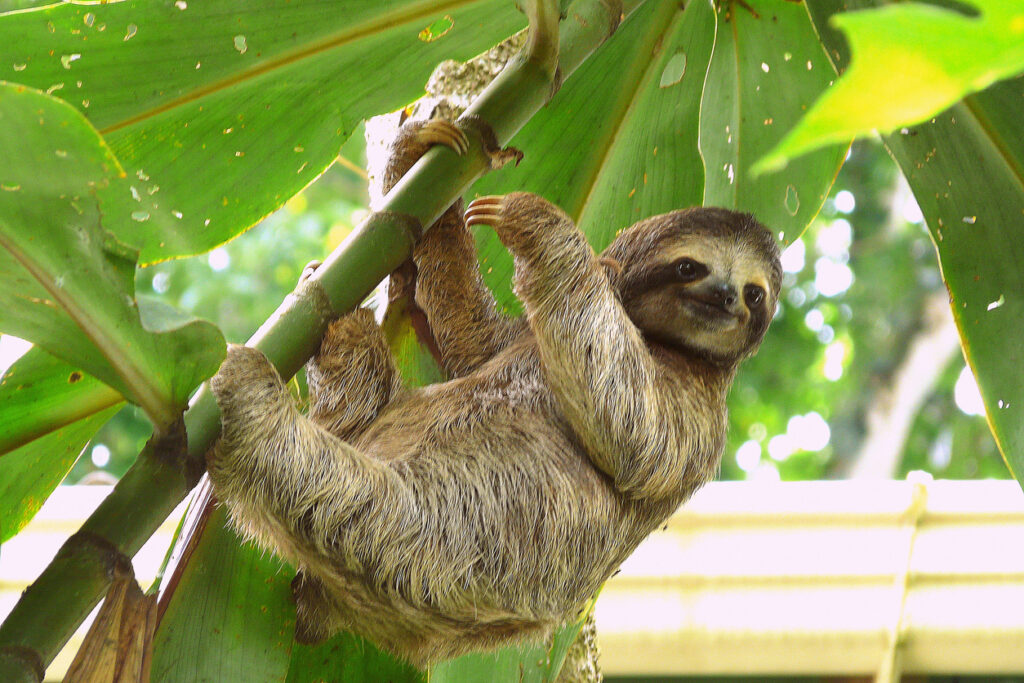
A sloth’s world is literally upside-down. They eat, sleep, and even give birth while hanging from tree branches. Their curved claws and unique muscle structure make this position effortless. They can cling to a branch for hours without using much energy at all. In fact, their internal organs are attached in a way that stops them pressing on the lungs or heart when upside down. Most animals would struggle to breathe that way, but for a sloth, it’s the most comfortable place to be.
They can hold their breath longer than dolphins.

It sounds ridiculous, but it’s true. Sloths can slow their heart rate to about one-third of its normal pace, allowing them to hold their breath for up to 40 minutes underwater. They use this skill to swim across rivers or escape predators by simply sinking below the surface and waiting until danger passes. It’s an incredible adaptation for an animal that spends nearly all of its time in the trees.
Their fur is a tiny ecosystem.
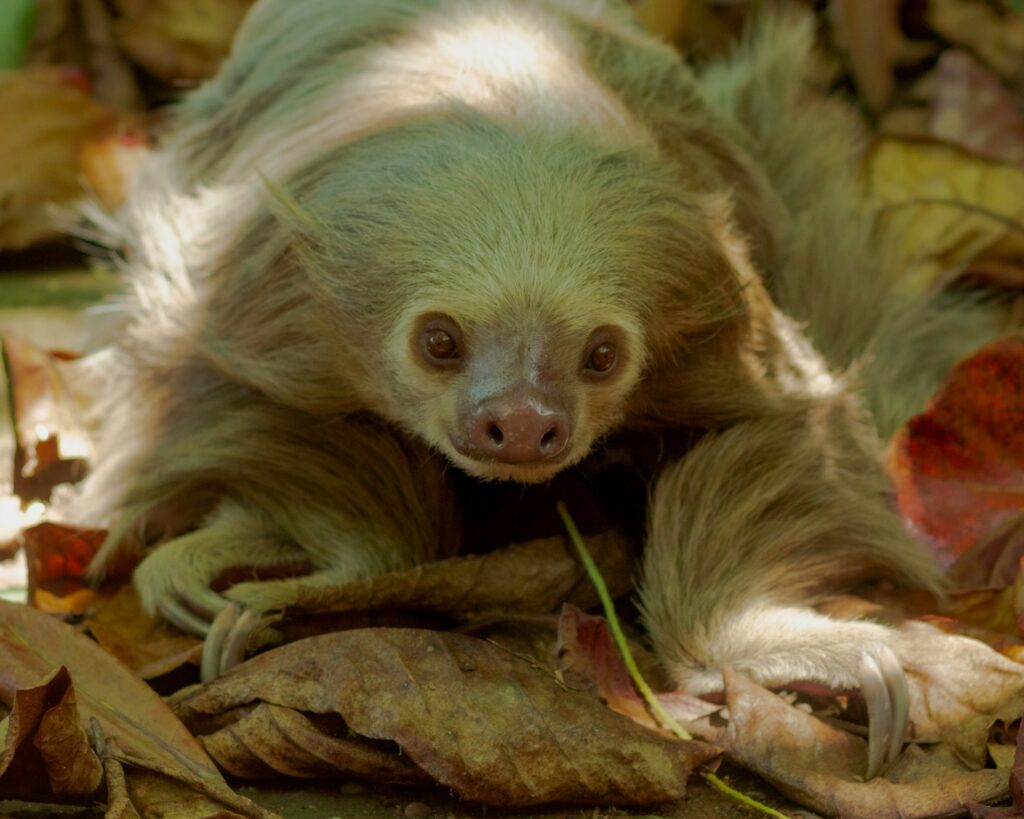
If you ever look closely at a sloth’s fur, you’ll notice it’s greenish, and that’s not just dirt. It’s algae, growing in the grooves of the sloth’s coarse hair. This algae, along with tiny moths and beetles that live in their fur, creates a mini ecosystem. The algae help camouflage the sloth in the rainforest canopy, while the insects rely on the sloth’s slow lifestyle to survive. It’s a symbiotic relationship that makes sloths walking microhabitats, carrying bits of the jungle around with them wherever they go.
They only come down from the trees once a week.
Sloths descend from their trees just once a week, and only to go to the toilet. It’s one of the strangest routines in nature. They dig a small hole at the base of a tree, do their business, and then climb back up. It’s risky because they’re most vulnerable on the ground, but scientists think there’s a reason for it. Some believe the act helps fertilise the trees they live in, while others suggest it’s a way to maintain their fur ecosystem by attracting the moths that live there. Either way, it’s a weekly ritual they rarely skip.
Their digestion is unbelievably slow.
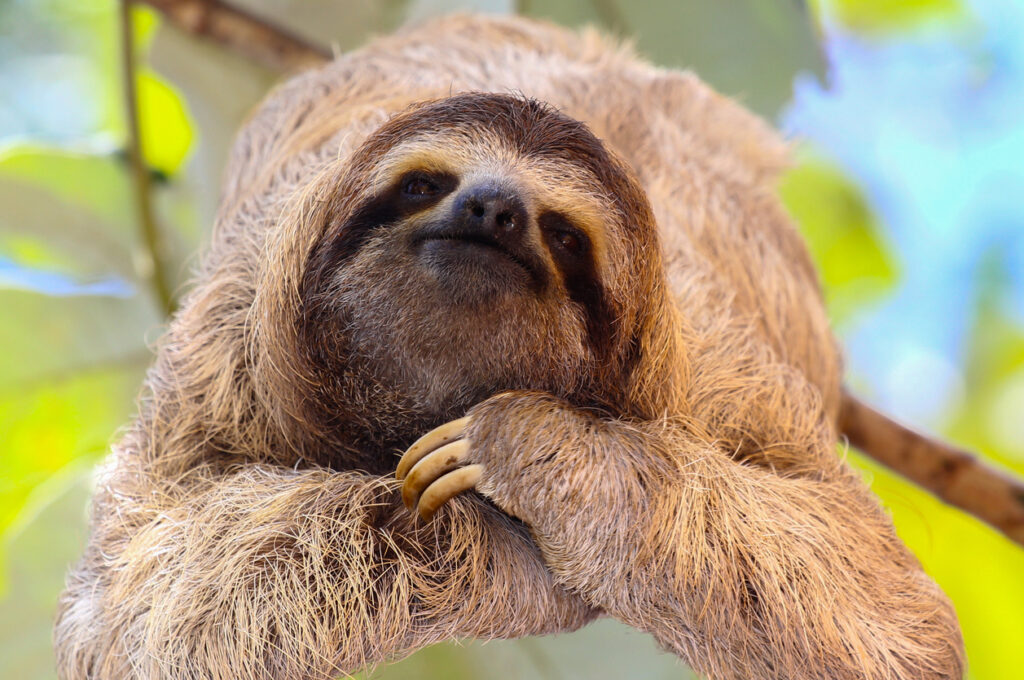
Everything about a sloth moves slowly, including its stomach. It can take up to a month for a sloth to fully digest one meal of leaves. Their metabolism is among the slowest of any mammal, which means they don’t need much food to survive. They rely on a diet of fibrous leaves that provide very little energy, so their entire biology is designed to conserve every bit of it. Moving slowly, sleeping often, and avoiding unnecessary effort keeps them alive in a world where food isn’t always easy to digest.
They’re surprisingly good swimmers.
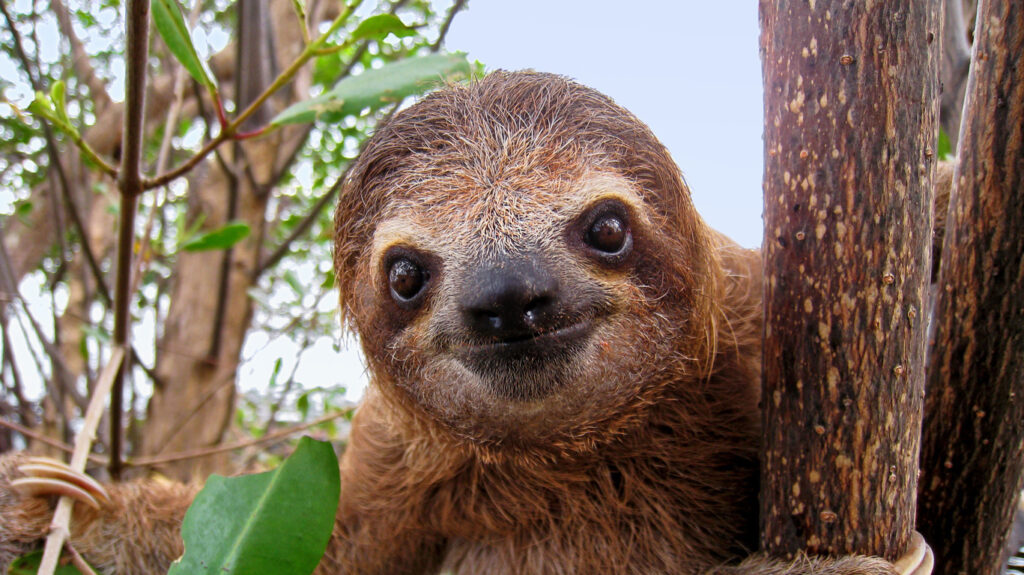
Despite their clumsy movement on land, sloths are excellent in water. They can swim three times faster than they can move through trees, using long strokes that look surprisingly graceful. They even use water currents to travel between forested areas. During floods, they’ll often drop into rivers and drift downstream until they reach new feeding grounds. For an animal best known for being slow, they’re unexpectedly at home in water.
They’re ancient survivors.

Sloths have been around for millions of years. Their ancestors were huge: ground sloths that could reach the size of elephants. These prehistoric giants roamed the Americas before humans ever arrived. The modern tree-dwelling sloths are what’s left of that ancient lineage, adapted perfectly to a slower, safer lifestyle in the trees. When you look at a sloth, you’re seeing a tiny echo of a prehistoric creature that once ruled the land.
They sleep less than people think.
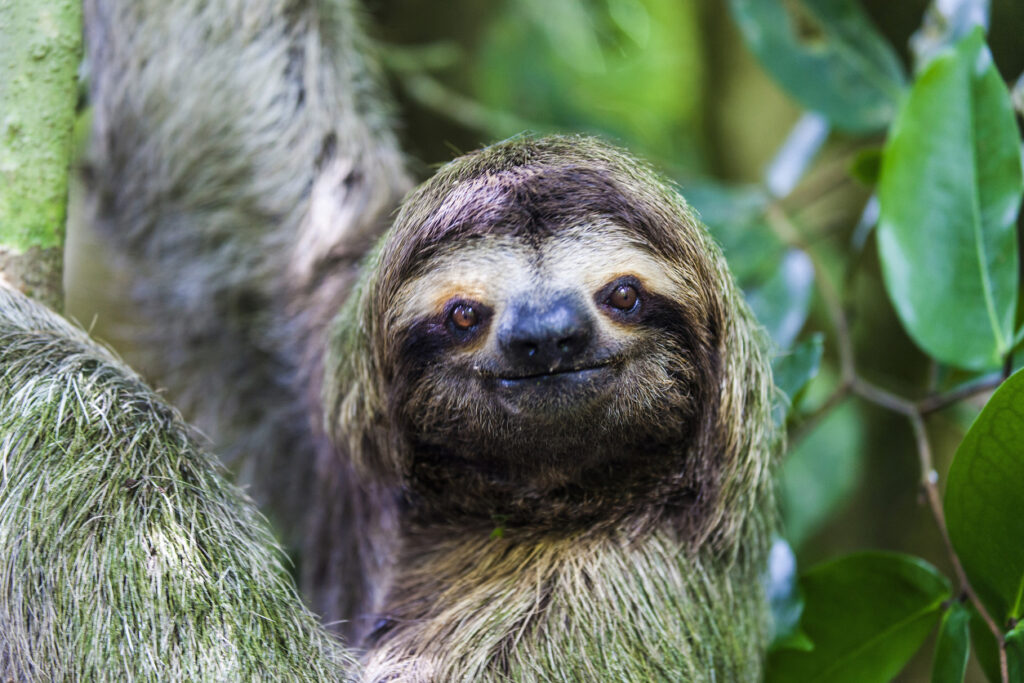
It’s a common belief that sloths sleep all day, but in the wild, they actually sleep around ten hours, less than many humans on a lazy weekend. Early research overestimated their sleep time because it was based on sloths kept in captivity, where they had little to do. In their natural habitat, they’re awake and alert for much of the day, quietly munching leaves or moving from branch to branch in slow, careful motion.
They’re more intelligent than they look.
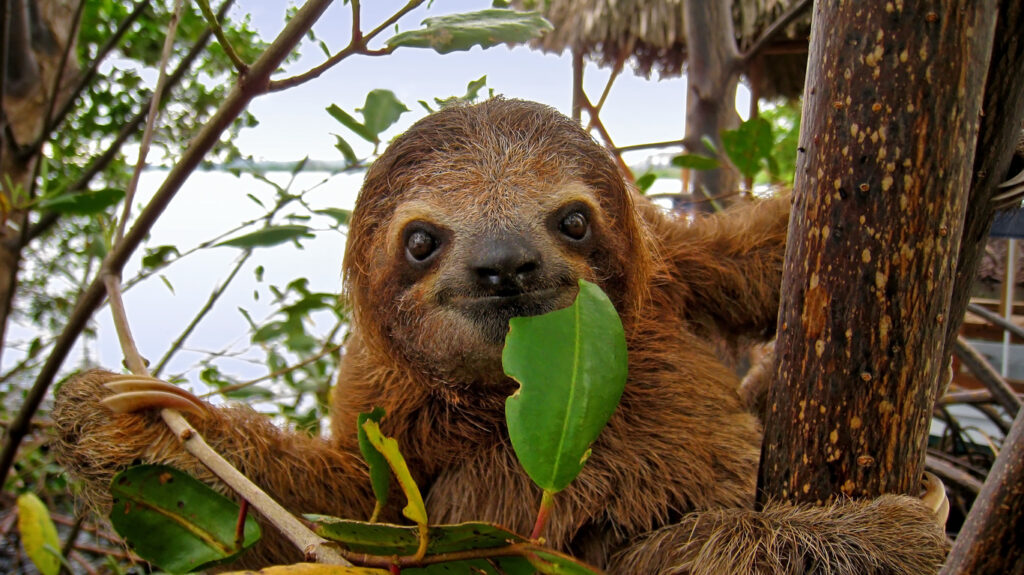
Sloths might not have the problem-solving skills of monkeys, but they’re far from simple. They have excellent memories and can recognise familiar routes through the forest canopy. Studies show they’re capable of learning and adapting their movements to save energy, which is crucial for survival. Their slow reaction times aren’t a sign of stupidity. They’re a deliberate, energy-efficient way of existing in a harsh environment.
They’re extremely quiet animals.

In the rainforest, most animals rely on calls and cries to communicate, but sloths prefer silence. They rarely make noise, except for the occasional high-pitched call from young ones looking for their mother. Their quiet nature helps them stay hidden, and in a habitat filled with predators, that’s essential. It also contributes to their mysterious reputation. You can spend hours in a rainforest and never know a sloth is watching you from above.
Their claws can do serious damage.

They might seem gentle, but those long, curved claws aren’t just for hanging around. A sloth’s grip is incredibly strong—strong enough to hold its own body weight even after death, which is why some are found still clinging to branches long after they’ve passed away. If threatened, a sloth can use those claws to defend itself, and the swipe of an adult can be surprisingly powerful. They don’t use aggression often, but they’re not as defenceless as they appear.
Their slow lifestyle helps the planet.

By moving slowly, sloths reduce damage to the trees they live in, allowing entire mini-ecosystems to flourish. Their fur carries nutrients that feed other organisms, and their weekly toilet trips help fertilise the forest floor. They’re part of a delicate balance that keeps rainforest ecosystems thriving. In their own quiet way, they contribute to the health of one of the most important habitats on Earth.