
Everyone knows the names of the planets, but Earth feels different. It doesn’t sound powerful like Jupiter or mysterious like Neptune. It’s plain, familiar, and oddly comforting; it’s a word that feels like home. But who actually came up with it? That’s the strange part: no one really knows. Unlike the other planets, our world didn’t get its name from gods or astronomers. It came from people long before we had any idea we were floating through space. Clearly, it was people who just needed a word for the ground beneath their feet.
The name “Earth” didn’t come from space.
Most of the planets owe their names to myth and astronomy. “Earth” doesn’t. It comes from Old English ertha and Old German erde, both meaning “soil” or “ground.” Long before telescopes or science, people used it to describe the solid land that fed and supported them. It wasn’t poetic or grand; it was practical. That’s what makes it so fitting: it’s a name rooted, quite literally, in where we stand.
The Romans named every planet except ours.
Most of the planets are named after Roman gods, like Mars, Venus, and Jupiter. Ancient astronomers chose those names because they saw the planets as symbols of the gods. However, Earth didn’t get that same treatment. People thought it was the centre of everything, not another object floating in space. Since it wasn’t seen as a planet, it never got a god’s name.
“Earth” replaced older words for our world.
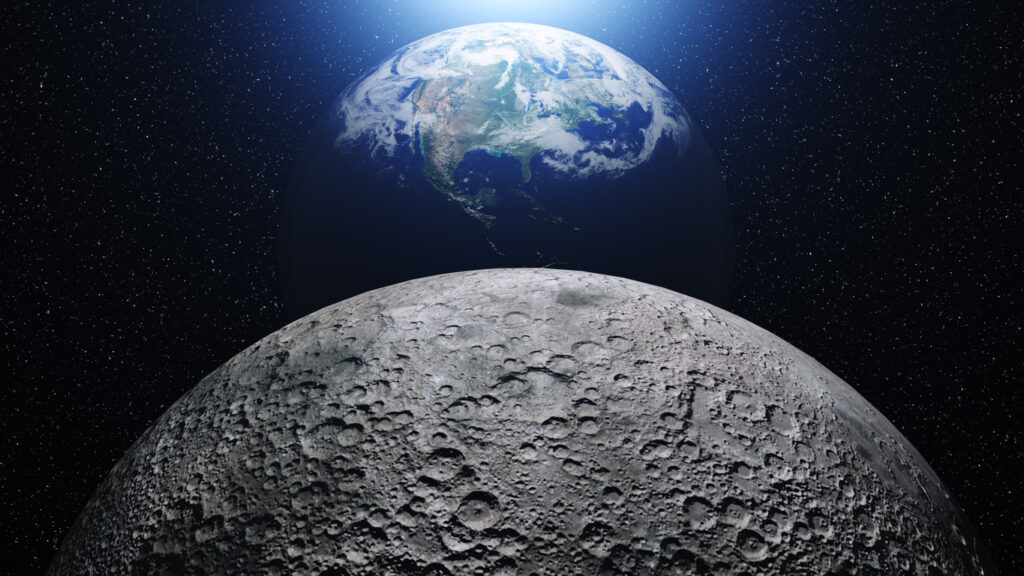
Before “Earth” caught on, people used words like “world” or “Middle Earth” to describe the land they lived on. It wasn’t about a planet, just about human life and land. When science caught up, and we discovered other planets, “Earth” became the standard name. It was simple, grounded, and already familiar to everyone.
Different languages call it different things.
In French it’s “la Terre,” in Spanish it’s “la Tierra,” and in Italian it’s “la Terra.” They all come from Latin words meaning “land” or “dry ground.” Even though the words are different, they all mean the same thing. Most cultures linked the idea of home with the soil beneath their feet, not the stars above them.
People didn’t always know Earth was a planet.
For most of history, people believed Earth was the centre of the universe. Everything else, like the Sun and Moon, was thought to move around it. It wasn’t until scientists like Copernicus and Galileo proved otherwise that people realised Earth was just one planet among many. By then, the name had already stuck.
It’s the only planet not named after a god.
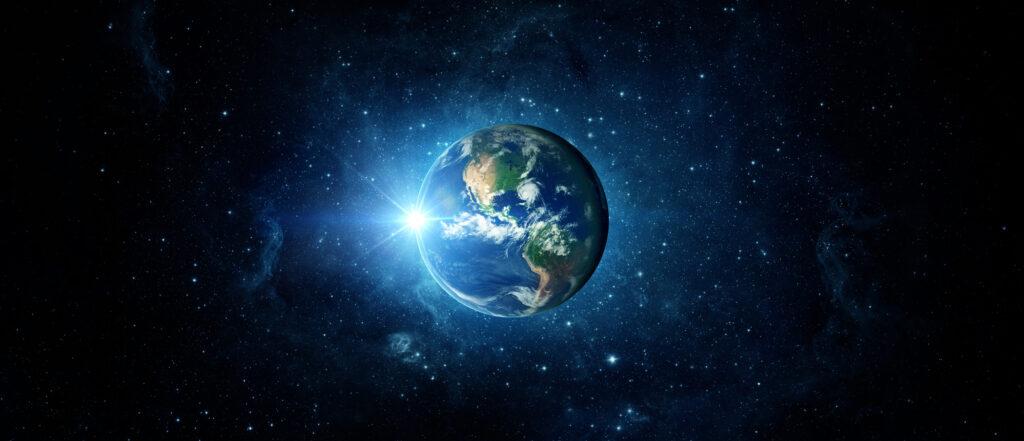
Every other planet in the solar system is named after a mythological figure. Earth stands out because its name came from everyday language instead of ancient legend. That makes it feel humble, but also fitting. We live here, after all, so it makes sense that our planet’s name grew out of ordinary words.
The word “Earth” changed over time.
Centuries ago, English speakers used words like “erthe” or “ert.” As spelling and pronunciation evolved, those old versions slowly became “Earth.” The name didn’t come from a single moment or decision. It evolved naturally, passed along through generations until it sounded the way it does now.
Myths still shaped how people saw it.
Even though the name didn’t come from a god, people still gave the planet a personality. The Greeks had Gaia, the Norse had Jörð, and the Romans had Terra. So while “Earth” wasn’t named after a goddess, the planet itself was often imagined as one. People have always seen it as alive and nurturing.
Early maps treated Earth like a place, not a planet.
Old maps showed the “Earthly World” as separate from the sky or the divine. It was where humans lived and worked, not something spinning in space. That idea stuck around for a long time. Even now, when we say “back to Earth,” we mean getting grounded again, not landing on a planet.
The Moon helped shape how we talk about Earth.
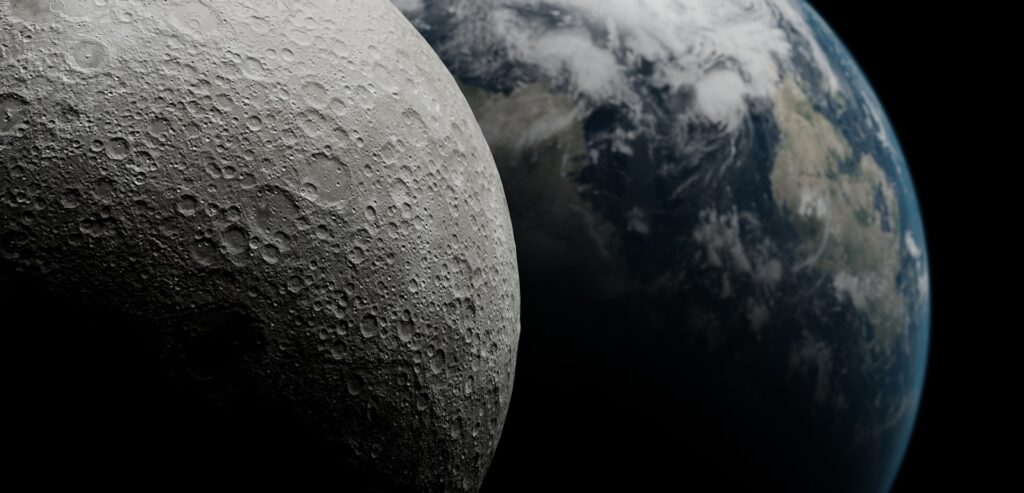
When people started noticing how the Moon moved across the sky, it changed how they saw our own world. It gave them something to compare it to. That’s when they began using the word “Earth” more clearly, to separate where we live from what we see above us. It helped define our place in the universe.
Scientists only agreed on the name quite recently.
For centuries, writers and scholars switched between calling it “the world,” “the globe,” or “Earth.” It wasn’t until the 1600s that “Earth” became the standard in science. It took time for everyone to settle on it, but once they did, the name spread through books, maps, and schools until it became the normal one we all use today.
Other worlds might have names that mean “home” too.
If there’s life somewhere else, their word for their planet probably means something similar to ours, like maybe “ground,” “home,” or “land.” Humans name things based on what they feel connected to. Calling our world “Earth” simply means we’ve always thought of it as home, not just another planet.
Not knowing makes the name even better.
We’ll probably never know who first said the word “Earth,” and that mystery makes it special. It wasn’t chosen by kings or scientists, it just grew naturally through speech. That makes it the most human name of all. It came from ordinary people trying to describe where they stood, long before they knew they were standing on a planet.