Spiders already have a reputation for being unnerving, but some take things to an entirely different level.
Across the world, there are species that push the limits of size, speed, venom, and survival, from tarantulas the size of dinner plates to tiny assassins with enough venom to kill a human in minutes. These aren’t your average house spiders hiding behind a curtain; they’re evolutionary marvels that show just how adaptable (and terrifyingly efficient) arachnids can be.
Whether it’s the spider that can “cartwheel” across desert dunes to escape predators, or one that hunts fish instead of insects, these creatures stretch the boundaries of what most people think spiders are capable of. Each one has evolved to master its environment in a way that’s both fascinating and a little unsettling. Extreme spiders remind us that nature doesn’t do ordinary. It experiments, adapts, and occasionally, creates something that feels straight out of a nightmare.
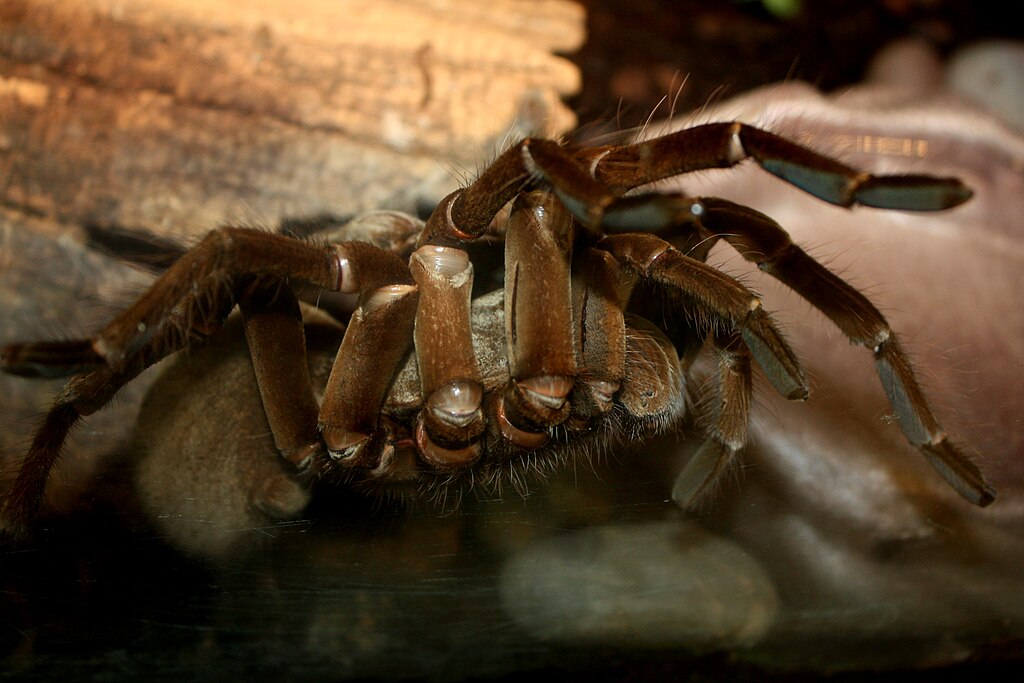
The Goliath birdeater is bigger than your face.
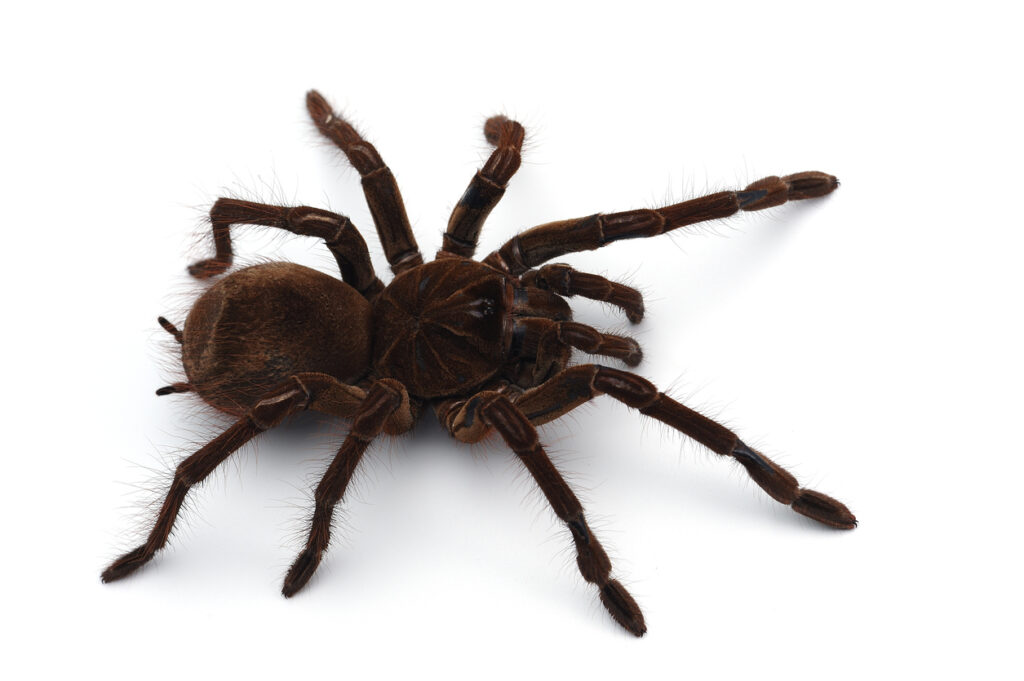
This thing weighs as much as a small puppy and has a leg span that can cover a dinner plate. Despite the name, it mostly eats insects and worms, but it’s technically capable of taking down small birds if opportunity strikes.
Living in South American rainforests, it’s the heaviest spider on Earth. The sheer size is unsettling enough, but it also makes hissing noises by rubbing its legs together when threatened, which is nightmare fuel.
The diving bell spider actually lives underwater.
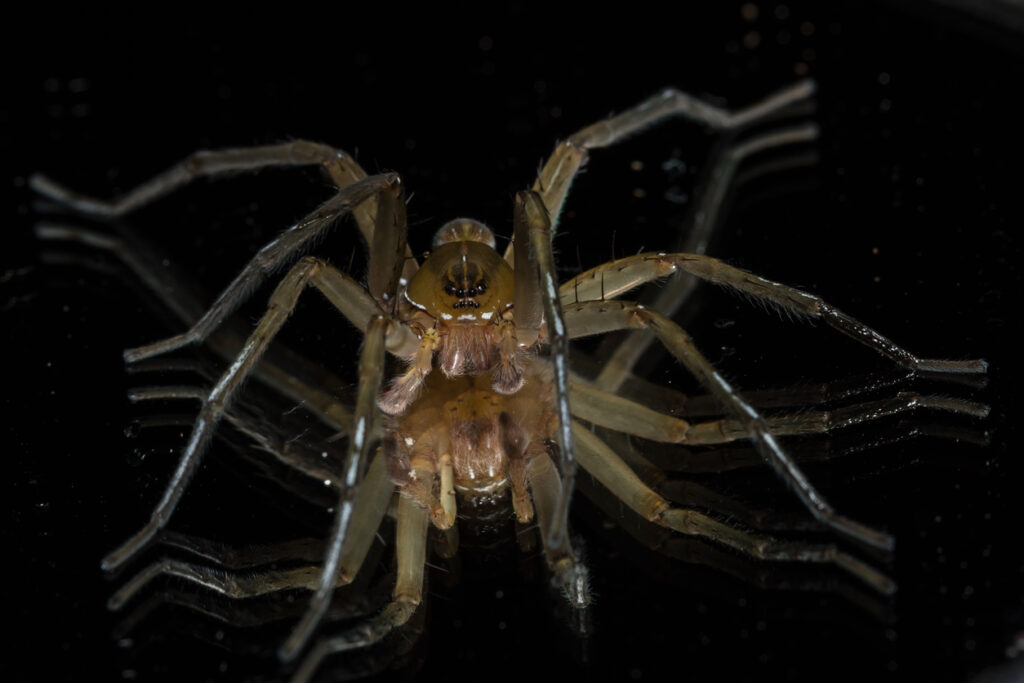
This spider spends its entire life submerged, breathing air trapped in a silk bubble it constructs underwater. It’s the only spider that’s gone fully aquatic, hunting and mating completely beneath the surface.
The air bell acts like a physical gill, extracting oxygen from the water whilst releasing carbon dioxide. It’ll occasionally surface to refresh the bubble, but otherwise it’s living a life most spiders would drown attempting.
The peacock spider does some pretty ridiculous mating dances.
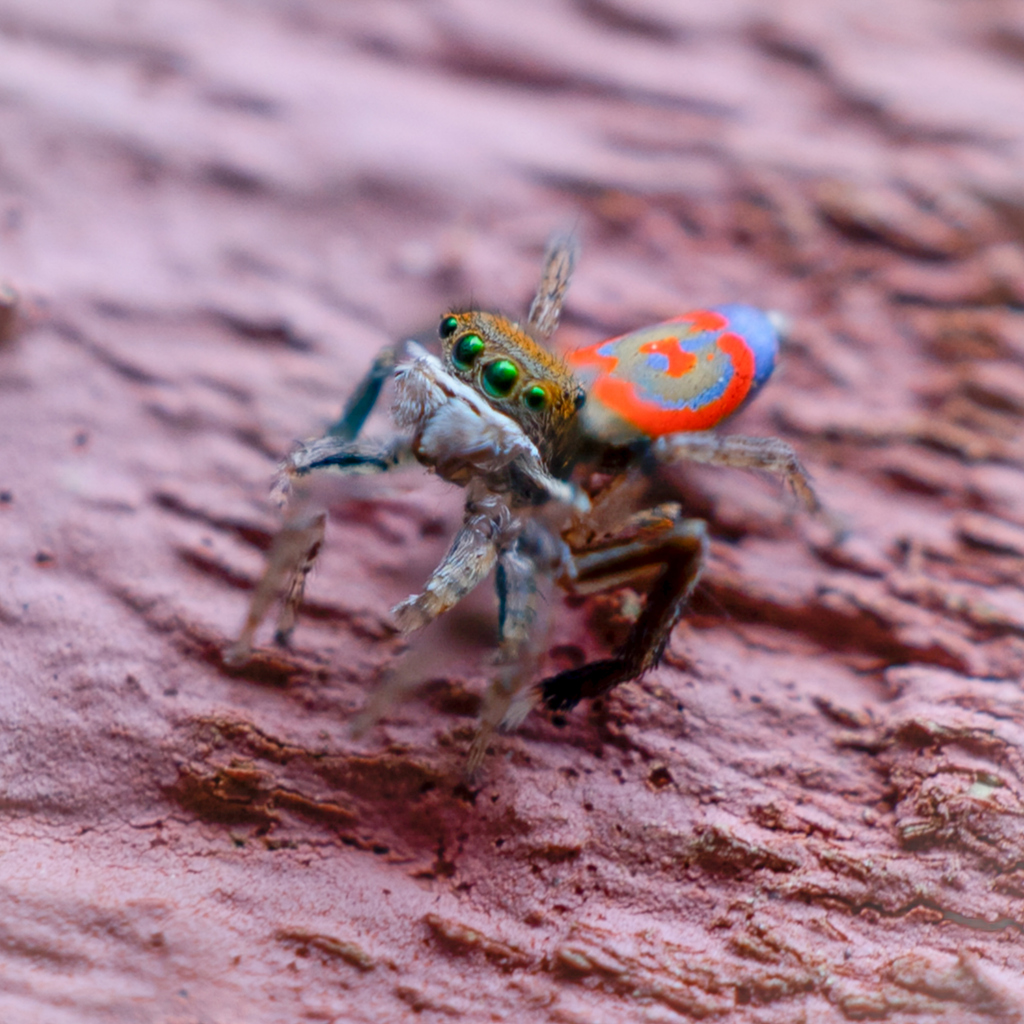
Males have brilliantly coloured abdomens that they raise and wave around while performing elaborate dances to attract females. If she’s not impressed, she’ll often just eat him, so the performance pressure’s genuinely life or death.
They’re tiny, only a few millimetres long, but the colour displays rival tropical birds. The males have evolved to be mobile disco balls because female peacock spiders are incredibly picky about their partners.
The spitting spider shoots venomous glue.
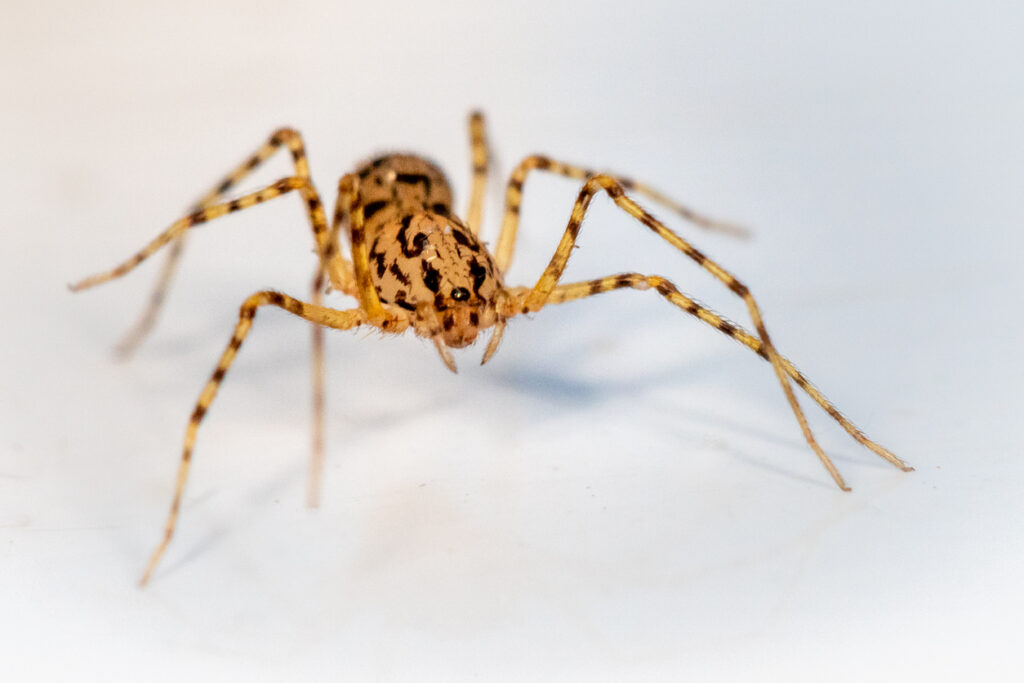
Instead of building webs, this spider spits a mixture of venom and sticky silk at prey from a distance. The stuff zigzags out and pins insects down instantly, then the venom starts working whilst they’re glued in place.
It happens in a fraction of a second, faster than you can blink. The spider can adjust its aim mid spit and hit moving targets with shocking accuracy for something with such a simple nervous system.
The trapdoor spider is an ambush master.
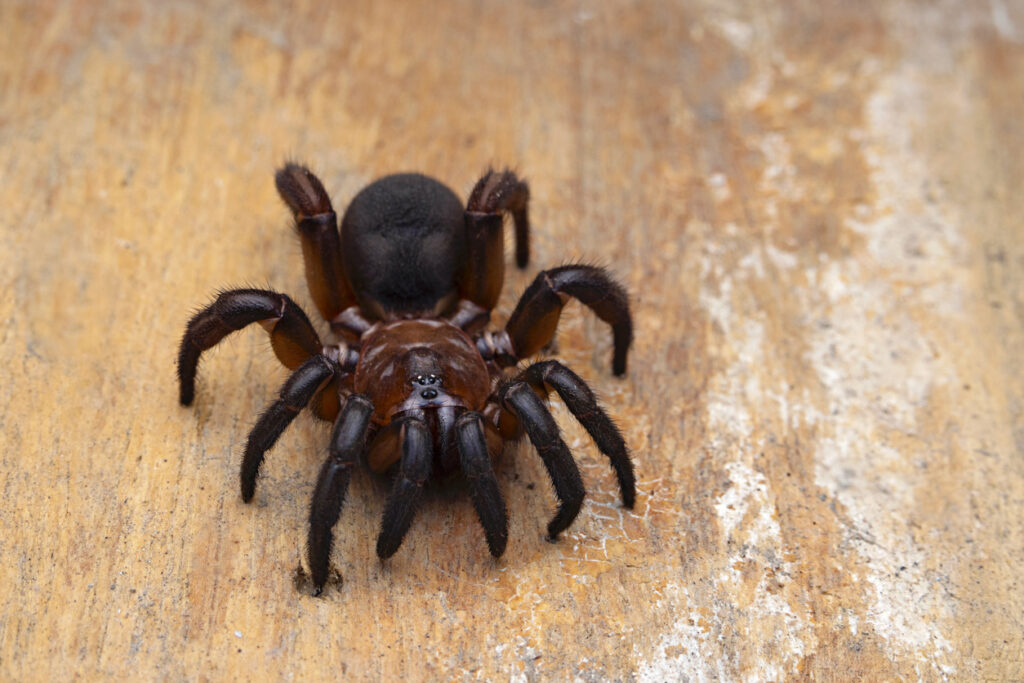
These spiders dig burrows and construct camouflaged hinged doors from silk and soil. They wait just under the door, sensing vibrations, then explode out to grab passing prey before dragging it underground.
Some have lived in the same burrow for decades, just waiting. The trapdoor’s so well disguised that you could step right over one and never know there’s a spider lurking centimetres below.
The bolas spider hunts with a sticky ball.
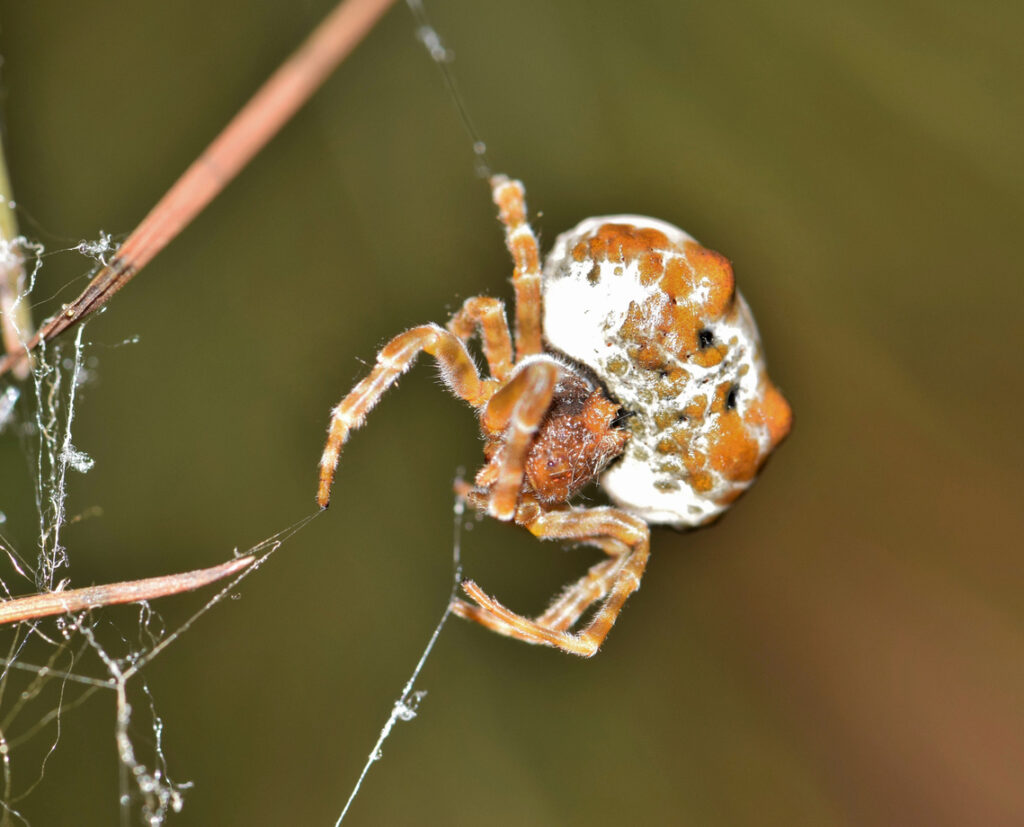
This spider makes a single line of silk with a sticky droplet on the end, then swings it at flying moths like a tiny lasso. It even releases moth pheromones to attract specific prey right to its hunting range.
Most spiders wait for prey to come to their web, but bolas spiders actively hunt by essentially fishing for moths in midair. The accuracy required to hit a flying insect with a silk ball is genuinely impressive.
The camel spider is horrifyingly fast.
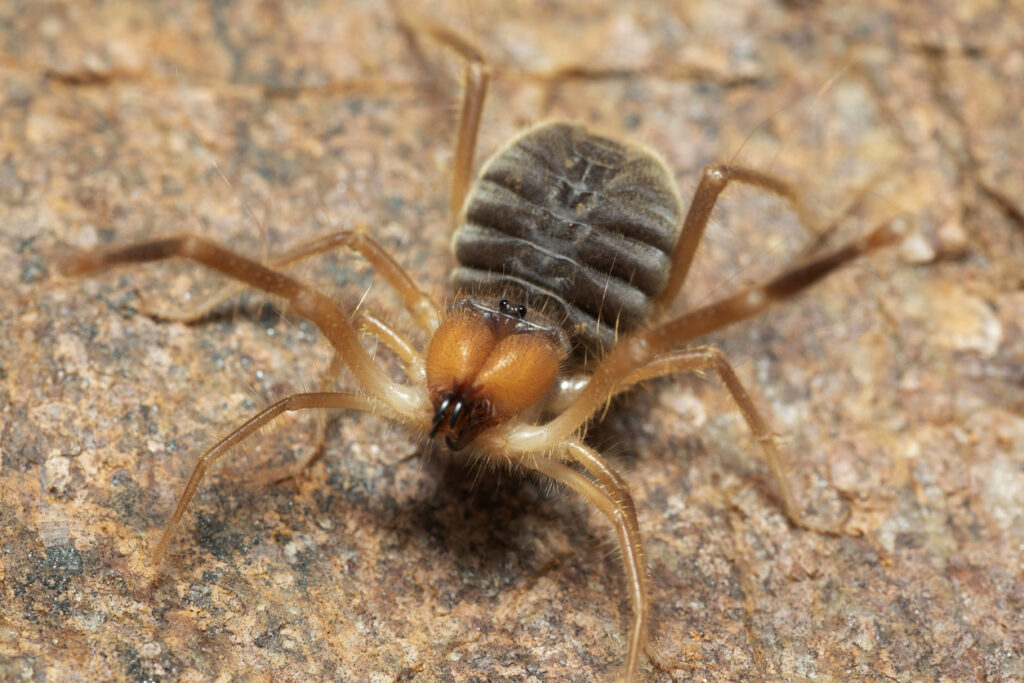
Technically not true spiders but close relatives, these things can run at speeds up to 16 kilometres per hour. They’re mostly harmless to humans, but their size, speed, and massive jaws make them absolutely terrifying to encounter.
They chase shadows to stay cool in desert heat, which means they’ll sometimes appear to be chasing people when they’re really just following the shade you’re creating. That behaviour plus their speed has spawned loads of exaggerated stories.
The Darwin’s bark spider has the strongest silk.
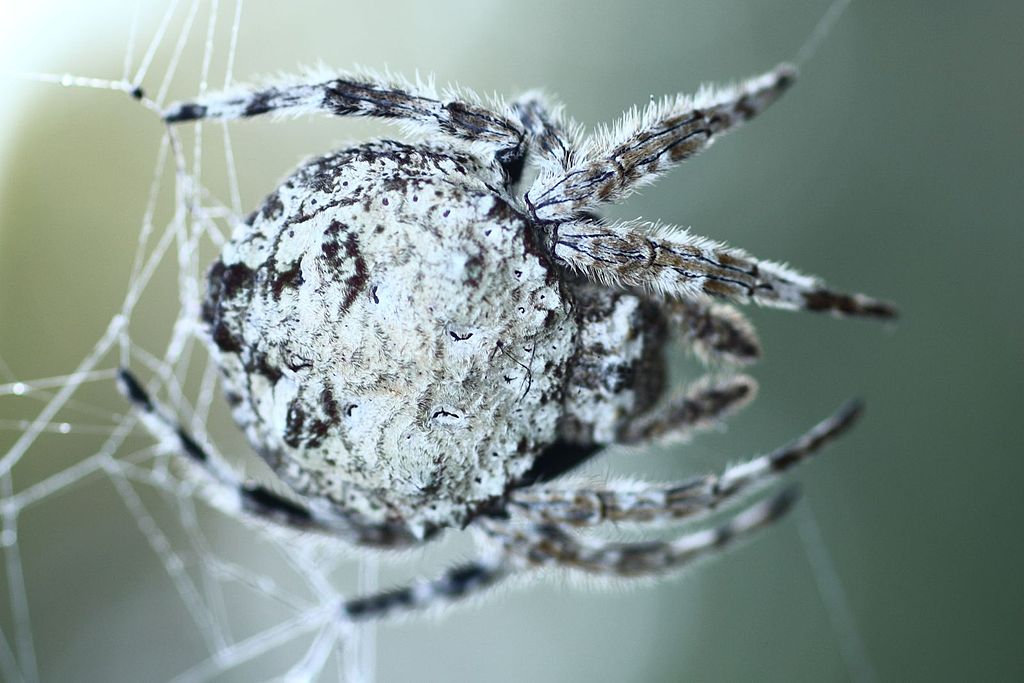
This spider produces silk that’s ten times tougher than Kevlar, the strongest biological material known. They build webs that span entire rivers, sometimes stretching over 25 metres across water.
The webs are so strong they can catch small birds and bats without breaking. Scientists are studying the silk because if we could replicate it, the applications would be revolutionary for materials engineering.
The Portia spider literally hunts other spiders.
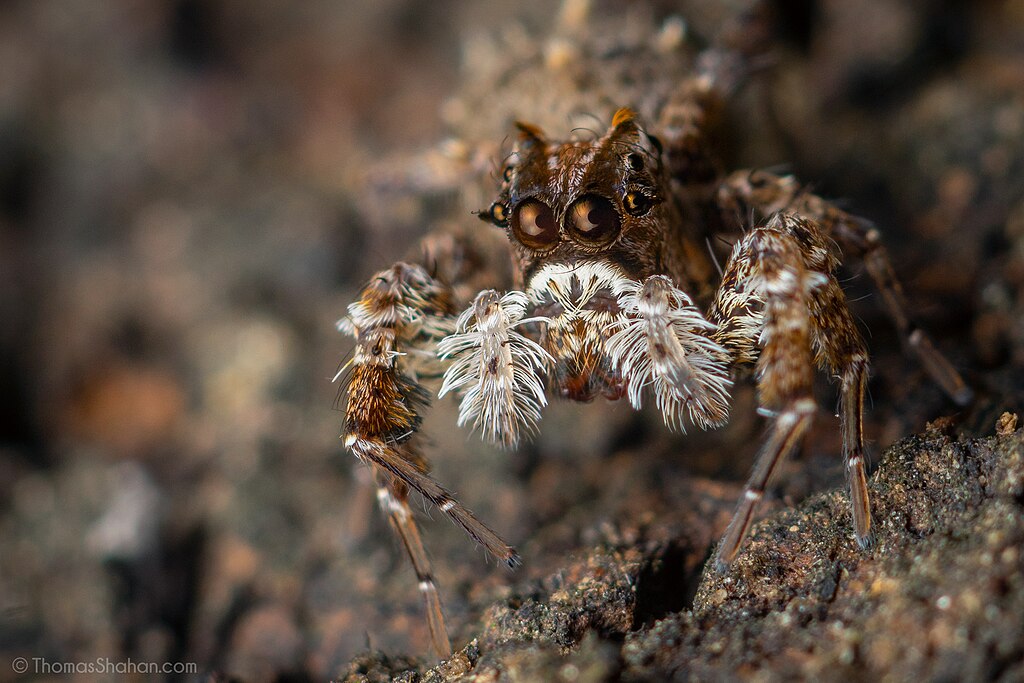
These jumping spiders specifically prey on other spiders, invading their webs and using tactical intelligence to trick them. They’ll pluck web strands in patterns that mimic trapped prey or make the web owner think a mate’s arrived.
They can actually plan and adjust strategies based on what works, showing problem-solving ability that’s shockingly advanced for something with a brain the size of a pinhead. They’re basically spider assassins.
The recluse spider has tissue destroying venom.
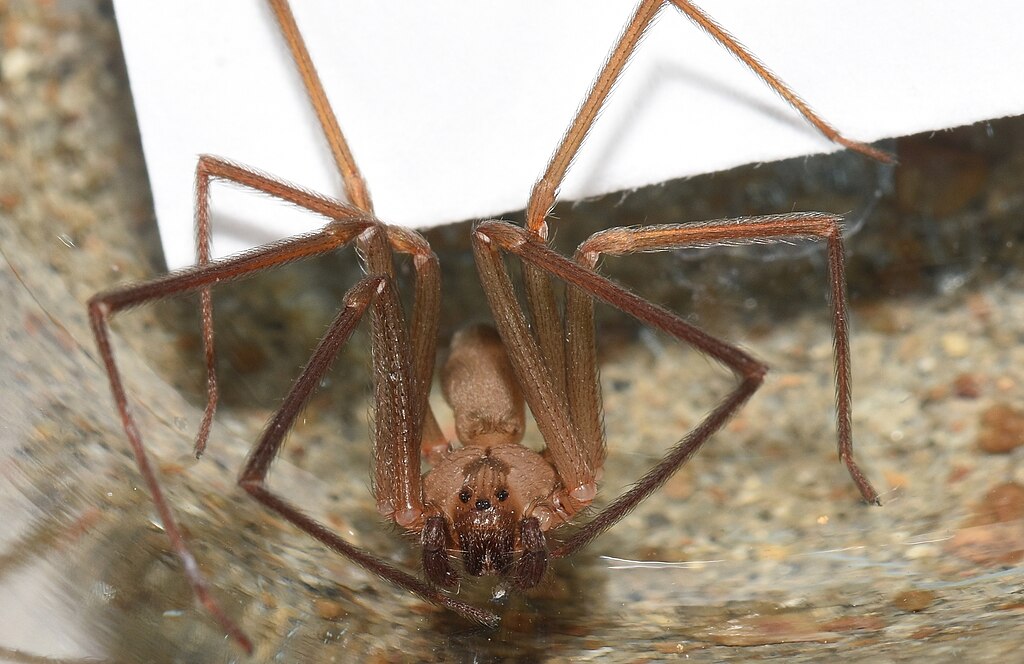
Brown recluse venom contains enzymes that destroy cell membranes and blood vessels, causing wounds that can take months to heal. The bites aren’t always painful initially, but the necrosis that follows can be genuinely horrific.
They’re called recluse because they genuinely avoid people and only bite when accidentally pressed against skin. Most bites happen when people put on clothes or shoes where a spider’s been hiding.
The net casting spider has freakishly enormous eyes.
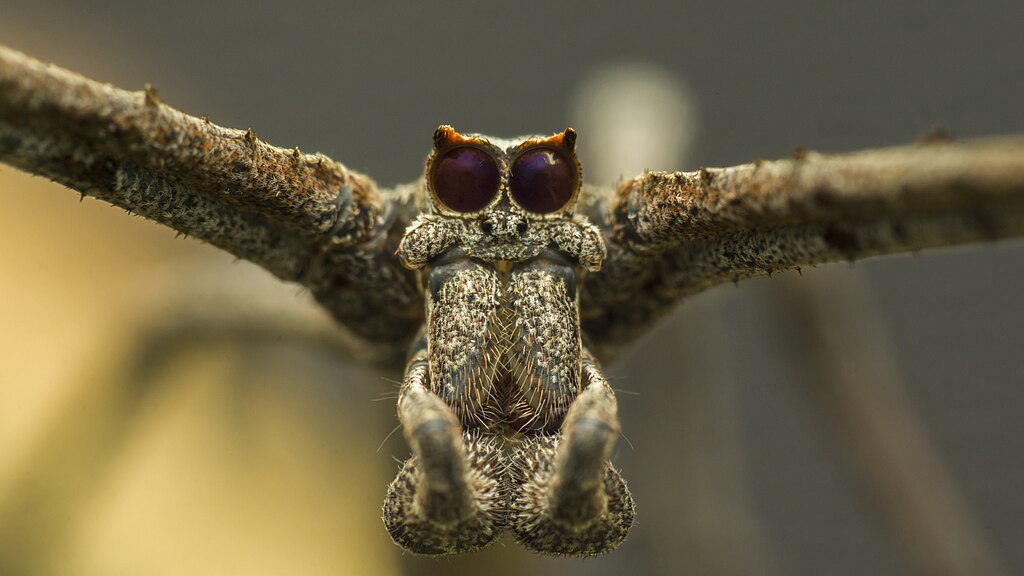
These spiders have the largest eyes relative to body size of any spider, giving them incredible night vision. They hold a small silk net between their legs and actively throw it over passing prey like they’re wielding a tiny fishing net.
The eyes are so sensitive to light that they actually destroy and rebuild them daily. They hunt at night, using those massive eyes to spot prey, then physically cast their web onto victims below.
The wheel spider cartwheels away from danger.
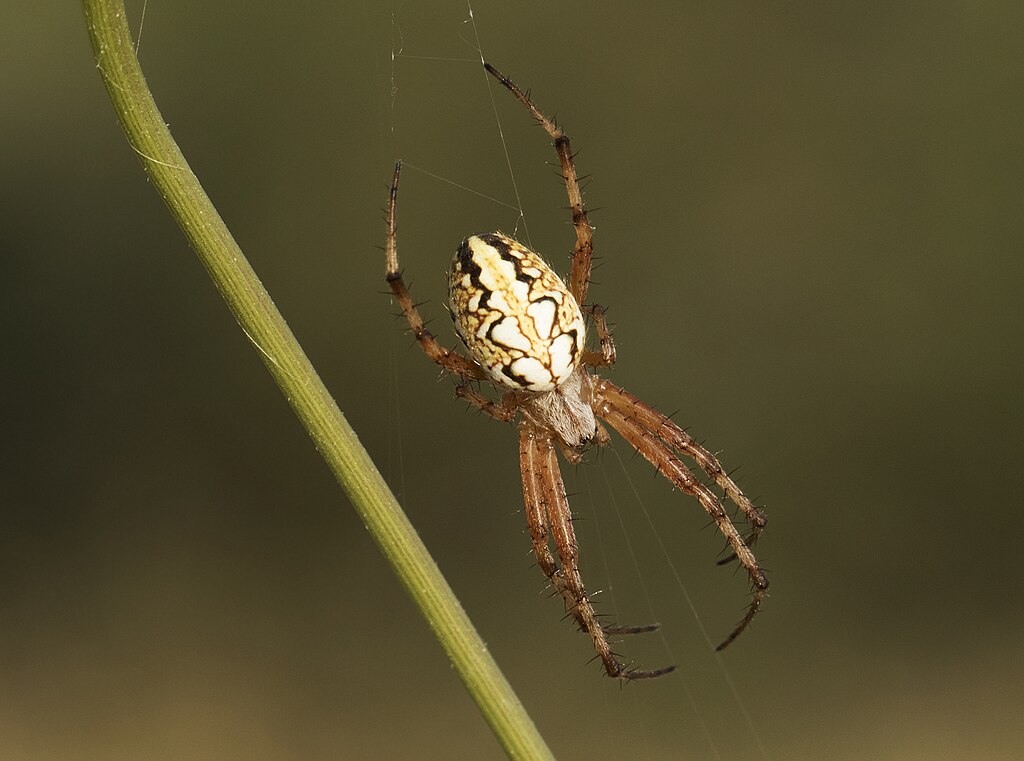
When threatened, this spider tucks its legs in and cartwheels down sand dunes at speeds over a metre per second. It’s a bizarre escape method but incredibly effective in its desert habitat.
Most spiders run or hide, but this one’s evolved to basically become a wheel and roll away from predators. It looks ridiculous, but it’s faster than running and works brilliantly on loose sand where normal movement would be slow.