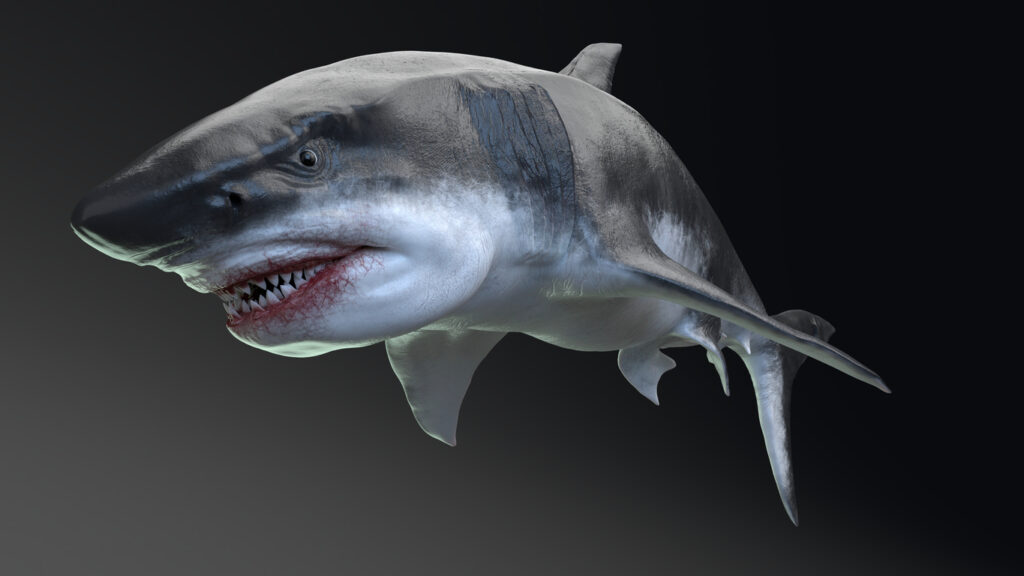
Few creatures spark the imagination quite like the megalodon. This prehistoric shark, estimated to have reached lengths of up to 60 feet, once ruled the oceans with unmatched power. Its fossilised teeth, which were bigger than a human hand, are a reminder of a time when almost nothing could challenge it. However, for years, a question has lingered in the public imagination: could megalodon still be alive, hidden somewhere in the unexplored depths of the ocean?
It’s a fascinating idea, and one that’s fuelled countless documentaries, internet rumours, and deep-sea myths. That being said, while the ocean is vast and mysterious, science paints a far less cinematic picture. Fossil evidence, ocean temperature changes, and the complete absence of modern sightings all point to the same conclusion: megalodon disappeared around three million years ago. Still, its story remains captivating, not just because of its sheer size, but because it reminds us how little we truly know about what once swam beneath the waves.
Fossils confirm it was real.
The megalodon wasn’t just a myth. We know it lived because of fossilised teeth and bones found worldwide. These teeth are enormous, dwarfing those of great white sharks, proving it was once the ocean’s ultimate predator. Finding those fossils confirms megalodon existed between 23 and 3.6 million years ago. That part is fact, not speculation, but what happened after is where people still argue and wonder.
Its size was unimaginable.
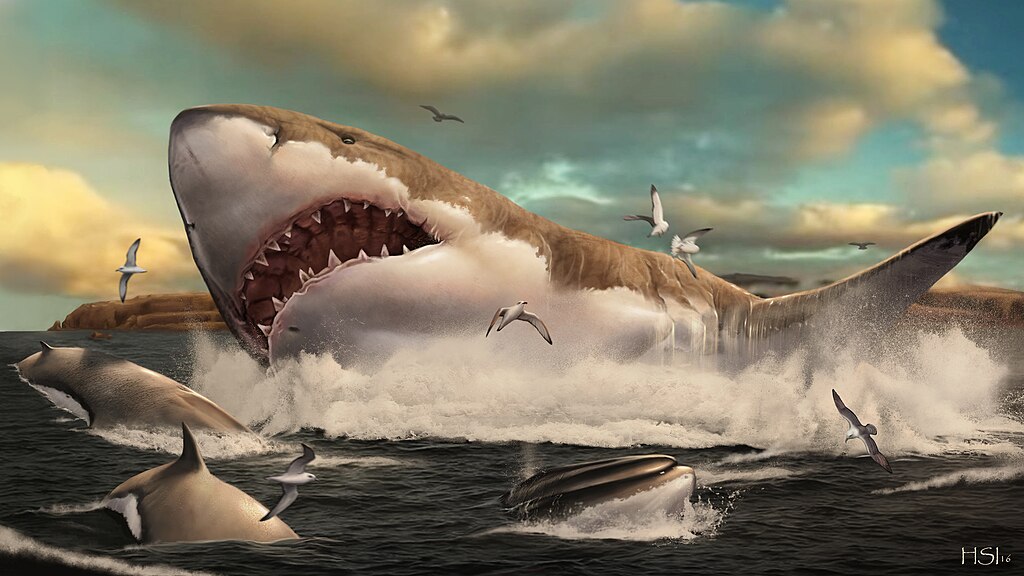
Megalodon is estimated to have reached lengths of 15 to 18 metres, three times the size of today’s great white shark. With jaws wide enough to swallow a car, it dominated the seas like no predator since. This size is exactly why the idea of it still being alive grabs people’s imagination. Something that big would be terrifying to meet, but it’s also what makes its survival less likely.
The fossil record shows extinction.
The youngest megalodon fossils date back to around 3.6 million years ago. After that, evidence disappears completely. No recent fossils, teeth, or bones have ever been found from later periods. If the shark were still alive today, scientists expect we’d see newer fossils showing up. The complete lack of recent evidence points strongly towards extinction rather than survival.
The oceans have changed.

Megalodon thrived when oceans were warmer and food sources were abundant. Climate changes cooled the waters, and many of its prey species disappeared, making survival much harder for such a massive animal. Big predators need a steady food supply. Without whales and large marine animals in high numbers, a shark that size simply wouldn’t be able to sustain itself in today’s oceans.
No sightings hold up scientifically.
Over the years, people have claimed to spot giant sharks they believe could be megalodons. But none of these reports have ever been backed up with strong evidence like photos, teeth, or remains. Without proof, sightings stay in the realm of legend and wishful thinking. Science relies on hard evidence, and so far, that’s completely missing from modern oceans.
Deep oceans fuel speculation.
The ocean is vast, and much of it remains unexplored. This mystery leads people to wonder if a megalodon could survive deep below, out of human reach. The idea feels exciting, but is hard to back up. Large predators leave traces, whether through hunting patterns, remains, or encounters. A creature as enormous as megalodon wouldn’t easily go unnoticed for millions of years in any environment.
Great whites would reveal clues.
If megalodons were still alive, great white sharks would likely show evidence. They’d avoid areas where such a massive predator roamed, and changes in their behaviour could hint at something bigger present. However, nothing like that’s been observed. Great whites dominate as top predators today, which suggests they’re not sharing the seas with anything even larger keeping them in check.
Whales would also show signs.
Whales were a favourite prey for megalodons. If these sharks still existed, whale populations would likely show scars, losses, or changes in behaviour linked to such attacks. Instead, modern whale populations show no evidence of this kind of pressure. They still face challenges, but megalodon predation isn’t one of them, which again suggests extinction.
Ancient DNA hasn’t been found.
For some extinct animals, ancient DNA offers clues, but no usable megalodon DNA has ever been recovered from fossils or sediments. That lack makes it nearly impossible to track survival into modern times. Without genetic evidence, scientists can’t confirm anything beyond fossils. This adds to the view that megalodon is gone rather than secretly thriving unseen in today’s oceans.
Movies keep the myth alive.
Films and documentaries often imagine megalodons surviving in hidden trenches. These stories fuel public interest, making people question whether science might be missing something important in the depths. Of course, it’s important to remember that fiction isn’t fact. While stories keep the idea alive, they don’t change the overwhelming scientific evidence pointing towards extinction millions of years ago.
Survival would look different.
If megalodons had somehow survived, we’d likely see them adapted to today’s oceans. They might be smaller, with different diets, but still leaving signs of their existence across marine ecosystems. The absence of such evidence shows the survival scenario doesn’t fit. Evolution changes species, but even a smaller megalodon would still leave teeth, bones, or sightings behind.
Extinct doesn’t mean forgotten.
While megalodons aren’t alive today, their legacy still matters. Studying them reveals how ecosystems once worked and how climate change can shape survival for even the mightiest creatures. They may be gone, but they still inspire awe and respect. The fascination itself shows how powerful nature’s giants remain in our imagination, even when they exist only in fossil form.