Black holes are some of the strangest and scariest objects in the universe.
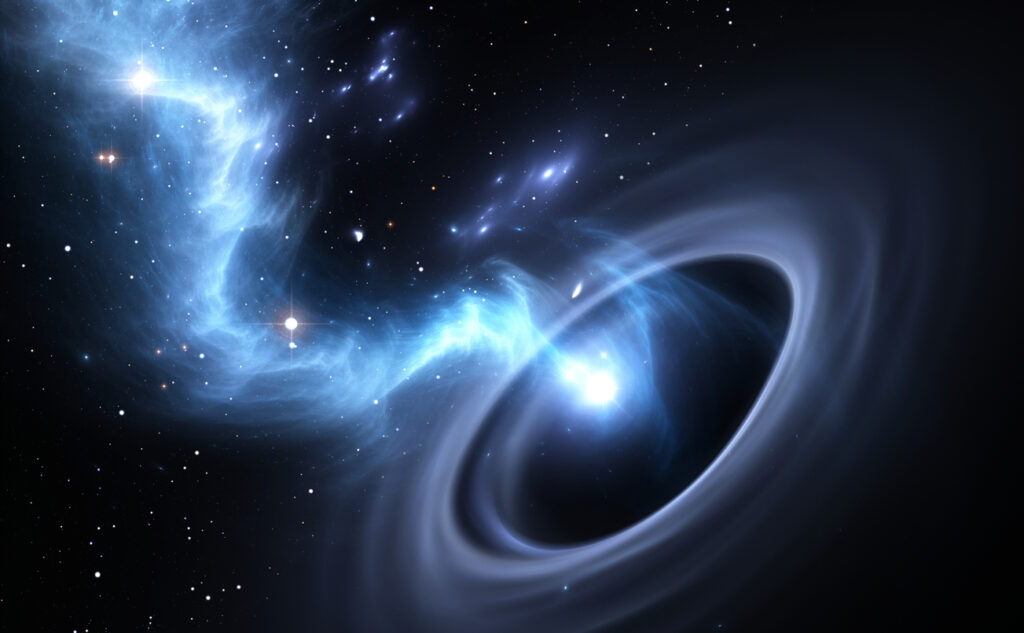
They don’t just bend the rules of physics, they break them completely. Think too hard about them at night, and you’ll probably end up staring at the ceiling, wide awake, wondering how anything so extreme can exist. But, if you’re a bit of a masochist, here are 15 black hole facts you might wish you didn’t know. They’re the sort of things that make space thrilling, but also a little bit terrifying.
1. Once you cross the event horizon, there’s no coming back.
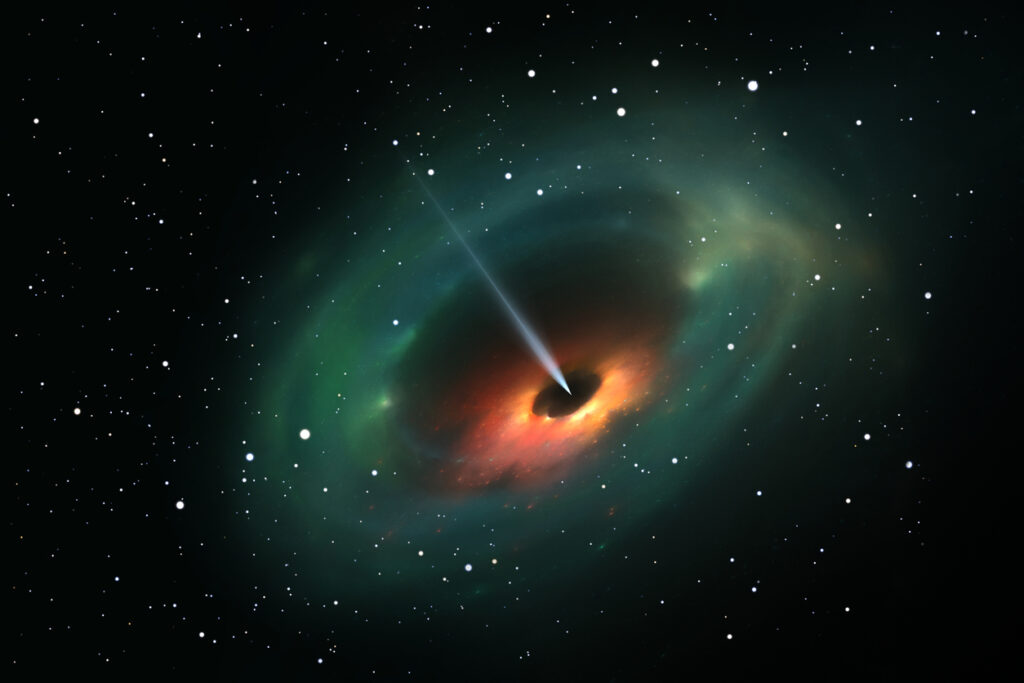
The event horizon is like the ultimate cosmic trapdoor. It marks the invisible boundary where escape becomes impossible. Cross that line, and not even light can get out, which is why black holes are black in the first place.
If you were unlucky enough to fall past it, no message, no scream, not even a flicker of a torch could reach the outside universe. To anyone watching from afar, you’d just vanish. Scientists use this edge to study how black holes work, but to the rest of us, it’s the stuff of nightmares: a place where reality itself just stops letting you out.
2. Time slows dramatically near one.
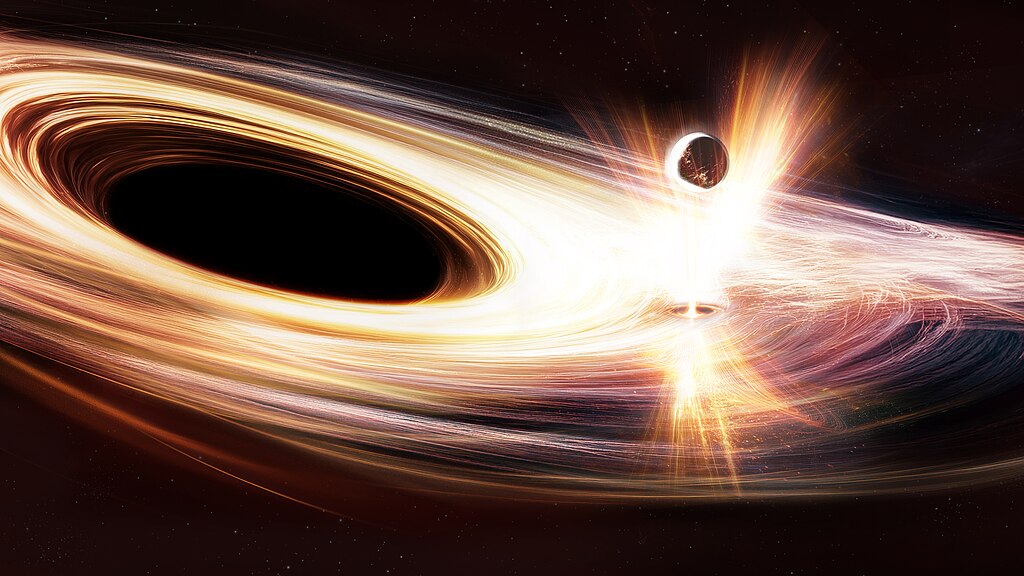
Einstein’s theory of relativity says gravity warps not just space, but time itself. Near a black hole, that effect is dialled up to extremes. If you hovered safely just outside the event horizon, minutes for you could pass while decades tick by for everyone else.
In theory, you could travel close to a black hole and return to find centuries of history have gone by. It’s a real, measurable phenomenon called time dilation, and black holes are where it becomes most extreme. It makes them both terrifying and oddly like a natural time machine.
3. They can grow forever.
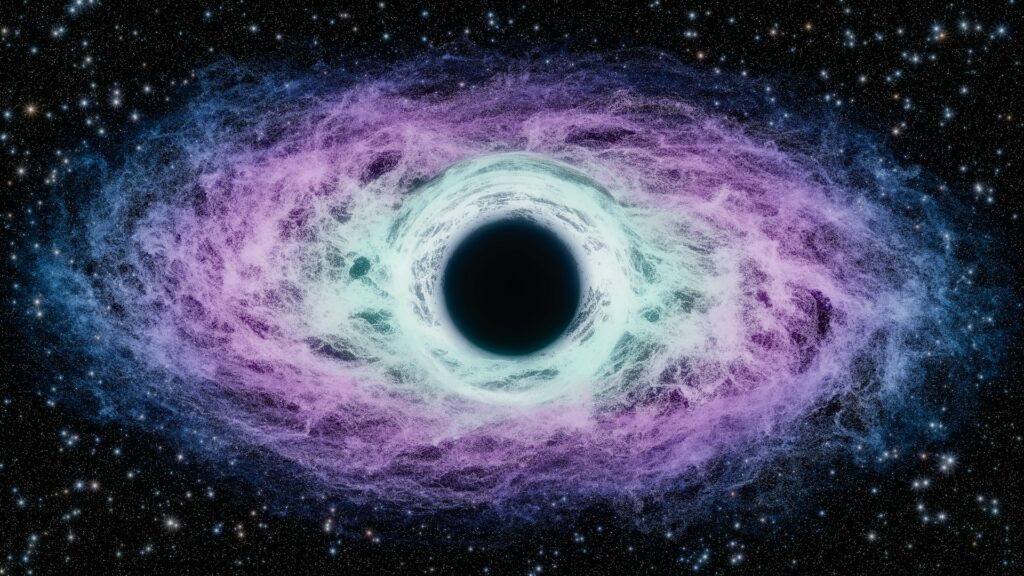
Black holes don’t have an upper limit. Feed them gas, stars, planets, even other black holes, and they’ll just keep growing. The biggest we’ve spotted, like the monster in the galaxy TON 618, are billions of times heavier than our Sun.
It’s unsettling to think of something that never stops eating. Thankfully, these giants sit far away, in the centres of distant galaxies. However, their sheer size makes them some of the most powerful objects in the known universe.
4. Falling in means being stretched like spaghetti.
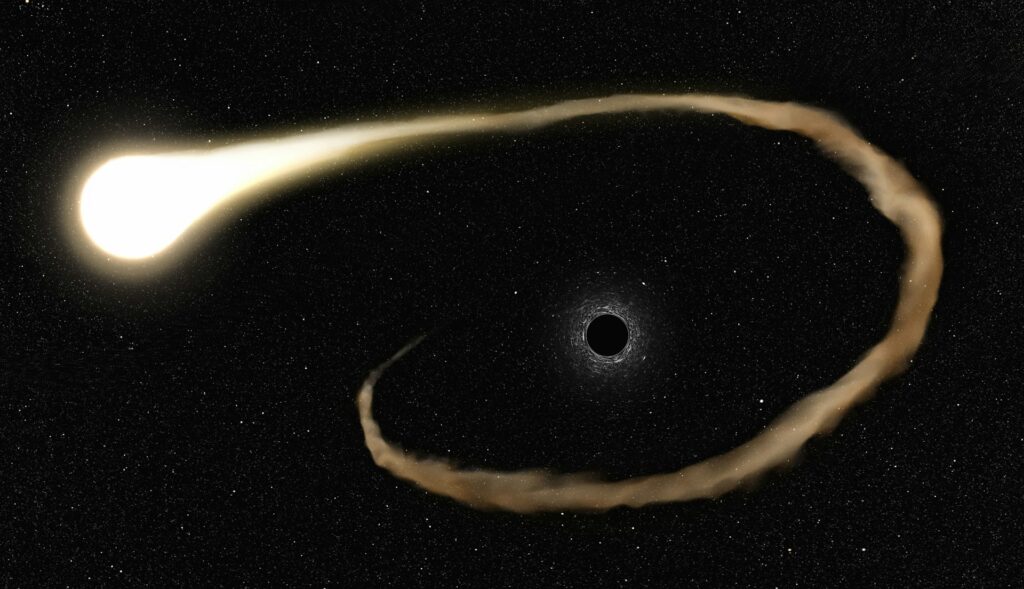
Get too close to a black hole and gravity doesn’t just pull, it stretches. The force is stronger at your feet than your head, yanking you into a noodle-thin strand. Scientists call this process “spaghettification,” which sounds funny until you picture it happening to you.
It’s one of those reminders that black holes aren’t just abstract theories. They’re brutal, and matter, whether a spacecraft, a star, or you, doesn’t survive intact if it strays too near.
5. Some black holes fire out deadly jets.
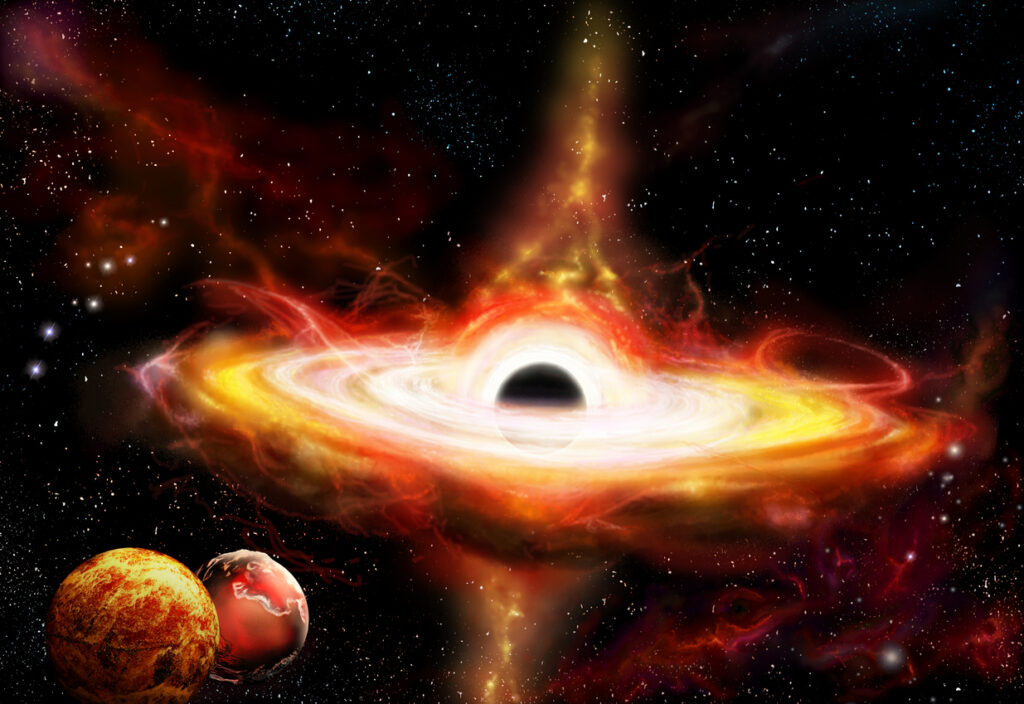
Here’s the weird part: while black holes trap almost everything, they also spew energy. The chaos just outside the event horizon causes some to fire jets of radiation and particles at nearly the speed of light. These beams can stretch for thousands of light years.
If one were aimed at Earth, it would strip our atmosphere in moments, but luckily, the nearest ones point elsewhere. Still, the idea of a black hole spitting energy across entire galaxies is as awe-inspiring as it is terrifying.
6. They can erase entire stars.
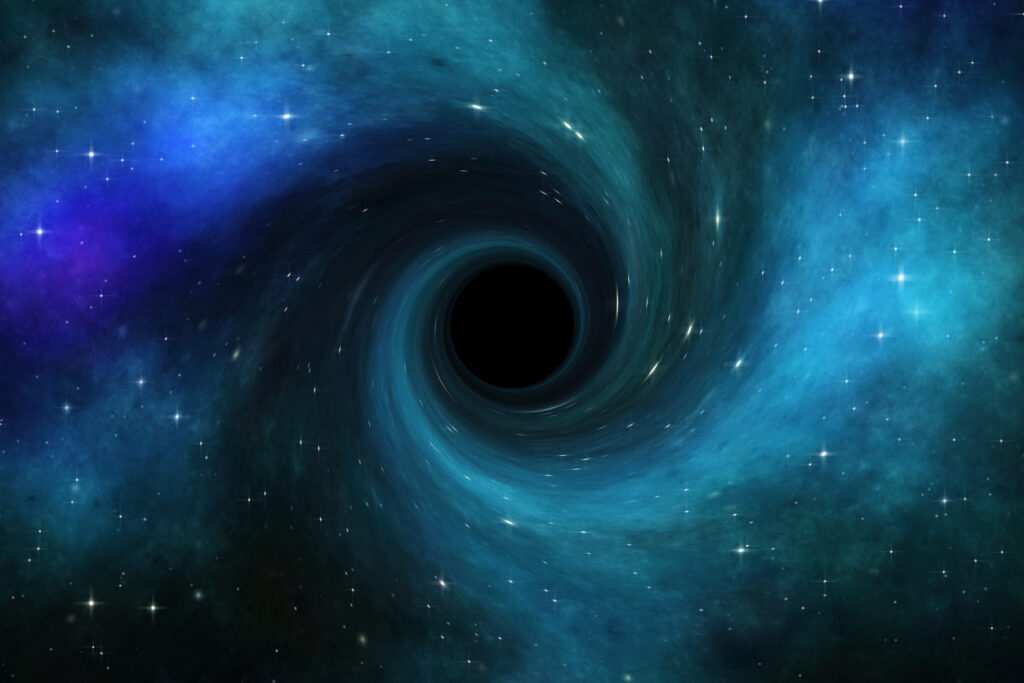
When a star drifts too close, a black hole tears it apart in seconds. Astronomers have watched this happen: a star gets shredded, its gas spirals inward, and the energy released outshines entire galaxies.
It’s called a “tidal disruption event,” and it’s both beautiful and brutal. Even the most powerful stars, burning for billions of years, don’t stand a chance once a black hole gets hold of them.
7. The biggest ones shape entire galaxies.
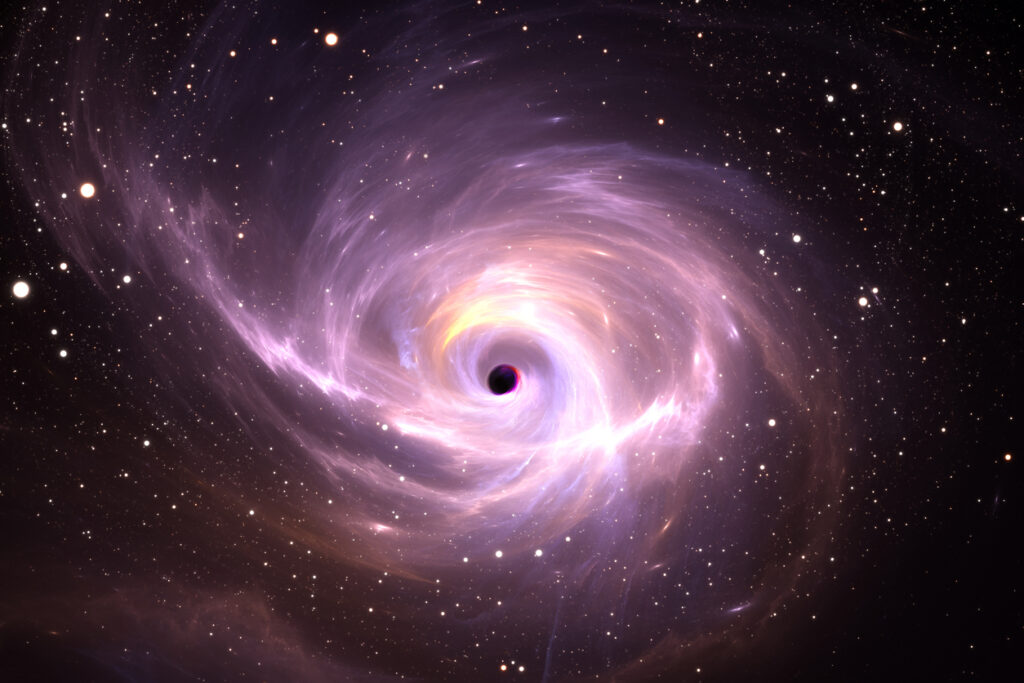
At the heart of almost every galaxy sits a supermassive black hole. Ours, called Sagittarius A*, holds our Milky Way together, influencing how stars orbit and how gas clouds move. Without it, the galaxy wouldn’t look the way it does.
In a strange way, black holes are cosmic architects. They’re destructive up close, but on a galactic scale, they’re vital for shaping the universe’s structure.
8. They can merge into even bigger ones.
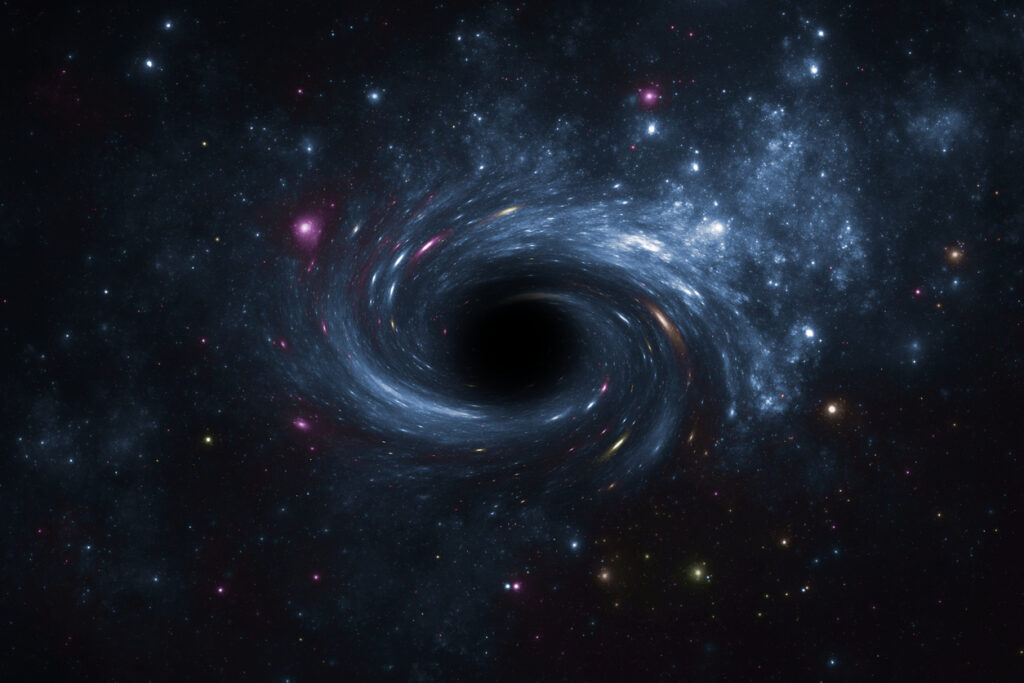
When two black holes collide, they don’t just blend quietly. The smash-up sends ripples through spacetime, which are literal waves in the fabric of the universe. These “gravitational waves” were first detected in 2015, confirming Einstein’s predictions a century after he made them.
The idea of two invisible giants colliding light years away and still shaking our detectors on Earth is eerie. But it also opened a brand-new way of exploring the cosmos, letting us “hear” the universe for the first time.
9. Some may wander through space unseen.
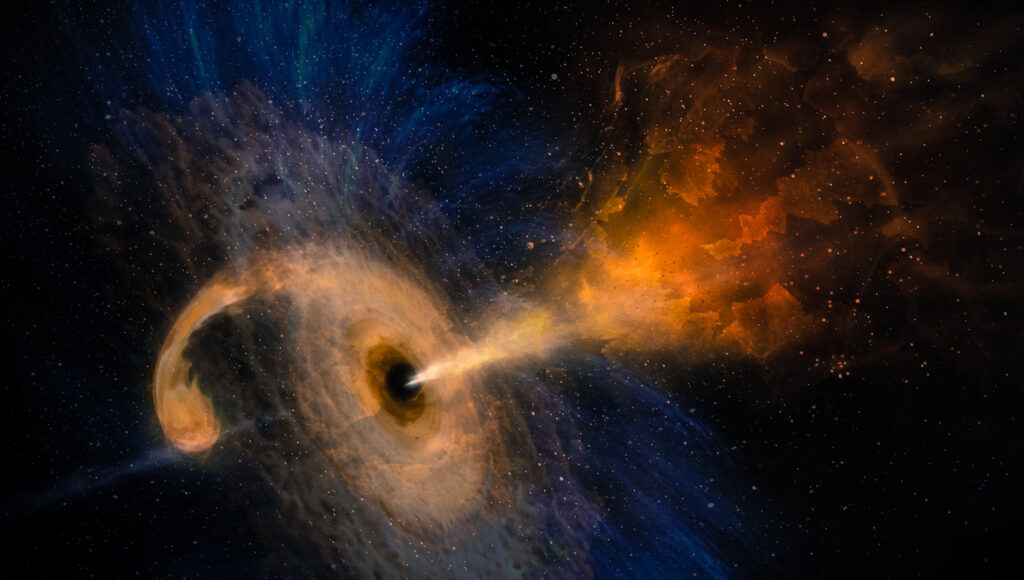
Not all black holes stay put in galactic centres. Some might drift through the cosmos, dark, silent, and almost impossible to spot unless they swallow something. Astronomers think there could be millions of these wanderers in our galaxy alone.
The odds of one passing close to us are tiny, but not zero. It’s the kind of possibility that makes you realise how little control we have over the bigger picture.
10. They can outshine entire galaxies.
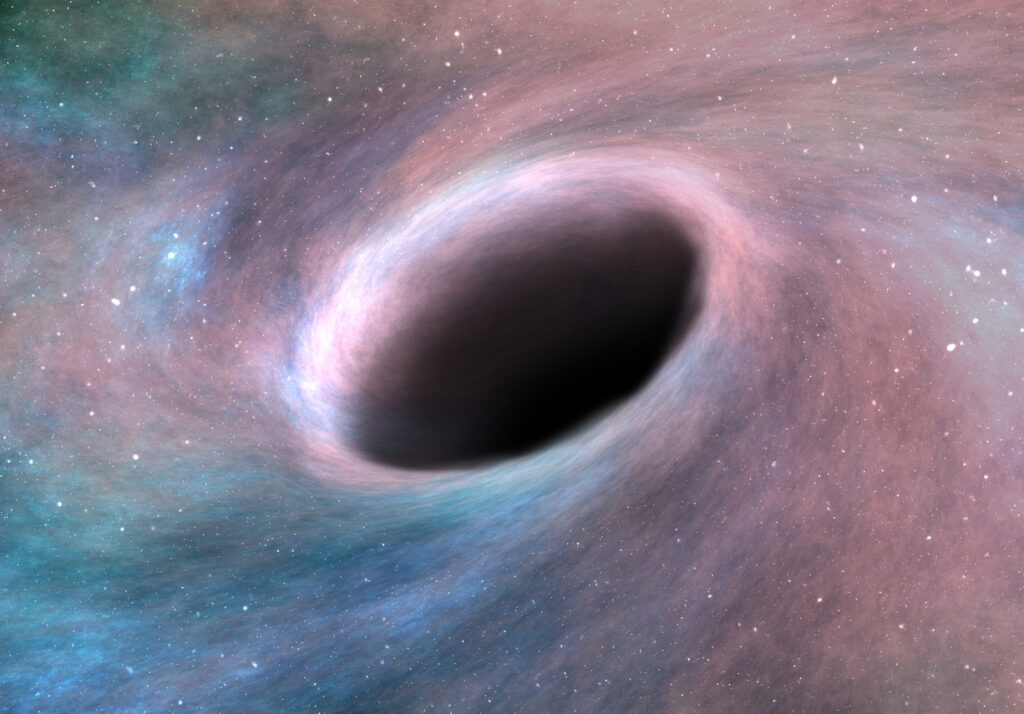
When a supermassive black hole feasts on nearby gas and dust, the material heats up and glows so brightly it creates a quasar. Quasars can outshine billions of stars combined, becoming some of the brightest objects we’ve ever seen.
From afar, they’re breathtaking. Up close, the radiation would be lethal. It’s beauty and destruction rolled into one, lighting up the universe with deadly brilliance.
11. Their centres break physics.
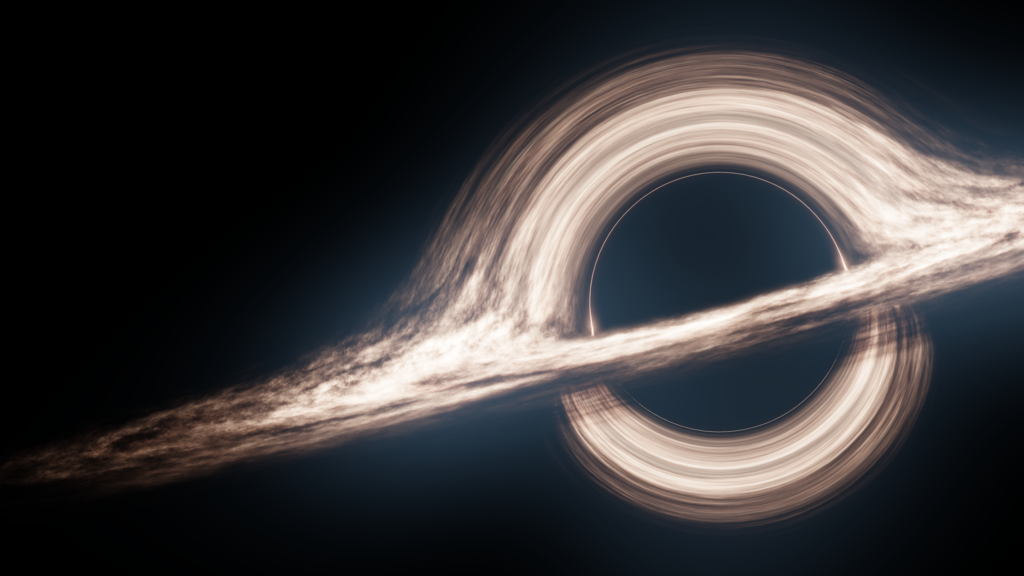
At a black hole’s heart lies the singularity, a point where matter is crushed infinitely small and dense. Our laws of physics just stop working there; equations collapse, and we have no clear way of describing what actually happens.
This is one of the biggest mysteries in science. Do the rules of quantum mechanics step in? Does matter disappear into another realm? No one knows. It’s both unsettling and exciting because solving it could rewrite everything we understand about reality.
12. They can live longer than stars.
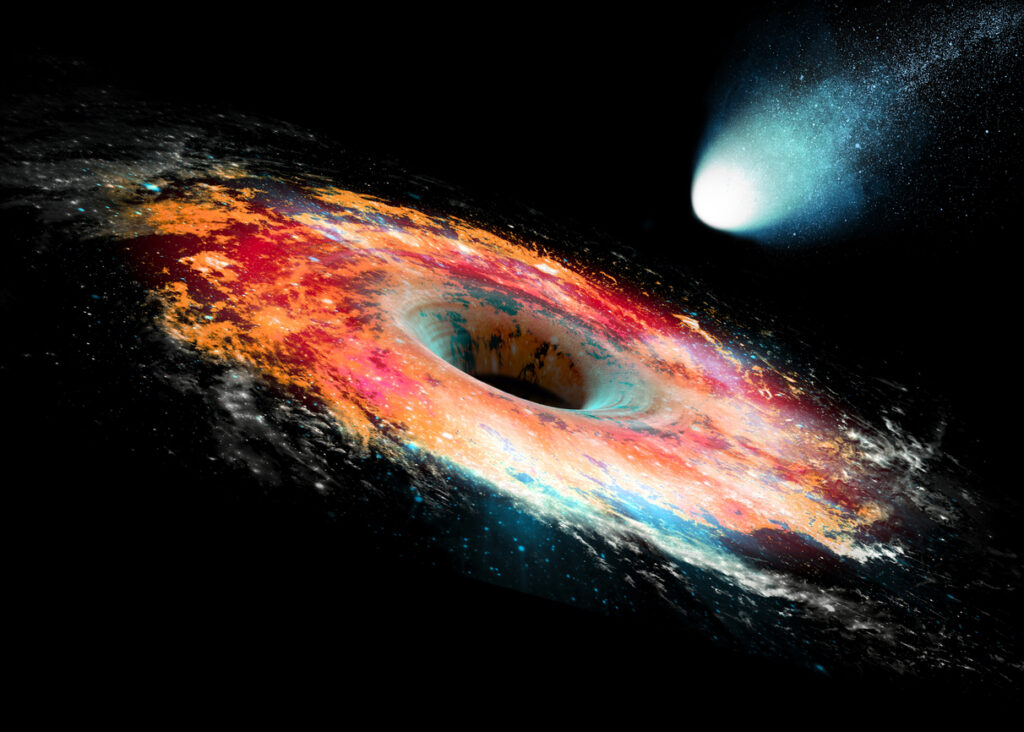
Stars burn bright and eventually die. Black holes, on the other hand, can last longer than the age of the universe. Slowly, over unimaginably long timescales, they’ll leak radiation in a process called Hawking radiation, and eventually fade away.
However, that’s trillions upon trillions of years in the future. If the universe ends in heat death, black holes may be the last things left, silently waiting in the dark.
13. There might be tiny ones all around.
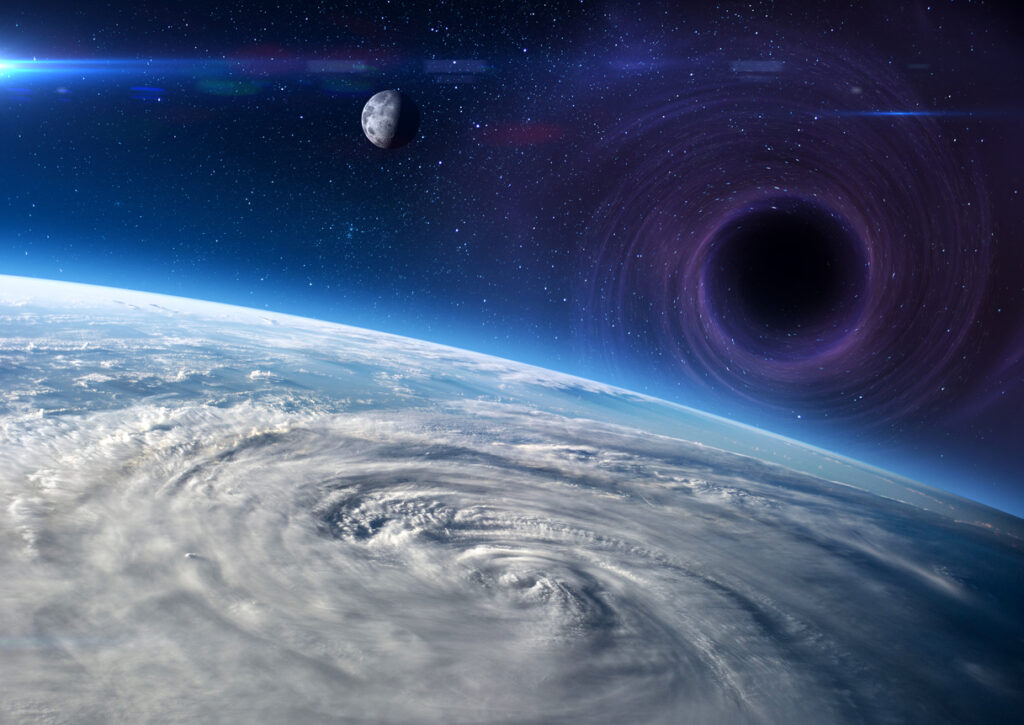
Some theories suggest miniature black holes may have formed right after the Big Bang, created by the extreme density of the newborn universe. If they exist, they’d be smaller than atoms but with masses far greater than mountains.
We haven’t found any yet, but if they’re out there, they could be drifting unnoticed through space. It’s the kind of possibility that makes astronomy both thrilling and a little unsettling.
14. They might connect to other universes.
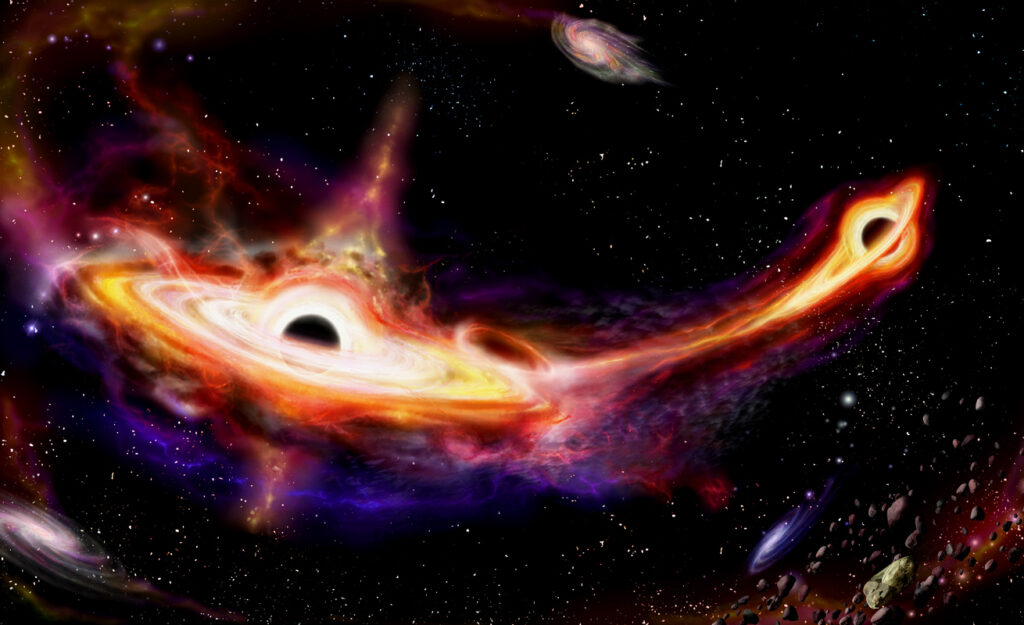
Some physicists have speculated that black holes could act like wormholes, funnelling matter into other universes or dimensions. It’s speculative, but not impossible according to certain models of physics.
Even if true, we’d never survive the journey. Still, the thought that black holes might be gateways to somewhere else makes them even stranger than we already know.
15. The one in our galaxy is huge.
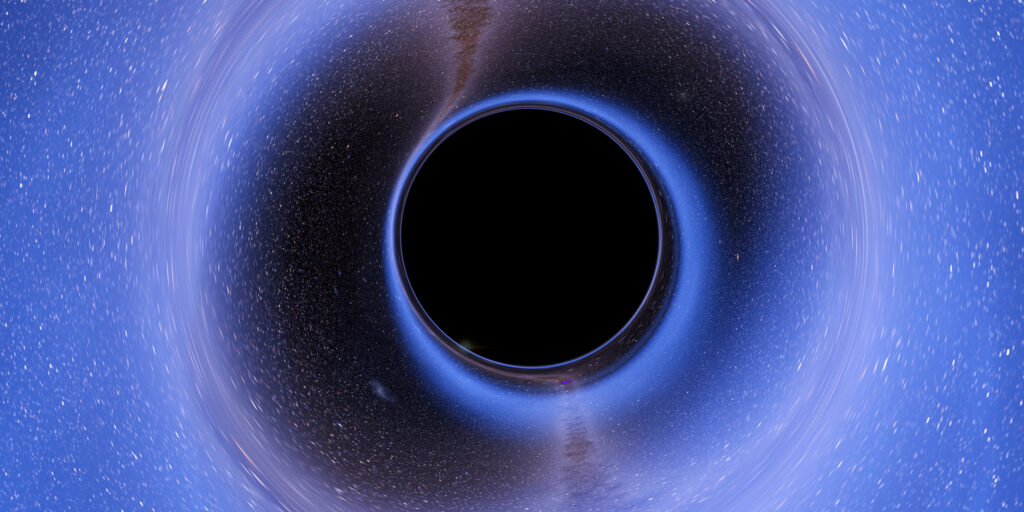
Right in our own backyard, or roughly 26,000 light years away, sits Sagittarius A*, the supermassive black hole at the centre of the Milky Way. It’s about four million times the mass of the Sun, and in 2022, scientists captured its shadow in a historic image.
We’re in no danger since it’s too far away to affect Earth directly, but its gravity shapes our entire galaxy. Knowing such a monster sits quietly at the centre of everything we see in the night sky is both humbling and deeply eerie.