Carnivorous plants have a reputation for snapping shut on unsuspecting flies, and they certainly do that.
That being said, many of them are far more inventive than that. From sticky leaves to water-filled traps, they use clever strategies to capture and digest prey of all kinds. While it’s a bit frightening, it’s also pretty impressive once you know what they’re capable of.
1. Venus flytrap’s snap is just the start.
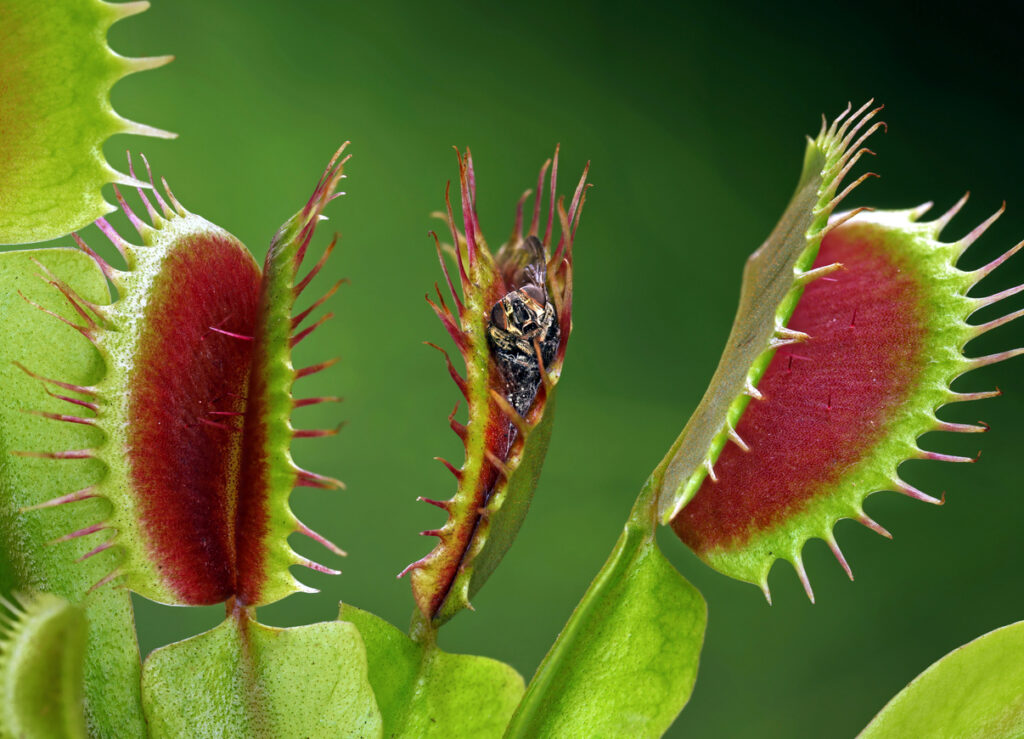
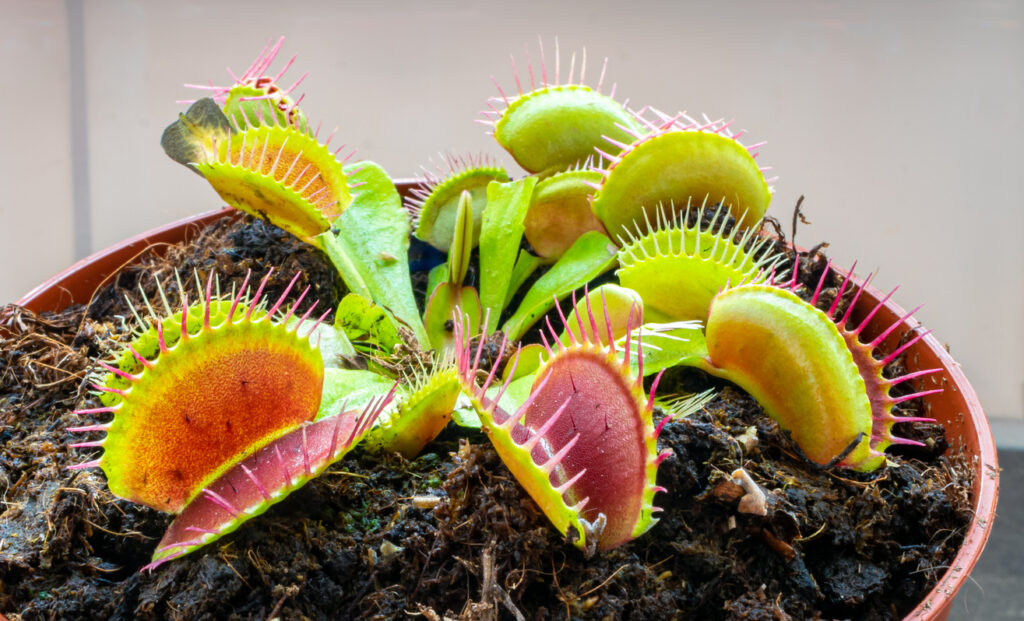
The Venus flytrap is famous for its jaw-like leaves, but the real magic happens after the snap. Once triggered, the trap tightens slowly over hours, sealing in the insect and beginning the process of digestion.
Enzymes then break the prey down into nutrients the plant can absorb. This means the Venus flytrap isn’t simply trapping, but actively converting a meal into energy to thrive in poor soils.
2. Pitcher plants drown their victims.
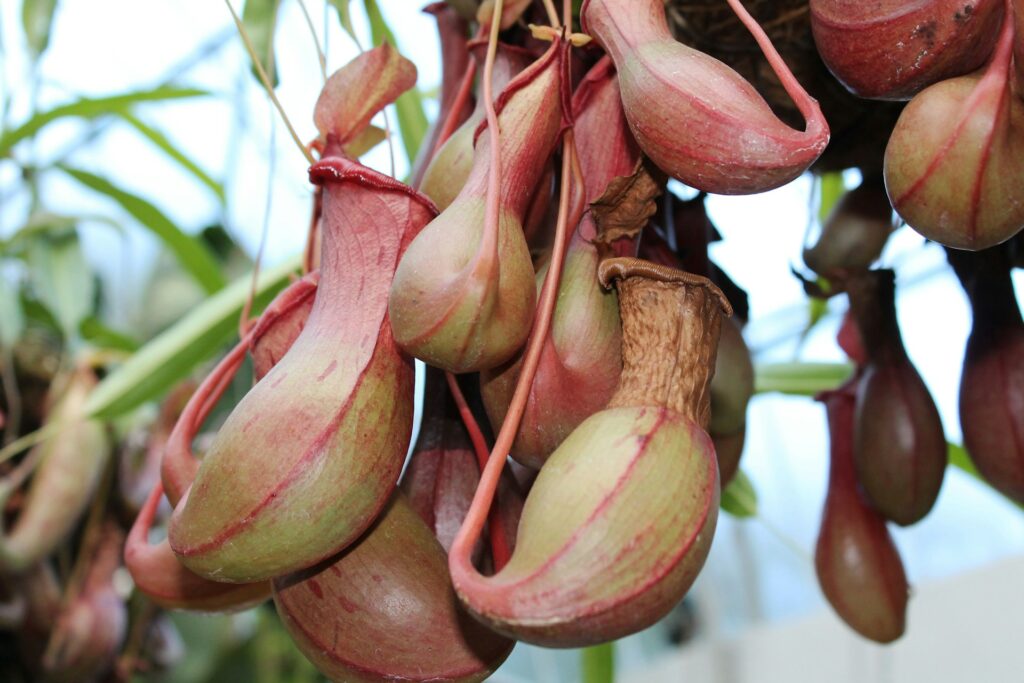
Pitcher plants lure insects with nectar before they tumble into deep, liquid-filled chambers. Once inside, the prey can’t climb the slippery walls, eventually drowning in the digestive fluid waiting at the bottom.
The plant then absorbs nutrients from the soup of softened bodies. Some larger pitcher species have even been known to trap frogs and small mammals, proving they’re not just fly-catchers.
3. Sundews use glue-like tentacles.
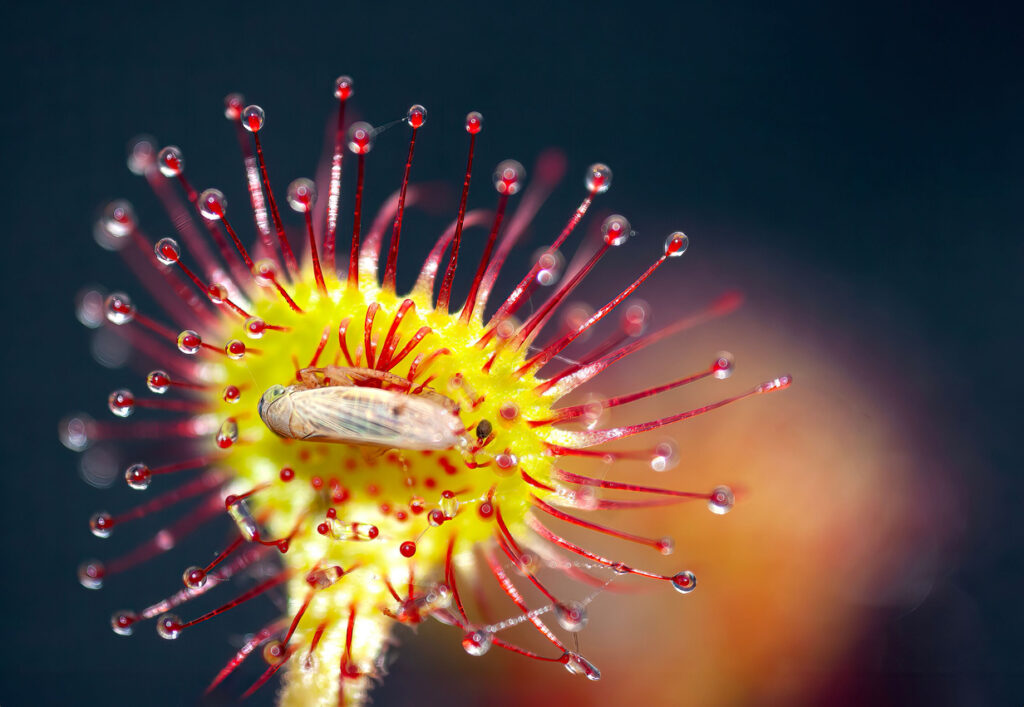
Sundews look delicate with their glistening, dew-covered leaves, but those droplets are sticky traps. Insects that land on them quickly become stuck as the plant slowly curls around its prey.
The combination of sticky glue and movement ensures escape is nearly impossible. Once captured, the insect is digested right where it landed, giving the sundew a steady supply of nutrients.
4. Bladderworts suck prey with vacuum power.
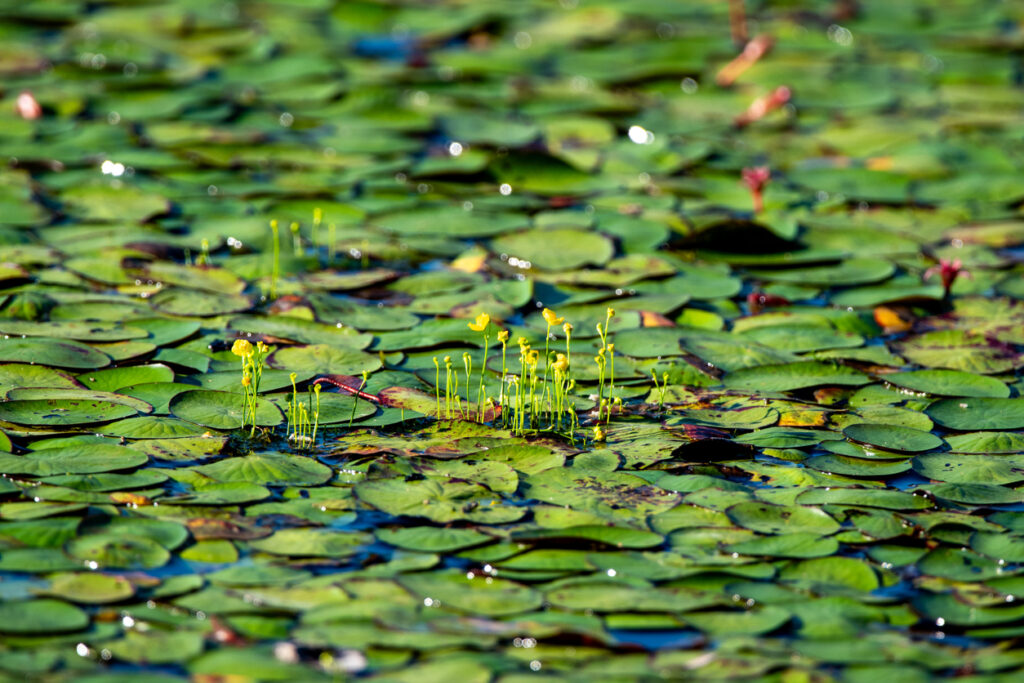
Bladderworts live in ponds and wetlands, where they use tiny underwater sacs to capture prey. These bladders create a vacuum that sucks in water, along with any small creatures swimming nearby.
In less than a millisecond, the bladder snaps open and closes again, trapping unsuspecting organisms. It’s one of the fastest movements in the plant kingdom, far beyond a simple trap.
5. Butterworts dissolve with sticky leaves.
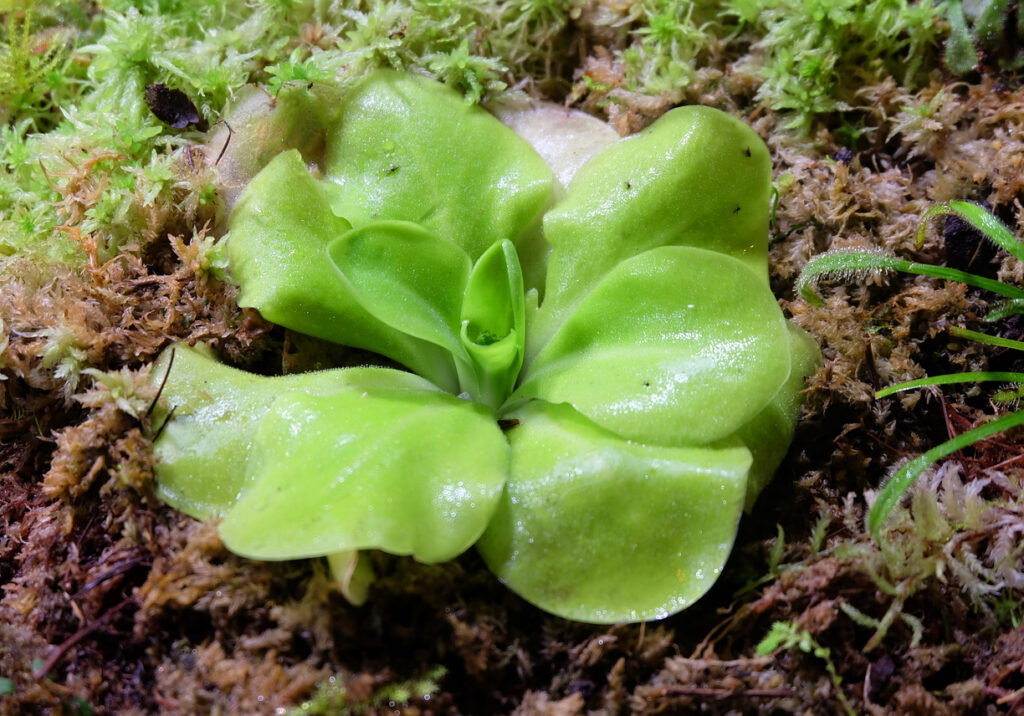
Butterworts have broad, greasy leaves that shine in the light, tempting insects to land. Once they do, the surface’s stickiness holds them in place, while glands begin releasing digestive enzymes.
This method makes butterworts useful allies against gnats and midges. Rather than snapping shut, they act more like living flypaper that digests what it catches.
6. Cobra lilies trick with hidden exits.
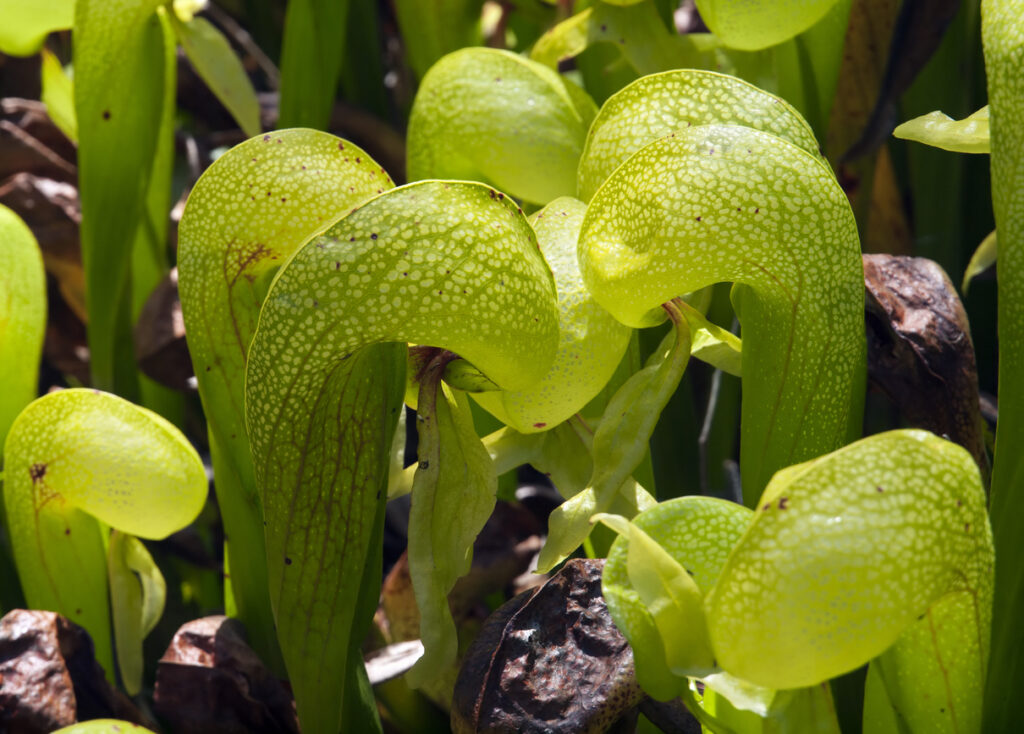
The cobra lily, with its hooded, snake-like leaves, uses trickery instead of brute force. Insects enter the plant, lured by colour and nectar, but are trapped inside a chamber full of confusing false exits.
As the insects tire themselves out, they eventually fall deeper into the tube, where they’re digested. The cobra lily’s cunning design makes escape virtually impossible once an insect is inside.
7. Monkey cups recycle nutrients in teams.
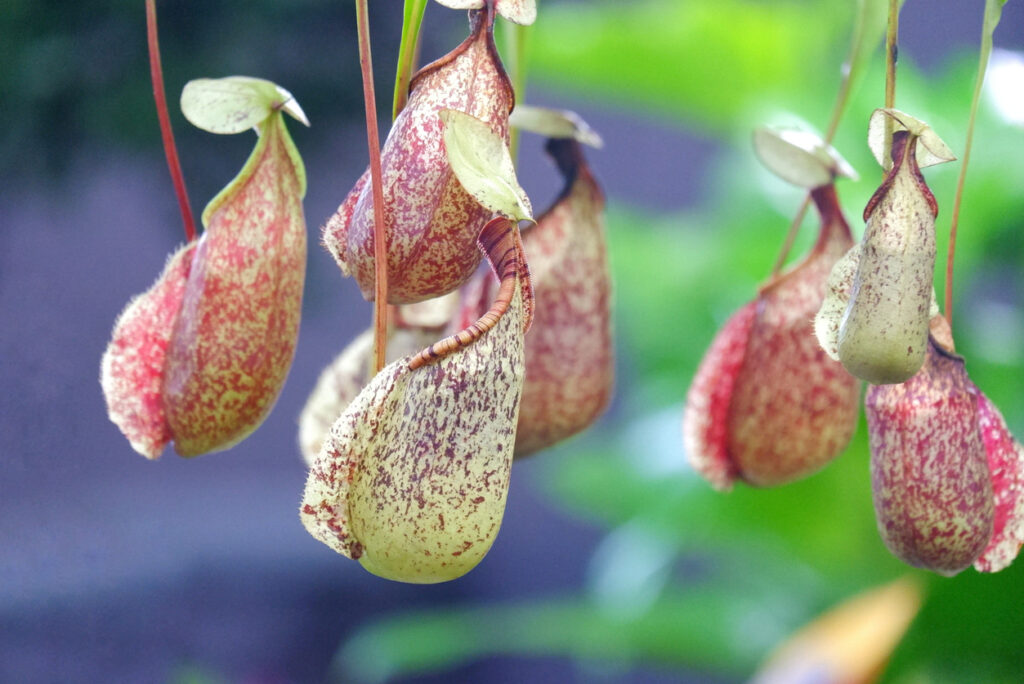
Monkey cup pitcher plants grow in tropical forests and sometimes work in tandem with animals. Monkeys, tree shrews, and even bats visit them for nectar or shelter, leaving behind droppings that add nutrients to the plant.
This means monkey cups aren’t just fly-trappers but recyclers, using both prey and visiting animals to enrich the poor soils where they grow. It’s a unique survival strategy that benefits both sides.
8. Waterwheels spin to catch aquatic prey.
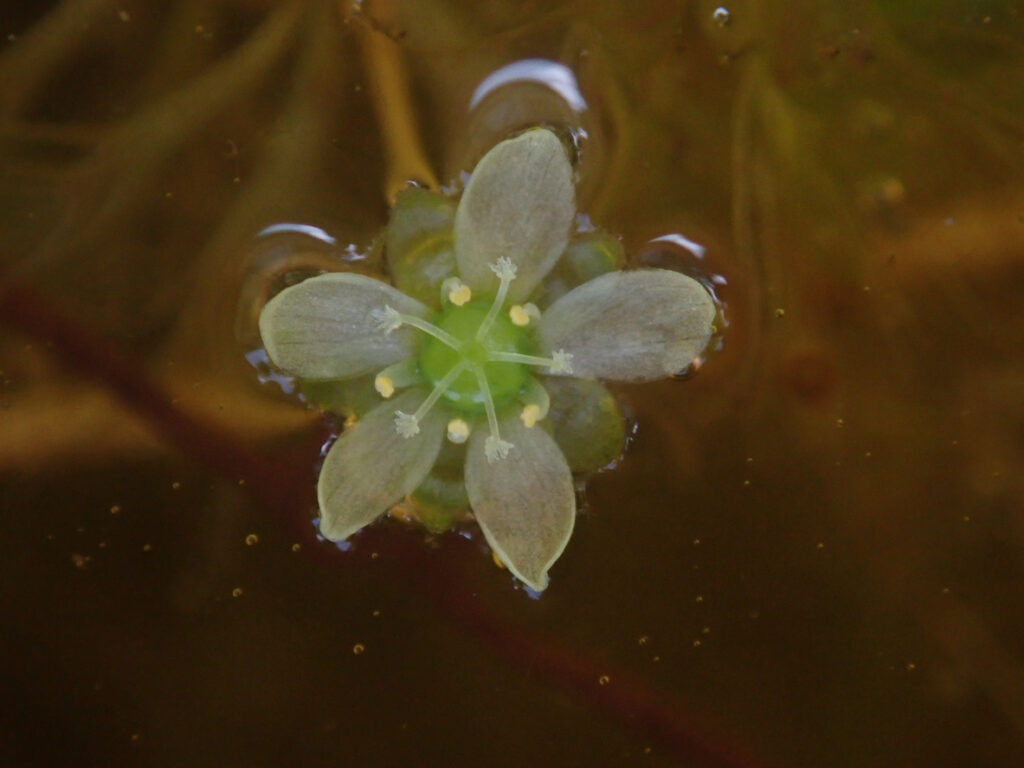
Related to the Venus flytrap, the waterwheel plant floats in water and uses snapping traps along its stem. These traps close rapidly when tiny aquatic creatures brush against trigger hairs.
The wheel-like arrangement means it can catch prey from all angles. It’s one of the few carnivorous plants that lives entirely in water, making it far more versatile than simple flytraps.
9. Roridula partners with assassin bugs.
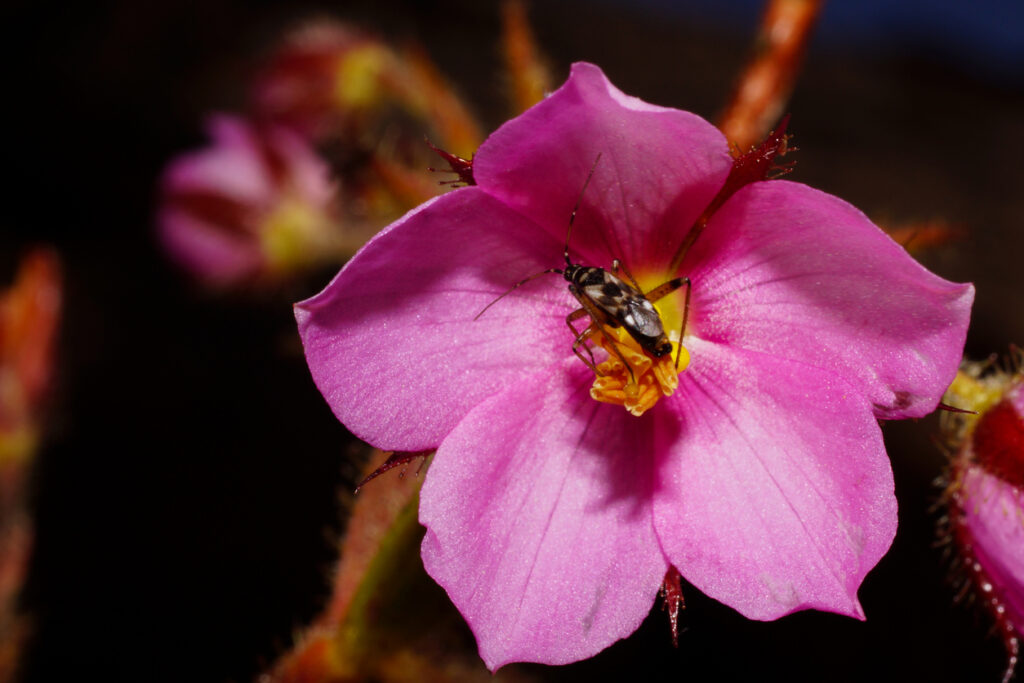
Roridula plants in South Africa trap insects with sticky leaves but can’t digest them on their own. Instead, they rely on assassin bugs that live among the leaves and feed on the stuck prey.
The bugs’ droppings provide nutrients the plant can absorb. This unusual partnership shows that some carnivorous plants do more than trap. They build relationships to survive, and that’s important.
10. Tropical pitchers lure with sweet scents.
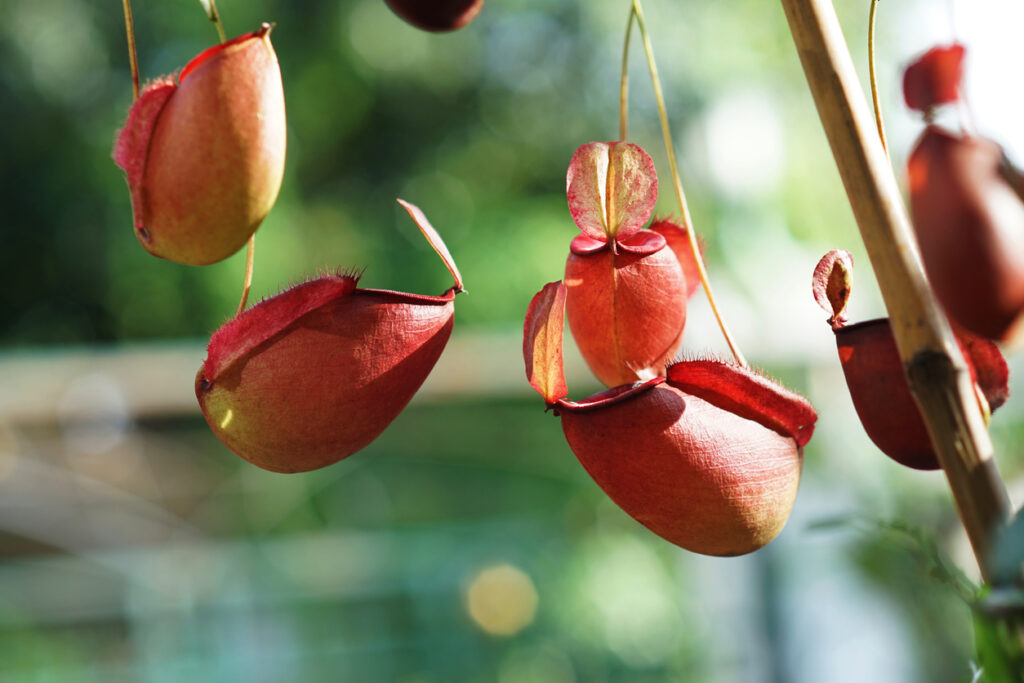
Many tropical pitcher plants have evolved to smell irresistibly sweet, tricking insects into mistaking them for flowers. Drawn in by the scent, the insects tumble into the liquid chambers waiting below.
These pitchers are so effective that whole colonies of ants have been found inside. Their sweet disguise makes them far more devious than a simple trap suggests.
11. Nepenthes rajah traps surprising prey.
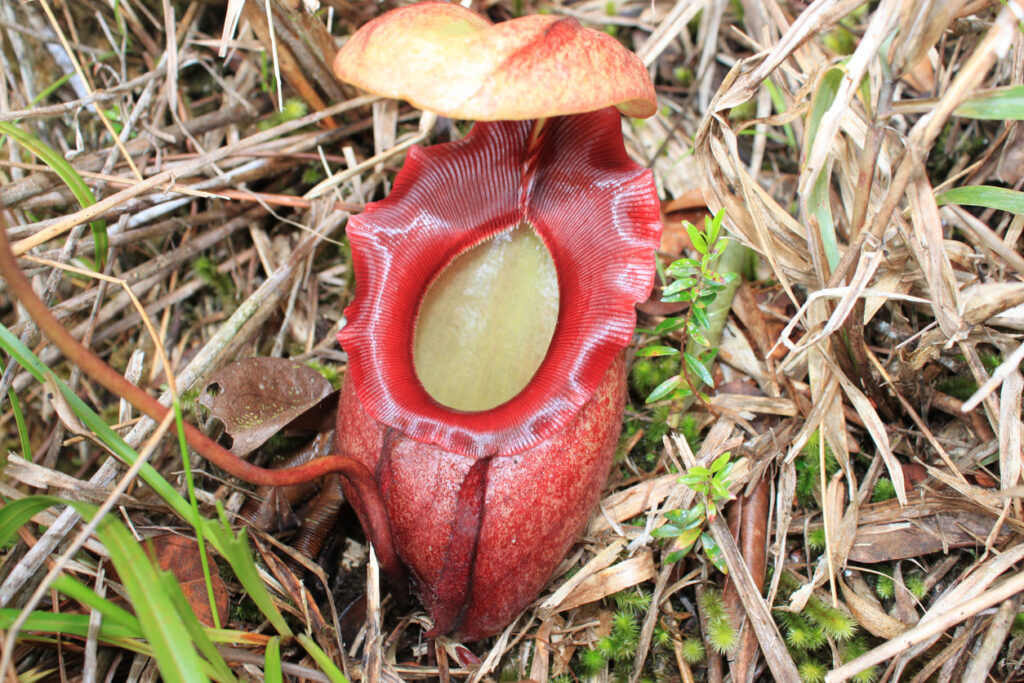
Nepenthes rajah, one of the largest pitcher plants in the world, has been known to capture small vertebrates like lizards, frogs, and even rodents. Its enormous pitchers are the size of footballs and can hold litres of liquid.
This scale makes it one of the most dramatic carnivorous plants on Earth. It goes far beyond trapping flies, showing how diverse and formidable these species can be.
12. Carnivorous plants inspire science.
The unusual strategies of carnivorous plants aren’t just curiosities. What’s so cool is that they also inspire technology. Scientists study their fast snaps, slippery surfaces, and suction mechanisms to design better materials and machines.
From medical adhesives to robotics, their influence reaches far beyond the bogs and rainforests where they grow. They’re proof that nature’s creativity extends well past the idea of simply catching flies.