Many of the vegetables we eat today definitely didn’t always exist in nature the way we know them today.
Centuries of selective breeding and experiments have transformed humble plants into the staples on our plates. It’s a good thing, really, as we’ve clearly mastered some super delicious (and nutritious) plants as a result. These are just some of the vegetables that are products of human innovation.
1. Broccoli was carefully selected from wild cabbage.
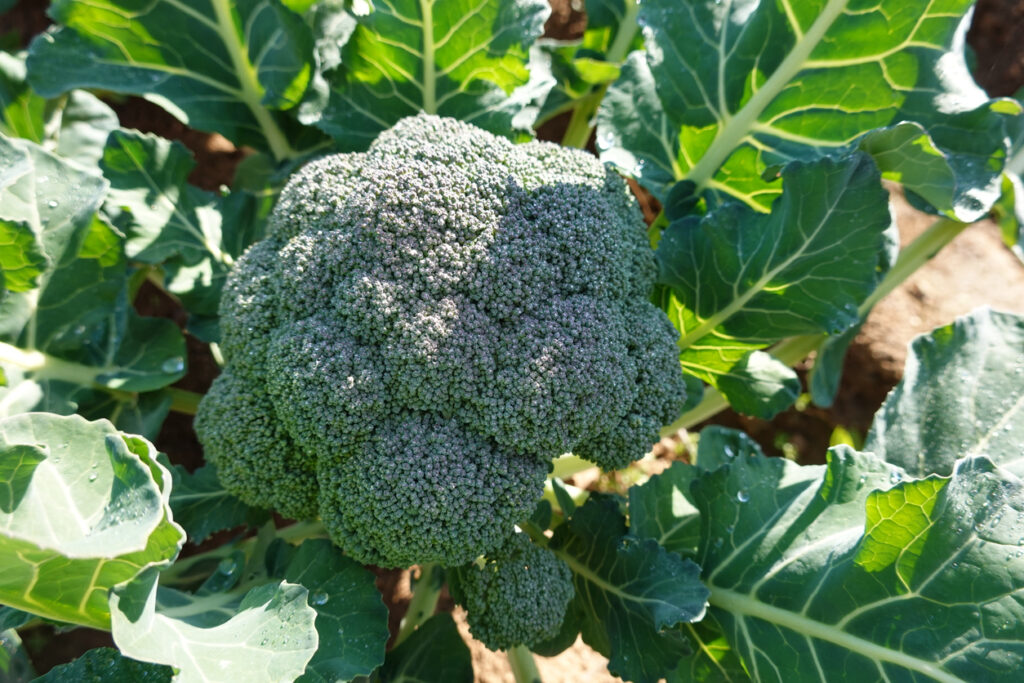
Broccoli isn’t a naturally occurring plant, but a human-made creation. It was bred from wild cabbage in the Mediterranean, chosen for its edible flowering heads. As time went on, repeated selection created the thick green florets we know today.
It was a very slow process that turned a bitter, leafy plant into one of the most nutrient-packed vegetables available. Without centuries of experimentation, broccoli would never have existed as a distinct food crop.
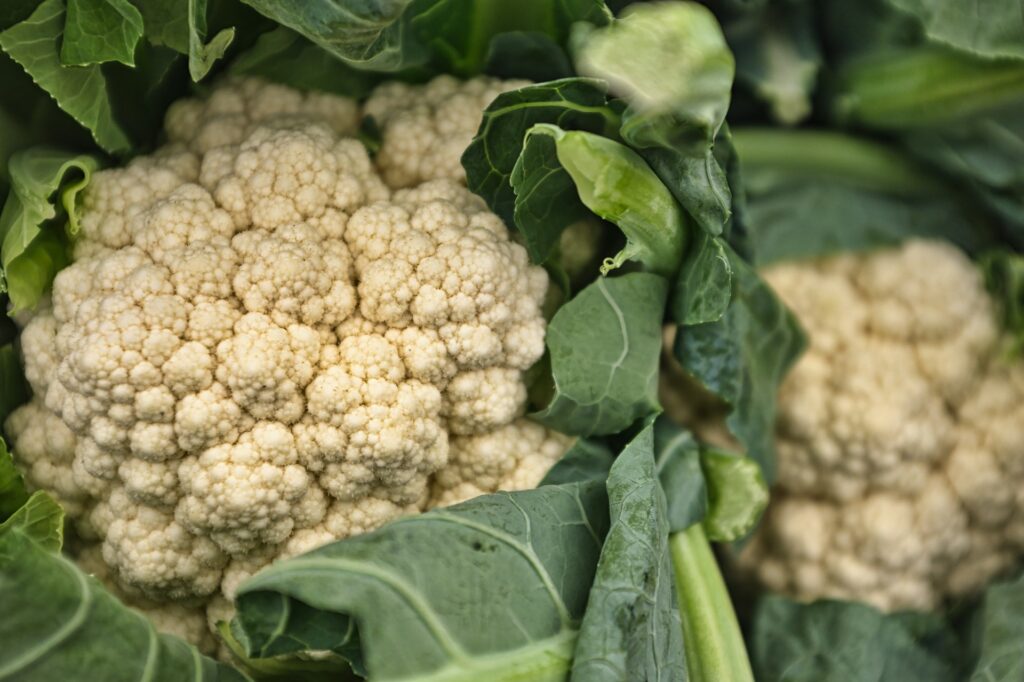
2. Cauliflower is broccoli’s close relative.
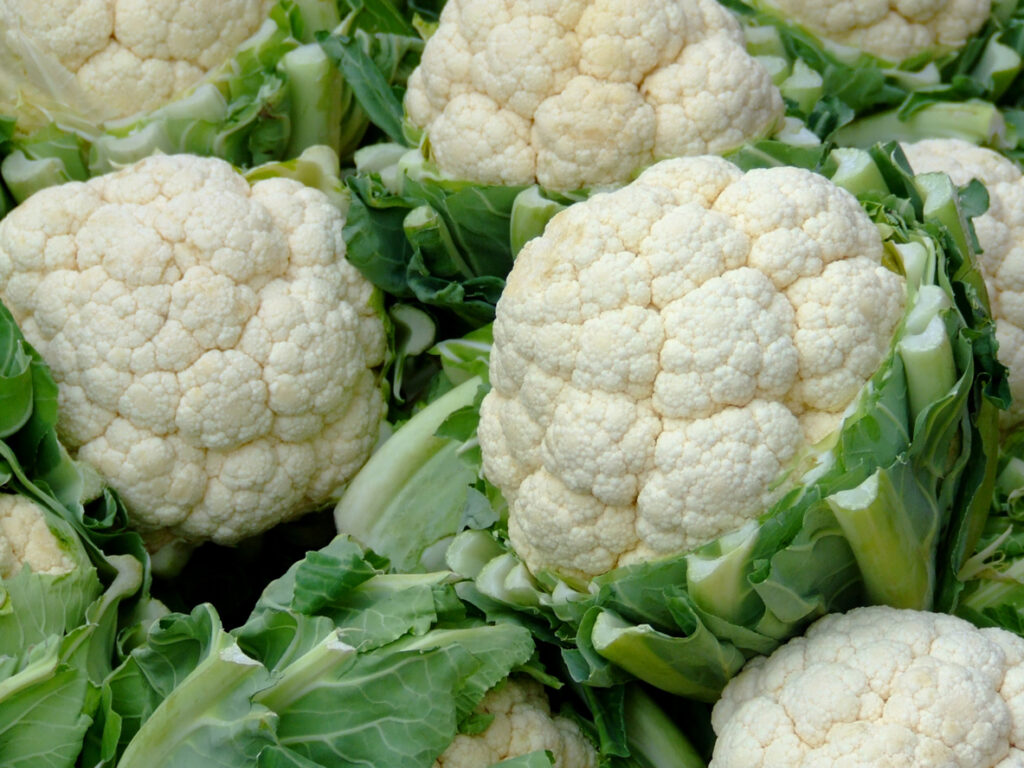
Cauliflower, like broccoli, comes from the same wild cabbage ancestor. Breeders selected plants with compact, undeveloped flower clusters that grew into the creamy-white heads we recognise. It’s essentially a mutated flower, encouraged by human choice.
Although related to broccoli, cauliflower developed a unique identity. Its mild flavour and versatility make it one of the most useful vegetables in modern cooking, all thanks to careful manipulation of plant genetics.
3. Brussels sprouts came from selective leaf bud growth.
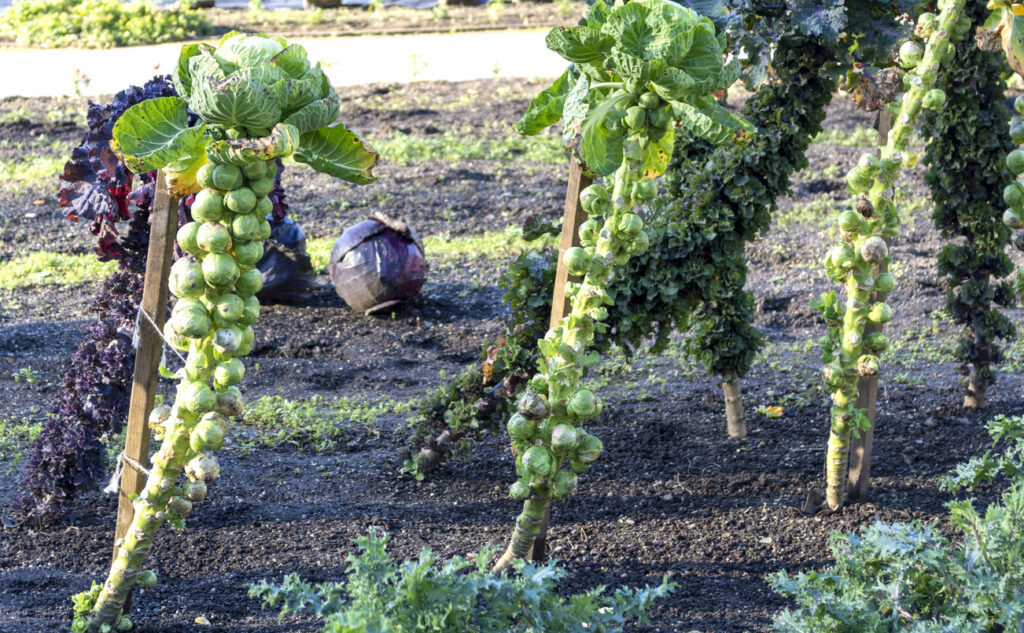
Brussels sprouts were bred in Belgium in the Middle Ages by selecting cabbage plants with large, edible leaf buds. Over generations, those buds became the tiny cabbages we see stacked along tall stalks today. Weird, right?
The result is a vegetable both loved and loathed for its strong taste. It’s a perfect example of how selective breeding can turn a wild plant trait into an entirely new crop.
4. Kale shows the leafy side of cabbage breeding.
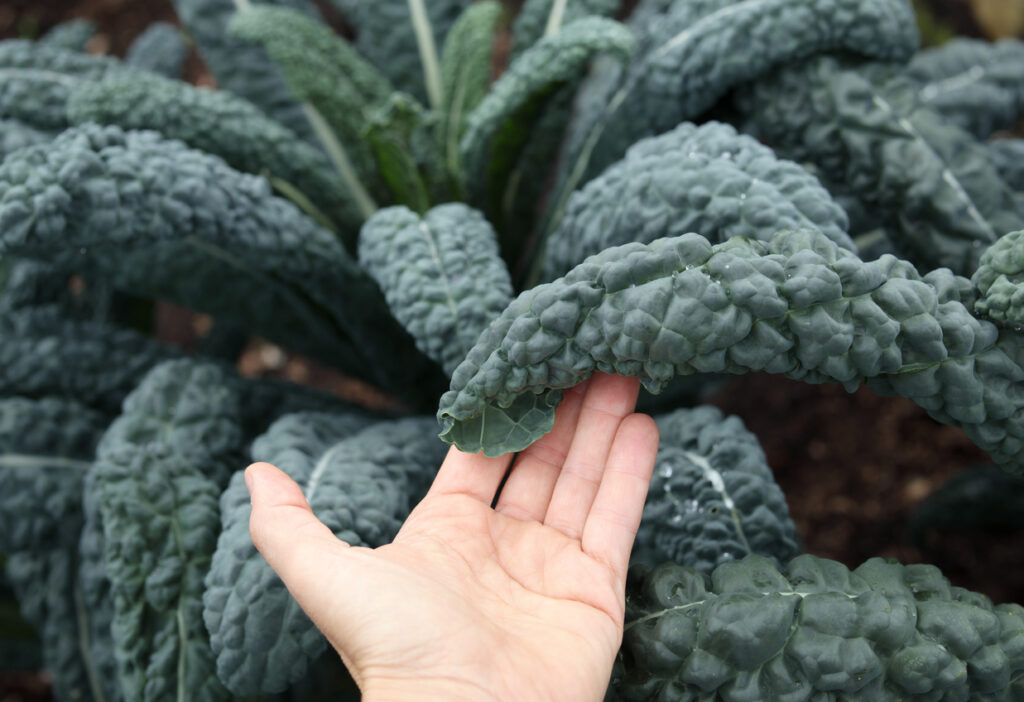
Kale is another member of the cabbage family tree. Unlike sprouts or broccoli, it was bred for its tender leaves rather than flowers or buds. The result was a hardy, leafy green that thrived even in colder climates.
This makes kale one of the oldest and simplest cabbage experiments. Its resilience and nutrition have kept it relevant through centuries, from medieval gardens to modern health food trends.
5. Cabbage itself is a human-shaped plant.
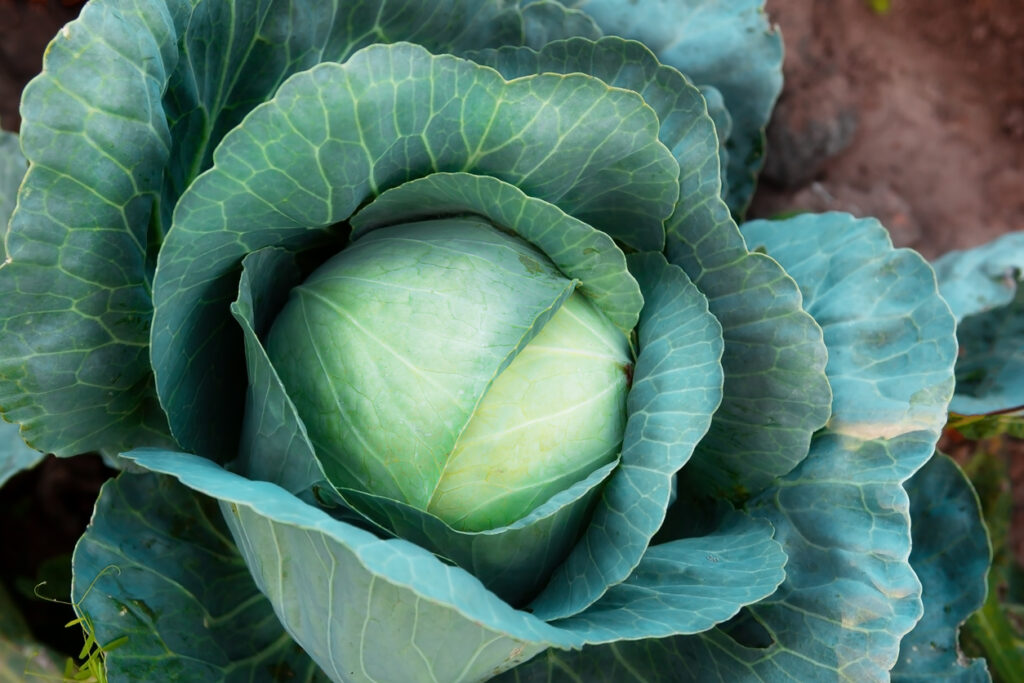
Sensing a theme here? Even the humble cabbage is a result of centuries of selection. Early growers encouraged tightly wrapped leaf heads to form, turning a loose wild plant into a compact vegetable that stores well and lasts through winter.
That deliberate shaping made cabbage a survival food in Europe for generations. Without human intervention, wild cabbage would have remained a scruffy weed rather than the kitchen staple it became.
6. Carrots were bred for their orange roots.
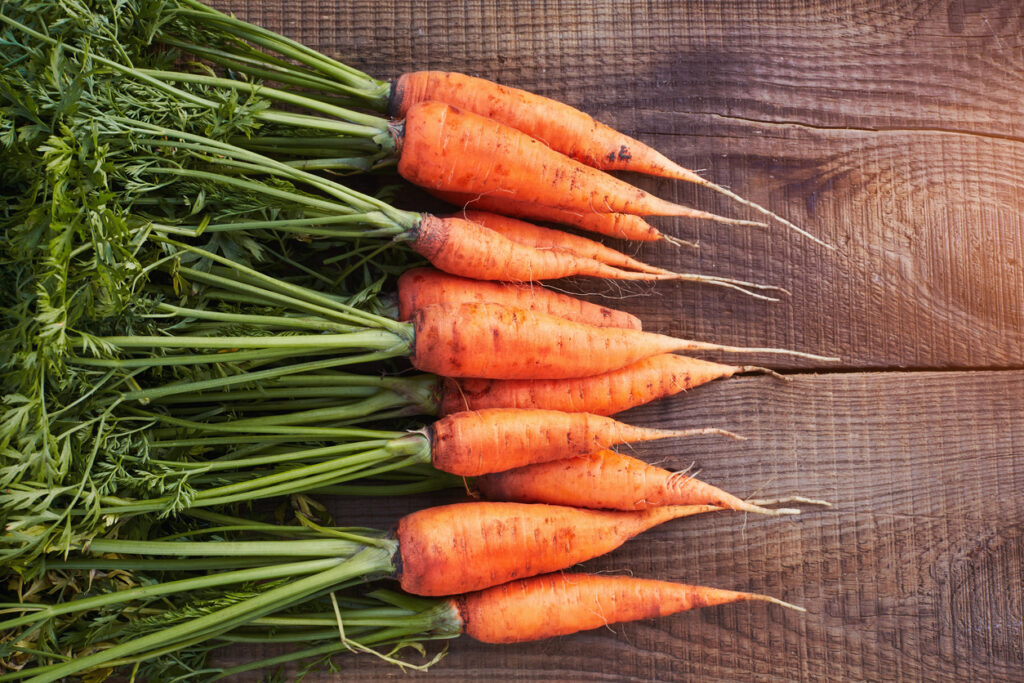
Wild carrots were originally thin, pale, and bitter. Farmers in the Middle East and later the Netherlands selectively bred them to be sweeter and more colourful. The orange variety was encouraged in honour of the Dutch royal family.
This bright orange root is now standard worldwide, though purple and yellow carrots still exist as reminders of its origins. It’s a vegetable designed as much for appeal as for taste.
7. Sweetcorn was transformed from tough grass.
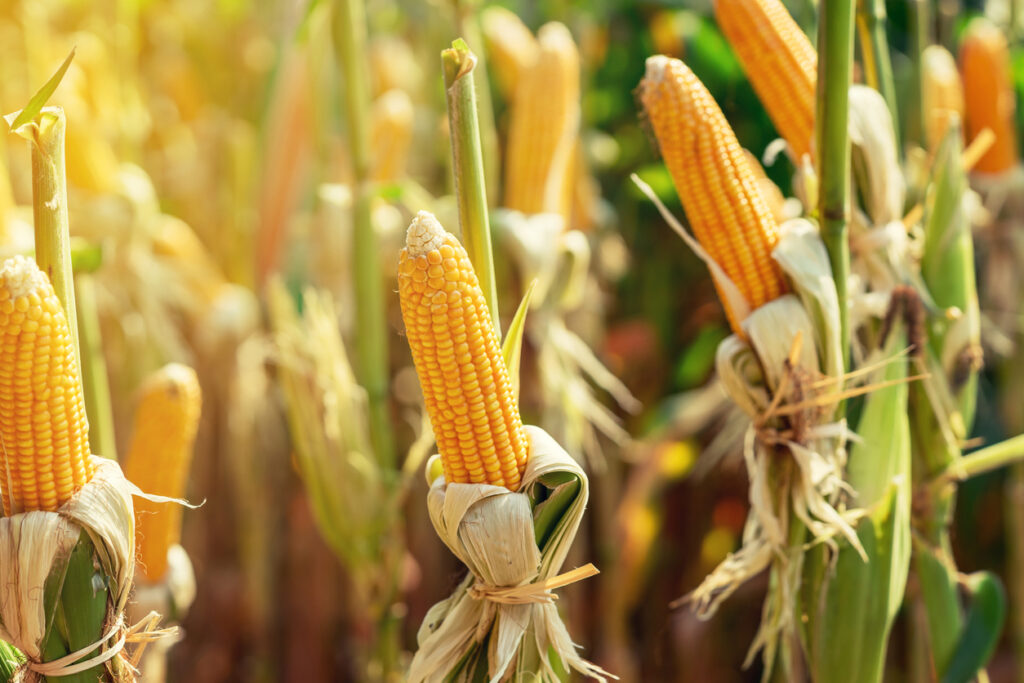
Sweetcorn as we know it comes from teosinte, a tough grass grown in Mexico thousands of years ago. Selective breeding turned small, hard kernels into large, juicy cobs packed with sugar and starch. Tasty stuff!
That transformation is one of the most dramatic examples of plant domestication. What was once an almost inedible wild grain is now one of the world’s most important crops.
8. Aubergines were bred for size and colour.
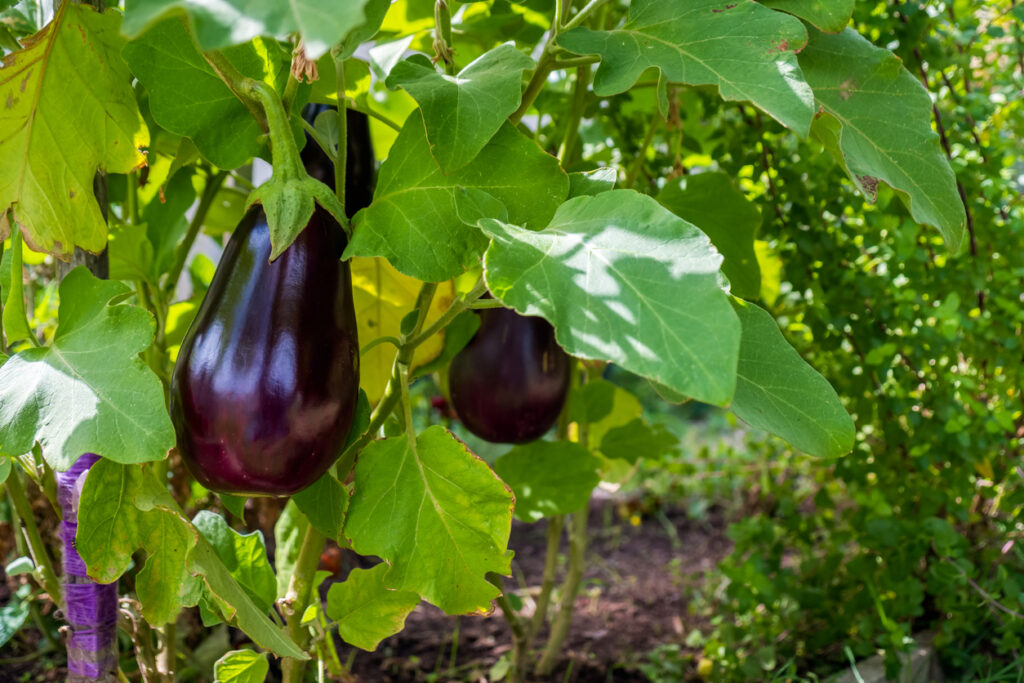
Wild aubergines were small, bitter, and covered in spines. Farmers in Asia selectively bred them for smoother skin, larger fruit, and less bitterness. As time went on, the glossy purple vegetable emerged from what was once an unappealing plant.
Different regions produced different colours, from white to green to purple. The aubergine’s history shows how human preferences shaped even its appearance, not just its taste.
9. Tomatoes were reshaped from tiny berries.
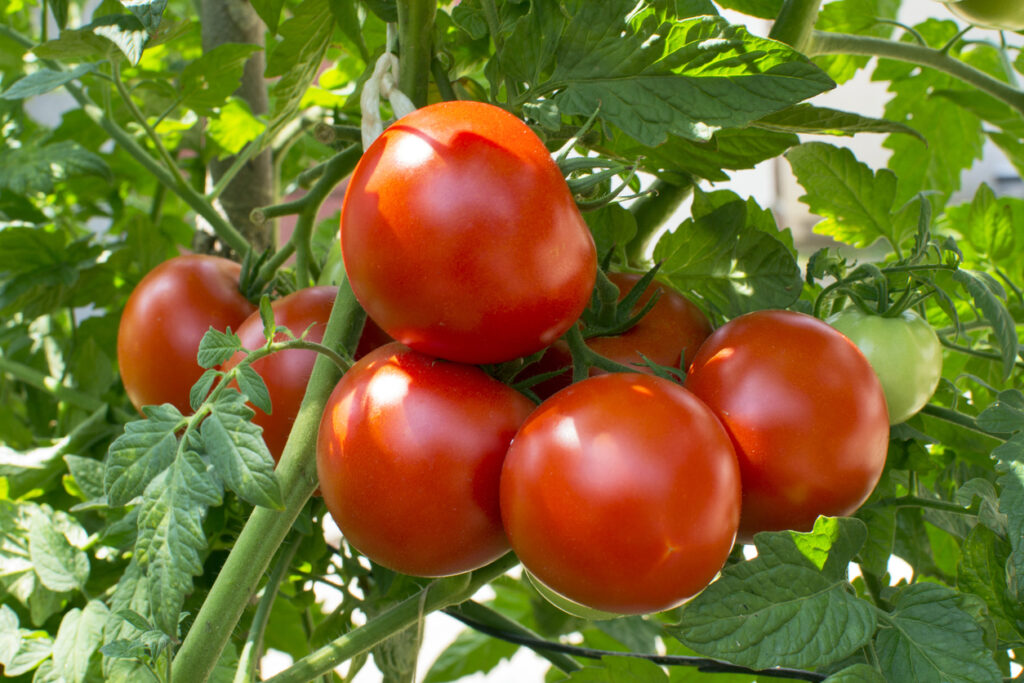
The wild ancestors of tomatoes were small, sour berries found in South America. Through centuries of breeding, they were enlarged, sweetened, and diversified into the many types we eat today, from cherry tomatoes to beefsteaks.
That reshaping turned a marginal fruit into one of the most widely eaten vegetables in the world. The transformation is so complete that modern tomatoes are almost unrecognisable compared to their wild relatives.
10. Courgettes were selected for tenderness.
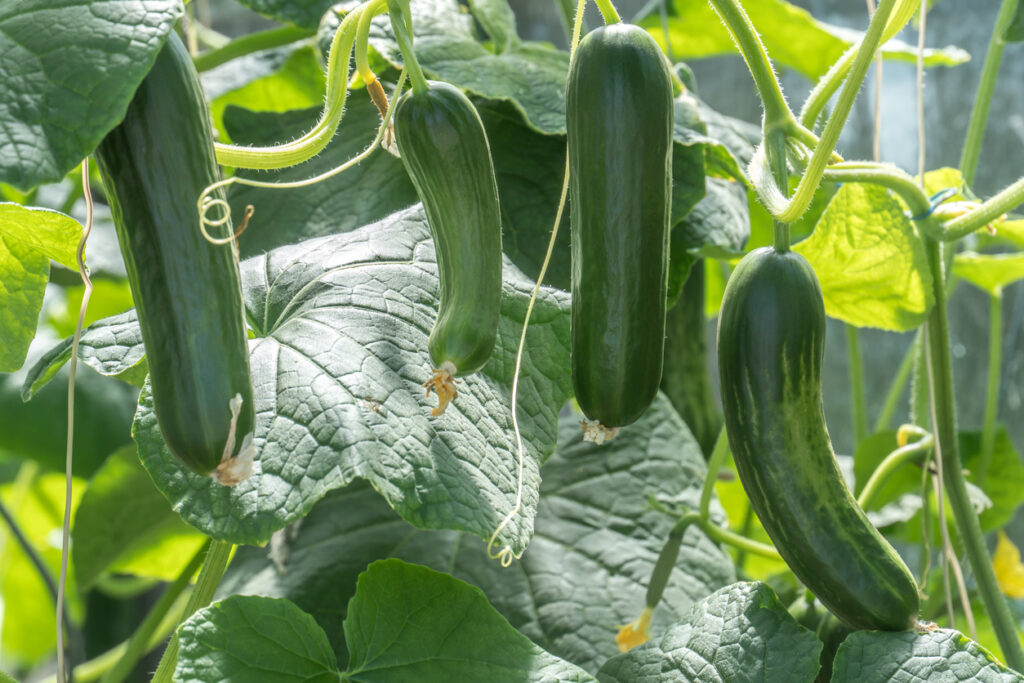
Courgettes, or zucchinis, are a type of squash bred in Italy during the 19th century. Farmers selected squashes that could be eaten young and tender, rather than waiting for them to mature into hard-skinned gourds.
The result is a vegetable that cooks quickly and works in endless dishes. It is a relatively modern experiment that shows how selective breeding adapts plants for convenience as well as taste.
11. Celery was refined for crispness.
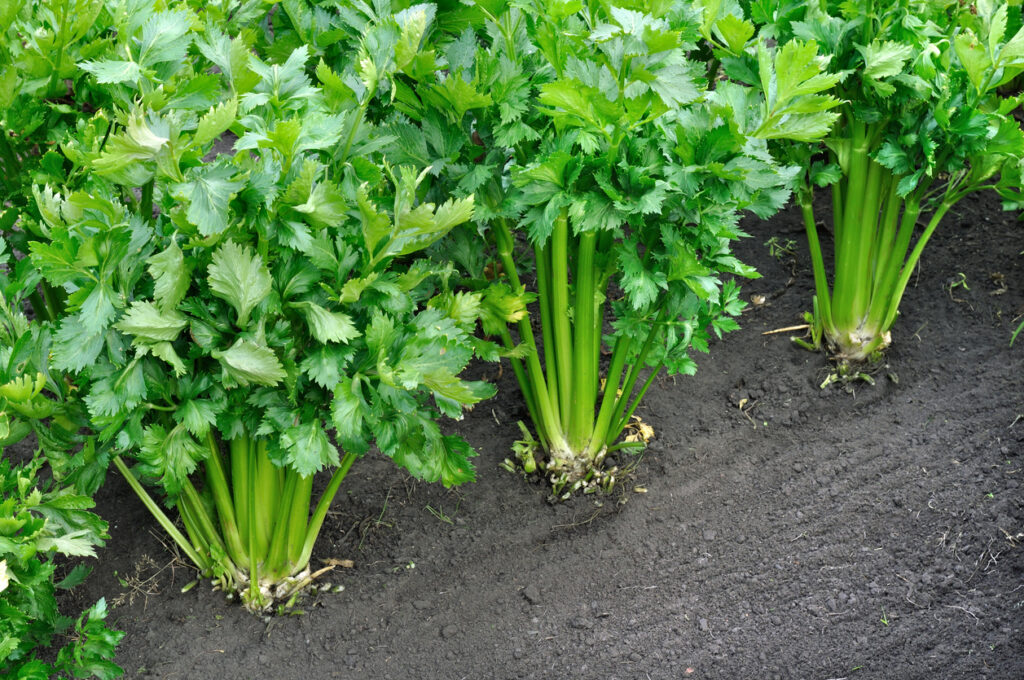
Wild celery was strong-flavoured and stringy, not something most people would enjoy. Through careful selection, growers bred celery with tender stalks, milder flavour, and bright green colour. This made it suitable as both a raw snack and a cooked ingredient.
Modern celery is far removed from its pungent ancestor. The version on supermarket shelves is the result of centuries of refinement, shaped to match human preferences.
12. Potatoes were adapted from bitter roots.
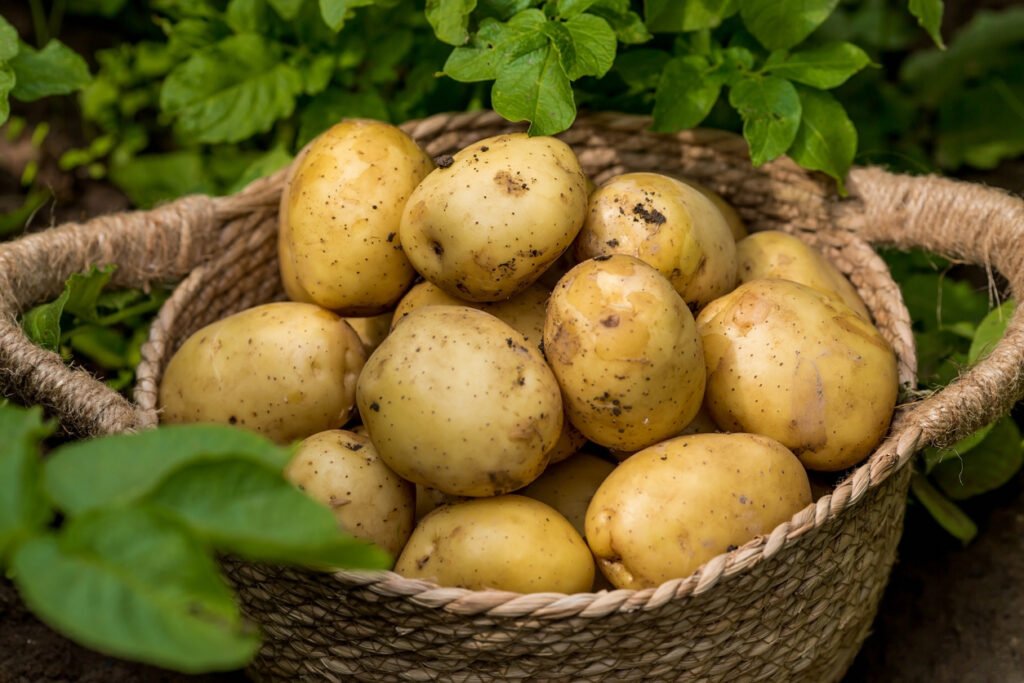
The potato originated in the Andes, where wild varieties were often bitter and toxic. Ancient farmers gradually bred them into safer, tastier crops that could be relied upon for sustenance in harsh mountain conditions.
The transformation made potatoes a cornerstone food across the globe. Today’s familiar spuds are a success story of breeding that turned survival food into one of the world’s most versatile vegetables.
13. Onions were bred for sweetness and size.
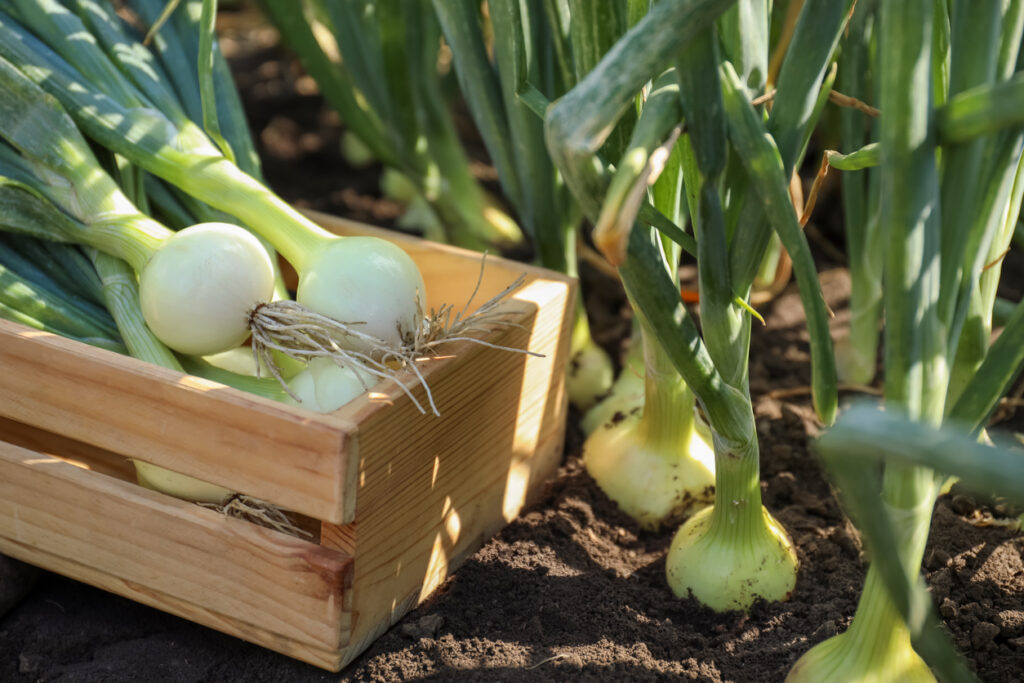
Wild onions were small, sharp, and overpowering. Farmers across Asia and the Middle East selectively bred them for larger bulbs, milder flavour, and longer storage life. Over centuries, onions became one of the most widely used cooking bases in the world.
The diversity of modern onions, from sweet to strong, reflects centuries of careful breeding. What was once a harsh, wild bulb is now one of the most essential vegetables in global cuisine.