Walk through any British woodland, and you’ll see fungi everywhere, from tiny toadstools to towering mushrooms.
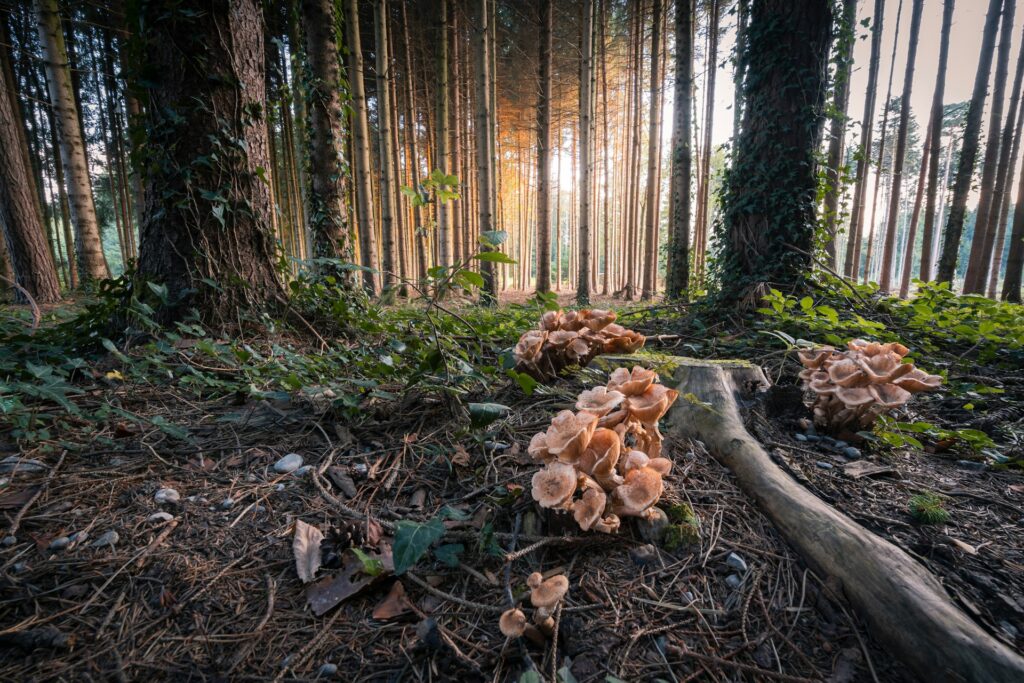
However, behind their beauty lies danger and healing potential, depending on the variety in question. Some can kill you, while others have been used in medicine for centuries. Here are some of the most common ones in the UK, and whether or not you should flock to them or avoid them at all costs.
1. Death cap (Amanita phalloides)
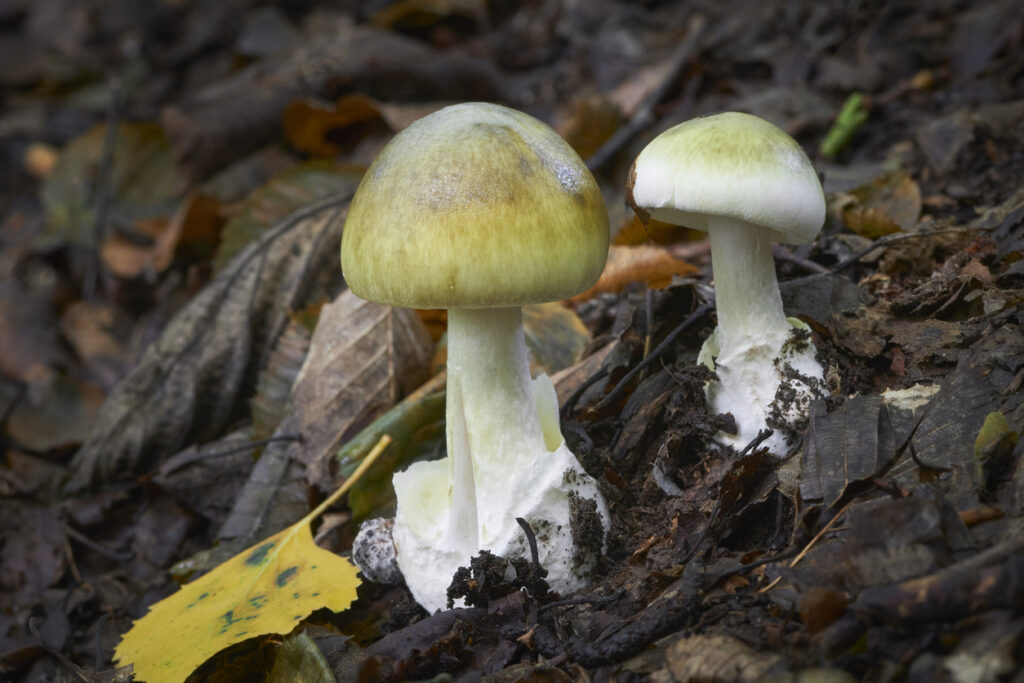
The death cap is one of the most notorious fungi in Britain, and for good reason. At first glance, it doesn’t look menacing at all. In fac, it often resembles edible mushrooms, with a pale green or white cap that seems harmless. Unfortunately, appearances couldn’t be more misleading. The toxins inside a death cap attack the liver and kidneys, and even a small bite can lead to organ failure.
There’s no reliable cure once the poison takes hold, which is why foragers are taught to give this species a wide berth. Every autumn, cases of accidental poisoning are reported because it grows in places people expect to find edible species. Its very presence in woodlands is a stark warning: you can’t always trust what looks familiar.
2. Fly agaric (Amanita muscaria)
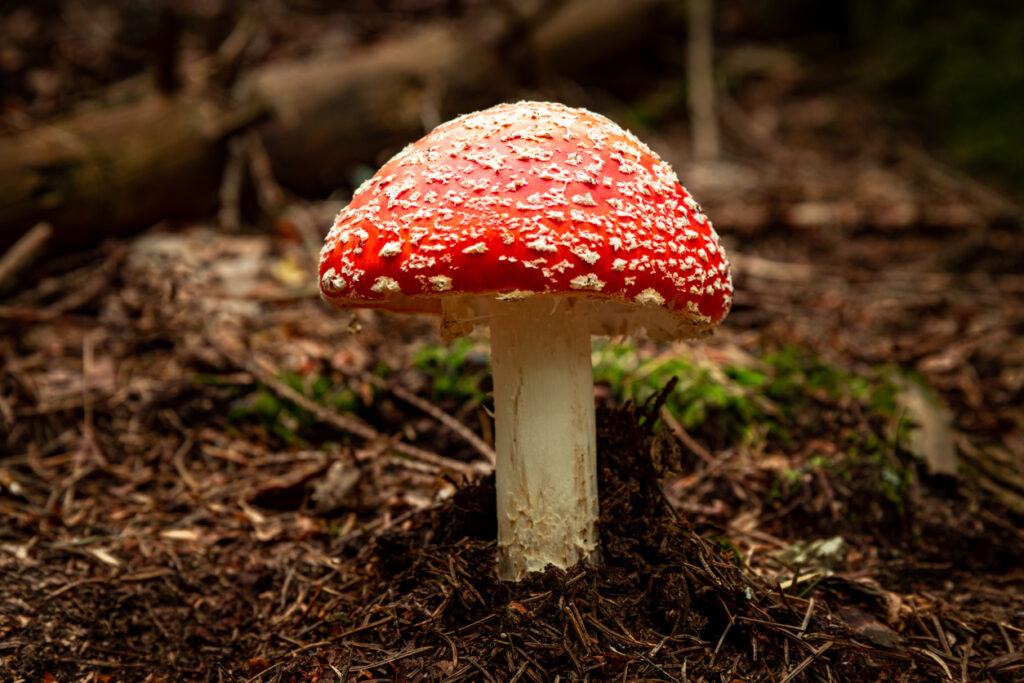
If there’s one mushroom that people recognise instantly, it’s the fly agaric. Its bright red cap covered in white spots makes it look like something out of a fairy tale. It’s the mushroom you see in storybooks, folklore, and even video games. But behind its striking look is a very toxic reputation. Eating it can cause hallucinations, nausea, and in some cases, serious nervous system damage.
Historically, it was used in shamanic rituals and traditional medicine, which shows how humans have long toyed with its dangerous potential. Today, it’s more admired than eaten, and most people know better than to put it anywhere near their mouths. It’s a mushroom to photograph and marvel at, but not to touch.
3. Destroying angel (Amanita virosa)
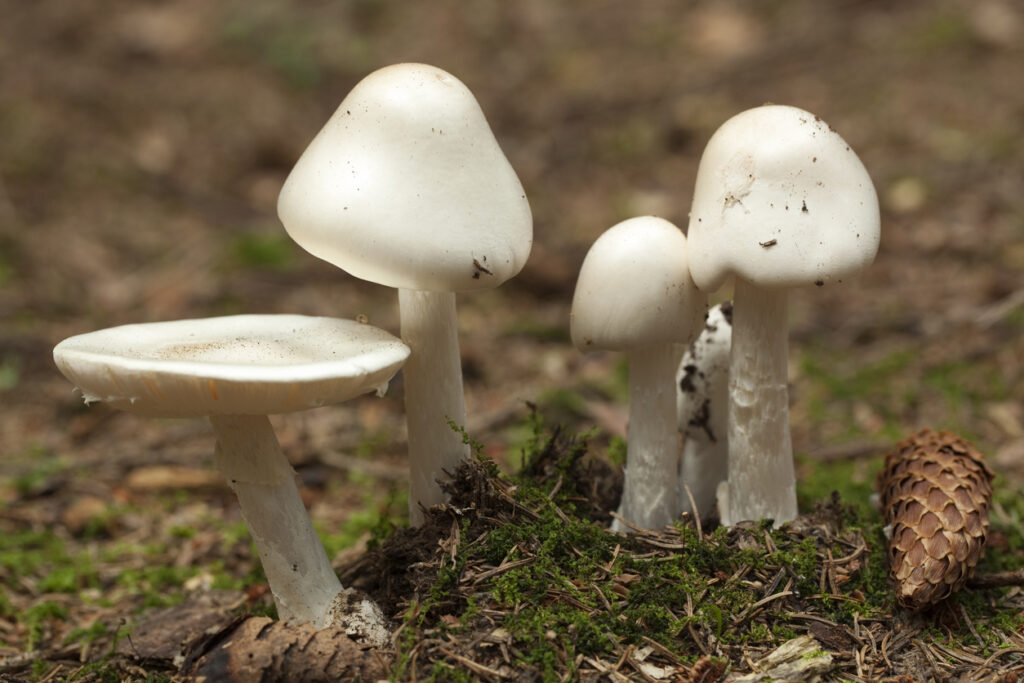
The name alone tells you what you need to know. The destroying angel is pure white and often mistaken for safe species like puffballs or button mushrooms. Unfortunately, this mistake can be fatal. Its toxins are almost identical to those of the death cap, and they lead to catastrophic organ damage. Even one mushroom can be enough to kill an adult.
Because of this, experts strongly advise avoiding white-capped mushrooms altogether unless you’re absolutely certain of what you’re dealing with. The destroying angel lurks in both deciduous and coniferous woods, blending in with harmless fungi. For foragers, it’s the nightmare scenario: something that looks ordinary but carries deadly consequences.
4. Panther cap (Amanita pantherina)
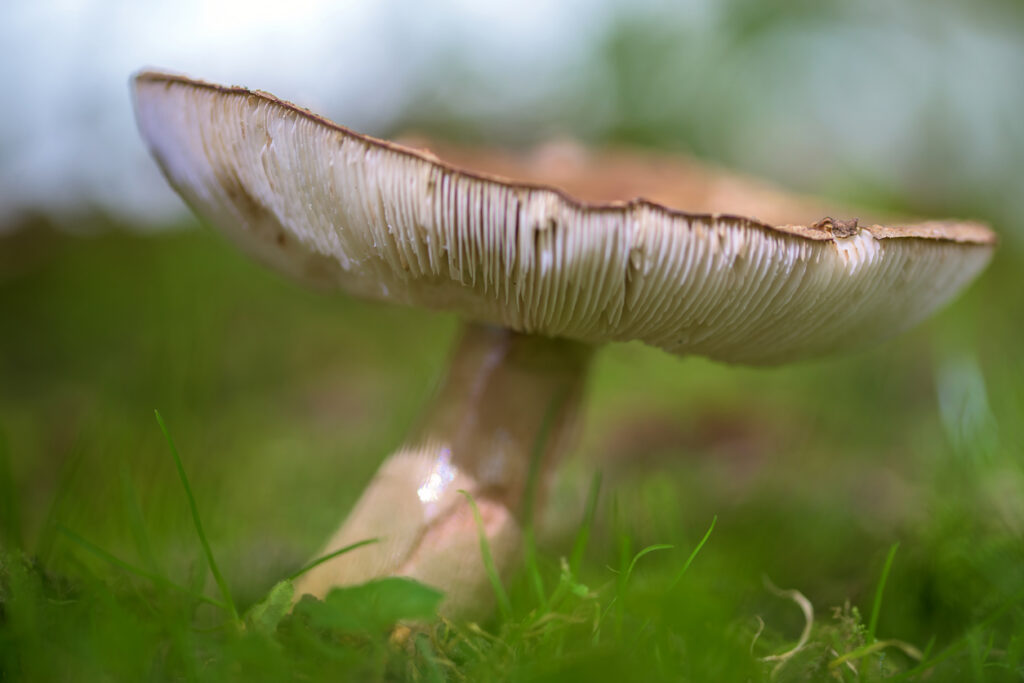
At first glance, the panther cap looks like the fly agaric’s duller cousin. Instead of red, its cap is brown with white spots, but the danger is just as high. It contains powerful toxins that can cause delirium, seizures, and even comas. While fatalities are rare if medical treatment is available, the effects are frightening and highly unpredictable.
This mushroom highlights just how risky woodland foraging can be. It’s easy to think you’ve spotted something safe, only to end up with a dangerous imposter. For anyone exploring Britain’s woods, recognising the difference between fly agaric and panther cap isn’t just useful, it’s vital.
5. Funeral bell (Galerina marginata)
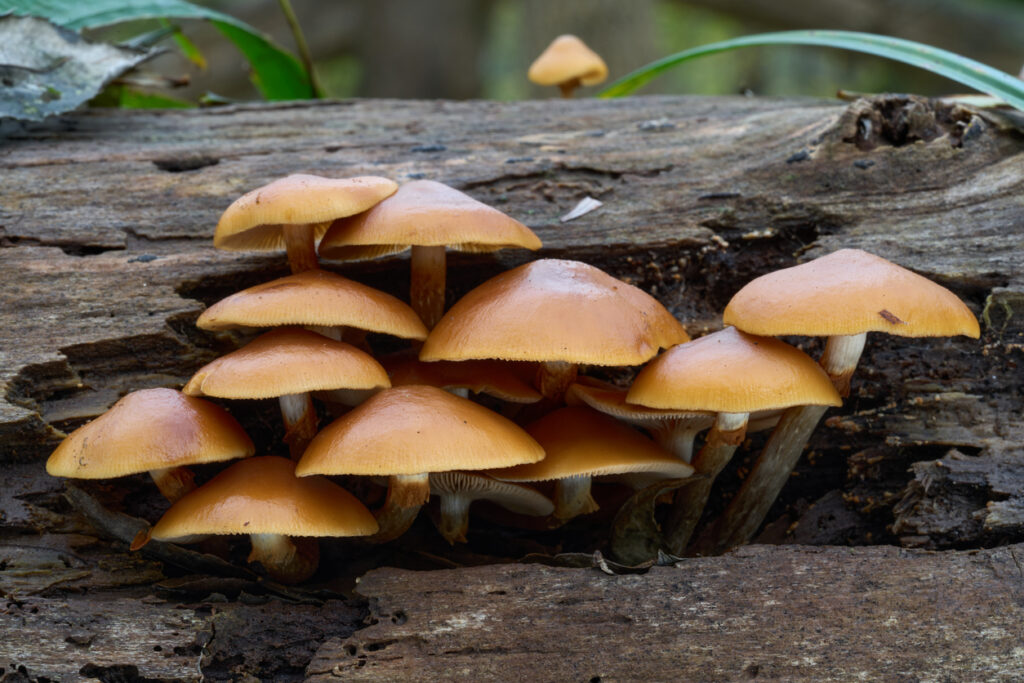
Don’t be fooled by the funeral bell’s small, boring appearance. This brown mushroom doesn’t stand out, and that’s exactly what makes it so dangerous. It often grows on rotting wood and blends in with other harmless species. Inside, however, it carries the same deadly toxins as the death cap.
Because of its plain look, foragers frequently mistake it for edible varieties, which has led to fatal poisonings worldwide. In the mushroom world, “little brown mushrooms” are notorious because they’re so hard to identify. The funeral bell proves that the most unassuming fungi can carry the gravest risks.
6. Magpie inkcap (Coprinopsis picacea)
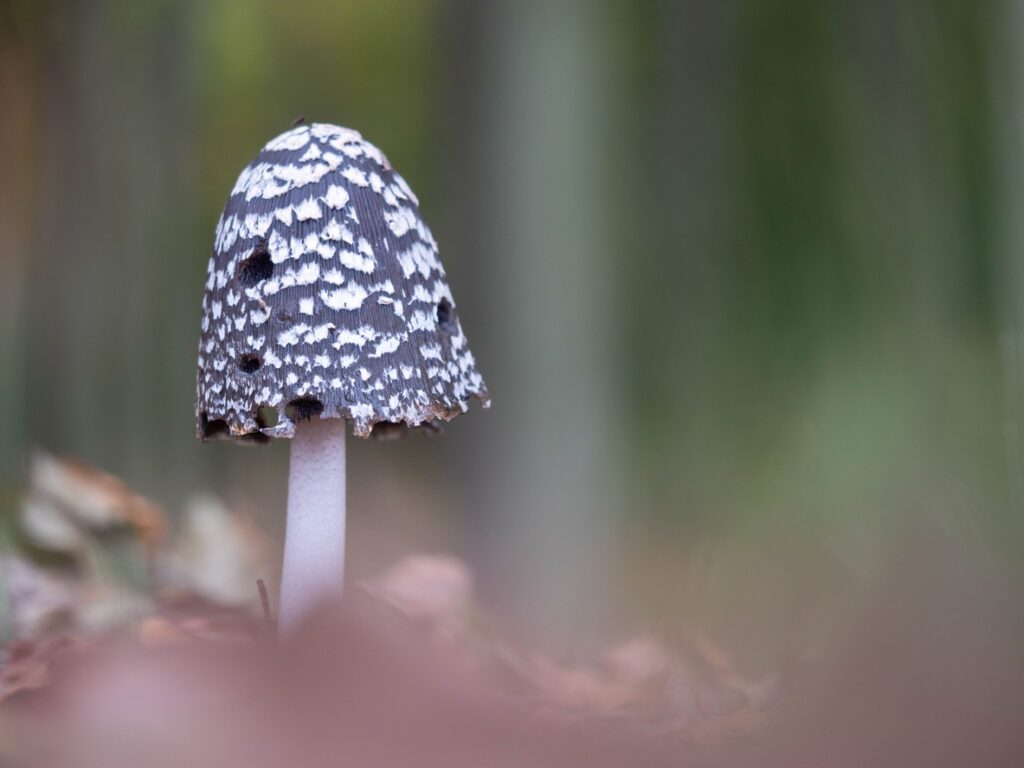
The magpie inkcap is a stunner, with its black-and-white patterned cap resembling bird feathers. Spotting one in the woods feels like finding something rare and exotic. But as attractive as it looks, this mushroom comes with unpleasant consequences. Eat it, and you’re likely to suffer from stomach cramps and sickness.
It also has an unpleasant reaction with alcohol, making the symptoms even worse if the two mix. While it isn’t usually deadly, it’s still a mushroom best admired where it grows. Its beauty is deceptive, and it’s yet another example of why fungi identification is never straightforward.
7. Wood blewit (Clitocybe nuda)
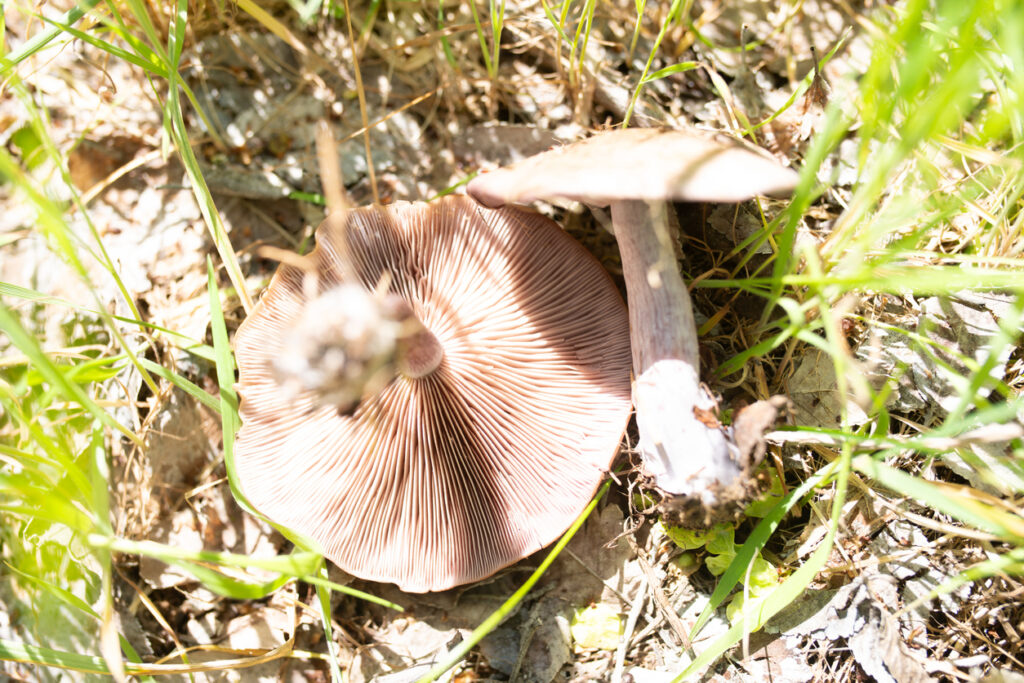
Not all woodland fungi are bad news. The wood blewit is actually edible when cooked properly and is prized by experienced foragers. Its violet hues make it stand out in the undergrowth, and in the right hands, it can end up on the dinner table as a delicacy.
However, even here, there are risks. Raw specimens can cause stomach upset, and there are toxic mushrooms that look deceptively similar. For beginners, this makes the wood blewit a risky choice. It’s one of those species that shows both the rewards and dangers of foraging in British woods.
8. Birch polypore (Fomitopsis betulina)
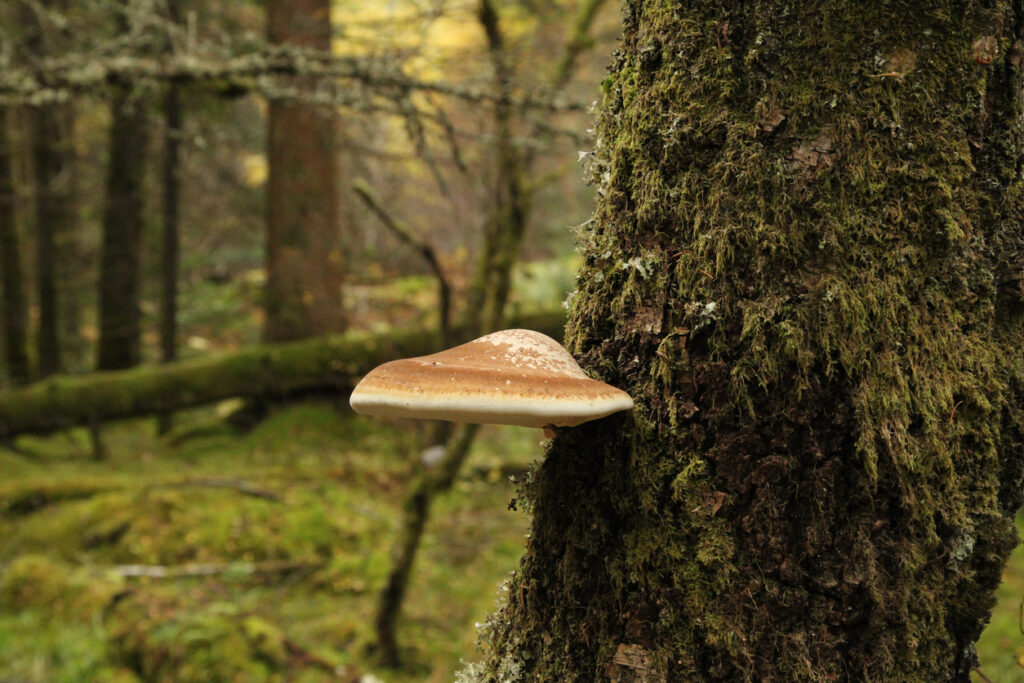
This bracket fungus doesn’t look much like a traditional mushroom since it grows in tough shelves along birch trunks. While not edible in the usual sense, it has been valued for its medicinal properties for thousands of years. In fact, Ötzi the Iceman, whose body was found frozen in the Alps, was carrying pieces of birch polypore, most likely for its healing qualities.
The fungus has antibacterial properties and has historically been used for treating wounds and infections. It’s a perfect example of how fungi aren’t just threats in the wild. They can also be tools for survival.
9. Turkey tail (Trametes versicolor)
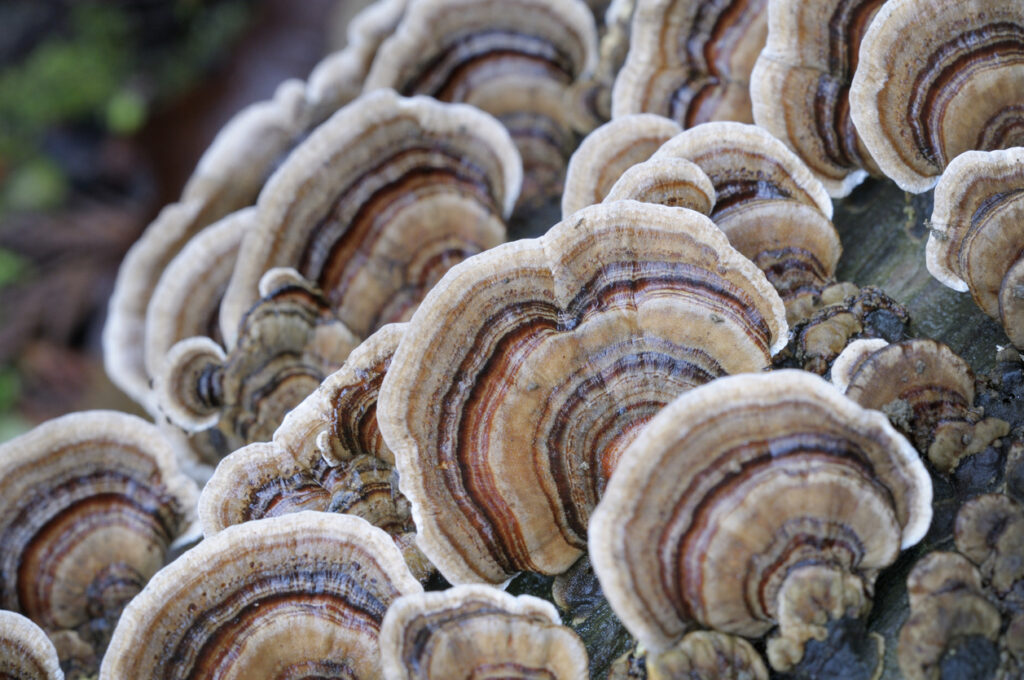
Named for its colourful, fan-shaped layers that look like a turkey’s tail feathers, this fungus is both common and striking. It’s tough and woody, so it’s not eaten as food, but it has drawn a lot of attention for its medicinal potential. In traditional medicine, it’s used to support the immune system, and modern science is exploring its possible role in cancer treatment.
Even if you’re not interested in health claims, turkey tail is still worth appreciating for its appearance alone. Its vivid bands of colour add a touch of brightness to damp woodland logs, reminding us that fungi aren’t always drab or menacing.
10. Chaga (Inonotus obliquus)
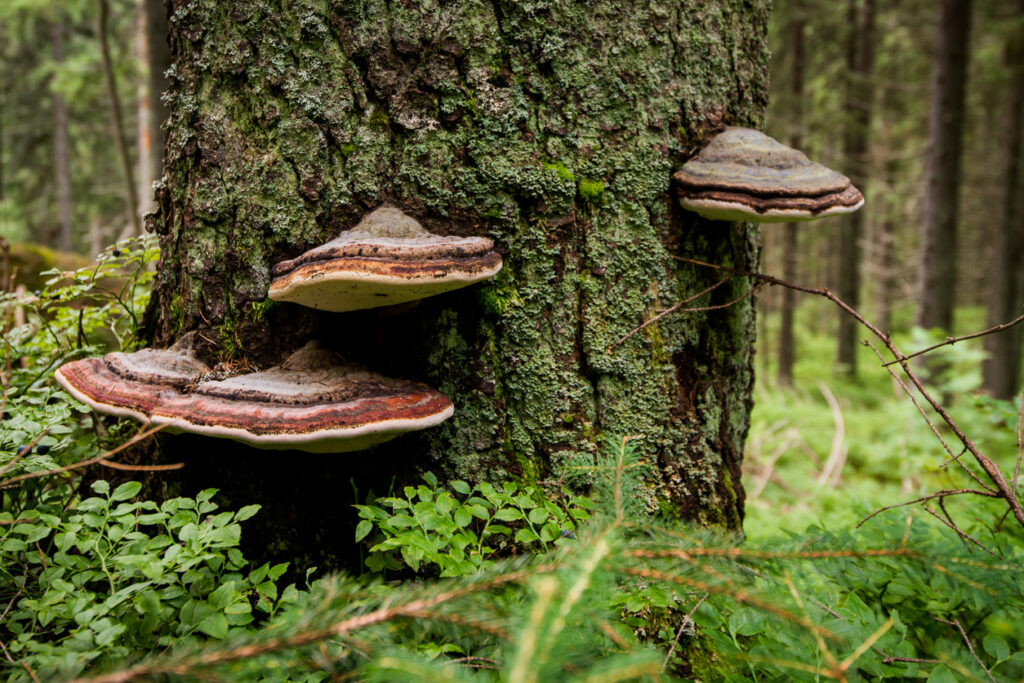
Chaga doesn’t look like a mushroom at first glance; it actually resembles burnt charcoal clinging to birch trees. Despite its unappealing exterior, it has become popular in teas and supplements, largely because of its antioxidant properties. While scientific research is still ongoing, many people value it for potential health benefits.
Unlike some of the more dangerous fungi on this list, chaga represents the healing side of woodland mushrooms. It’s a reminder that the same environments that hide deadly species can also provide resources that people have used for centuries to support health.
11. Lion’s mane (Hericium erinaceus)
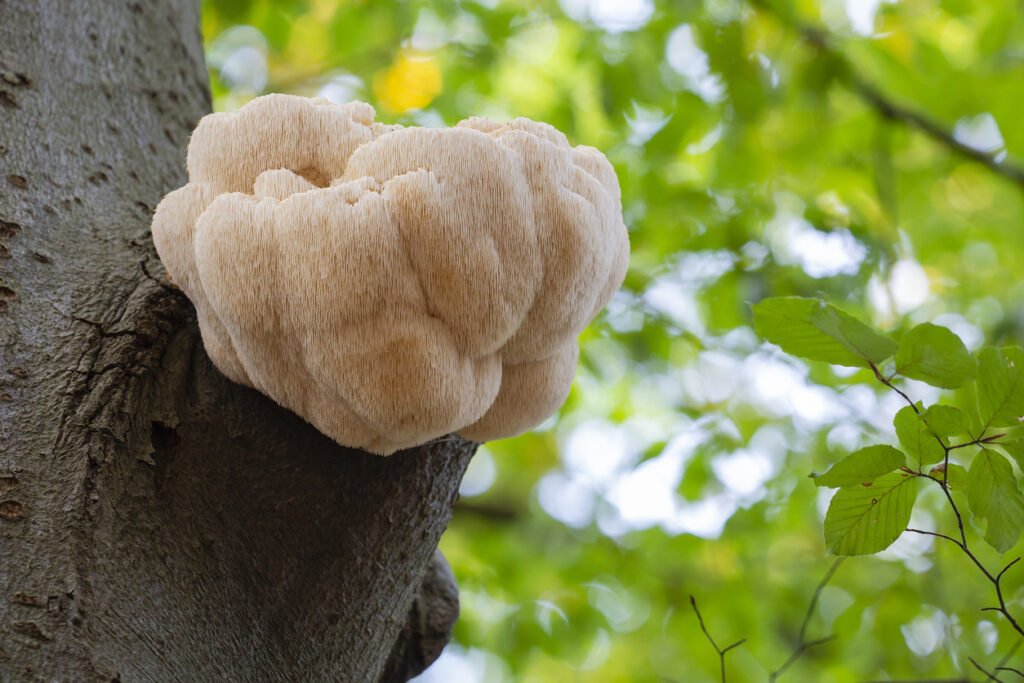
Lion’s mane looks like no other mushroom in Britain. Instead of the usual cap and stem, it produces long white spines that hang down like a shaggy mane. It’s rare in the UK and legally protected, which means you shouldn’t pick it if you come across it.
In countries where it’s more common, lion’s mane has been linked to potential brain and nerve benefits, making it a prized ingredient in both traditional and modern medicine. Its presence in British woods highlights not only the mystery of fungi but also the importance of conservation.
12. Penny bun (Boletus edulis)
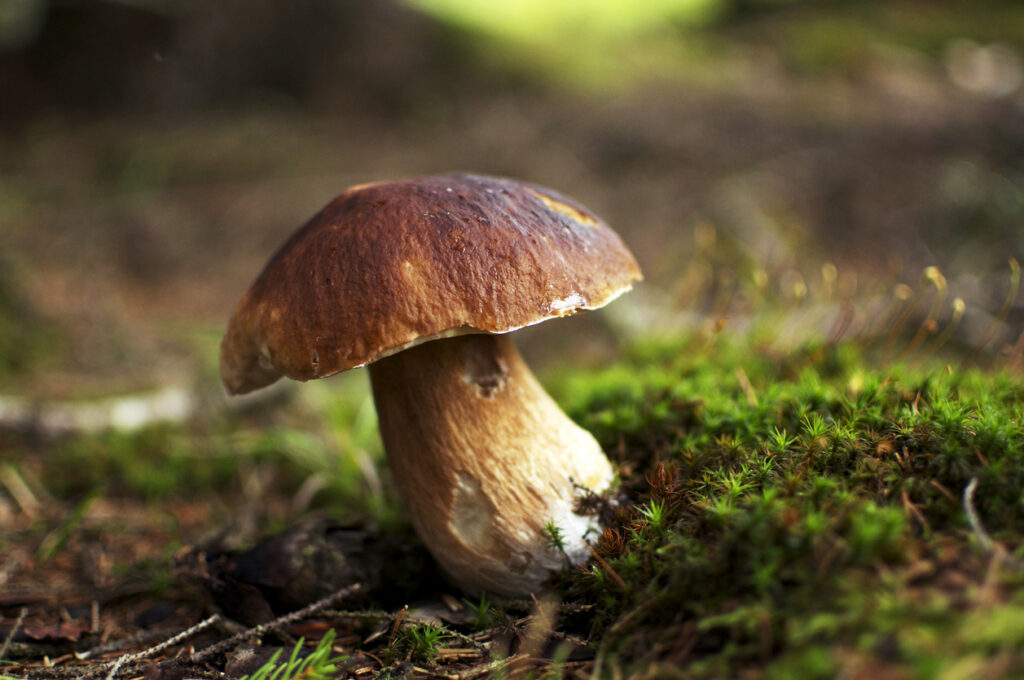
Better known as porcini, the penny bun is one of the safest and tastiest wild mushrooms in Britain. Its thick, bread-like cap gives it its name, and it’s highly sought after by chefs. Found fresh or dried in markets across Europe, it’s considered a prize for foragers.
That said, the penny bun isn’t risk-free. It grows near lookalikes like the bitter bolete, which won’t kill you but will make your meal inedible. This underlines a golden rule: even when a mushroom is considered safe, misidentification can quickly turn a treat into a disaster.
13. False morel (Gyromitra esculenta)
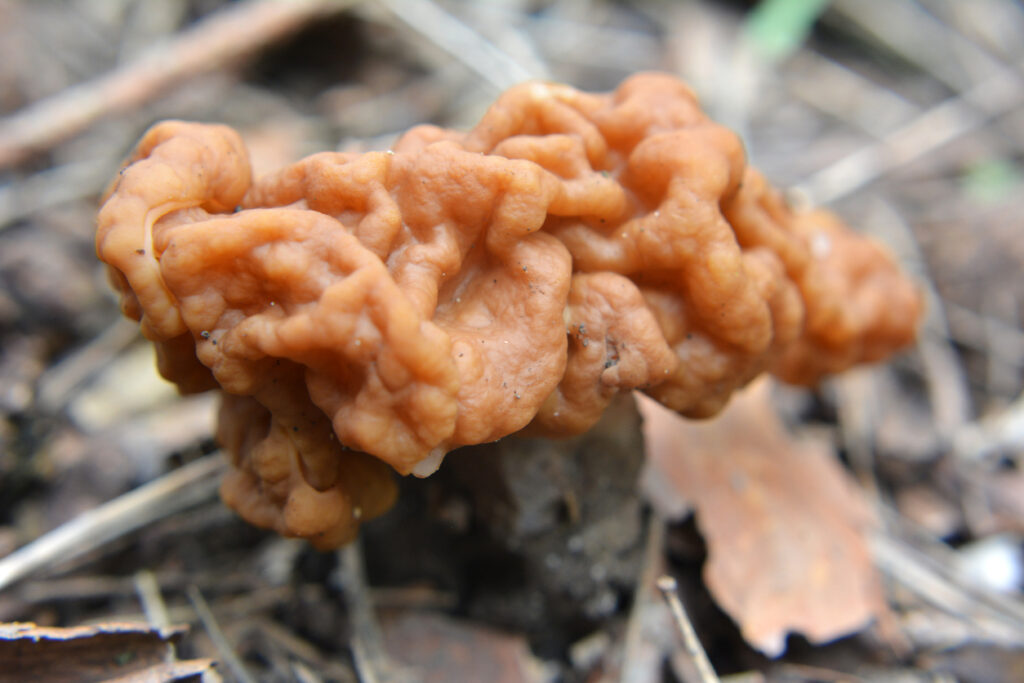
With its brain-like folds and wrinkled appearance, the false morel is one of the stranger fungi you might stumble across in British woods. Some cultures have eaten it after special preparation, but the risks are enormous. It contains toxins that can destroy the liver and, in some cases, prove fatal.
Even cooking doesn’t always make it safe, which is why experts strongly discourage eating it at all. Its presence in the UK is a reminder of how blurry the line is between edible and poisonous fungi. Just because people have tried it somewhere doesn’t mean it’s worth the gamble.