The tenrec is one of those animals that makes you pause and wonder how on earth nature came up with it.

Found mainly in Madagascar, it looks like a hedgehog at first glance, but has stripes that resemble a giant bee. As it turns out, however, it doesn’t have that much in common with either of those creatures. It’s an animal uniquely its own, and it’s pretty cool. Here’s what you need to know about it.
They come from Madagascar.

Tenrecs are native to Madagascar, an island famous for unique wildlife. Being isolated from the mainland allowed these creatures to evolve in surprising ways. Without this environment, the tenrec’s odd mix of traits might never have appeared.
Knowing their origin explains their unusual look. Madagascar’s ecosystem created niches where animals had to adapt creatively, which is why the tenrec looks so distinct compared to relatives on the African mainland.
They’re not actually hedgehogs.

At first glance, you might mistake a tenrec for a hedgehog because of its spiny coat. However, they aren’t closely related. The resemblance is an example of convergent evolution, where unrelated animals evolve similar traits.
The distinction matters because it shows how environments shape creatures. Tenrecs developed spines for protection in the wild, just like hedgehogs, but the two lineages split millions of years ago.
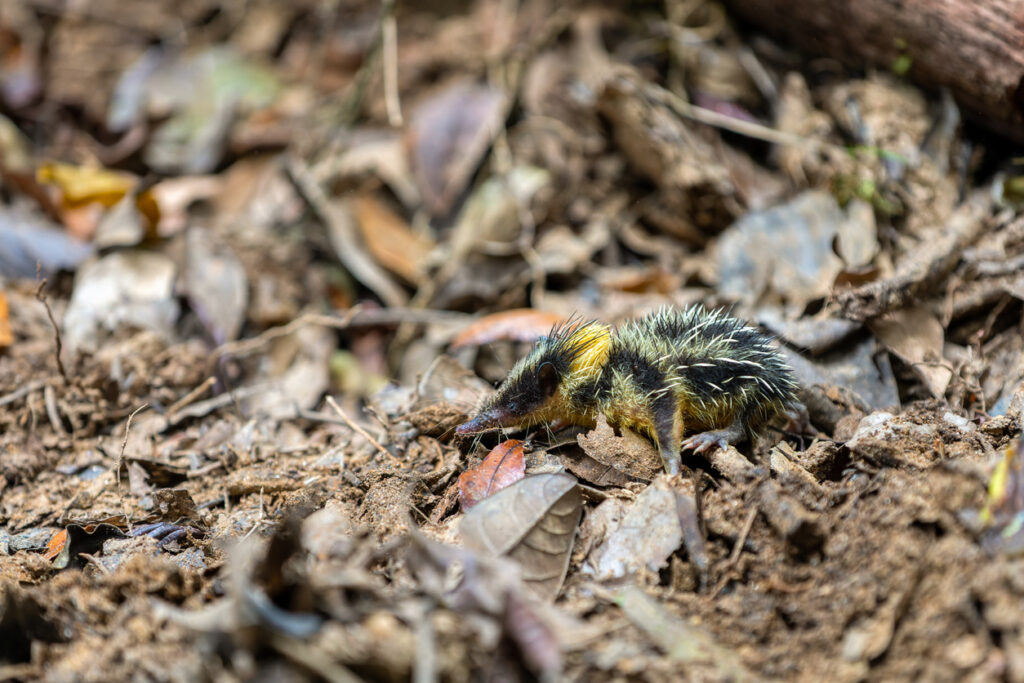
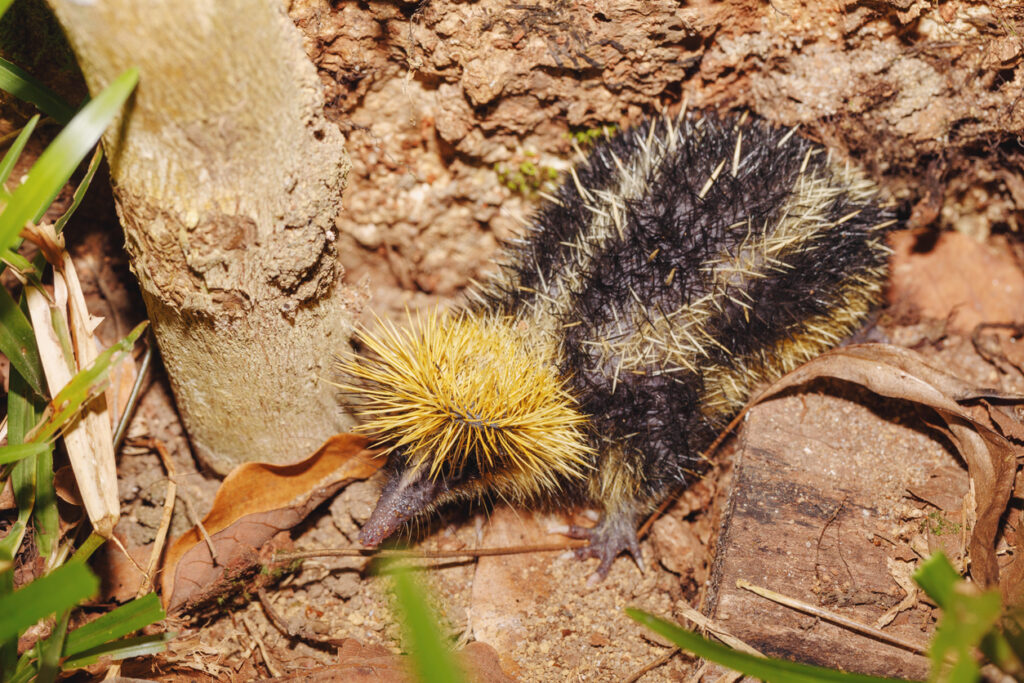
Their stripes look like furry little bees.
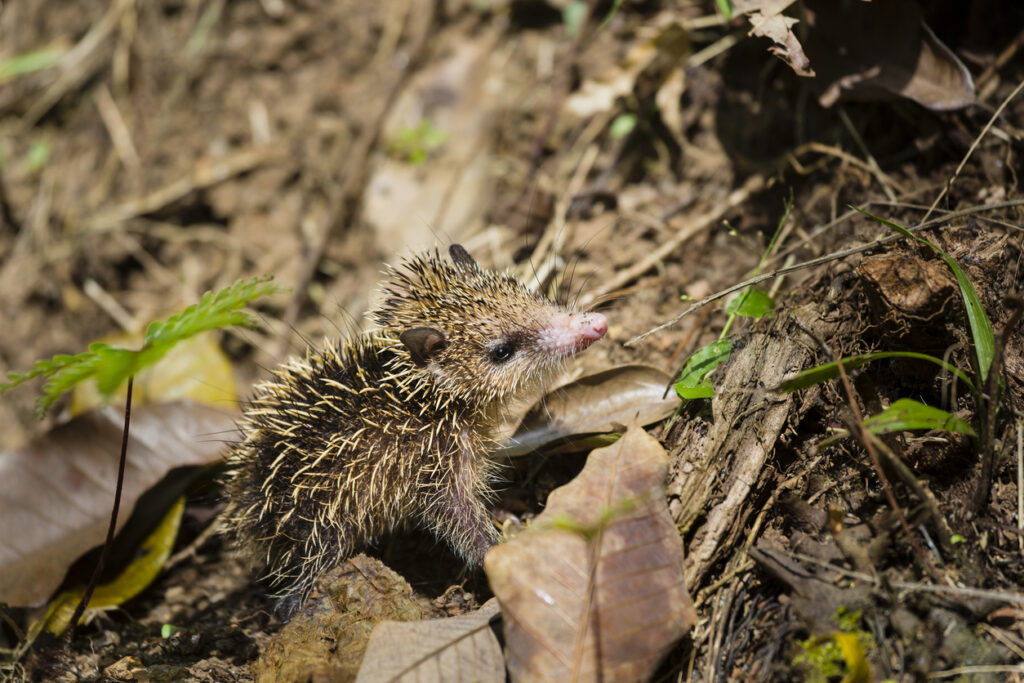
Some tenrec species, like the lowland streaked tenrec, are covered in black and yellow stripes. This striking pattern gives them a bee-like appearance, which helps deter predators. Few animals want to risk stings, even if it’s a bluff.
It’s a clever example of mimicry. By borrowing the look of something dangerous, tenrecs discourage attacks without needing venom or aggression, which keeps them safer in Madagascar’s dense forests.
They have quills that rattle.
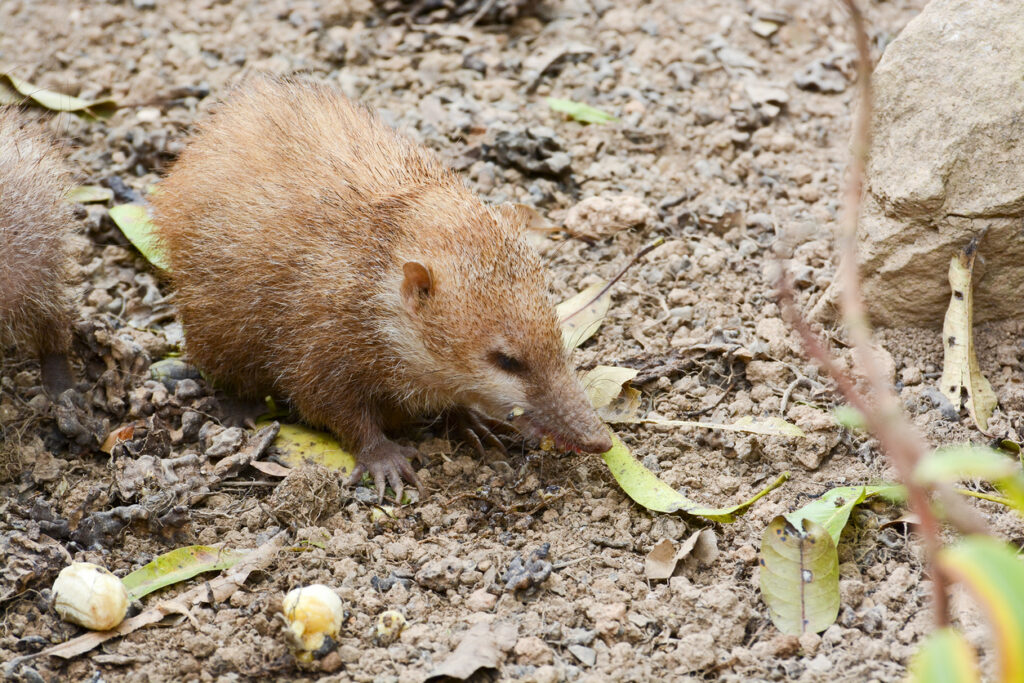
The lowland streaked tenrec can make a rattling sound with its quills. This is called stridulation, a behaviour more often seen in insects than mammals. The sound acts as both a defence and a way to communicate.
This unusual trait shows how inventive evolution can be. Few mammals produce sounds this way, which makes the tenrec a fascinating study in adaptation and survival strategy.
They use scent to communicate.
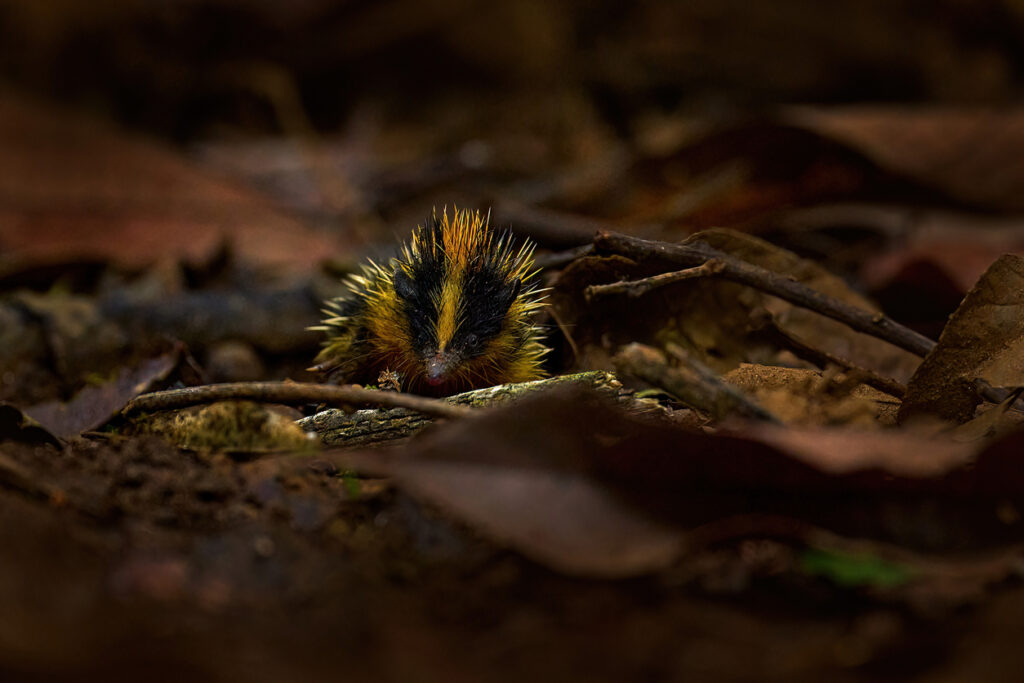
Tenrecs have poor eyesight, which limits their ability to recognise each other visually. Without alternative methods, they would struggle to find mates or signal danger in the dense forest environment.
Scent becomes their main tool. They use odours to identify one another, mark territory, and alert others to threats. This reliance on smell highlights just how flexible mammals can be in adapting to their surroundings.
They’re excellent diggers.
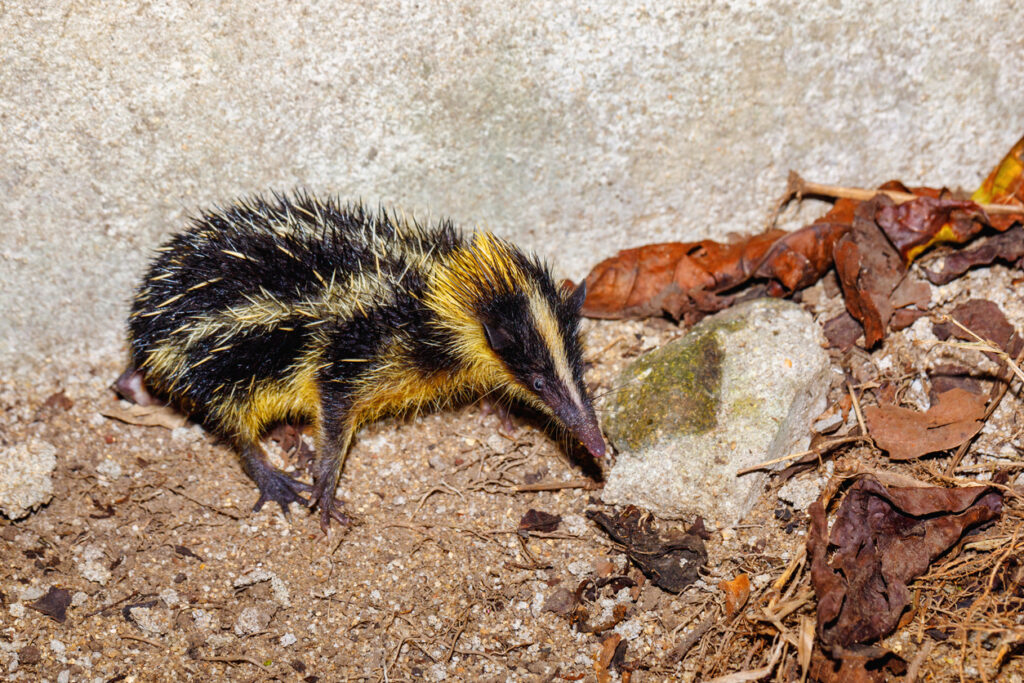
Some tenrec species dig burrows, which provide shelter and protection. Without burrows, they would be more vulnerable to predators and harsh weather. Burrowing also gives them access to insects hidden in soil.
This digging ability makes them resourceful survivors. It shows how they’ve adapted not only their appearance but also their behaviours to thrive in Madagascar’s varied landscapes.
They have surprising variety.

There isn’t just one kind of tenrec. With around 30 species, they come in different shapes and sizes. Some look like hedgehogs, others like shrews or even otters. Without context, you might not realise they’re related at all.
Their variety proves how adaptive they are. Evolution pushed the tenrec family into many different niches, showing just how versatile one animal group can become when given the right conditions.
They can survive extreme temperatures.

Many mammals struggle with harsh climates, but tenrecs are resilient. Some species can enter a state similar to hibernation during cold periods, slowing their body processes to save energy. Without this, survival would be harder in leaner times.
That adaptation highlights their flexibility. Being able to adjust body function gives them an advantage in environments where food and warmth aren’t always guaranteed.
They reproduce rapidly.
Tenrecs have one of the largest litter sizes among mammals, sometimes producing up to 30 offspring in a single birth. Without this trait, their survival would be threatened, as many young don’t make it to adulthood.
Large litters ensure the species continues. It’s a strategy that balances high risks in the wild with greater chances of passing on their genes successfully.
They’re insect eaters.
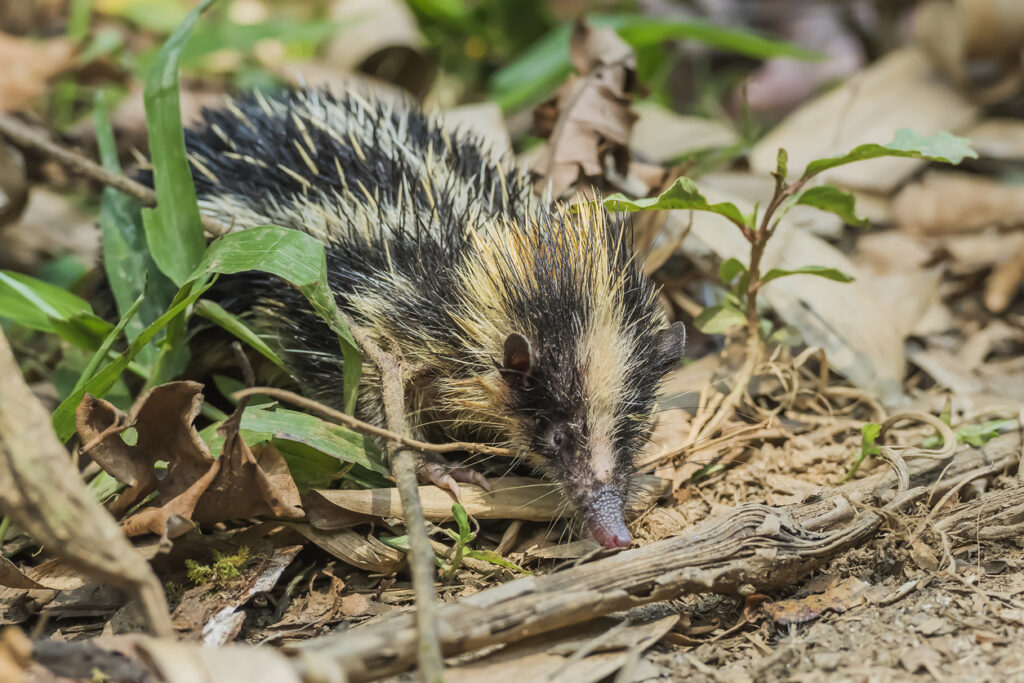
Tenrecs mainly feed on insects, which makes them important for controlling bug populations. Without them, ecosystems could become overrun, upsetting the balance. Their diet keeps the environment healthy and manageable.
Their diet also shapes their behaviour. By specialising in insects, they’ve adapted their digging and foraging skills, which ensures they remain vital players in Madagascar’s ecology.
They have whisker-like quills.
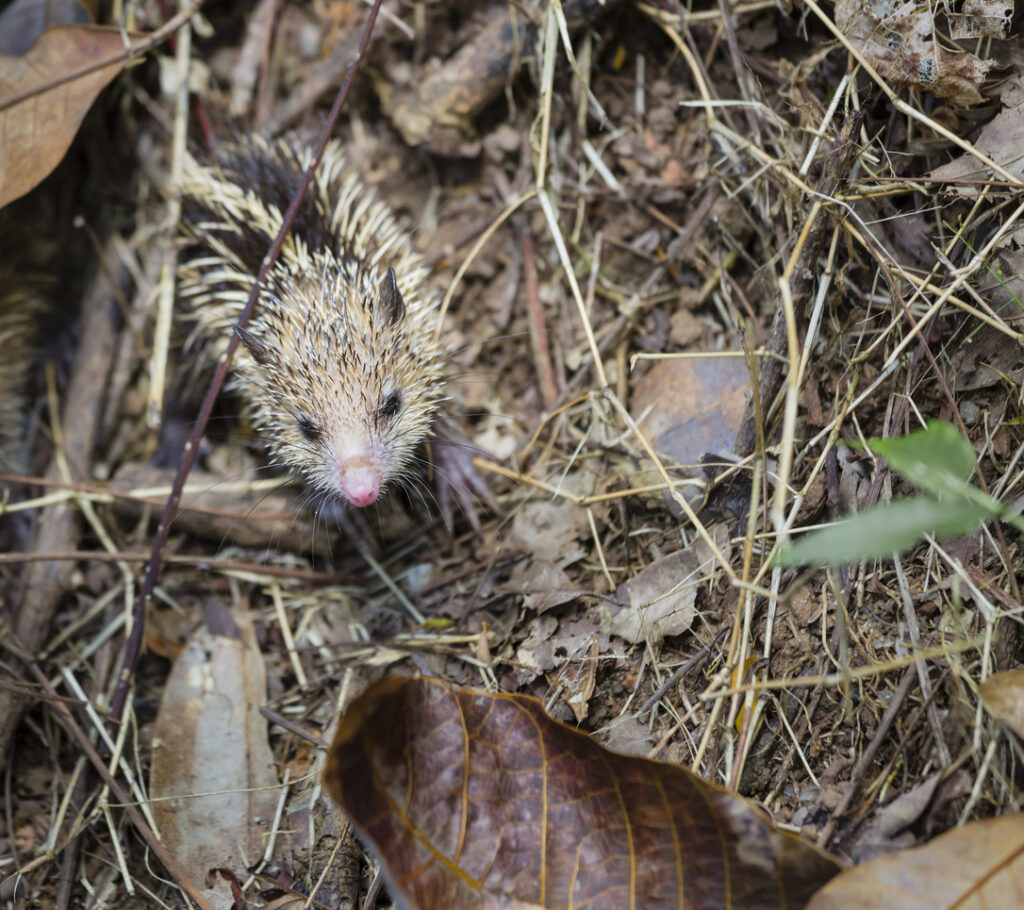
Apart from their protective spines, some tenrecs have special quills that act like whiskers. These help them sense their surroundings, especially in dark or dense areas where sight isn’t reliable.
That adaptation shows how multipurpose their features are. Their bodies have evolved to combine protection with sensory tools, giving them more ways to survive in challenging habitats.
They challenge our idea of mammals.
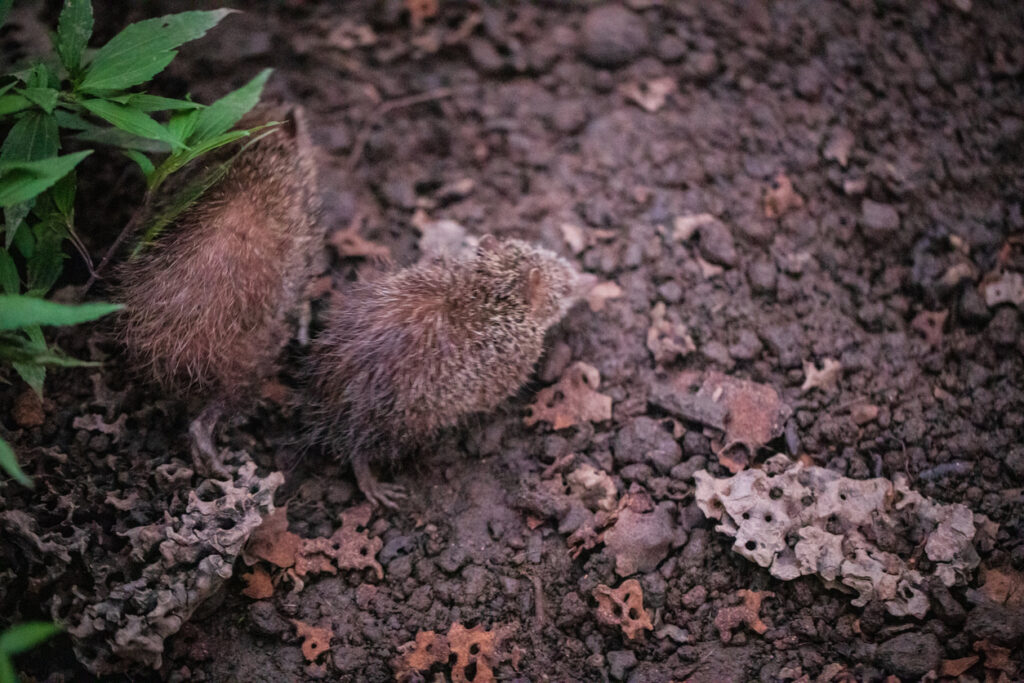
When people think of mammals, they picture fur, live young, and familiar body shapes. Tenrecs break this mould with their insect-like behaviours and unusual appearance. Without examples like them, our understanding of mammals would be too narrow.
Studying tenrecs broadens the picture. They remind us that mammals aren’t a uniform group, and nature can create unexpected blends that challenge how we define categories.
They’re a symbol of Madagascar’s uniqueness.
Tenrecs don’t exist anywhere else in the wild, which makes them a strong symbol of Madagascar’s biodiversity. Without species like them, the island would lose much of what makes it biologically special.
Protecting tenrecs highlights the importance of conservation. Their survival depends on safeguarding Madagascar’s forests, which preserves not just them, but countless other rare species found nowhere else.