Some of nature’s most efficient predators don’t rely on brute force to catch their meals.
Instead, they’ve evolved sophisticated chemical weapons that render their victims helpless before consumption, turning hunting into a calculated science rather than a chaotic chase through the wilderness. Here are some of the creatures with the most debilitating predatory behaviours in the animal world.
1. Cone snails inject deadly cocktails through harpoon-like teeth.
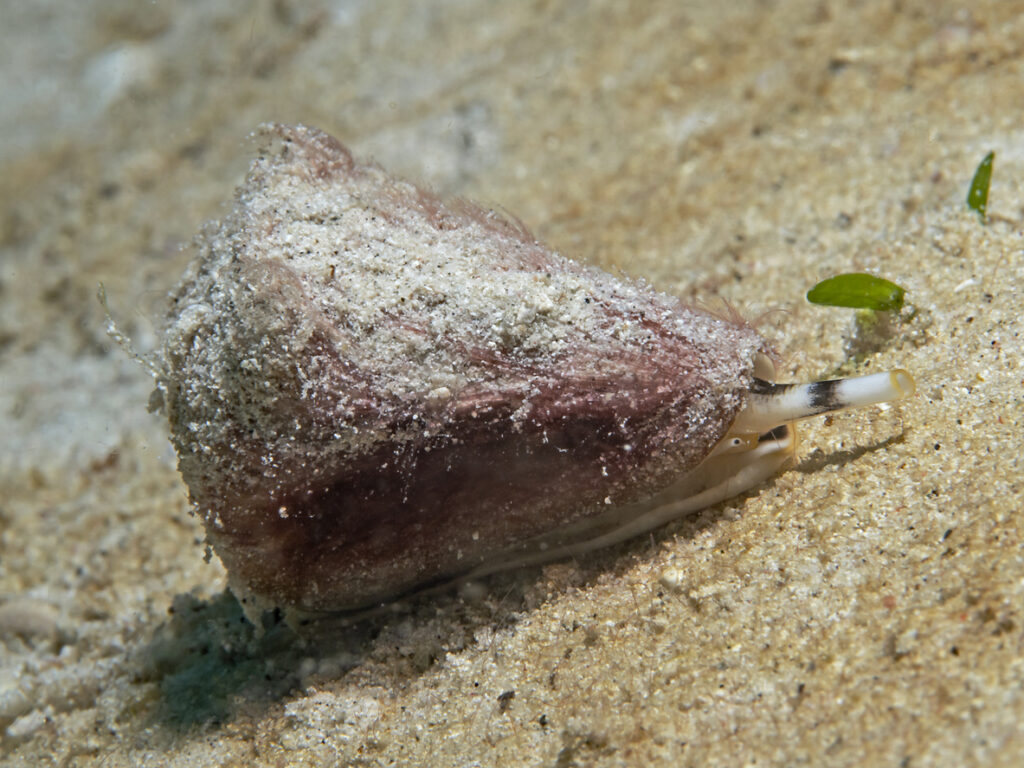
These beautiful marine snails might look harmless sitting on coral reefs, but they’re actually some of the ocean’s most lethal hunters. Cone snails fire hollow, barbed teeth like harpoons into fish, worms, or other molluscs, delivering a potent mix of neurotoxins that causes instant paralysis.
The venom is so effective that victims often don’t even realise they’ve been struck before their nervous system shuts down completely. Some cone snail toxins are being studied for medical applications because they’re more precise than many synthetic drugs, targeting specific nerve pathways with remarkable accuracy.
2. Spitting cobras blind and paralyse from a distance.
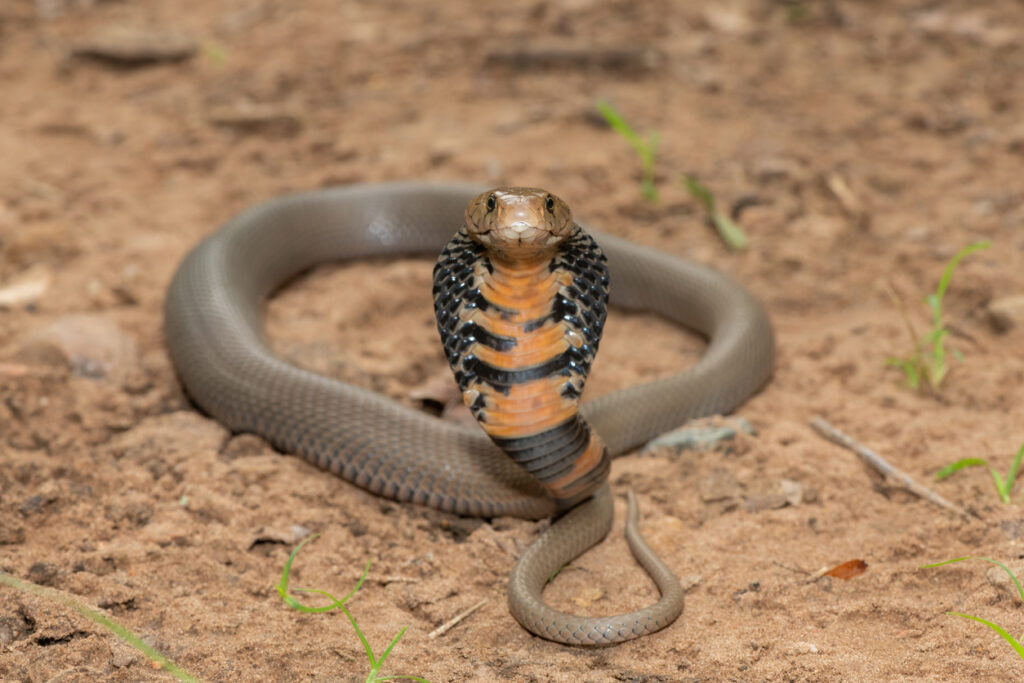
Rather than getting close enough to bite, spitting cobras can accurately spray venom up to eight feet away, aiming for their victim’s eyes and face. The venom causes immediate pain and temporary blindness, but it also contains powerful neurotoxins that cause paralysis if it enters the bloodstream through mucous membranes.
This long-range hunting strategy lets them disable prey without risking injury from desperate struggles. Once the victim is incapacitated, the cobra can approach safely and deliver a proper bite to finish the job, then swallow their meal at leisure.
3. Blue-ringed octopuses bite with bacterial poison.
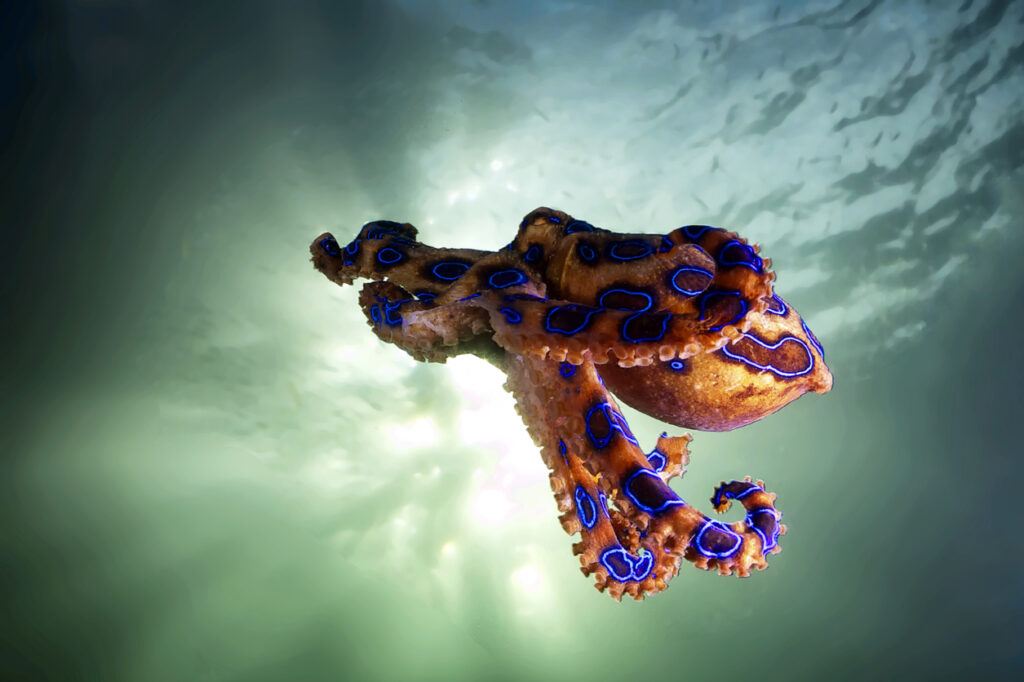
These tiny, vibrant octopuses pack enough venom to kill multiple adult humans, using bacteria in their saliva to produce tetrodotoxin—the same poison found in pufferfish. When they bite prey like crabs or small fish, the toxin blocks nerve signals and causes rapid paralysis while keeping the victim fully conscious.
Their hunting method is surprisingly gentle compared to other cephalopods. Instead of crushing prey with their beak, they simply bite and wait for the paralysis to take effect. The victim remains alive and fresh while the octopus methodically consumes it, ensuring the meat doesn’t spoil.
4. Platypus males deliver paralysing stings through ankle spurs.
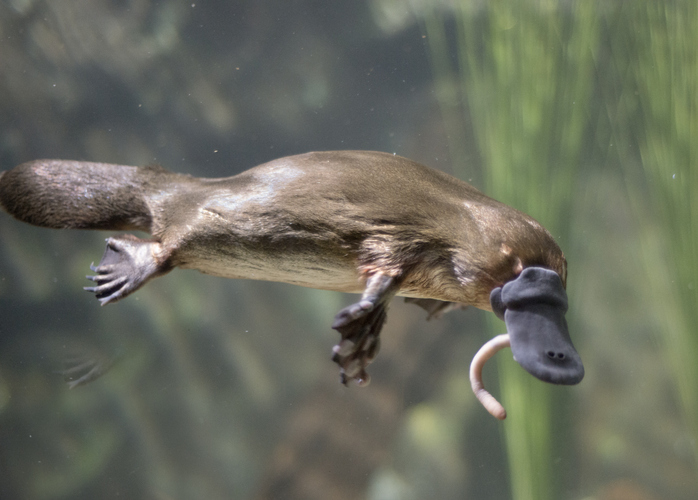
Male platypuses have venomous spurs on their hind legs that they use during territorial disputes, but that venom system likely evolved from predatory behaviour. The venom contains compounds that cause excruciating pain and temporary paralysis in small animals, though it’s rarely used for hunting today.
The platypus venom is unique among mammals because it causes long-lasting pain that can persist for weeks in larger animals. This suggests it evolved as both a defensive weapon and a way to incapacitate prey, allowing these unusual mammals to consume struggling victims more easily.
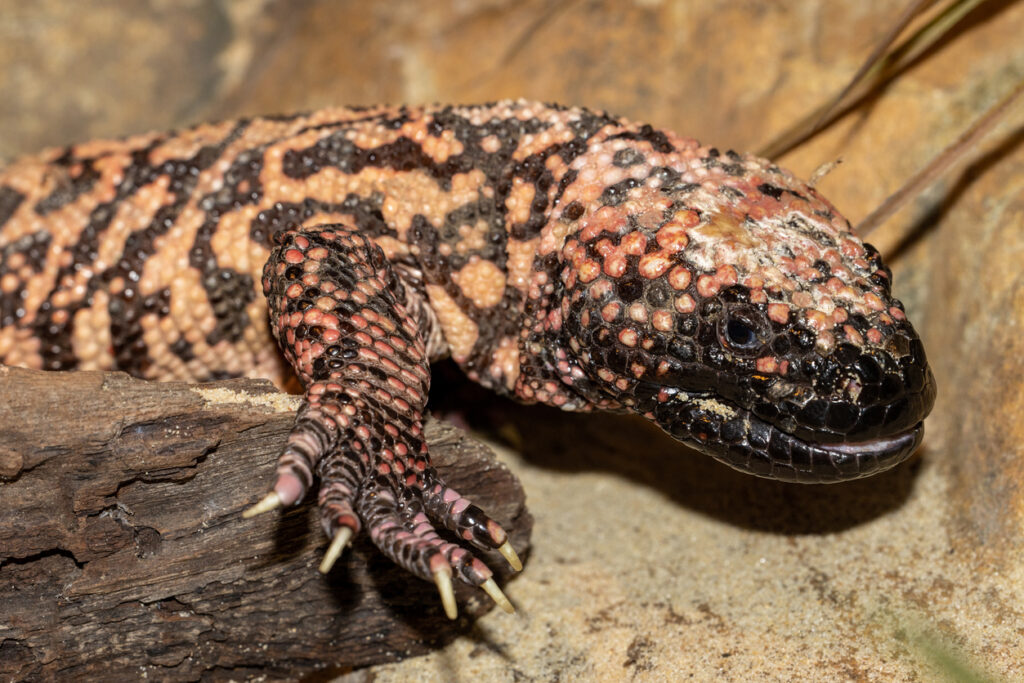
5. Gila monsters inject paralysing saliva through grooved teeth.
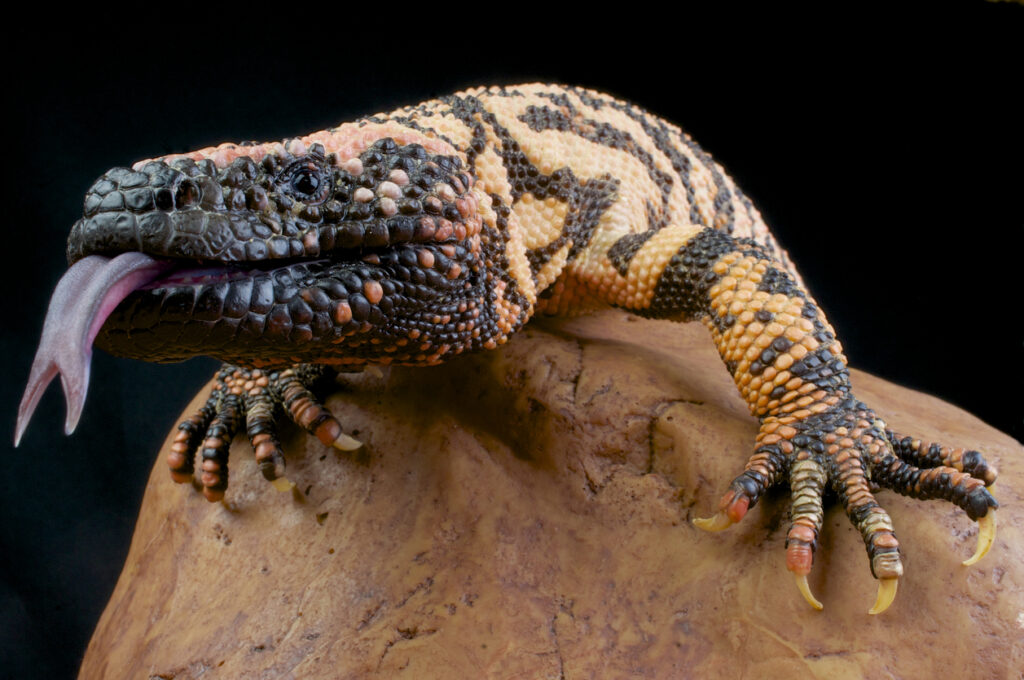
These large lizards don’t have fangs like snakes, but they do have grooved teeth that channel venomous saliva into bite wounds. Their venom contains compounds that cause paralysis and prevent blood clotting, ensuring that even prey that initially escapes will eventually succumb to the effects.
Gila monsters have incredibly strong jaws and tend to hang on while chewing, allowing more venom to flow into the wound. Their slow, methodical approach to envenomation matches their generally sluggish hunting style, but it’s devastatingly effective against birds, small mammals, and eggs.
6. Sea anemones paralyse fish with stinging cells.
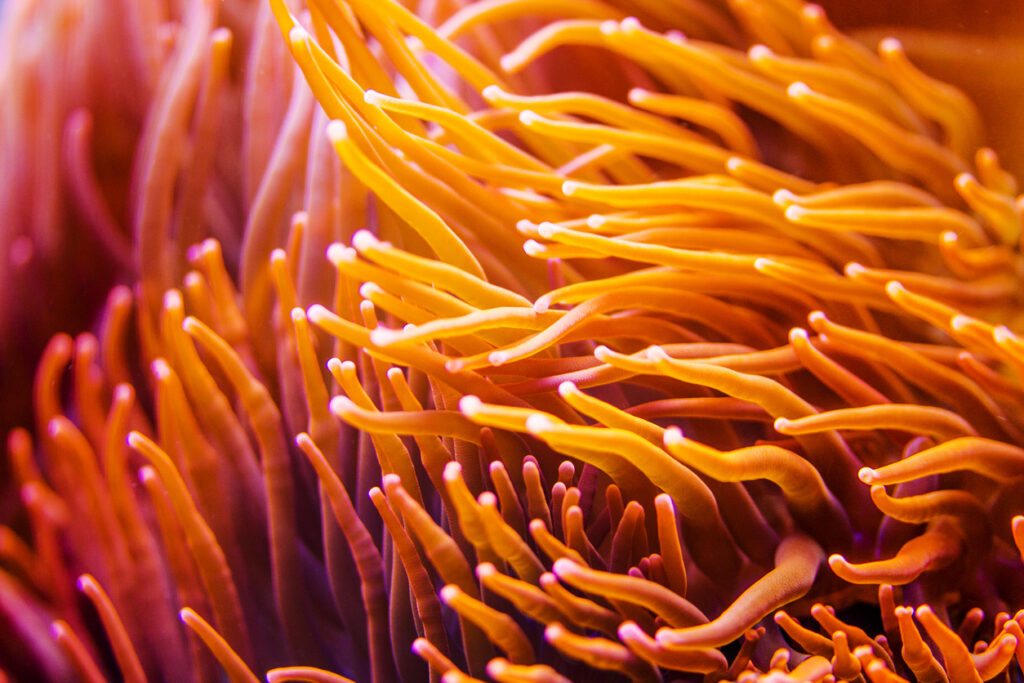
Sea anemones might look like harmless flowers swaying in the current, but their tentacles are packed with thousands of microscopic stinging cells called nematocysts. When triggered by contact, these cells fire barbed threads that inject paralysing toxins into small fish and invertebrates.
The paralysis happens almost instantly, preventing prey from swimming away before the anemone can pull them toward its mouth with its tentacles. Different species have evolved different toxin combinations optimised for their preferred prey, from tiny plankton to surprisingly large fish.
7. Assassin bugs inject digestive enzymes that liquefy victims.
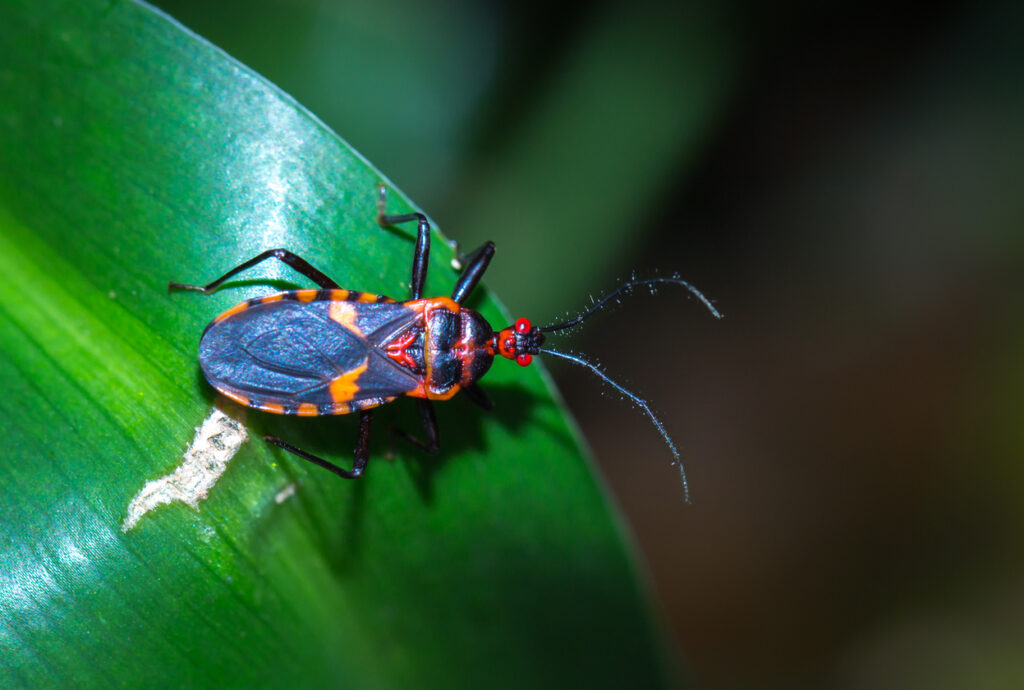
These predatory insects use their needle-like mouthparts to inject a cocktail of paralysing toxins and digestive enzymes directly into their prey. The venom stops the victim from moving while the enzymes begin breaking down internal tissues, essentially pre-digesting the meal from the inside.
Assassin bugs then use their proboscis like a straw to suck up the liquefied contents, leaving behind an empty shell. This external digestion method allows them to consume prey much larger than themselves, from beetles to caterpillars, without having to swallow solid food.
8. Trapdoor spiders ambush with paralysing bites.
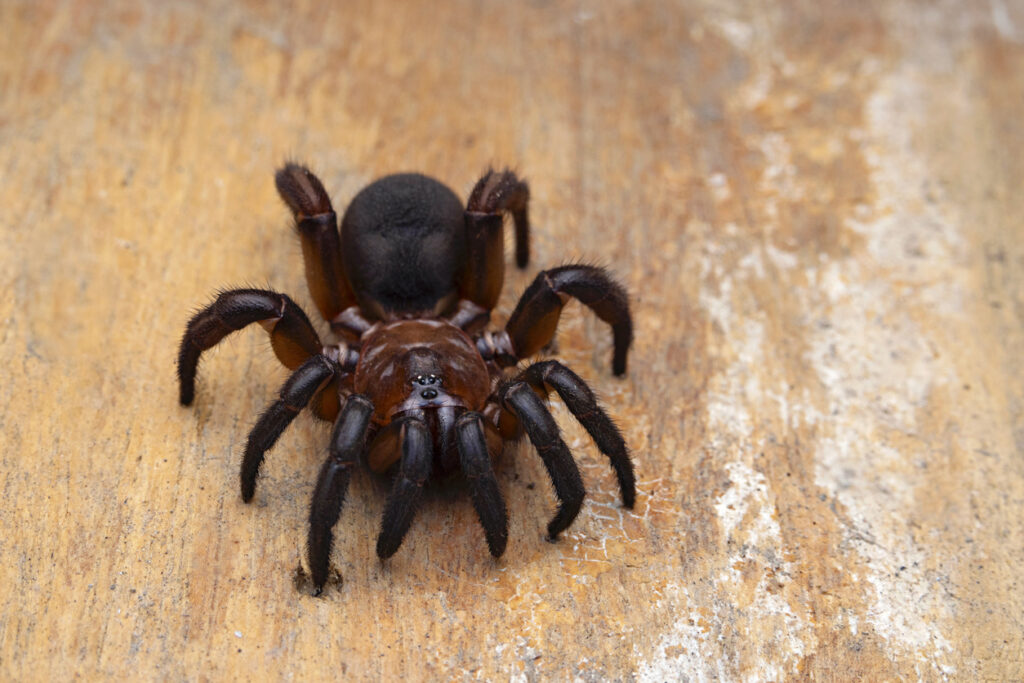
These patient hunters construct camouflaged burrows with hinged lids, then wait for vibrations that signal approaching prey. When insects, small lizards, or frogs venture too close, the spider bursts out and delivers a lightning-fast bite filled with paralysing venom.
The venom works quickly to prevent prey from escaping back to the surface, allowing the spider to drag its victim down into the burrow. Once safely underground, the spider can take its time-consuming the paralysed meal without interference from other predators or scavengers.
9. Stonefish inject excruciating venom through dorsal spines.

While stonefish primarily use their venom for defence, they also employ it when hunting small fish and crustaceans that venture too close. Their dorsal spines contain potent neurotoxins that cause immediate paralysis and intense pain, stopping prey from fleeing.
The camouflaged fish then opens its enormous mouth to create suction that draws the paralysed victim inside. This ambush strategy is so effective that stonefish barely need to move while hunting, relying entirely on their venom and camouflage to secure meals.
10. Slow lorises deliver toxic bites with arm gland secretions.
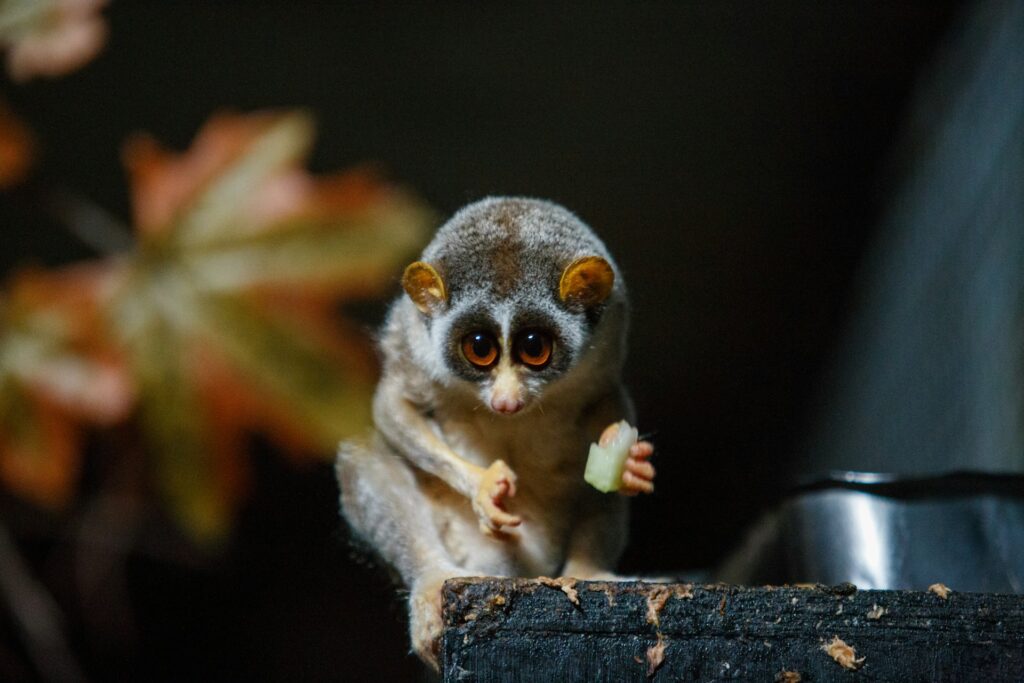
These nocturnal primates have a unique venom delivery system involving toxic secretions from glands on their arms. They lick these secretions and mix them with their saliva, creating a venomous bite that can paralyse small prey like insects, birds, and lizards.
The venom causes local paralysis and tissue damage, allowing the slow-moving loris to capture and consume prey that would otherwise be too quick to catch. This adaptation helps explain how these seemingly sluggish primates can be effective predators despite their leisurely pace.
11. Cone jellyfish trail paralysing tentacles behind them.
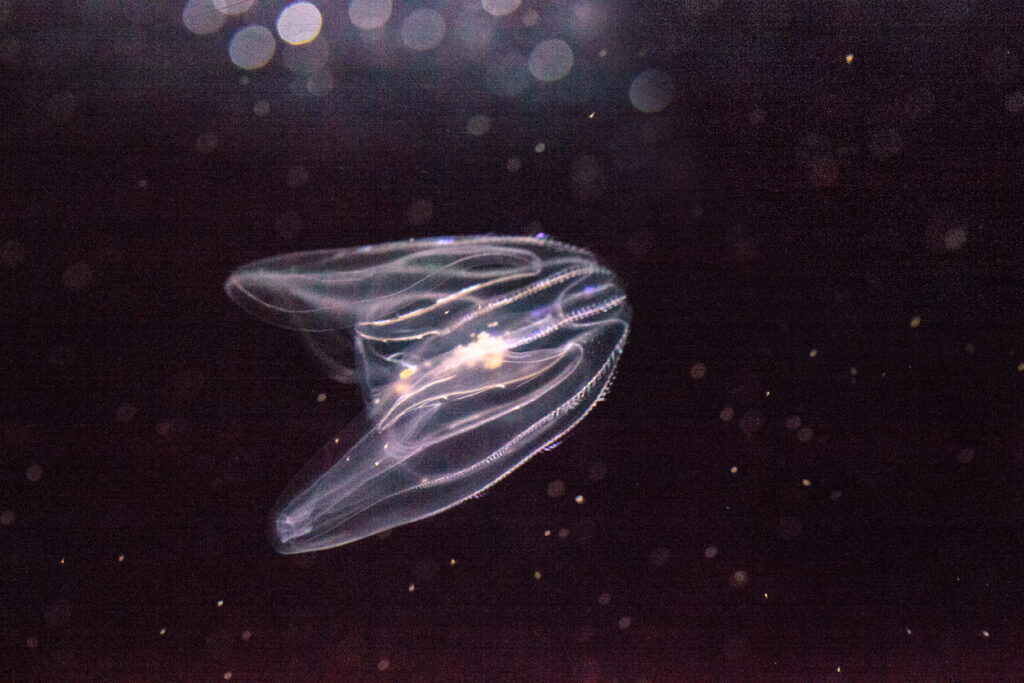
These translucent predators drift through the water with long, nearly invisible tentacles that can extend several meters behind them. The tentacles are lined with stinging cells that inject powerful neurotoxins into any fish or invertebrate that makes contact.
The paralysis is almost instantaneous, preventing prey from struggling or attracting other predators while the jellyfish slowly reels in its catch. The transparent body and trailing tentacles make this hunting method incredibly efficient, as prey rarely see the danger until it’s too late to escape.
12. Shrews produce paralysing saliva for storing live prey.
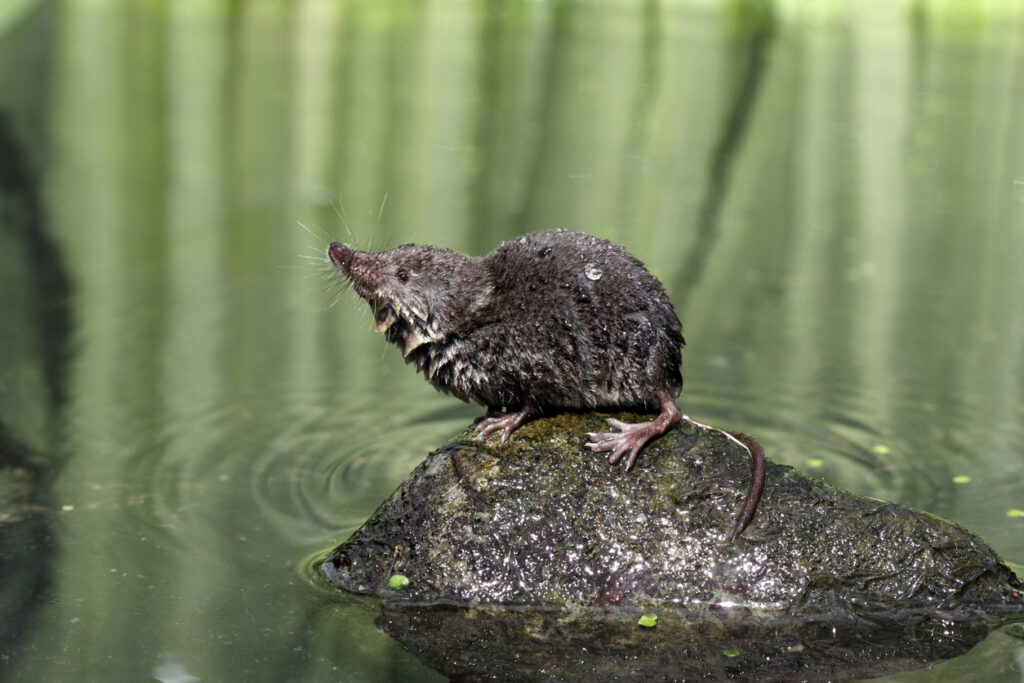
Some shrew species have toxic saliva that can paralyse small animals like mice, allowing these tiny mammals to create living food stores in their burrows. The paralysed prey remains alive but immobile, staying fresh for days or weeks until the shrew is ready to eat.
This remarkable adaptation lets shrews survive periods when food is scarce by essentially running their own meat locker filled with paralysed victims. The venom is carefully calibrated to cause paralysis without killing, ensuring the food supply doesn’t spoil before consumption.
13. Electric rays stun prey with powerful electrical discharges.
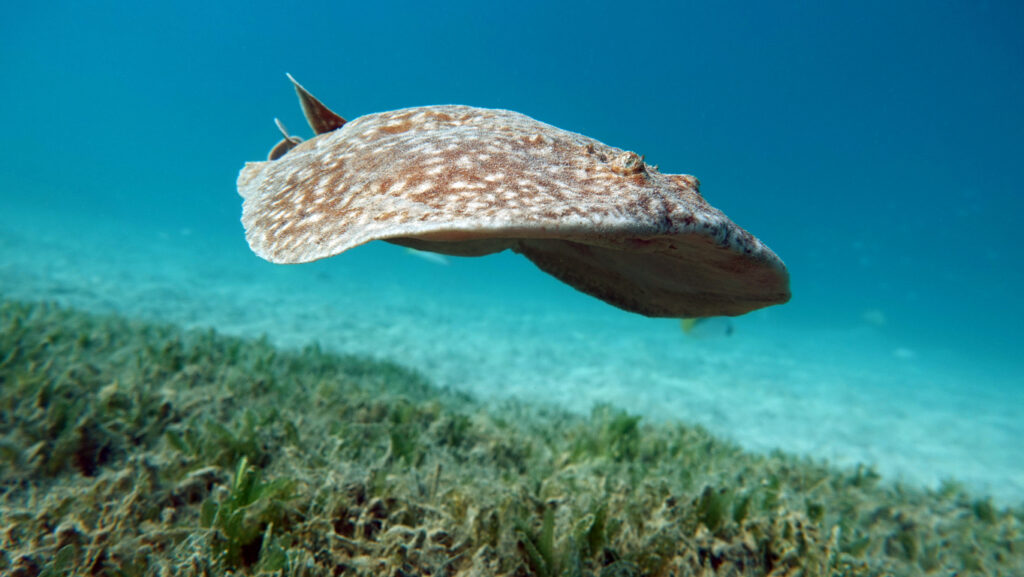
These flattened fish have specialised organs that can generate electrical discharges powerful enough to stun or paralyse fish, crustaceans, and molluscs. The electrical shock disrupts the nervous system, causing temporary paralysis that gives the ray time to position its prey properly for swallowing.
The electrical discharge is so precise that rays can adjust the voltage depending on the size and type of prey they’re hunting. Smaller animals receive just enough shock to paralyse them, while larger prey might get multiple discharges to ensure they’re completely incapacitated before the ray attempts to eat them.