Dinosaurs get all the glory in the ‘Jurassic Park’ universe, but it’s not entirely fair.
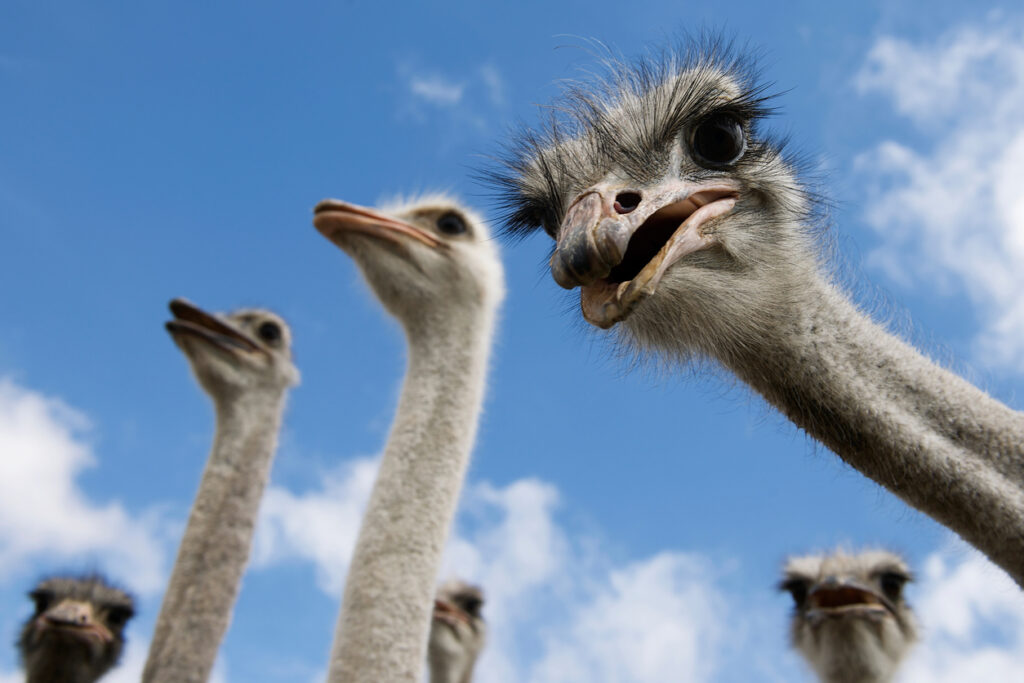
The latest film in the franchise, ‘Jurassic World,’ completely missed a trick by obsessing over the likes of velociraptors and mutant T. rex when ostriches are literally right there being terrifying dinosaurs in real life. These massive birds are basically what you’d get if a dinosaur decided to stick around and perfect the art of being absolutely mental.
1. They’re actual living dinosaurs.

Ostriches are quite literally modern dinosaurs, not in a cute “birds evolved from dinosaurs” way, but in a real “these things could’ve starred in the Cretaceous period” way. They’re part of the ratite family, which split off from other birds about 60 million years ago, keeping loads of primitive features that make them more dinosaur than bird.
Look at their feet and tell me that’s not a velociraptor foot. Two gigantic toes with claws that can disembowel a lion, scales instead of feathers on their legs, and that prehistoric way they move. They’re basically theropods that survived the meteor and thought, you know what, we’ll just stay enormous and terrifying.
2. The size comparison is ridiculous.

Film velociraptors are about six feet tall in ‘Jurassic World,’ which is actually way bigger than real velociraptors that were more like angry turkeys. Ostriches? They’re genuinely eight to nine feet tall and weigh up to 150 kilograms. That’s not CGI or Hollywood exaggeration, that’s just a Tuesday for an ostrich.
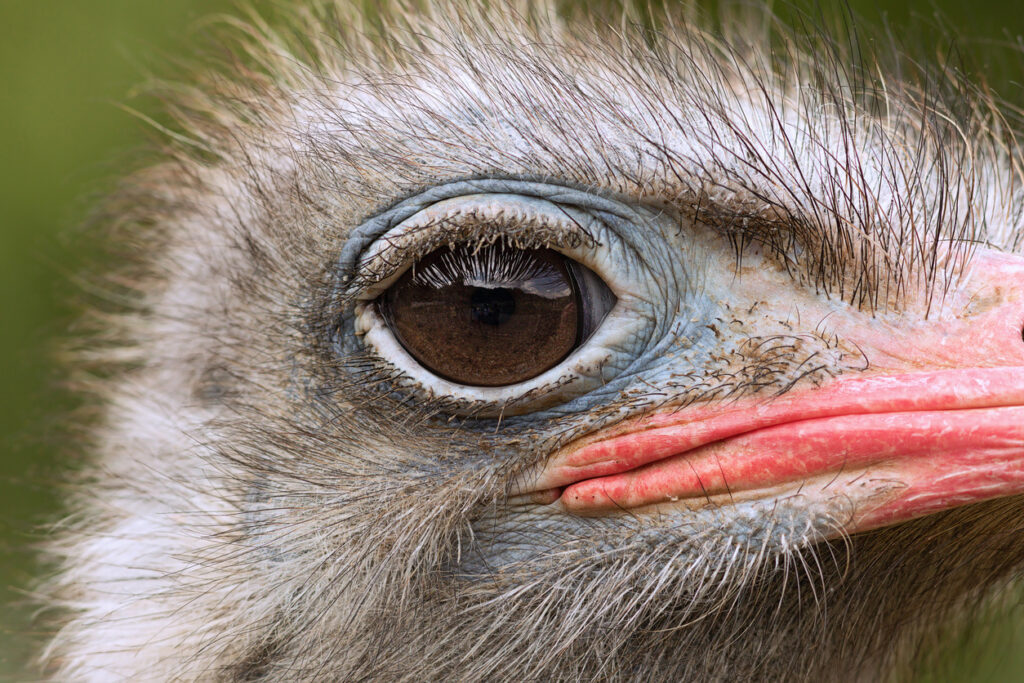
When you see an ostrich in person, the scale hits different. Their eyes are the size of billiard balls, literally the largest eyes of any land animal. Their necks are longer than your entire torso. Standing next to one makes you realise that if dinosaurs were still about, we’d probably be keeping our distance, just like we do with ostriches.
3. Their speed is absolutely mental.

Velociraptors in the films run at about 40 mph when they’re chasing those stupid gyrosphere things. Ostriches can hit 45 mph without breaking a sweat and maintain 30 mph for half an hour. They’re the fastest bipedal animals on Earth, which sounds like a weird flex until you realise they’re outrunning things that want to eat them.
The way they run is pure dinosaur energy too. Those huge legs cover five metres in a single stride, and they use their wings for balance whilst cornering at speed. Imagine being chased by something that tall moving that fast. You’re not getting away, and unlike movie dinosaurs, these ones actually exist.
4. Those claws aren’t just for show.

Everyone goes on about raptor claws, but ostrich kicks can kill a lion. Not injure, not scare away, but actually kill. Their main claw is four inches long, and they kick forwards with about 2,000 pounds per square inch of pressure. That’s enough to cave in a ribcage or tear through metal fencing.
Zookeepers rate ostriches as one of the most dangerous animals to work with, right up there with big cats and chimps. They’ve got this reputation as silly birds because of cartoons, but ask anyone who’s worked with them, and they’ll tell you these birds don’t mess about when they’re angry.
5. Their behaviour is peak dinosaur.
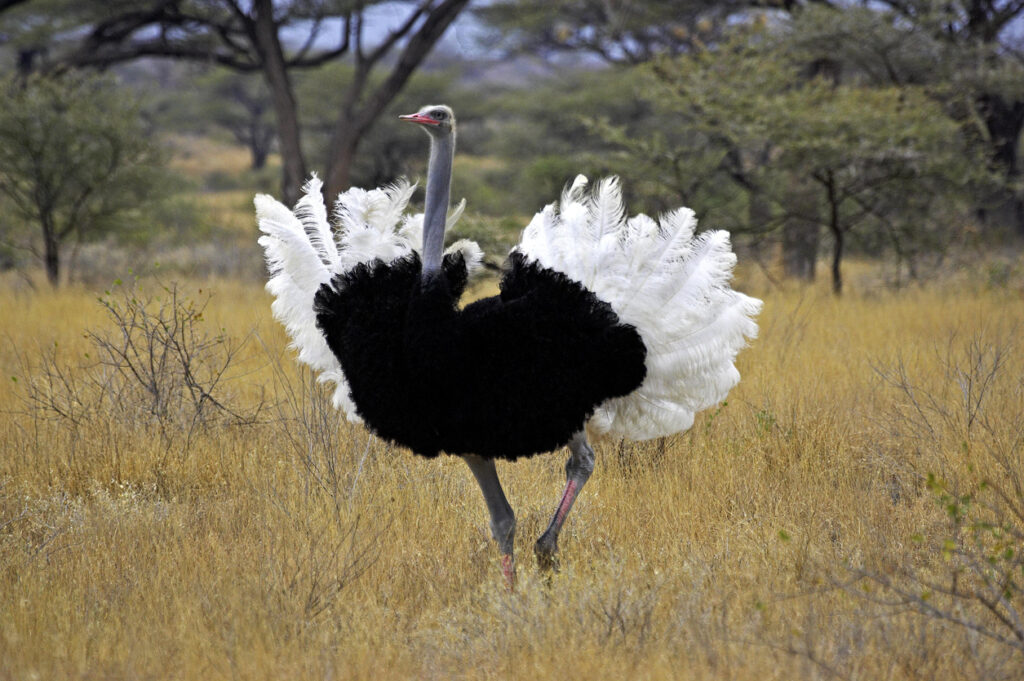
Ostriches have this territorial aggression that feels straight out of ‘Jurassic World.’ During breeding season, males turn bright red on their legs and necks, do this insane booming call that sounds prehistoric, and will fight anything they see as competition. They don’t back down from vehicles, humans, or even their own reflections.
They’ve got this thing called a distraction display where they pretend to be injured to lead predators away from their nests, then suddenly sprint off at full speed. It’s the kind of intelligent, calculated behaviour everyone gets excited about when movie dinosaurs do it, except ostriches have been doing it for millions of years.
6. The group dynamics are fascinating.
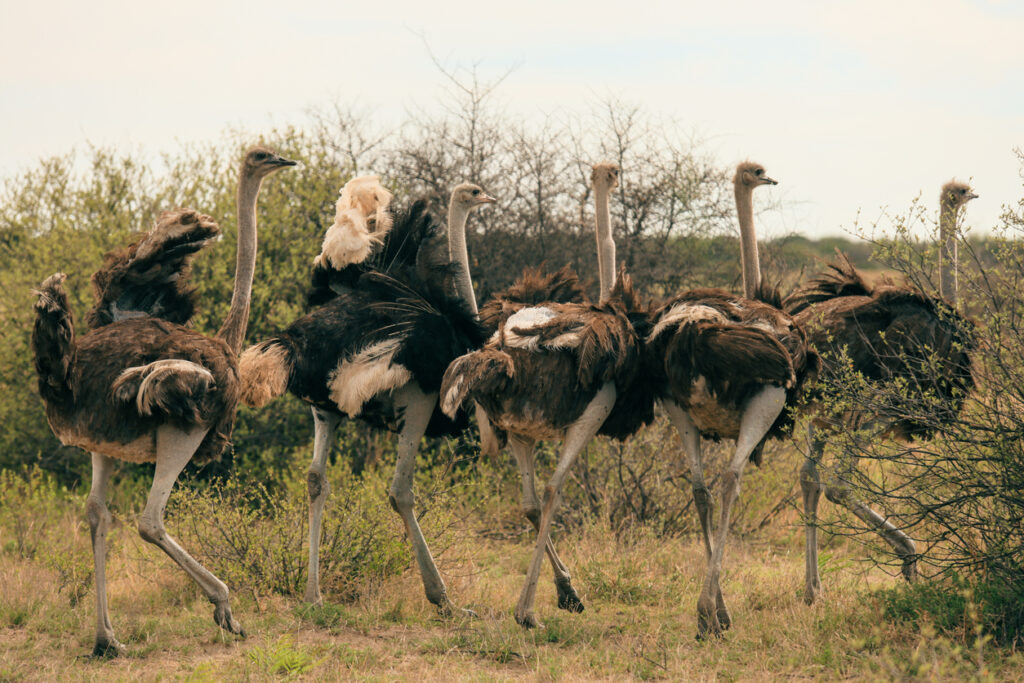
Unlike the made-up pack hunting in ‘Jurassic World,’ ostriches have actual complex social structures that work. They form protective groups where different birds take turns watching for predators whilst others feed. They’ll adopt orphaned chicks from other groups and raise them communally, showing more social intelligence than movie raptors ever did.
During fights for dominance, males do these elaborate displays that involve puffing up their feathers, spreading their wings, and basically turning themselves into terrifying umbrellas. It’s exactly the kind of thing you’d expect from a dinosaur establishing dominance, except you can watch it happen at a safari park instead of in a cinema.
7. Their survival strategy is brilliant.

Whilst movie dinosaurs always go for the dramatic kill, ostriches have perfected the art of just being too much hassle to eat. They’ve got incredible eyesight that lets them spot threats from kilometres away, they’re faster than most predators, and when cornered, they become absolutely vicious. Most predators learn pretty quickly that there are easier meals out there.
They also do this brilliant thing where they’ll graze alongside zebras and antelopes, using the mammals as extra eyes whilst providing their own superior vision as an early warning system. It’s an actual ecological relationship that’s way more interesting than anything in the films.
8. The egg situation is absurd.

Ostrich eggs are the largest cells on Earth. Just let that sink in. One egg is equivalent to about 24 chicken eggs and weighs 1.5 kilograms. The shells are so strong you can stand on them without breaking them, and they’ve been used as water containers by humans for thousands of years.
The communal nesting thing they do is mad too. Multiple females lay eggs in the same nest, sometimes up to 60 eggs total, but only the dominant pair actually incubates them. They’ve worked out this system where the dominant female can recognise her own eggs and pushes others to the outside where they’re more likely to get predated. It’s ruthless efficiency that would fit right into a dinosaur documentary.
9. They’ve got proper armour.

Their skin is commercially valuable because it’s basically leather armour. It’s thick enough to be turned into boots that last decades, with a distinctive pattern from their feather follicles. This isn’t delicate bird skin, it’s proper hide that protects them from thorns, kicks from other ostriches, and predator attacks.
The males develop thick calluses on their chests from lying on the ground during incubation. Over time, these become actual chest plates of hardened skin. They’ve evolved their own armour plating, which is way more practical than whatever defensive adaptations movie dinosaurs supposedly have.
10. Their digestive system is dinosaur-level weird.
Ostriches eat stones on purpose to help grind up food in their gizzards, carrying around up to a kilogram of rocks in their stomachs at any time. They can digest things that would poison other animals, including metal objects if they accidentally swallow them. Keys, jewellery, and coins have all been found in ostrich stomachs.
They don’t even need to drink water most of the time, getting moisture from the plants they eat and producing really concentrated urine to conserve water. They’re built for surviving in harsh environments in ways that make fictional dinosaur adaptations look basic.
11. The farming reality check is pretty mind-blowing.

People actually farm these dinosaurs commercially, which is mental when you think about it. Ostrich farming took off in the 1990s and there are thousands of farms worldwide raising them for meat, leather, and feathers. We’ve literally domesticated dinosaurs, and most people don’t even realise it.
The farming industry learned pretty quickly that you need serious fencing and handling equipment for ostriches. They’re escape artists that can jump two metres high and need special racing track-style handling facilities to move them safely. It’s basically Jurassic World except real and selling dinosaur steaks at farmers’ markets.
12. Their brain situation is hilarious.
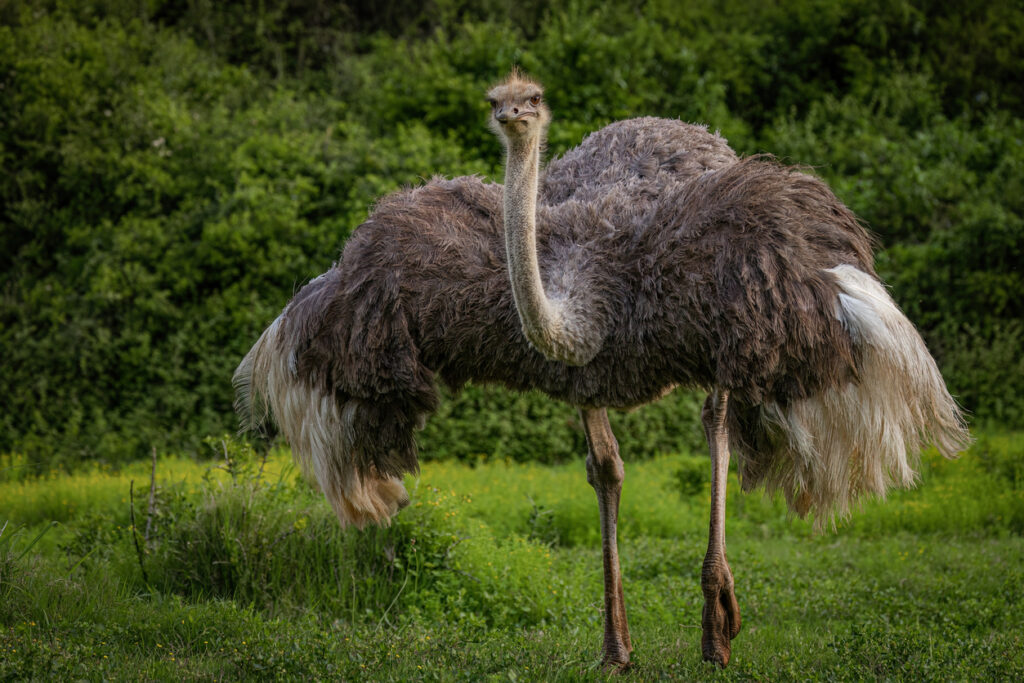
Everyone jokes about ostriches having tiny brains, and yeah, their brains are smaller than their eyeballs. But they’re perfectly adapted for what they need to do. They’ve survived everything from ice ages to human hunting with those tiny brains, whilst all the clever dinosaurs became extinct.
They’ve got this reputation for sticking their heads in sand, which is complete rubbish, but they do lie flat on the ground when hiding from predators. From a distance, it looks like their heads have disappeared. They’re using optical illusions as a defence mechanism, which is actually pretty smart for something with a walnut-sized brain.
13. They’re a conservation success story.
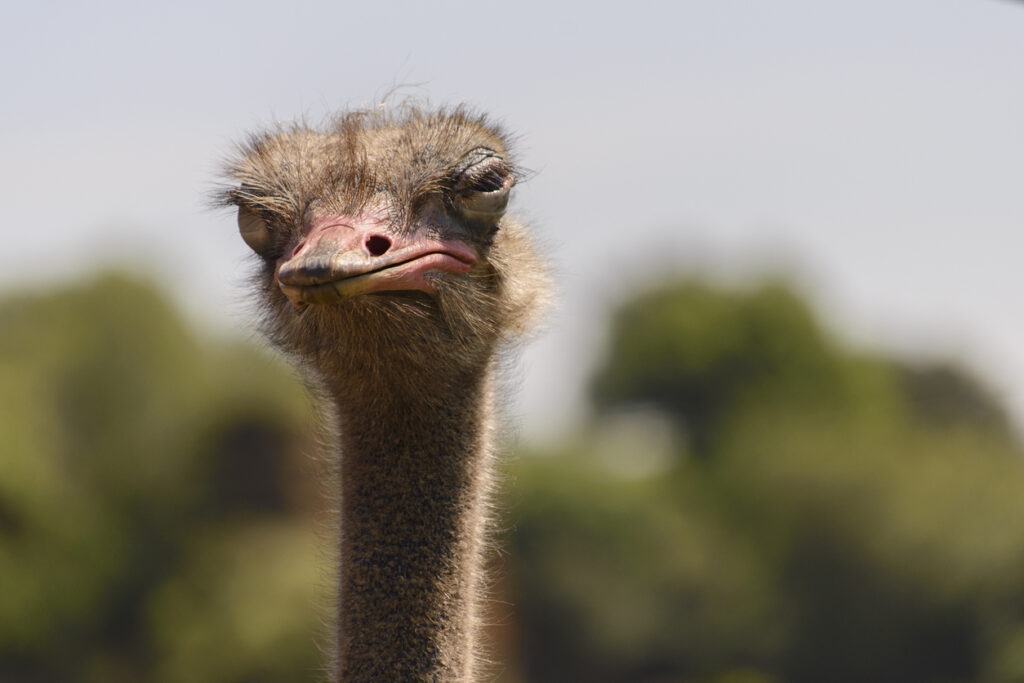
Ostriches nearly became extinct in the wild during the 19th century because of hunting for their feathers. Now they’re back to stable populations through conservation and farming. We literally brought dinosaurs back from the brink of extinction, which is exactly what ‘Jurassic World’ pretends to be about, except we did it with actual living dinosaurs.
The fact that they’ve adapted to being farmed whilst maintaining their wild populations shows how resilient these birds are. They’re thriving in places from Africa to Australia to America, proving that dinosaurs don’t need Hollywood special effects to be successful in the modern world.
14. They’re scarier than movie monsters.
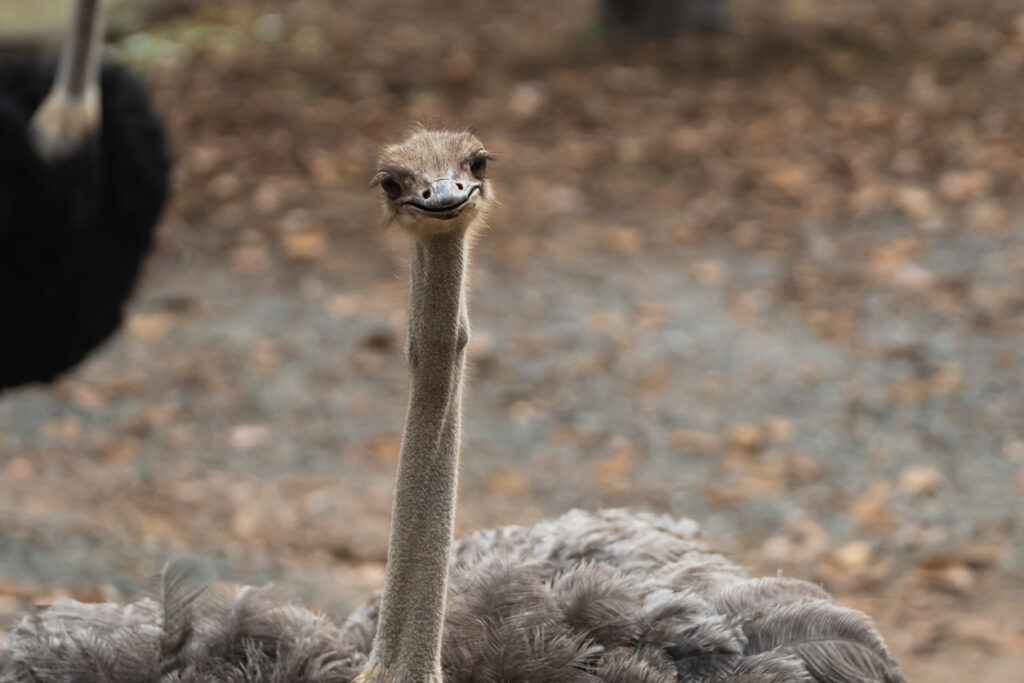
Film dinosaurs need dramatic music and jump scares to be frightening. Ostriches just need to exist. There’s something unsettling about watching a bird that tall, moving that fast with feet that could gut you. They don’t roar or have massive teeth, but that almost makes them scarier because the threat is real.
Ask anyone who’s been charged by an ostrich, and they’ll tell you it’s terrifying. These birds hold grudges, remember faces, and will go after specific people who’ve annoyed them. They’re not mindless movie monsters, they’re intelligent, vindictive dinosaurs that exist in our world right now. Forget bringing back extinct species, we should probably focus on appreciating the mental dinosaurs we’ve already got.