Some plants refuse to stick to one look.
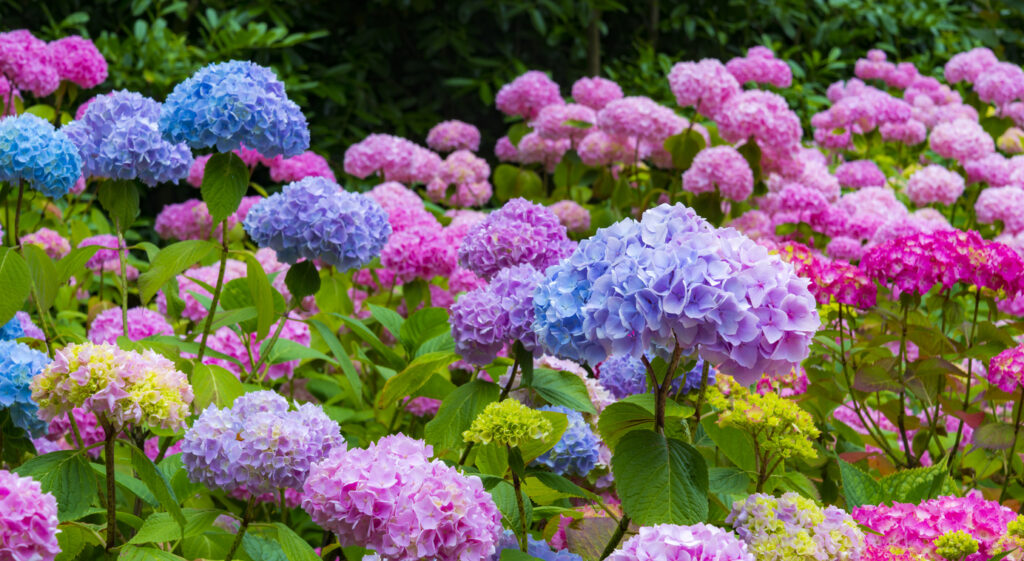
Instead, they put on a changing display as the months roll by, changing shades and surprising you with fresh colours. These plants transform throughout the season, keeping gardens constantly interesting and incredibly beautiful. If you want a colourful garden that always offers a surprise, these are some great options.
1. Hydrangeas change with the soil.
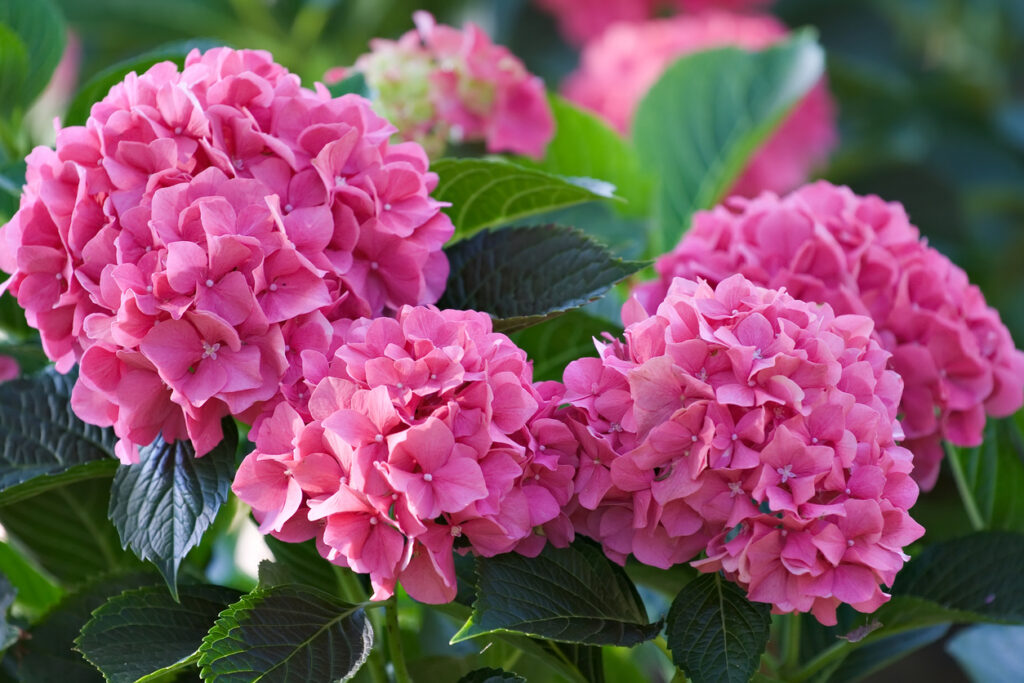
Hydrangeas are renowned for their colour-changing abilities. Depending on soil acidity, their blooms can go from pink to blue to purple, creating a living pH test in your garden. This transformation happens gradually and feels almost magical to watch.
The trick lies in aluminium uptake, which alters pigment. Gardeners sometimes adjust soil deliberately to encourage different hues, but even without interference hydrangeas often display several shades at once, making them a true shapeshifter among flowering shrubs.
2. Japanese maples go through fiery stages.
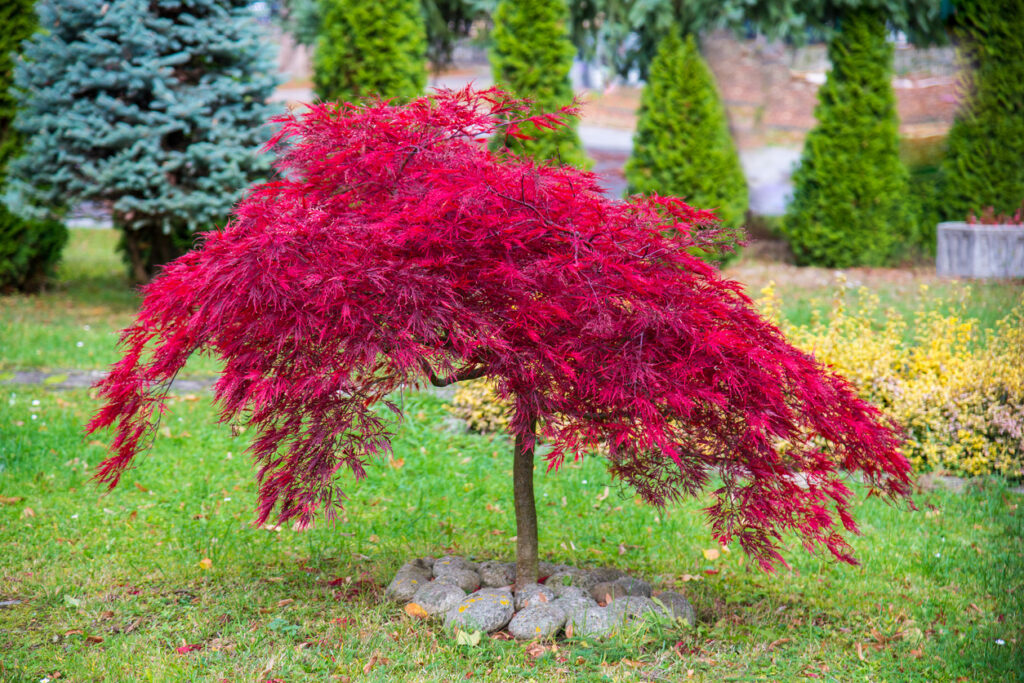
Japanese maples are seasonal showstoppers. In spring, their delicate leaves emerge in bright reds or greens, deepen through summer, and then ignite into blazing oranges and scarlets in autumn. Each stage feels like a new tree entirely.
Because varieties differ, no two maples follow the exact same pattern. Some start crimson then mellow to bronze, while others surprise with yellow or burgundy. Their evolving palette ensures interest well beyond a single season of colour.
3. Coleus experiences changing foliage tones.
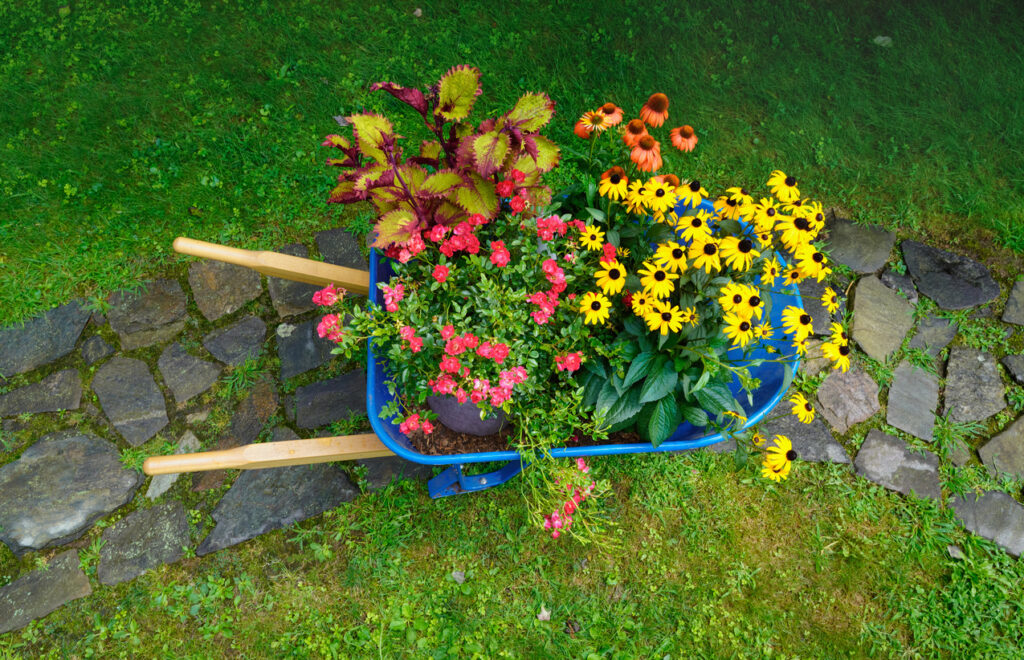
Coleus plants are grown mainly for their foliage, and their colours change as they grow. Leaves can start lime green, flush with pink or red mid-season, and darken into rich purples as the year progresses.
Because they respond to sunlight, no two coleus look quite alike. A shaded corner produces softer hues, while full sun sharpens contrasts. They are perfect for gardeners who love constant variety in their beds or pots.
4. Smoke bushes tend to deepen dramatically.
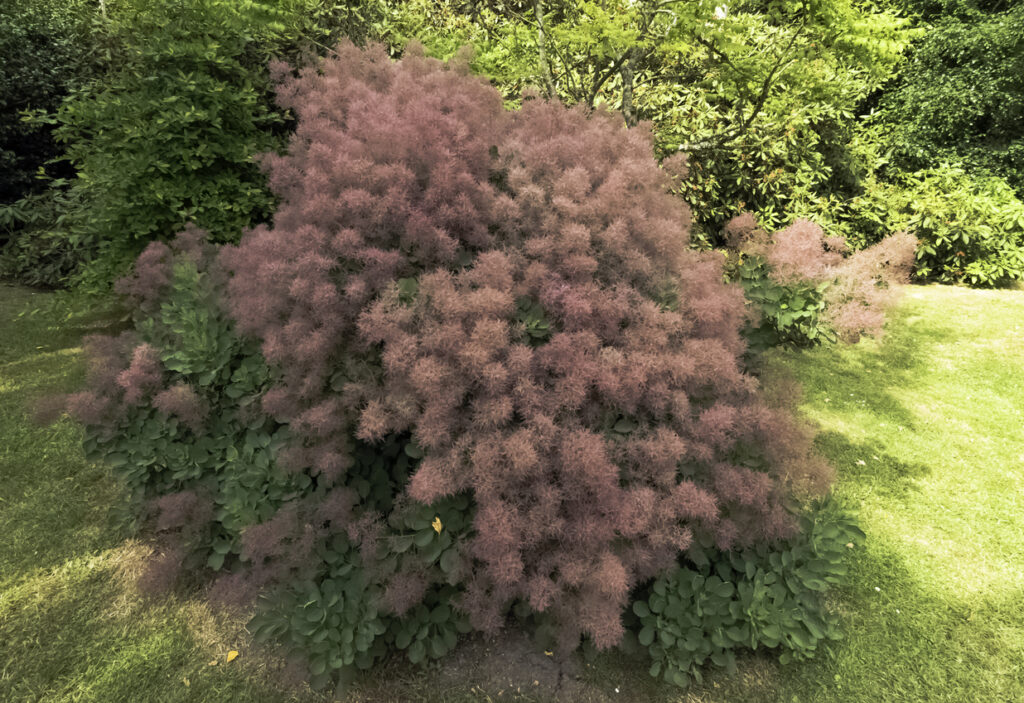
Smoke bushes begin spring with fresh, bright foliage—often green or golden—before darkening into deep purples or reds in summer. Come autumn, they take another turn, glowing orange and scarlet before dropping their leaves completely.
Paired with their signature smoky plumes, these shrubs create multi-layered interest. Their colour changes make them more than just background plants because they continue to evolve and demand attention from spring through late autumn.
5. Heucheras have beautifully layered shades.
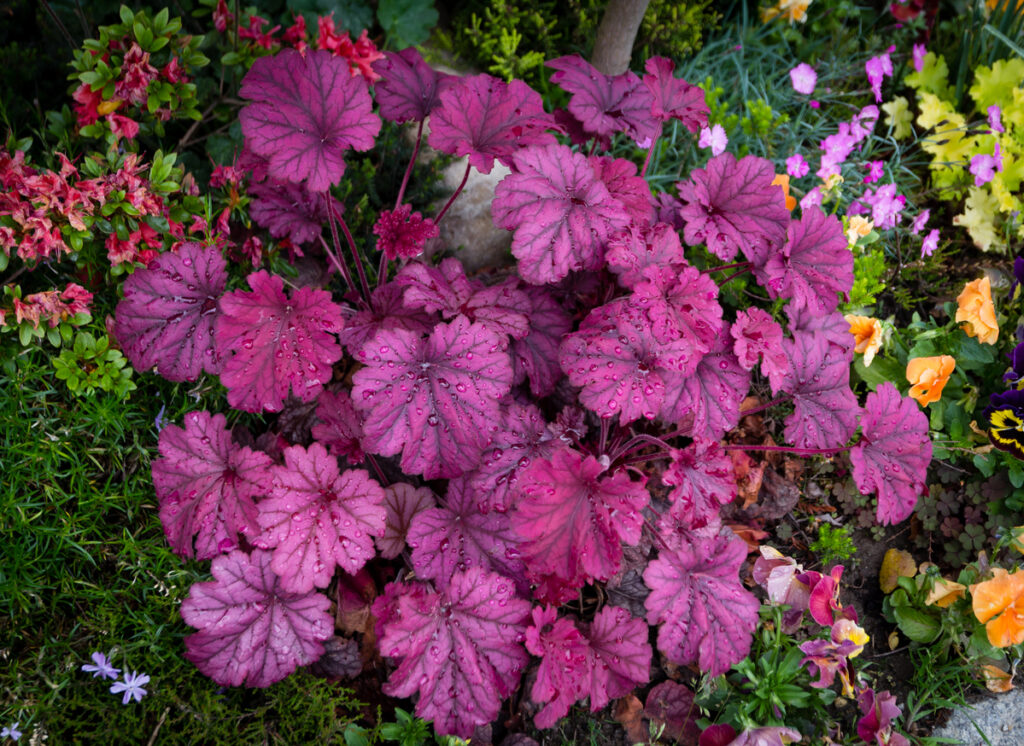
Also known as coral bells, heucheras produce foliage that changes colour across the season. Leaves may start silvery or lime, take on purple veins in midsummer, and finish the year with richer reds or bronzes.
These subtle changes mean a heuchera bed rarely looks static. Their compact size makes them ideal for edging, and their evolving tones add rhythm and movement without relying on flowers alone.
6. Crotons get brighter with age.
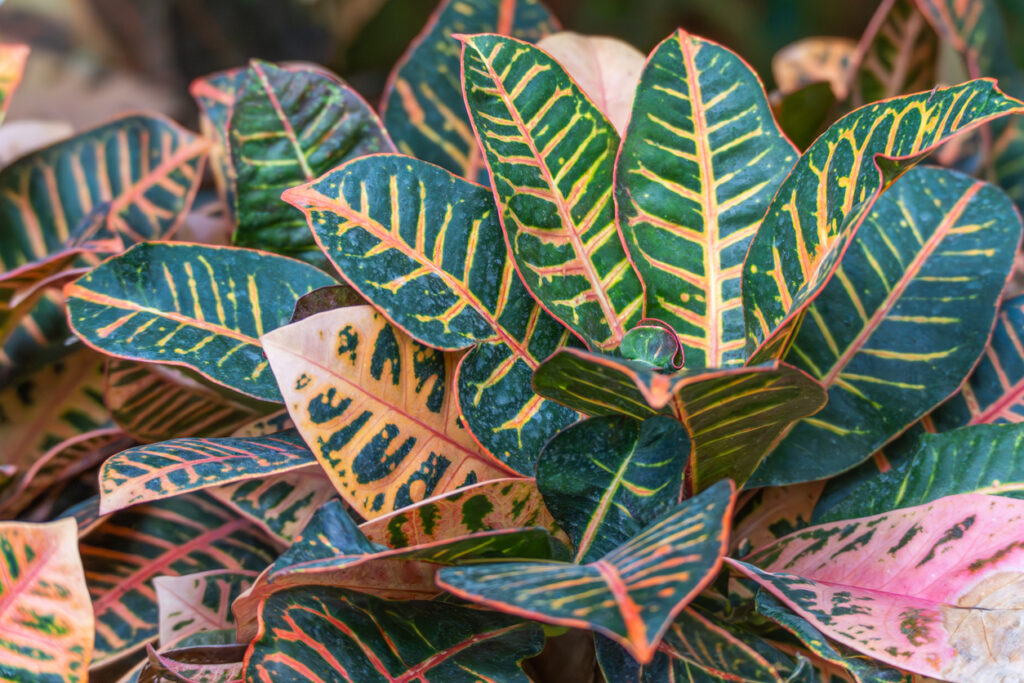
Often grown indoors in Britain, crotons are tropical plants with leaves that become more colourful as they mature. Young foliage is usually green, but as it develops, streaks of yellow, orange, and red appear, creating dramatic multicolour displays.
The longer the leaves grow, the more intense the colours become. Because each leaf matures at a different pace, the plant always looks like a patchwork of changing shades, giving it year-round appeal.
7. Oakleaf hydrangeas go through seasonal shifts.
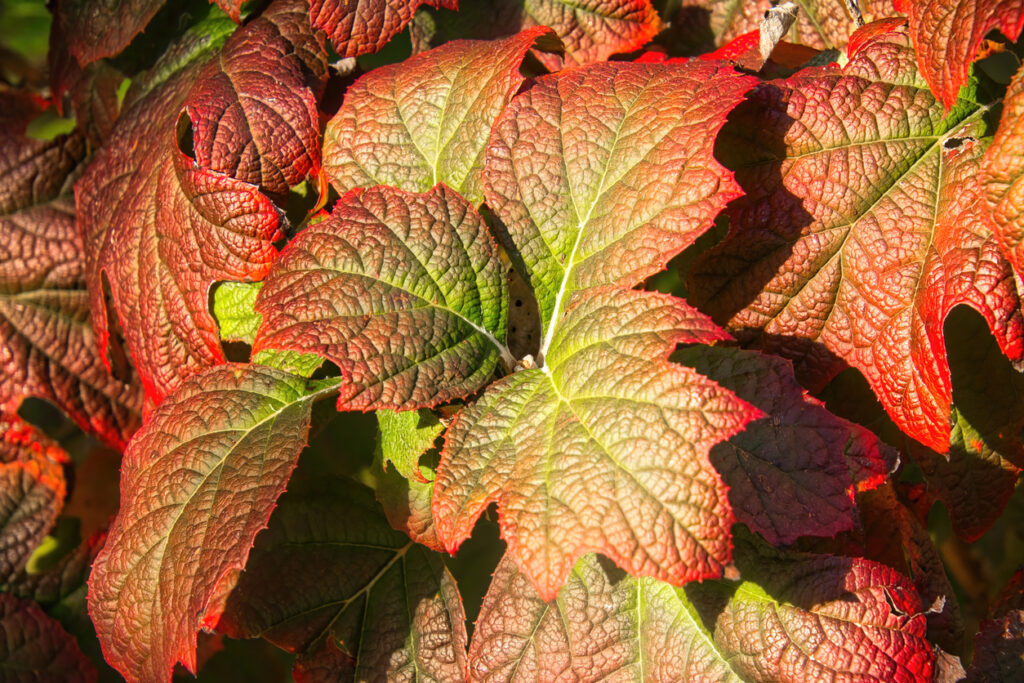
Oakleaf hydrangeas do double duty with both flowers and foliage. Their leaves emerge fresh and green, turn bronze or burgundy as autumn arrives, and sometimes remain tinted into early winter. Flowers also change from creamy white to pinkish tones.
This combination of changing flowers and leaves means oakleaf hydrangeas deliver one of the longest seasons of interest among shrubs. They remind you that colour in a garden doesn’t have to be fleeting—it can stretch across months.
8. Barberries show off some pretty bold contrasts.
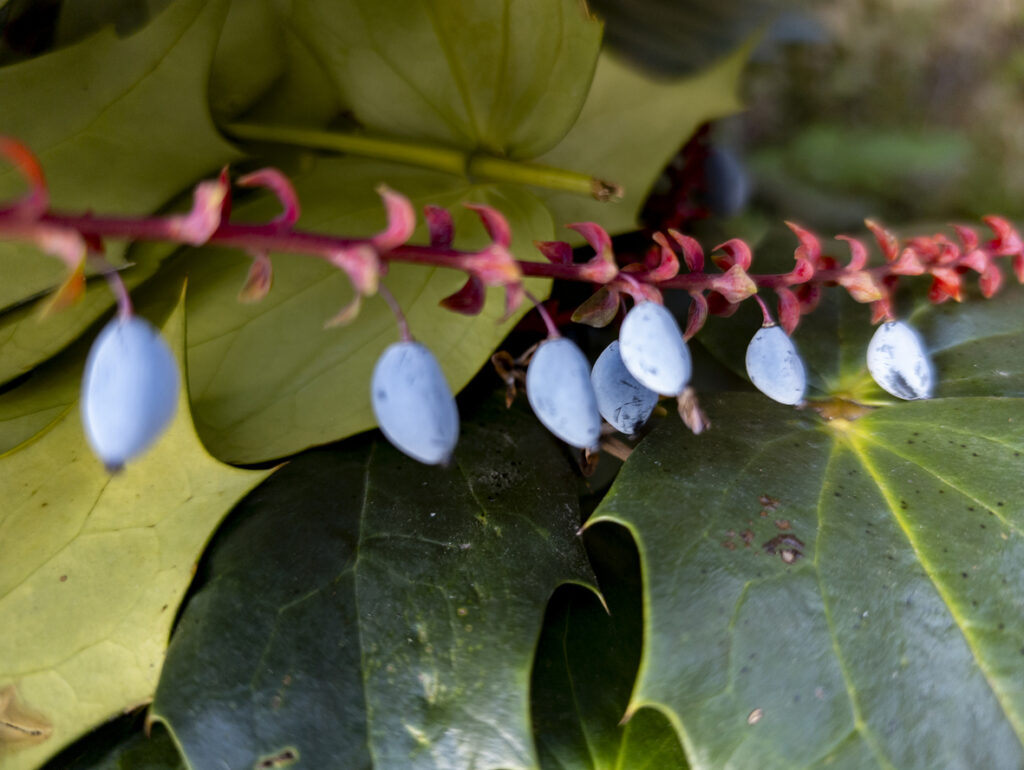
Barberry shrubs change shade across the growing season, often starting with bright red or golden foliage in spring, deepening through summer, and finishing with fiery tones before leaf fall. Some varieties even show multiple colours on one plant.
These changes make them excellent accent plants. They provide structure while still surprising with colour changes, proving that foliage alone can give as much drama as any flower display.
9. Hostas regularly fade and flare.
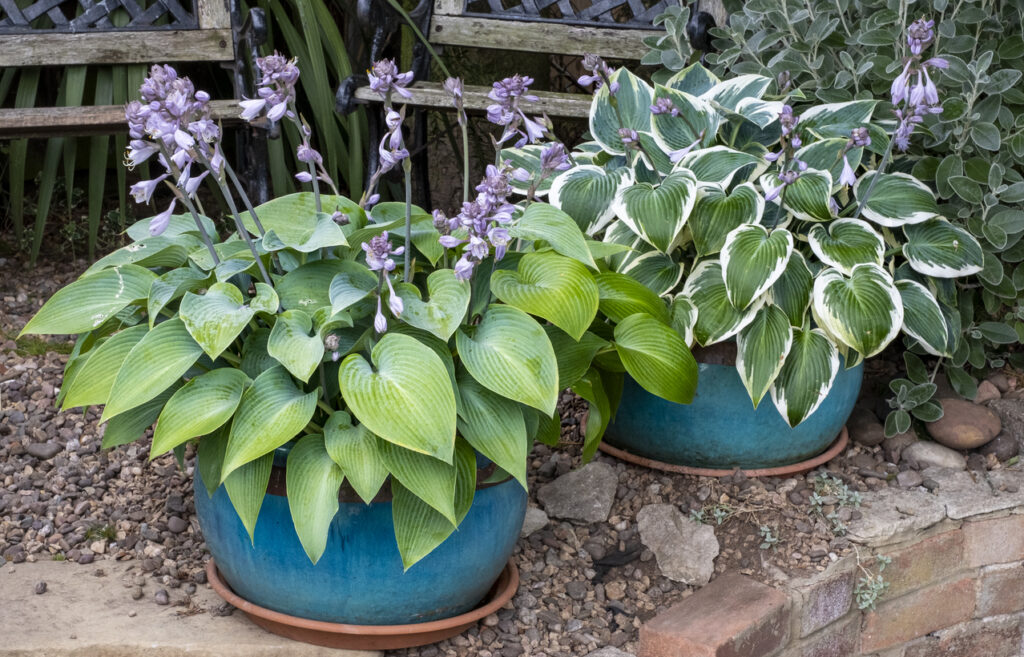
Hosta leaves are known for lush greens, blues, and variegated edges, but they also change colour as the season progresses. Early foliage is fresh and bright, then deepens, and by autumn many varieties turn golden or buttery yellow.
Though often appreciated for their constancy, hostas reward careful watchers with these subtle transformations. Their changing hues add to their reputation as some of the most reliable yet dynamic perennials for shady gardens.
10. Burning bushes really do earn the name.
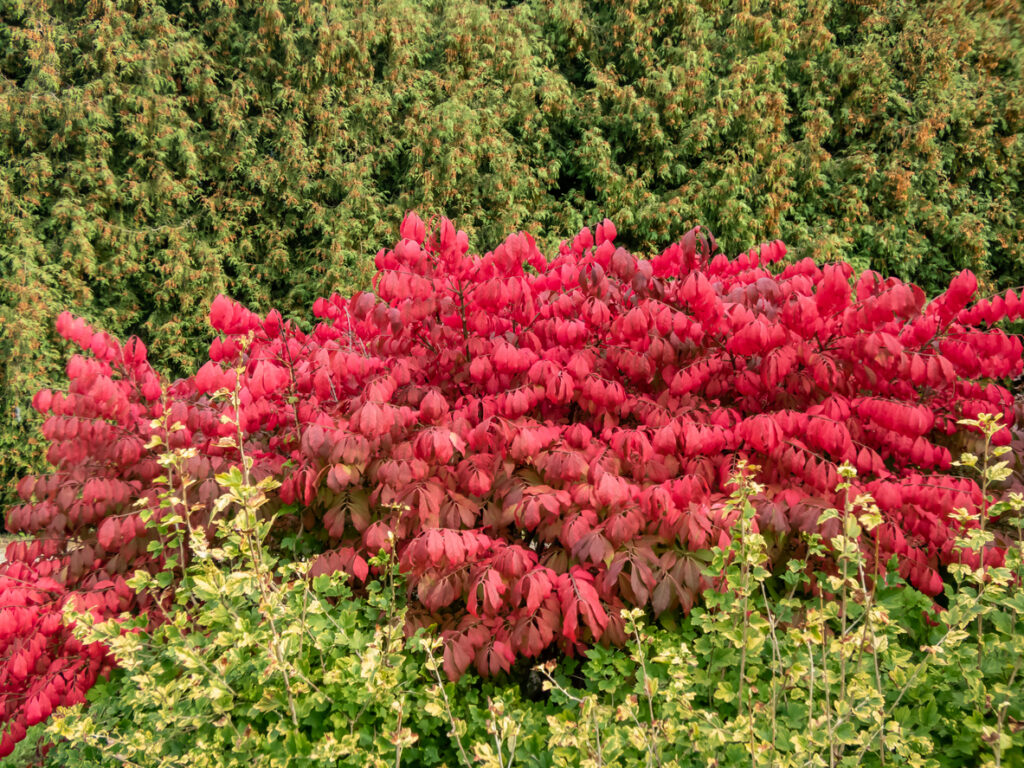
Burning bush shrubs live up to their name in autumn. They begin the season with green leaves, which turn pinkish in late summer before transforming into vivid, almost fluorescent reds in autumn, creating one of the boldest colour changes around.
This change is dramatic enough to stop you in your tracks. Their ordinary summer look belies the fire they carry for autumn, making them a striking reminder of seasonal transformation.
11. Amaranths go through dramatic maturity changes.
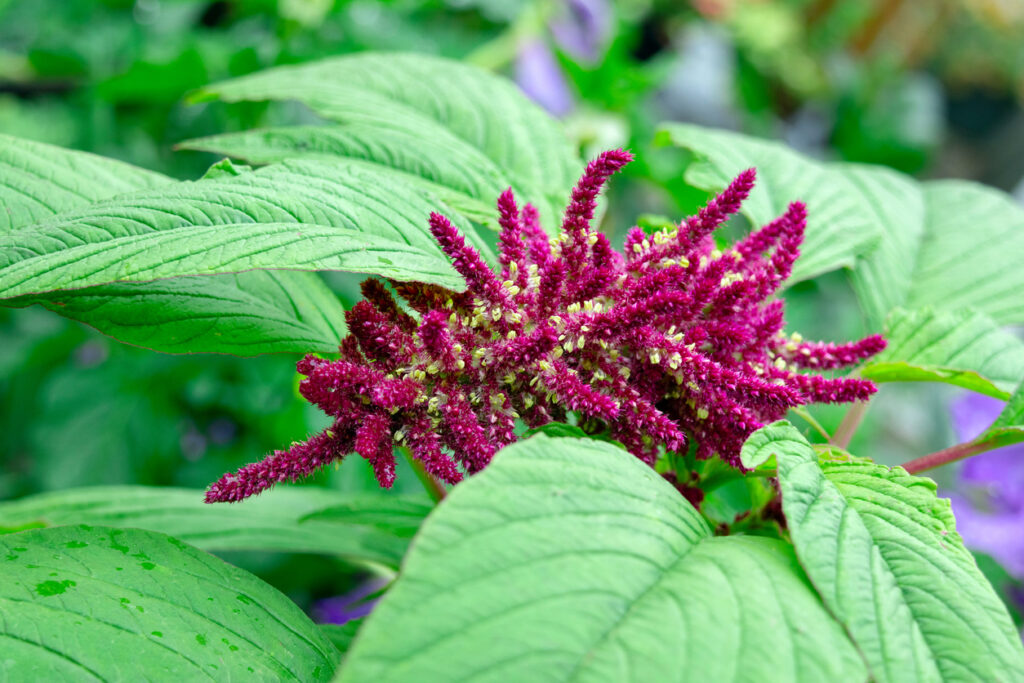
Amaranths, often grown for their striking seed heads, also change colour as they age. Young leaves may start green before flushing red or purple, while flower spikes deepen from soft tones to bold, rich shades as the season advances.
These changes make them stand out in late summer borders. Their evolving hues carry through harvest time, keeping gardens lively and colourful even as many other plants begin to fade.
12. Virginia creeper give all the autumn drama.
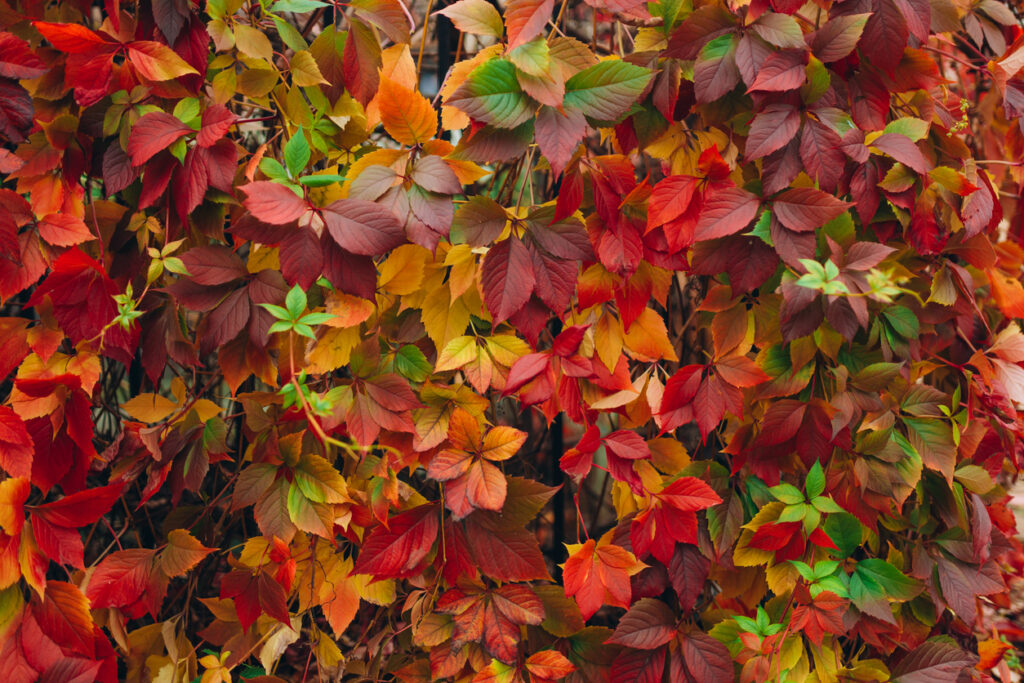
Virginia creeper begins the season as an unassuming green climber, but as temperatures drop, it bursts into fiery reds and oranges. Entire walls and fences transform seemingly overnight into blazing tapestries of colour.
This dramatic change is why the plant is cherished despite its fast growth. Its autumn transformation feels like nature showing off, a finale that captures attention just as other plants begin to wind down.