Don’t be fooled into thinking that the giant octopus is anything but a titan of the seas.

These creatures are incredibly intelligent, powerful predators with eight arms covered in suction cups and a beak that can crush shells, and they’re certainly worth or admiration and awe. That being said, they’re not invincible. Several ocean creatures have the size, strength, or weapons to take one down, and they sometimes do.
1. Sperm whales
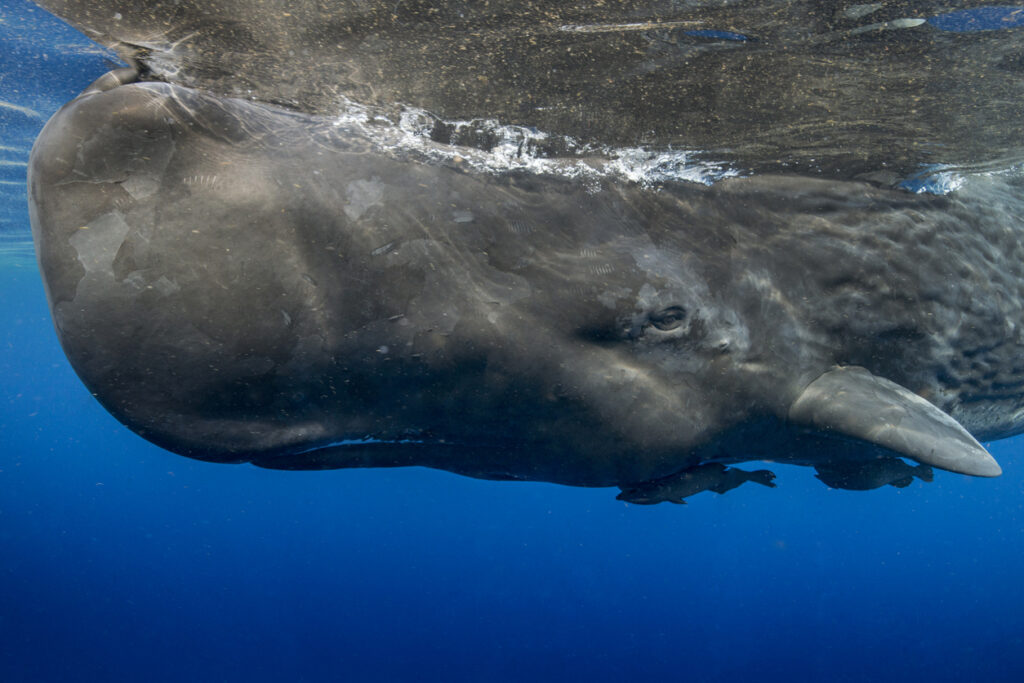
Sperm whales reach up to 20 metres long and weigh around 50 tons. They dive deep, hunting giant squid regularly. An octopus wouldn’t stand much chance against something that powerful and experienced in deep water.
These whales have teeth for gripping slippery prey and crushing jaws. They’re built for deep-sea hunting with tentacled creatures. A giant octopus would be completely outmatched in every way.
2. Orcas
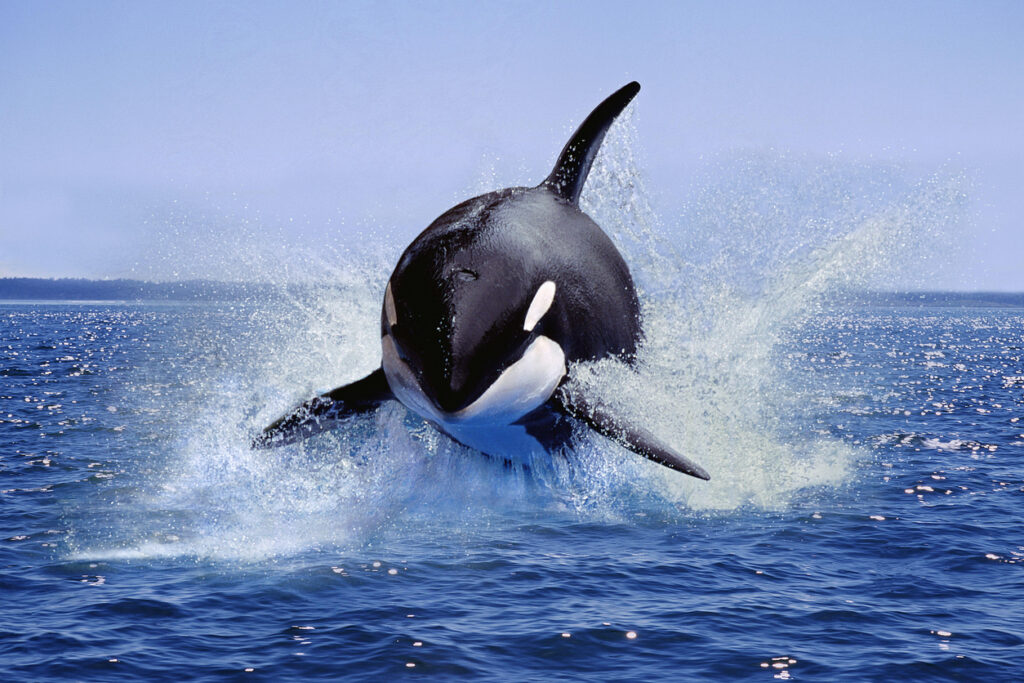
Orcas are apex predators that hunt in coordinated pods using intelligence and teamwork. They’re fast, strong, and can take down great white sharks. A giant octopus wouldn’t have much defence against a pod working together strategically.
These killer whales have powerful jaws with interlocking teeth and can ram prey with incredible force. They flip sharks upside down to disorient them. An octopus might try to escape, but orcas counter those tactics easily.
3. Great white sharks
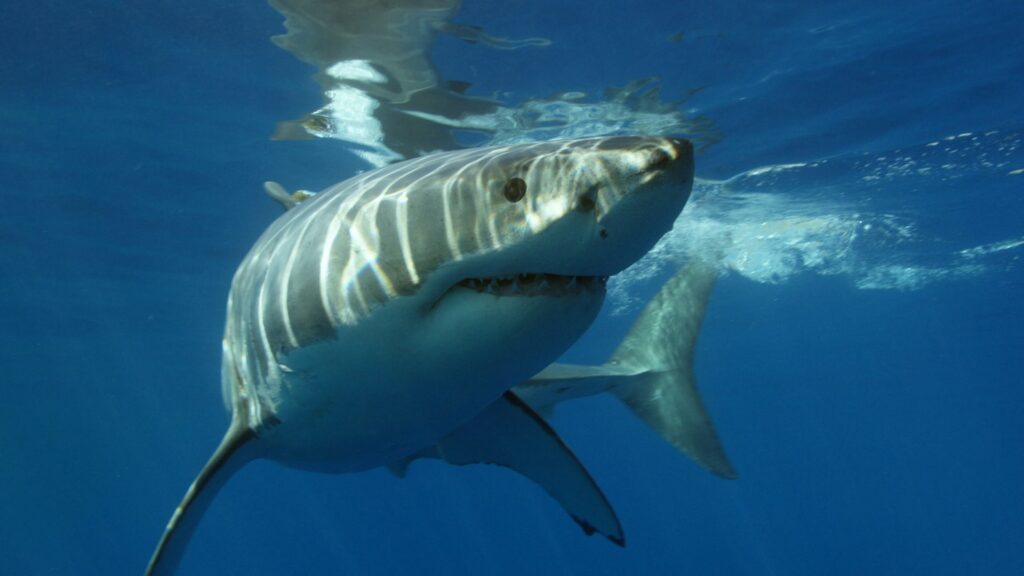
Great whites can grow over six metres long and weigh more than two tons. They’ve got rows of serrated teeth designed to tear through flesh. An octopus’s soft body wouldn’t hold up well against those powerful jaws.
Sharks also have electroreception that detects electrical signals from prey, so hiding wouldn’t help. Their speed and agility give them an advantage. An octopus might wrap around a shark, but the thrashing makes that difficult.
4. Elephant seals
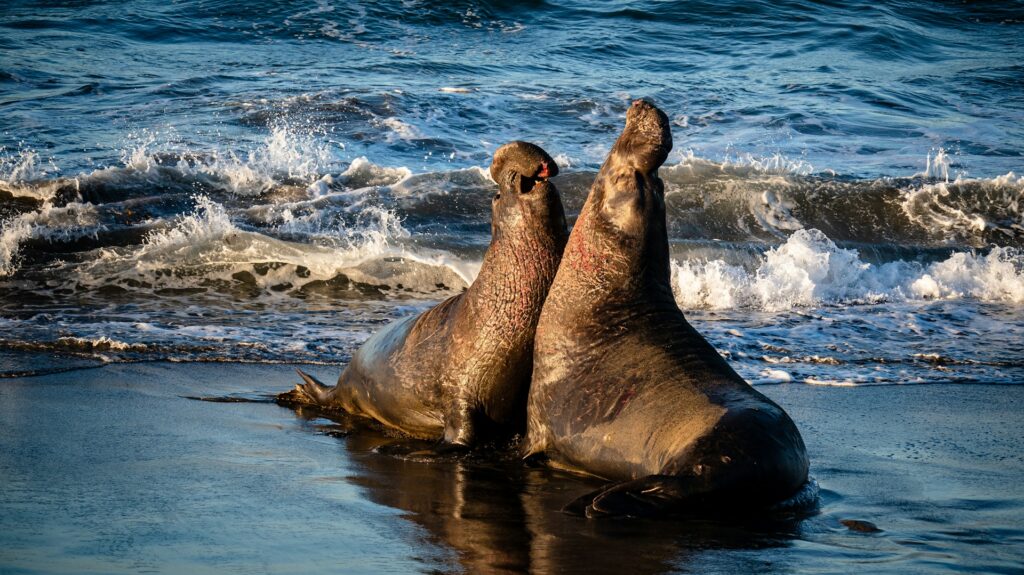
Male elephant seals can weigh over 3,000 kilograms and dive incredibly deep to hunt. They’ve got thick blubber protection and powerful jaws. These seals regularly hunt large fish and squid, so they’ve got experience with tentacled prey.
Their sheer size and weight would be overwhelming for an octopus. If a seal got hold of the octopus’s mantle or head, escape would be difficult. The seal’s bulk and strength would give it a solid advantage.
5. Giant groupers
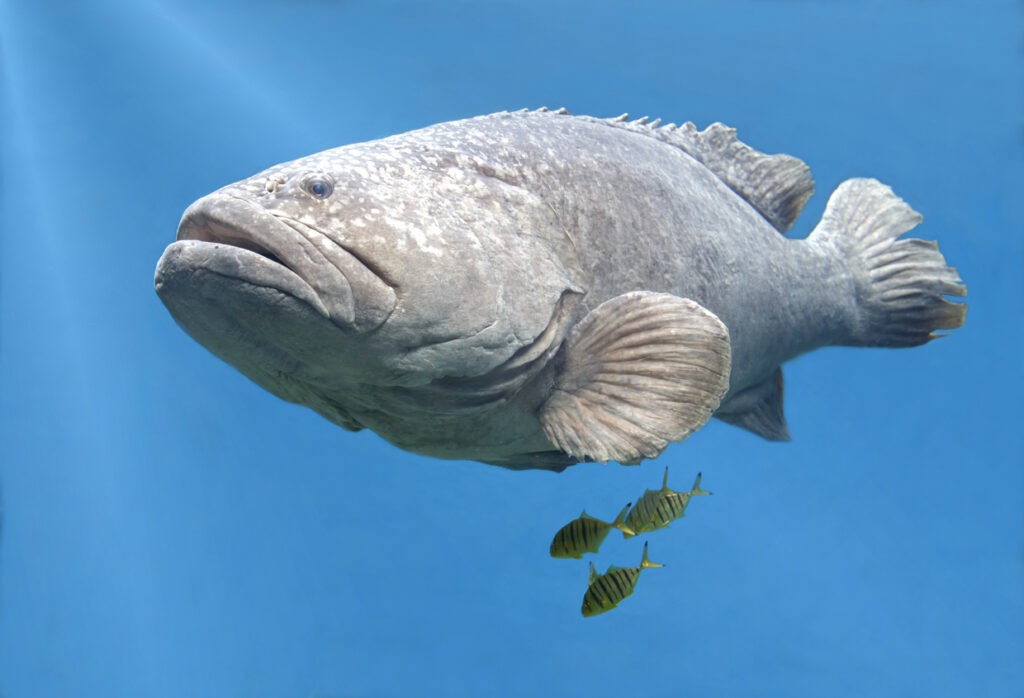
These massive fish can weigh up to 400 kilograms and have enormous mouths that create powerful suction. They’re ambush predators that swallow prey whole. A giant grouper could potentially swallow parts of an octopus before it reacted.
Groupers are surprisingly fast when they strike despite their size. Their mouths open wide and create strong suction that pulls prey in instantly. An octopus might try escaping through rocks, but a determined grouper would be dangerous.
6. Humboldt squid
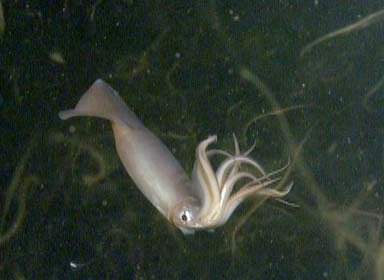
These aggressive squid hunt in groups and can grow two metres long with sharp beaks. They’re known for attacking anything that moves, including divers. A swarm of Humboldt squid could overwhelm a giant octopus through numbers and aggression.
Humboldt squid are aggressive pack hunters, while octopuses are solitary. In a confrontation, the squid’s willingness to attack in groups gives them an edge. Their slashing beaks could do serious damage to a lone octopus.
7. Leopard seals
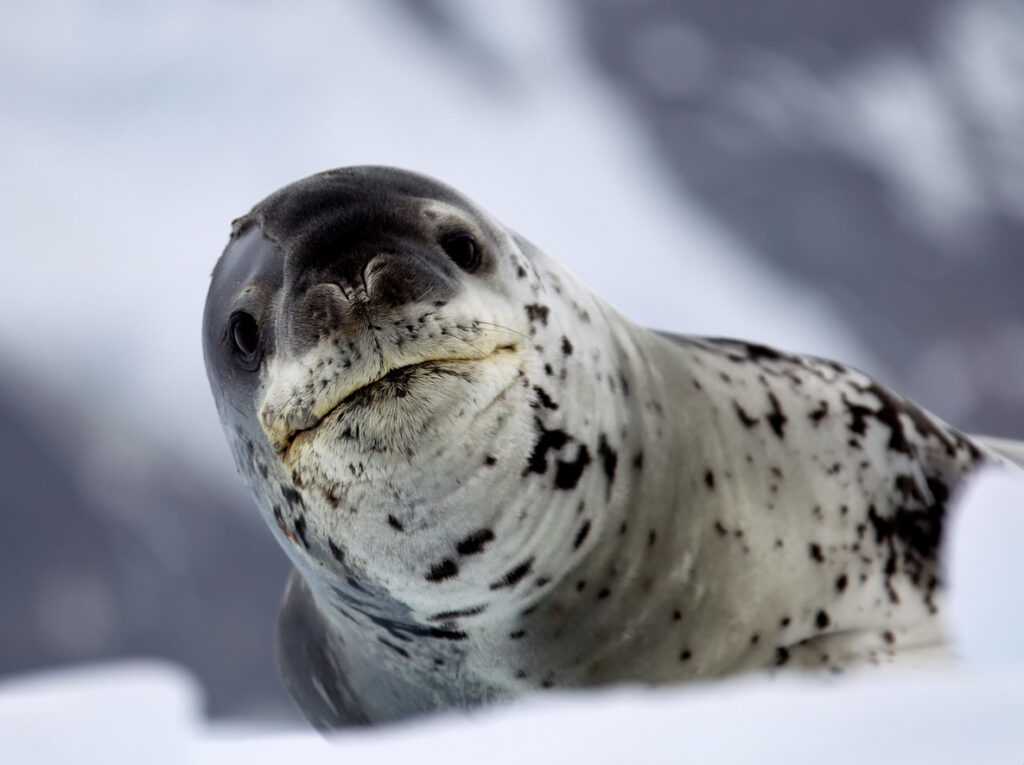
Leopard seals are Antarctic predators with reptilian heads and powerful jaws full of interlocking teeth. They hunt penguins, fish, and other seals with surprising speed. They’re fearless hunters that take on challenging prey without hesitation.
Their streamlined bodies make them incredibly fast and manoeuvrable underwater. An octopus would struggle to escape something that quick. The seal’s teeth could tear through soft flesh easily, and their hunting experience would serve them well.
8. Moray eels
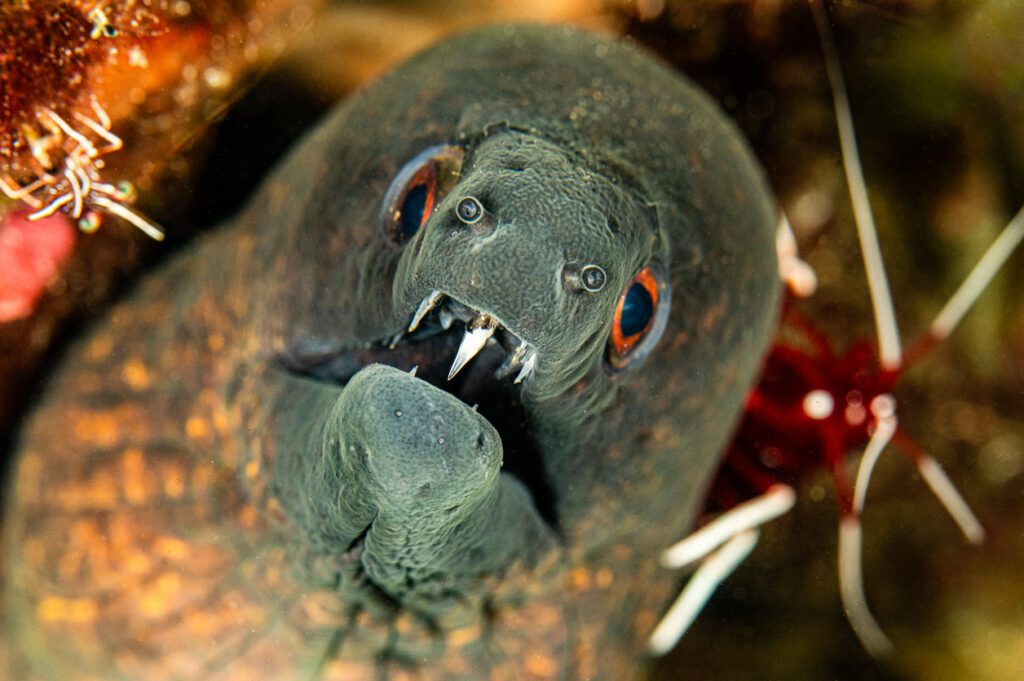
Giant moray eels can grow over three metres long and have two sets of jaws. The second set shoots forward to drag prey down their throat. They live in rocky reefs where octopuses hide, so they’re familiar with hunting them.
Eels are perfectly adapted for hunting in crevices where octopuses typically hide. Their snake-like bodies let them follow an octopus into tight spaces. The eel’s persistence and unique jaw structure would make escape very difficult for a cornered octopus.
9. Sixgill sharks
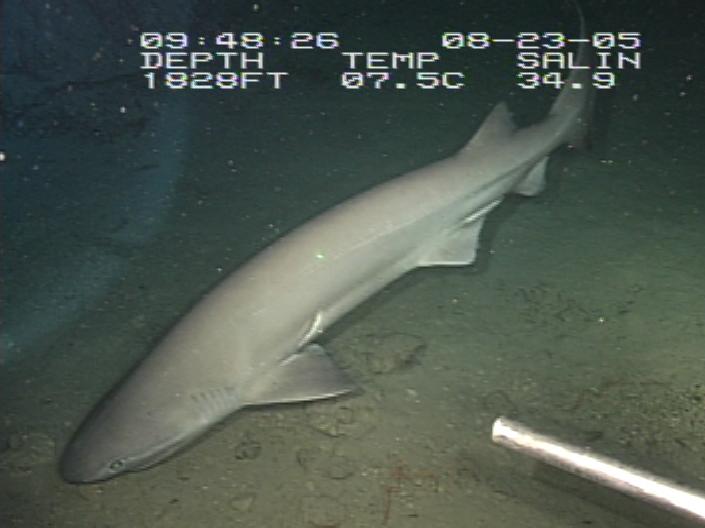
These primitive deep-sea sharks can grow over five metres long and hunt where giant octopuses live. They’ve got powerful bites and are built for hunting in darkness. Their size and strength would be overwhelming for most octopuses they encounter.
Sixgills are slow but relentless hunters with excellent senses for detecting prey in pitch-black water. An octopus’s camouflage wouldn’t work in total darkness. The shark’s thick skin would also protect it from the octopus’s beak and suckers.
10. Sea otters

This might seem surprising because sea otters are smaller, but they’re incredibly skilled at hunting octopuses. They use rocks as tools to break shells. Otters regularly eat octopuses and have developed techniques for dealing with their arms safely.
Otters are quick, intelligent, and persistent hunters. They’ll bite the octopus’s mantle to disable it or use rocks to stun it. Their thick fur protects them from suction cups. Against a smaller giant octopus, an experienced otter could win.
11. Saltwater crocodiles
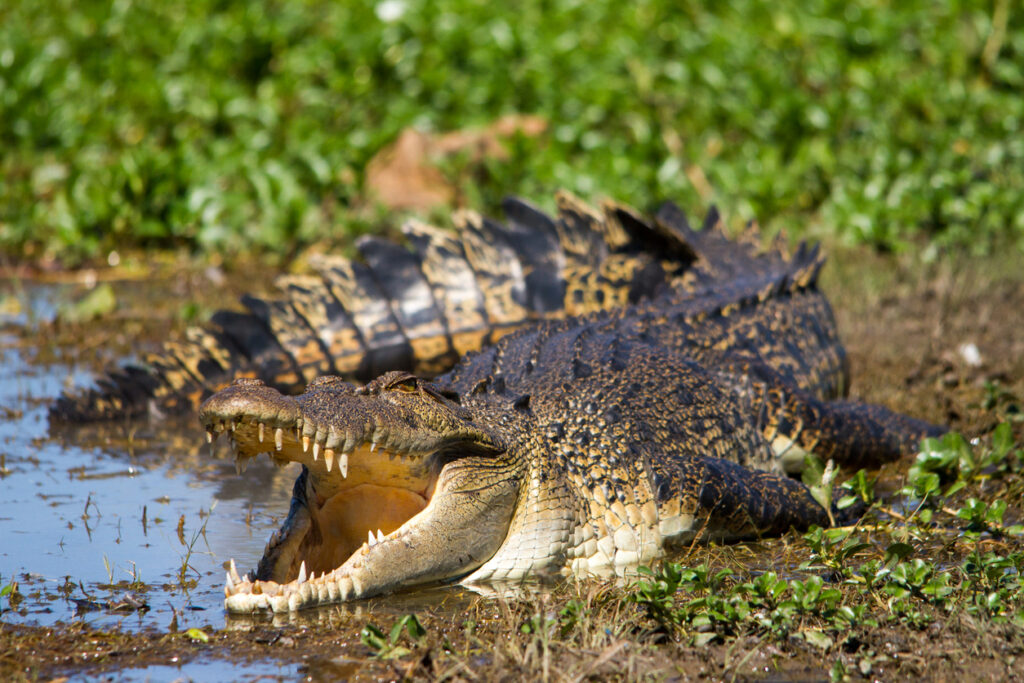
In areas where their habitats overlap, massive saltwater crocodiles could take down a giant octopus. These crocs can exceed six metres long and have the strongest bite force of any animal. Their armoured skin would protect them from the octopus’s attacks.
Crocodiles are ambush predators that use a death roll to disorient and tear apart prey. An octopus’s soft body wouldn’t withstand that kind of attack. If a crocodile got its jaws around the octopus, the fight would be over quickly.
12. Sunfish
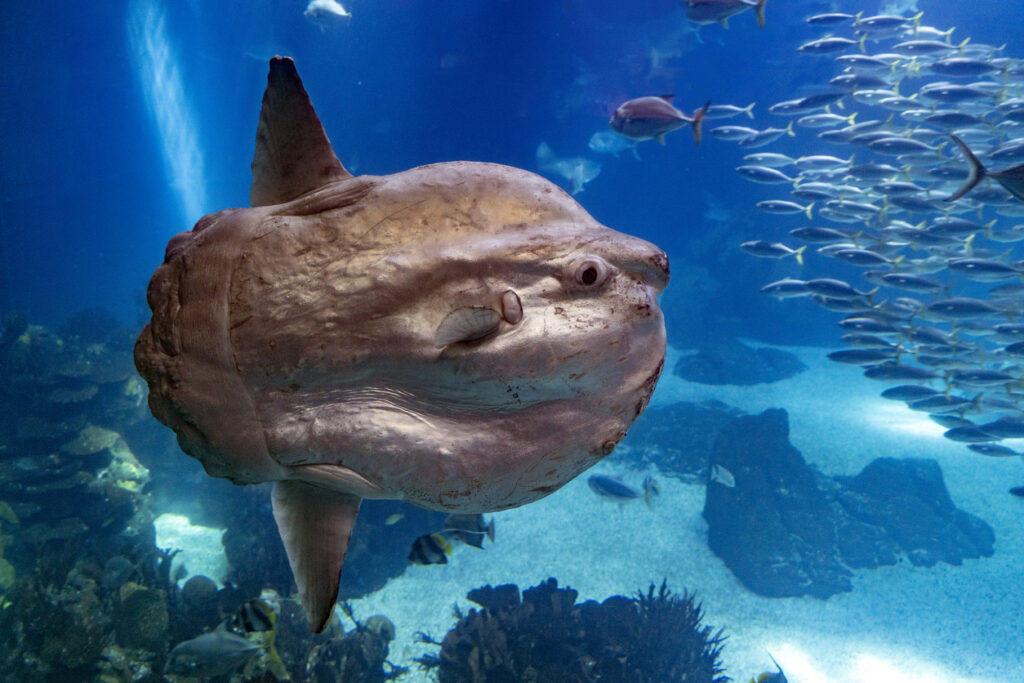
Giant ocean sunfish can weigh over 2,000 kilograms and have thick, tough skin. They’re not aggressive hunters, but their sheer size could make them dangerous if provoked. An octopus would struggle to find a vulnerable spot to attack.
Sunfish have small mouths but incredibly powerful bites for crushing jellyfish and soft prey. If a confrontation happened, the sunfish’s bulk and tough exterior would protect it. An octopus’s best bet would be to escape rather than fighting something that size.
13. Giant Pacific octopuses fighting each other
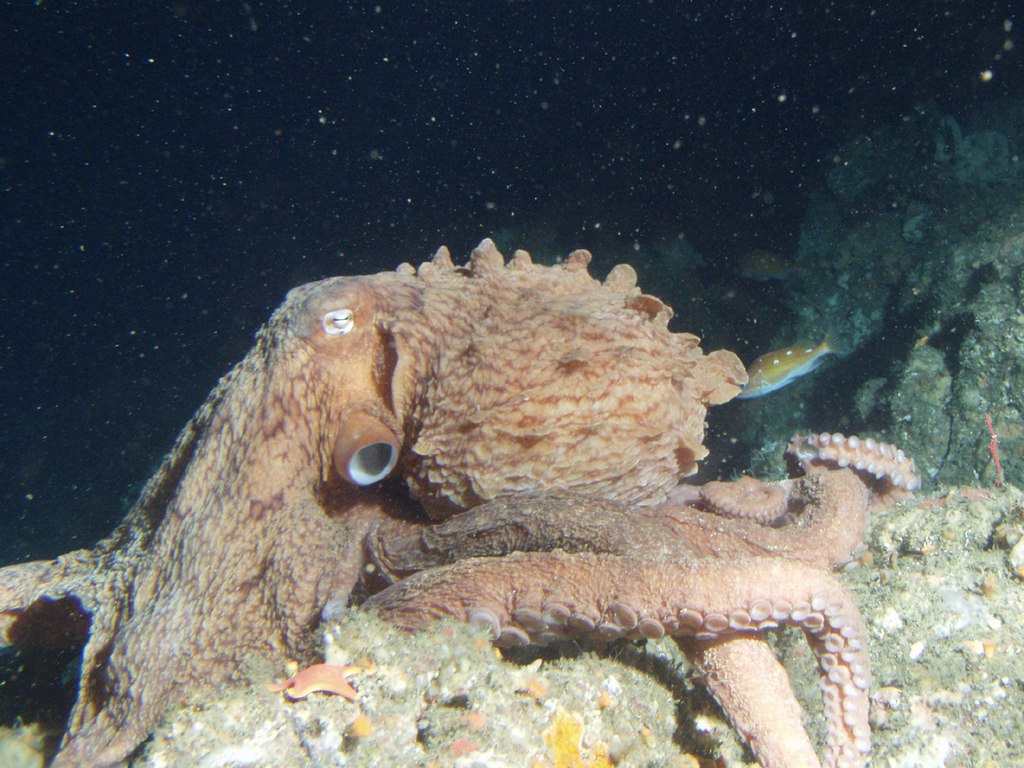
Sometimes the biggest threat to a giant octopus is another giant octopus. They’re territorial and will fight over dens and mates. These battles can be brutal, with each trying to tear at the other’s mantle or bite with their beaks.
When two intelligent, evenly matched predators fight, it comes down to size and experience. The larger octopus usually wins, but a smaller, smarter one might outmanoeuvre its opponent. These fights show just how formidable giant octopuses are.