
October’s one of those months when the weather can lull you into ignoring your garden. That being said, the work you do now makes a massive difference to how your garden looks next spring and how much harder you’ll have to work then. Don’t put off taking care of these outside jobs this month. They might be a bit of a pain, but you’ll be glad you did them when the seasons change again.
1. Clearing fallen leaves off your lawn
Leaves look pretty for about a week, then they turn into a soggy mess that smothers your grass. If you leave them all winter, you’ll get dead patches, moss, and fungal problems. Your lawn will look patchy and thin come spring, requiring expensive reseeding.
Rake or mow them up regularly rather than waiting until they’ve all fallen. You can compost them or use them as mulch around plants. It’s annoying to do repeatedly, but it’s much easier than fixing a ruined lawn next year.
2. Protecting tender plants from frost
October frosts can arrive unexpectedly and kill plants you’ve nurtured all summer. Tender perennials, citrus trees, and exotic plants need protection now. One hard frost can wipe out years of growth, and you’ll be gutted watching them turn to mush.
Move pots into greenhouses or against sheltered walls. Cover plants with fleece or bring them indoors entirely. Check weather forecasts and act before frost hits, not after. It takes minutes to protect them, but months or years to replace them.
3. Planting spring bulbs before the ground freezes
If you want daffodils, tulips, and crocuses next spring, they need to go in the ground now. Wait too long and the soil becomes too cold and hard to work with. Miss this window, and you’ll have no spring colour at all.
Plant bulbs in groups for impact rather than dotting them around individually. Put them in twice as deep as their height and pointy end up. It’s cold work now, but seeing them bloom in spring makes it worthwhile.
4. Dividing overcrowded perennials
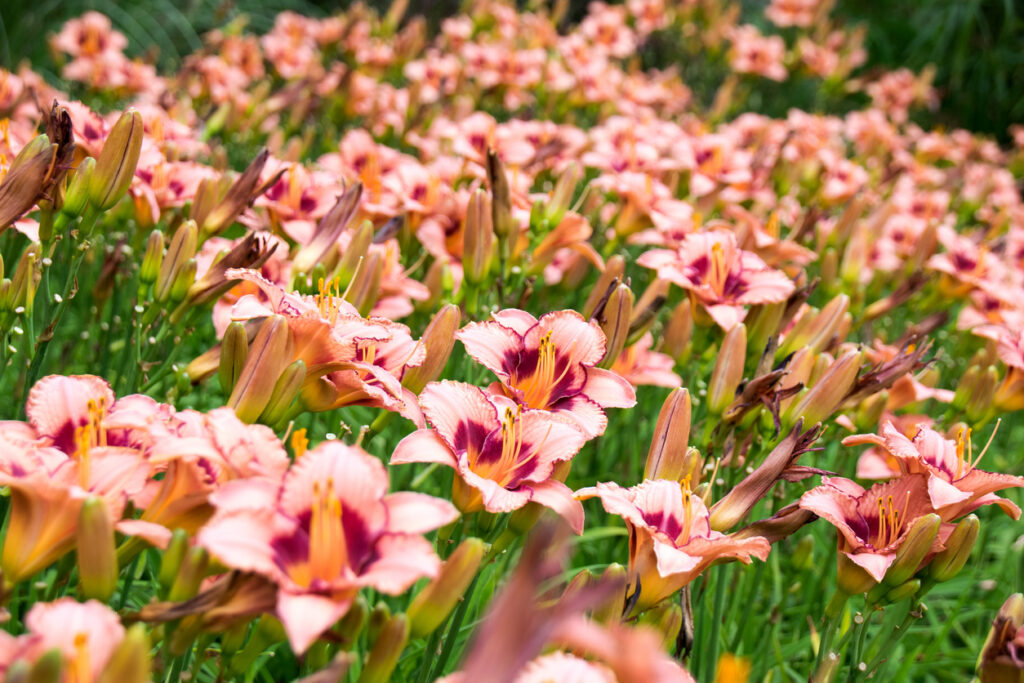
Perennials like hostas, daylilies, and asters need dividing every few years, or they stop flowering well. October’s perfect for this because plants are going dormant. Leave them overcrowded, and you’ll get fewer flowers and weaker plants that look tired.
Dig up clumps, split them into sections with roots attached, and replant with fresh compost. Water them in well. It seems brutal, but they’ll come back stronger. You also get extra plants to fill gaps or give away.
5. Cleaning out gutters and drains
Fallen leaves clog gutters fast, and October downpours will overflow them onto walls and foundations. Water damage to your house is expensive to fix. Blocked gutters can also rot fascias and cause damp problems inside your home over winter.
Clear gutters thoroughly and check downpipes aren’t blocked with debris. It’s a horrible job up a ladder in cold weather, but it prevents thousands in potential damage. Do it now before the really heavy rain arrives.
6. Pruning climbing roses before winter winds
Long rose canes whipping around in autumn gales can damage the plant and supporting structures. They can also rock the roots loose, weakening the entire plant. Uncontrolled growth over winter makes spring pruning much harder, too.
Cut back long shoots by about a third and tie in remaining canes securely. Remove dead or diseased wood completely. It’s not the main prune, just tidying to prevent wind damage. Save major shaping for late winter.
7. Lifting and storing tender bulbs
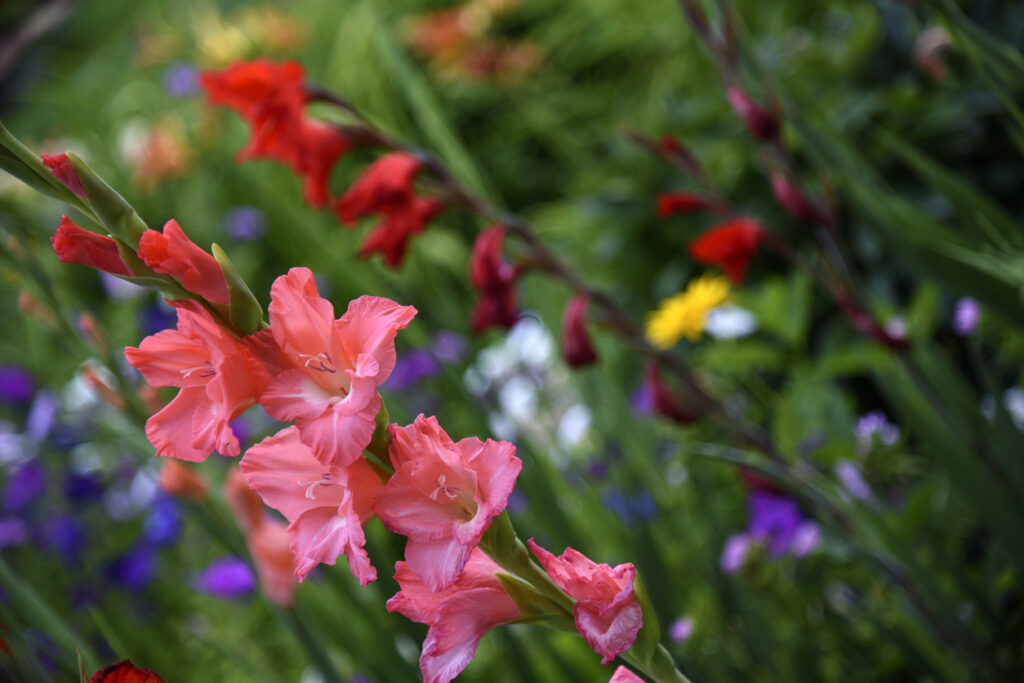
Dahlias, cannas, and gladioli won’t survive winter in the ground in most UK gardens. If you leave them, they’ll rot during cold, wet weather. You’ll have to buy new ones every year, which gets expensive fast.
Wait until the first frost blackens foliage, then dig up bulbs carefully. Let them dry, brush off soil, and store in a cool, frost-free place. They’ll multiply over winter, and you can replant them next spring.
8. Insulating outdoor taps and pipes
Frozen pipes can burst and cause flooding or leave you without water when you need it. Garden taps are especially vulnerable because they’re exposed. A burst pipe can cause hundreds in damage and leave you without water for days.
Drain taps, disconnect hoses, and fit insulation jackets to exposed pipes. Turn off outdoor water supplies if possible. It takes ten minutes but saves you from dealing with frozen or burst pipes in January when everything’s rock hard.
9. Scarifying and feeding your lawn

Lawns get compacted and full of moss and thatch over summer. October’s the last chance to scarify, aerate, and apply autumn feed. Miss this and your lawn will struggle through winter, looking worse by spring.
Scarifying pulls out dead material that suffocates grass. Aeration lets air and water reach roots. Autumn feed strengthens roots for winter without encouraging leafy growth. Your lawn will look rough for a week but recover beautifully.
10. Composting annual plants and summer bedding
Dead annuals and summer bedding look tatty and harbour pests and diseases over winter. Leaving them in pots and borders wastes space and creates problems. Slugs, snails, and diseases will overwinter in the dead material.
Pull out finished plants and compost them if they’re healthy. Wash and store pots for next year. Clearing beds now lets you plant winter bedding or bulbs. It also gives you a clean start rather than dealing with frozen, rotten plants later.