
Walking into a garden centre can feel overwhelming, especially if you’re new to gardening. Rows of colourful plants look tempting, but not all of them will suit your space. Here are some simple things to consider before you choose.
Think about the sunlight in your garden.
Plants need the right amount of light to grow well. Some love full sun, while others do better in shade. If you don’t match a plant to its light needs, it’ll struggle and never look its best. Spend a day noticing how sunlight moves across your garden. People who match plants to sunny or shady spots quickly find they stay healthier and grow with far less effort.
Check the type of soil you have.
Soil can be sandy, clay, or loamy, and each type holds water differently. Some plants cope better with heavy soil, while others need free-draining ground. Planting without knowing your soil often leads to disappointment. A simple test is to squeeze a handful of damp soil. If it sticks together, it’s clay; if it falls apart, it’s sandy. Choosing plants that suit your soil makes them thrive without constant intervention.
Notice how wet or dry the ground is.
Water levels matter as much as soil type. Some gardens stay damp because of poor drainage, while others dry out quickly. Putting a moisture-loving plant in a dry spot means constant watering, which isn’t practical long term. Check after heavy rain to see if water lingers. People who match plants to their natural moisture levels usually find gardening becomes easier and more enjoyable.
Start with easy-to-grow plants.

As a beginner, it’s tempting to go for rare or tricky plants, but they’ll just make gardening stressful. Hardy plants like lavender, marigolds, or hostas are more forgiving and give you quick wins while you’re learning. Most new gardeners feel more confident when they start simple. Once you’ve built success with easy plants, you’ll be ready to experiment with fussier ones.
Think about the size plants will reach.
Small plants in pots might look neat, but many grow much bigger over time. Without checking mature sizes, you could end up with overcrowded beds or plants that outgrow their spaces. This makes gardens harder to manage. Always read the label or do a quick search before buying. Choosing plants with their final size in mind keeps your garden balanced and avoids the hassle of cutting things back constantly.
Match plants to your climate.
Not every plant suits every part of Britain. Some areas are wetter, windier, or colder than others, and plants that don’t tolerate those conditions won’t last. Picking the wrong ones means wasted money and effort. Look for plants described as hardy in your region. People who match their choices to local weather find gardens that look good year after year without constant replanting.
Choose between annuals and perennials.
Annuals grow, flower, and die in one season, while perennials return each year. Beginners often mix the two without realising the difference, which can cause gaps in planting when annuals don’t return the following spring.
Knowing the difference helps you plan better. People who combine perennials for long-term structure with annuals for seasonal colour usually end up with gardens that stay lively all year.
Think about maintenance levels.
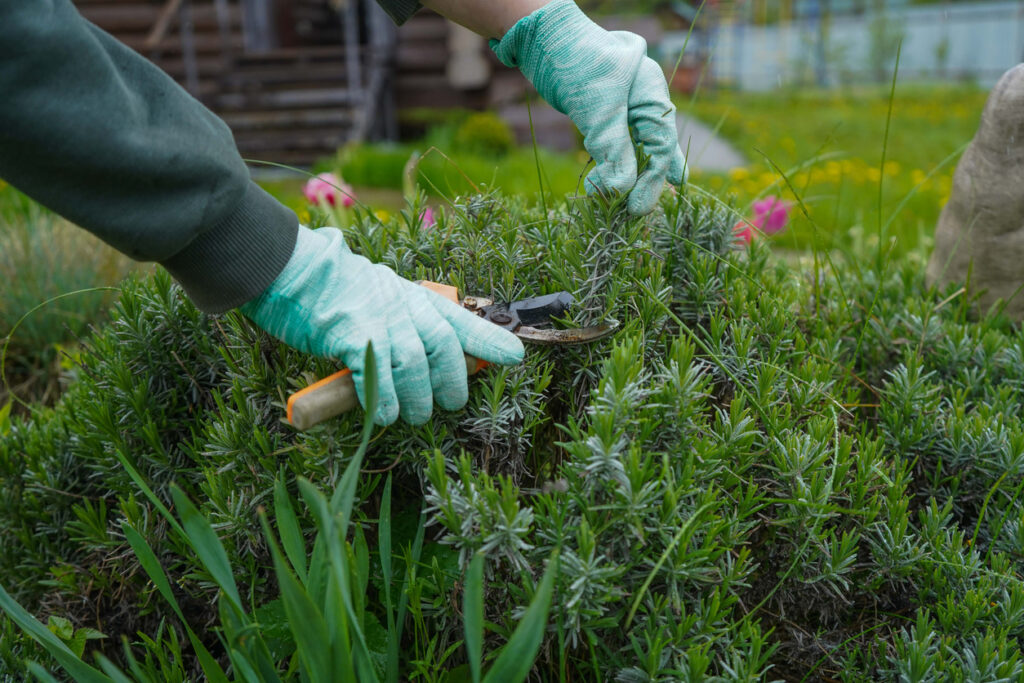
Some plants demand constant pruning, watering, or pest control. Others are low effort and practically take care of themselves. If you don’t have much time, choosing high-maintenance plants will only frustrate you. Be honest about how much time you can give. Most beginners find that starting with low-maintenance plants keeps gardening fun instead of turning it into a chore.
Pick plants for your garden’s purpose.
Every garden has a different role. You might want a space for wildlife, relaxation, or growing food. Choosing plants without a purpose often leads to a muddled look that doesn’t serve your needs. Decide what matters most to you. People who plant for pollinators, shade, or colour themes usually enjoy their gardens more because the space matches their vision.
Think about colour and shape together.
Gardens aren’t just about greenery — they’re about how colours and shapes work side by side. Too many clashing colours or mismatched heights can make things feel messy instead of inviting. Beginners often overlook this balance. Stick to a few colour groups and vary plant heights for depth. People who plan this way notice their gardens feel more put-together, even when they’ve only planted a few things.
Plan for the seasons.
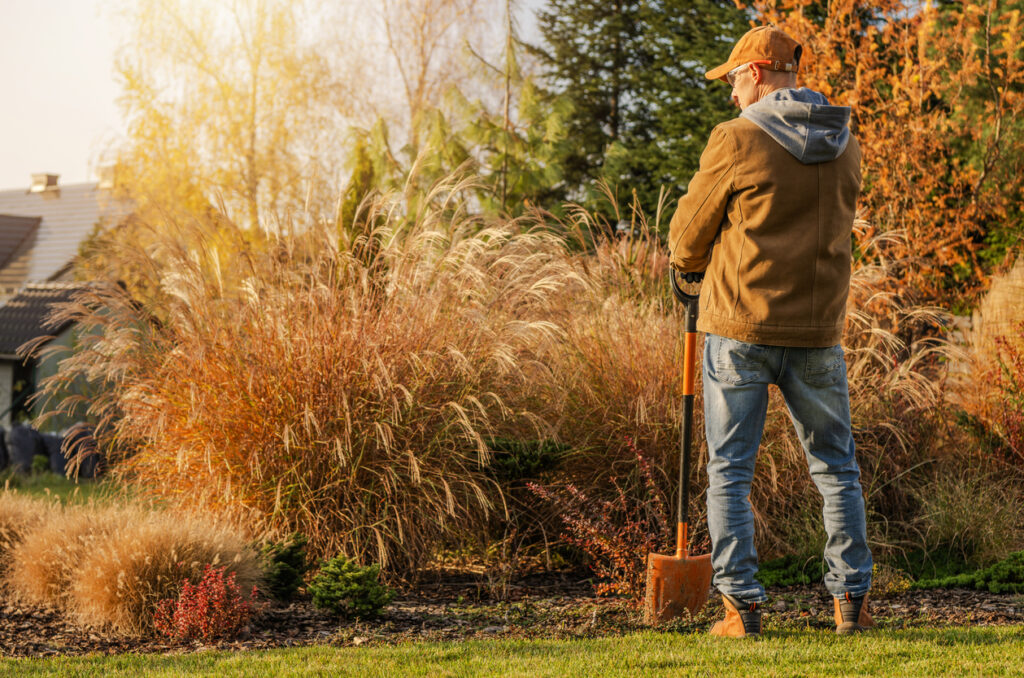
Many new gardeners buy plants that look great in summer but forget about the rest of the year. This leaves gardens bare and dull once the main flowering season ends. Planning across seasons keeps interest alive. Mix spring bulbs, summer flowers, autumn foliage, and evergreen plants. People who think seasonally enjoy a garden that always has something happening, no matter the time of year.
Consider local wildlife.
Some plants attract bees, butterflies, and birds, while others don’t. Choosing only decorative plants may give colour, but it misses the chance to support nature. Wildlife-friendly gardens are more rewarding in the long run. Look for nectar-rich flowers or berry-producing shrubs. People who include them usually notice their gardens feel more alive, with pollinators and birds bringing constant movement and energy.
Avoid invasive species.
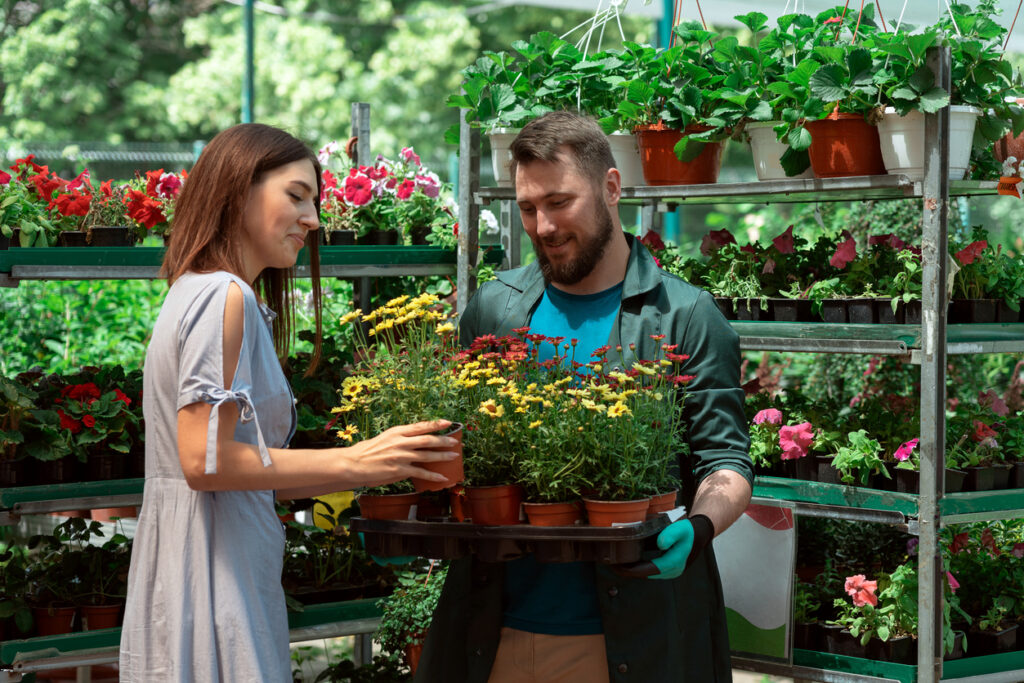
Not every pretty plant is a good idea. Some species spread aggressively, smothering other plants and taking over beds. As a beginner, it’s easy to be drawn in by their looks without realising the work they’ll cause later. Check labels or guides before buying. Choosing non-invasive plants saves years of effort and keeps your garden balanced instead of overrun.
Buy gradually, not all at once.
It’s tempting to fill your garden in one go, but rushing often leads to poor choices. Buying slowly gives you time to learn what works and adjust as you go. This avoids costly mistakes and wasted plants. Start small and expand with each season. People who pace themselves usually end up with healthier gardens that grow alongside their experience.