Britain’s wildlife isn’t just the result of natural history.
Over the years, plenty of animals have escaped from zoos, farms, or private collections and found ways to thrive in the wild, expanding their numbers and becoming an integral part of the present ecosystem. Some are now so established, we almost forget they don’t really belong here.
1. Grey squirrels took over the trees
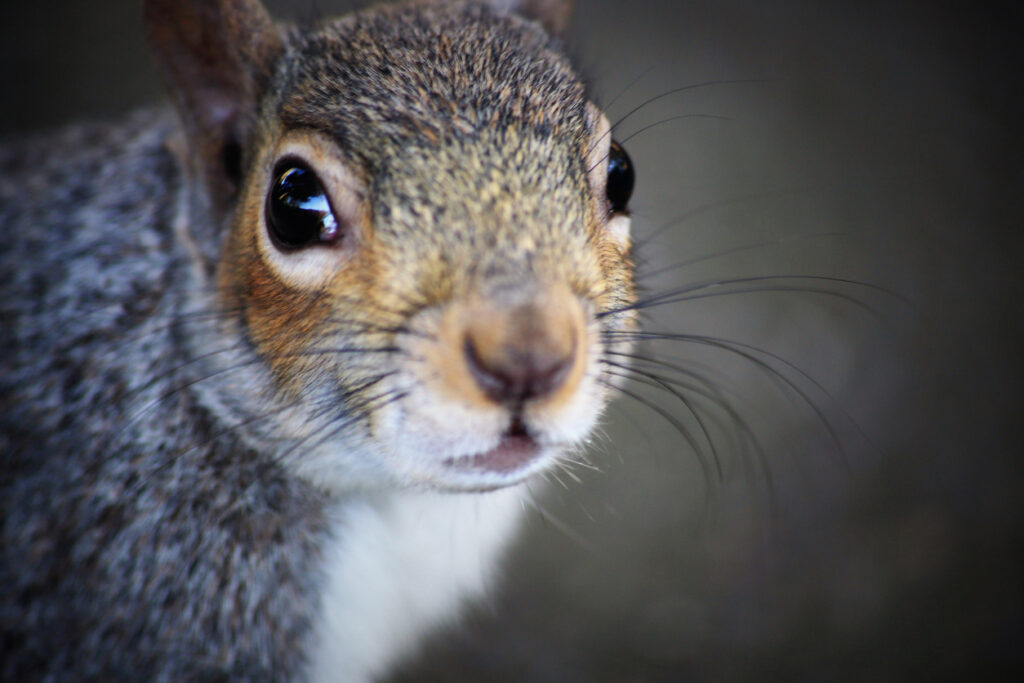
Grey squirrels were introduced from North America in the 19th century, often kept as novelties in private estates. Many escaped or were deliberately released, and they spread across the countryside at remarkable speed. Their adaptability gave them the edge over native red squirrels, which struggled once greys arrived. Greys carry a virus harmless to them but deadly to reds, which sped up the decline. Today, they’re so common that many forget they’re not a traditional British species at all.
The answer to this imbalance has been careful management. In areas where red squirrels remain, conservation projects protect habitats and reduce grey numbers. Supporting these efforts helps keep both species from further conflict. Understanding how quickly greys spread reminds us that even small introductions can reshape entire ecosystems.
2. Muntjac deer slipped through fences.
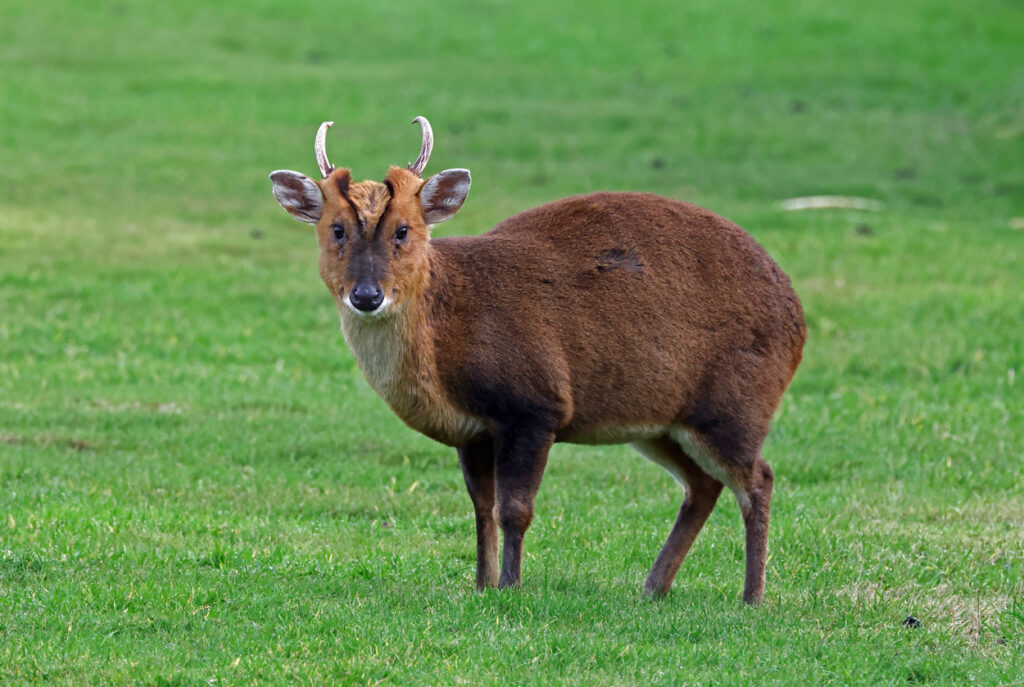
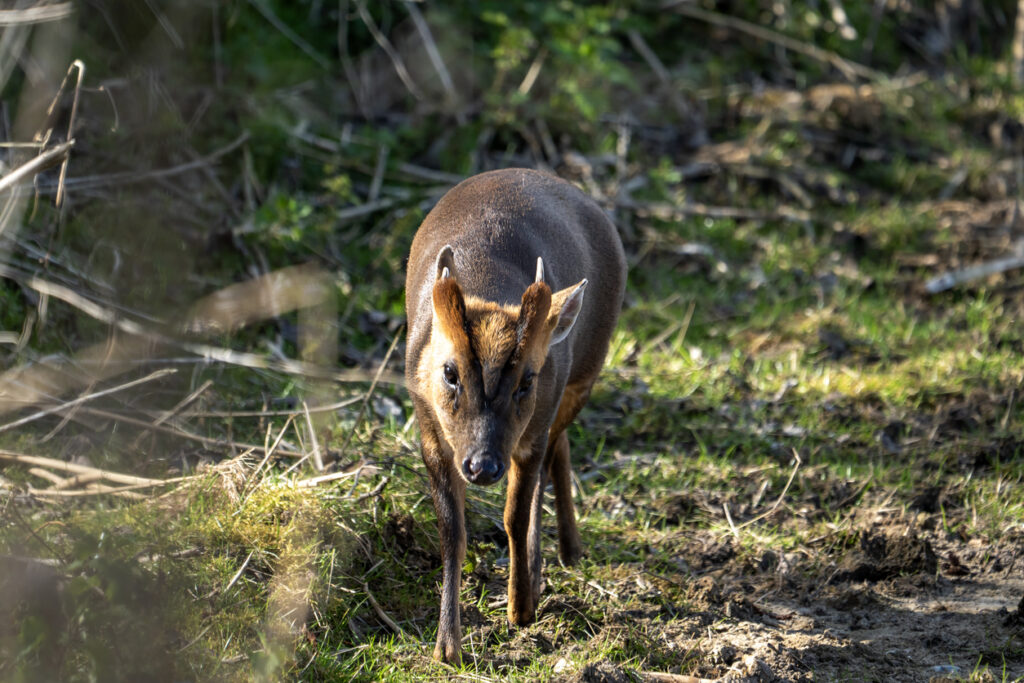
Muntjac deer originally came from China and were introduced to estates and parks in the early 20th century. Escapes were inevitable, and within decades they were breeding in the wild. These small deer are now widespread in England, known for barking calls and habit of eating garden plants. Because they breed year-round, their numbers can grow quickly, which means they sometimes outcompete other deer and damage woodland undergrowth.
The solution has been monitoring and control. Wildlife managers track populations and encourage landowners to report sightings. For gardeners, simple fencing or planting deer-resistant plants helps reduce damage. Recognising how muntjac became common reminds us that escapes can lead to permanent changes in the countryside.
3. Signal crayfish spread through rivers.
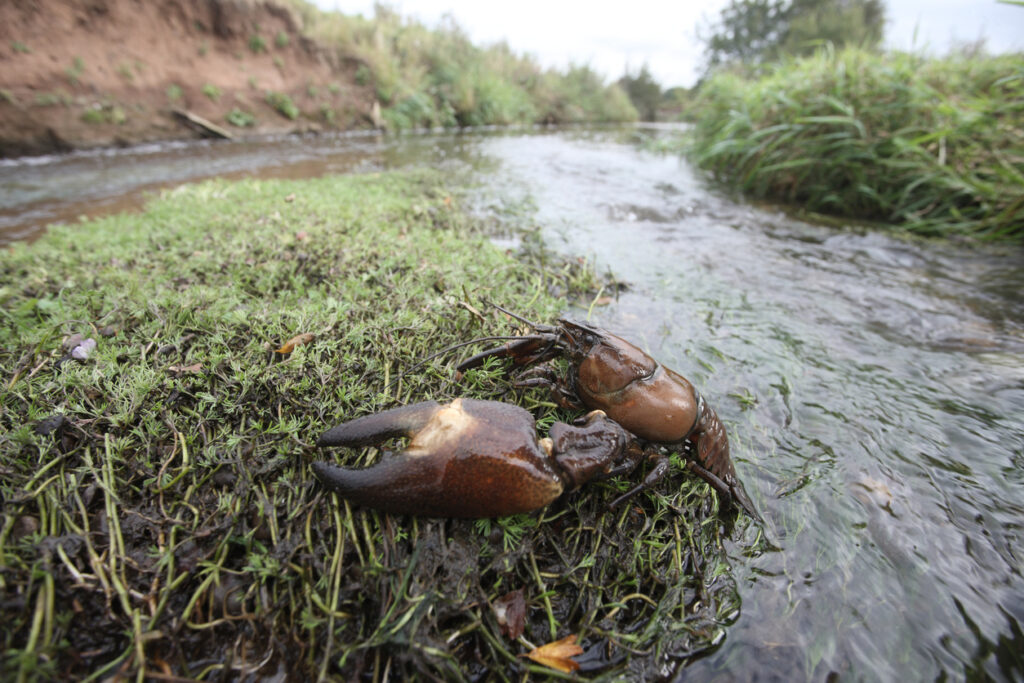
Signal crayfish were brought over from America in the 1970s to boost commercial farming. Inevitably, some escaped into rivers and canals, where they quickly outcompeted native white-clawed crayfish. Signals are larger, tougher, and carry a disease that devastates native species. They dig burrows in riverbanks, which weakens them and increases erosion. In some waterways, they’ve become the dominant species, altering ecosystems and threatening fish habitats.
The way forward is to prevent further spread. Anglers are encouraged to check their equipment and avoid transferring crayfish between rivers. Some projects trap signals in large numbers to protect native species. Learning about their impact shows how introducing non-native animals, even for business reasons, can have lasting ecological costs.
4. Monk parakeets settled in cities.
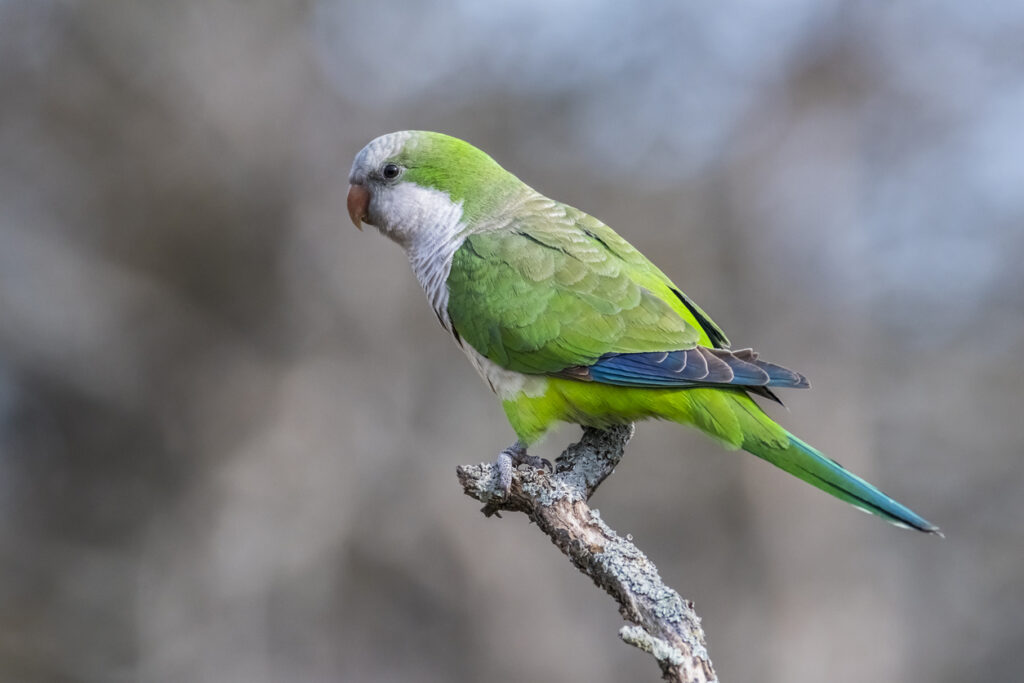
Monk parakeets, bright green birds with loud calls, escaped from aviaries and pet collections decades ago. Small groups established in parks and cities, especially around London. While they look exotic and bring colour to urban skies, they can also be noisy and disruptive. They build large communal nests on pylons and structures, which sometimes causes maintenance issues. Their presence is a reminder of how easily pet birds can adapt when released.
The answer has been careful monitoring. Authorities keep track of where they nest, balancing their popularity with the problems they cause. For locals, appreciating their presence is part of accepting Britain’s changing birdlife. At the same time, it’s a cautionary tale about keeping non-native pets responsibly.
5. American mink escaped fur farms.
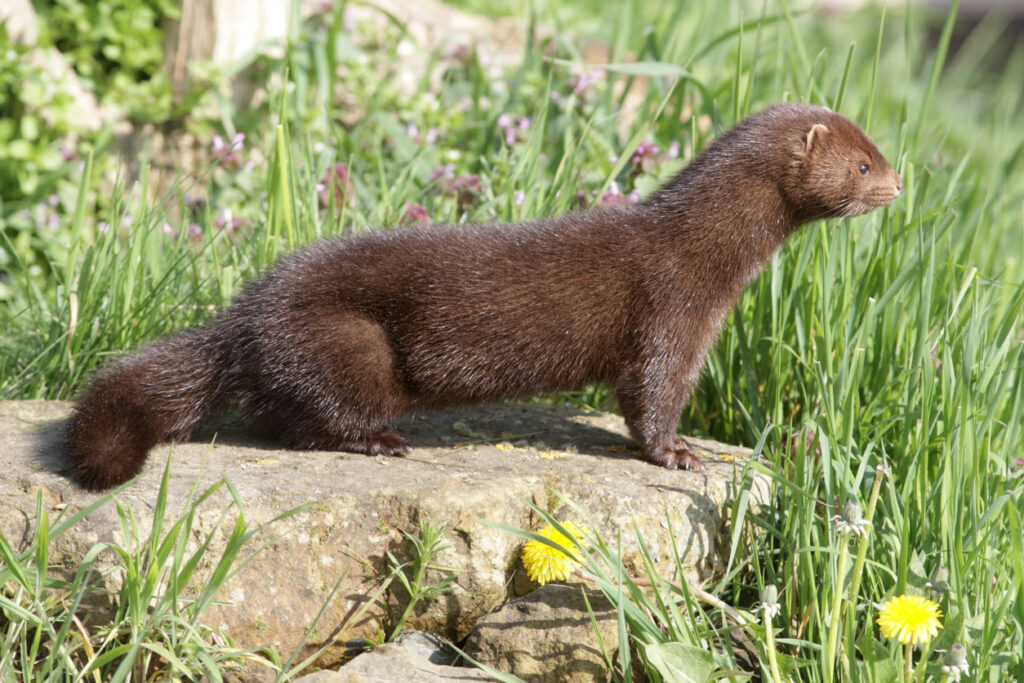
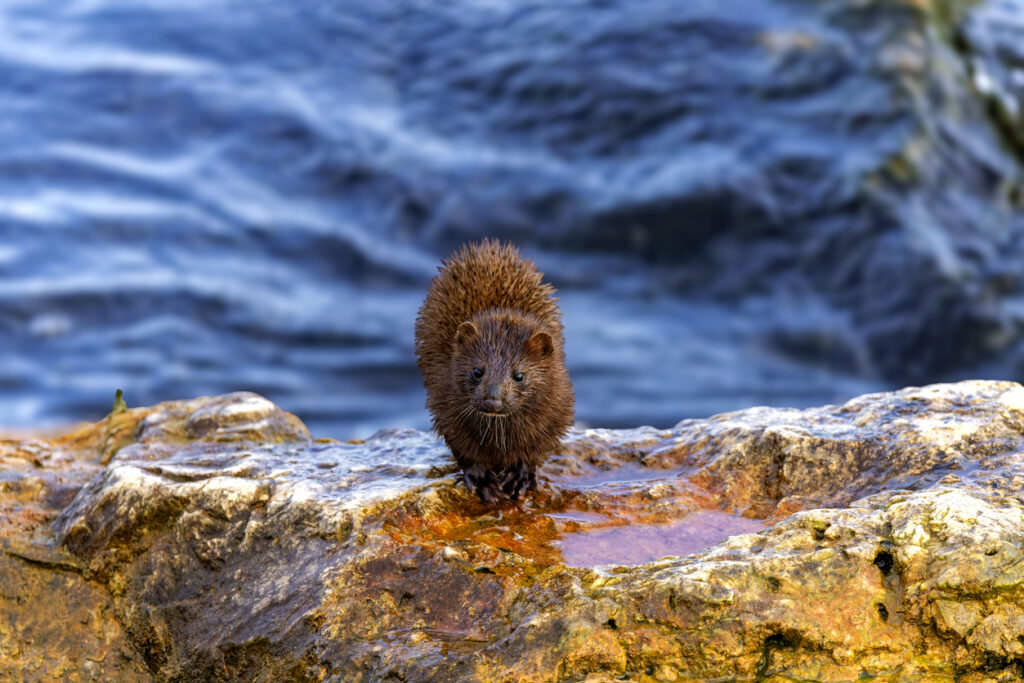
American mink were originally bred on fur farms. Escapes and releases in the 20th century led to wild populations spreading across rivers and wetlands. Mink are agile hunters, and their arrival devastated native water vole populations, which had no defence against them. They also prey on birds and fish, making them a persistent issue for conservationists. Once established, they proved very difficult to control, showing how one industry’s decisions reshaped the countryside.
The solution has been targeted trapping to protect water voles and other vulnerable species. Conservation groups coordinate efforts, especially in areas where vole recovery projects are running. Learning about mink helps highlight why preventing escapes is far easier than trying to undo the damage once animals settle in.
6. Wild boar returned after farm escapes.
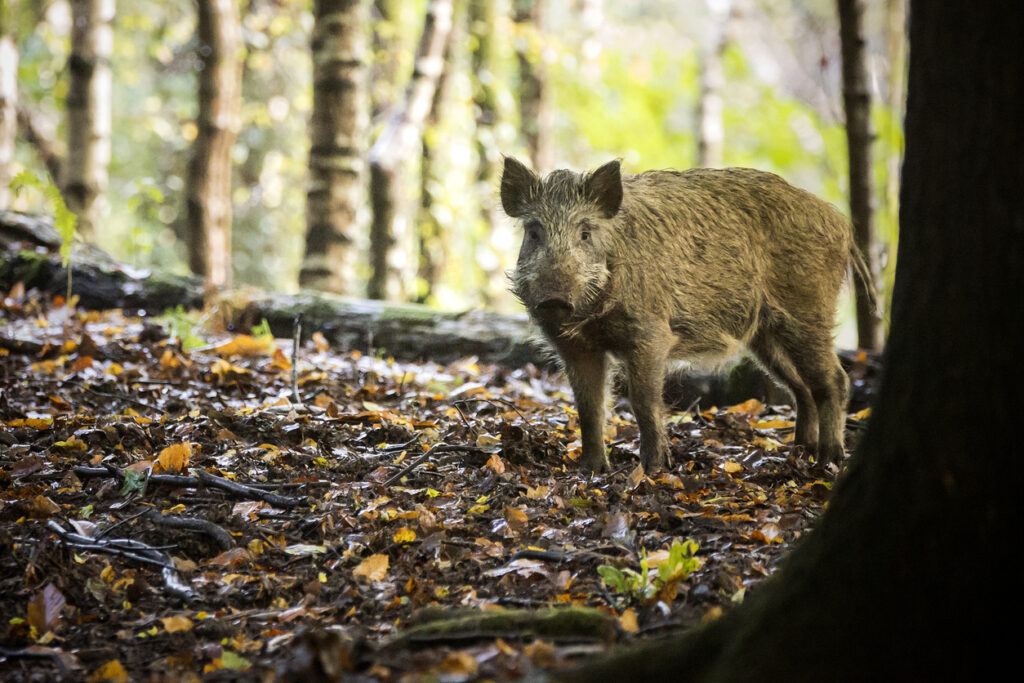
Though wild boar were native to Britain centuries ago, they were hunted to extinction. Their modern return came from farm escapes in the late 20th century. Groups established in Kent, Sussex, and the Forest of Dean, where they’ve bred steadily ever since. They root up fields, damage fences, and wander onto roads, which has made them controversial. However, many argue their presence restores a lost part of Britain’s ecosystem, as they churn soil and create habitats for other wildlife.
The answer is management rather than eradication. Local councils keep track of numbers and deal with problem groups near towns. For communities, accepting their presence means balancing the inconvenience with the benefits of a more natural woodland environment. Their story shows how once-lost species can return in unexpected ways.
7. Wallabies adapted to the countryside.
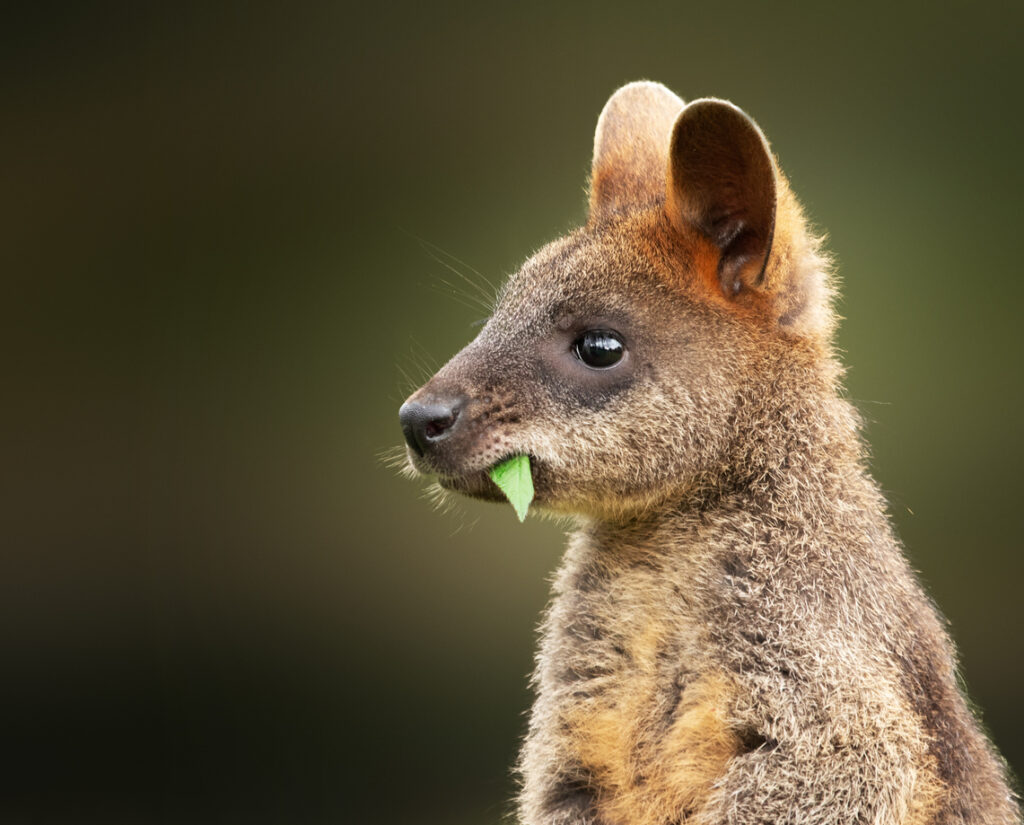
Wallabies, native to Australia, have escaped from private collections and zoos in different parts of Britain. Small groups have survived in the wild for years, most famously in the Peak District. They graze grass and shrubs much like deer, which means they can blend into local ecosystems surprisingly well. Sightings often cause surprise, but they prove that even animals from faraway climates can adjust if conditions are suitable.
The solution is to view them with curiosity rather than alarm. Populations are small and not considered damaging, so they don’t require control. Their presence is a reminder of how escapes sometimes add novelty without widespread harm. Watching them thrive sparks questions about how adaptable wildlife really is.
8. Terrapins linger in ponds.
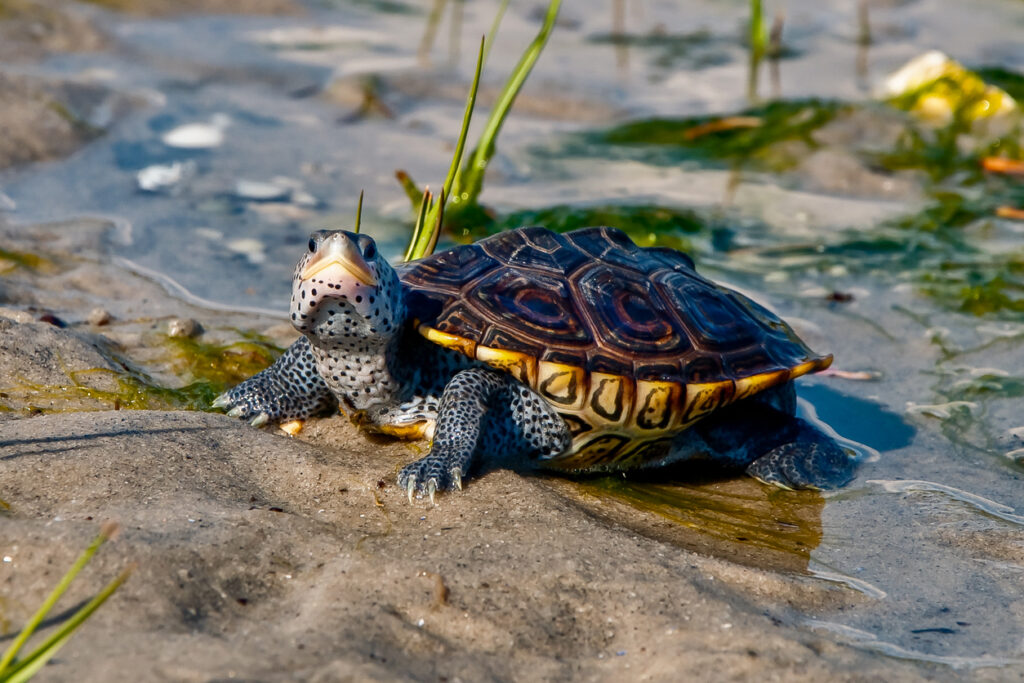
Many terrapins were bought as pets in the 1990s, particularly red-eared sliders. As they grew too large to manage, owners often released them into ponds and lakes. They’ve survived for decades in some areas, feeding on insects, plants, and small fish. Though Britain’s winters slow them down, mild climates in the south have allowed them to persist. While they don’t usually breed successfully, they still compete with native species and upset pond balance.
The answer is responsible pet ownership. Releasing unwanted reptiles into the wild creates long-term impacts. Wildlife groups encourage people to rehome pets instead. The terrapin story is a reminder that even one small release can leave a mark on local habitats for years.
9. Eagle owls found freedom.
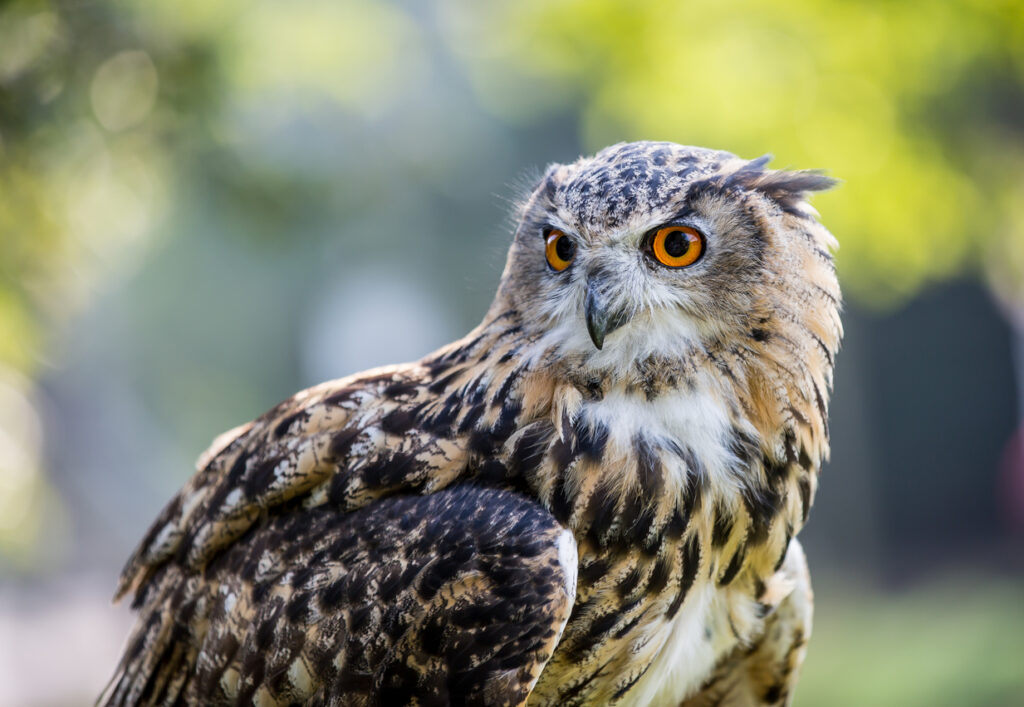
Europe’s largest owl, the eagle owl, has turned up in Britain after escapes from collections. A handful of pairs are now thought to be breeding in the wild. With their massive size and striking orange eyes, they cause excitement whenever spotted. However, conservationists debate whether they threaten native birds or should be left alone. Their presence shows how even top predators can establish themselves if given the chance.
The answer has been debate and monitoring. Some argue they don’t belong here, others say they add to diversity. For now, they remain rare enough not to be a major issue. They remind us that once an animal is free, nature decides whether it stays, regardless of our plans.
10. Reeves’s muntjac aren’t the only deer.
While muntjac get most of the attention, other deer like sika and fallow also expanded after escapes from deer parks. They’ve blended so successfully that many people assume they’re long-term natives. These deer compete for grazing and sometimes damage woodland, which has made them controversial in some areas. Their spread highlights how estates once changed Britain’s wildlife for their own purposes.
The solution is population control through culling and careful land management. Recognising how quickly deer adapt helps landowners balance conservation with practical needs. Their story shows that even animals kept behind fences often don’t stay there forever, and the countryside adapts as a result.
11. Coypu left their mark.
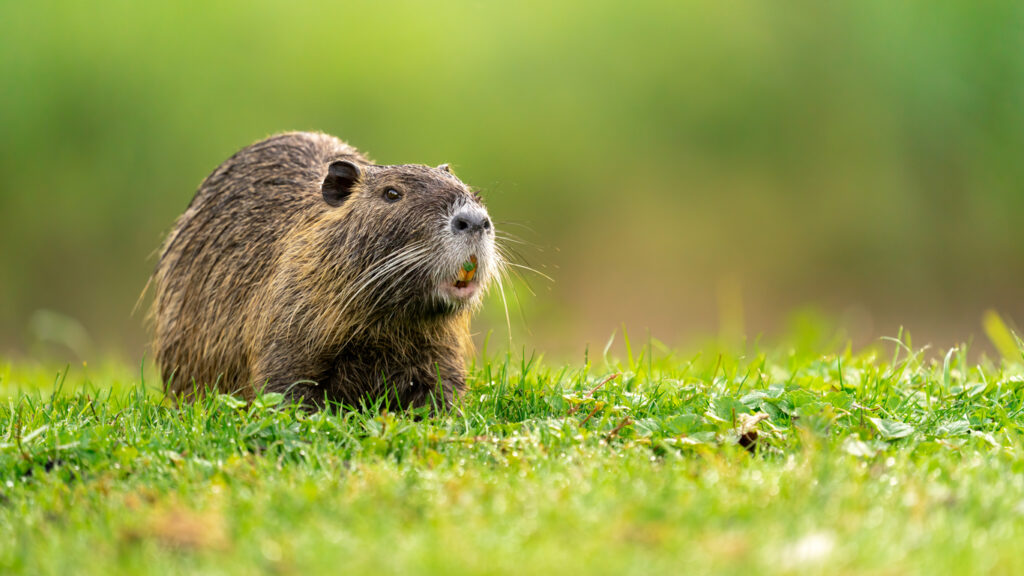
Coypu, large rodents from South America, were farmed for fur in the 20th century. Many escaped and set up wild populations, particularly in East Anglia. They caused significant damage to riverbanks and crops, chewing through vegetation at a rapid pace. For years, they were a serious pest, proving just how destructive an introduced species could be once established in the wrong environment.
The solution was a large-scale eradication programme, which successfully removed them by the late 20th century. Their story is one of the few where control actually worked. It’s a reminder that while some escapes can be tolerated, others demand tough action to protect native habitats.
12. Parakeets made themselves at home.
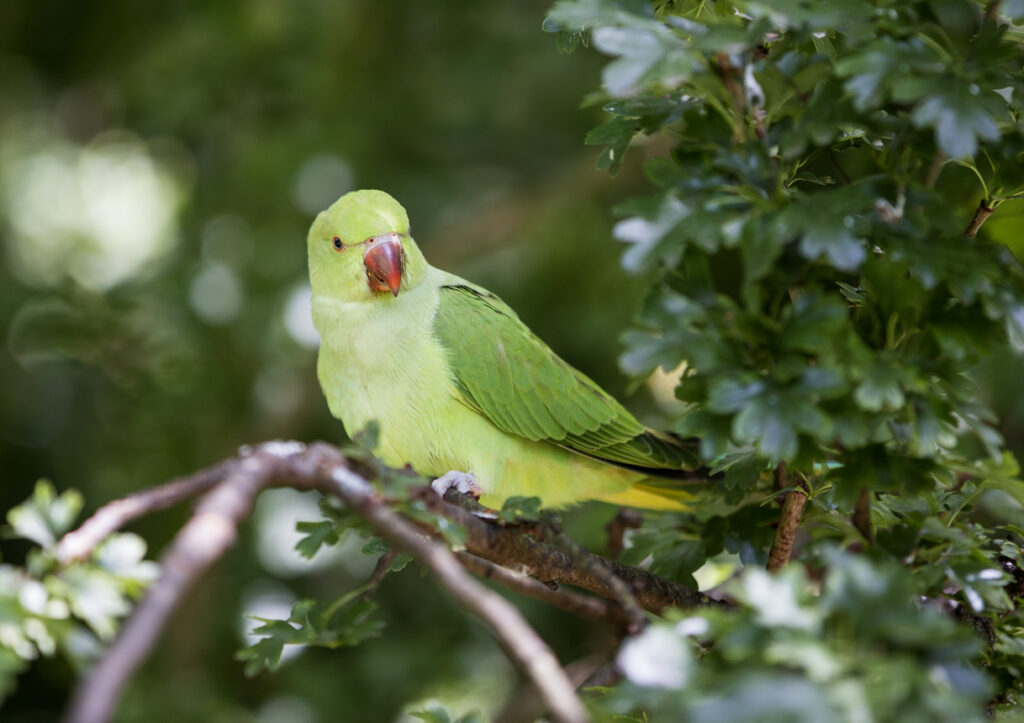
Ring-necked parakeets, often called rose-ringed parakeets, are the most famous escapees. Originally from Asia and Africa, they’ve now spread widely across London and the South East after pets escaped in the mid-20th century. Their bright green feathers and raucous calls are hard to miss. While many love them, others worry they compete with native birds for nest sites and food. They’ve become one of the most visible reminders that Britain’s wildlife isn’t as static as it seems.
The answer is coexistence with caution. Monitoring continues to track their effects on native species, while communities learn to live with their presence. Their story shows how quickly escaped pets can move from novelty to permanent fixture in the local landscape.