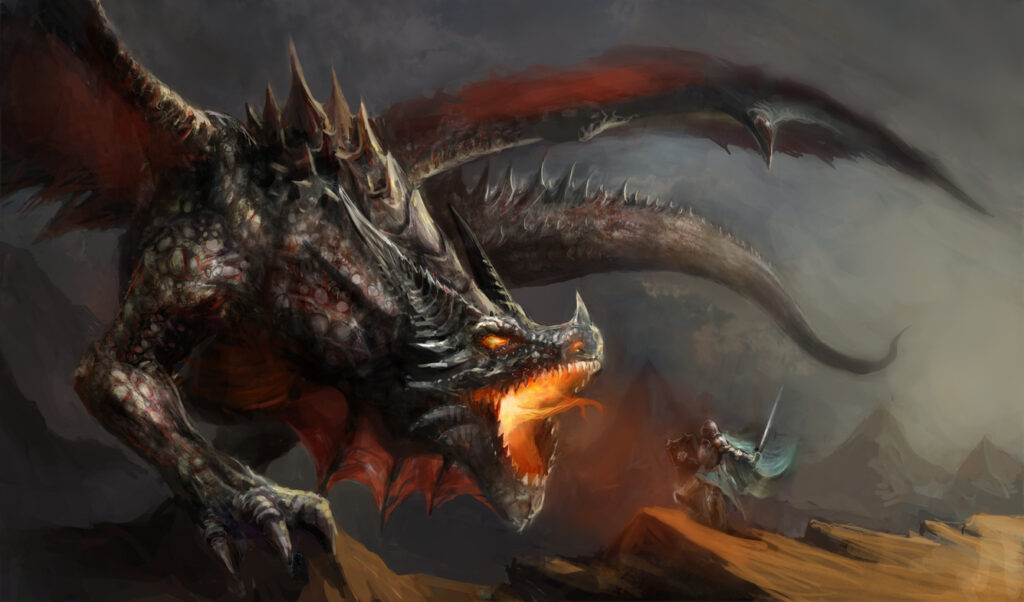
Dragons have always felt like pure fantasy, but the truth is their roots are tangled up with real dinosaur discoveries. Ancient people mistook fossils for monsters, myths took over, and the two became hard to separate. Here’s how it really happened, and how the history of dinosaurs got entangled with and created a history of dragons.
Fossils looked like dragon bones.
Before science explained dinosaurs, people stumbled on massive fossilised bones that didn’t match any living creature. To them, these skeletons were proof of terrifying beasts, and the idea of dragons fit the mystery perfectly. Size alone made the leap believable, so myths spread quickly.
Now we know those finds were dinosaur fossils. The answer is education. Learning how bones fossilise explains why they looked so strange, and it shows how imagination filled the gap when people had no scientific tools to understand what they’d uncovered.
Myths travelled faster than facts.
Dragon stories spread quickly through trade routes and folklore, gaining more attention than the quiet reality of bones in the ground. Dragons became part of culture across continents, while dinosaurs remained nameless and unexplained until centuries later.
The way forward is to see myths as stepping stones. They gave people a way to explain mystery until science caught up. Instead of dismissing those old tales, it’s better to appreciate how they kept curiosity alive when evidence was scarce.
Dragons explained disasters.
Without science, sudden disasters like fires, floods, or plagues needed a cause. Dragons became the answer, and the discovery of large bones made those stories seem even more convincing. Dinosaurs unknowingly added weight to myths of destructive monsters.
Today, we can separate the symbol from the science. Dragons reflected people’s fear of the unknown, while fossils reveal real history. Understanding this link lets us respect how past generations coped with mystery while still valuing the evidence for what it is.
Religion made dragons easier to accept.
When ancient societies tried to explain fossils through faith, dragons slotted in neatly as evil or chaotic creatures. Dinosaurs didn’t fit into those stories, but dragons could be used in moral tales about heroes or saints defeating evil.
Now we can see how belief shaped interpretation. The solution is perspective: fossils don’t need to be forced into myths or doctrine. Instead, they stand on their own, offering a history that’s even more fascinating than the legends built around them.
Dragons were used for control.
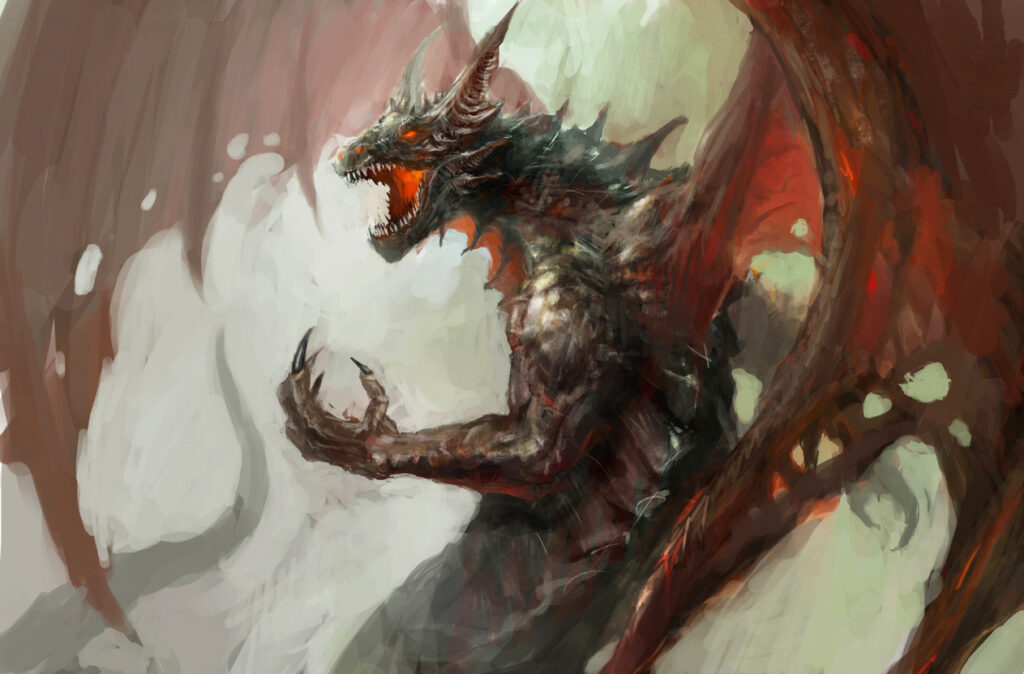
In some cultures, warnings about dragon-filled mountains or forests discouraged exploration or rebellion. The sight of massive bones made the warnings feel more real. Fear of beasts helped leaders maintain authority and keep people cautious.
The modern lesson is to question fear-based stories. When myths or rumours are used to shape behaviour, it’s worth asking who benefits from keeping them alive. Seeing this pattern in history helps us stay alert to how fear can still be used today.
Dragons were easier to picture.
Without reconstructions, dinosaur bones were incomplete puzzles. Dragons, with wings, scales, and fire, were much easier to imagine and draw. They became vivid in people’s minds, while dinosaurs remained jumbled fragments that lacked a clear identity.
The answer now is visual accuracy. Museums, films, and reconstructions bring dinosaurs to life in ways that no myth ever could. Clear images help people connect with science, making fossils more exciting than the fantasy they once inspired.
Cultures gave dragons different roles.
In Europe, dragons were evil beasts, while in China, they symbolised wisdom and prosperity. Dinosaur bones could feed either view, showing how flexible myths could be. Dragons thrived because they could be reshaped to suit local stories.
The solution is to compare these differences. Seeing how one set of fossils inspired opposite meanings highlights human creativity. Instead of looking for one “true” version, it helps to accept that people always blended fact with imagination in unique ways.
Dinosaurs are a modern discovery.
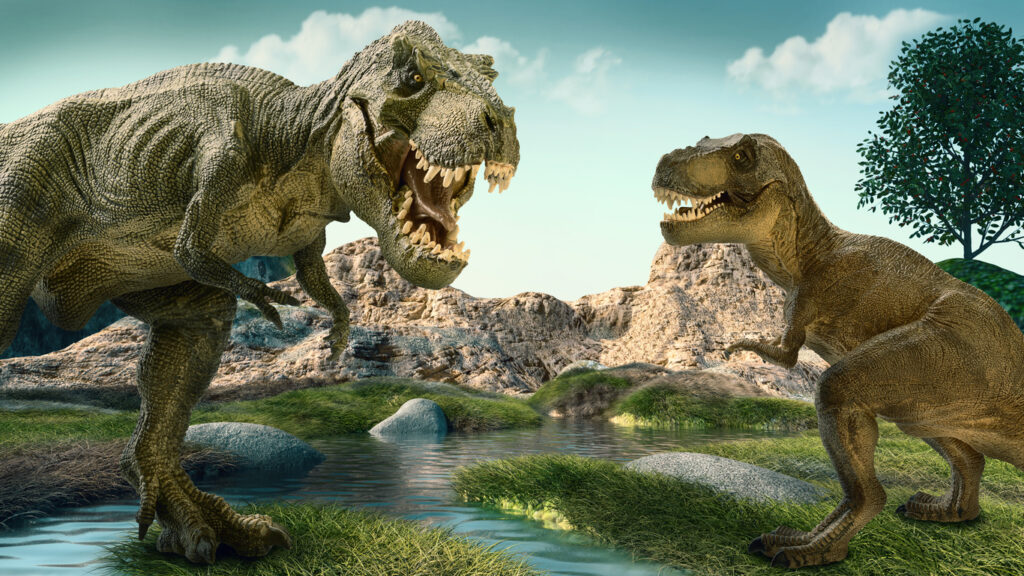
The word “dinosaur” didn’t exist until the 19th century. By then, dragon myths had centuries of cultural weight behind them. So when fossils turned up, dragons already had a ready-made place in people’s beliefs, and the link was hard to shake.
Today, the answer is patience. Science often comes late to ideas that myths have already explored. Understanding this timeline makes it clear why dragons dominated for so long, and why it matters to keep building awareness of the real story now.
Dragons made better stories.
Dragons were dramatic, terrifying, and perfect for oral storytelling. Dinosaurs, in contrast, were just bones locked in stone, harder to weave into gripping tales. This made dragons the more popular choice in myths and legends for centuries.
The answer now is better storytelling with science. Films and documentaries have shown how engaging dinosaurs can be. When the facts are told with energy, they rival any myth. The trick is to keep blending truth with compelling narrative.
Fear of the unknown tied them together.
When people didn’t understand their world, fear filled the gaps. Huge bones suggested monsters, and myths gave them faces. Dinosaurs and dragons both became symbols of danger, proving how powerful imagination is when evidence is limited.
The best step today is to treat fear as curiosity in disguise. If something feels unknown, it usually means there’s more to learn. Science thrives on exploring those gaps, turning ancient dread into discovery that deepens our understanding instead of fuelling fear.
Art kept the myths alive.
Paintings and carvings often showed dragons with long necks, claws, and reptile bodies that weren’t far from how we imagine dinosaurs today. Without accurate reconstructions, the two looked similar enough to blur in cultural memory.
The way forward is to use art alongside science. Creative reconstructions bring fossils to life and make them relatable, just like old art once did for dragons. The difference now is that evidence, not imagination alone, guides what we see.
The similarities were striking.
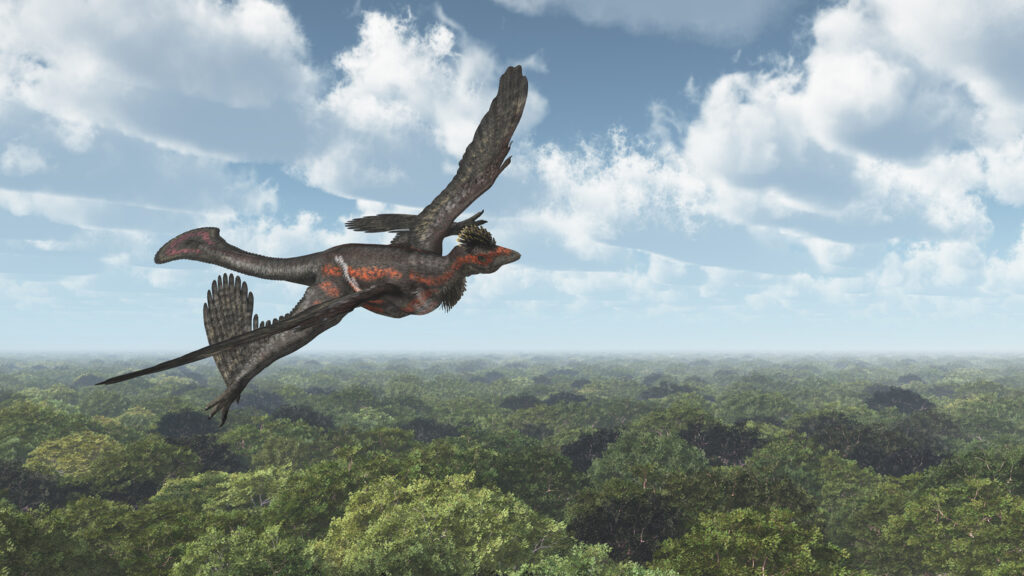
Both dragons and dinosaurs were pictured as huge, reptilian, and powerful. Even if the details didn’t match, the overall resemblance was close enough to keep people convinced. It was easy to assume they were the same kind of creature.
The solution today is to lean into those overlaps without confusing them. Dragons probably grew from dinosaur discoveries, and that link makes both more interesting. Accepting the connection shows how myths and science are often two sides of the same story.
They still fascinate us today.
Dinosaurs remain endlessly fascinating because they were real. Dragons thrive in films and games because they let us dream about the impossible. Both hold space in culture, one grounded in history, the other in imagination. Each inspires awe in different ways.
The best approach is to enjoy both separately. Dinosaurs belong in science, dragons in story. Keeping that balance lets us celebrate fossils for what they truly are, while still enjoying dragons for the legends they’ve become. Both deserve their place.