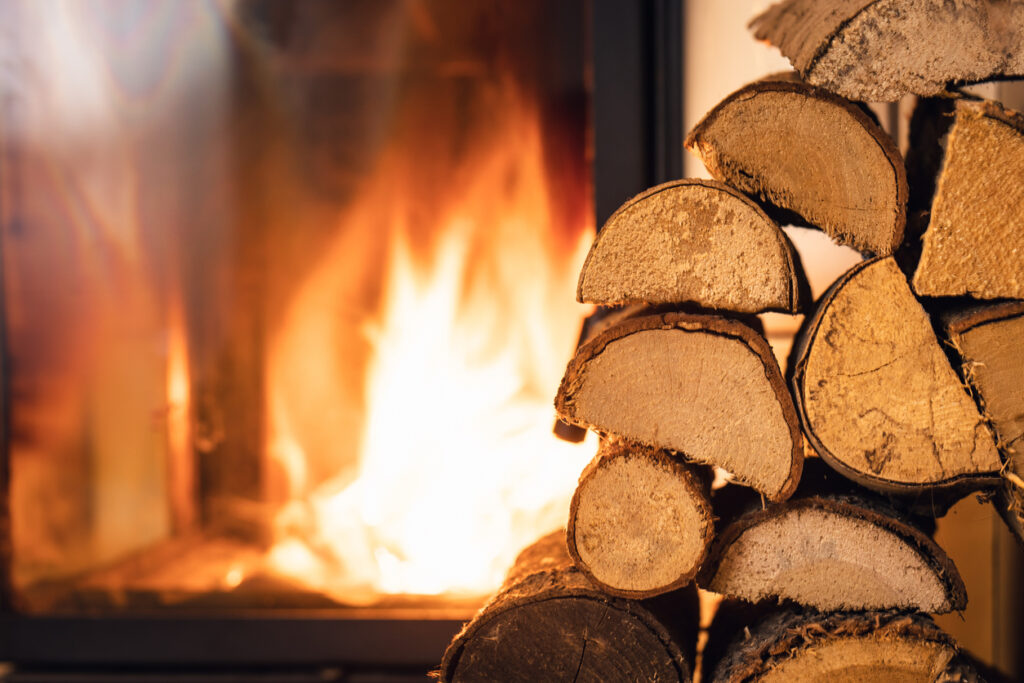
You’ve probably stood in front of a pile of pine or cedar and wondered if it’s worth chucking on the fire. Both woods get a mixed reputation, but they can work if you know what you’re doing. Before you go for it, though, here are a few things to consider.
Pine burns too fast and leaves you constantly feeding the fire.
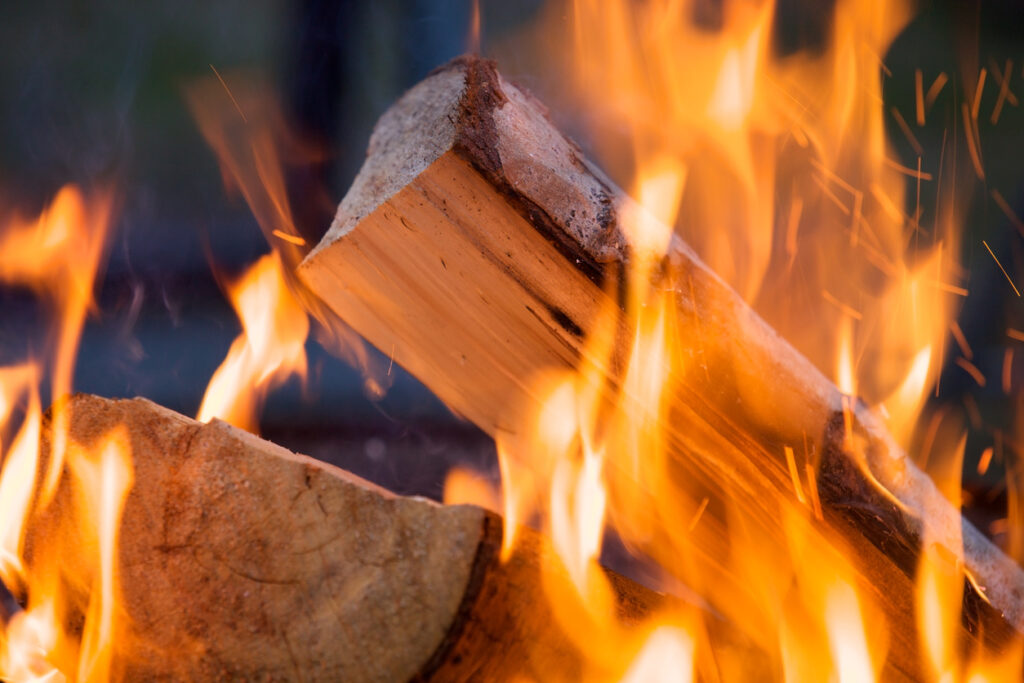
Pine’s got this reputation for disappearing before you’ve even settled into your chair. It’s packed with resin that burns hot and quick, so you’ll be getting up every twenty minutes to add more logs. The high resin content makes it pop and crackle, sending sparks flying if you’re not careful.
Pine’s actually brilliant for getting fires started, though. Those resins make it catch light easily, so it’s perfect as kindling or for quick heat. Mix it with slower-burning hardwood to keep things steady, and think of pine as your fire’s espresso shot.
Cedar produces lovely fragrance but creates excessive creosote buildup.
Cedar smells gorgeous when it burns, making your room feel like a spa. But those oils create quite a bit of creosote when burned, that black, tar-like substance that builds up in your chimney and creates fire hazards. Cedar also burns hot and fast, so you’ll be feeding the fire constantly.
Cedar works brilliantly for outdoor fire pits where creosote isn’t a concern, and that lovely scent makes it perfect for evening gatherings. For indoor use, limit it to small amounts mixed with other woods, and make sure your chimney gets cleaned regularly.
Both woods burn too hot and can damage your fireplace or stove.
When pine and cedar get going, they burn significantly hotter than hardwoods. That intense heat can crack cast iron stoves and make fireplace bricks deteriorate faster. The rapid temperature changes from quick-burning softwoods can cause metal components to expand and contract beyond their design limits.
Use these woods thoughtfully rather than avoiding them entirely. Small amounts mixed with other woods shouldn’t cause issues if you’ve got a quality stove. For older fireplaces, stick to hardwoods like oak that burn steadier and cooler.
Softwoods create more smoke and reduce air quality indoors.
Softwoods naturally produce more smoke than hardwoods, especially when they’re green or poorly seasoned. The high moisture and resin content contributes to smokier burns, and nobody wants a living space that feels like a campfire gone wrong. Poor air quality can trigger breathing problems too.
Proper seasoning makes a huge difference here. Well-dried pine and cedar produce significantly less smoke. You’re looking for wood that’s been split and dried for at least six months, with moisture content below 20%. Make sure your damper’s fully open and your chimney’s drawing well.
They don’t provide long-lasting heat for overnight burns.
Pine and cedar just don’t have the staying power for long, slow burns that keep your home warm through the night. Their low density means they burn through their energy quickly, leaving you with ash and no heat by midnight. If you’re relying on your fireplace for heating, this becomes a real problem.
These woods are brilliant for afternoon fires when you’re around to tend them, or for getting other logs started. For overnight burns, create a base of dense hardwood like oak, then use pine or cedar to get things roaring before adding more hardwood on top.
Pine and cedar leave more ash and require frequent cleaning.
Softwoods produce more ash per amount of heat generated compared to hardwoods. Where oak leaves you with a small pile of fine ash, pine creates much larger, fluffier residue that takes up half your firebox. All that extra ash restricts airflow and makes your fire burn less efficiently.
Regular cleaning becomes part of your routine with softer woods. Invest in a good ash vacuum or proper ash bucket, and clean out excess ash before each new fire, rather than letting it build up. Always make sure ash is completely cold before handling.
Cedar’s natural oils can cause allergic reactions in sensitive people.
Cedar’s beautiful aroma comes from natural oils that can trigger reactions in sensitive people. Some folks experience headaches, sneezing, or respiratory irritation when cedar smoke is in the air. You might just notice feeling a bit off after an evening by the fire, or congested sinuses the next morning.
Try burning cedar outdoors first to see how you react. Many people who can’t tolerate cedar smoke indoors are perfectly fine with it around outdoor fire pits, where smoke disperses quickly. For indoor use, start with very small amounts and ensure good ventilation.
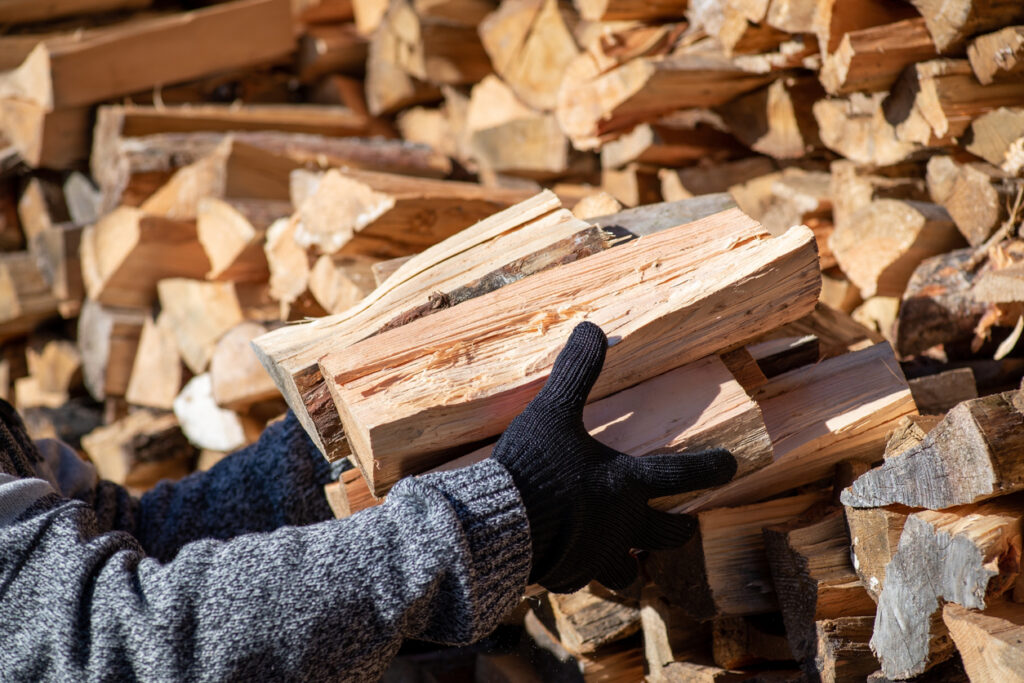
Both woods are difficult to split when green or frozen.
Fresh pine tends to be stringy and fibrous, and your axe can get stuck halfway through. Cedar can be even trickier, especially stringy varieties that hold together, no matter how hard you swing. When frozen, they become nearly impossible to split cleanly, and cold makes the resin stickier.
Timing your splitting makes all the difference. Pine and cedar split much more easily when they’ve dried out a bit, but aren’t completely seasoned yet. A sharp splitting maul works better than a traditional axe, and if you’re dealing with frozen wood, wait for a warmer day.
They’re not cost-effective compared to quality hardwoods.
You’ll burn through softwood much faster than hardwood, which means more frequent deliveries or trips to collect wood. The lower heat output per log means less warmth for your money. You might spend nearly as much on pine as oak, but get significantly less heating value.
Softwoods make financial sense if you’ve got free access from your own property, or if you primarily want fires for ambiance rather than heating. Some people buy small amounts alongside their main hardwood supply, using pine for quick heat while relying on hardwoods for serious heating.
Green softwoods produce dangerous creosote faster than seasoned hardwoods.
Burning green pine or cedar coats your chimney with creosote faster than anything else. Fresh softwoods contain high moisture and resin levels, and when these don’t burn completely, they create thick, sticky deposits that build up quickly. After a season of burning green softwood, you could have serious fire hazard levels of creosote buildup.
Pine and cedar need at least six months to a year of proper drying before they’re safe to burn indoors. Split wood soon after cutting, stack it in a sunny, windy location, and cover only the top. Test moisture content with an inexpensive meter, aiming for below 20%.