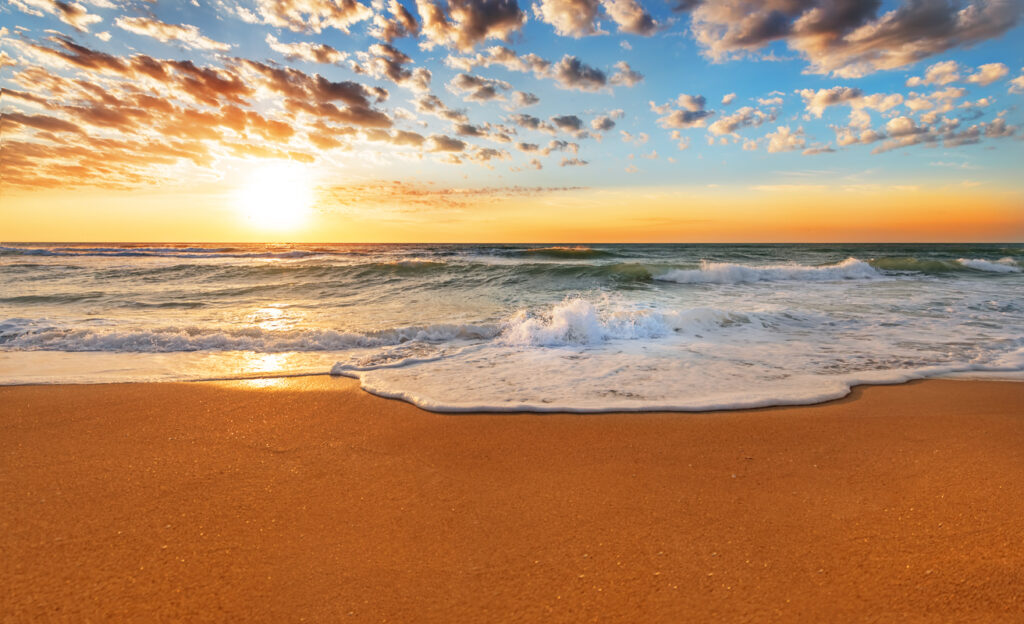
Standing by the sea, most people enjoy watching waves roll in or noticing when the tide creeps higher than expected, but few really understand why it happens. Here’s a clear breakdown of what drives tides and waves, and how to make sense of them.
The moon pulls the ocean.
When you look at tides, the biggest influence is the moon’s gravity. It pulls at the water on Earth, making it bulge slightly. On the side closest to the moon, water is drawn upwards, creating what we know as high tide. On the opposite side, the same effect happens because of the Earth’s motion, so we end up with two high tides each day. Without the moon, the sea wouldn’t rise and fall in this predictable way, and coastlines would look very different.
The answer to making sense of this is to think of the moon as an invisible hand tugging at the oceans. It doesn’t control the sea completely, but it gives us a steady rhythm. Once you know this, you can start predicting tides more confidently and understanding why beach visits always feel different depending on the time of day.
The sun adds its influence.
Although the moon has the strongest effect, the sun plays a role too. When the sun and moon line up, their combined pull makes especially high tides, known as spring tides. When they’re at right angles, their pulls partly cancel out, creating smaller movements called neap tides. This extra influence explains why tides aren’t the same size every time. Some days the difference between high and low tide is dramatic, while on others it’s barely noticeable.
The solution is to see the moon and sun as a team. Together, they create the tidal pattern we see, and understanding this helps if you live by the coast, go fishing, or enjoy water sports. Checking a tide chart becomes less mysterious when you know the reasons behind those changing numbers.
Earth’s shape changes things.
Even though tides are caused by the moon and sun, they don’t look the same everywhere. Coastlines, bays, and underwater shapes all affect how water moves. In some places, tides rush in and out dramatically, while in others the difference is small. Britain’s Bristol Channel, for example, has some of the highest tides in the world, while other coasts barely notice a change. The shape of the land controls how that water piles up or spreads out.
The answer is that you can’t expect every beach to behave the same. If you’re planning a trip or working at sea, local knowledge matters as much as knowing the general science. Tide tables often include regional notes, and it helps to learn why your local stretch of coast behaves the way it does.
Waves start with wind.
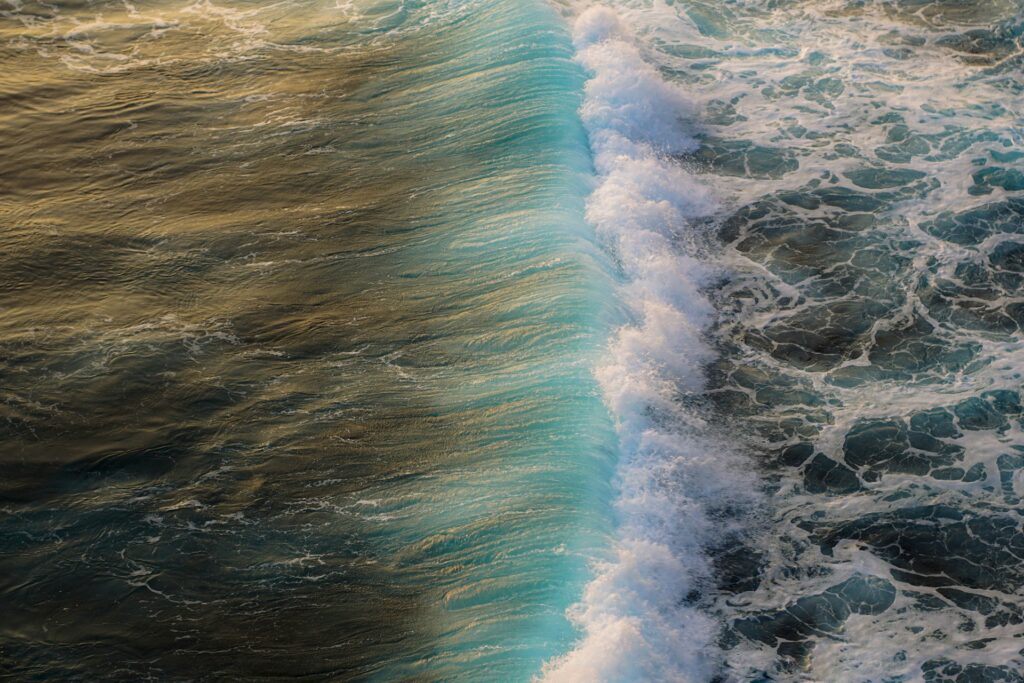
While tides depend on gravity, waves usually begin with wind. As wind blows over the surface of the sea, it transfers energy into the water. Small ripples grow into larger waves as the wind keeps pushing, and in storms those waves can become huge. The strength of the wind, how long it blows, and how far it travels all decide how big the waves will be. That’s why a calm breeze makes gentle ripples, while a gale creates towering walls of water.
The practical step here is to link waves to the weather. When forecasts warn of strong winds, you can expect rough seas, and when the air is still, the water will be calmer. Understanding this makes coastal visits safer and helps surfers and sailors choose the right conditions for their activities.
Waves don’t move water forward.
A common mistake is thinking that waves carry water across the sea. In reality, it’s the energy moving, not the water itself. Water particles move in circles, passing energy along to the next, which creates the rolling effect you see from the shore. This is why a floating object bobs up and down without travelling far when waves pass underneath it. It’s energy travelling across the surface, not the water itself being pushed forward.
The way to think about it is simple: waves are messengers of energy. Once you understand this, you stop expecting the sea to carry things in neat lines. It explains why debris can stay in roughly the same place for ages and why currents, not waves, are the real movers of water across long distances.
Shorelines shape waves.
As waves approach the shore, they start to feel the bottom of the sea. The shallower it gets, the more the bottom slows the base of the wave while the top keeps moving, which makes the wave steepen and eventually break. This is why you see foamy surf crashing at the coast, but not far out at sea. The slope of the seabed, whether it’s gentle or sudden, decides whether waves break softly or slam down with force.
The solution is awareness of local geography. If you’re swimming, surfing, or sailing, knowing whether the seabed shelves gently or drops off sharply helps you read the water. Understanding why waves break the way they do makes the beach less intimidating and more enjoyable.
Tides affect wave behaviour.
Tides and waves aren’t separate—they interact. When the tide comes in, waves often reach further up the shore, while at low tide the same waves might break far out. The depth of the water decides how waves look and where they crash, so the same stretch of beach can feel completely different at different times of the day.
The key is timing. If you know when high tide will be, you can predict where waves will reach. This makes a big difference if you’re planning a safe swim or trying to avoid getting caught by a rising tide while walking along rocks or cliffs.
Extreme weather changes both.

Storms can amplify both tides and waves. Strong winds whip up bigger waves, while low pressure can raise sea levels slightly, making high tides even higher. This combination leads to storm surges, where the sea floods further inland than expected. Coastal communities know these risks well, and history shows how damaging such events can be when the two forces combine.
The practical answer is preparation. If forecasts warn of storms, it’s not just wind and rain you need to consider, but also how the sea will behave. Paying attention to tide times and wave warnings makes it easier to plan safely and avoid unnecessary risks.
Humans can predict patterns.
Despite the sea’s unpredictability, tides follow set patterns that we can predict years in advance. Waves, influenced by weather, are harder to forecast but still trackable with the right data. This knowledge helps shipping, fishing, and coastal tourism to plan activities with confidence. While the sea looks wild and uncontrolled, humans have become skilled at reading its rhythms.
The solution is to use the tools available. Tide charts and wave forecasts are easy to find online or in local papers. Knowing how to read them gives you a huge advantage, whether you’re spending time by the sea for fun or for work.
Tides and waves shape coastlines.
Over time, the constant rise and fall of tides and the endless pounding of waves carve coastlines into their familiar shapes. Cliffs erode, beaches change, and sandbanks appear or vanish. While we often think of these as fixed landscapes, they’re really the result of constant movement. Without tides and waves, our coasts would look completely different, and much of the variety we love would disappear.
The answer here is perspective. When you visit the coast, remember that you’re looking at a landscape still in motion. Appreciating this makes it easier to understand why some areas need protection from erosion and why others are left to change naturally. It’s all part of the balance between sea and land.