When the sun goes down, British gardens don’t fall silent, even if our human ears don’t pick up on much sound.

In fact, some of the most fascinating visitors only come alive after dark. From tiny rustles to sudden screeches, these are the nighttime animals you might spot if you pay attention. Grab a torch, some binoculars, and a sense of curiosity and get out in your garden. You might be fascinated by what you see.
1. Hedgehogs snuffling for food
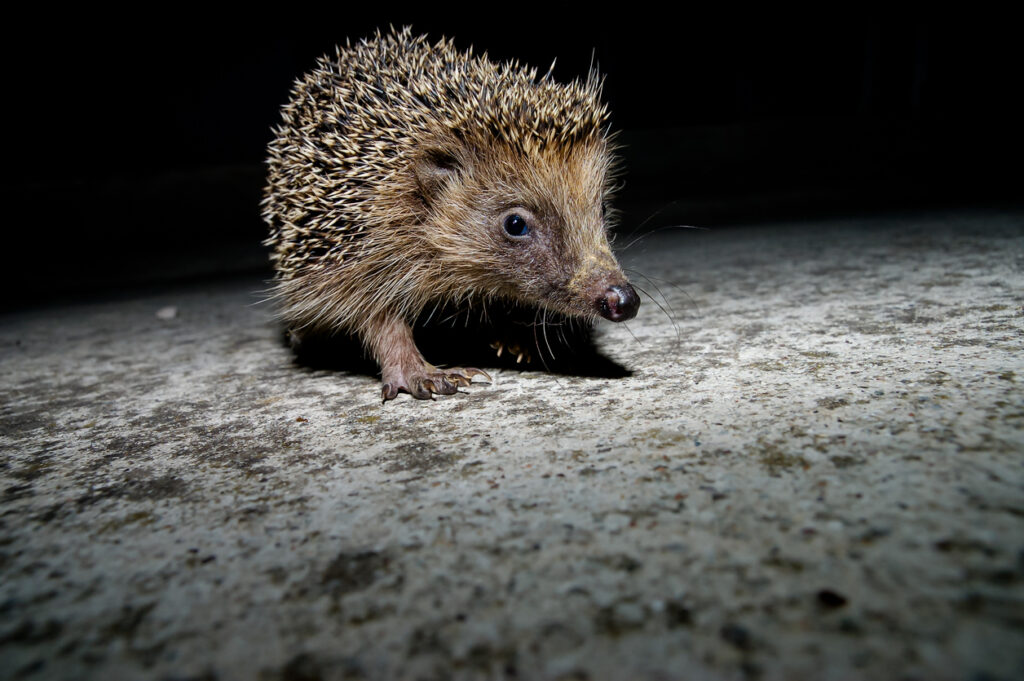
Hedgehogs are one of the most recognisable night visitors. As darkness falls, they wander through gardens sniffing out beetles, worms, and slugs. Their gentle snuffling sound often gives them away before you spot their spiky backs.
If you want to encourage them, leave small gaps in fences so they can roam freely. Avoid slug pellets and instead create safe spaces with logs or piles of leaves where hedgehogs can feed naturally.
2. Foxes prowling for scraps
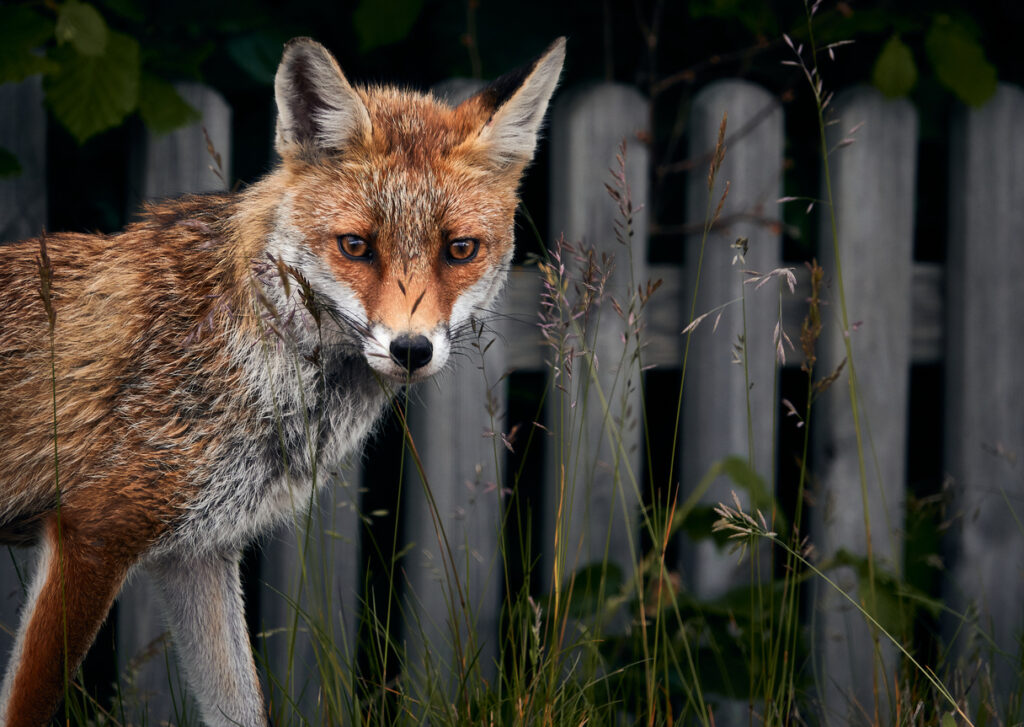
Urban foxes are now common across Britain, often sneaking into gardens after dark. They scavenge food wherever they can, from compost heaps to leftovers left out by households. Their presence is marked by rustling or sharp calls.
To reduce unwanted visits, keep bins secure and avoid leaving pet food outside. If you enjoy seeing foxes, observe from a distance rather than feeding, as encouraging dependence can lead to conflict.
3. Bats swooping overhead
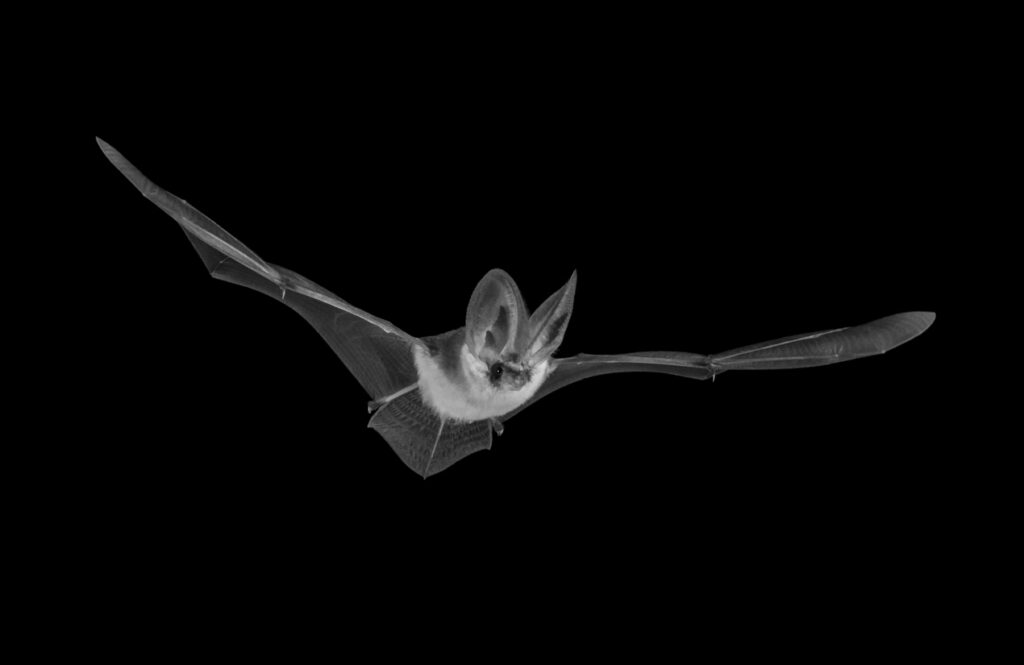
Bats are among the first night animals you’ll notice. They dart quickly through the air, catching moths and mosquitoes. Their rapid, swooping flight is distinctive against the fading evening sky.
If you’d like more bats around, install a bat box or plant night-scented flowers to attract insects. These small actions support bats while also reducing garden pests naturally.
4. Owls calling from rooftops or trees
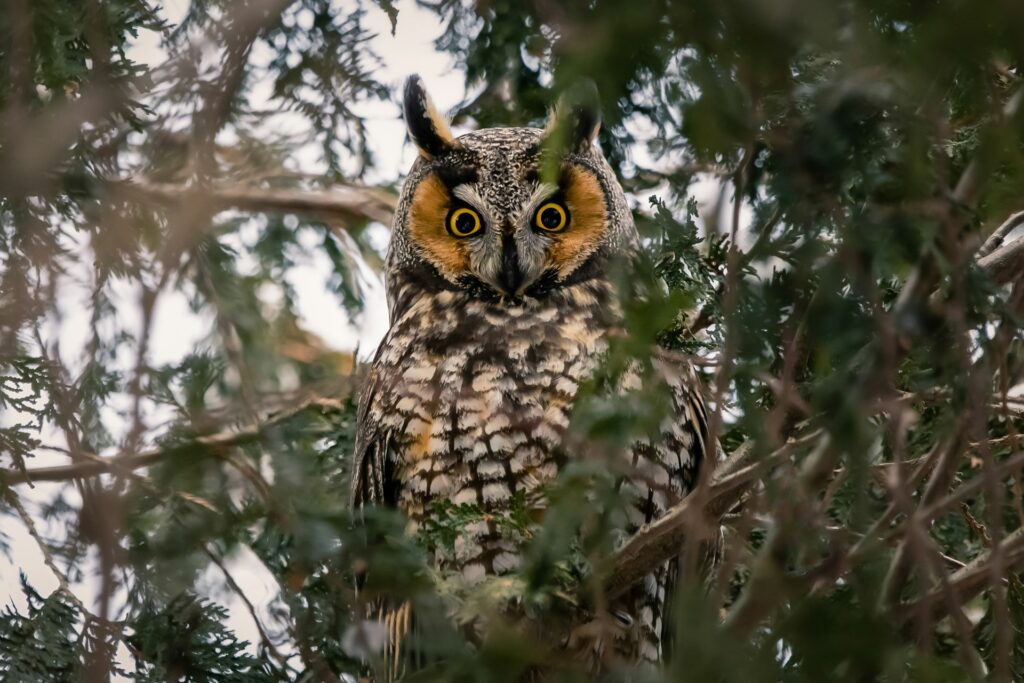
The hoot of a tawny owl or the screech of a barn owl can stop you in your tracks. These birds are skilled night hunters, often gliding silently across gardens in search of small mammals.
You can encourage them by avoiding chemical pest control and leaving wild areas where mice and voles thrive. Just hearing their calls at night shows your garden is part of a wider living landscape.
5. Moths drawn to light
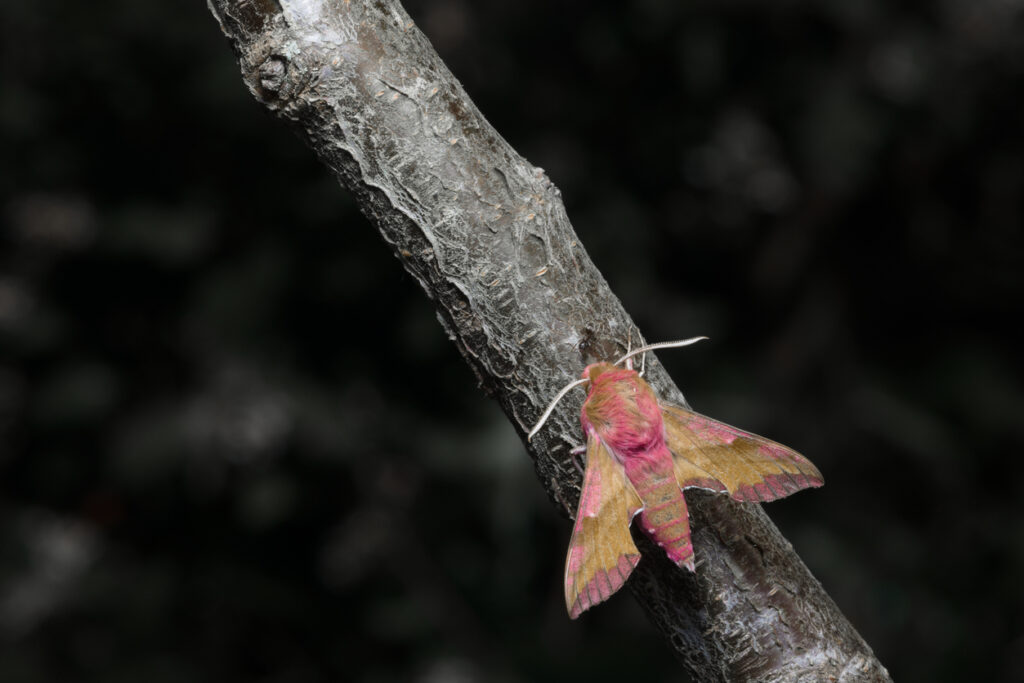
While butterflies take over the daytime, moths rule the night. Attracted to porch lights and windows, they flutter in surprising numbers. Some are dull brown, but others are striking with bright patterns and colours.
Try switching outdoor lights off to help them, as artificial light can disorientate moths. Growing night-blooming plants like jasmine can also provide them with nectar and boost your night garden’s activity.
6. Slugs and snails emerging to feed
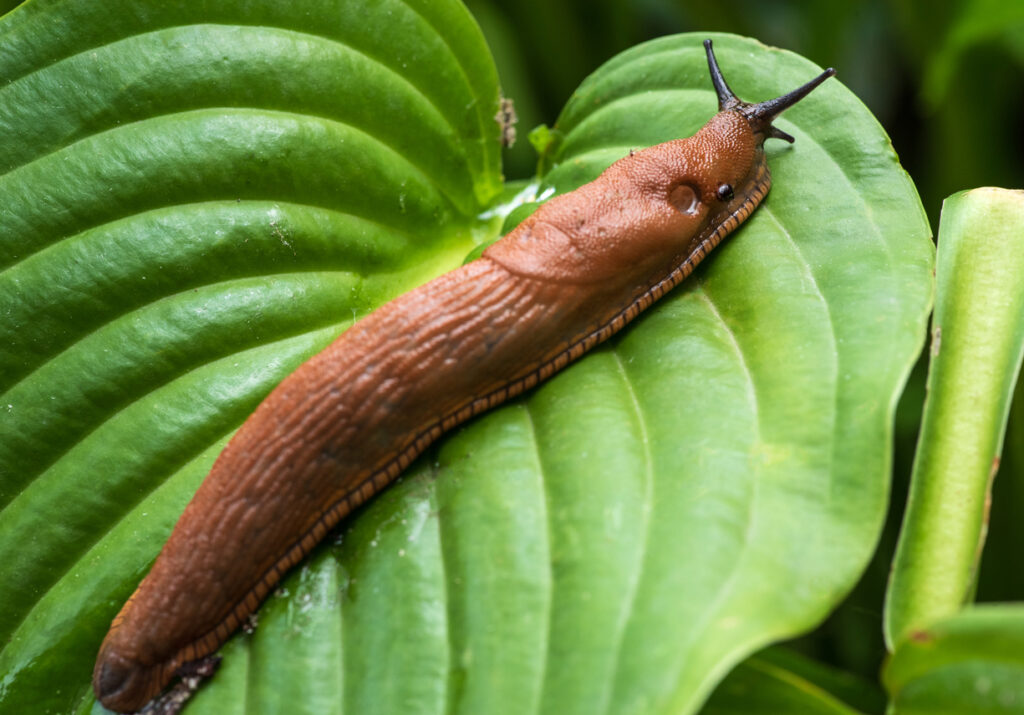
As soon as it’s dark and damp, slugs and snails make their way out to munch on tender plants. You’ll often notice the trail of silvery slime in the morning as proof of their late-night feast.
Instead of pellets, try wildlife-friendly ways of managing them. Encouraging hedgehogs, frogs, and even certain birds helps keep numbers down naturally without harming the balance of your garden.
7. Frogs hopping through borders
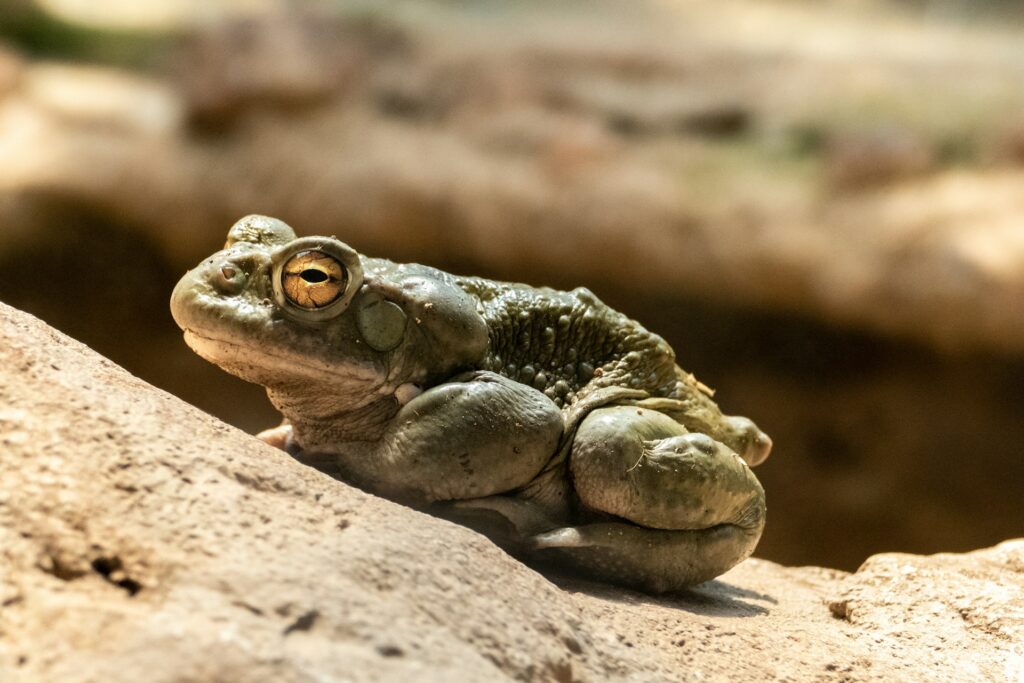
Frogs often leave ponds at night to hunt for insects in the garden. They can turn up in unexpected places, moving silently through borders or hiding under pots and stones during the day.
If you’d like to see more frogs, create a small pond or leave shallow water sources. Gardens that stay slightly damp and provide hiding spots are far more attractive to them.
8. Badgers searching for snacks

Badgers are powerful diggers and may visit gardens after dark looking for worms, grubs, or fallen fruit. You might not see them directly, but their distinctive tracks or dug-up patches of lawn give them away.
If you’re lucky enough to have badgers nearby, resist the urge to feed them. Instead, watch from a safe distance and protect vulnerable areas of your garden, such as flowerbeds, with secure barriers.
9. Deer wandering at the edges
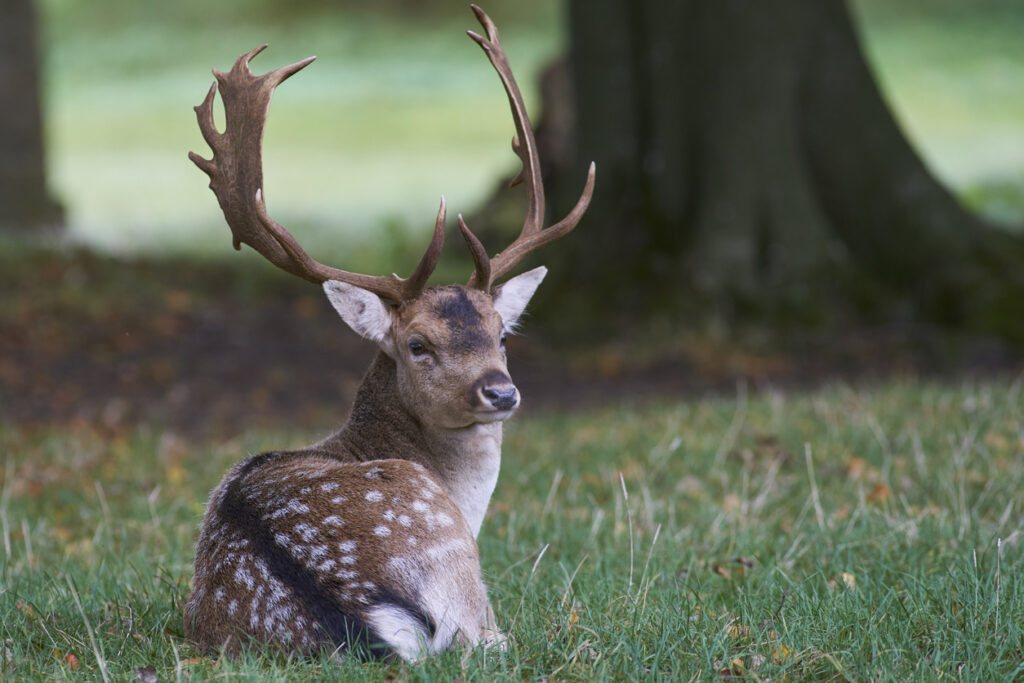
In rural areas, deer often venture into gardens after nightfall. They nibble at shrubs and flowers, sometimes leaving noticeable browsing marks. Their presence can be magical, but also challenging for gardeners.
Use natural deterrents like tall hedges or fencing to protect plants. If you want to admire them, focus on planting hardy species less tempting to deer, while still enjoying their occasional visits.
10. Mice and voles scurrying around
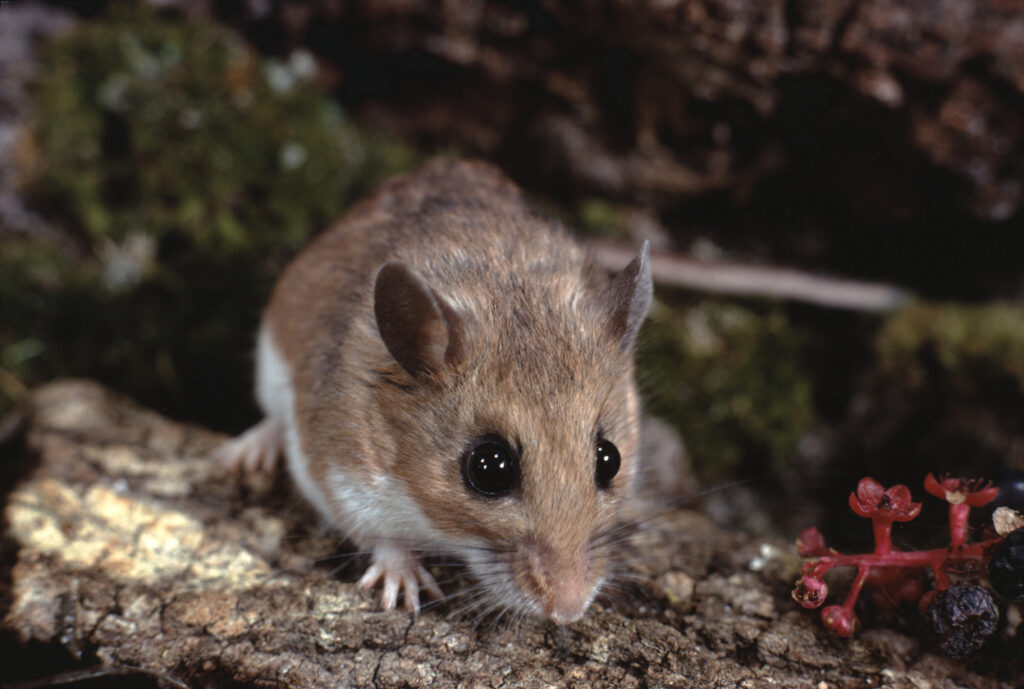
Small rodents like mice and voles often go unnoticed, but at night they come out to forage. You might spot quick movements near compost heaps, sheds, or bird feeders where they look for easy meals.
To discourage too many visits, keep food sources secured. At the same time, remember these small mammals are part of the food chain, supporting owls, foxes, and other predators in your garden ecosystem.
11. Tawny mining bees returning to nests
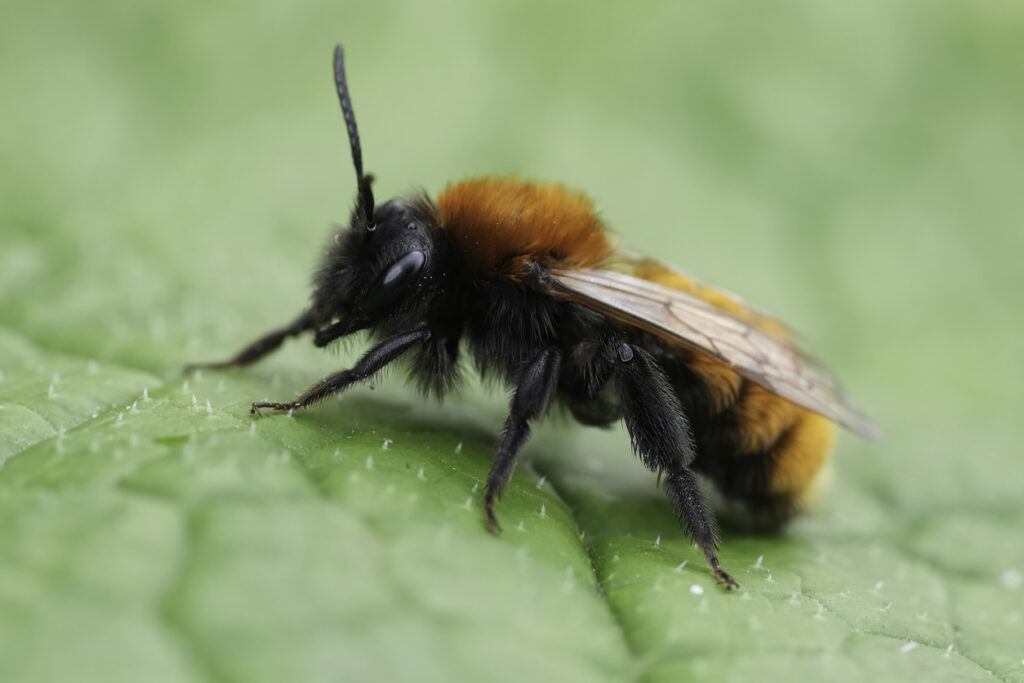
These solitary bees are most active in spring, but at night they return quietly to their burrows in lawns or soil. Though not obvious, their nighttime retreat is part of their daily rhythm in British gardens.
Leave some bare soil patches if you want to support them. They’re harmless to people and vital for pollination, so making space for them helps the wider environment as well.
12. Nocturnal beetles on the move
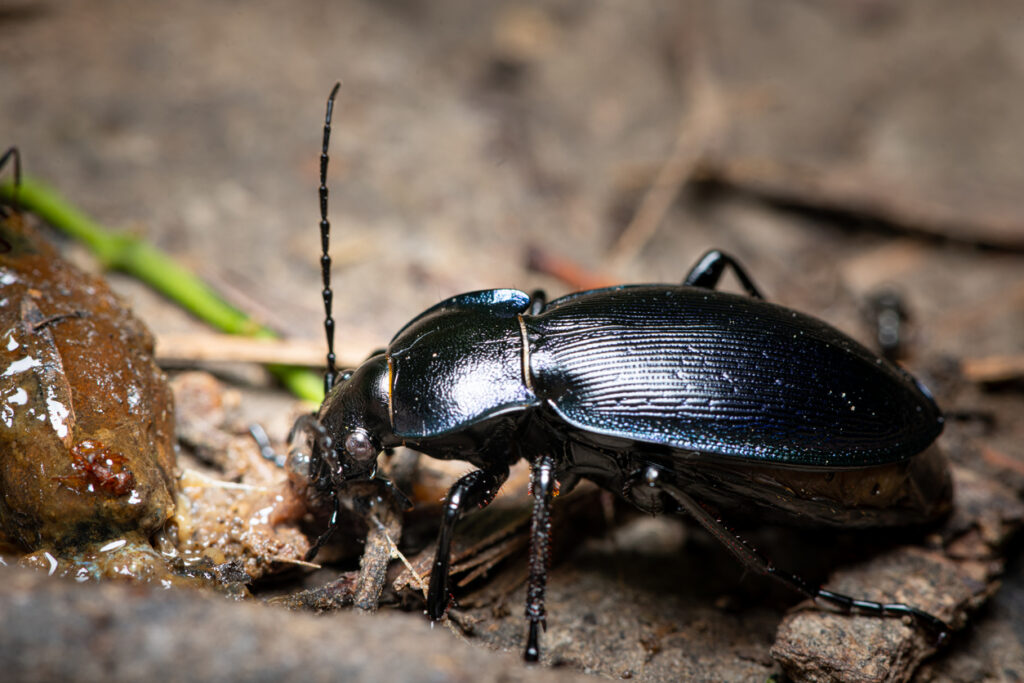
Ground beetles and stag beetles are mostly active at night, hunting smaller insects or feeding on rotting wood. Their movements are often hidden in the undergrowth, but sometimes you’ll see them under outdoor lights.
Creating log piles or leaving leaf litter in corners of the garden supports them. These beetles play an important role in keeping ecosystems balanced, even if they often go unnoticed.
13. Cats on silent patrol
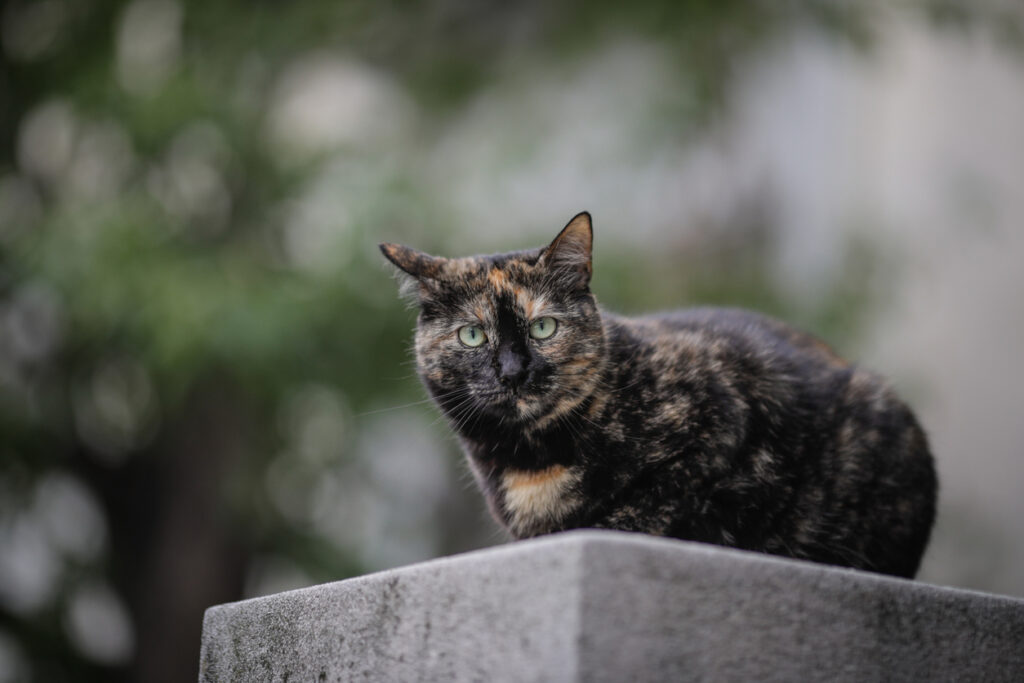
Domestic and feral cats alike often roam gardens at night. Their padded feet and patient stalking make them almost invisible until you catch their eyes shining under streetlights. For them, gardens are easy hunting grounds.
If you want to protect wildlife, try using motion lights or keeping your own cat indoors after dusk. This helps reduce hunting while still giving other night animals the chance to thrive.
14. Tawny owls’ prey rustling below
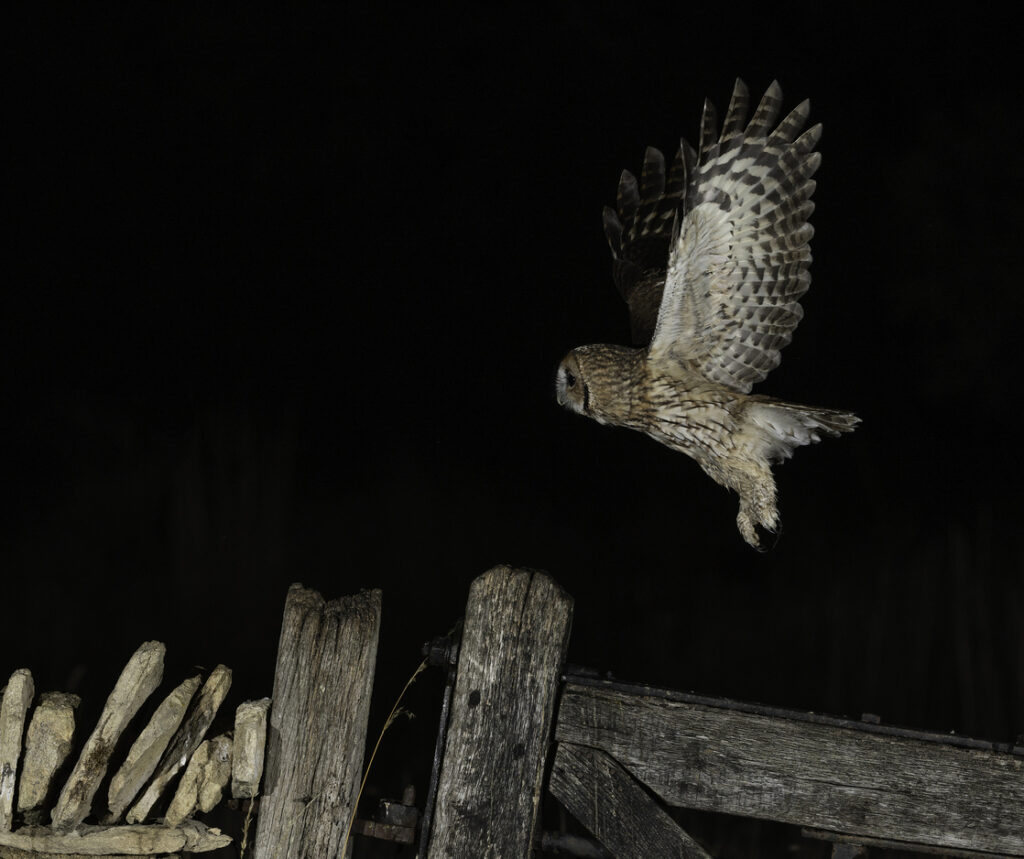
You may hear small rustles under hedges or in long grass as shrews or small mammals move about. Though harder to spot than bigger animals, these creatures form the foundation of the food chain after dark.
Keeping areas of long grass or wild corners supports these species. By doing so, you create a richer garden habitat that supports owls and other nocturnal hunters.