Autumn brings loads of organic matter to your garden, making it tempting to chuck everything into your compost bin without thinking twice about it.
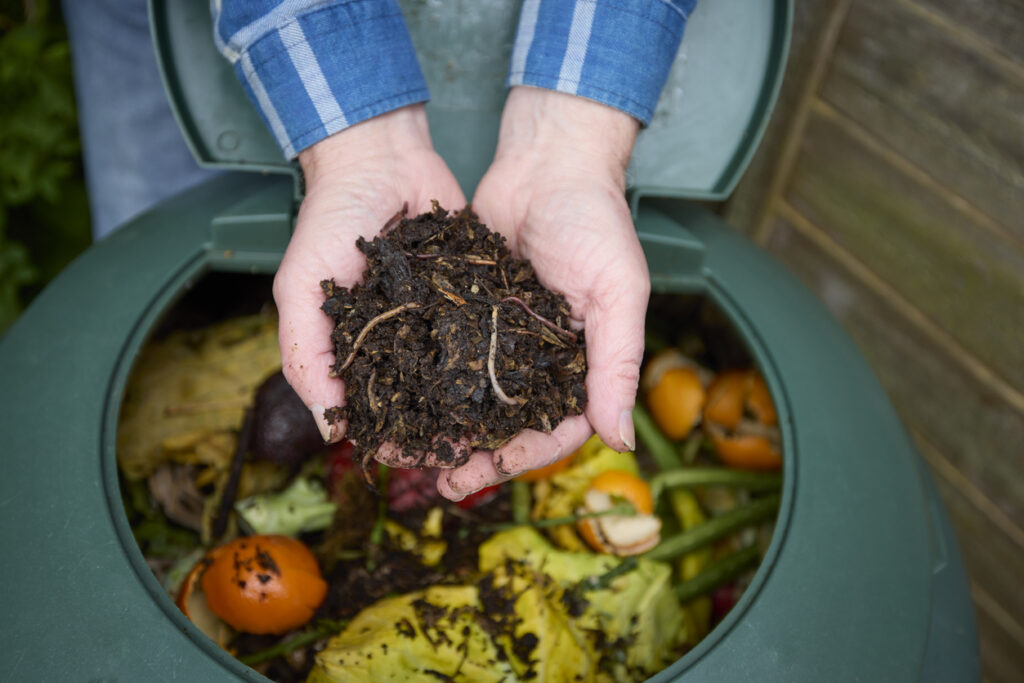
However, some autumn materials can actually harm your compost pile or create problems that’ll plague you well into next year. To keep your compost healthy and functioning at its peak throughout the colder season, here are some things you should keep very far away from it.
1. Don’t add diseased plant material from your garden.
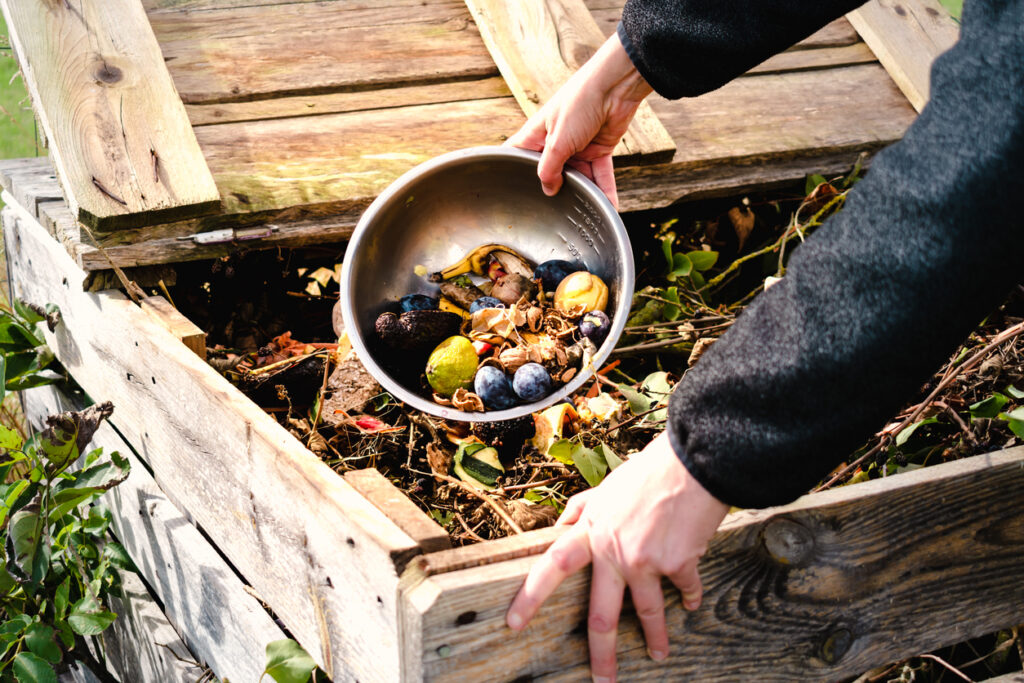
Those yellowing leaves and stems that look sickly aren’t just naturally dying back—they might be carrying fungal diseases, bacterial infections, or viral problems that can survive in your compost pile. Adding diseased material means you’ll be spreading these problems back into your garden when you use the finished compost next year.
Burn diseased plant material or put it in your council green waste bin instead of composting it at home. Your compost pile won’t get hot enough to kill most plant diseases, so it’s better to keep this material out entirely.
2. Skip the walnut leaves and hulls.
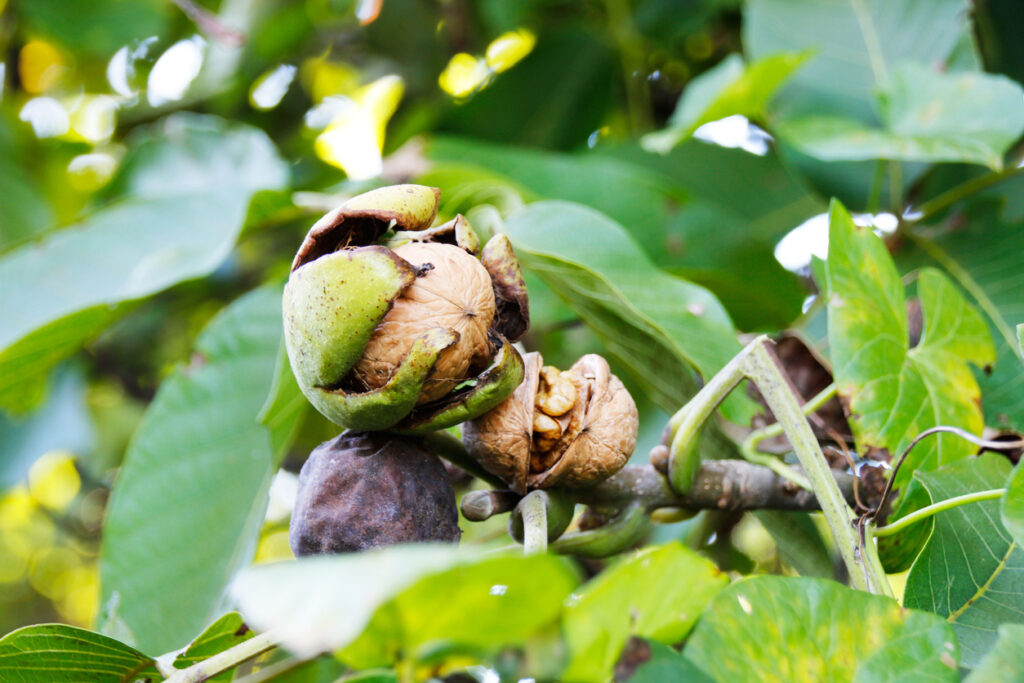
Walnut trees produce a natural herbicide called juglone that prevents other plants from growing nearby, and this chemical doesn’t break down easily during normal composting. Adding walnut leaves or hulls to your compost can create finished compost that stunts or kills sensitive plants like tomatoes, peppers, and many flowers.
Either avoid walnut material entirely or compost it separately in a dedicated pile that you’ll only use around walnut trees or other juglone-tolerant plants. Most home gardeners find it easier to just put walnut debris in the regular waste bin.
3. Leave out thick branches and woody stems.
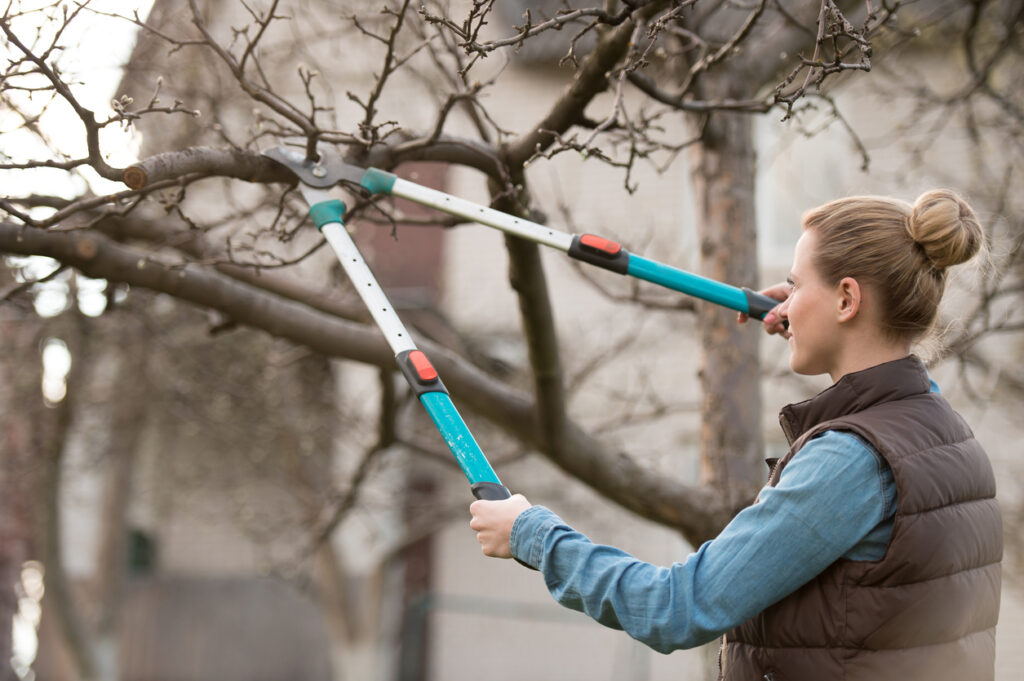
Autumn pruning often produces thick branches and tough woody material that takes years to break down in a typical home compost pile. These materials will still be recognisable chunks when your compost is otherwise ready to use, creating an uneven product that’s difficult to spread.
Chip or shred woody material before adding it to compost, or use it for other purposes like pathway mulch or wildlife habitat piles. If you can’t process it properly, put it in your council garden waste collection instead.
4. Avoid adding too many fallen apples at once.
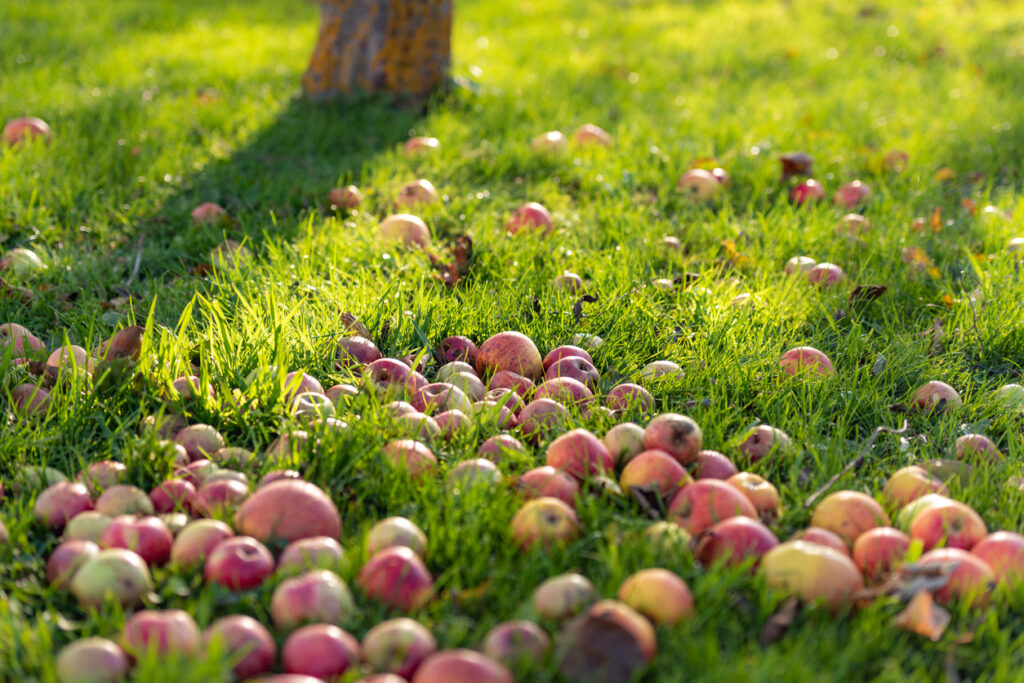
Windfall apples seem like perfect compost material, but adding large quantities at once creates a soggy, smelly mess that attracts wasps, flies, and rodents. The high sugar and water content throws off your compost’s balance and can create anaerobic conditions that produce foul odours.
Add windfall fruit gradually, mixing it thoroughly with dry brown materials like leaves or shredded paper. Bury fruit pieces in the centre of your compost pile to reduce pest attraction and speed up decomposition.
5. Don’t compost acorns and other large nuts.
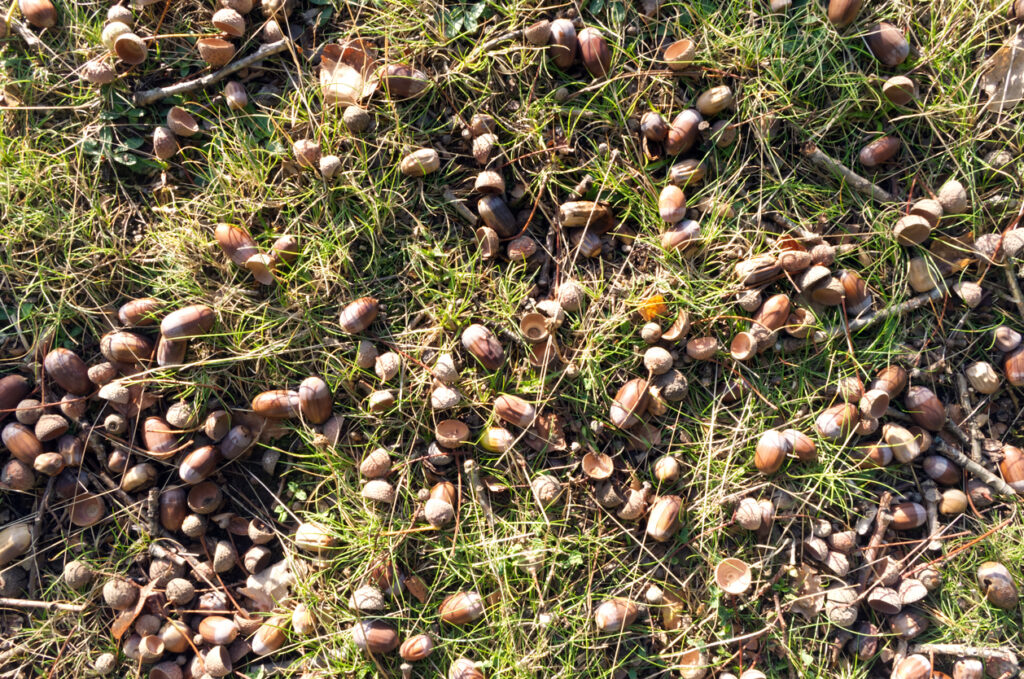
Acorns, horse chestnuts, and other nuts are too hard and oily to break down efficiently in home compost systems. They can sit in your pile for years without decomposing, and they often sprout into unwanted seedlings when you spread the finished compost.
Remove nuts from your leaf collection before composting, or crush them thoroughly if you want to include them. Most gardeners find it easier to just rake them up and dispose of them separately.
6. Skip the conker shells and seed pods.
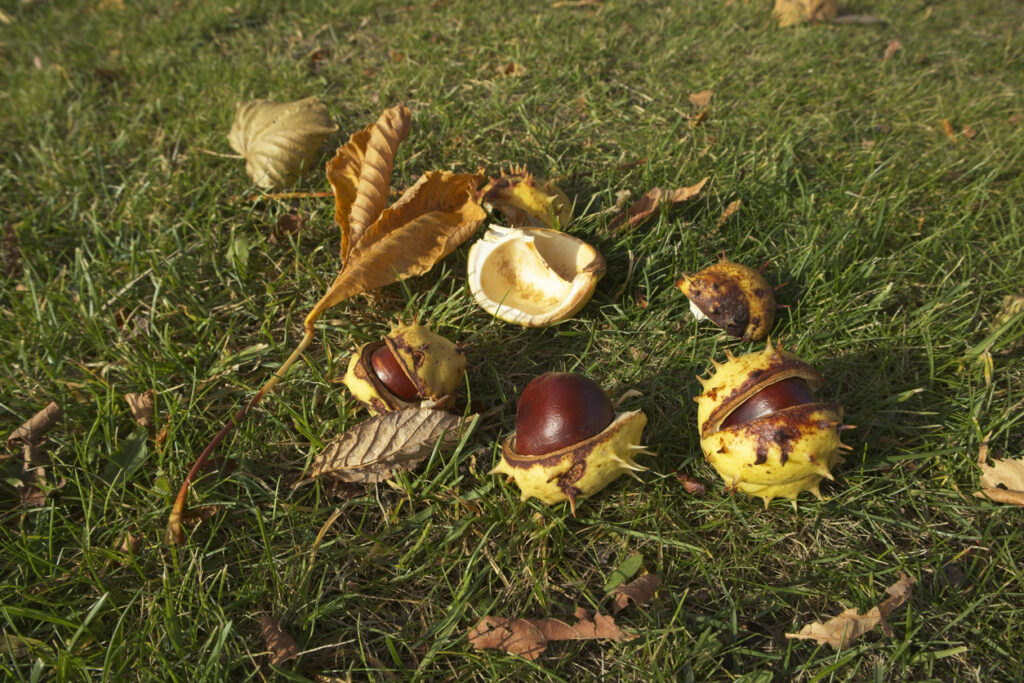
Hard seed cases like conker shells, maple seed pods, and tough fruit husks won’t decompose quickly and can be difficult to screen out of finished compost. They create lumpy, uneven compost that’s hard to work with and doesn’t look professional when used in flower beds.
Collect and dispose of hard seed cases separately from your regular composting materials. If you really want to compost them, break them into small pieces first or accept that they’ll need extra time and screening.
7. Limit the amount of oak leaves you add.
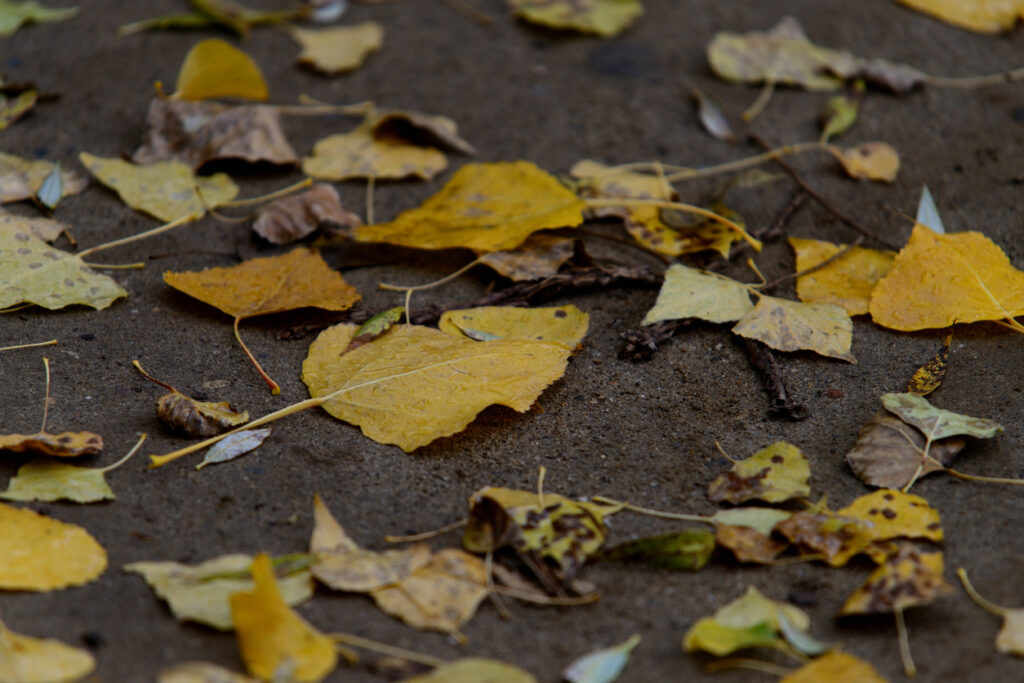
Oak leaves are very high in tannins and take much longer to decompose than other leaf types, often remaining partially intact when the rest of your compost is ready. Large quantities of oak leaves can also make your compost more acidic than most plants prefer.
Use oak leaves sparingly in compost, mixing them thoroughly with faster-decomposing materials like grass clippings or kitchen scraps. Save excess oak leaves for using as mulch around acid-loving plants like rhododendrons or blueberries.
8. Don’t add autumn leaves that have been treated with chemicals.
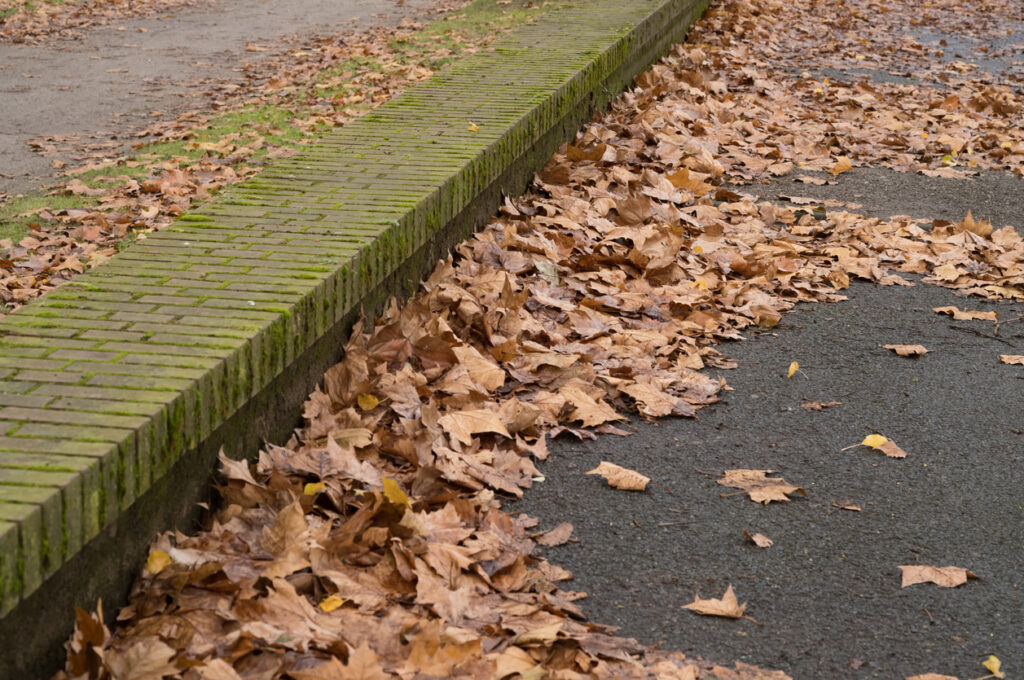
Leaves from roadsides, treated lawns, or areas where pesticides or herbicides have been used can contaminate your compost with chemicals that persist even after decomposition. These chemicals can then harm beneficial soil organisms and plants when you use the finished compost.
Only compost leaves from untreated areas or from your own garden where you know what products have been used. When in doubt, it’s better to use questionable leaves as mulch rather than adding them to compost that will be mixed into your soil.
9. Avoid composting perennial weed roots and seeds.
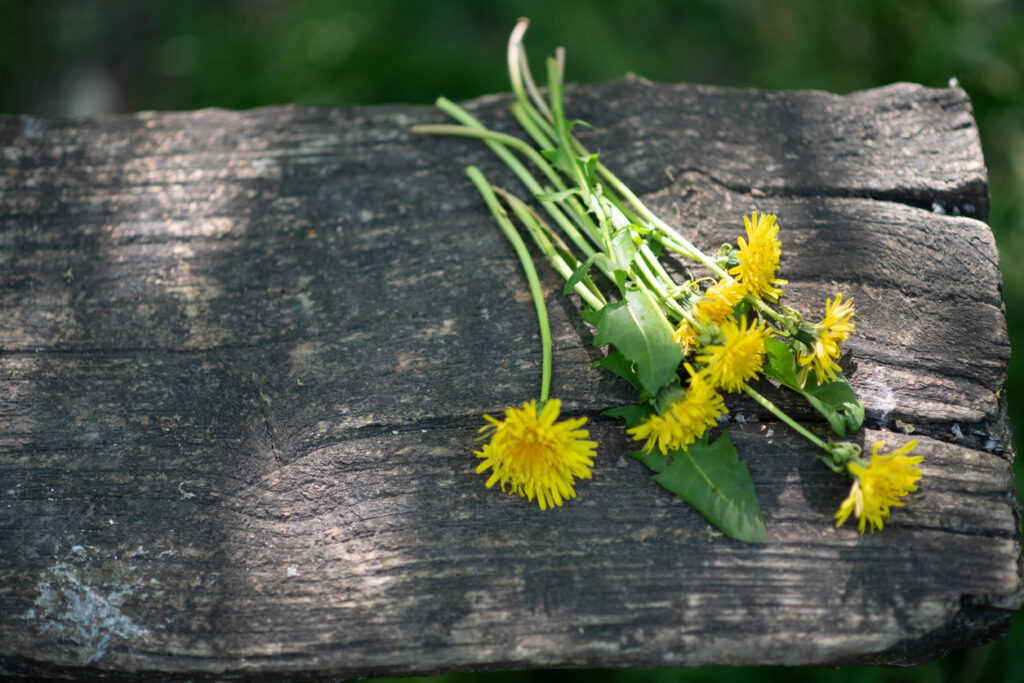
Autumn cleanup often involves pulling up perennial weeds like dandelions, dock, and bindweed, but adding their roots and seed heads to compost is asking for trouble. Many weed seeds and root pieces can survive the composting process and create weed problems throughout your garden.
Dispose of weedy material in council green waste collections where it will be professionally composted at higher temperatures. If you must compost weeds at home, make sure they haven’t set seed and that you’re achieving proper hot composting temperatures.
10. Skip glossy or waxy leaves.
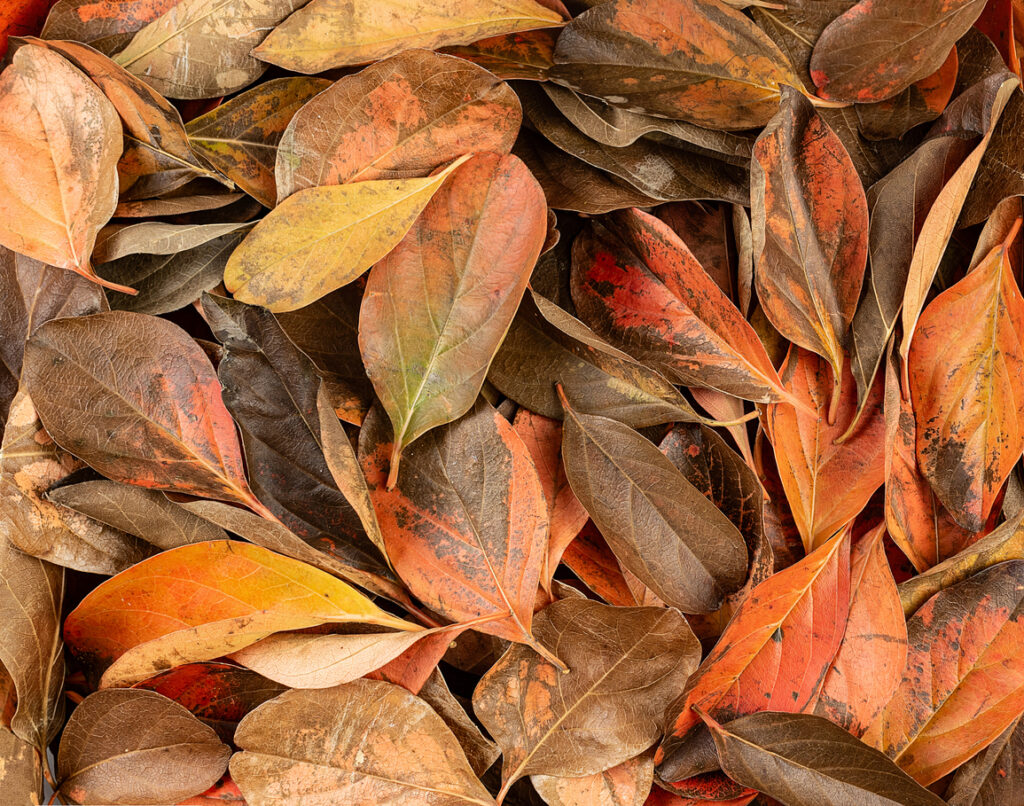
Leaves with thick waxy coatings like magnolia, holly, or laurel don’t break down easily in home compost systems because the waxy surface prevents moisture and microorganisms from penetrating. They’ll often emerge from finished compost looking almost unchanged.
Shred waxy leaves finely before composting them, or use them as mulch instead, where their slow decomposition is actually beneficial. Many gardeners find it simpler to put these leaves in the regular waste rather than dealing with them specially.
11. Don’t overload with grass clippings from autumn mowing.
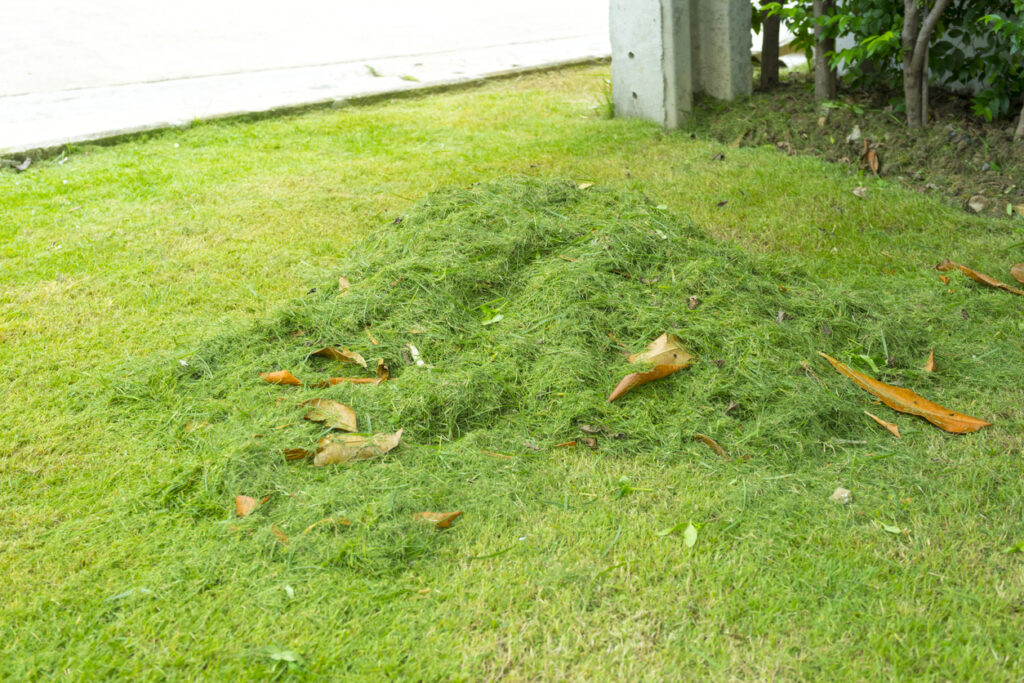
Late autumn grass clippings are often wet and tend to mat together in compost piles, creating smelly, anaerobic conditions that slow down decomposition. Large quantities of wet grass clippings can quickly turn your compost pile into a slimy mess.
Mix grass clippings thoroughly with dry materials like shredded leaves or paper, and add them in thin layers rather than dumping large amounts at once. Consider leaving some clippings on your lawn as natural fertiliser instead.
12. Avoid adding pine needles in large quantities.
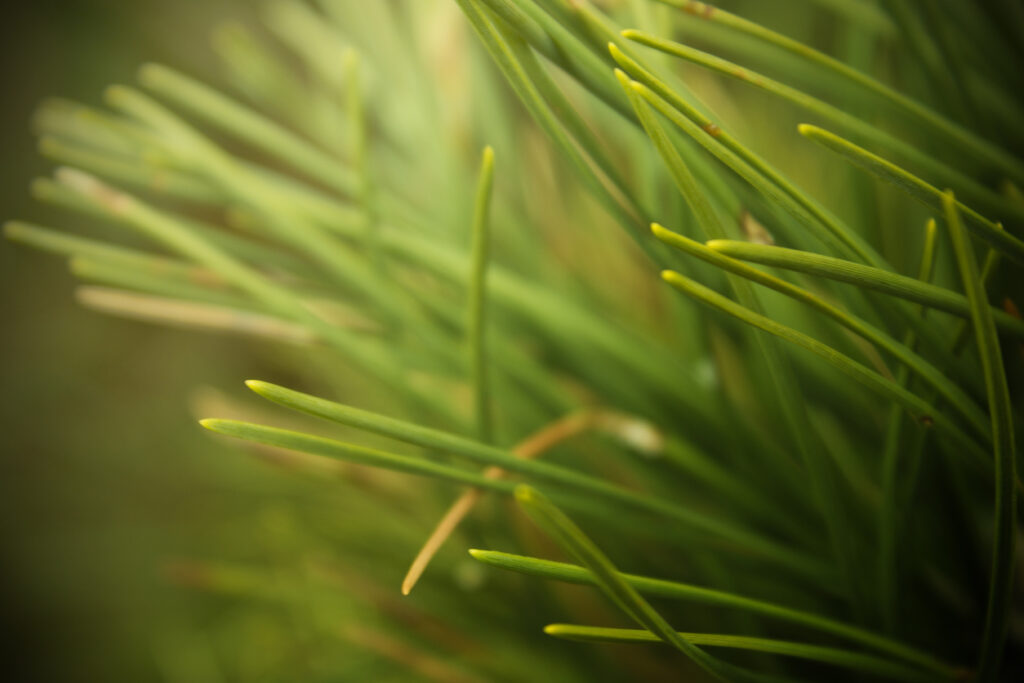
Pine needles are very acidic and decompose extremely slowly, taking several years to break down completely in typical home compost systems. Large amounts of pine needles can make your finished compost too acidic for most garden plants and vegetables.
Use pine needles as mulch around acid-loving plants instead of composting them, or compost them separately to create acidic compost for specific plants. If you do add them to regular compost, use only small quantities.
13. Don’t compost autumn cleanup debris with pesticide residue.
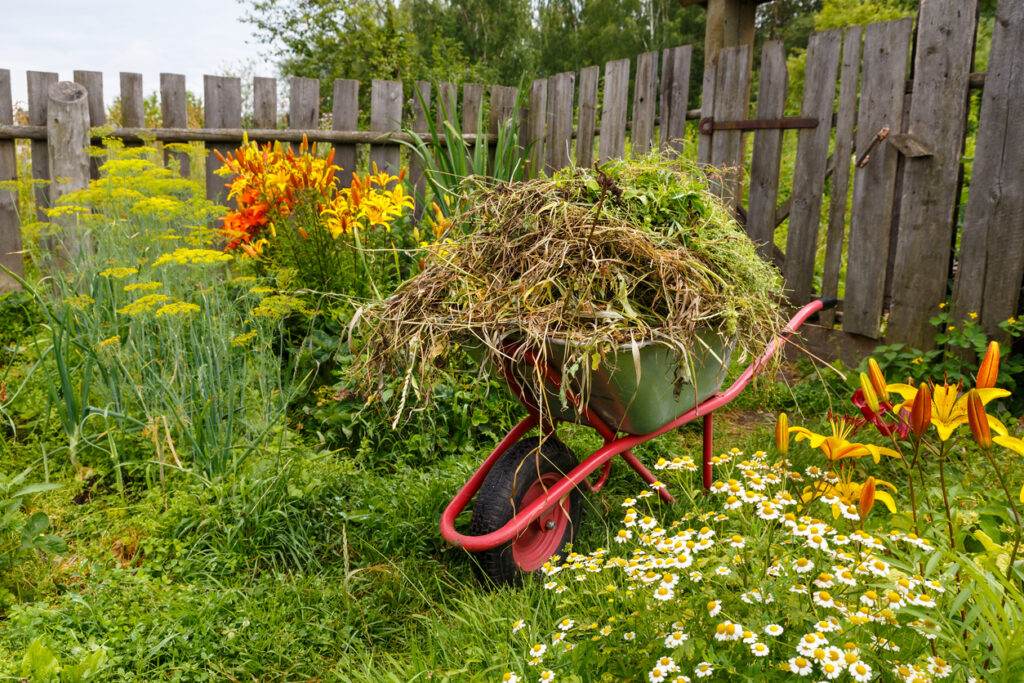
Plants that have been treated with systemic pesticides or herbicides during the growing season can still contain chemical residues when you clean them up in autumn. These chemicals can persist through the composting process and affect beneficial insects and soil life.
Only compost plant material from areas you know haven’t been treated with chemicals in the past year. When cleaning up other people’s gardens or public spaces, assume chemical treatments have been used and dispose of material through council waste services instead.
14. Skip meat scraps and cooked food from autumn entertaining.
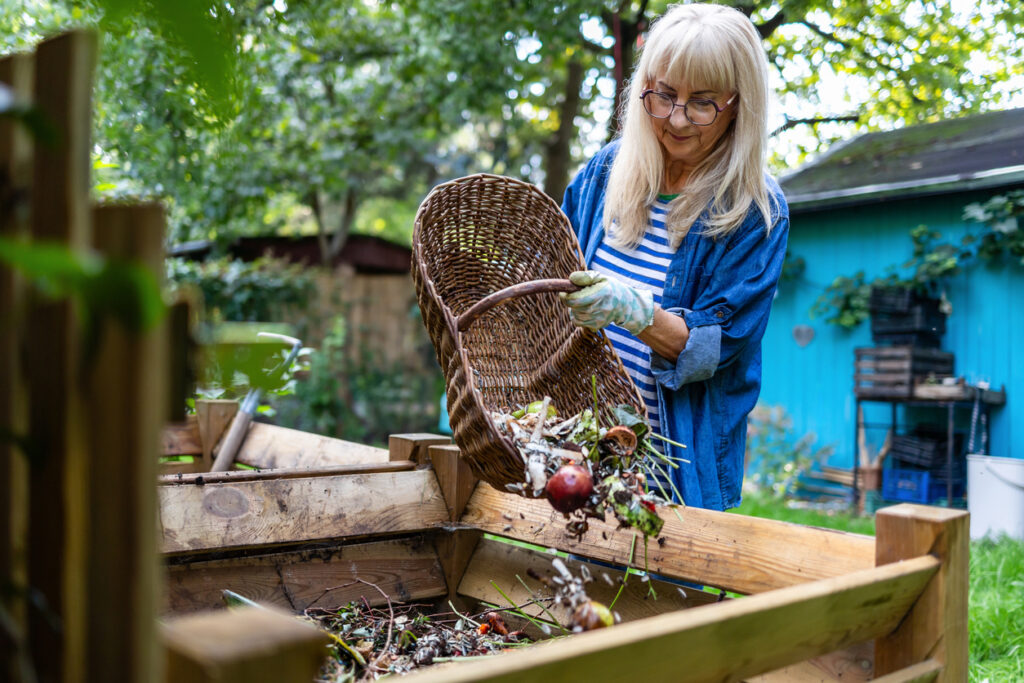
Autumn gatherings often produce tempting food scraps like leftover roast dinners or meat trimmings, but these materials attract rats, mice, and other pests to your compost pile. Cooked foods also often contain oils, salt, and other ingredients that can harm compost microorganisms.
Stick to raw fruit and vegetable scraps for your compost bin, and put meat, cooked foods, and dairy products in your regular waste or food waste collection. Save yourself the headache of dealing with pest problems in your garden.