Wild swimming has exploded in popularity across the UK, yet not every stretch of water is fair game.

Between safety rules, private ownership, and local bylaws, there are plenty of spots where you can’t simply jump in. Knowing where swimming is restricted, or outright illegal can save you hassle, and it keeps you on the right side of the law. No need to don your swimming costume if visiting these places, as you legally won’t be able to take a dip.
1. Canals managed by the Canal & River Trust

While canals might look tempting on a hot day, most of them are officially closed to swimmers. The Canal & River Trust bans unauthorised swimming across the waterways it manages, mainly because of hidden dangers like boat traffic, steep sides, and underwater hazards. Locks and weirs are particularly dangerous, so rules are strict in these areas.
If you want to swim legally in a canal, you need to go through an organised club or licensed event. It’s worth checking locally because a few stretches do allow it under supervision. Sticking to official swims keeps you safe, and it avoids trouble with the trust’s bylaws.
2. Private reservoirs
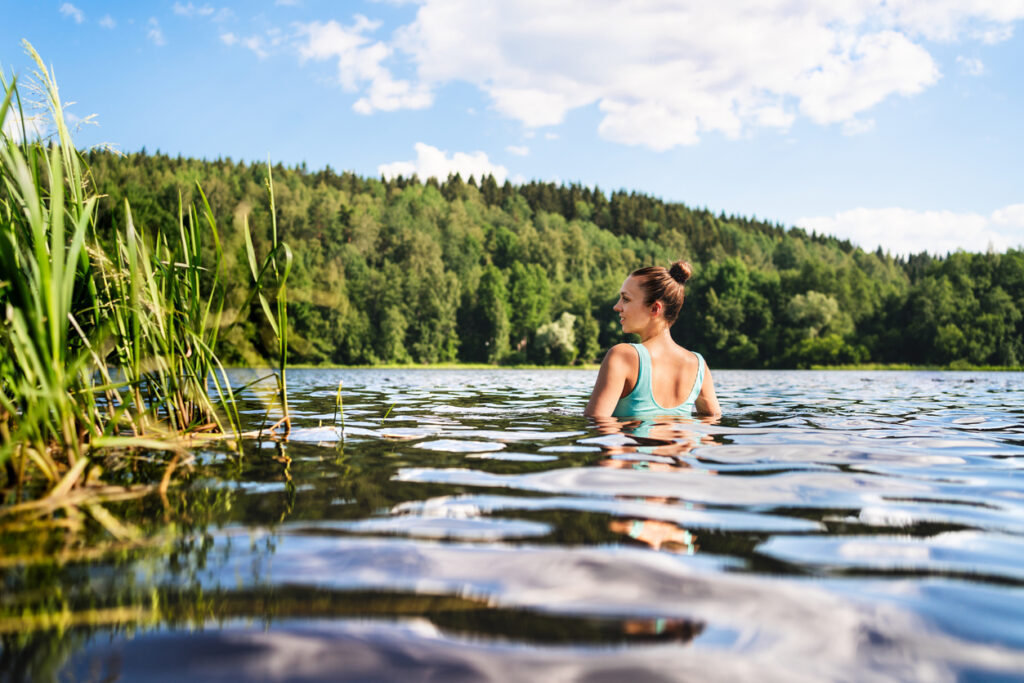
Many reservoirs are owned by water companies or private landowners, and most of them have a blanket ban on swimming. The reasons are partly about safety, since cold currents near inlets can be deadly, but they’re also about liability and water quality. Even when reservoirs look calm, owners often enforce strict no-swim rules to protect both you and the supply.
Some councils or companies occasionally run licensed swimming sessions, so if you’re keen, it’s worth researching official events. Turning up uninvited risks being asked to leave, and in some cases, it can even be treated as trespass. Always assume “no swimming” unless told otherwise, and look for organised alternatives.
3. Rivers near locks and weirs
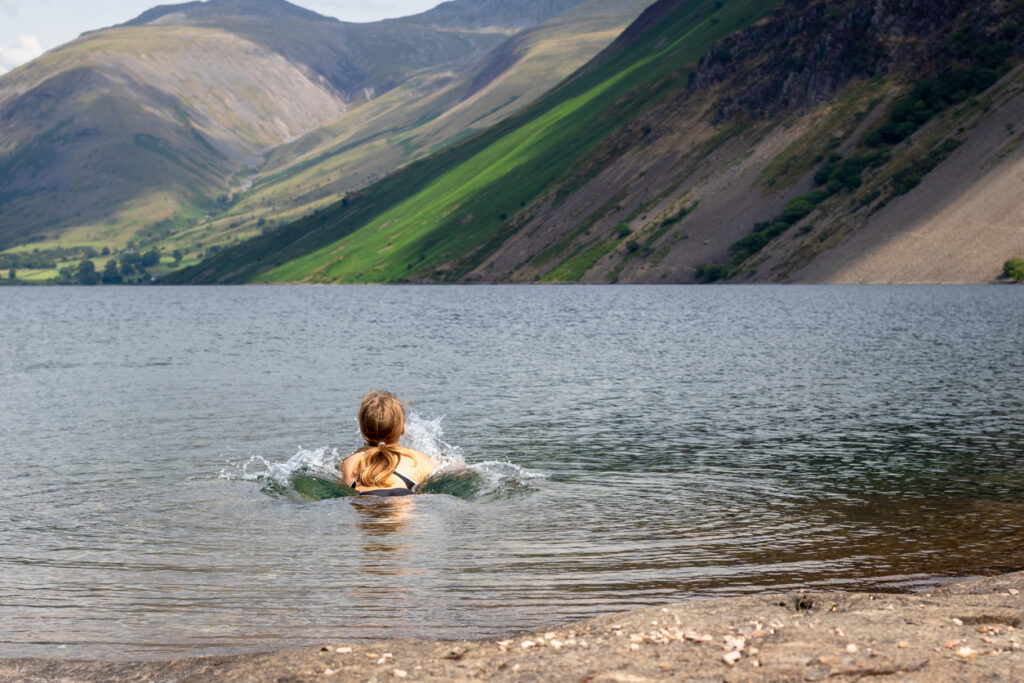
Although wild swimming in rivers is often allowed, certain stretches are strictly off-limits. Areas near locks, weirs, and heavy navigation zones come with specific bylaws banning swimming for safety reasons. Strong currents, sudden drops, and boat traffic make these spots particularly dangerous, so enforcement tends to be firmer.
To stay safe, stick to sections of river known locally for swimming, rather than trying to sneak into risky areas. Many stretches are popular and tolerated, so asking around often saves you the headache of running into restrictions. When in doubt, move upstream or downstream until you find a safer entry point.
4. Dams and spillways

Any zone near a dam, spillway, or water intake is off-limits for obvious reasons. The water might look calm at the surface, but underneath there are strong currents, hidden machinery, and sudden drops. Swimming in these areas isn’t just discouraged — it’s usually flat-out illegal.
If you’re near a reservoir or water system, always look for signage before entering. Staying away from these zones protects you as much as the infrastructure. Even strong swimmers can get pulled under in seconds, so respecting the rules here isn’t optional.
5. “No swimming” signposted areas
Plenty of lakes, rivers, and ponds have clear signs saying “no swimming” or “no bathing.” Sometimes these are backed by bylaws, and other times they’re simply requests from landowners. Either way, ignoring them can lead to being asked to leave or reported, and it creates unnecessary conflict.
It’s better to move on and find a more welcoming spot than risk confrontation. Wild swimming communities often share maps and tips online, so checking those can help you avoid disappointment. Respecting local signs also builds better trust between swimmers and landowners.
6. Private land without public access

Even if the water itself isn’t restricted, the land around it might be. If you need to cross private fields, gardens, or driveways to reach the water, then you’re trespassing without permission. This is often where people run into problems because access to the water can matter just as much as the right to swim in it.
Always use public footpaths, rights of way, or known entry points. If access isn’t clear, it’s safer to move on and look for another route. Respecting boundaries keeps things civil, and it helps avoid disputes with landowners.
7. Industrial intake zones

Water treatment areas, power station intakes, and industrial outlets are strictly off-limits. These spots carry both legal restrictions and very real dangers, since the currents can pull you in without warning. Even when the water looks calm, machinery and suction below the surface make them some of the most hazardous places you could enter.
The only safe choice is to steer well clear. Stick to natural swimming spots or supervised sessions instead because the risk simply isn’t worth it. Ignoring restrictions here isn’t just breaking rules — it’s gambling with your life.
8. Some stretches of navigable rivers

In England and Wales, the law around swimming in navigable rivers is messy. There’s often a public right of navigation, but that doesn’t always mean a right to swim. Some authorities interpret the rules differently, so you can end up in a grey zone depending on where you are.
The safest approach is to research stretches known to be tolerated, or to join local swimming groups who know the score. In many places, people swim without issue, but heading into busy navigation channels without checking first can lead to problems. If in doubt, look for spots clearly used for recreation rather than heavy boating.
9. Certain Scottish waters under specific bylaws
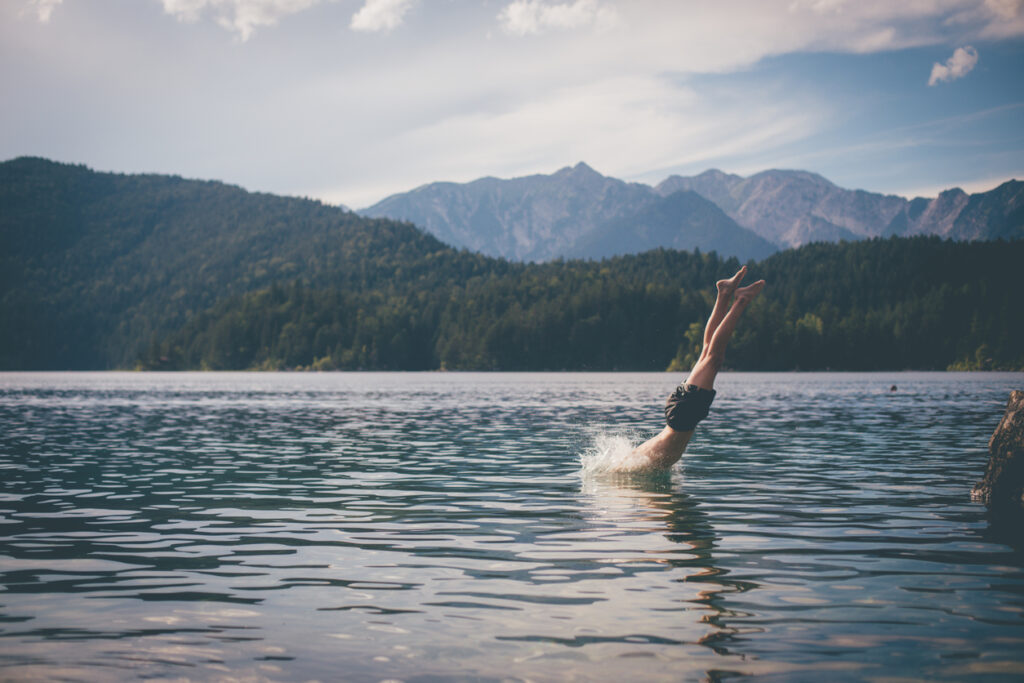
Scotland’s laws are more generous, since the Land Reform Act 2003 gives wide access to inland waters. However, even there, certain places can be restricted under local bylaws for safety or conservation. That means not every loch, river, or reservoir is automatically free to swim in.
Before heading out, it’s worth double-checking any local notices or council websites. Scotland is generally more relaxed than England or Wales, but respecting the exceptions keeps everyone safe and avoids damaging fragile ecosystems.
10. Tidal and estuary danger zones

While sea swimming is usually unrestricted, certain tidal areas and estuaries are heavily discouraged because of currents and boat traffic. Harbours often post “no swimming” signs for safety, and ignoring them can bring fines or worse. Water that looks calm can change quickly with the tide, and even experienced swimmers get caught out.
Choosing recognised sea swimming spots makes the whole experience safer and more enjoyable. If there’s signage, lifeguards, or a well-known swimming community, you know you’re in the right place. Wild sea swimming is amazing, but picking the wrong tidal zone is never worth the risk.