While many birds migrate south for warmer weather, loads of species stick around Britain all winter.
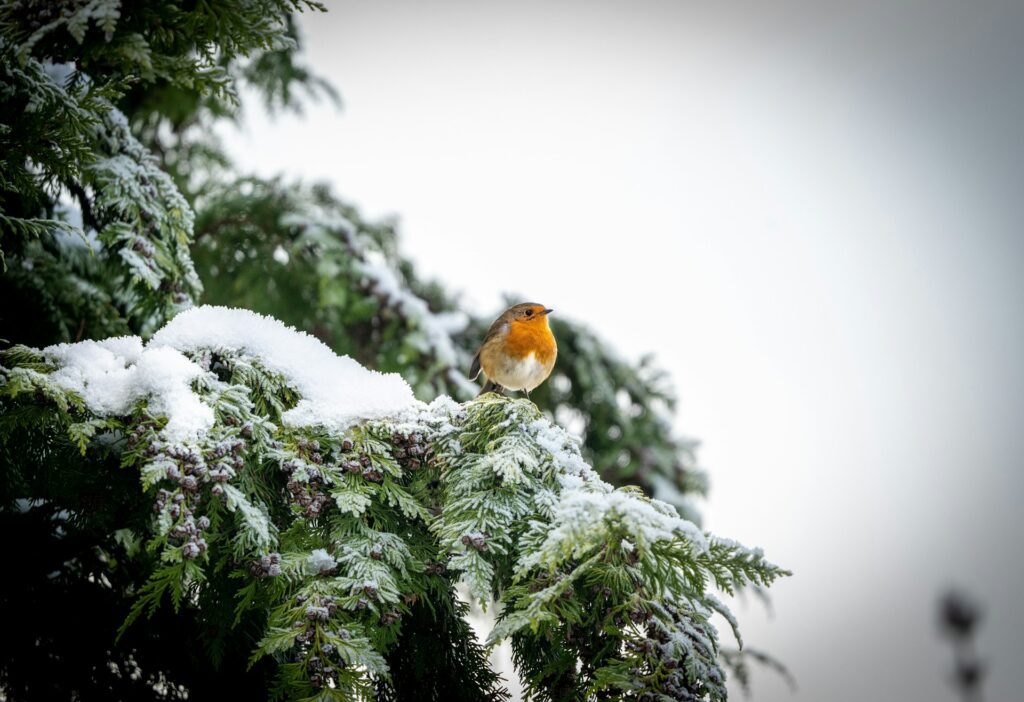
If you’re a bird watcher or simply curious about how the natural world operates during the colder seasons, knowing where to look means you can spot some brilliant wildlife even on the chilliest of days. Here are some of the species that think the UK’s not such a bad place to be until spring, and where you can find them.
1. Robins are your garden’s winter friend.
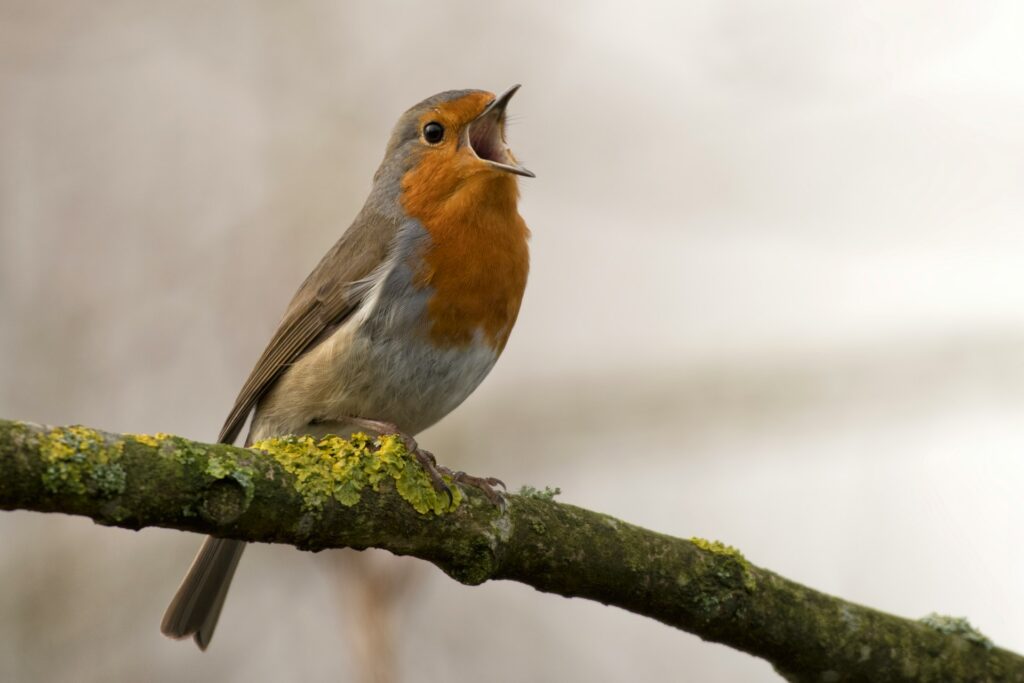
Everyone knows robins from Christmas cards, but they’re actually one of the most reliable winter birds you’ll see, and they become much bolder and more visible when other birds have migrated away. Their red breast stands out brilliantly against snowy backgrounds.
Look for them in gardens, parks, and woodlands where they’ll often follow you around hoping you’ll disturb some insects or worms. They’re particularly easy to spot near bird feeders and compost heaps, and they’ll even come quite close to windows if you’re patient.
2. Blue tits are tiny acrobats at the feeder.
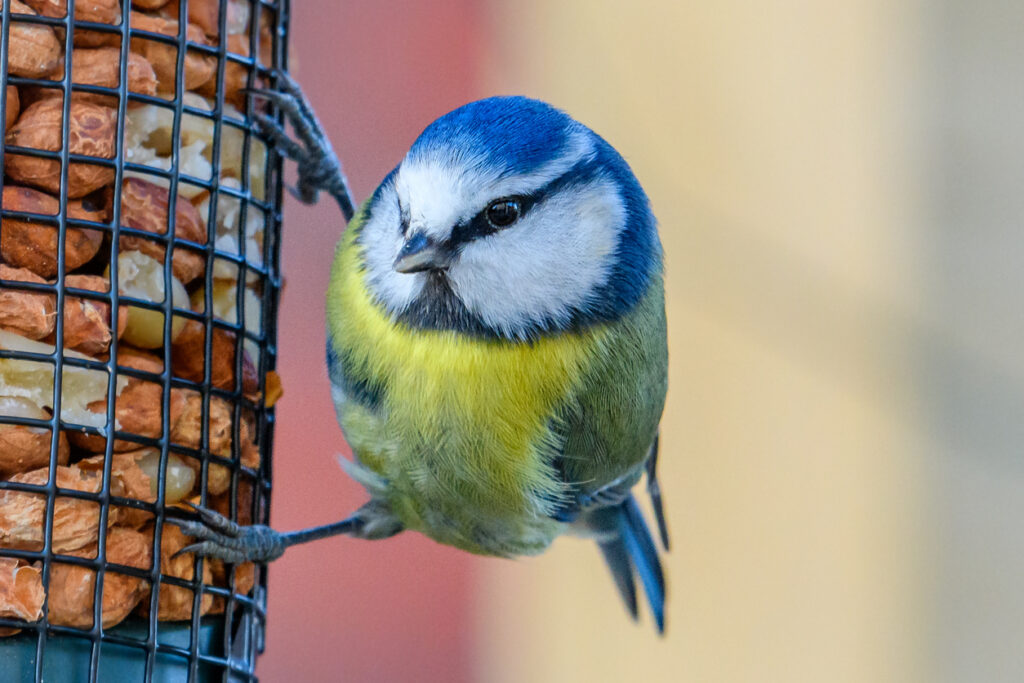
These small, bright blue and yellow birds are absolute acrobats and can hang upside down from feeders, branches, and even washing lines while searching for food. They’re incredibly common, but never boring to watch because of their energetic antics.
You’ll find them in gardens, parks, and anywhere with trees or bird feeders, and they’re particularly fond of peanuts and sunflower seeds. They often travel in small flocks during winter, so where you see one, you’ll usually spot several more nearby.
3. Blackbirds are known as the winter songsters.
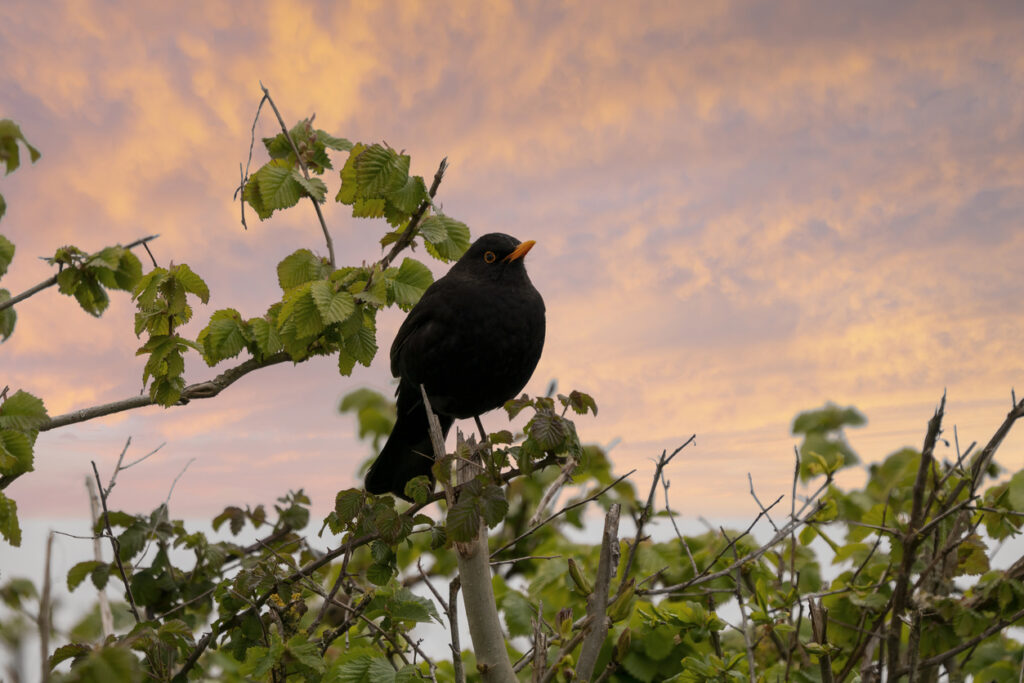
Male blackbirds are completely black with bright orange beaks, while females are brown with speckled breasts, and both stick around all winter to brighten up grey days with their beautiful songs. They’re excellent at finding food in leaf litter and under bushes.
Look for them in gardens, parks, and wooded areas where they’ll be scratching through fallen leaves and hopping across lawns. They’re extra active in the early morning and evening, and you’ll often hear them before you see them.
4. Great tits are the biggest of the family.
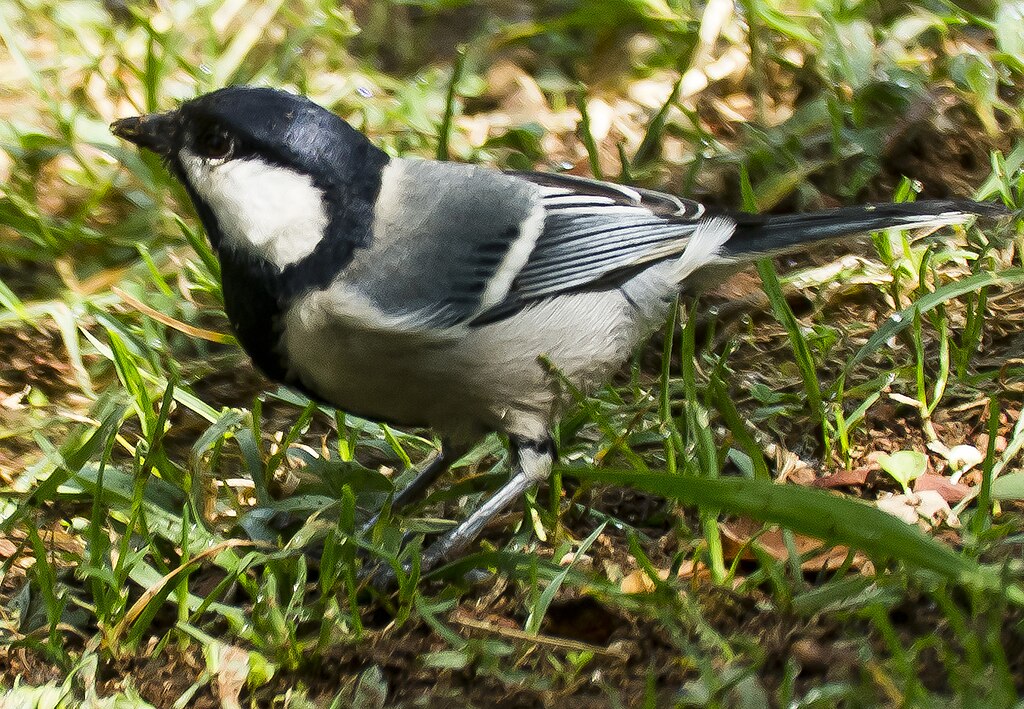
These are the largest and most confident of their species, with distinctive black heads, white cheeks, and a black stripe down their yellow chest. They have loud, clear calls that sound like they’re saying “tea-cher, tea-cher” and are brilliant at problem-solving when it comes to getting food.
You’ll spot them at bird feeders, in woodlands, and large gardens where they’ll often dominate feeding stations and chase away smaller birds. They’re particularly fond of sunflower seeds and will use their strong beaks to crack open tough shells.
5. Starlings happen to be the murmuration masters.
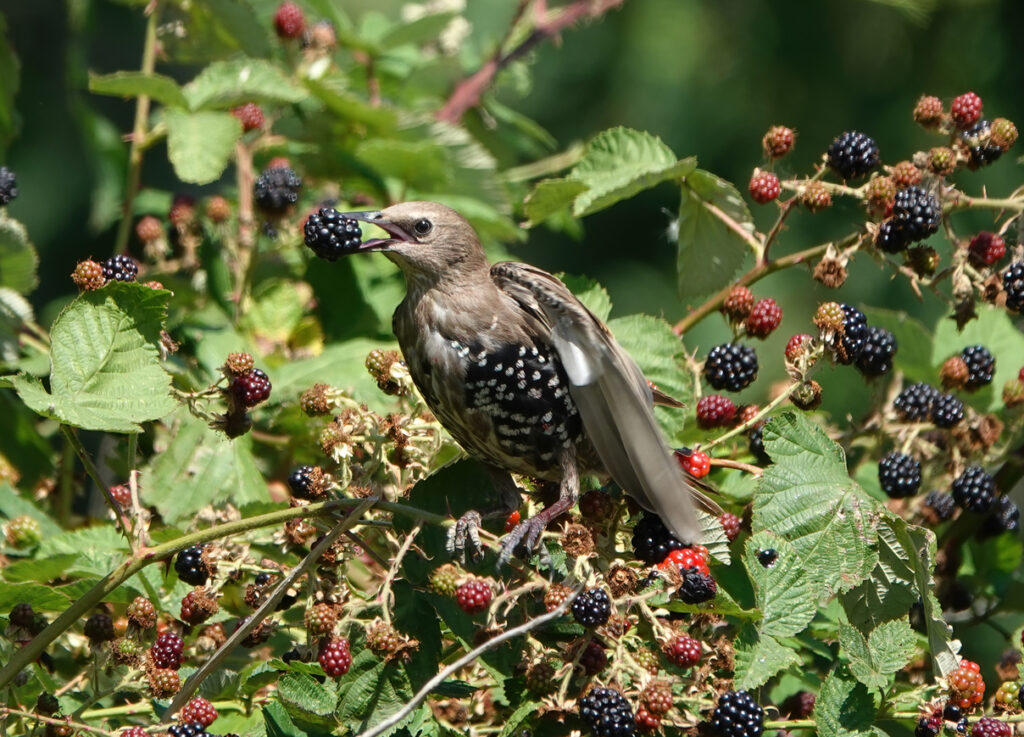
Starlings look black from a distance but are actually covered in iridescent feathers that shimmer green and purple in the light, and they’re famous for creating those incredible murmurations where thousands of birds move together like a living cloud.
Find them in urban areas, farmland, and anywhere with short grass where they can probe for insects and grubs. The best place to see murmurations is near their roosting sites in cities or large woods, usually just before sunset during winter months.
6. Wrens are tiny but mighty singers.
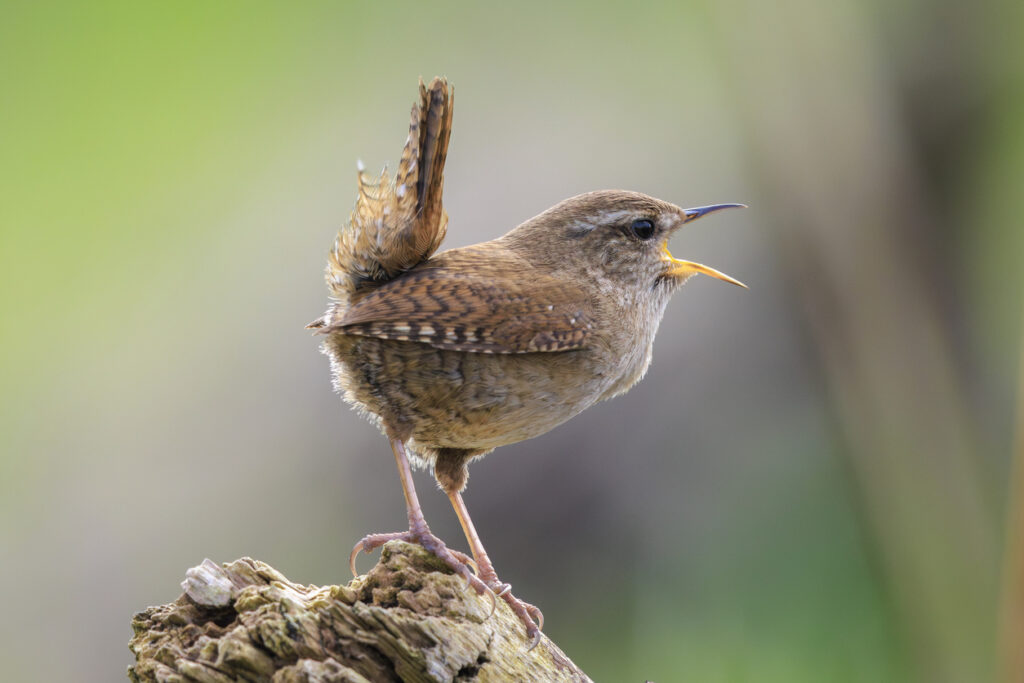
Wrens are absolutely tiny brown birds that are much easier to hear than see, but their songs are incredibly loud for their size, and they’ll sing even on the coldest winter days. They have distinctive upright tails and love skulking around in dense undergrowth.
Look for them in gardens with thick bushes, hedgerows, and woodland edges where they hunt for spiders and insects in crevices. They’re often heard rustling around in ivy, brambles, and compost heaps where they find plenty of food and shelter.
7. Goldfinches act as the colourful seed specialists.
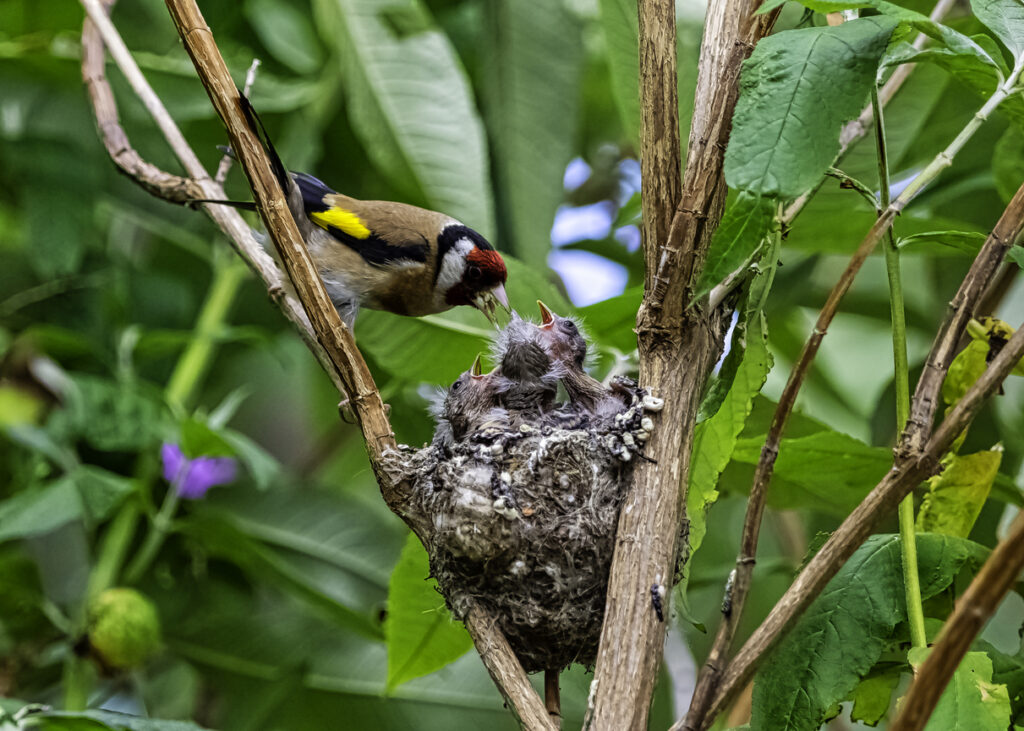
These beautiful birds have red faces, black and white heads, and golden wing patches that flash brilliantly when they fly, and they’re perfectly adapted for eating seeds from plants like thistles and dandelions. They often feed in small flocks called charms.
You’ll find them in gardens with seed feeders, waste ground where weeds grow, and parks with wild areas left unmown. They’re particularly attracted to niger seed feeders and will cling to dried flower heads like acrobats to extract seeds.
8. Coal tits are the black-capped cuties.
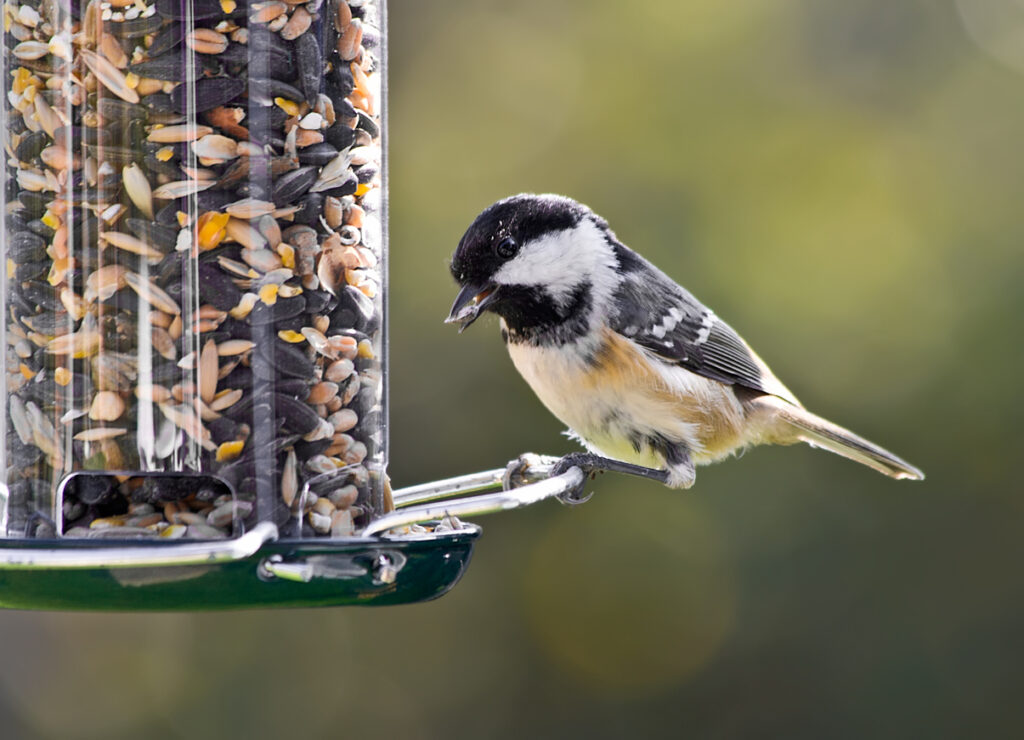
Coal tits look similar to great tits but are much smaller and have distinctive white patches on the back of their black heads, plus they’re excellent at storing food for winter by hiding seeds and insects in bark crevices and tree holes.
Find them in coniferous and mixed woodlands, large gardens with evergreen trees, and at bird feeders where they’ll grab food quickly and dash away to eat or store it. They often join mixed flocks with other of their species during winter.
9. Magpies are the intelligent (yet shady) scavengers.
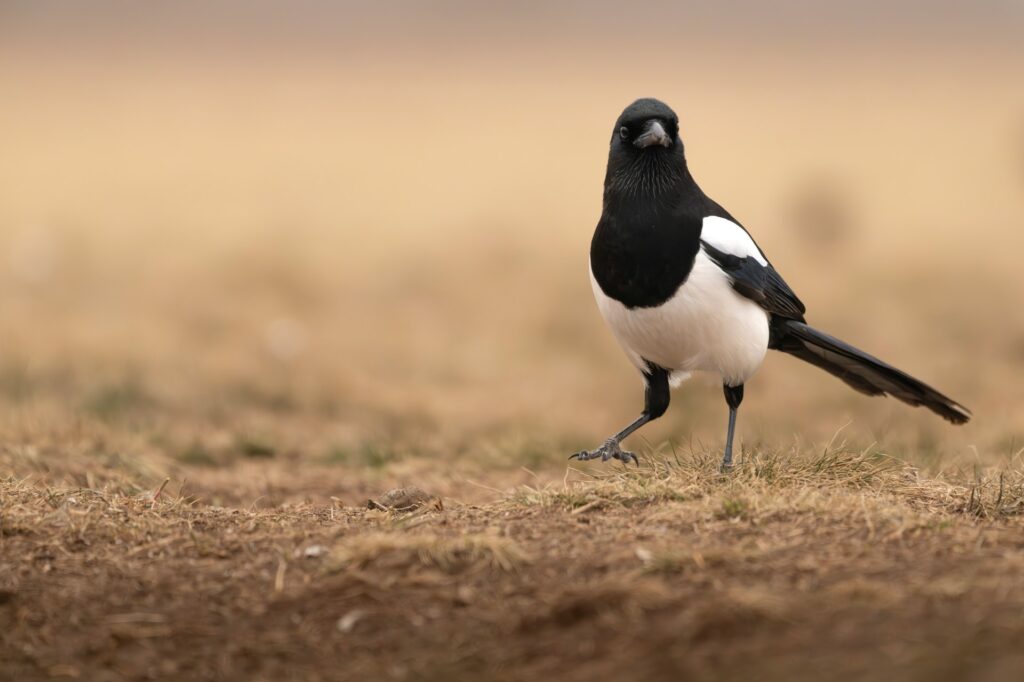
These large black and white birds with long tails are incredibly intelligent and have iridescent blue-green wing and tail feathers that show beautifully in sunlight, and they’re opportunistic feeders that will eat almost anything they can find.
Look for them in parks, gardens, farmland, and urban areas where they’ll walk boldly across lawns and investigate anything that might be food. They often gather in small groups and are particularly visible in areas with short grass or on playing fields.
10. Jackdaws are the sociable corvids.
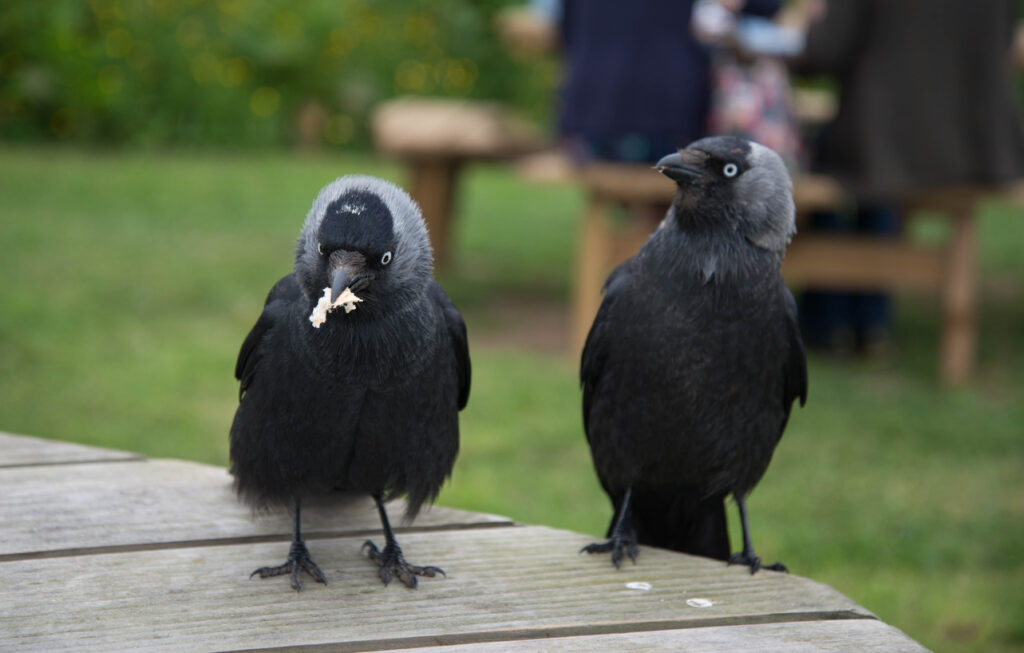
Jackdaws are smaller than crows with distinctive grey necks and pale eyes that give them a cheeky expression, and they’re incredibly social birds that roost together in large groups and have complex family relationships that last for years.
You’ll spot them around churches, old buildings, and parkland where they nest in holes and crevices, and they often feed on short grassland with sheep or cattle. They’re particularly common in historic town centres and around castles or ruins.
11. Redwings are the winter thrushes.
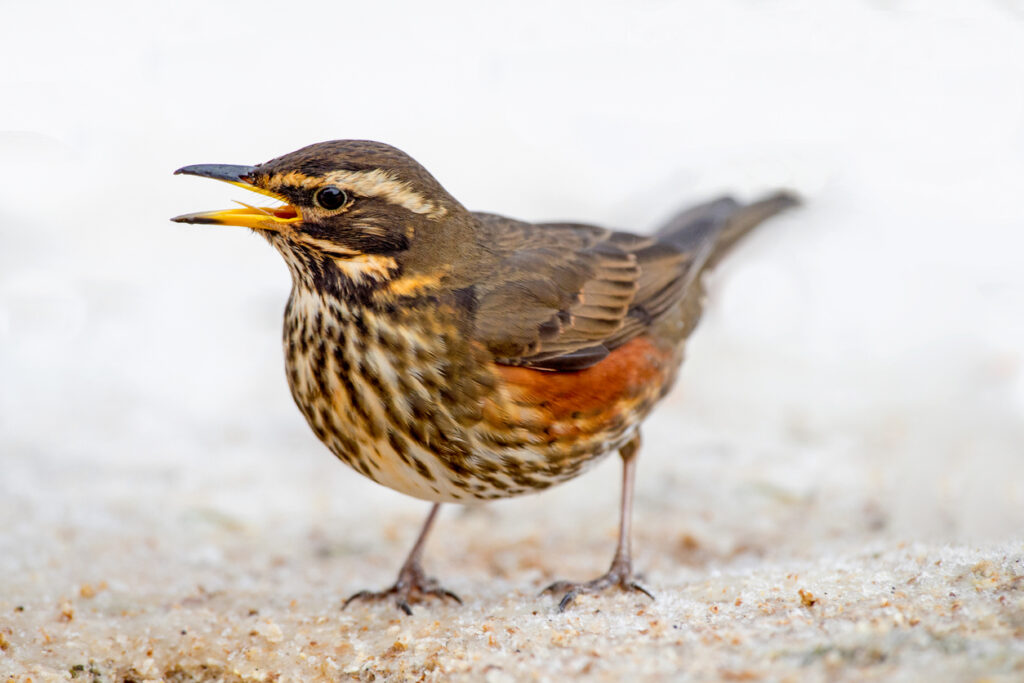
These medium-sized thrushes arrive from Scandinavia for winter and have distinctive red patches under their wings plus streaky breasts, and they’re often the first birds you’ll hear migrating on autumn nights with their thin “seep” calls.
Find them in parks, large gardens, and areas with berry-bearing trees and bushes where they feed on rowan, hawthorn, and other winter fruits. They often feed on the ground in mixed flocks with other thrush species and can be quite approachable.
12. Long-tailed tits are the fluffy acrobats.
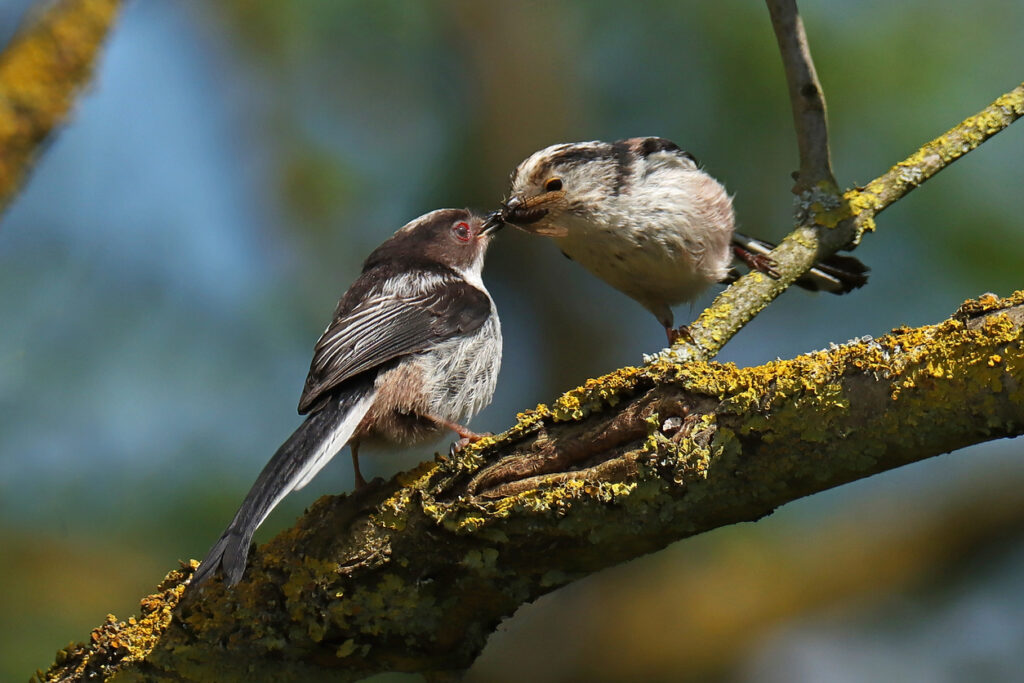
These adorable round, fluffy birds with extremely long tails look like flying cotton balls and travel around in family groups that stay together all winter, chattering constantly as they search for insects and spiders in trees and bushes.
Look for them in woodlands, large gardens, and parks with plenty of trees where they’ll move through the branches in loose flocks, often hanging upside down to reach food. They’re particularly fond of fat balls at feeders and will visit gardens with mature trees and shrubs.