White lions look almost mythical, yet they’re very real, not to mention incredibly rare.

Their beauty captures attention instantly, but what makes them so unusual goes way beyond their looks. Here’s why these big cats are such extraordinary creatures. While many of us may never be lucky enough to see one in person, knowing that they exist is awe-inspiring in and of itself.
Their colour comes from genetics.
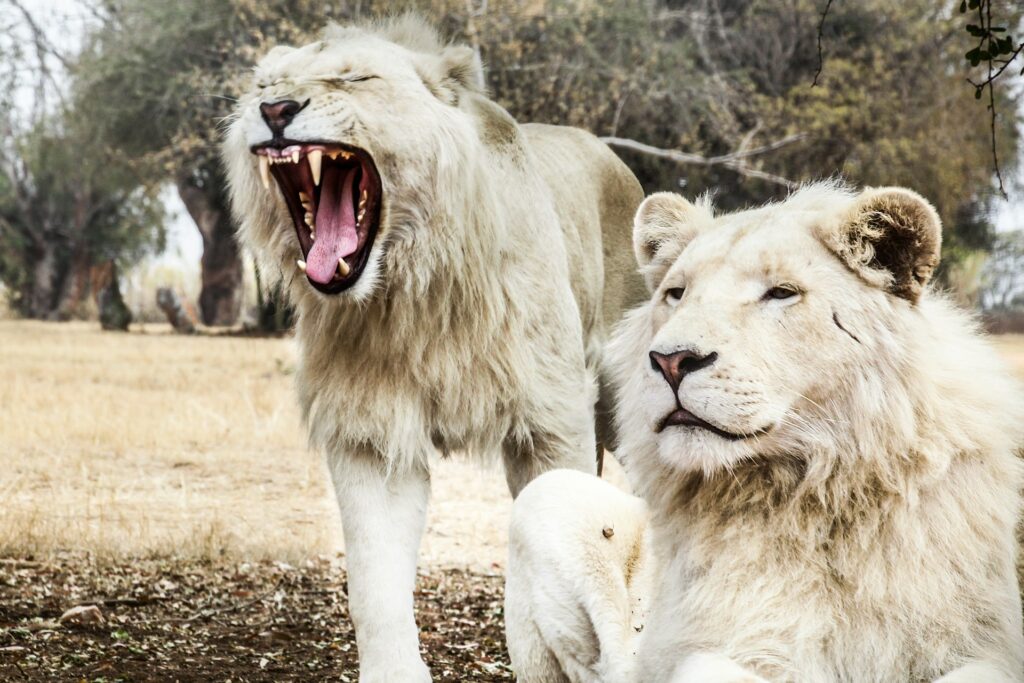
White lions aren’t albino, even though they kind of look like they are. Instead, their pale fur comes from a rare genetic variation. It’s caused by a recessive gene that reduces pigmentation, giving them creamy white coats instead of golden ones. This difference makes them stand out even in the wild.
Because both parents need to carry the gene, the chances of it appearing are incredibly slim. That’s why spotting a true white lion is so extraordinary.
No, they’re not a separate species.

Although they look different, white lions are still African lions. Their behaviours, habitats, and diets are just the same. The only real difference is their striking coat colour. This shows how powerful a single genetic trait can be. It proves that even within one species, diversity can create stunning variation.
Their rarity is mind-blowing.
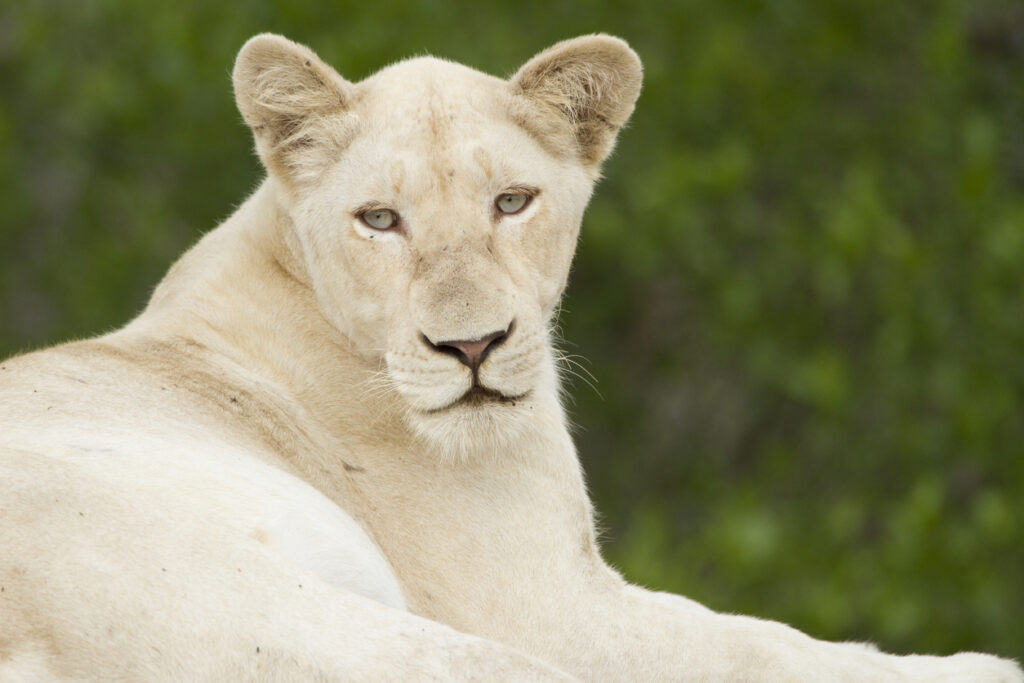
Estimates suggest there are fewer than a few hundred white lions alive today, with most being in captivity and less than 20 in the wild, according to the Global White Lion Protection Trust. Compare that to diamonds, which are mined by the millions every year. The numbers make their rarity truly sink in.
That makes every sighting special because you’re seeing one of the rarest animals on Earth. They’re not just unusual, they’re almost legendary.
They face plenty of survival challenges.
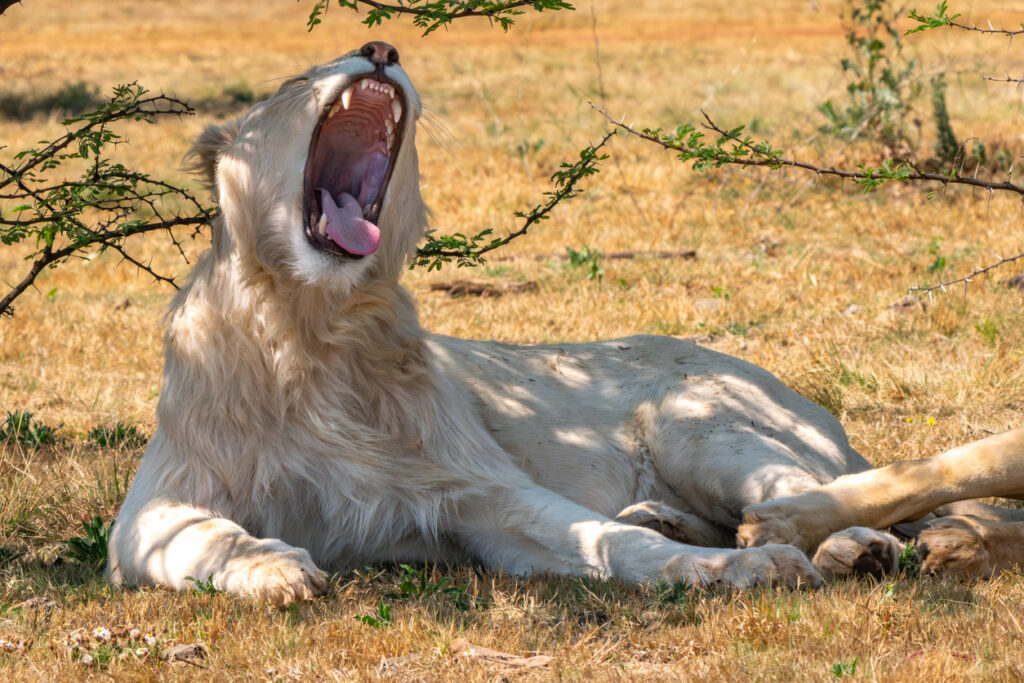
Being pale in colour isn’t always an advantage. In the wild, white lions can struggle with camouflage, especially in dry or grassy areas. Predators may not be an issue, but hunting becomes harder when prey spots them too easily.
This is why their survival relies heavily on strong pride cooperation. Working together helps balance out what their colouring makes more difficult.
They were once thought to be extinct.
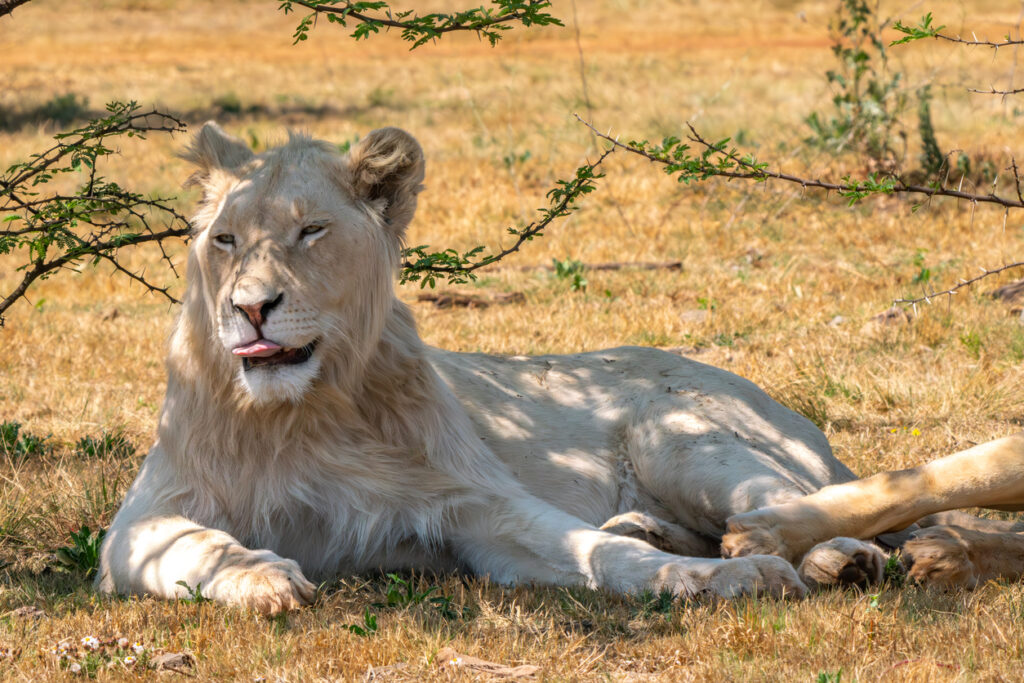
For a long time, people believed white lions no longer existed in the wild. They were first recorded in the 1970s in South Africa’s Timbavati region, and sightings stopped for decades. Many thought they had disappeared completely.
Reintroductions and conservation efforts later proved they were still around. Their return to the wild has been slow, but it shows how resilient they are as a species.
Conservation efforts keep them alive.
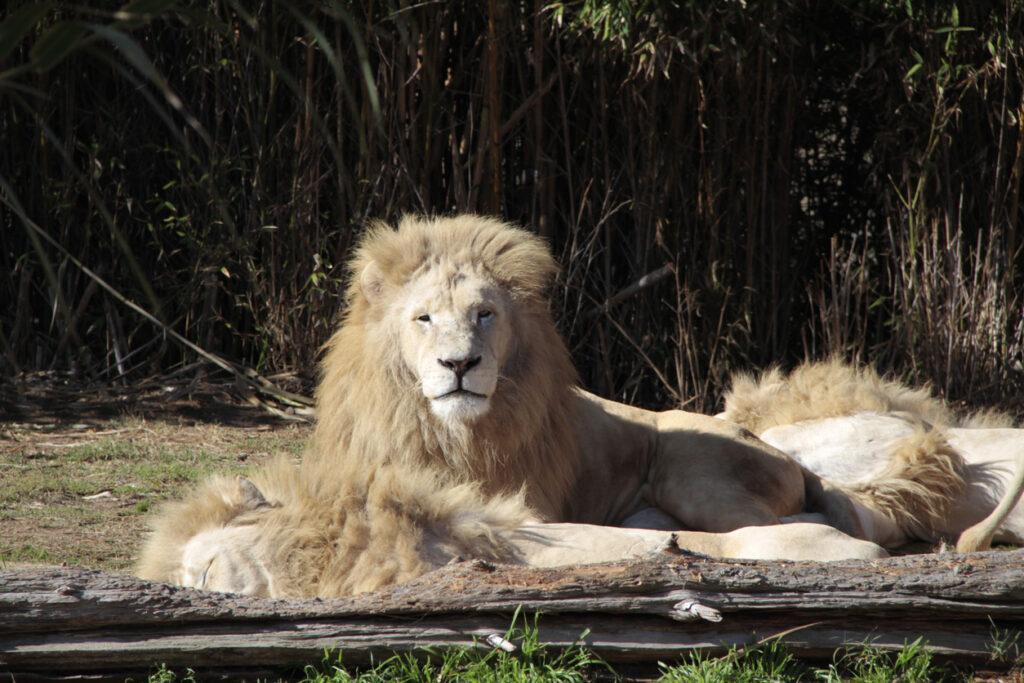
Without dedicated breeding and protection programmes, white lions might not exist today. They’ve been heavily targeted by trophy hunters and the pet trade. Conservationists have fought to protect them from exploitation.
Supporting these efforts ensures future generations can still see them. Awareness helps reduce threats and encourages protection of their natural habitat.
They hold deep cultural significance as well.
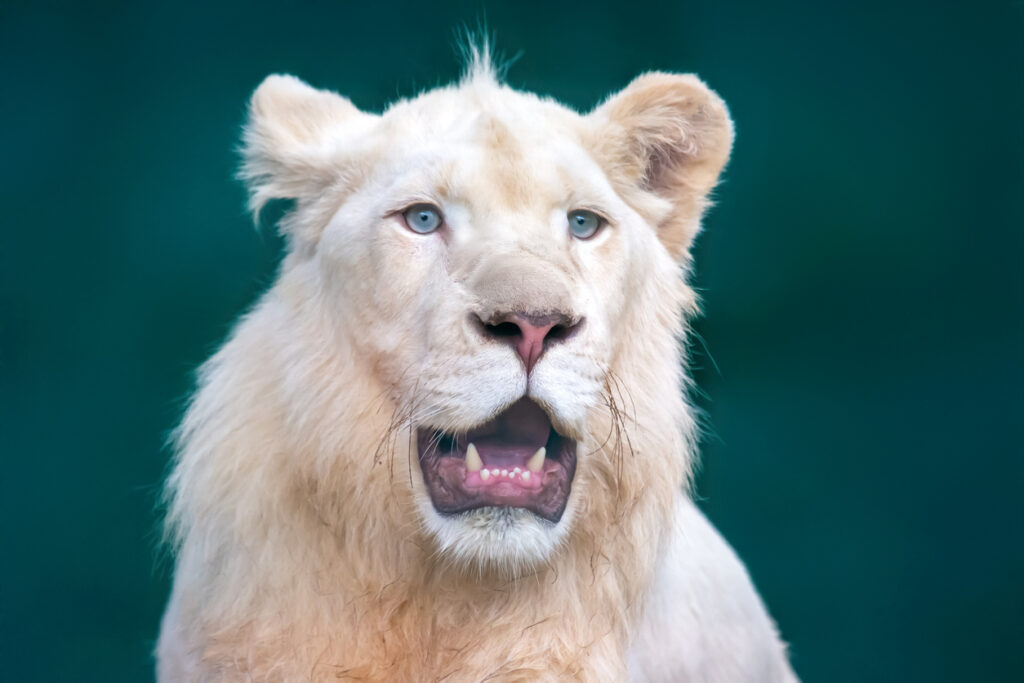
In many African traditions, white lions are seen as sacred animals. They symbolise purity, leadership, and spiritual strength. Communities have long viewed them as a sign of balance in nature. Their cultural value adds another layer to their importance. They’re not just rare animals, they’re powerful symbols too.
They can absolutely thrive in the wild in the right conditions.
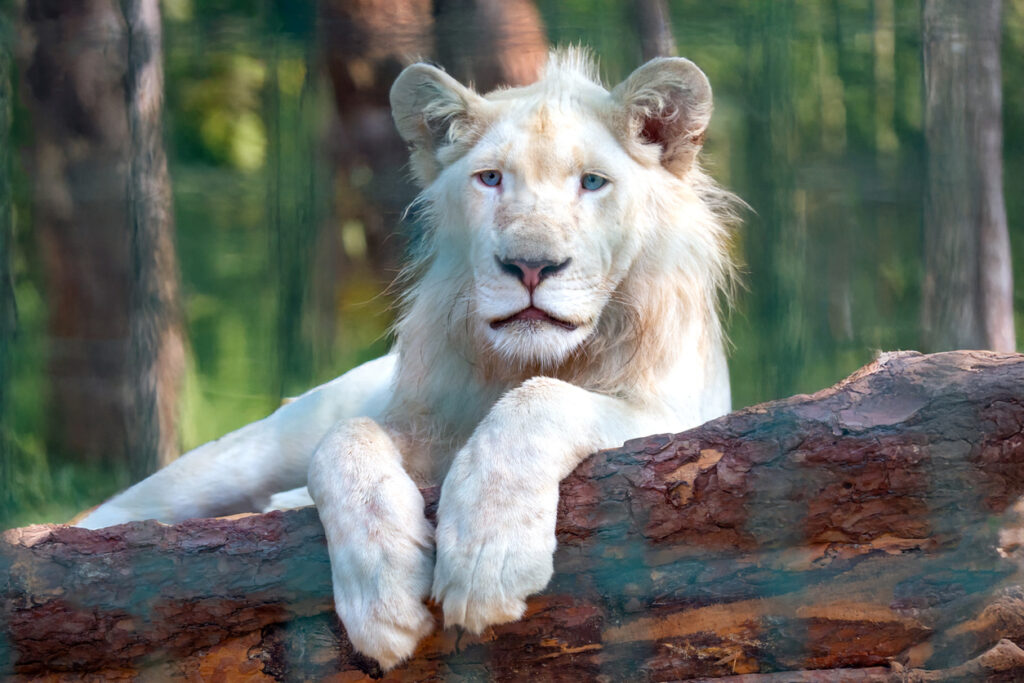
Despite fears that they wouldn’t survive outside captivity, white lions have shown they can live and hunt in natural environments. Several prides now exist in protected areas, and their resilience proves they’re more than just beautiful. They’re incredibly strong too.
Conservation success stories give hope that their numbers can slowly grow. With protection, they’re capable of thriving, just like golden lions.
Sadly, they’ve been exploited for tourism.
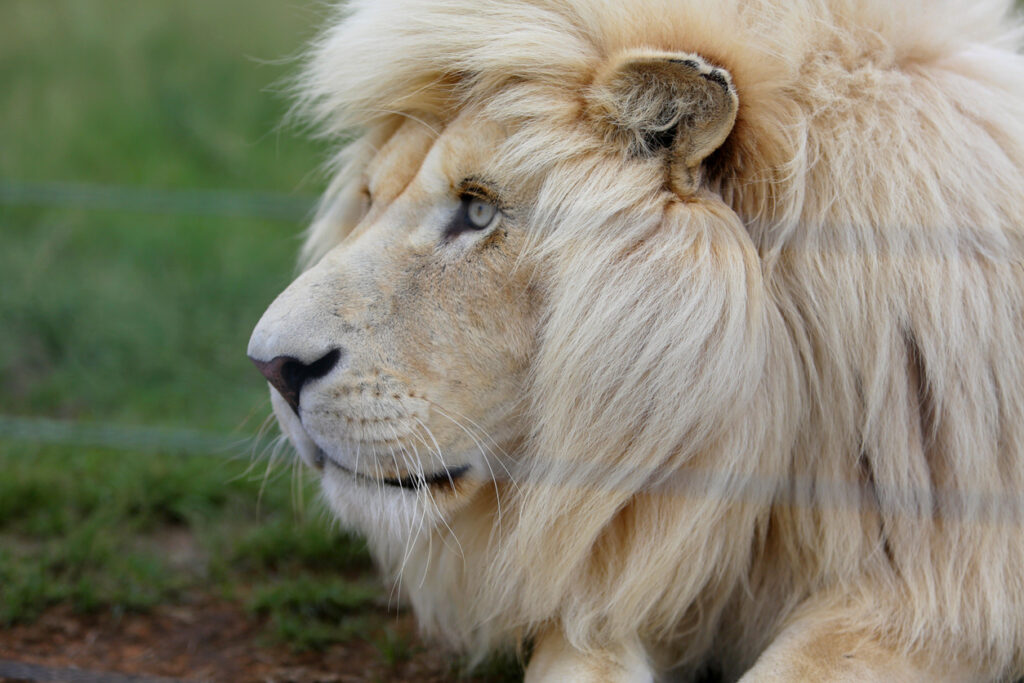
Unfortunately but perhaps unsurprisingly, many white lions have been bred for zoos, circuses, and “canned hunting” industries. Their rarity makes them a major draw, but it often leads to exploitation. Of course, that damages their health and weakens wild populations.
Ethical tourism that values conservation over profit is vital. Choosing carefully where you see them helps protect them from harm.
Their eyes add to their uniqueness.
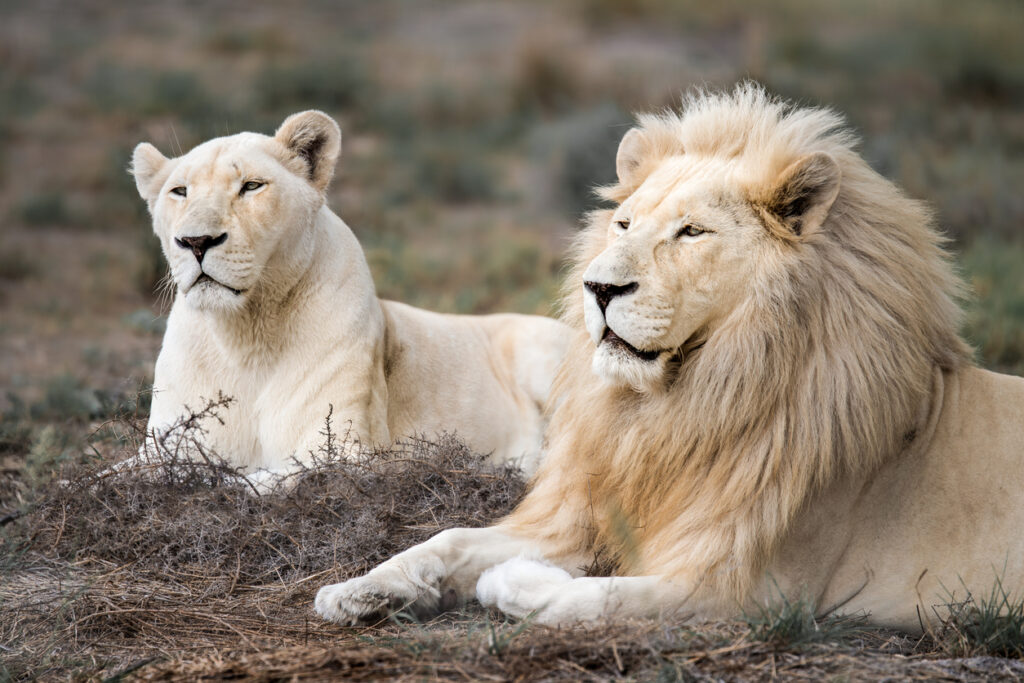
White lions often have striking golden or blue-grey eyes that stand out against their pale fur. This feature only adds to their magical appearance. Few animals look as majestic under sunlight as they do. It’s another reminder that rarity often comes with beauty that feels almost unreal. Their looks combine features that nature rarely puts together.
They fascinate everyone around the world.
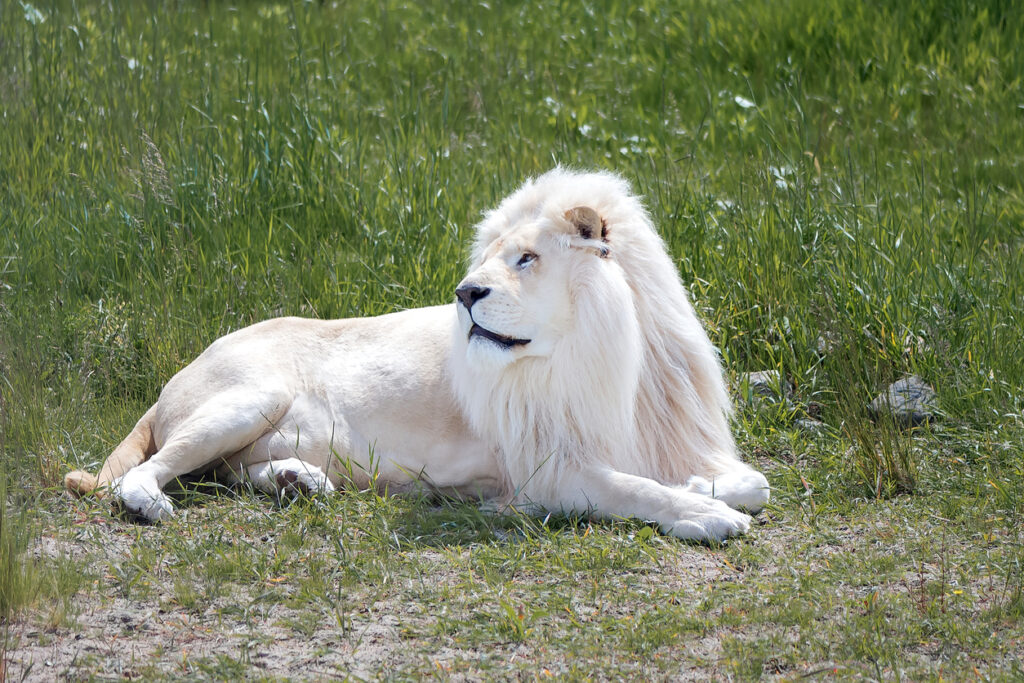
From documentaries to social media, white lions attract worldwide attention. People can’t help but be captivated by their unusual appearance. They’ve become symbols of beauty and rarity across cultures. Obviously, that fascination can be positive if it fuels conservation. Awareness drives action, and action keeps them from disappearing again.
They highlight the importance of biodiversity.
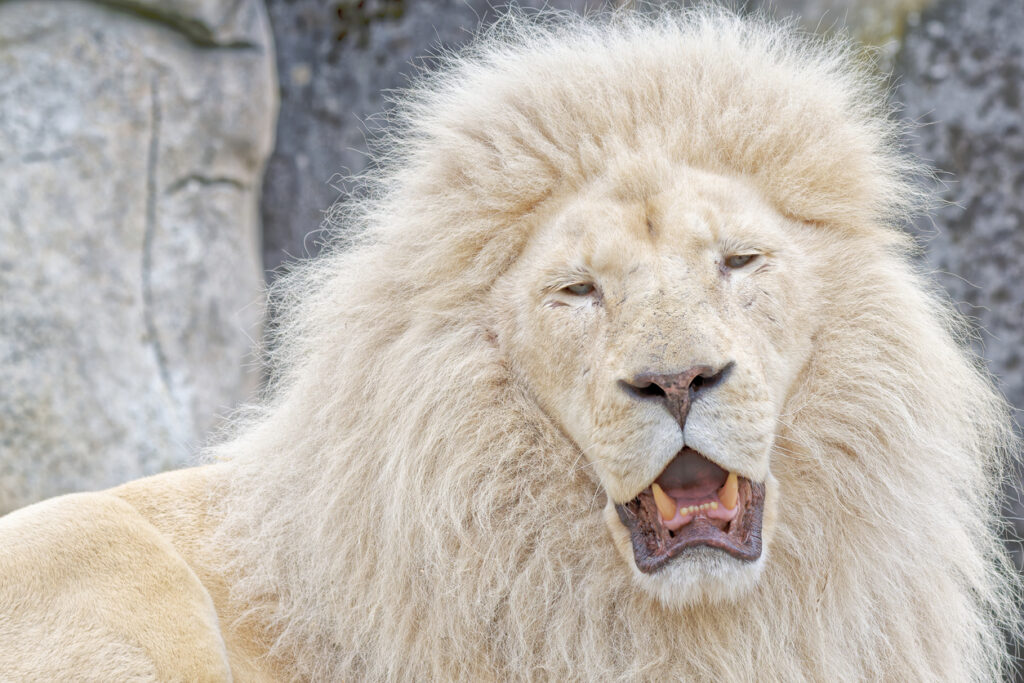
White lions remind us that even within one species, genetic diversity matters. Every rare variation adds richness to the natural world. Losing them would mean losing a unique expression of life itself. This is why conservation of all wildlife is essential. Protecting the rarest members keeps ecosystems healthier as a whole.
They’re proof that nature still surprises us.
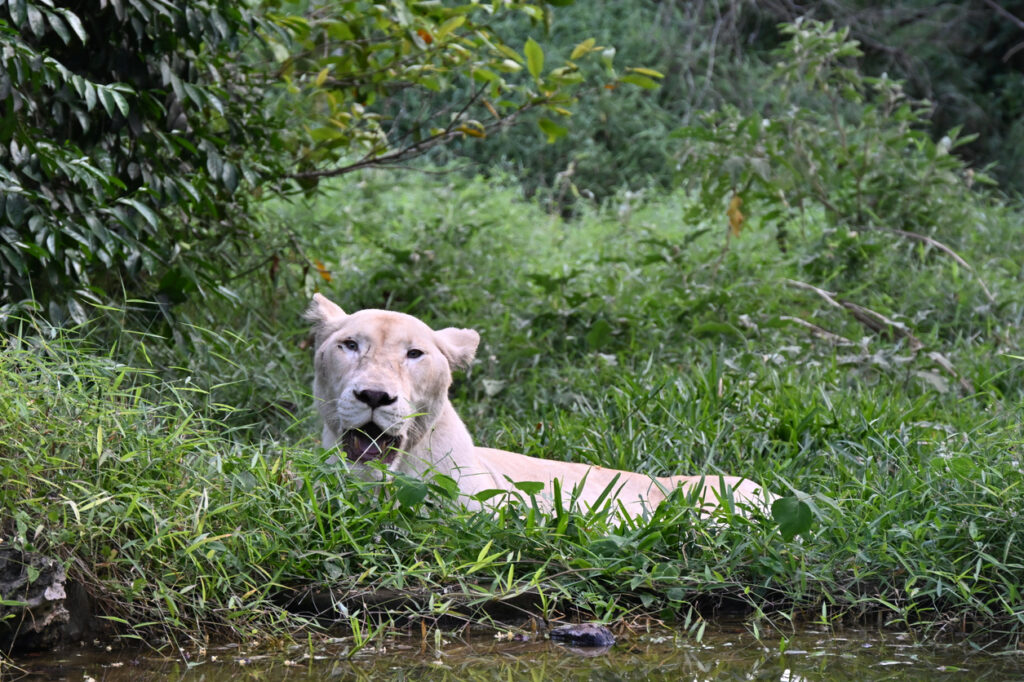
In a world where so much feels discovered and explained, white lions are a reminder of mystery. Their existence feels almost mythical, yet they walk among us. That rarity makes them even more awe-inspiring. Knowing they’re real gives people hope that there’s still wonder left in nature. It proves beauty and rarity don’t just belong in stories. They exist here, too.