Bringing a new cat home is exciting, but it can also be overwhelming for them.
Cats are creatures of habit, so sudden change often triggers major stress. That doesn’t mean they won’t settle in eventually, but the early days can pretty tough as they get acclimated to a new owner and a new environment. However, there are aer things you can do to put them a bit more at ease. Here are some of the most practical ways to help your new feline settle in comfortably.
1. Start with one safe room.
Letting a cat loose in the whole house immediately can be intimidating. Too much space and too many smells make them feel exposed, which increases hiding and stress. Overwhelm at the beginning can slow down adjustment.
Start with a single quiet room. Set up essentials like food, water, litter, and a cosy bed there. Having a smaller territory builds security, which makes gradual exploration feel safer later.
2. Offer plenty of hiding spots.
A cat that can’t retreat will stay on edge. Without safe spaces, they might lash out or withdraw, which stalls bonding. Lack of hiding options leaves them constantly alert instead of calm. Put boxes, blankets, or covered beds in their space. Knowing they can vanish if needed lowers anxiety, which makes them more likely to emerge willingly on their own terms.
3. Keep the noise levels as low as possible.

Loud sounds like vacuum cleaners or slamming doors make cats feel unsafe. A noisy environment in the first days can leave them terrified of exploring any further. Constant stress risks making them skittish long term, and that’s not what any owner wants.
Maintain a calm atmosphere for the first week. Speak softly, keep TV volumes modest, and avoid sudden bangs. The quiet helps them link your home with safety instead of fear.
4. Give them consistent routines.

Cats rely on predictability. If meals, play, or litter cleaning are random, they struggle to relax. Without structure, they can end up staying unsettled and cling to hiding behaviours. Feeding and caring at the same times daily builds trust. Routine is a big sign of stability, which reassures them the new environment will reliably meet their needs.
5. Use familiar scents.

Smell is central to how cats process the world. Entering a house filled only with new scents makes them feel like intruders. The lack of anything familiar leaves them insecure. Bring blankets, toys, or bedding from their previous home or shelter. Familiar smells bridge the gap, which helps them relax and accept the new space more quickly.
6. Avoid overwhelming attention, at least at first.

It’s tempting to shower a new cat with affection straight away. Unfortunately, constant handling or crowding can make them retreat further. Too much attention early on feels invasive, not loving.
Let them set the pace instead. Sitting nearby, speaking gently, and offering slow blinks show that you’re safe. Allowing them to come to you builds trust naturally.
7. Keep introductions slow.
Throwing a cat into a household with other pets or people all at once causes stress. Fast introductions can trigger territorial behaviour, hissing, or retreating. Rushed contact often backfires.
Introduce step by step. Start with scent swapping before face-to-face meetings. Gradually allow short, supervised interactions. This measured approach builds tolerance and prevents fights.
8. Place scratching posts nearby.

If scratching outlets aren’t available, cats may turn to furniture or carpets. Stress amplifies this because they scratch to mark territory and soothe themselves. Lack of posts risks unwanted behaviour early on.
Put scratching posts in their safe room and later around the house. Encouraging positive scratching gives them comfort and helps claim the new space in a healthy way.
9. Provide vertical space for them to play around on.

Cats instinctively seek height when uncertain. Without shelves or perches, they may feel trapped at ground level, which increases stress and limits exploration. No vertical space makes them feel exposed.
Adding cat trees, window ledges, or cleared shelf space helps. Being able to observe from above increases confidence, which speeds up their adjustment period.
10. Keep litter boxes accessible.
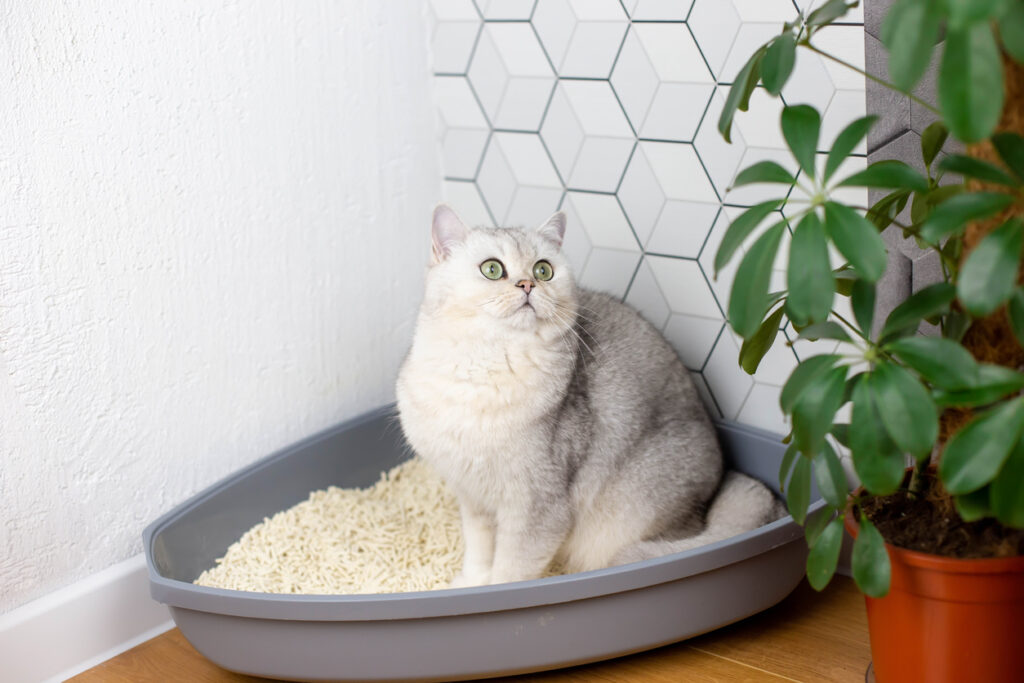
A hidden or distant litter tray can discourage use. If they feel unsafe reaching it, they may avoid it, which creates messy problems. Poor placement increases stress and accidents, so put a box close by at first, in a quiet area. Keep it clean daily. Easy access reassures them and builds good bathroom habits right away.
11. Play gently and regularly.
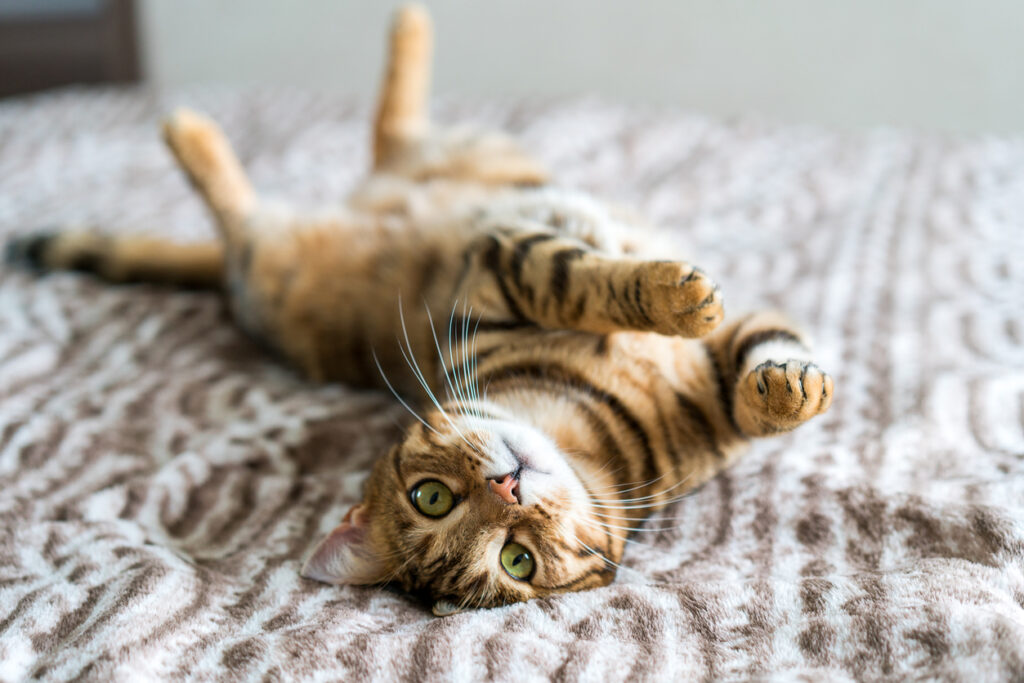
Lack of play keeps stress bottled up. Cats who don’t release energy may scratch or hide excessively. Too much rough play, however, can overwhelm or scare them, making it harder for them to trust you (or at least slowing down the process).
Use toys like feather wands or balls for short, gentle play. It provides exercise, fun, and bonding, which makes your presence a source of enjoyment rather than fear.
12. Use calming aids if needed.

Some cats stay highly anxious, no matter what you try. Constant pacing, hiding, or over-grooming signals deeper stress. Without help, they may struggle for weeks to settle.
Calming sprays, diffusers, or vet-approved supplements can ease tension. These aids mimic natural signals of safety, which smooths the adjustment period and helps them accept their surroundings more quickly.
13. Offer treats wisely.

Food builds positive associations, but forcing treats too soon can backfire. If a cat feels pressured to approach, trust is broken. Using food incorrectly turns it into stress instead of encouragement.
Place treats within reach but not directly in front of them. Let them approach in their own time. Positive reinforcement creates stronger bonds and teaches them to connect you with good experiences.
14. Watch for subtle stress signs.

Stress doesn’t always look dramatic. Small changes like dilated pupils, flattened ears, or avoiding eye contact are early clues. Missing these signs risks pushing them too quickly and making things worse.
Observing calmly helps you adjust your pace. Noticing signs of discomfort allows you to slow down, which ensures you support rather than overwhelm them during the transition.
15. Be patient with the process.

Rushing a cat to feel at home rarely works. Adjustment is gradual, and expecting instant comfort only frustrates you both. Lack of patience makes setbacks harder to manage.
Patience is the most important gift you can give your new feline friend. Giving them days or even weeks for settling shows respect for their nature, which builds trust that lasts long beyond the first adjustment phase.