
Growing your own tomatoes should guarantee incredible flavour, but sometimes those beautiful homegrown beauties taste like crunchy water with a hint of disappointment. You’ve done all the work of planting, watering, and waiting, only to bite into something that makes supermarket tomatoes seem flavourful by comparison. Here’s why this is happening, and what you can do about it.
1. You’re picking them too early because you’re impatient.
That gorgeous red tomato hanging on your vine might look ready, but if it turned red only yesterday, it’s probably still building up all those delicious flavour compounds. Most people get excited and pick tomatoes the moment they see red, when they should wait a few more days for peak flavour development.
A properly ripe tomato should give slightly when you press it and come off the vine easily with just a gentle twist. If you’re having to yank it off, or it feels rock-hard, you’re jumping the gun and sacrificing flavour for the satisfaction of harvesting something.
2. You’re watering them like you’re trying to drown them.
Tomatoes that get too much water become diluted, literally. Excessive watering creates big, gorgeous tomatoes that taste like they’ve been cut with tap water because that’s essentially what’s happened: they’ve absorbed so much water that the flavour gets watered down.
Tomatoes actually develop better flavour when they’re slightly stressed for water. They should get deep, infrequent watering rather than constant light sprinkles, which encourages the concentration of sugars and acids that create proper tomato flavour.
3. Your soil is too rich, and your plants are living in luxury.
Counterintuitively, tomatoes that grow in overly fertile soil often produce bland fruit because the plant puts all its energy into growing massive plants and huge tomatoes rather than developing flavour. It’s like raising spoiled children: when life is too easy, they don’t develop character.
Tomatoes grown in slightly challenging conditions with moderate fertility develop more intense flavours because the plant has to work harder. Rich soil creates lush plants but often produces those disappointing grocery-store-quality tomatoes that look perfect, but taste like nothing.
4. You chose varieties that prioritise looks over taste.
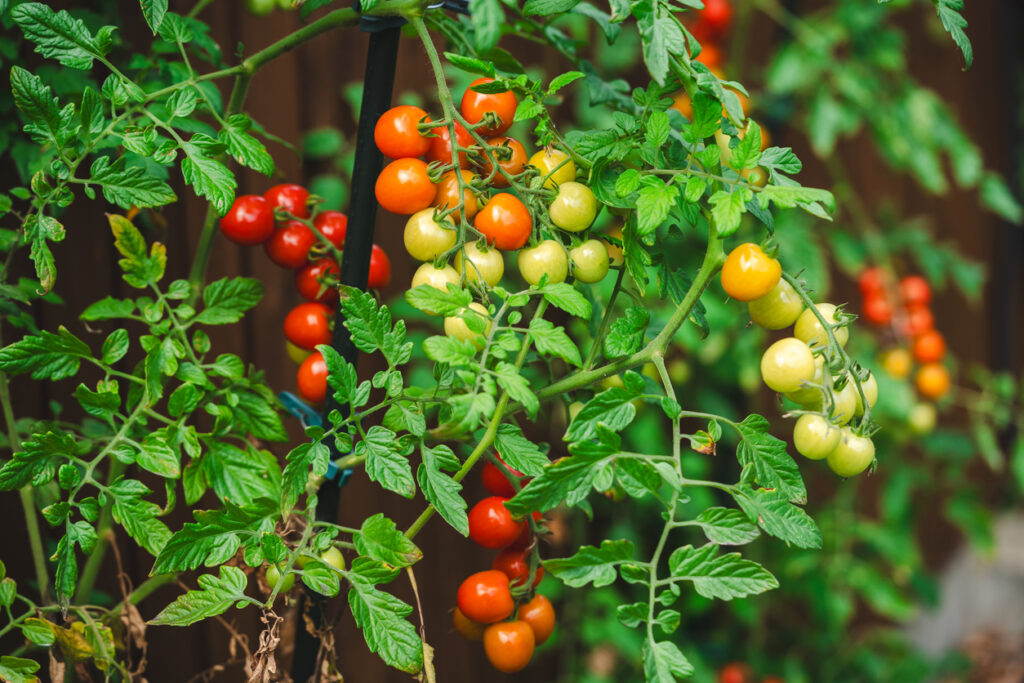
Many popular tomato varieties were bred for appearance, disease resistance, and shipping ability rather than flavour. Those perfectly round, uniform tomatoes that look like they belong in a magazine often taste exactly as bland as they look.
Heritage and heirloom varieties might look wonky and weird, but they were bred back when flavour actually mattered more than shelf appeal. If you planted something called “Early Girl” or “Celebrity,” you’ve prioritised convenience over taste, and your taste buds are paying the price.
5. Your tomatoes never get hot enough to develop proper flavour.
Tomatoes need heat to develop the complex sugars and acids that create great flavour. If you’re growing them in a consistently cool climate, or they’re in too much shade, they’ll never reach the temperatures needed for proper flavour development.
Those sun-baked Mediterranean tomatoes taste incredible because they’ve been literally cooking in the sunshine all day. Your tomatoes need at least six to eight hours of direct sunlight and warm temperatures to concentrate those flavour compounds properly.
6. You’re storing them in the fridge like a barbarian.
Putting fresh tomatoes in the refrigerator is one of the fastest ways to kill their flavour. Cold temperatures break down the cellular structure that holds flavour compounds, turning even good tomatoes into disappointing, mealy disappointments.
Tomatoes should live on your kitchen counter at room temperature, where they can continue developing flavour even after picking. The fridge might keep them from rotting, but it also keeps them from tasting like anything worth eating.
7. Your plants are overcrowded and fighting each other for resources.
When tomato plants are too close together, they compete for nutrients, water, and sunlight, which means none of them can develop fruit with concentrated flavours. Everything gets diluted and less intense instead.
Proper spacing allows each plant to access the resources it needs to produce flavourful fruit. Crowded plants produce more tomatoes per square foot, but they’re usually smaller and blander because the plants are struggling to support too much fruit with limited resources.
8. You’re growing them in containers that are too small.
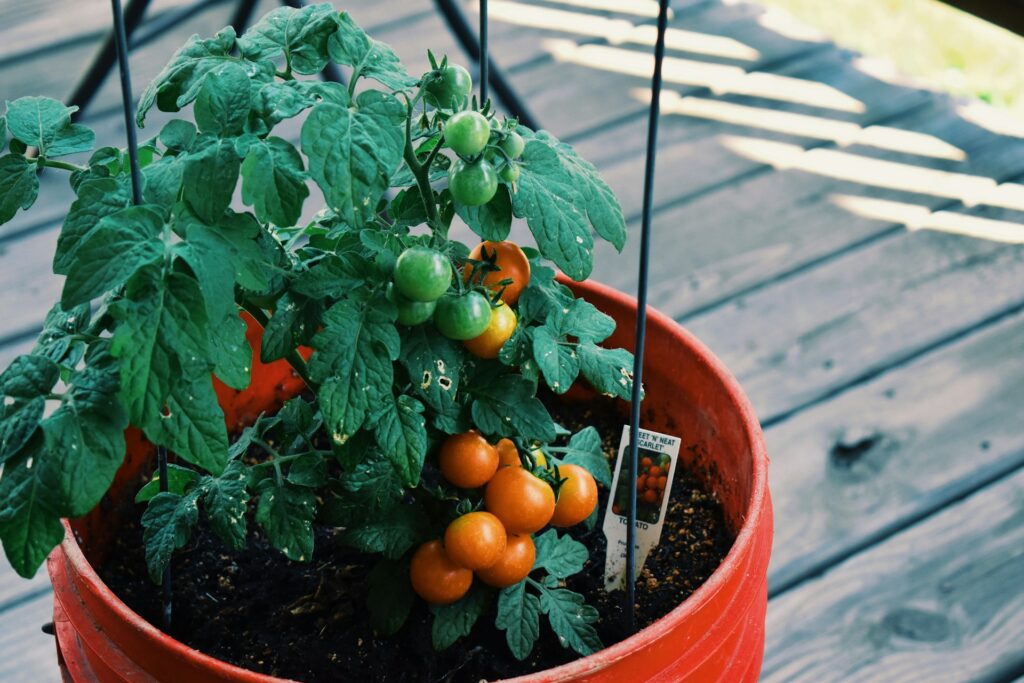
Tomatoes in tiny pots may survive, but they certainly won’t thrive. Container-grown tomatoes need huge pots with plenty of soil volume to develop extensive root systems that can support flavourful fruit production.
Small containers restrict root growth, which limits the plant’s ability to access nutrients and water efficiently. This stress might sound like it would improve flavour, but it actually just creates weak plants that produce disappointing fruit because they can’t access what they need.
9. You’re harvesting during the wrong time of day.
Tomatoes picked in the morning often have less flavour than those harvested in the late afternoon or evening. During the day, the plant moves sugars and flavour compounds around, and by afternoon, more of these compounds have accumulated in the fruit.
Morning-picked tomatoes have been sitting in cool, dewy conditions all night, while afternoon tomatoes have been basking in warm sunshine all day, concentrating their flavours. It’s a small difference, but it can be the difference between bland and brilliant.
10. Your expectations are set by terrible supermarket tomatoes.
Sometimes the problem isn’t your tomatoes—it’s that you’ve been conditioned by years of eating terrible commercial tomatoes to think that’s what tomatoes are supposed to taste like. If you’ve never eaten a proper, flavourful tomato, you might not recognise good flavour when you taste it.
Real tomato flavour should be a balance of sweet, acidic, and savoury notes with a rich, complex taste that makes you understand why people get obsessed with growing them. If your homegrown tomatoes taste better than shop-bought ones but still seem lacking, you might need to recalibrate your expectations and try some truly outstanding varieties.