Every autumn, the UK’s trees transform into dazzling shades of red, orange, and gold.
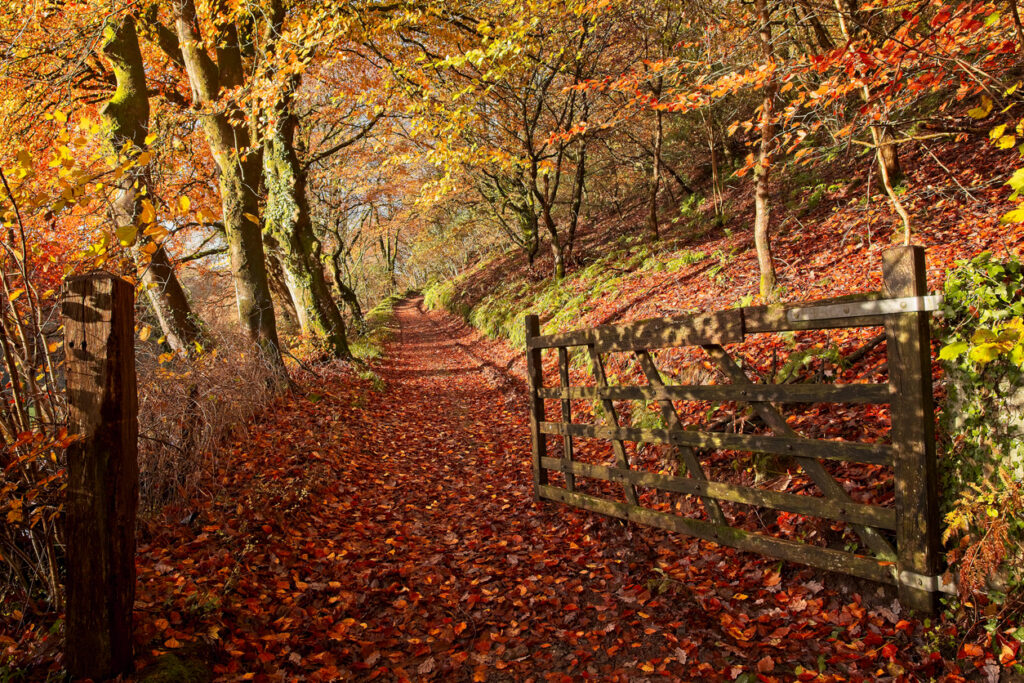
However, the timing of peak colour isn’t the same everywhere. Climate, geography, and tree type all play their part, and it’s not always an exact science. However, we have a pretty good idea of when the most vibrant hues are visible around Britain annually. Here’s when and why leaves reach their best across the country.
Scotland sees the first bursts of colour.
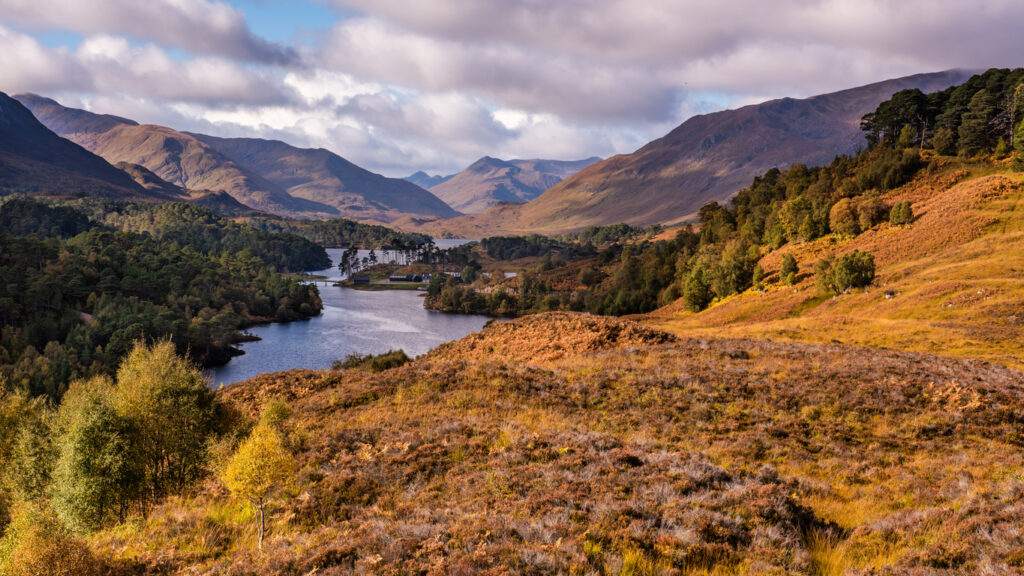
In the Scottish Highlands, autumn arrives earliest. From late September into the first half of October, the cooler nights and shorter days trigger leaves to change. Birch, rowan, and aspen create especially vivid shades in glens and valleys.
If you’re planning a trip, early October is usually the safest bet. Once autumn storms set in, leaves can fall quickly, so those first two weeks are when you will see the most breathtaking displays.
Northern England follows close behind.
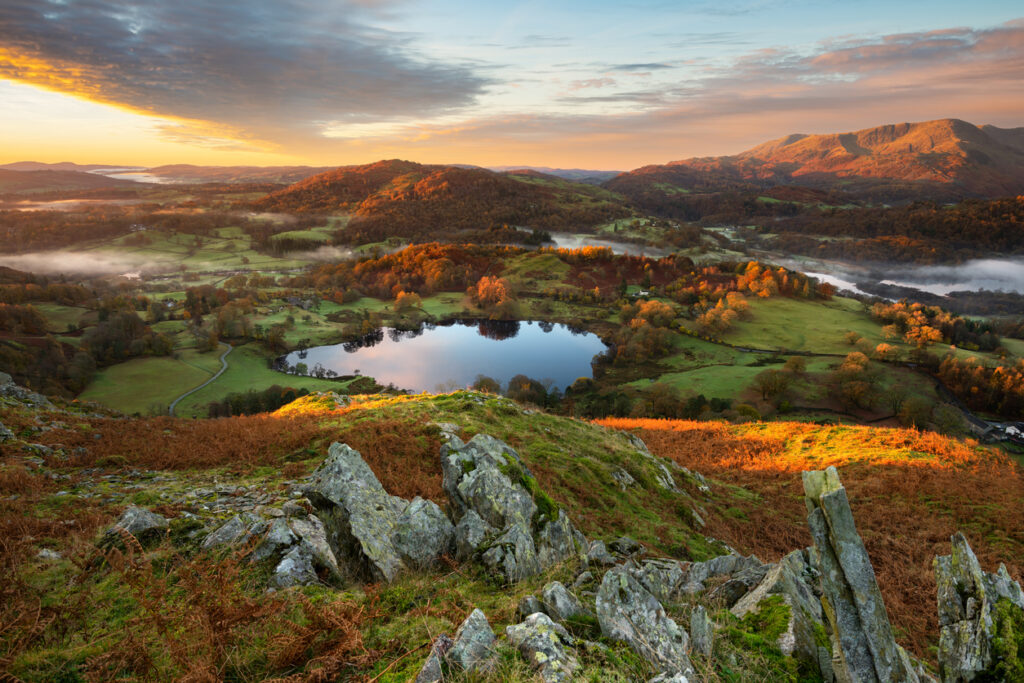
The Lake District, Yorkshire Dales, and Northumberland usually see their best colours in early to mid-October. The cooler climate means trees here change earlier than southern counterparts, creating rich tones across hillsides, lakes, and moorland.
Visiting during this window lets you enjoy some of the UK’s most dramatic autumn scenery. If you wait too long into late October, winds can strip the trees before they reach their peak.
Northern Ireland mirrors northern England.

Woodlands in Antrim, Fermanagh, and along the Causeway Coast often peak at the same time as northern England. Cooler conditions and a strong mix of tree species combine to deliver stunning colours during early and mid-October.
Forests like Glenariff and Castle Archdale are known for their autumn beauty. Plan your visits before the month’s end, as Atlantic weather systems can sweep in and shorten the display quickly.
Wales tends to change later.
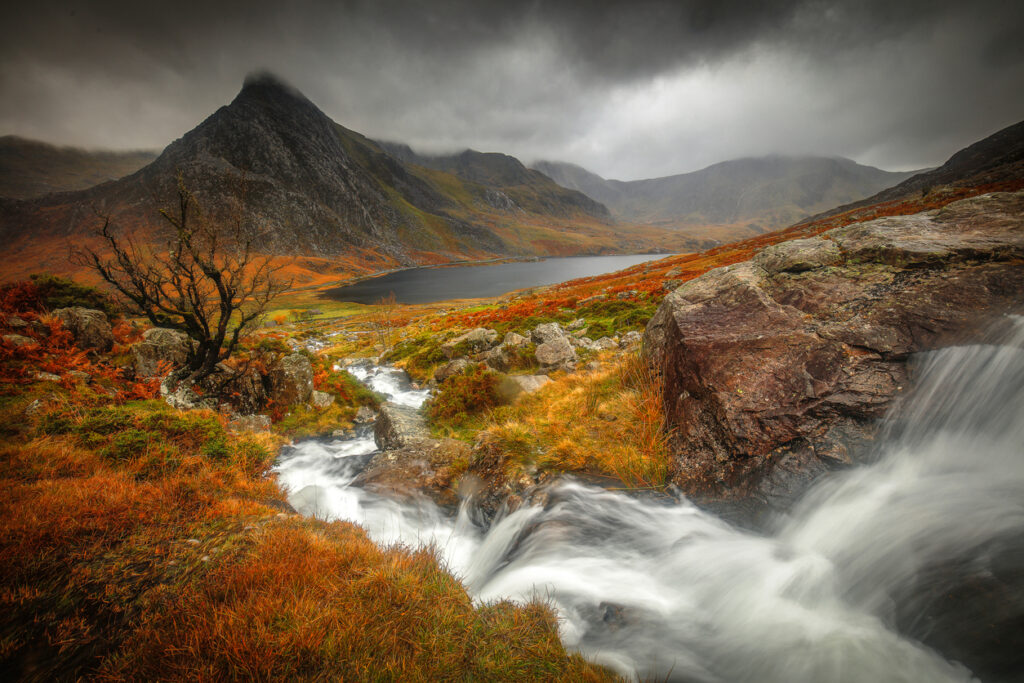
In mid and south Wales, peak colour usually comes later than in the north. Valleys and sheltered areas delay the process, so October’s second half often shows the brightest transformation across beech and oak woodlands.
Snowdonia and the Brecon Beacons often peak between mid-October and early November. The combination of mountains and mixed woodland makes these regions some of the best places to see colour stretch across entire landscapes.
The Midlands hit their stride mid-autumn.

The Midlands often represent a balance between north and south. Forests such as Sherwood and Wyre show peak tones from mid to late October, with ancient oaks and sweet chestnuts creating striking yellows and russets.
Because weather here is less extreme than in northern uplands, colour can last longer if storms hold off. Late October is usually the most reliable time to catch the best views.
Southern England peaks later still.
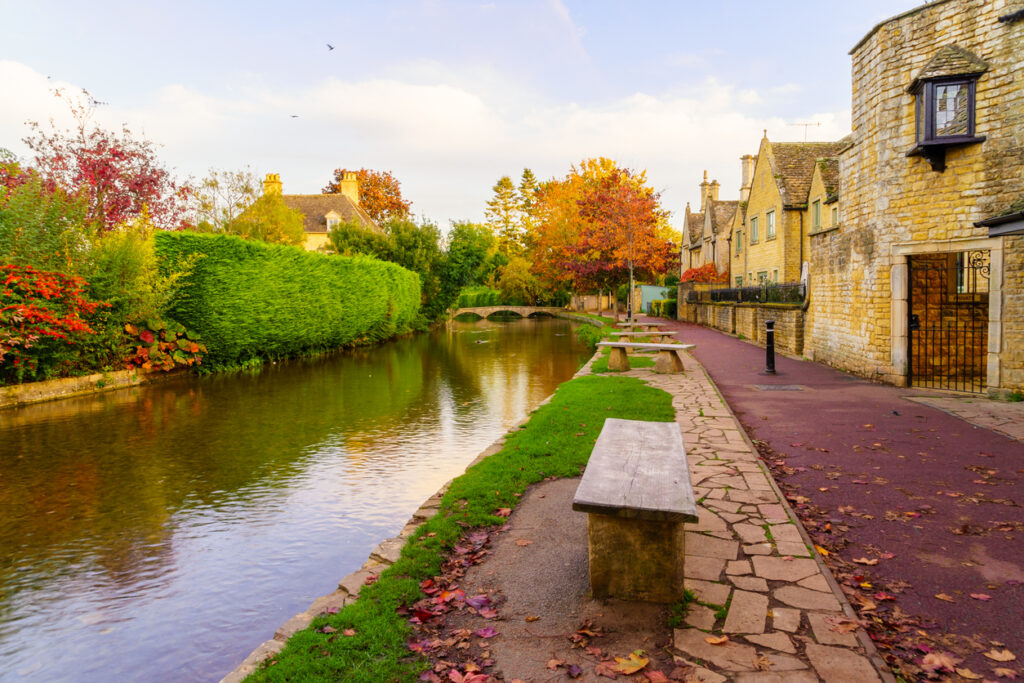
The south of England, including the Cotswolds, Kent, and the New Forest, typically sees the brightest colours from the last weeks of October into early November. Warmer nights mean leaves hold onto green longer before changing.
This late season can be spectacular. Beech woods in particular glow gold in the low autumn sun, while ornamental maples in gardens like Westonbirt Arboretum add fiery reds at their very best.
Cities and lowlands lag behind.
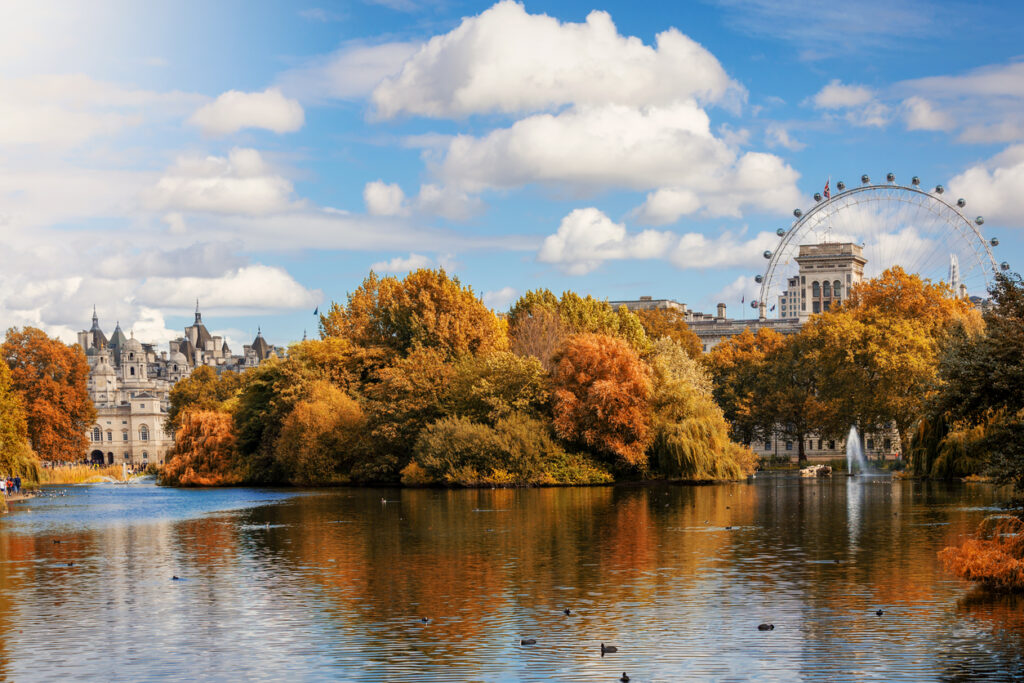
Urban areas and low-lying regions tend to change colour slightly later than the countryside. Heat stored in buildings and roads delays the process, so London and other cities often peak from late October into November.
Parks such as Hampstead Heath or Richmond can look beautiful during this period. Though shorter than rural displays, these urban autumns are a reminder that you don’t always need to travel far to find seasonal colour.
Tree species influence timing.

Not all trees change colour together. Birch and maple often turn first, while oak and beech hold their leaves much longer. Ash, sadly declining in the UK, tends to yellow quickly and then drop its leaves.
The staggered timing means autumn unfolds in stages. If you visit woodlands more than once across October, you’ll notice different trees at their peak, which extends the season of colour overall.
Weather also sets the tone.
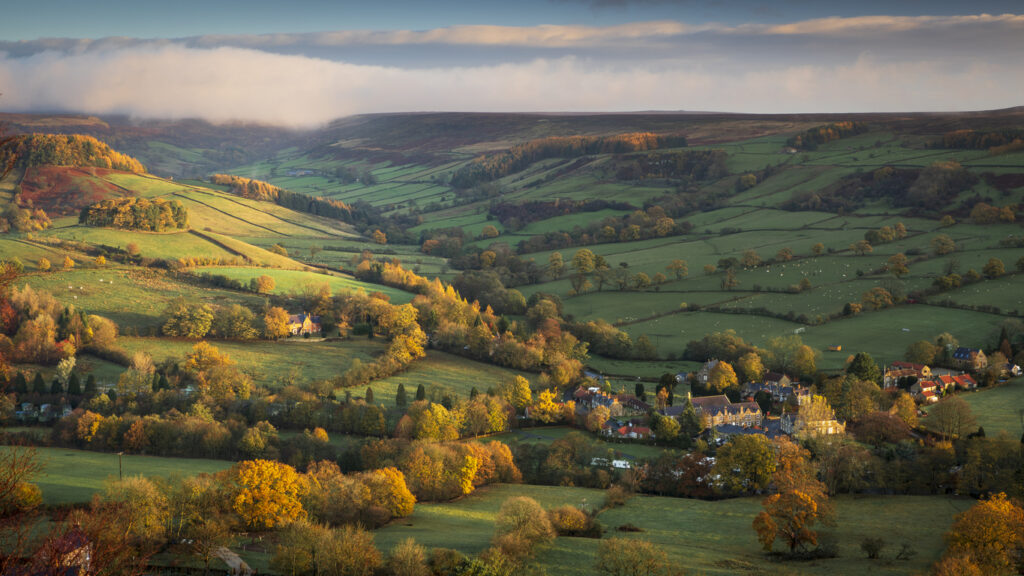
The intensity and timing of colour depend heavily on weather. Warm, dry summers followed by cool, crisp nights usually produce the most vivid shades. Wet or stormy conditions, on the other hand, dull colours and shorten the display.
Keeping an eye on local forecasts helps. A sudden cold snap or heavy winds can bring peak colour forward or cut it short, making flexibility important if you want to catch the best views.
Climate change adds unpredictability.
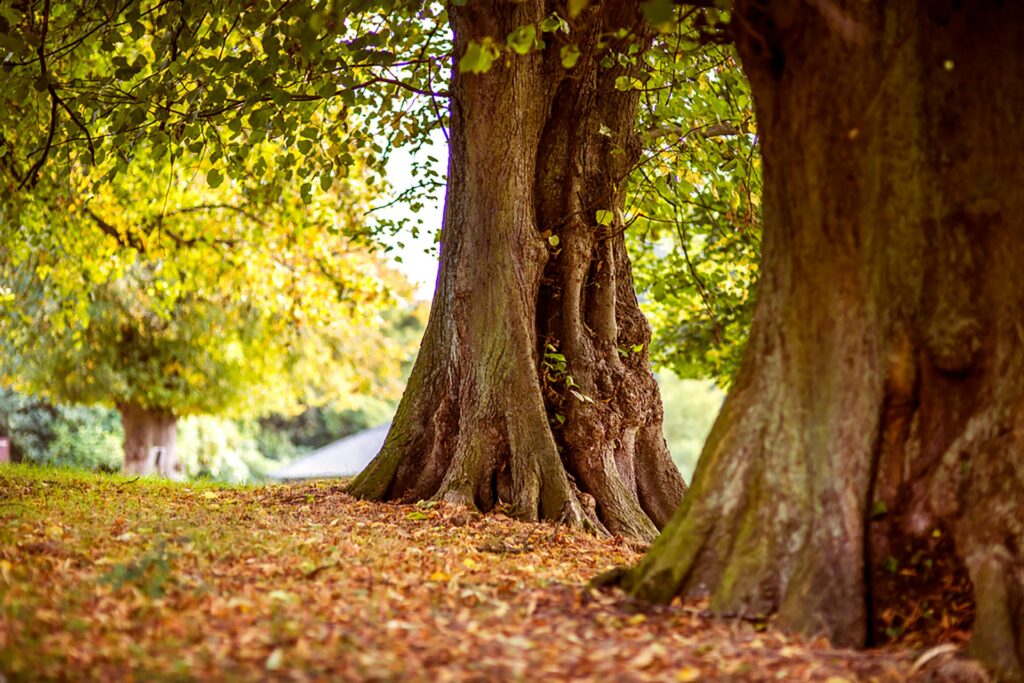
Rising temperatures have already begun changing the UK’s seasonal patterns. In some years, leaves now change later, while in others stress from drought or storms pushes colour forward. The result is a less predictable autumn calendar.
Uncertainty makes local reports more useful than relying on set dates. Woodland trusts and nature reserves often share updates, which can help you decide the right time to visit nearby forests and parks.
11. Peak colour is fleeting.

Once trees reach their brightest shades, the display rarely lasts more than a week or two. Strong winds or heavy rain can strip the canopy almost overnight, leaving bare branches where fiery reds and golds stood days before.
When you notice colour beginning to glow, try to go out that week. Waiting too long risks missing it, especially if the weather turns unsettled suddenly.
Watching the change adds to the experience.
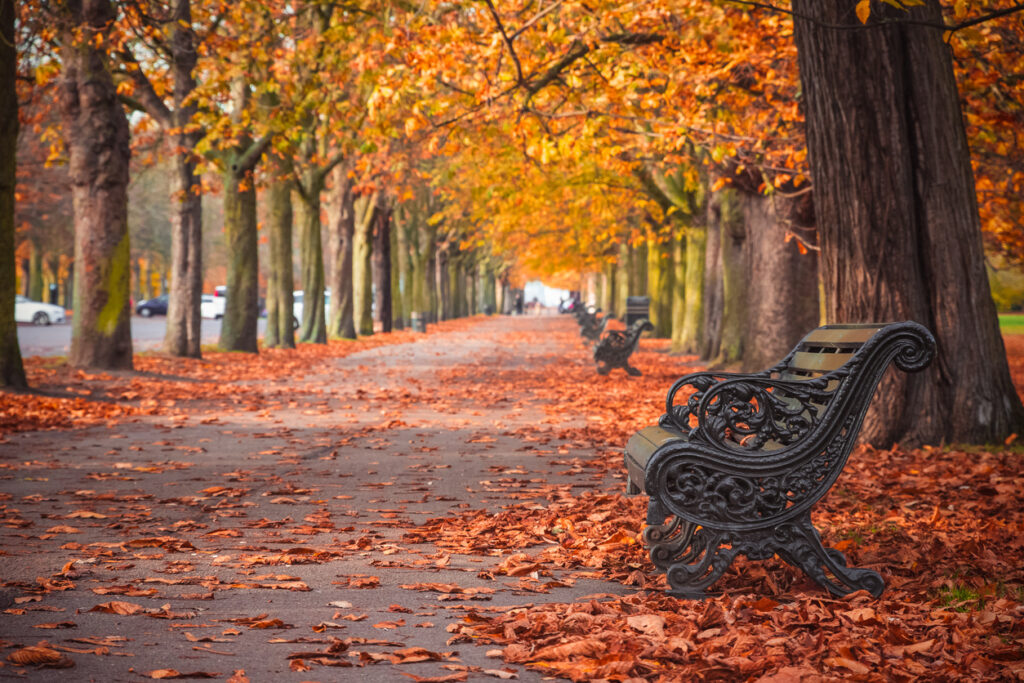
Autumn isn’t only about peak colour but also about the gradual change. Early tinges of yellow in September, rich golds in October, and late leaf carpets in November together create the full picture of the season’s beauty.
Paying attention to these transitions makes the season feel longer. Instead of chasing one perfect moment, you enjoy the unfolding story, which is what makes autumn such a rewarding time in the UK.