September is actually one of the best times to start sowing seeds in the UK.

However, most people assume the growing season is winding down and miss out on loads of delicious vegetables. While everyone else is harvesting their summer crops and calling it quits, you can be planting seeds that’ll give you fresh vegetables through autumn and winter. Here are some solid choices—get out and get started!
1. Winter lettuce for fresh salads when nobody else has them
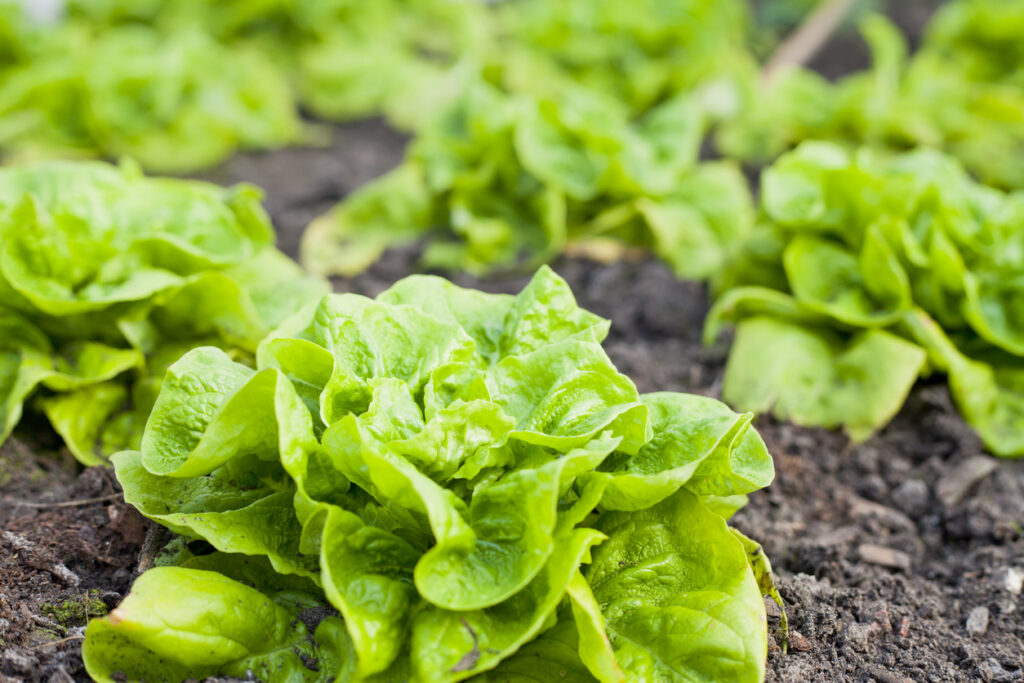
September is perfect for sowing winter lettuce varieties that’ll happily grow through cold weather and give you fresh leaves when shop-bought salads cost a fortune. Varieties like ‘Winter Gem’ and ‘Arctic King’ are specifically bred to handle frost and short days.
These lettuces grow slowly through winter but provide fresh, crisp leaves when most gardens are barren wastelands. You’ll be eating proper salads in January while your neighbours are paying ridiculous prices for wilted supermarket leaves that travelled from Spain.
2. Broad beans for an early start next year
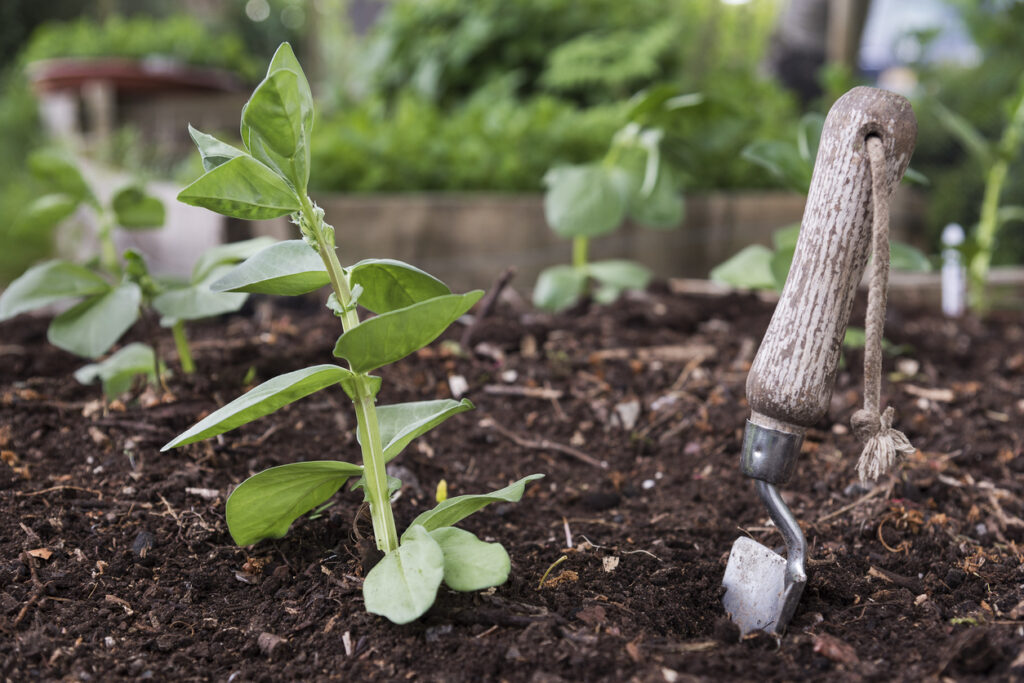
Autumn-sown broad beans like ‘Aquadulce Claudia’ can overwinter as small plants and give you a head start on next year’s growing season. They’ll begin cropping weeks before spring-sown beans, giving you fresh beans when they’re expensive in the shops.
Plant them now, and they’ll develop strong root systems before winter, then shoot up quickly when spring arrives. You’ll be harvesting broad beans in May, while people who wait until spring to sow won’t have beans until July.
3. Onion sets for massive bulbs next summer

Japanese onion varieties planted in September grow into much larger bulbs than spring-planted onions because they have extra growing time. ‘Senshyu Yellow’ and ‘Electric’ are reliable varieties that’ll survive UK winters without any fuss.
Plant them now, and they’ll establish small root systems before going dormant, then explode into growth next spring. You’ll harvest huge onions next July while spring-planted onions are still growing and won’t be ready until August or September.
4. Peas for sweet pods when winter vegetables get boring

Hardy pea varieties like ‘Meteor’ and ‘Douce Provence’ can handle frost and provide sweet pea shoots and pods during the hungry gap when fresh vegetables are scarce. They’re much sweeter than summer peas because cold weather concentrates their sugars.
Sow them now for harvesting through winter and early spring, when fresh vegetables are expensive and your garden would otherwise be producing nothing. The plants might look dead during harsh weather, but they’ll bounce back with warmer temperatures.
5. Spinach that actually grows instead of bolting immediately

Spinach loves cool weather and hates summer heat, so September sowings produce much better plants than spring efforts that bolt to seed as soon as it gets warm. Varieties like ‘Medania’ and ‘Polar’ are bred for autumn sowing and winter harvesting.
You’ll get tender, sweet leaves through autumn and winter, when spinach would be impossible to grow successfully from spring sowings. The plants grow slowly but steadily, giving you fresh greens when most garden vegetables have finished.
6. Garlic cloves for next year’s harvest
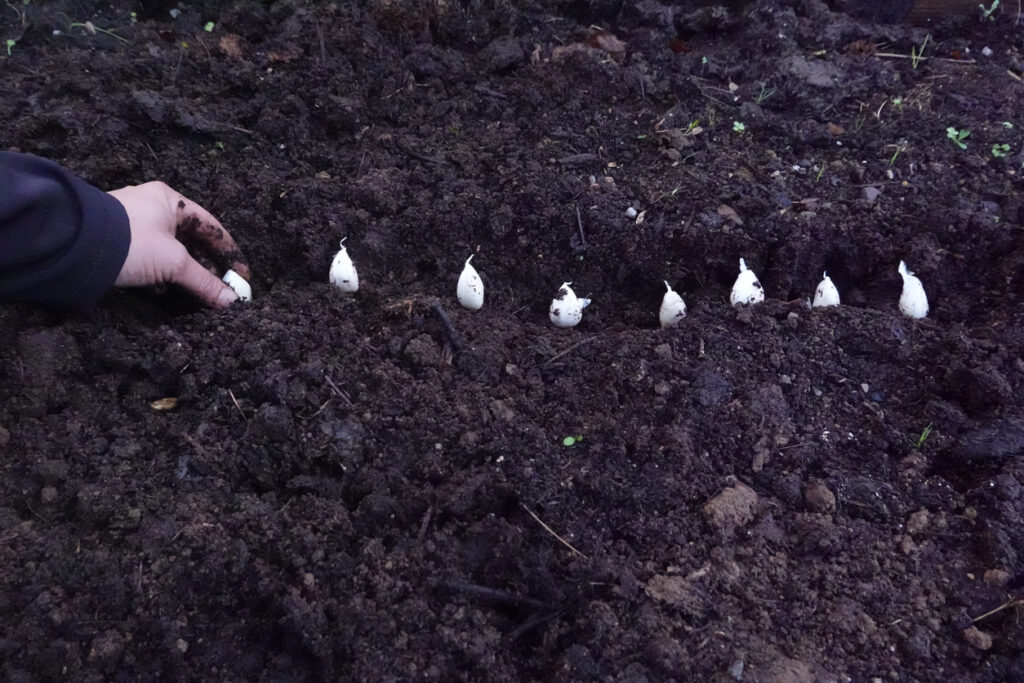
Garlic needs a cold period to form proper bulbs, so autumn planting is essential in the UK. Hardneck varieties like ‘Lautrec Wight’ and softneck types like ‘Solent Wight’ are bred for UK conditions and need planting before November.
Plant individual cloves now, and you’ll harvest full bulbs next July or August. It seems like forever to wait, but homegrown garlic is infinitely better than anything you can buy, and it stores for months after harvesting.
7. Oriental greens that thrive in cool weather
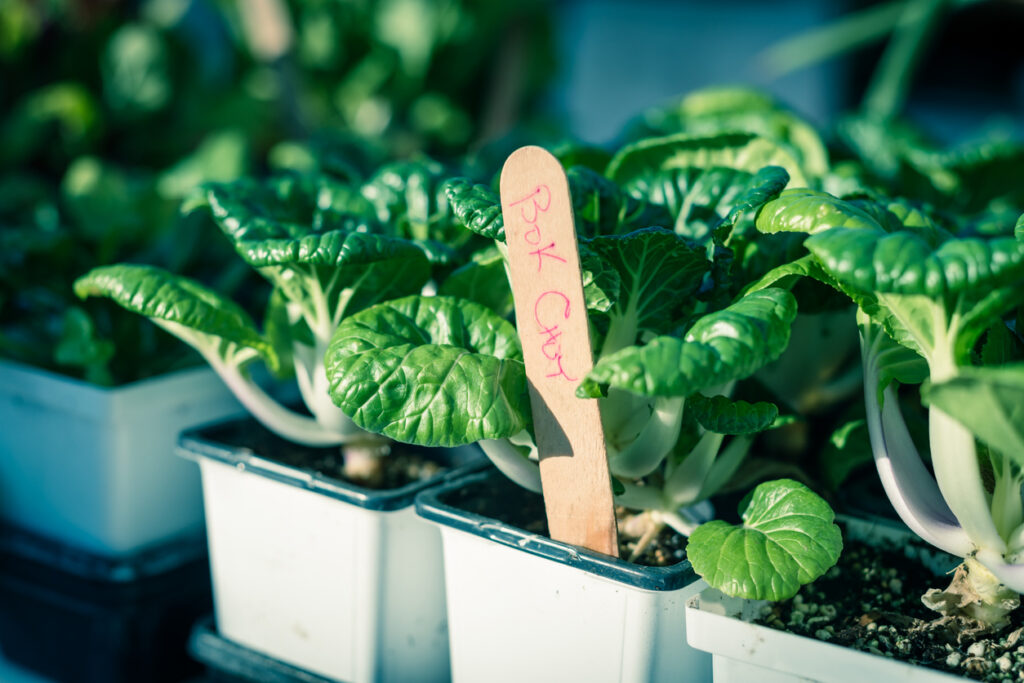
Pak choi, mizuna, mibuna, and mustard greens all prefer cooler growing conditions and produce much better crops from autumn sowings. They’re fast-growing and provide interesting flavours when winter vegetables start feeling repetitive.
These greens can handle light frost and provide fresh leaves within weeks of sowing. They’re perfect for stir-fries and soups during winter months, when you need something green and fresh to liven up root vegetable-heavy meals.
8. Rocket that doesn’t turn bitter and bolt
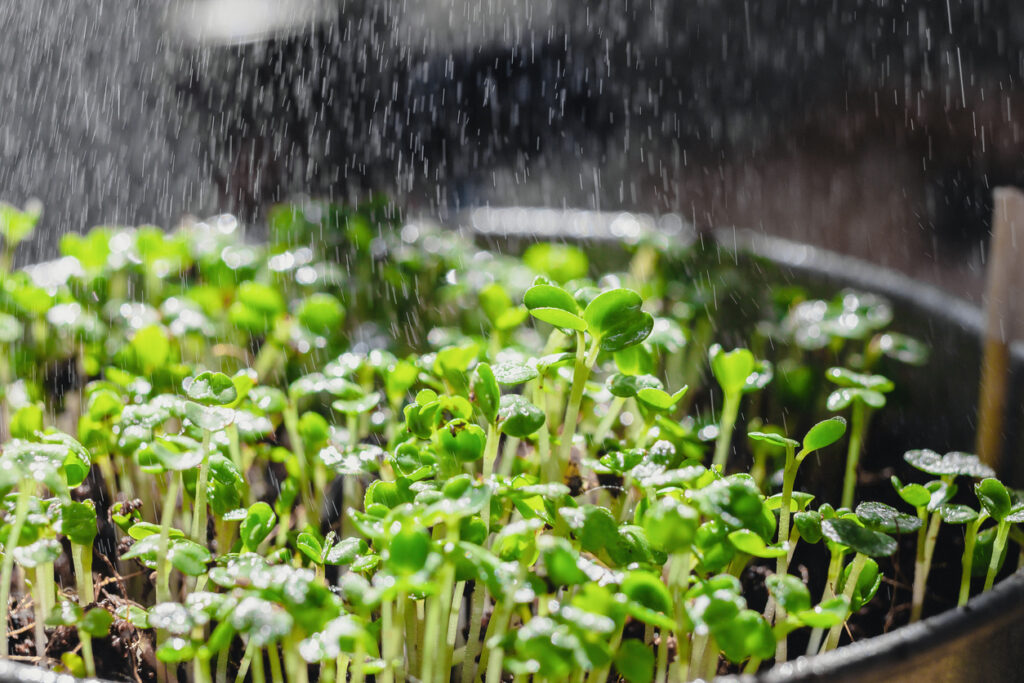
Summer rocket quickly becomes hot and bitter before bolting to seed, but autumn-sown rocket grows slowly and stays mild and tender. Wild rocket is particularly good for September sowing, as it’s even hardier than cultivated varieties.
You’ll get steady harvests of peppery leaves through autumn and winter, perfect for adding interest to winter salads or wilting into pasta dishes. The plants often survive until spring, giving you months of fresh leaves from one sowing.
9. Turnips for roots and delicious greens
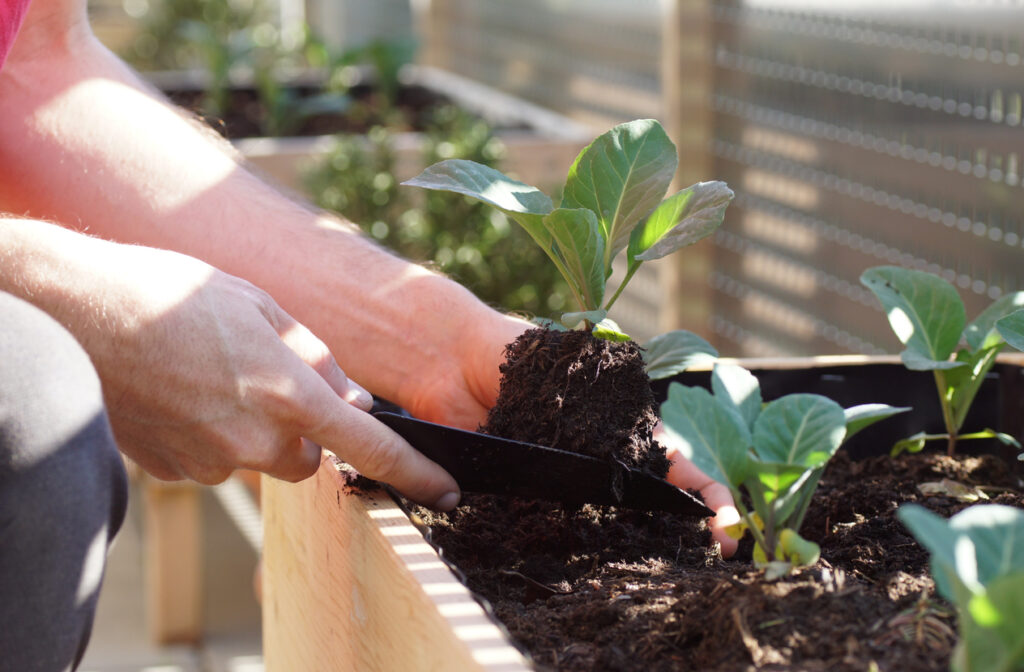
Purple-top turnips sown now will develop sweet, tender roots by winter, while also providing delicious turnip greens that most people don’t even know are edible. The greens are actually more nutritious than the roots and taste like mild mustard.
Both the roots and leaves can be harvested through winter, giving you two crops from one sowing. The turnips get sweeter after frost, and the greens provide fresh, spicy flavour when other vegetables are bland and starchy.
10. Corn salad for winter gourmet greens
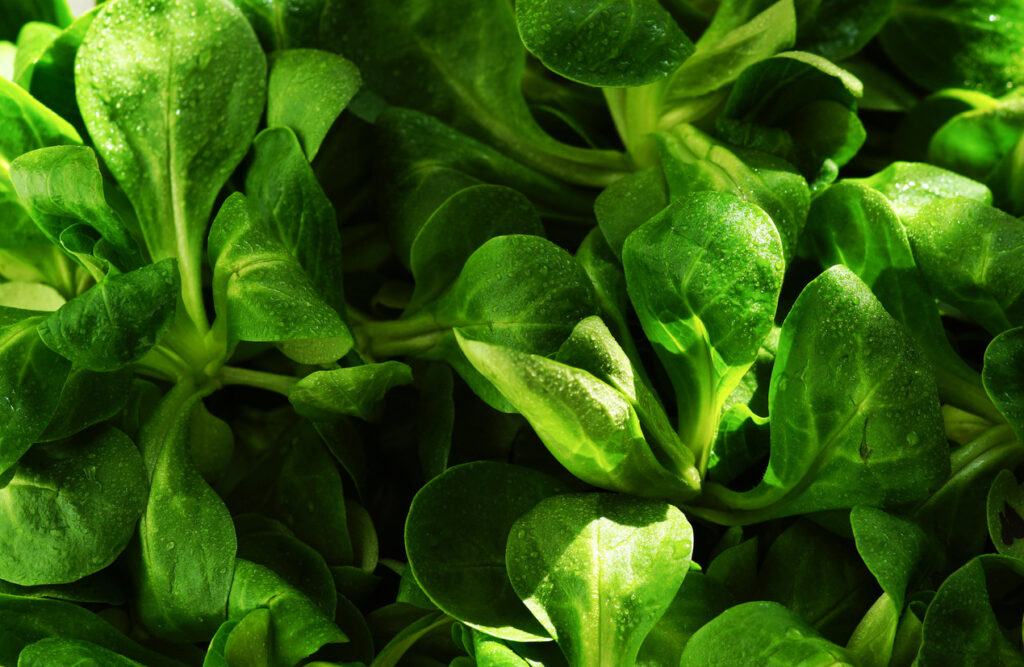
Corn salad (lamb’s lettuce) is a hardy winter green that’s ridiculously expensive in posh shops, but incredibly easy to grow from seed. It forms neat rosettes of mild, nutty-flavoured leaves that are perfect for winter salads.
The plants are completely frost-hardy and actually prefer cold weather, providing fresh salad leaves when lettuce would be impossible to grow. You’ll have gourmet salad ingredients growing in your garden while paying premium prices for imported alternatives.