A lot of people are scared of sharks or lightning strikes, yet they’ll just casually brush past plants that could kill them in minutes.
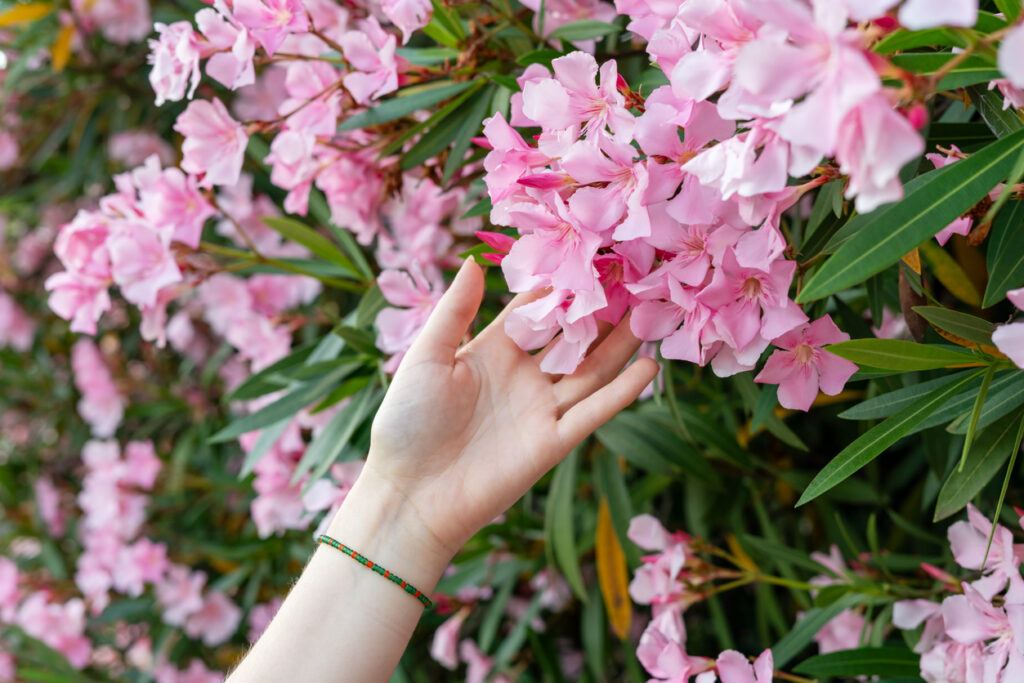
Your garden centre, local park, and countryside walks are packed with innocent-looking vegetation that contains toxins powerful enough to drop you faster than you can call for help. And while it’s unlikely you’ll ever find yourself in that position, the sheer fact that these plants exist is shocking and a bit frightening!
1. Castor bean plants produce ricin, one of the deadliest poisons on earth.
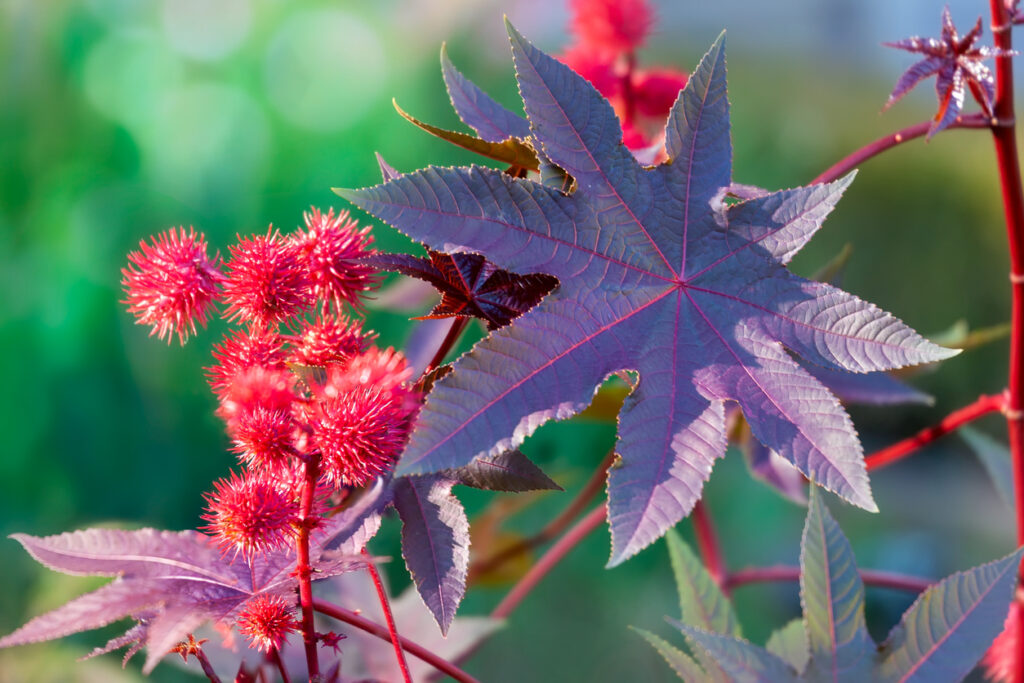
These attractive plants with their large, tropical-looking leaves are grown as ornamentals in gardens across the UK, but their seeds contain ricin—the same poison used in spy assassinations. Just a few seeds can kill an adult, and there’s no antidote once you’ve been poisoned.
The seeds look like large, mottled beans that children might find interesting to play with or put in their mouths. Even tiny amounts of ricin cause organ failure within hours, and death usually follows within days of exposure to this incredibly potent toxin.
2. Water hemlock kills within hours and there’s nothing doctors can do.
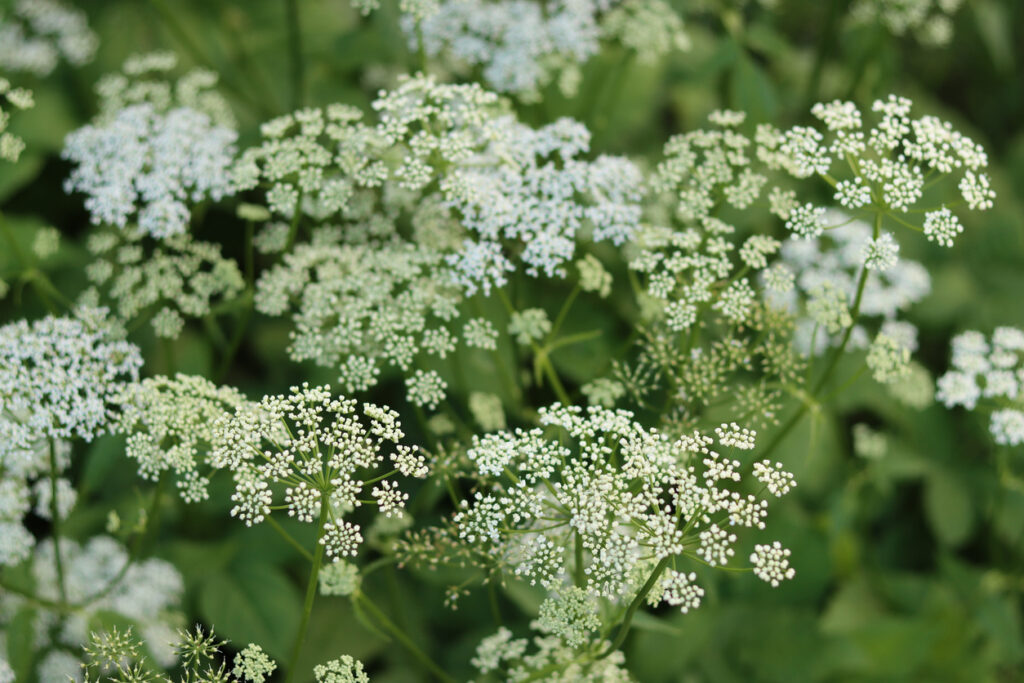
Often called the most violently poisonous plant in North America, water hemlock grows in wet areas and looks harmlessly similar to many edible plants. People have died within hours of mistaking it for wild parsnip or other edible roots, experiencing violent seizures and respiratory failure.
The toxins attack your nervous system so aggressively that even small amounts cause uncontrollable convulsions. There’s no specific treatment, either. Once you’ve eaten it, doctors can only provide supportive care while the poison runs its course, which often ends in death.
3. Oleander is so toxic that even honey made from its flowers can kill you.
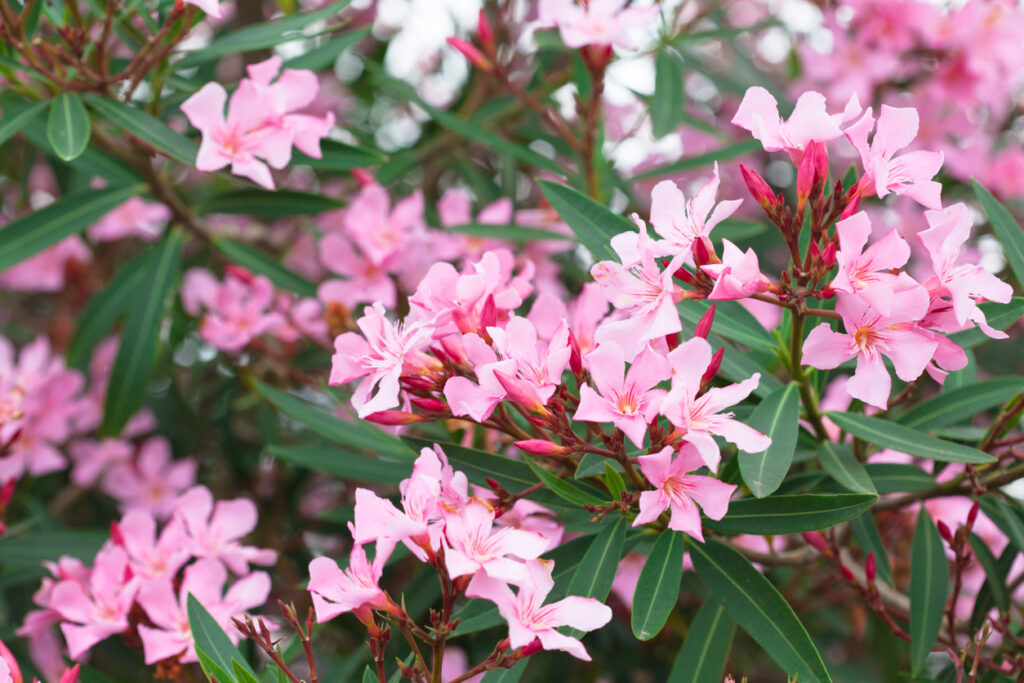
This beautiful flowering shrub is popular in Mediterranean gardens and contains cardiac glycosides that disrupt heart rhythm. Every part of the plant is deadly, and even burning the wood releases toxic smoke that can poison anyone nearby.
People have died from eating meat cooked on oleander wood skewers, and there are historical accounts of soldiers dying after using oleander branches as cooking spits. The toxins are so stable that they remain dangerous even in dried plant material or smoke.
4. Death cap mushrooms taste delicious but destroy your liver.
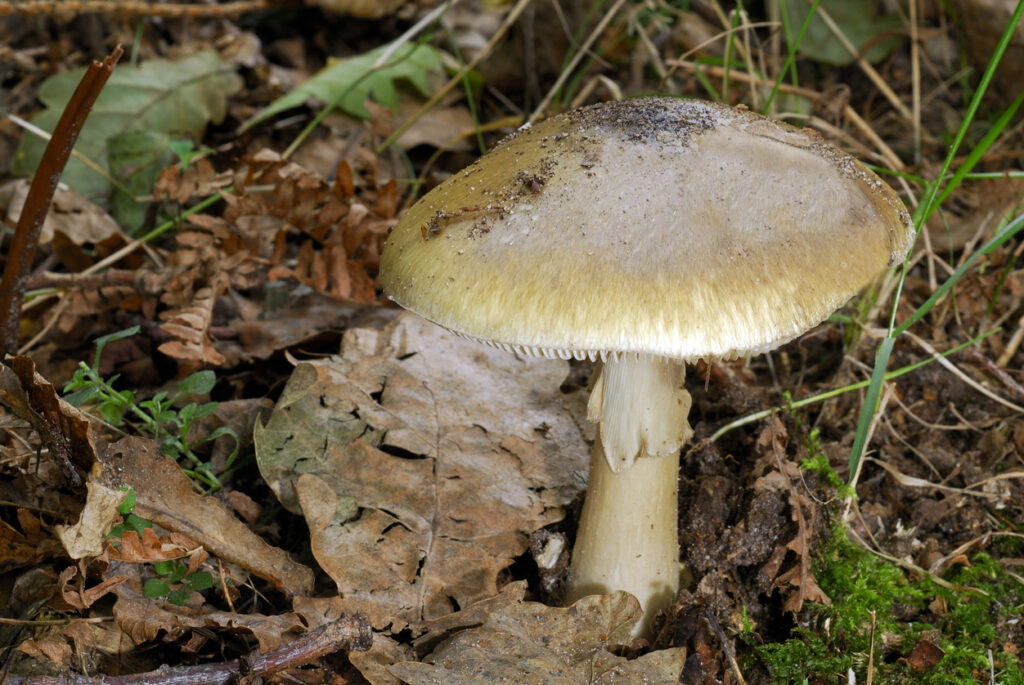
These innocent-looking mushrooms are responsible for most mushroom poisoning deaths worldwide, and they often grow in ordinary parks and woodlands. The cruel twist is that they taste quite pleasant, giving no warning that you’re eating something lethal.
The initial symptoms feel like mild food poisoning, but by the time you realise something’s seriously wrong, the toxins have already begun destroying your liver and kidneys. Many victims feel better for a day or two before organ failure sets in, making early treatment crucial but often missed.
5. Foxglove can stop your heart with just a few leaves.

This common garden plant produces digitalis, a powerful heart medication that becomes deadly in uncontrolled doses. Even touching the plant and then touching your mouth can cause serious poisoning, and eating just a few leaves can be fatal.
The plant’s tall spikes of purple flowers make it a favourite in cottage gardens, but every part contains cardiac glycosides that can cause irregular heartbeat, nausea, and death. Children are particularly at risk because they’re attracted to the colourful tubular flowers.
6. Manchineel trees are so poisonous that rain dripping from them burns skin.
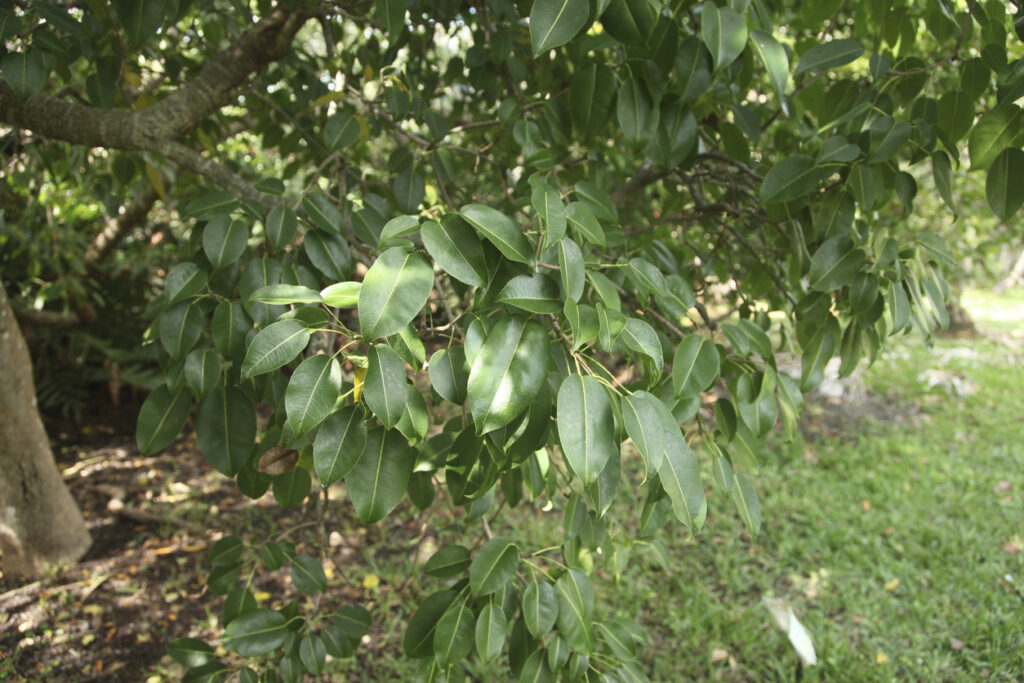
Known as the “tree of death,” manchineel trees produce a milky sap so caustic that standing under one during rain can cause severe burns and blindness. The fruit looks like small apples, but causes immediate mouth blistering and can kill within hours.
Even smoke from burning manchineel wood is toxic enough to cause respiratory damage and temporary blindness. These trees are found in tropical areas where tourists might encounter them, making them particularly dangerous for unsuspecting visitors.
7. Yew trees can kill you faster than you can finish chewing.
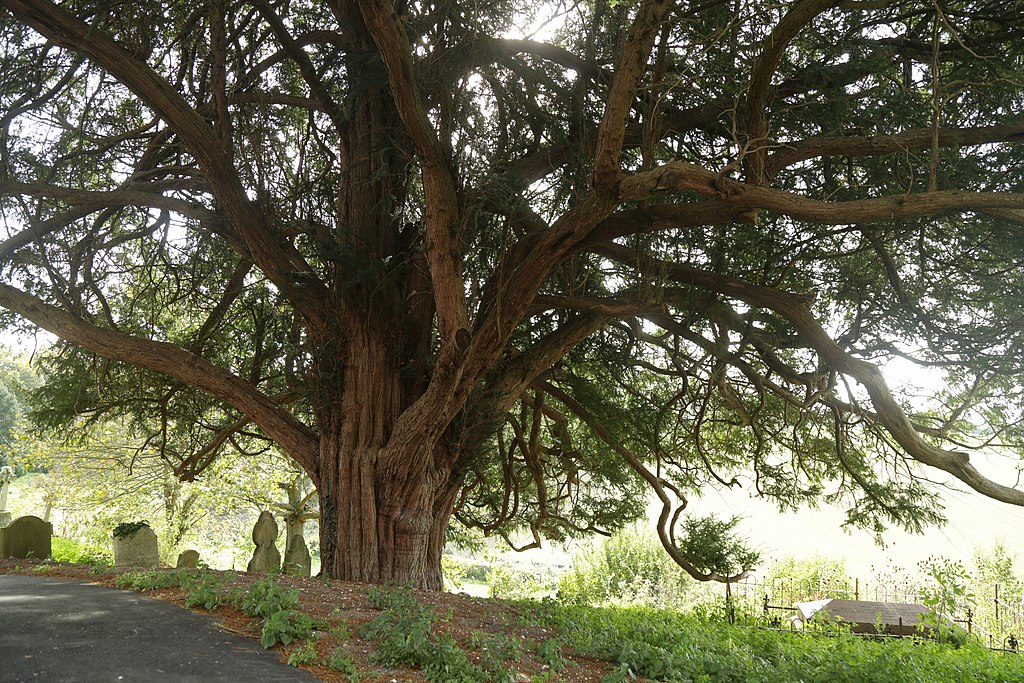
Ancient yew trees in British churchyards contain taxine alkaloids that can cause cardiac arrest within minutes of eating the berries or leaves. The red berries look tempting to children, and even small amounts can be immediately fatal.
The toxins act so quickly that people have collapsed and died before they could even swallow what they were chewing. Nearly every part of the tree is poisonous except the red flesh around the seeds, but the seeds themselves are extremely toxic.
8. Monkshood was used to poison arrows and wine in ancient times.
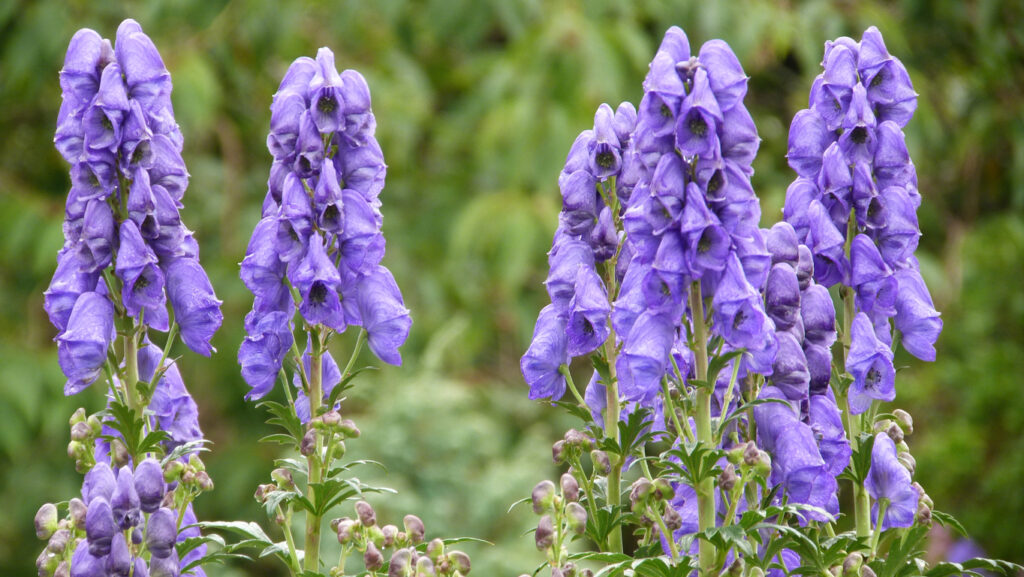
Also called wolfsbane, this attractive blue flowering plant contains aconitine, one of the most potent plant toxins known. Just touching the plant with broken skin can cause poisoning, and eating any part usually results in death within hours.
The poison causes immediate numbness and tingling, followed by nausea, irregular heartbeat, and paralysis. Ancient warriors used it to poison arrows and spears, and it was a favourite poison for assassinations because it acts so quickly and reliably.
9. Giant hogweed causes burns so severe they can last for years.
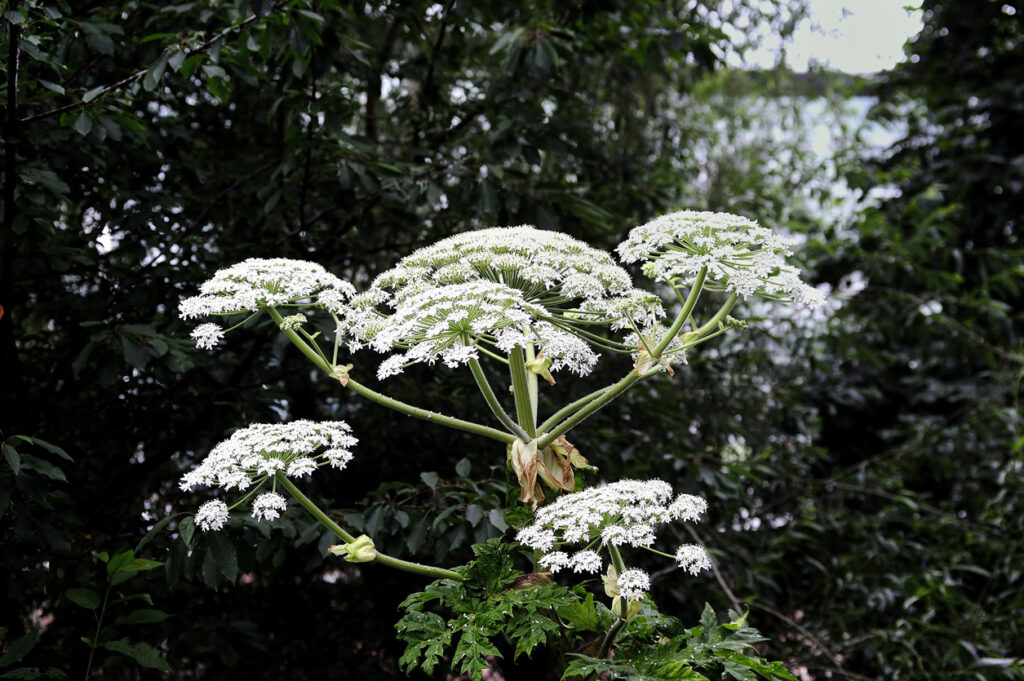
This massive plant can grow over 3 metres tall and produces sap that causes severe burns when exposed to sunlight. The burns often don’t appear until hours after contact, by which time the damage is already done and can result in permanent scarring.
Children are particularly vulnerable because they’re attracted to the plant’s impressive size and hollow stems that seem perfect for making telescopes or swords. The resulting burns can be so severe they require skin grafts and leave permanent dark scars.
10. Angel’s trumpets produce a delirium that can last for days.
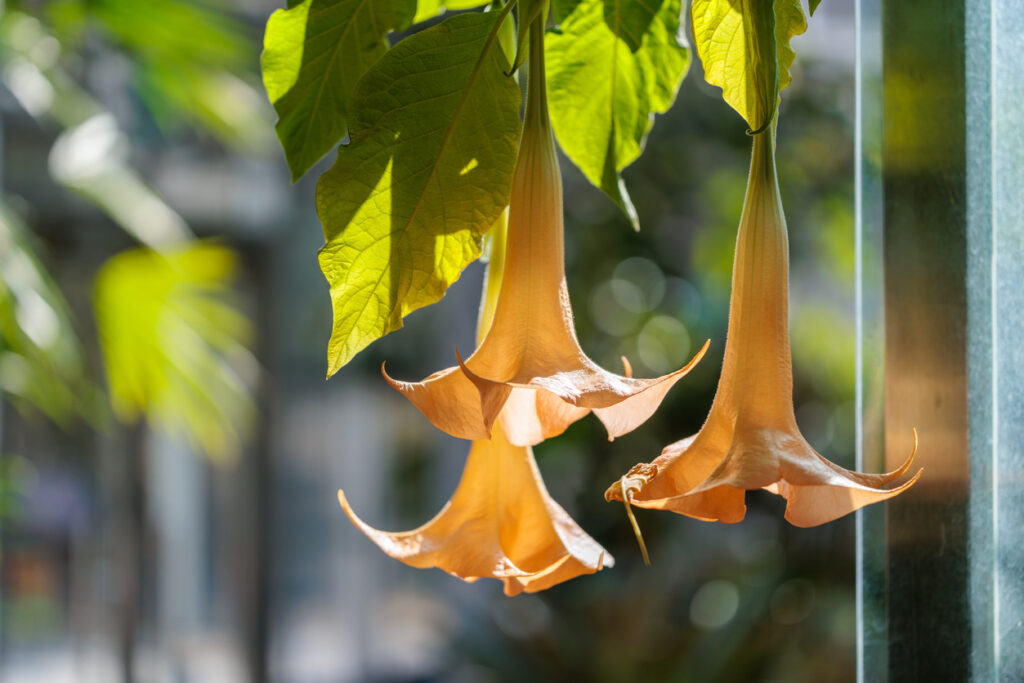
These large, trumpet-shaped flowers contain tropane alkaloids that cause terrifying hallucinations, complete loss of reality, and often death. The poisoning creates a delirium so intense that victims have been known to harm themselves or others while completely detached from reality.
The effects can last for days, and there’s no way to reverse the poisoning once it starts. Victims often have no memory of what happened during their delirium, making it particularly dangerous because they can’t learn from the experience or help doctors understand what they’ve taken.
11. Stinging nettle’s aggressive cousin can cause excruciating pain for a month.
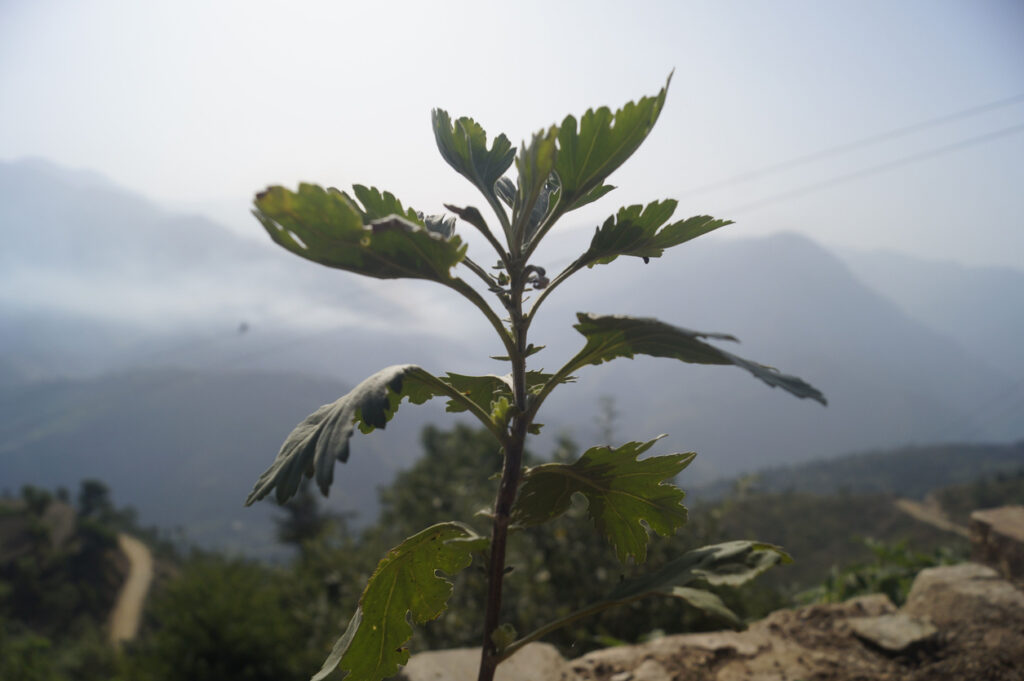
The gympie-gympie plant from Australia delivers stings so painful that people have killed themselves to escape the agony. The microscopic hairs inject neurotoxins that cause burning pain so intense it can last for months or even years.
Even museum specimens over 100 years old can still deliver painful stings, and the pain is described as being like hot acid and electrocution simultaneously. People who’ve been stung report that even light breezes or water touching the affected area can trigger renewed waves of excruciating pain.
12. Tobacco plants can poison you through your skin.
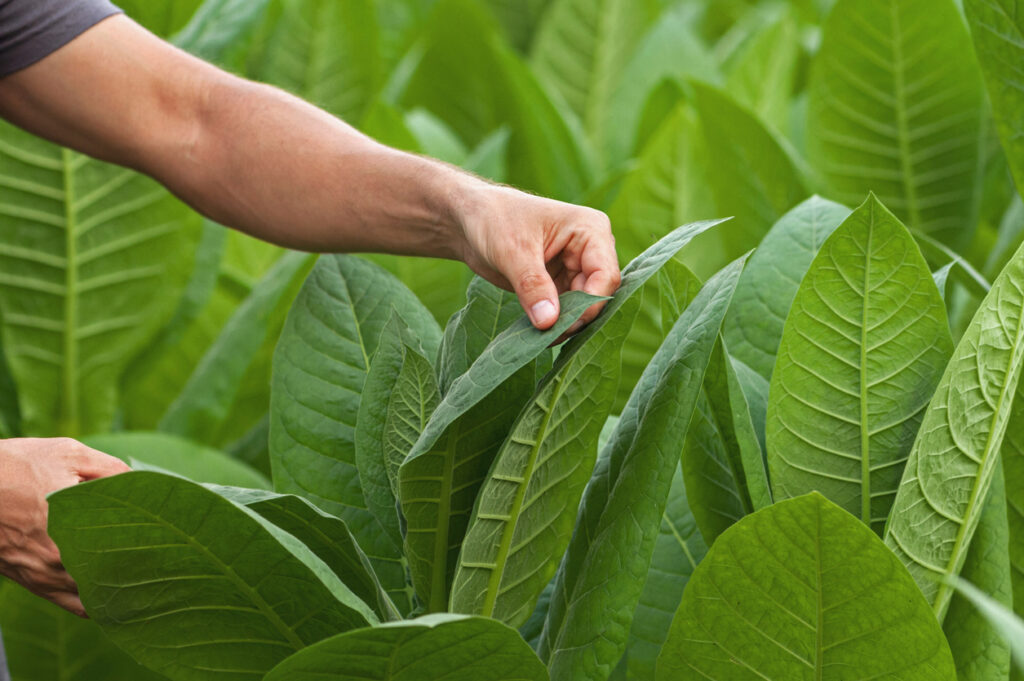
While most people know smoking tobacco is dangerous, fresh tobacco leaves contain nicotine concentrations high enough to cause poisoning through skin contact. Farm workers regularly suffer from “green tobacco sickness” just from handling the plants while wet.
The nicotine absorbs through skin and causes nausea, vomiting, headaches, and in severe cases, respiratory failure. Even experienced tobacco workers can be poisoned if they handle large quantities of wet leaves without proper protection.
13. Daffodil bulbs look exactly like onions but can kill you.
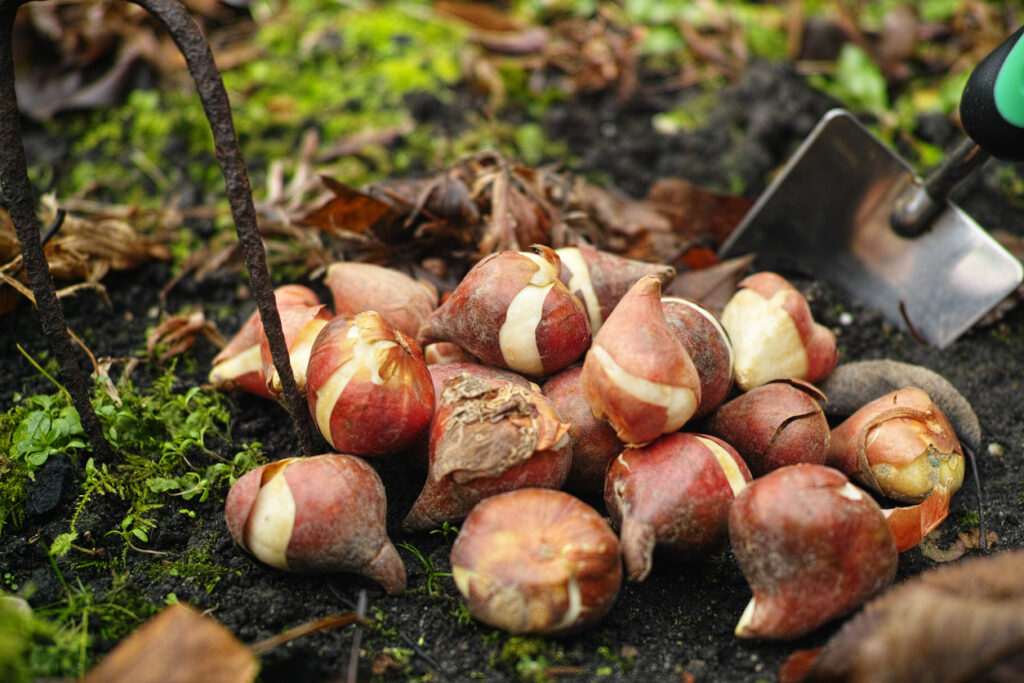
Every spring, people accidentally poison themselves by mistaking daffodil bulbs for onions and adding them to cooking. The bulbs contain lycorine and other alkaloids that cause severe digestive problems, heart irregularities, and can be fatal in large doses.
The bulbs are particularly dangerous because they’re often stored in sheds or garages, where they might be confused with stored onions. The resulting poisoning causes violent vomiting and diarrhoea, which can lead to dangerous dehydration and electrolyte imbalances.
14. Poison hemlock looks like harmless wild carrots but kills like Socrates.
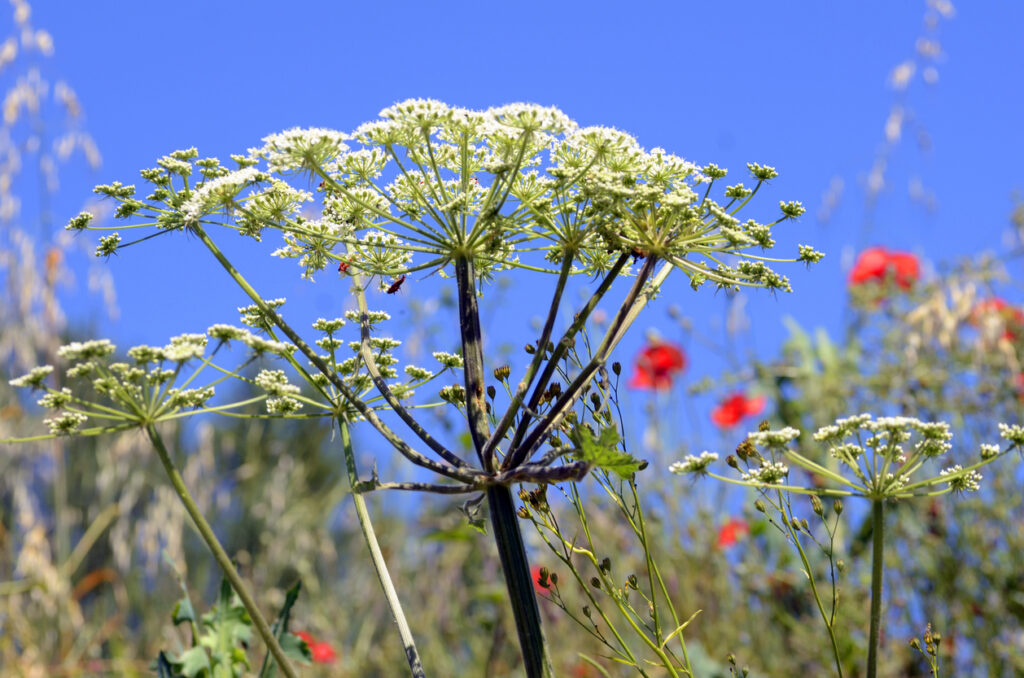
This common roadside plant was used to execute Socrates and continues to kill people who mistake it for edible wild plants. It looks remarkably similar to wild carrots, parsley, and other harmless plants, making identification extremely dangerous for amateur foragers.
The poison causes ascending paralysis, starting with the legs and moving upward until it reaches the respiratory muscles and causes death by suffocation. Victims remain conscious throughout the process, experiencing the terrifying progression of paralysis while being unable to do anything to stop it.