The sight of vibrantly coloured falling leaves is the epitome of autumn, but why does it happen?

You’ve probably wondered why trees bother with the whole spectacular colour show before dumping their leaves, when they could just skip the drama and go straight to being bare. Turns out, there’s actually some pretty clever chemistry and survival strategy happening behind those Instagram-worthy autumn displays.
Green chlorophyll is expensive for trees to maintain.
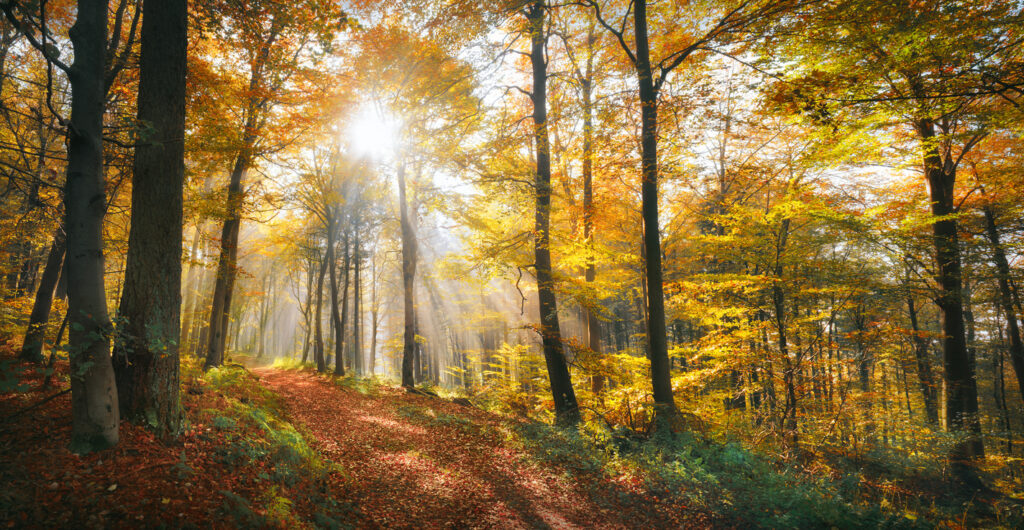
Chlorophyll is basically the tree’s food-making machine, but it requires a lot of energy and nutrients to keep running. When winter approaches and there’s less sunlight to work with, trees decide it’s not worth the cost to keep their green factories operational.
It’s like shutting down an expensive factory when demand drops. Trees start breaking down their chlorophyll to salvage valuable nutrients like nitrogen and phosphorus that they can store in their roots and reuse next spring.
Other colours were hiding there all along.

Those brilliant yellows, oranges, and some reds were already in the leaves the whole time, just masked by all the dominant green chlorophyll. When the green disappears, it’s like taking off a green filter and revealing the colours that were underneath.
Yellow comes from carotenoids (the same stuff that makes carrots orange), while some oranges come from similar pigments. These colours were working alongside chlorophyll all summer, helping with photosynthesis, but you couldn’t see them through all that green.
Red and purple are the tree’s sunscreen.
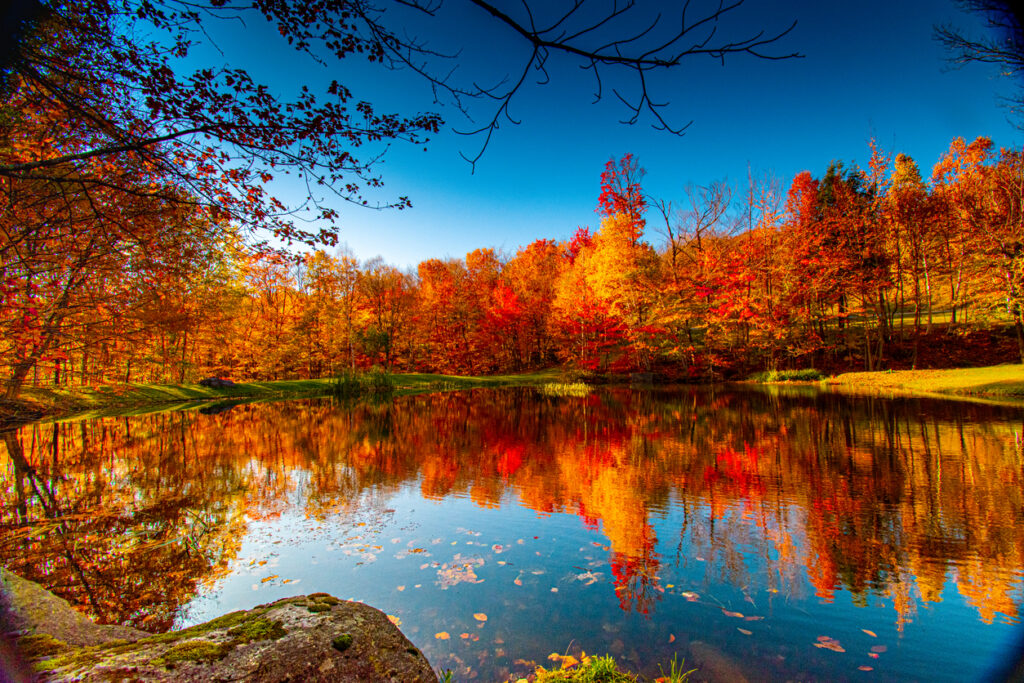
Unlike yellows and oranges, red and purple colours are actually made fresh each autumn when trees produce anthocyanins. These act like natural sunscreen, protecting the leaves from sun damage while the tree is busy moving nutrients around.
Bright sunny days combined with cool nights create the perfect conditions for making these red pigments. That’s why some years have more spectacular reds than others – it all depends on the weather being just right.
Trees are basically doing controlled demolition.
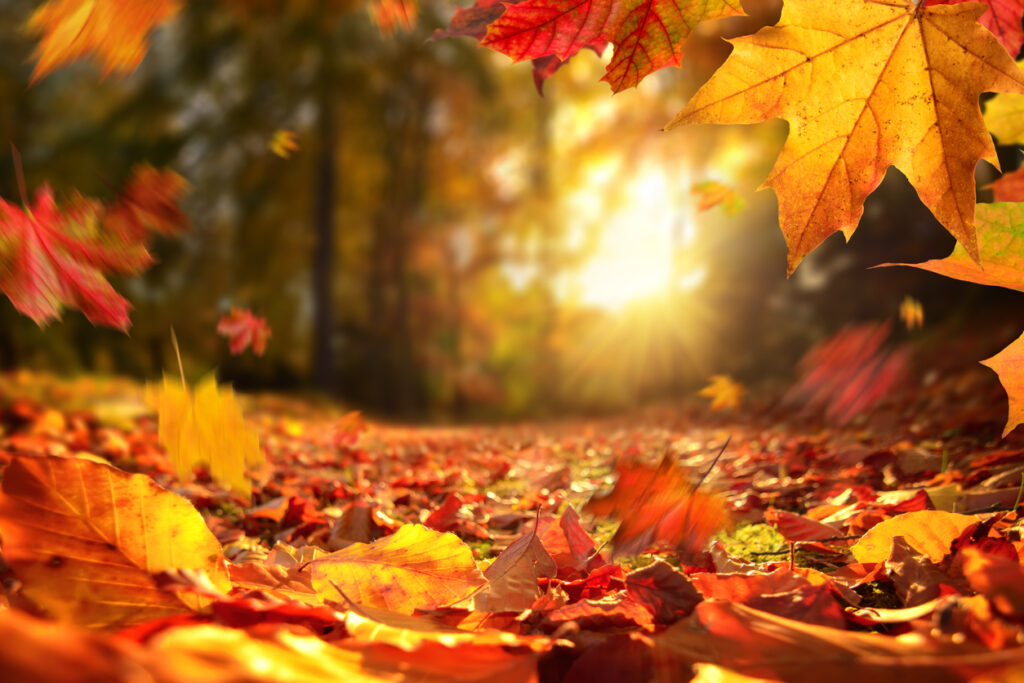
Instead of just letting leaves die randomly and lose all their good stuff, trees actively break down the valuable parts in an orderly way. They’re salvaging everything useful before abandoning the leaves, like stripping a house before demolishing it.
The tree creates a special layer of cells at the base of each leaf stem that eventually cuts off the leaf’s connection to the tree. But first, they extract as much nitrogen, phosphorus, and other nutrients as possible to store for next year.
Some trees skip the colour show entirely.
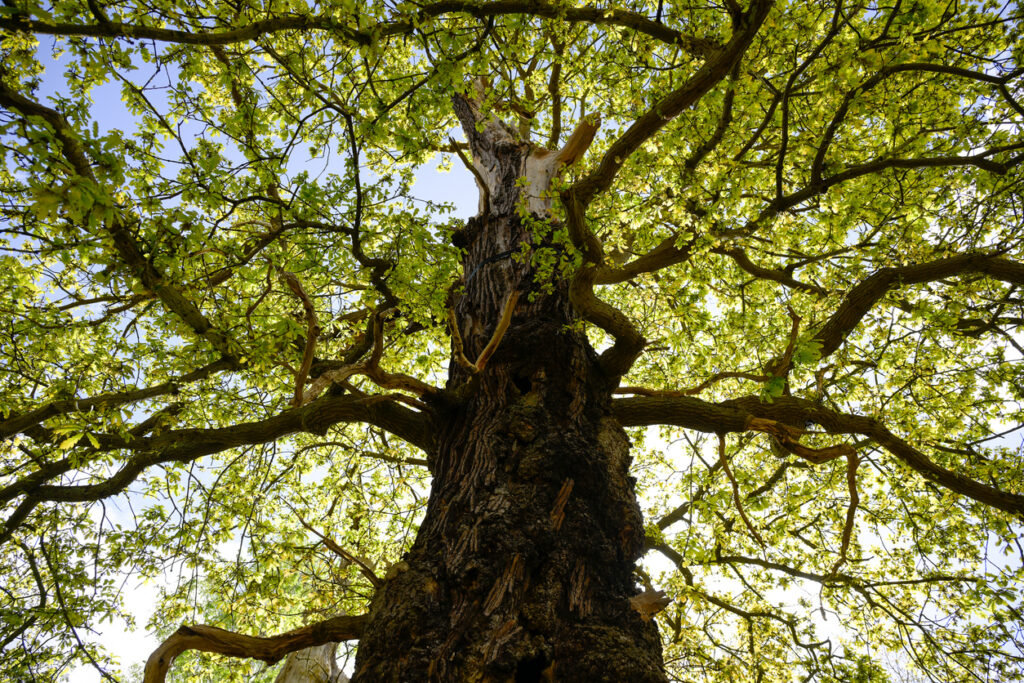
Not all trees bother with the autumn fashion display. In fact, some just go straight from green to brown to falling off. These trees, like many oaks, have different strategies and don’t invest energy in making new pigments or revealing hidden ones.
Brown leaves happen when trees don’t bother removing their chlorophyll efficiently, so it just degrades into brown compounds. These trees are taking the lazy route, which is fair enough.
Weather makes or breaks the colour show.

Perfect autumn colours need specific weather conditions: warm, sunny days to keep making sugars, and cool (but not freezing) nights to trap those sugars in the leaves. Too much rain, early frost, or weird temperatures can totally mess up the display.
That’s why some years are amazing for leaf-peeping, while others are disappointing. The trees are doing their best, but they need Mother Nature to cooperate with the right weather patterns to create those postcard-perfect scenes.
Different trees have signature colour strategies.
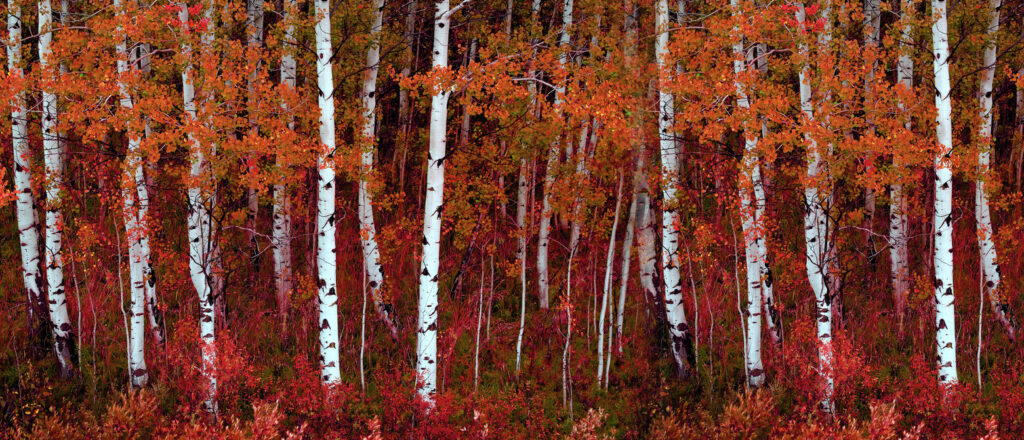
Maples are the drama queens with their bright reds, birches go for classic gold, and oaks often stick with browns and russets. Each species has evolved different approaches to autumn shades based on their particular survival strategies.
Some trees prioritize making protective red pigments, others focus on efficiently recycling nutrients, and some just want to get through autumn as cheaply as possible. It’s like each tree species has its own personality when it comes to autumn.
The colour change is triggered by day length, not temperature.

Trees aren’t really responding to getting cold. They’re actually measuring how long the days are getting. As daylight hours shrink, trees get the signal that winter is coming and start their seasonal shutdown process.
This is why autumn hues happen around the same time each year, regardless of whether it’s been a warm or cool autumn. The trees are using their internal biological clocks to time their colour show, not waiting for the first frost.
City trees often have disappointing autumn colours.
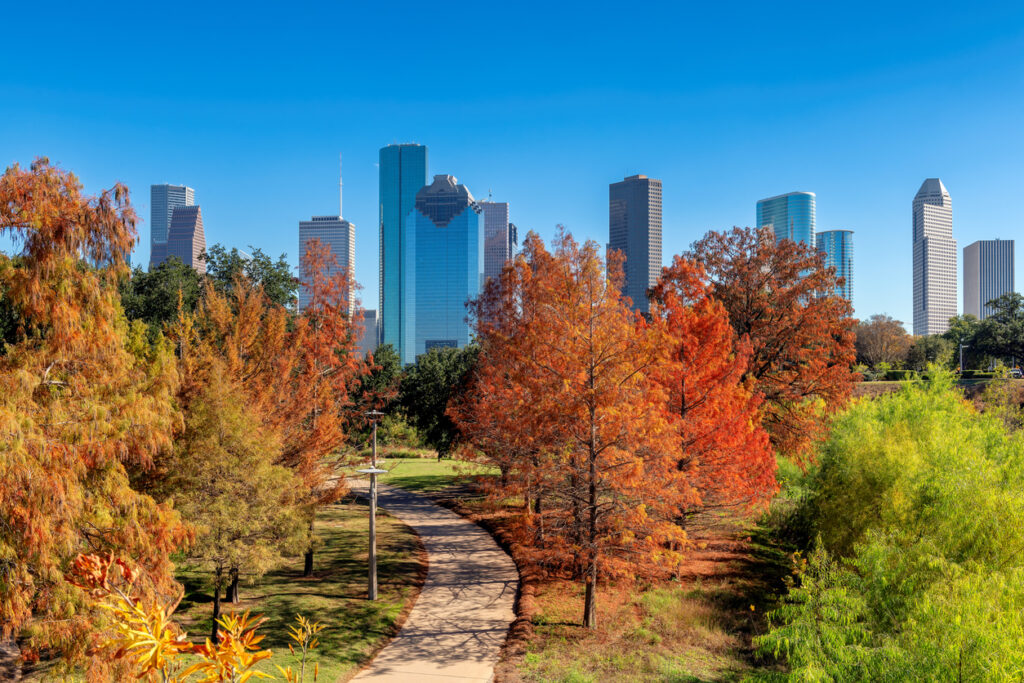
Urban trees deal with pollution, limited root space, salt from roads, and artificial lighting that can mess with their natural rhythms. All this stress can make their autumn hues less vibrant or cause them to change colours at weird times.
Street lights can particularly confuse trees because they extend the “day” with artificial light, making the tree think it’s not time to shut down yet. So city trees often have more muted shades or change later than their forest cousins.
Climate change is messing with autumn shades.
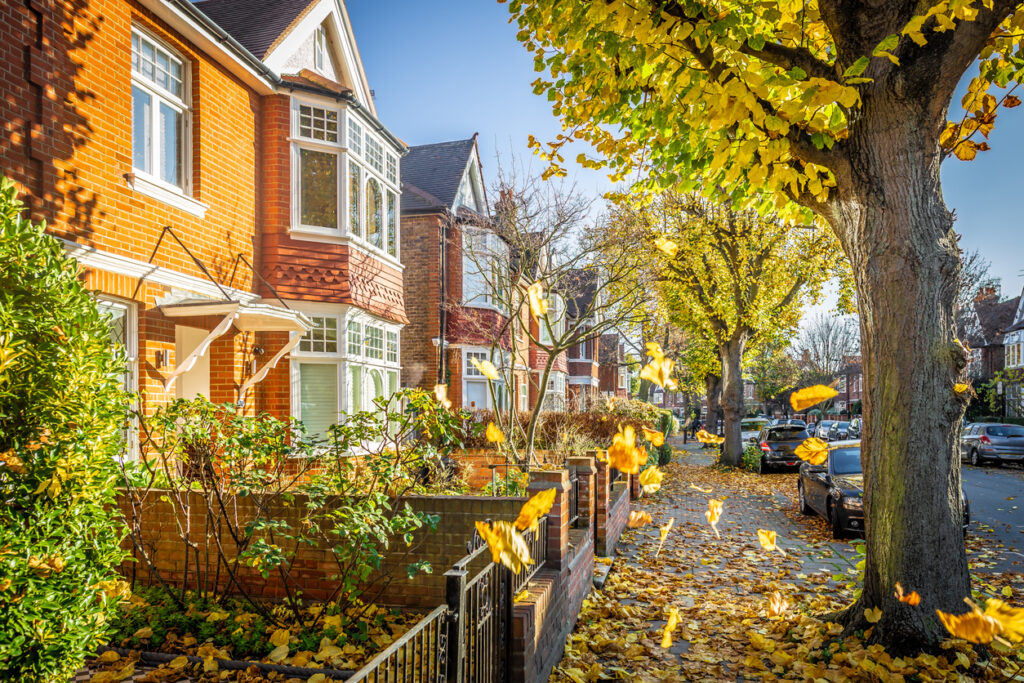
Warmer temperatures and changing precipitation patterns are shifting when and how intensely trees change colours. Some places are seeing this happening later in the year, while others are getting less vibrant displays.
Longer growing seasons and unpredictable weather can throw off the precise timing that creates the best autumn hues. Trees that evolved their colour-changing strategies over thousands of years are now having to adapt to rapidly changing climate conditions.