British allotments are brilliant in theory, but the reality of only getting there weekends while trying to grow actual food can be soul-crushing.

Most vegetables demand daily attention that weekend warriors simply can’t provide, leading to shrivelled disappointment and the depressing sight of your neighbour’s perfect runner beans mocking your withered efforts. If you’re short on time but still want to grow tasty things, here are some plants to try.
1. Jerusalem artichokes are basically garden thugs that thrive on neglect.
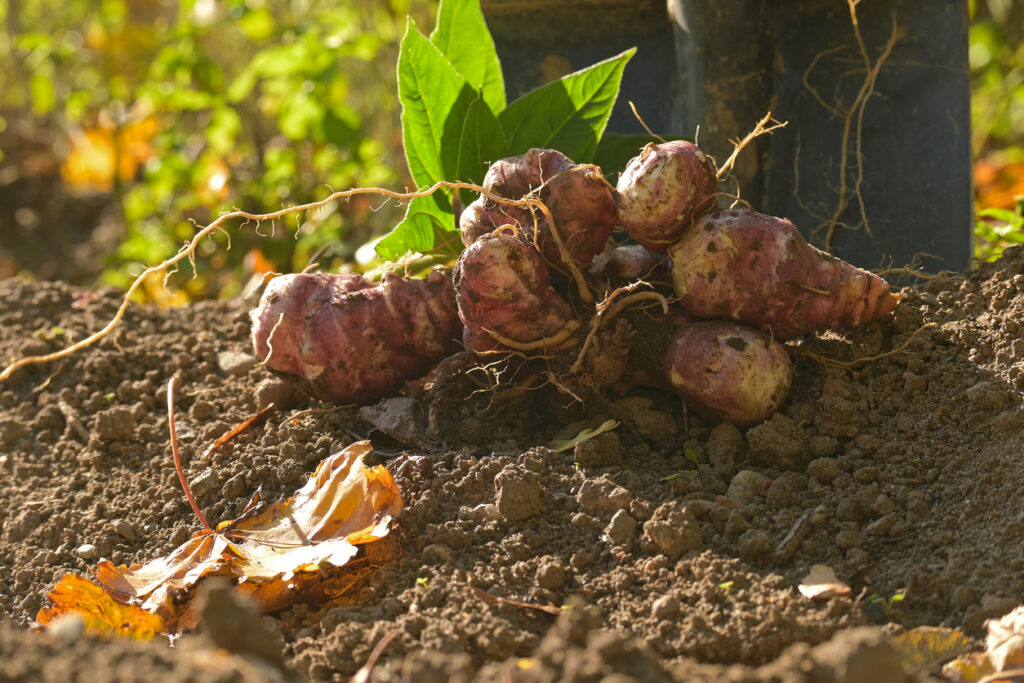
These bizarre tubers grow like weeds regardless of weather, soil quality, or how often you forget they exist. Plant them once, and they’ll spread aggressively, producing edible tubers and towering stems that make your plot look productive even when you’ve done nothing.
The downside is they’re almost impossible to get rid of once established, but that’s actually perfect for weekend gardeners. They’ll feed you reliably while requiring zero maintenance beyond occasional harvesting, and they’ll even improve your soil structure as they spread.
2. Broad beans laugh at British weather and forgetful gardeners.
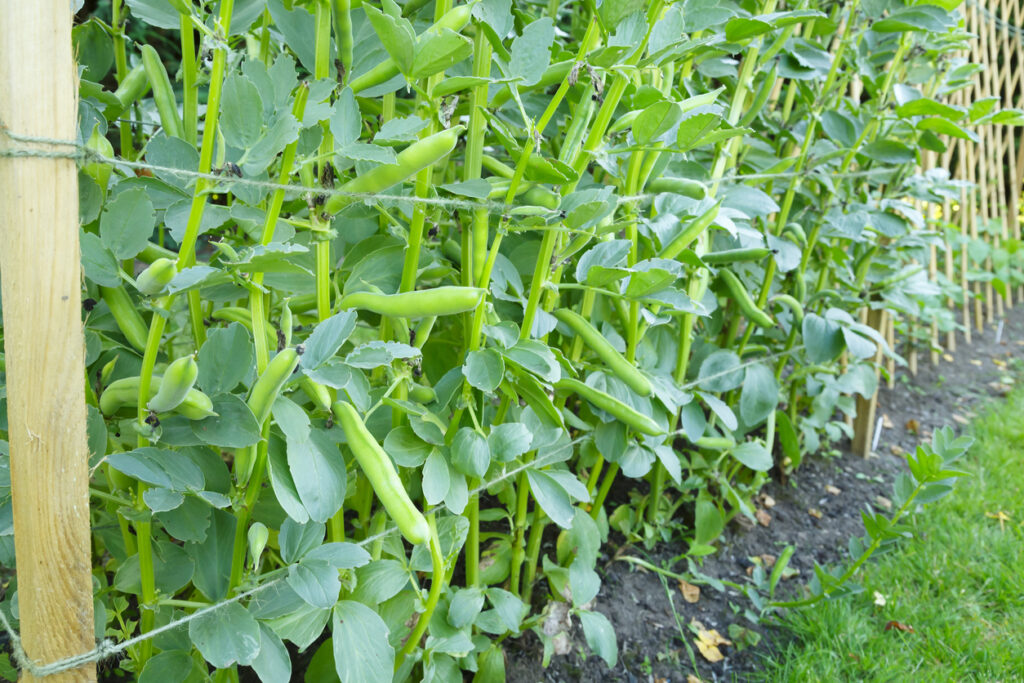
These hardy plants can handle frost, drought, and weeks of abandonment while still producing decent crops. They’re basically the golden retrievers of the vegetable world, endlessly forgiving and happy to see you whenever you show up.
Plant them in autumn or early spring, then largely ignore them until harvest time. They’ll fix nitrogen in your soil as a bonus, improving conditions for whatever you plant next year. Even if you forget to water them for weeks, they’ll still produce pods full of sweet beans.
3. Welsh onions keep producing forever with zero effort.
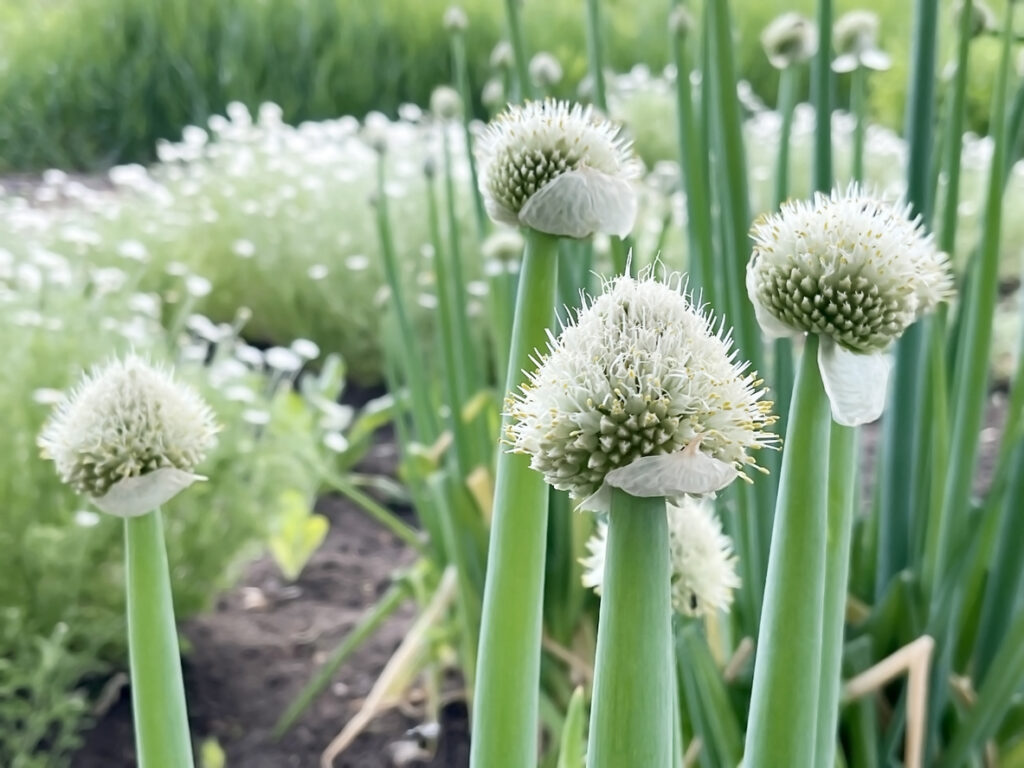
Unlike regular onions that need careful timing and consistent care, Welsh onions are perennial plants that just keep growing new shoots regardless of how badly you treat them. Cut what you need, leave the rest, and they’ll bounce back stronger.
They’re perfect for adding fresh flavour to weekend cooking without the faff of succession planting or worrying about storage. Plant once, harvest forever, which is exactly what time-poor allotmenters need. They’ll even multiply naturally, giving you more plants each year without any effort.
4. Courgettes turn into monsters whether you water them or not.
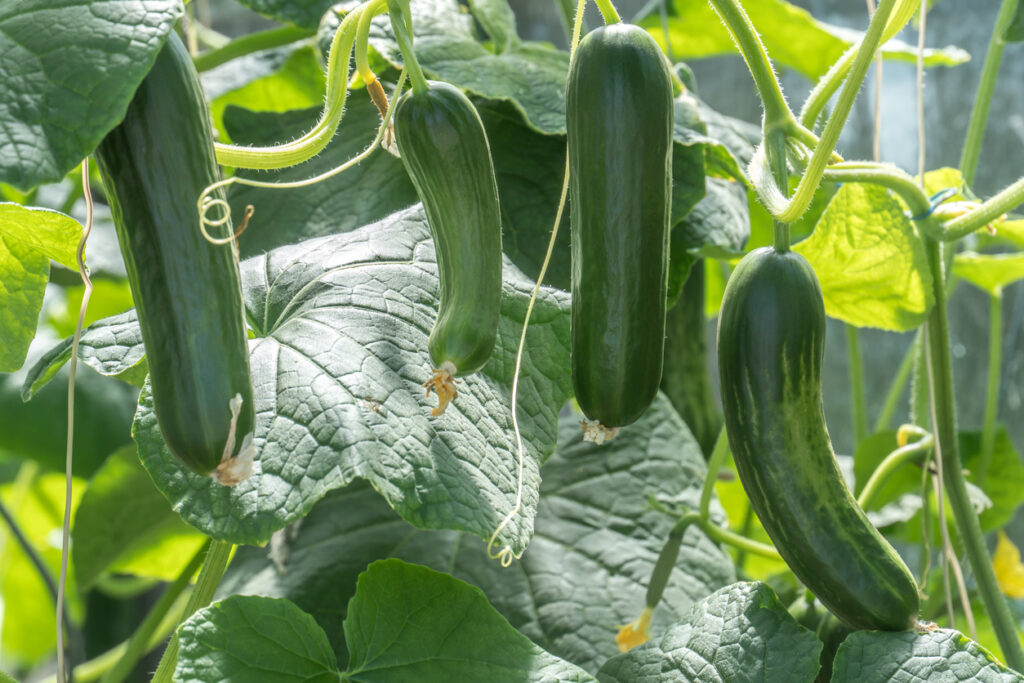
These prolific plants are famous for overwhelming gardeners with their productivity, which means even sporadic weekend care usually results in more courgettes than you know what to do with. They’re like botanical rabbits that multiply faster than you can harvest them.
The main challenge is stopping them from taking over your entire plot rather than encouraging growth. A few plants will keep you in courgettes all summer with minimal intervention required. They’re so productive that your neighbours will start avoiding you when you approach with bags of surplus vegetables.
5. Rhubarb thrives on benign neglect for decades.
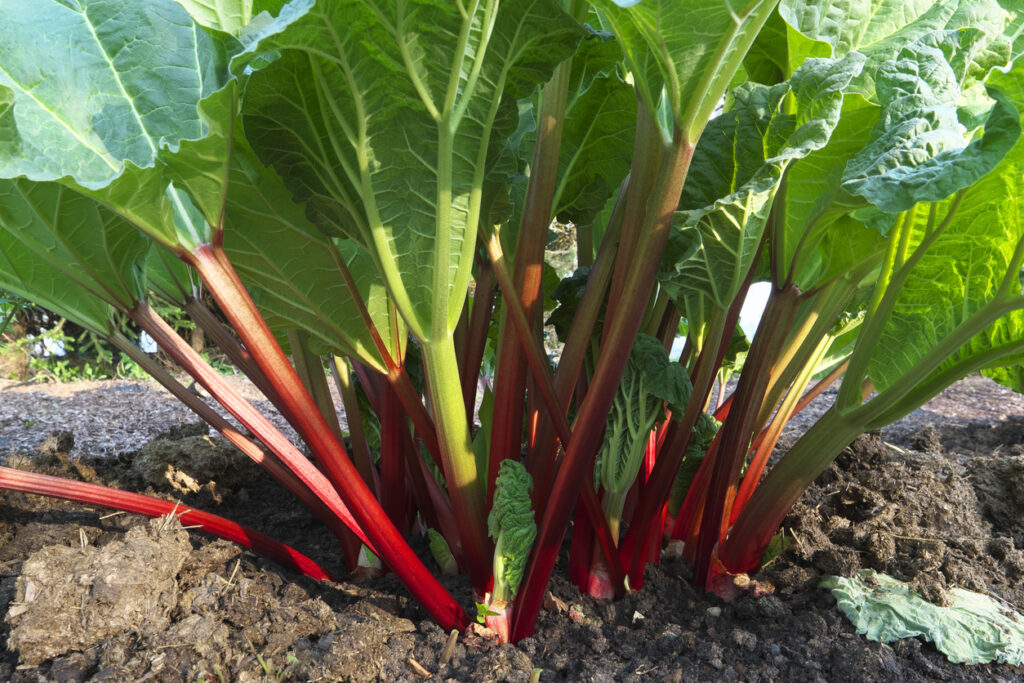
Once established, rhubarb crowns will produce reliable harvests for 20+ years without any special care. They actually prefer being left alone rather than fussed over, making them perfect for sporadic weekend attention and the ultimate low-maintenance investment.
Plant them in a corner and forget about them except for harvesting. They’ll survive droughts, floods, and complete abandonment while providing tart stalks for crumbles and jams throughout the growing season. The plants get more productive with age, rewarding your neglect with bigger harvests each year.
6. Kale keeps producing even when you forget it exists.
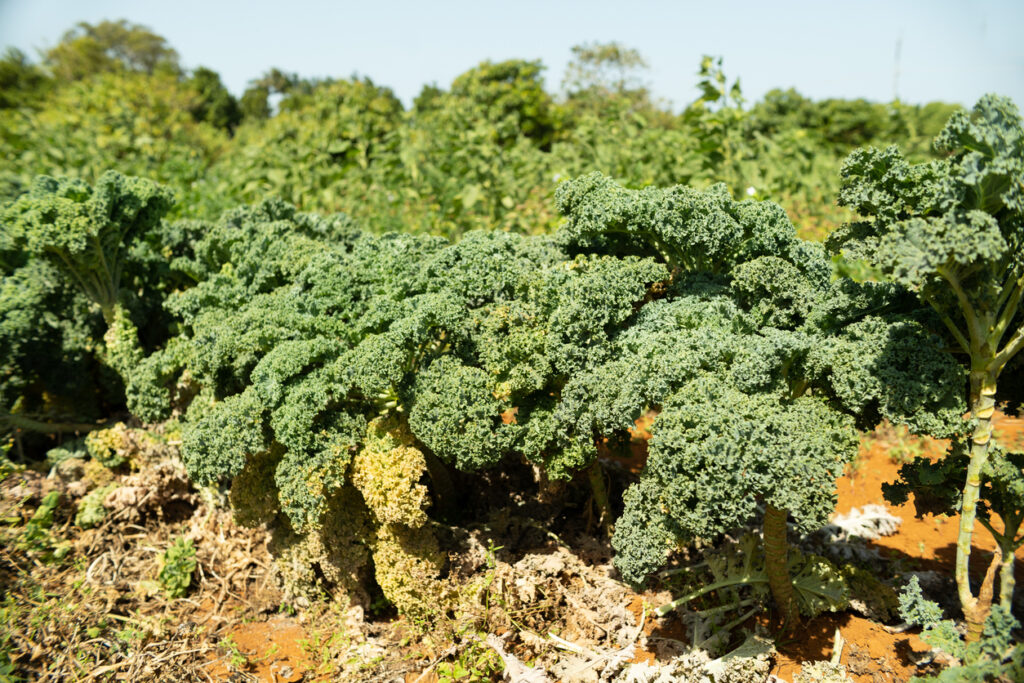
While other brassicas sulk if not constantly tended, kale soldiers on through neglect, producing edible leaves from small plants that can handle whatever British weather throws at them. It’s virtually indestructible and seems to actually enjoy being ignored.
Pick leaves as needed throughout winter and spring, and the plants keep producing new growth. You can harvest the same plants for months without replanting, which is perfect for weekend-only maintenance schedules. Even after harsh frosts that kill other vegetables, kale bounces back stronger.
7. Apple trees reward minimal effort with years of fruit.
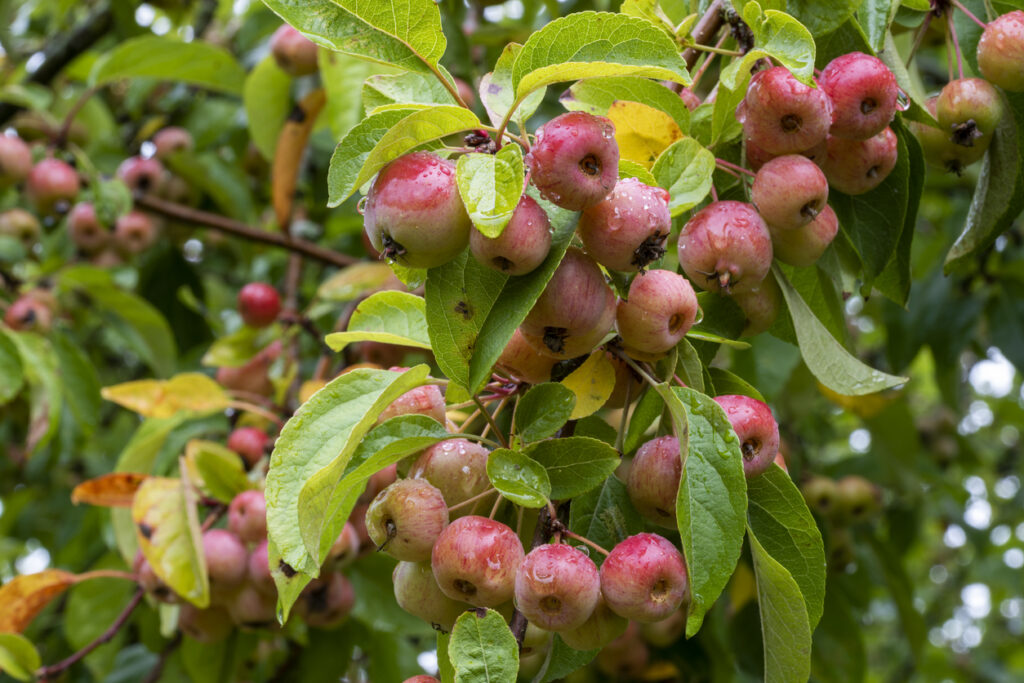
Modern dwarf apple varieties on appropriate rootstocks need little more than annual pruning and occasional watering during establishment. Once mature, they’ll crop reliably with weekend-warrior care levels and provide fresh fruit for decades.
Choose disease-resistant varieties suited to your local conditions, and you’ll get fresh apples for decades with minimal ongoing effort. The investment in planting pays dividends for years of low-maintenance harvests. Even neglected apple trees often produce decent crops, though annual pruning improves both quality and quantity.
8. Asparagus becomes a perennial money-saver after initial patience.
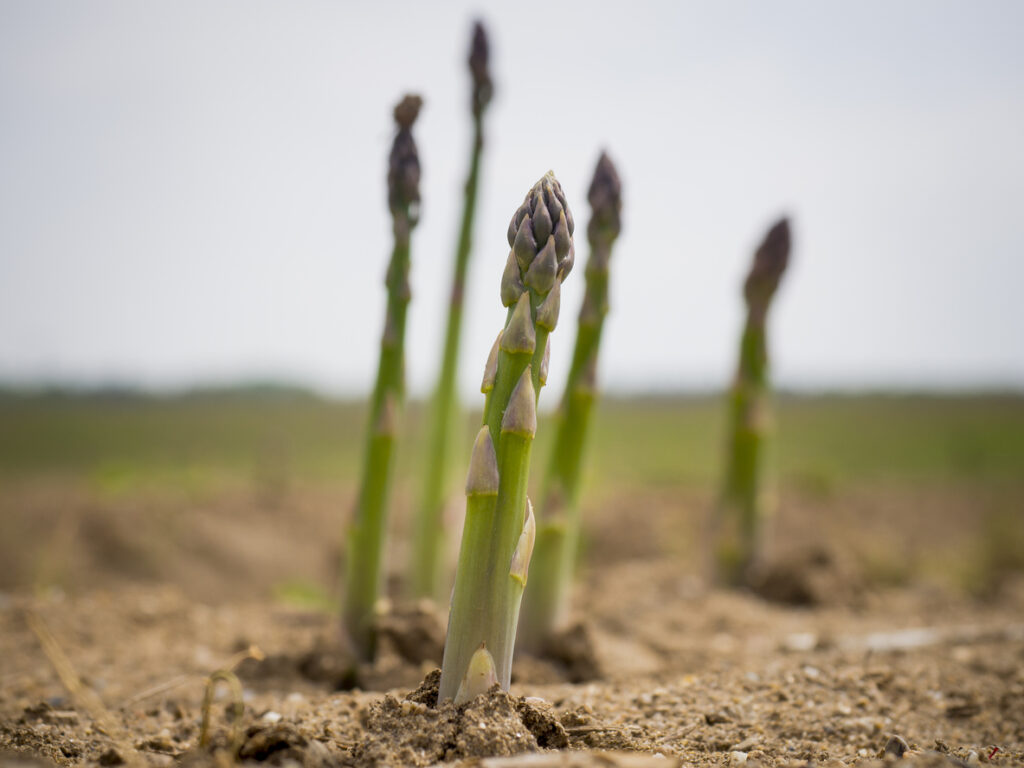
The first few years require restraint rather than intensive care. You plant crowns then largely leave them alone to establish. Once mature, asparagus beds produce expensive gourmet spears for 15+ years with minimal intervention beyond weekend harvesting.
Weekend harvesting during the brief season is all they need once established. It’s the ultimate delayed gratification crop that rewards patient, infrequent gardeners with premium vegetables worth £10+ per kilo in shops. The beds actually improve with age, producing more spears each year.
9. Blackcurrant bushes fruit reliably with annual pruning only.
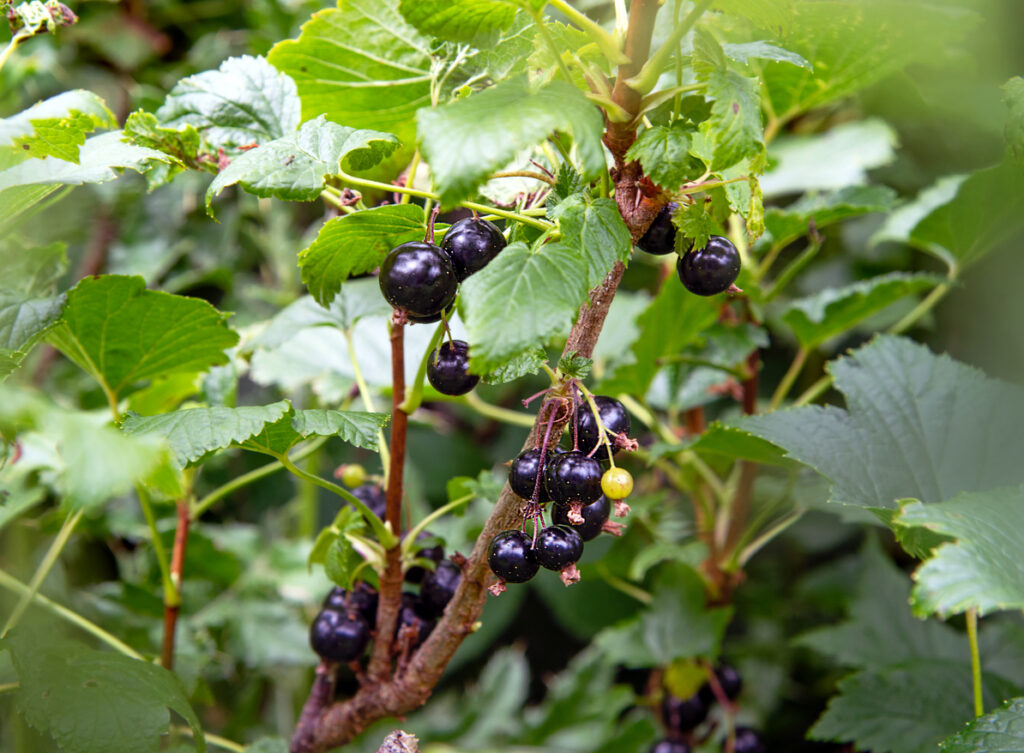
These productive bushes need little beyond yearly pruning and occasional feeding to produce pounds of vitamin-rich berries. They’re much more forgiving than soft fruits like strawberries that demand constant attention and protection from slugs.
Plant a few bushes, and you’ll have enough blackcurrants for jams, cordials, and fresh eating with just weekend maintenance. They’re productive for decades once established, making the initial effort worthwhile. The berries freeze beautifully, so even if you miss the harvest window, nothing goes to waste.
10. Perpetual spinach keeps giving leaves whatever the weather.
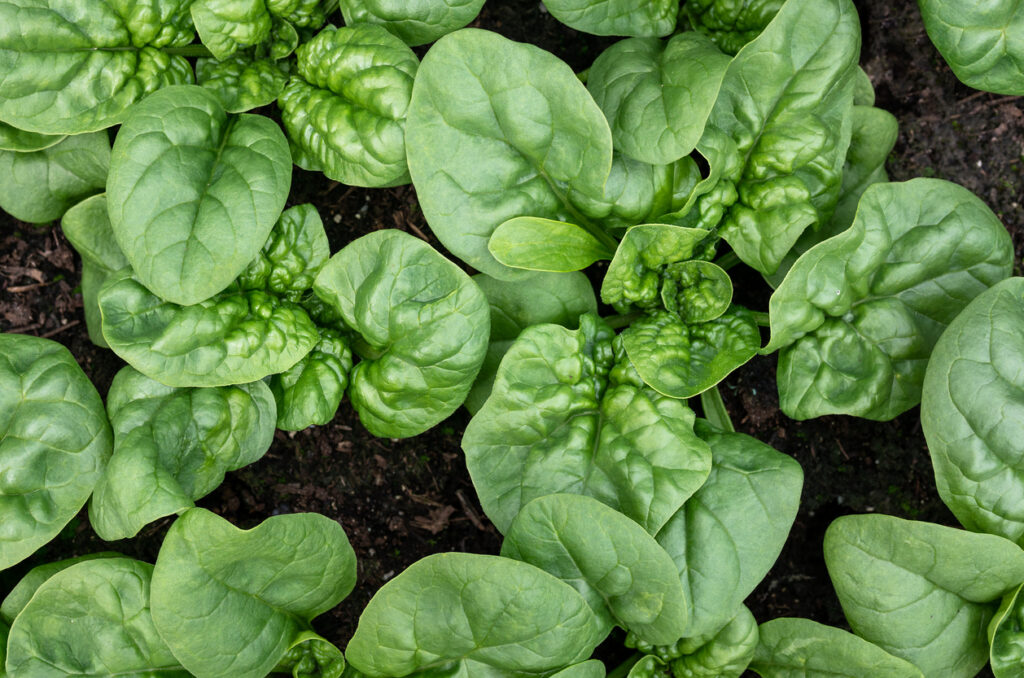
Unlike regular spinach that bolts at the first sign of stress, perpetual spinach (actually a type of chard) produces edible leaves continuously from spring through winter with minimal care required. It’s practically bombproof and handles neglect better than most weeds.
Cut leaves as needed and the plants keep producing new growth regardless of irregular watering or attention. It’s the perfect leafy green for gardeners who can’t provide daily care but still want fresh vegetables. The colourful stems add visual interest to your plot even when you’re not harvesting, making it both productive and ornamental.