Time loops aren’t just the stuff of films and sci-fi novels. Nature has its own way of repeating cycles, from tiny rhythms in our bodies to grand cosmic events. These natural loops keep ticking across the universe, usually without any of us noticing. They’re pretty cool once you realise they’re happening!
1. Planetary orbits create endless returns.
Every planet in our solar system moves in an orbit, circling the Sun in precise, predictable loops. Earth’s journey takes a year, repeating again and again, while other planets follow longer or shorter paths that never stop cycling.
These repeating orbits are the foundation of calendars, seasons, and much of human timekeeping. Without them, life would feel far less ordered. The loop of a planet’s journey around its star is one of nature’s clearest demonstrations of time repeating itself.
2. The Moon’s phases reset monthly.
The Moon cycles through new, crescent, half, and full every 29 and a half days. This steady pattern repeats endlessly, offering one of the most visible time loops in the night sky, shaping tides, rituals, and even calendars.
For thousands of years, people relied on these phases to track time. The reliability of the Moon’s rhythm reminds us that, on a cosmic scale, repetition is normal. What looks like change is just another turn of the same cycle.
3. Stars are born, die, and recycle material.
Stars follow a life cycle that plays out across millions or billions of years. They form from clouds of gas, shine for ages, collapse, and often explode, scattering material that eventually forms new stars. The process never truly ends.
This recycling loop keeps the universe evolving. The atoms in our own bodies were once forged in ancient stars, proving that even death in space feeds into new beginnings. The cosmic loop of starlight ensures matter never goes to waste.
4. Day and night repeat with perfect rhythm.
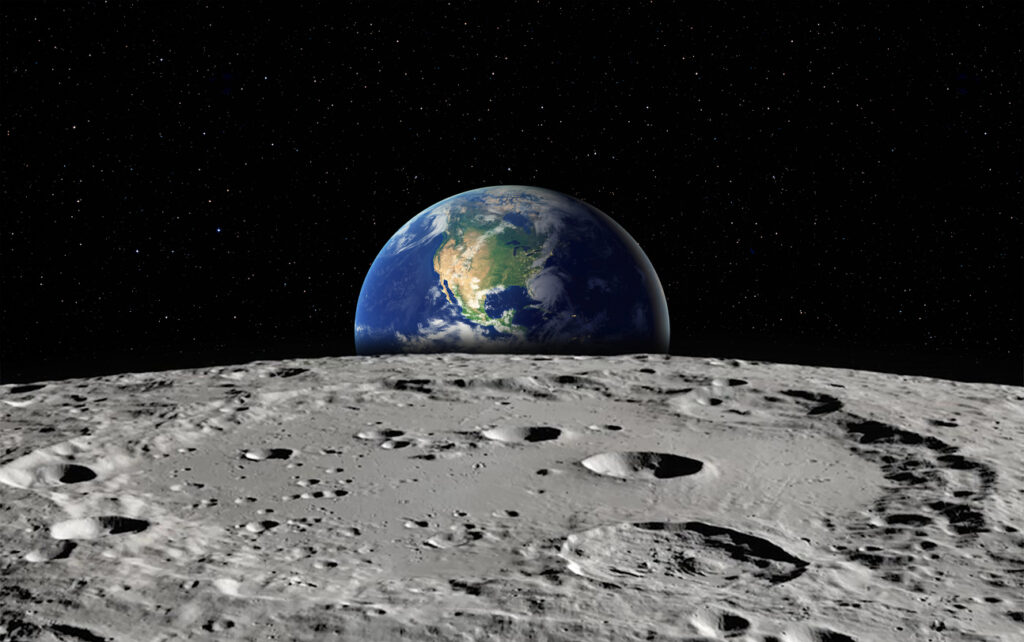
As Earth spins, half the planet moves into sunlight while the other half moves into darkness. This rotation creates the endless cycle of day and night, repeating every 24 hours without pause, shaping everything from sleep to farming.
It’s the simplest loop, yet one of the most important. The certainty of day following night structures human life and biological patterns. That natural rhythm proves how time loops keep us steady even when we rarely think about them.
5. Tides follow the Moon’s pull.
The gravitational pull of the Moon moves Earth’s oceans in repeating loops. High tides and low tides occur in predictable cycles, repeating every 12 hours and 25 minutes. The rhythm is so steady that it shapes entire ecosystems along coasts.
These tidal loops are essential for life. They feed habitats, control breeding cycles, and provide balance between land and sea. The Moon’s pull shows how even distant forces create natural loops that govern life on Earth.
6. Seasons return each year.
Earth’s tilt and orbit around the Sun create the four seasons, looping back annually. Spring, summer, autumn, and winter arrive in sequence, offering both change and familiarity. The cycle repeats endlessly, influencing how plants grow and animals survive.
This loop is central to human culture. Festivals, traditions, and farming schedules have all been shaped by the predictable return of the seasons. It proves that time’s passing is often just a return to where we began.
7. The water cycle never ends.
Evaporation, condensation, and rainfall form a cycle that has repeated for billions of years. Water rises as vapour, forms clouds, falls back to Earth, and begins again. Every drop we drink has likely been through countless loops already.
This natural recycling sustains life. It shows how time loops aren’t abstract—they happen in practical, life-giving ways. The water cycle is one of the clearest examples of repetition keeping the planet alive.
8. Human sleep cycles reset nightly.

Our bodies run on circadian rhythms that loop roughly every 24 hours. Sleep stages, from light dozing to deep rest and REM dreaming, repeat in cycles through the night, creating smaller loops inside the larger rhythm of daily life.
Recognising these loops helps us stay healthy. By aligning habits with natural cycles, we sleep more deeply and recover better. The human body proves that time loops aren’t just cosmic—they live within us too.
9. Migration cycles shape ecosystems.
Animals like birds, whales, and butterflies follow migration loops that repeat every year. These journeys, sometimes across continents or oceans, are crucial for survival. They happen in rhythm with seasons, ensuring food, breeding grounds, and shelter are always reached.
These loops remind us that survival often depends on returning to the same places. Migration is nature’s way of repeating patterns for stability, showing how deeply cycles are embedded in life itself.
10. The carbon cycle sustains life.
Carbon moves through air, plants, animals, and soil in endless repetition. Plants absorb it, animals eat the plants, respiration releases it back, and decomposition returns it to the atmosphere. The carbon loop has been in motion for billions of years.
This cycle makes life possible. By reusing carbon rather than losing it, Earth keeps balance across ecosystems. The repetition proves that renewal is nature’s way of surviving through time.
11. Galactic rotations reset over eons.
Our galaxy, the Milky Way, is in constant rotation. It takes roughly 230 million years to complete a single loop, carrying every star, planet, and system within it. Though vast, the cycle repeats endlessly on its cosmic scale.
This galactic loop reminds us that even the universe’s largest structures follow repeating patterns. Time isn’t a straight line into chaos, it’s a rhythm where even galaxies move in cycles older than imagination.
12. Extinction and renewal follow patterns.
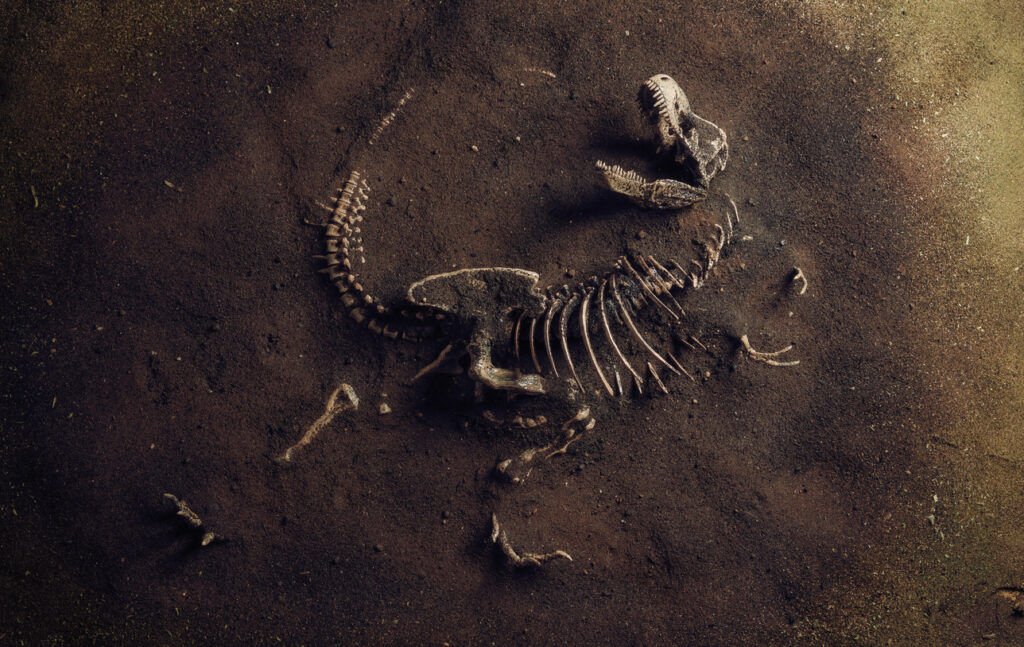
Across Earth’s history, life has faced mass extinctions followed by bursts of renewal. Though devastating, these events show a repeating loop of destruction and rebirth, where ecosystems collapse and eventually regenerate in new forms.
That pattern proves resilience is built into nature. Even when species disappear, life finds ways to begin again. The loop of loss and revival is one of the most powerful examples of time repeating itself across history.
13. Black holes may recycle energy.
Some scientists suggest that black holes, rather than simply swallowing matter, may play a role in cosmic recycling. Matter and energy drawn in can trigger new stars and galaxies to form, creating loops that stretch beyond our current understanding.
While the science is still unfolding, this theory shows that even the most mysterious corners of the universe might follow cycles. Black holes may not end time—they may simply begin it again in a different form.