Garden cameras promise peace of mind, but in the UK they can land you in hot water if you set them up carelessly. The rules aren’t about stopping security, they’re about privacy and proportionality. Here are the common ways garden cameras tip into legal trouble, and simple fixes that keep you on the right side of the law.
Filming beyond your boundary without safeguards
Point a camera at the pavement, a shared path, or your neighbour’s garden, and you move out of the household exemption and into UK data protection law. That triggers duties under UK GDPR and the Data Protection Act 2018, even for a private home. You will need a lawful reason to film, and you must minimise how much you capture outside your boundary.
Angle cameras inwards, use privacy zones, and reduce motion areas so you’re not routinely recording public space or next door’s patio. If you genuinely can’t avoid overspill, keep it limited, secured, and justifiable.
Recording audio that picks up private conversations
Many smart doorbells and garden cams record audio by default. Audio is far more intrusive than video because it can capture conversations over fences or on the street, which increases your data protection risk if you’re filming outside of your property boundary.
Turn off audio where possible or narrow it with sensitivity controls. If you keep audio, be ready to justify why it’s necessary for security rather than just convenient background recording.
Ignoring people’s rights to their footage
Once your camera captures people outside your boundary, they can ask to see footage of themselves and may object to your recording. Refusing to respond, or pretending the law doesn’t apply because it’s “only a home camera,” is what gets owners into trouble with regulators and courts.
Have a simple plan for requests. Know how to find and share clips securely, blur other people where practical, and set a short retention period so you’re not stockpiling unnecessary recordings.
Mounting cameras that feel like surveillance of neighbours
Placing a high camera with a zoom into a neighbour’s windows or garden can tip from security into harassment or nuisance. A landmark case over a Ring setup showed that excessive, intrusive coverage can breach data protection law and, in the wrong circumstances, amount to harassment.
Choose positions that protect your home without monitoring your neighbours’ private space. If someone raises a concern, adjust the angle and add privacy masking rather than arguing about your rights.
Posting CCTV clips on social media
Uploading footage of visitors, tradespeople, or passers-by can breach data protection law if you’re capturing beyond your boundary, and it can expose you to claims for misuse of private information or harassment. There is also the risk of misidentification and reputational harm.
Share footage only with the police or insurers when necessary. If you ever consider posting, remove faces and identifying details, or better, don’t post at all unless you have clear consent.
Filming workers without telling them
If you regularly capture gardeners, cleaners, or contractors, you’re processing their personal data. Filming people who are working on your property without clear notice and a fair reason can be challenged. Domestic use isn’t a blanket shield if the camera covers people in a professional context.
Give clear notice before work starts and explain what is recorded, why, and for how long. If a camera points directly at a work area, consider pausing recording or masking while the job is done.
Breaking planning and siting rules
Most home CCTV doesn’t need permission, but there are limits on size, placement, and number, and there can be extra controls in conservation areas or for listed buildings. Mounting big units too low, too close to boundaries, or in sensitive settings can cross the line.
Check the Planning Portal before drilling. Keep cameras compact, mount them high and discreet, and make sure you’re not breaching local restrictions on heritage properties.
Creating a light nuisance with camera-linked floodlights
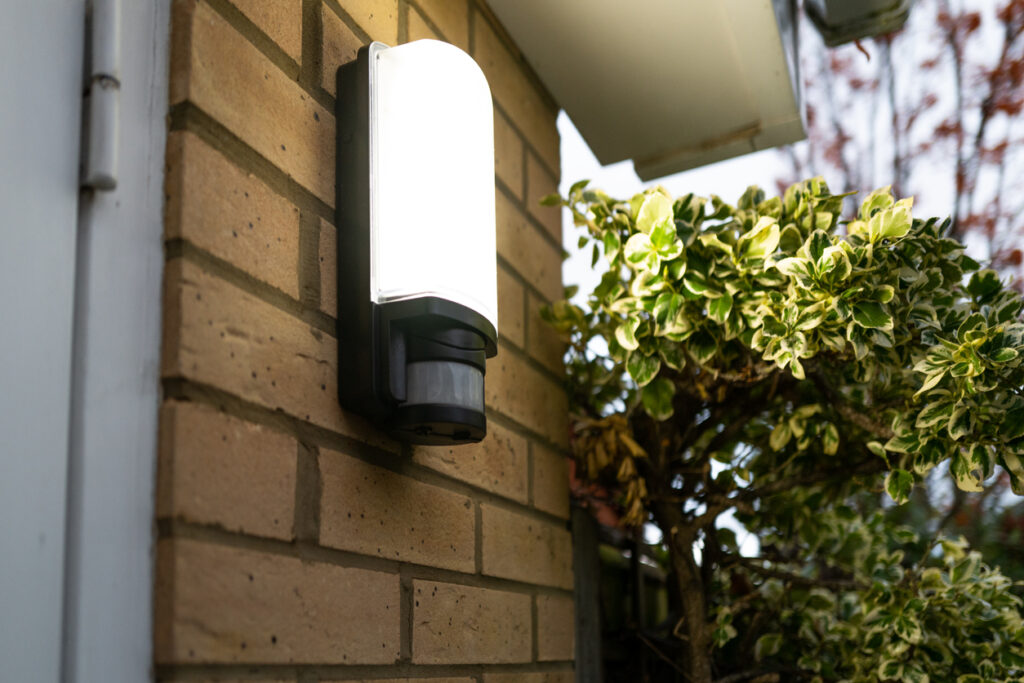
Powerful PIR lights that blaze into a neighbour’s bedroom every time a fox wanders past can trigger statutory nuisance complaints. Councils must investigate artificial light that is prejudicial to health or a nuisance. Your camera may be fine, but the light attached to it can be the problem.
Turn the wattage down, narrow the beam, and tweak sensitivity so the lamp trips only for genuine visitors. Aim lights within your boundary and use timers so they’re not needlessly on all night.
Keeping footage for too long
Long retention creates risk. If your system captures people beyond your boundary, the longer you keep clips, the harder it’s to justify. Data protection rules expect you to keep recordings only as long as you genuinely need them for security.
Use short, default retention windows and only save a clip when something actually happened. Auto-delete everything else so you’re not sitting on an unnecessary archive.
Running hidden or disguised cameras
Concealed cameras in a front garden or shared space are far more likely to be seen as unfair or intrusive, especially if they capture people who wouldn’t expect to be filmed. Covert recording raises the stakes if you’re filming anywhere outside the bounds of your own property.
Make cameras obvious and add a simple sign at your gate or door. Transparency lowers complaints and helps show you’re filming for legitimate security, not snooping.
Using drones over neighbours’ gardens
Flying a camera drone over gardens risks both flight rule breaches and privacy complaints. The Civil Aviation Authority expects drone users to respect people’s privacy, and filming where people reasonably expect privacy can breach data protection laws.
Keep drones away from homes and gardens unless you have agreement. If you film incidentally, avoid lingering, don’t record audio, and delete clips you don’t need.
Over-reliance on continuous recording
Running continuous recording when motion or doorbell activation would do is hard to justify if you capture public space or neighbours. The more you film, the more intrusive your setup becomes, and the harder it is to defend.
Switch to event-based recording, tighten detection zones, and turn off features you don’t need. Less footage usually means fewer complaints and fewer legal obligations.
Brushing off complaints instead of fixing the setup
Many disputes escalate because the owner dismisses a neighbour’s concerns. UK guidance encourages homeowners to angle cameras away, mask, or filter areas that aren’t theirs. Refusing simple changes invites formal complaints and legal escalation.
Take concerns seriously. A small tweak to framing or settings is often enough to remove the problem and keep everyone out of a formal dispute.
Thinking “it’s just a doorbell” so none of this applies
Smart doorbells feel casual, but they’re still cameras and often microphones. If they capture people outside your boundary, the same privacy rules apply and the same liabilities can follow. Courts have already shown that poorly set systems can cross the line into unlawful intrusion.
Treat a doorbell like any other camera. Limit what it captures, secure the footage, and be ready to handle requests. That way you get the security you want without the drama you don’t need.