Loons look like elegant waterfowl gliding serenely across lakes and coastal waters.

However, they’re actually some of the most enigmatic birds on the planet. These aquatic masters have been puzzling scientists and captivating nature lovers with their bizarre abilities and haunting presence for centuries. Here are some of the most incredible things about them that make loons worth appreciating and researching more.
1. They’re basically underwater missiles with wings.
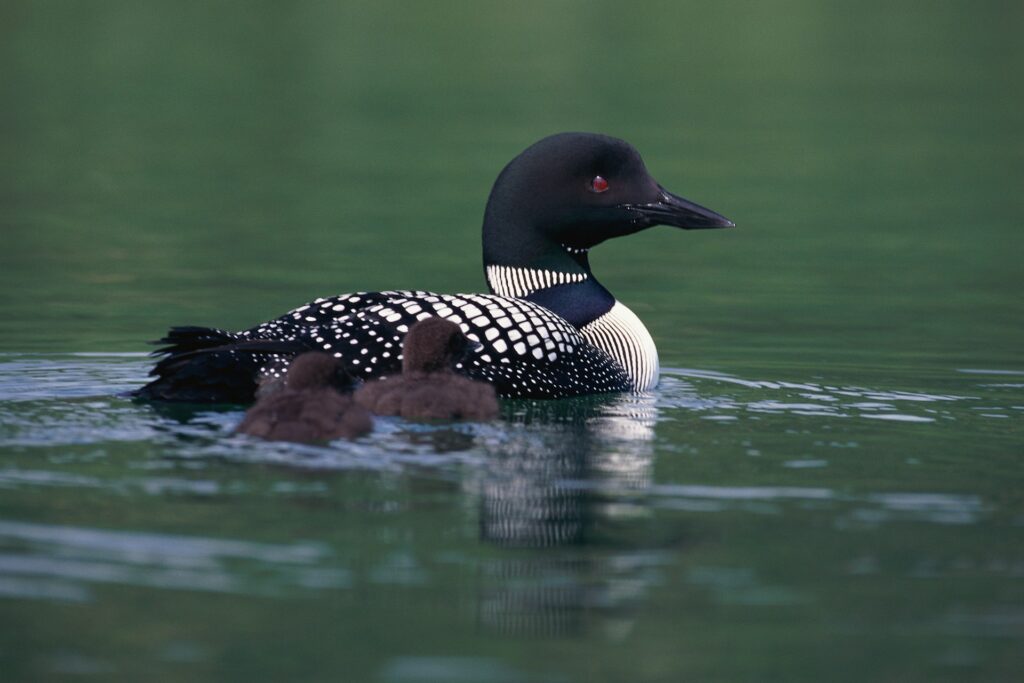
While most birds paddle about on the surface or do quick dips for food, loons completely disappear beneath the water and torpedo through it like feathered submarines. They can dive down 60 metres and stay under for several minutes while hunting fish.
Their bodies are perfectly designed for this underwater life. They’ve got solid bones instead of hollow ones like other birds, legs positioned far back for maximum propulsion, and streamlined bodies that cut through water like living torpedoes. They’re more fish than bird when they’re hunting.
2. Their calls sound like something from another dimension.
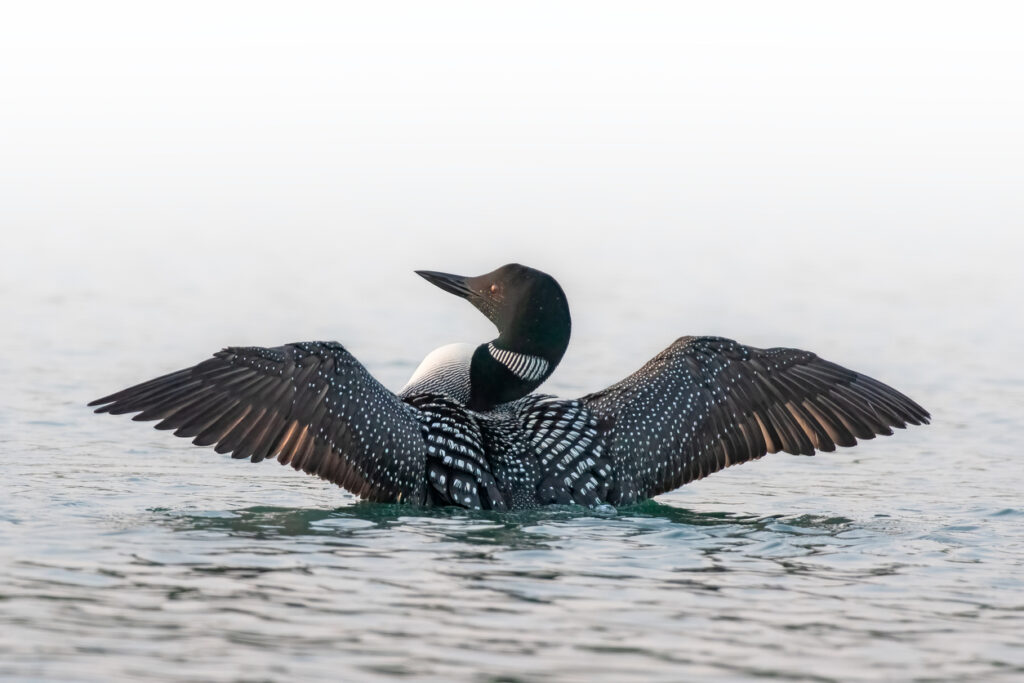
The haunting wail of a loon across a misty lake is one of nature’s most spine-tingling sounds. These calls can carry for miles and sound like nothing else in the animal kingdom: part wolf howl, part ghostly lament, part alien communication.
Each call has a different meaning, too. They’ve got territorial calls, family reunion calls, distress calls, and social chatter calls. Some people swear they can predict weather changes based on loon calls, though scientists are still debating whether there’s any truth to this folklore.
3. They can’t walk properly on land.
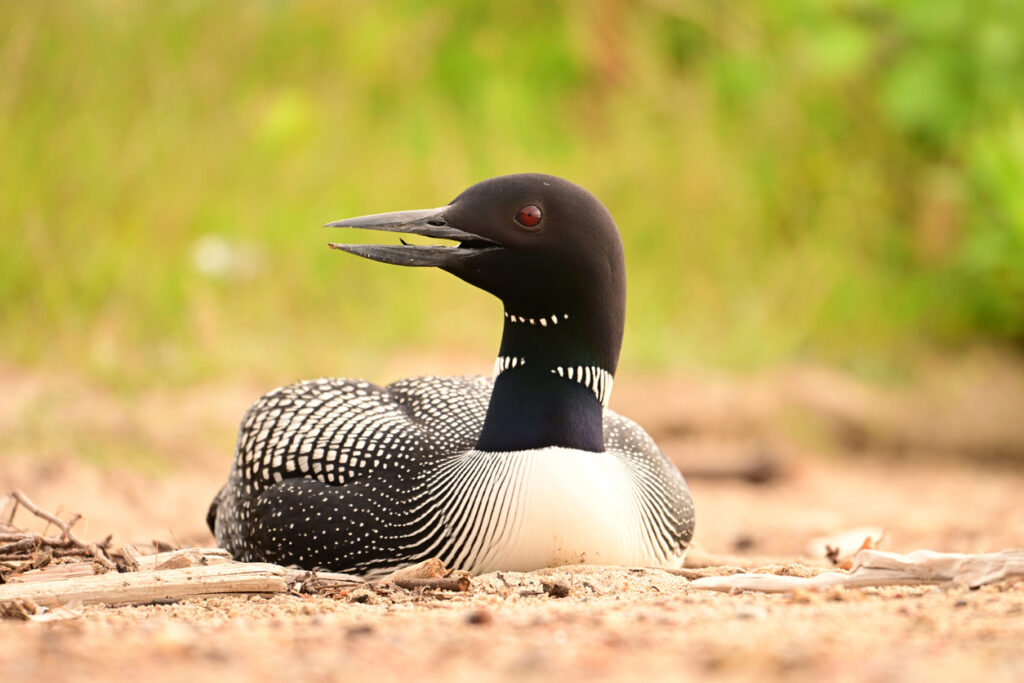
Despite being incredible underwater athletes, loons are absolutely hopeless on dry land. Their legs are positioned so far back on their bodies for swimming efficiency that they can barely shuffle along when they’re out of water.
This makes them incredibly vulnerable when they nest, which they only do right at the water’s edge. They literally can’t walk to their nest; they have to slide on their bellies like awkward, feathered seals. It’s quite undignified for such graceful waterbirds.
4. They swallow stones on purpose.

Loons deliberately eat rocks and pebbles, storing them in their stomachs like some kind of bizarre geological collection. These stones aren’t for digestion like in other birds; they’re actually ballast to help control their buoyancy while diving.
By adjusting how many stones they’re carrying, loons can fine-tune their underwater abilities. More stones make them sink faster and dive deeper, while fewer stones help them surface more quickly. It’s like having an internal weight system they can adjust as needed.
5. Baby loons ride on their parents’ backs like tiny passengers.

Loon chicks spend their first few weeks of life riding around on their parents’ backs, even when the adults dive underwater. The babies just hold on tight and go along for the submarine ride, learning the aquatic ropes from the safety of their parent’s back.
This piggyback system protects the vulnerable chicks from predators like snapping turtles and large fish that might grab them from below. It also keeps them warm and helps them learn diving techniques by experiencing the underwater world firsthand.
6. They have ancient connections that scientists still don’t understand.

Loons are evolutionary mysteries that don’t fit neatly into any bird family tree. They’re ancient birds with features that seem both primitive and highly specialised, making it hard for scientists to figure out exactly where they belong in avian evolution.
Some DNA studies suggest they’re related to penguins and petrels, while others point toward connections with grebes or even flamingos. They’ve been doing their own thing for so long that they’ve become a puzzle piece that doesn’t quite fit anywhere.
7. They migrate in ways that baffle researchers.

Loons disappear from their breeding lakes each autumn and somehow navigate thousands of miles to specific wintering areas on ocean coasts. But how they find their way across vast distances without obvious landmarks remains largely mysterious.
Some populations migrate at night, others during the day. Some fly alone, others in small groups. They don’t seem to follow the same routes consistently, and young birds somehow know where to go on their first migration without experienced guides. They have some sort of internal GPS systems that science hasn’t figured out yet.
8. Their eyes work differently underwater than in air.

Loons can see clearly both above and below water, which requires some serious optical wizardry. Their eyes can adjust focus incredibly quickly as they transition between air and water, something that would leave humans completely disoriented.
They also have a nictitating membrane, which is basically a transparent third eyelid that protects their eyes when diving, but still lets them see clearly underwater. It’s like having built-in swimming goggles that they can control instantly.
9. They need incredibly specific conditions to take off.

Despite being excellent fliers once they’re airborne, loons require a very long runway of open water to get off the ground. They need to run along the water surface for several hundred metres, flapping furiously, before they can achieve lift-off.
This makes them vulnerable to getting trapped on small lakes during sudden weather changes or ice formation. There are documented cases of loons getting stranded on lakes that are too small for takeoff, essentially becoming prisoners until conditions change.
10. Scientists still can’t explain their precise navigation abilities.
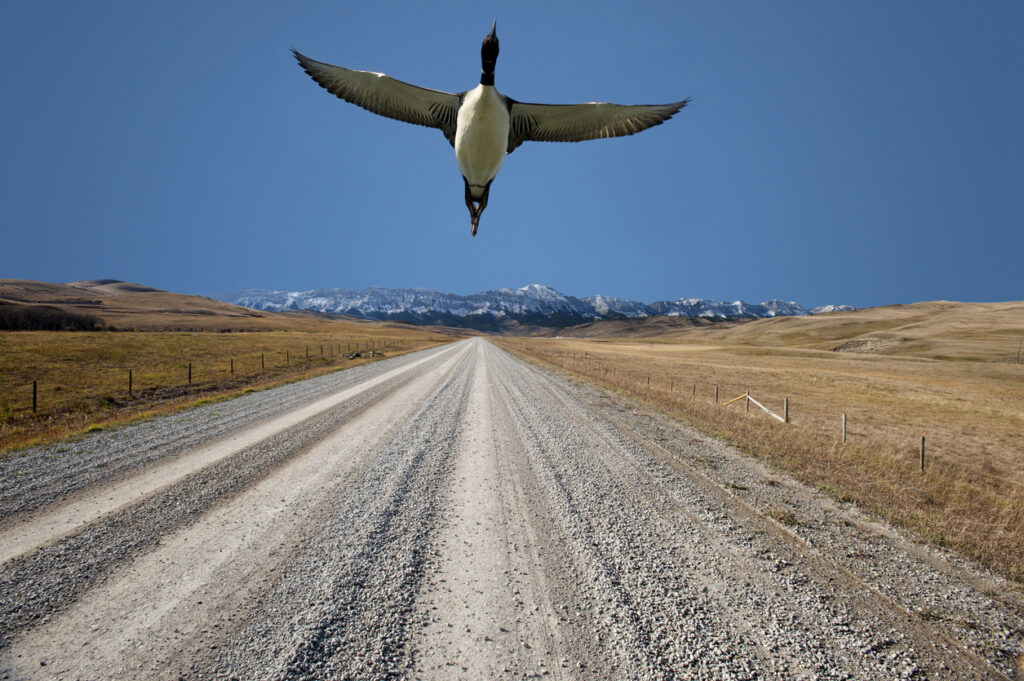
Loons return to the exact same lakes year after year, sometimes to within metres of their previous nesting sites. They can navigate across thousands of miles of featureless ocean and still find their specific home lake among thousands of similar-looking bodies of water.
Research suggests they might use magnetic fields, star patterns, geographical features, or even infrasound, which are low-frequency sounds below human hearing range. But the exact mechanism remains one of the great unsolved mysteries of animal navigation, making loons living compasses that we still don’t fully understand.