Gardeners often wonder whether to start with bulbs or seeds, and the difference between them is bigger than it first seems. Each has its own strengths, quirks, and planting times, and they both have their place in a vibrant garden. Here’s a simple guide to knowing which works best and when to use each of them.
Bulbs are storage powerhouses.
A bulb is essentially a food store packed with energy. Plants like tulips or daffodils use that stored energy to burst into growth quickly once the conditions are right. That means bulbs give you faster results. They already contain the resources to fuel a strong start, unlike seeds which begin from scratch.
Seeds are starting from zero.
Seeds are tiny beginnings containing only an embryo and some stored nutrients. They need soil, water, and light to kick-start the process of growth. Because seeds start from nothing, they take longer to mature. However, they offer more variety and often come at a fraction of the cost of bulbs.
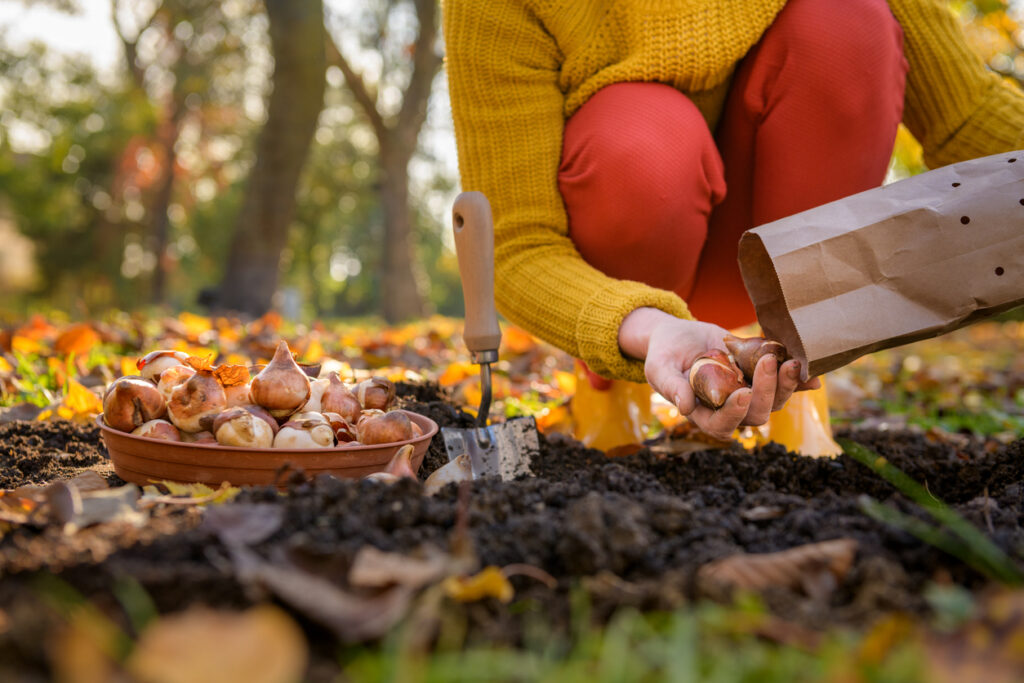
Bulbs are planted in autumn or spring.
Most bulbs go into the soil in autumn so they can establish before winter. They then flower in spring, bringing early colour to gardens when little else is blooming. Some bulbs, like lilies or gladioli, prefer spring planting. Checking timing on the packet ensures they flower in the right season.
Seeds have more flexible planting windows.
Depending on the plant, seeds can be sown almost year-round. Vegetables like lettuce can be sown several times through the season, while hardy annuals can be started in spring or autumn. That flexibility makes seeds perfect for experimenting. With the right timing, you can stagger sowing to enjoy continuous growth and harvests.
Bulbs give quicker rewards.
Because they already contain stored food, bulbs often flower within months of planting. They’re ideal if you want quick, reliable displays of blooms. Gardeners love them for spring shows. A border planted in autumn will be filled with colour by the time the following spring arrives.
Seeds require a bit more patience.
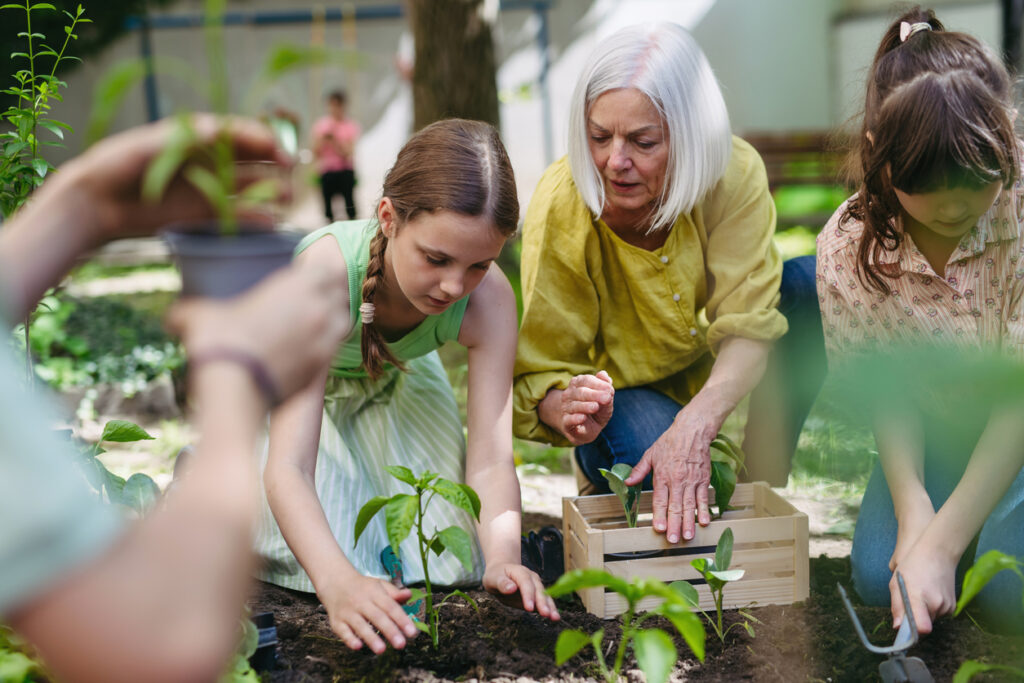
Seeds can take weeks to germinate, and months to mature into flowering or fruiting plants. They demand more patience and care during the early stages. However, the wait pays off. Seeds often grow into stronger, well-rooted plants that adapt to your garden’s conditions over time.
Bulbs tend to be perennials.
Many bulbs return year after year, storing energy underground once flowering ends. Daffodils, snowdrops, and crocuses are classic examples of perennial bulbs that naturalise and multiply. This makes bulbs a long-term investment. Once planted, they can spread and reward you with displays for many seasons.
Seeds offer greater diversity.
From rare heirloom vegetables to unusual flowers, seeds provide endless options. Bulbs are more limited to classic species, but seeds open up a whole catalogue of possibilities. That diversity makes seeds exciting for gardeners who like to experiment. You can grow plants that are unavailable in bulb form or too delicate to store underground.
Bulbs need depth and drainage.
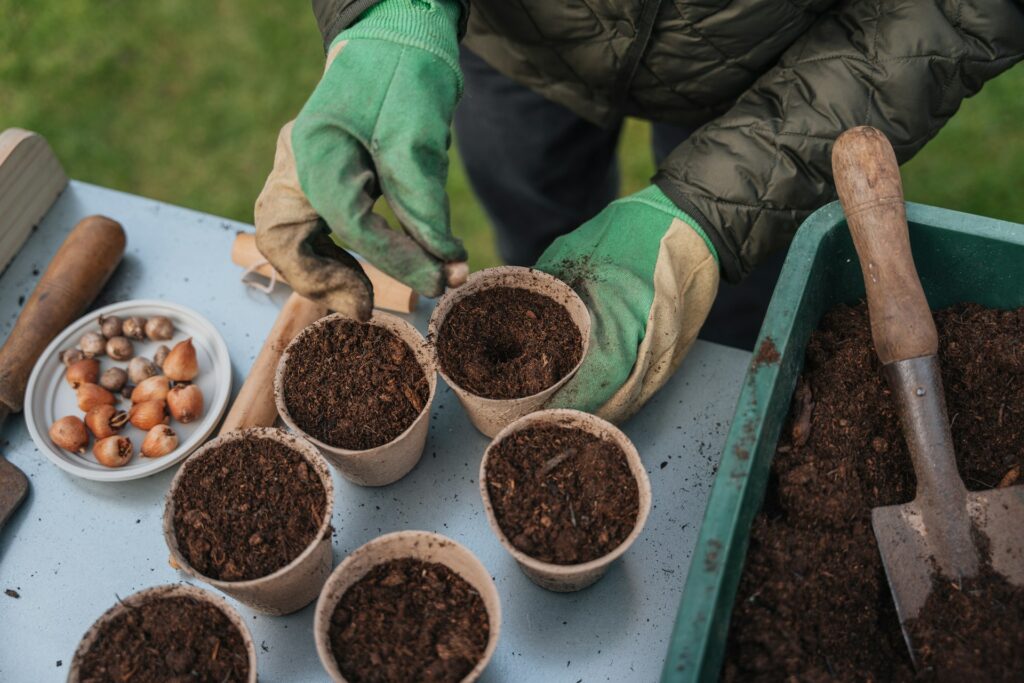
When planting bulbs, depth matters. They should usually be planted about two to three times their own height, with well-drained soil to avoid rot. Good drainage is essential because bulbs hate sitting in waterlogged ground. Raised beds or sandy soils often suit them best.
Seeds need surface care and light.
Seeds vary in how deeply they should be sown. Some need covering with soil, while others must sit right on the surface where light can reach them. Reading each packet carefully helps. Small seeds like lettuce or snapdragons may need only the lightest covering to germinate well.
Bulbs are less work once they’ve been planted.
After planting, bulbs generally need little care. They emerge on their own in the right season, making them low-maintenance and rewarding. They can also tolerate neglect better than seedlings. Even if you forget about them, bulbs often surprise you with fresh growth each spring.
Seeds demand more hands-on attention,
Seeds need watering, thinning, transplanting, and protection from pests in their early stages. They’re more delicate and need regular checks to keep them on track. This makes them higher maintenance, but it’s also part of the fun. Watching seedlings grow feels more personal and rewarding when you’ve nurtured them yourself.
Bulbs and seeds can complement each other.
In many gardens, bulbs provide quick, reliable displays while seeds fill in gaps and add variety. Planting both gives you the best of each approach. A border might feature spring bulbs for early colour, followed by seed-grown annuals for summer display. Together, they create year-round interest and balance.
The choice between bulbs and seeds isn’t either-or. Bulbs bring instant results and reliability, while seeds bring variety and creativity. By knowing when and how to use each, you can enjoy a garden that feels alive in every season.